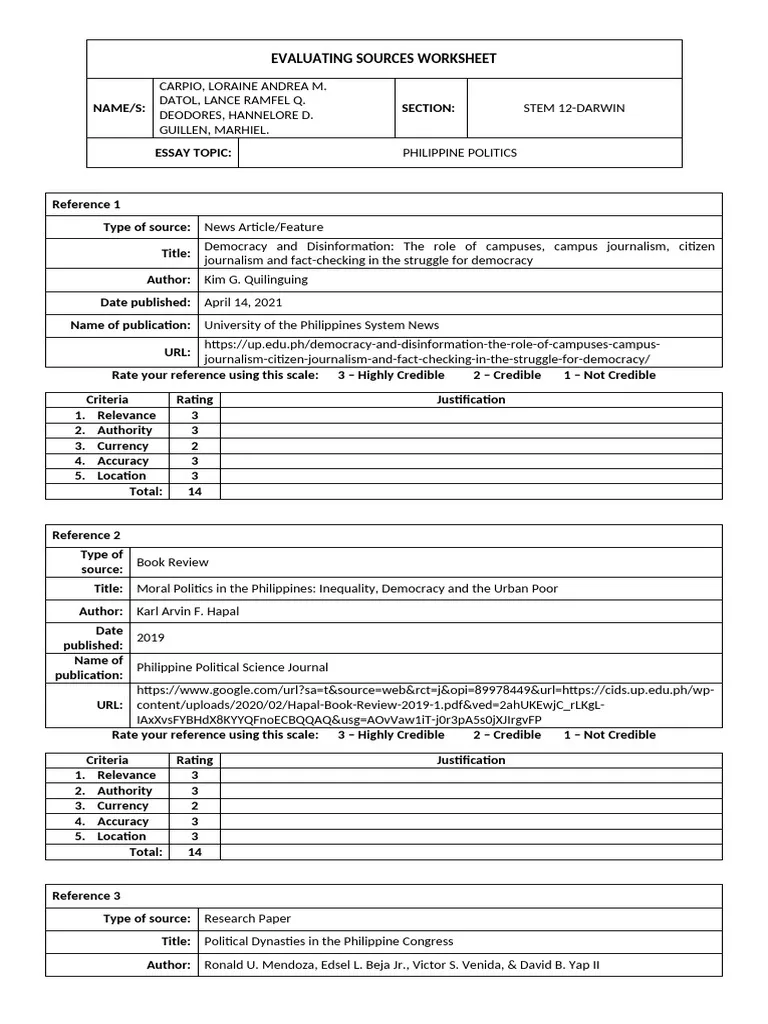
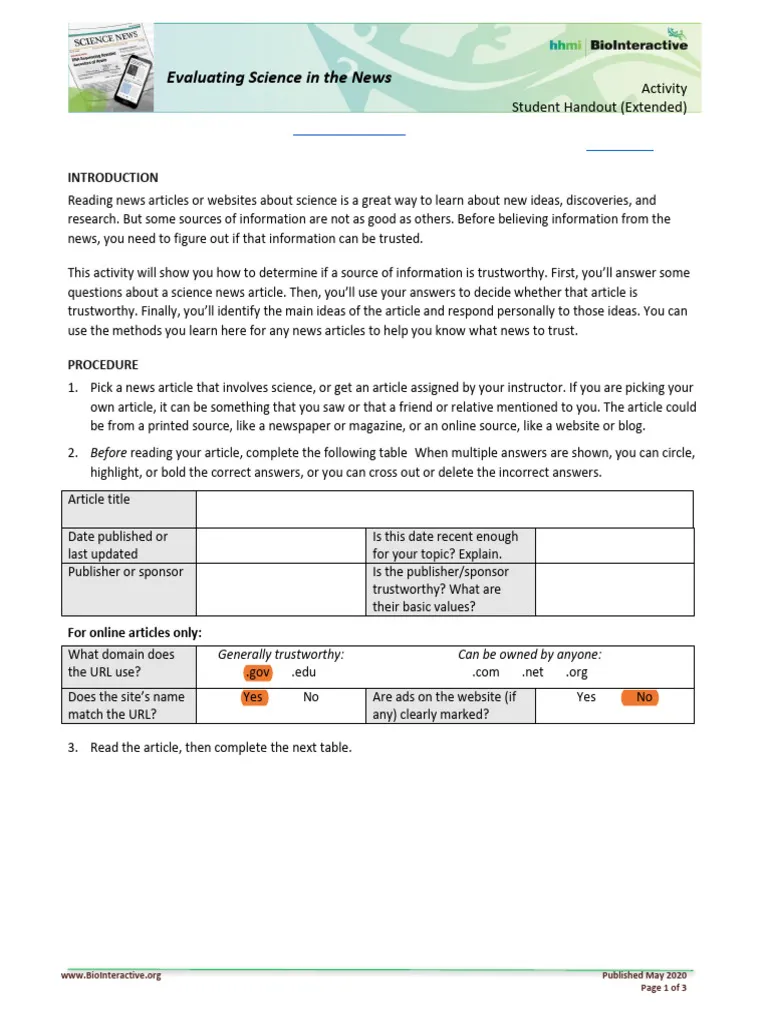
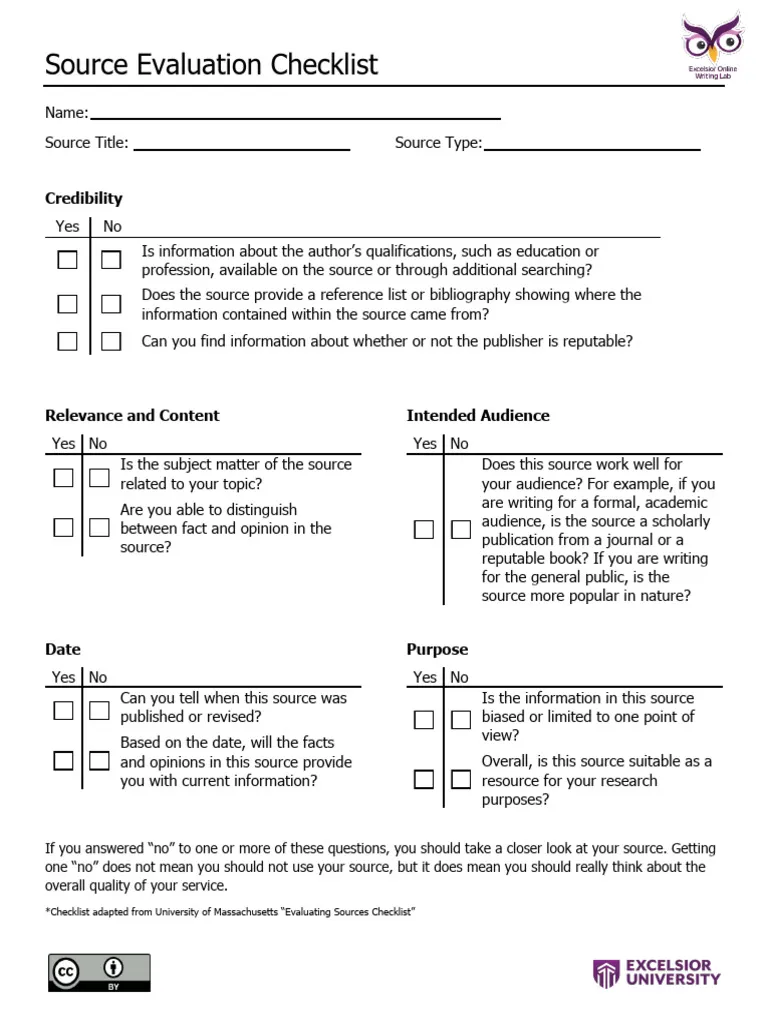
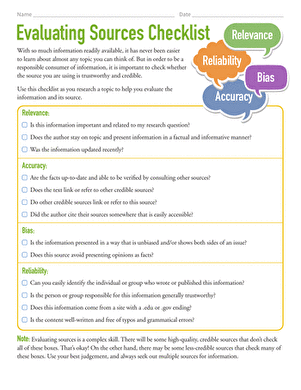
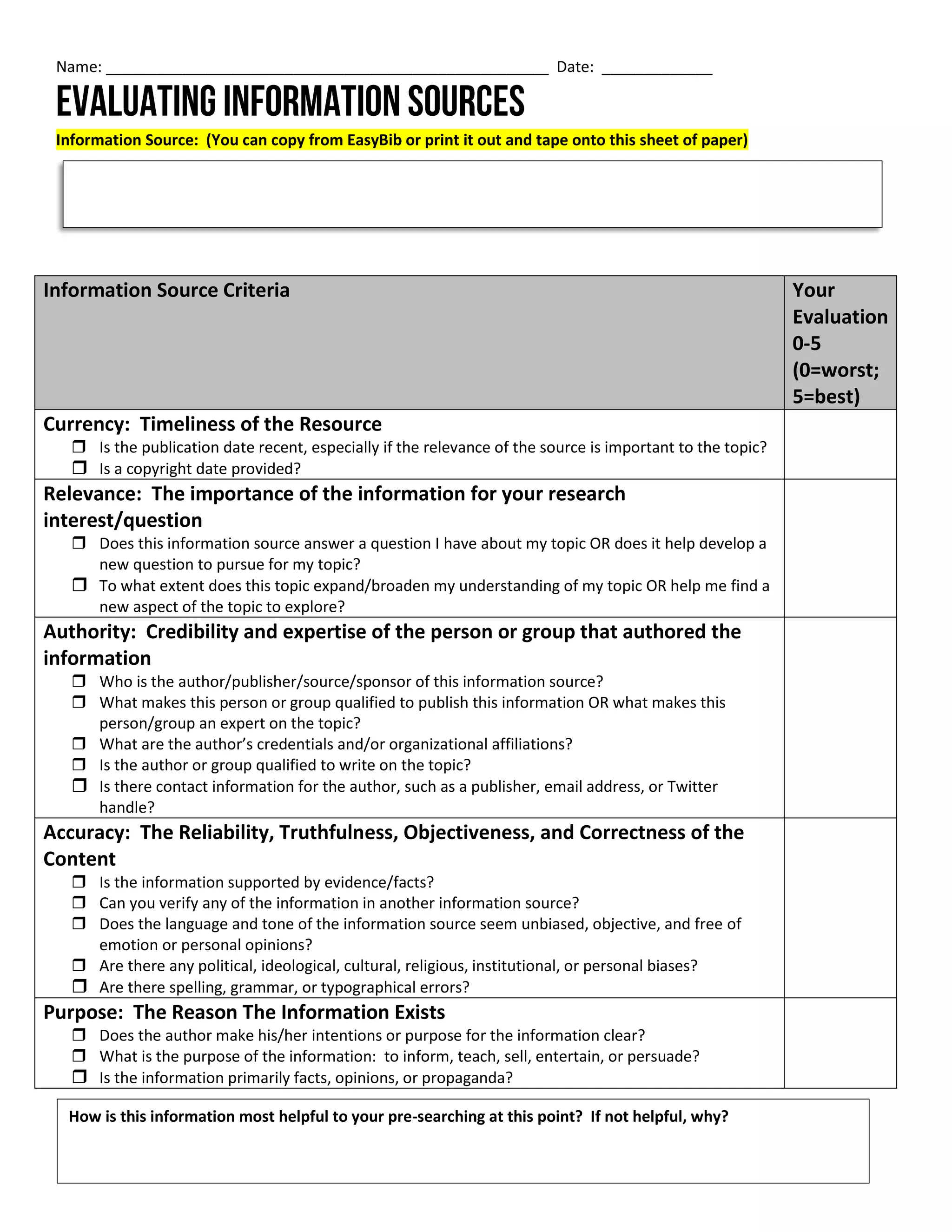
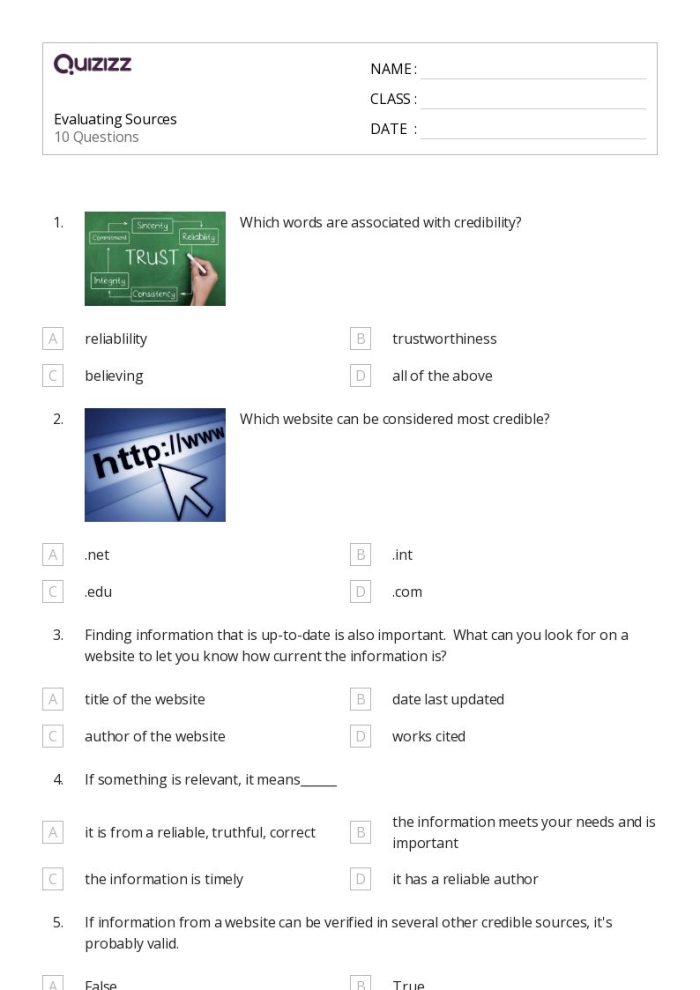
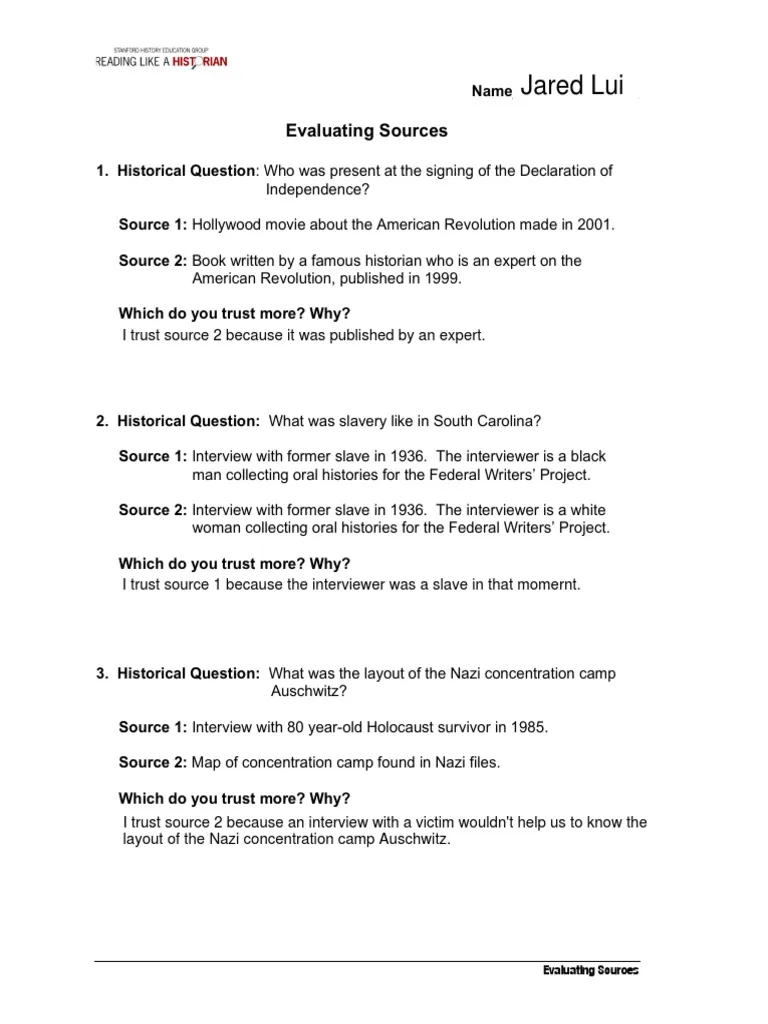
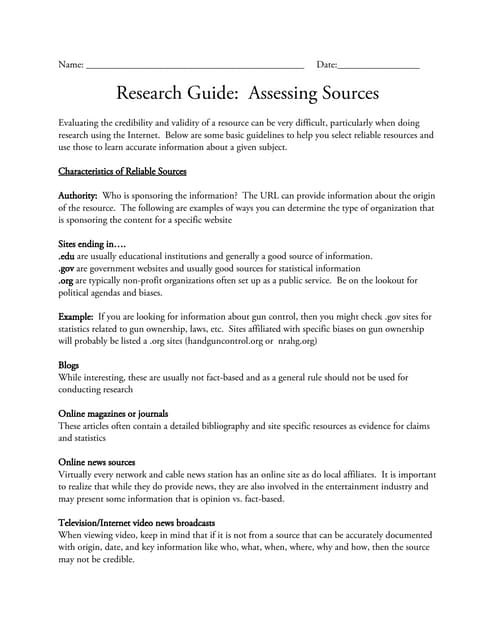
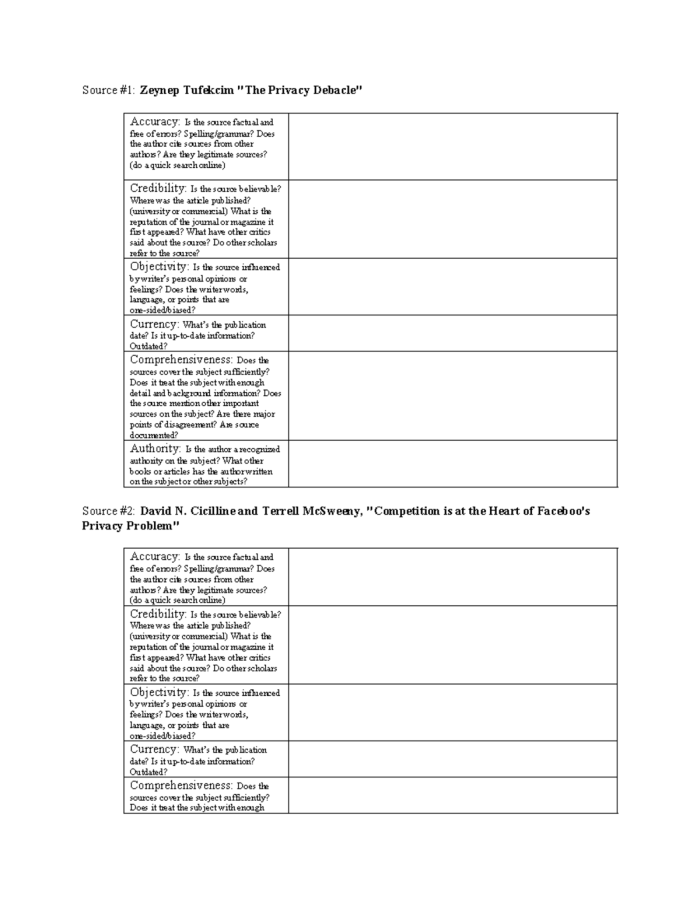
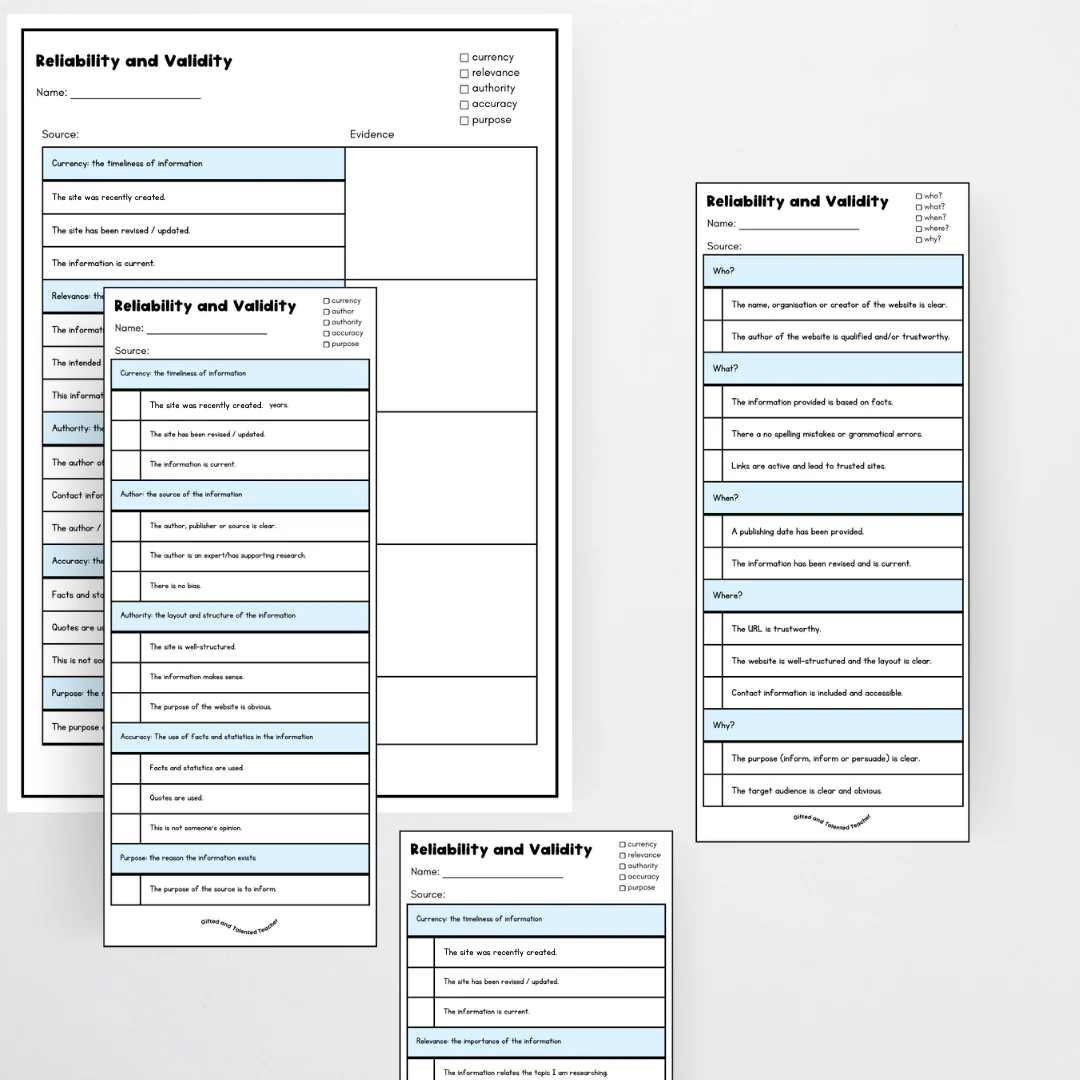
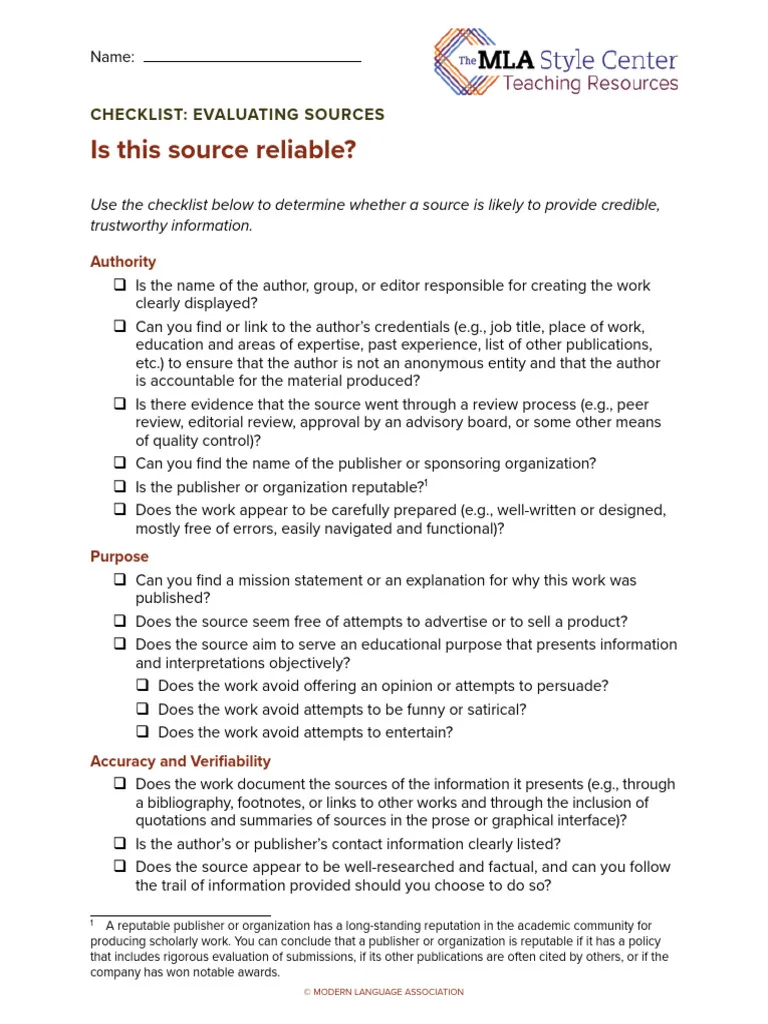
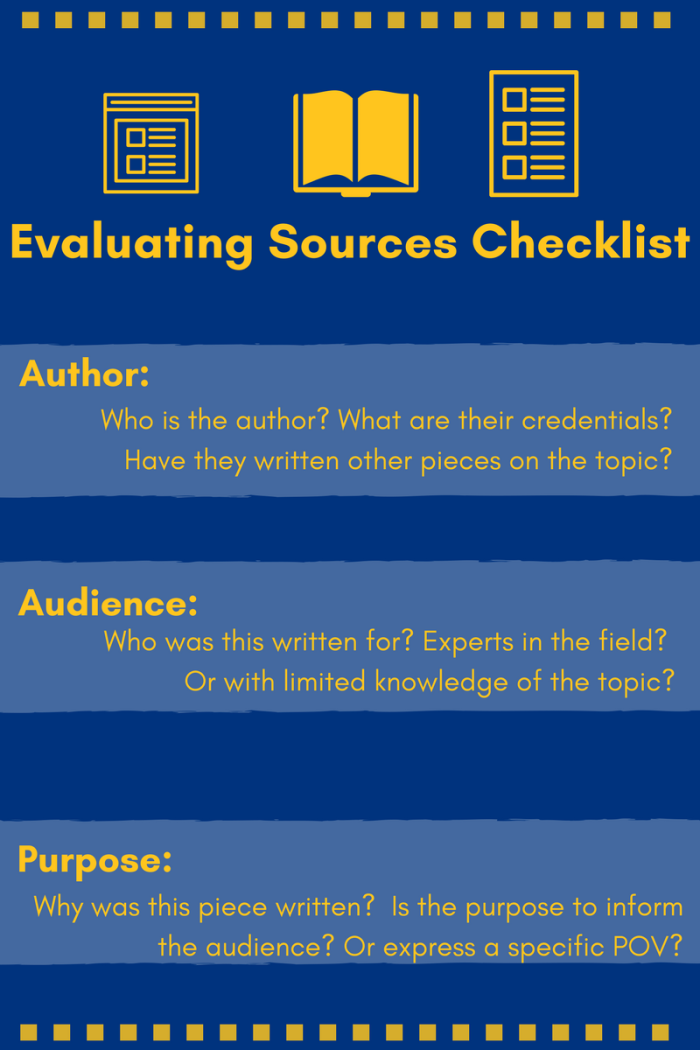
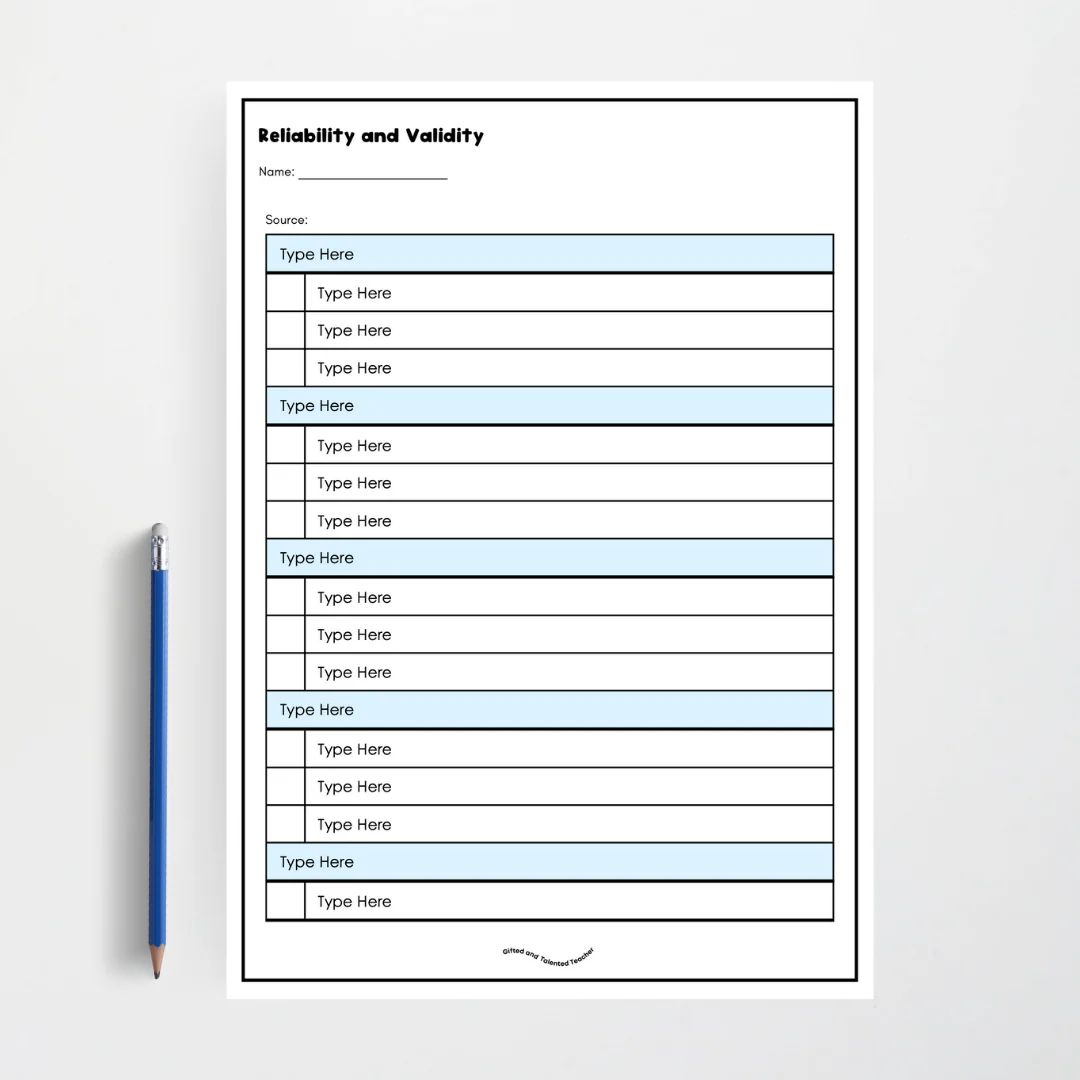
Teaching sixth graders how to evaluate sources is an essential skill that will benefit them throughout their academic journey and beyond. Using an Evaluating Sources Checklist can be a practical method to guide students through this process. This checklist helps them assess sources based on four critical criteria: relevance, accuracy, bias, and reliability.
When students are tasked with a history project, for instance, they often encounter a plethora of information from various sources. The checklist encourages them to determine if the source is relevant to their topic. For example, if a student is researching the Roman Republic, they should look for sources that specifically discuss its government structure rather than general information about ancient civilizations. This focus ensures that the information they gather directly supports their project.
Another important aspect is accuracy. Students should be taught to check the facts presented in a source against reputable references. This means verifying dates, statistics, and names. If a student comes across a website that states a significant event happened in 500 AD instead of 509 AD, they need to recognize the importance of cross-checking that information.
Bias is another crucial factor. The checklist should prompt students to ask themselves if the source presents a balanced view or if it leans towards a particular perspective. For example, a source that only praises or criticizes the Roman Republic without acknowledging other viewpoints may not be entirely reliable.
Lastly, reliability asks students to consider the credibility of the source itself. Is it published by a reputable organization? Are the authors experts in their field? Understanding these elements helps students build a strong foundation for their research.
By incorporating the Evaluating Sources Checklist into their studies, sixth graders will develop critical thinking skills essential for navigating the vast information landscape they will encounter in history and other subjects. This tool not only aids in their current assignments but also prepares them for future academic challenges.
Hands-On Worksheet Activities