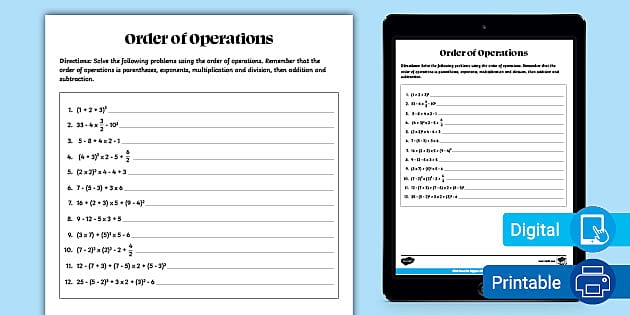
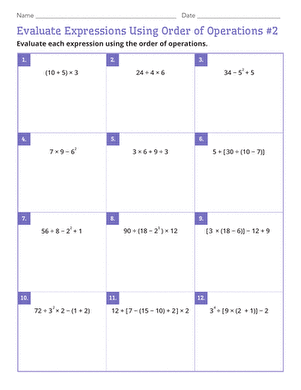
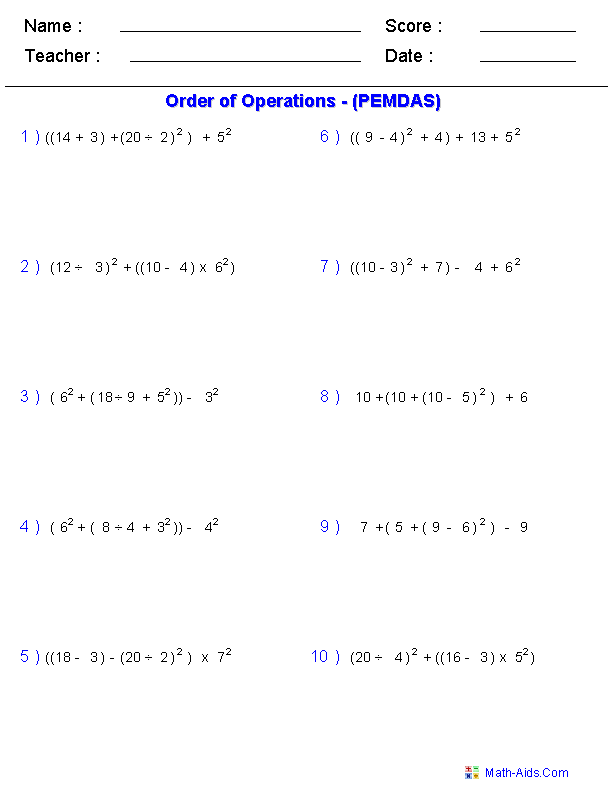
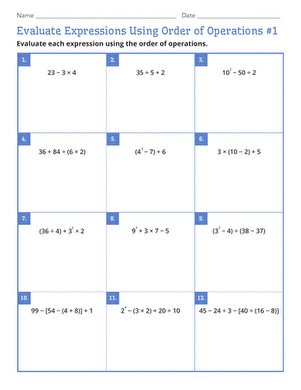
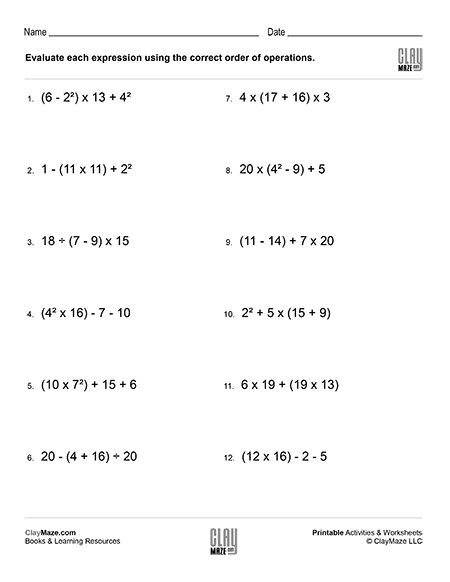
Sixth graders often struggle when they first encounter expressions that mix multiple operations together, especially once exponents enter the picture. The order of operations becomes less of an abstract rule and more of a practical necessity when students need to correctly evaluate something like 3 + 2^4 × 5. Without a solid grasp of which steps to perform first, students end up with wildly different answers depending on their approach.
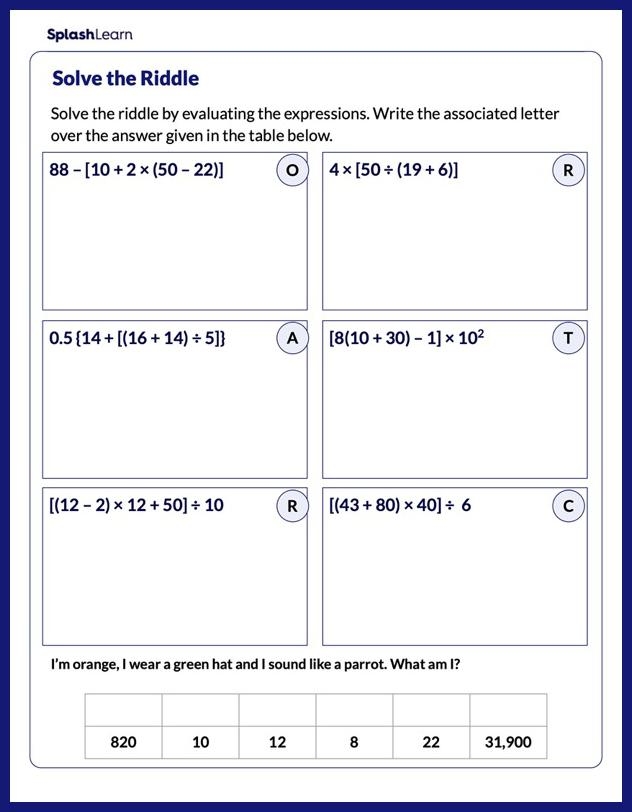
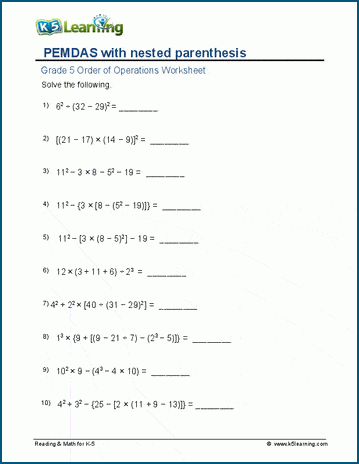
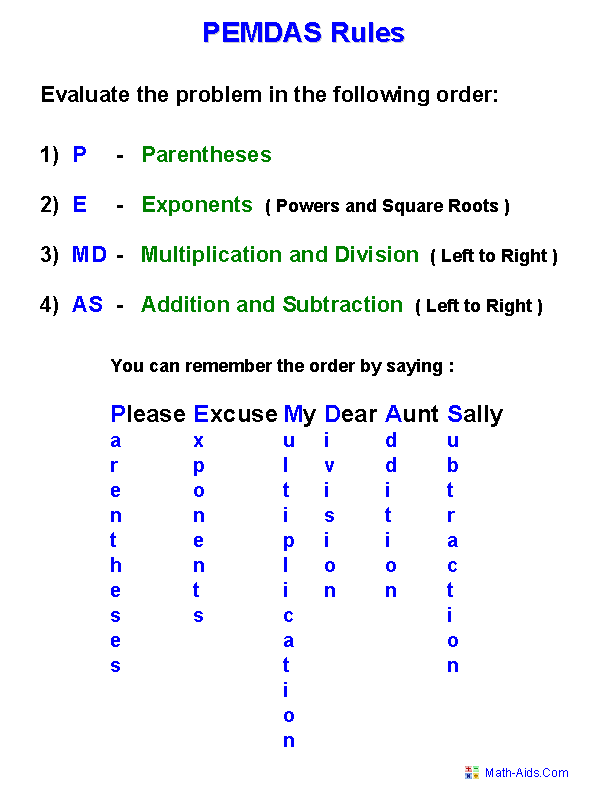
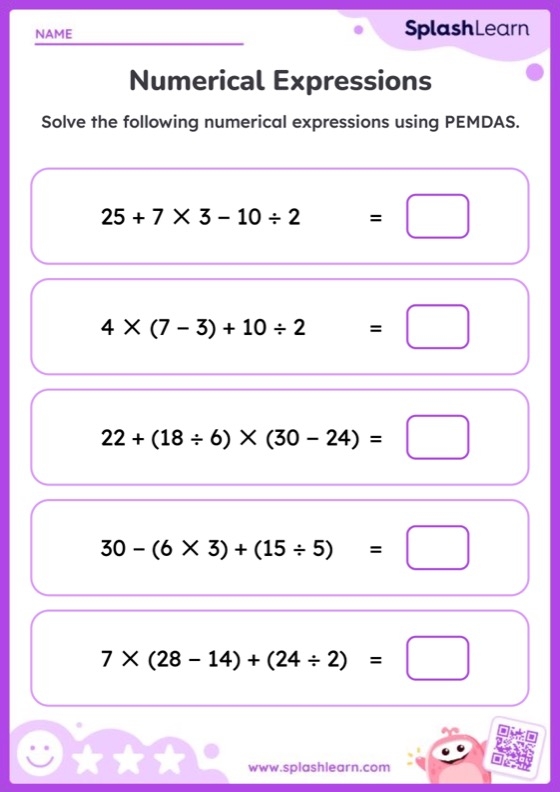
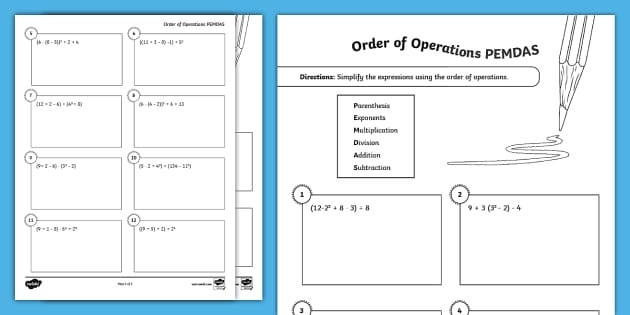
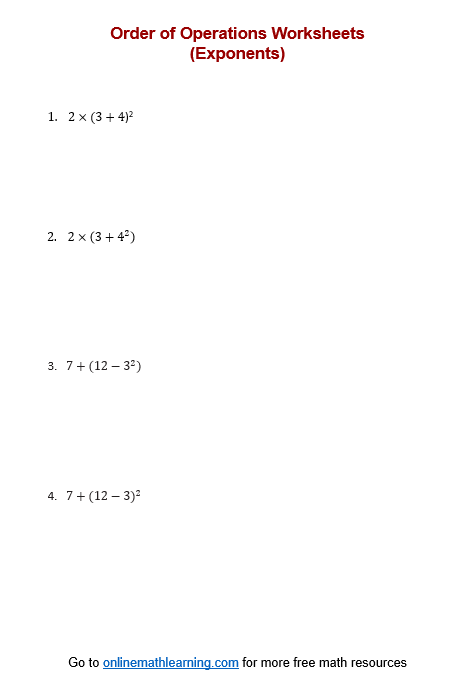
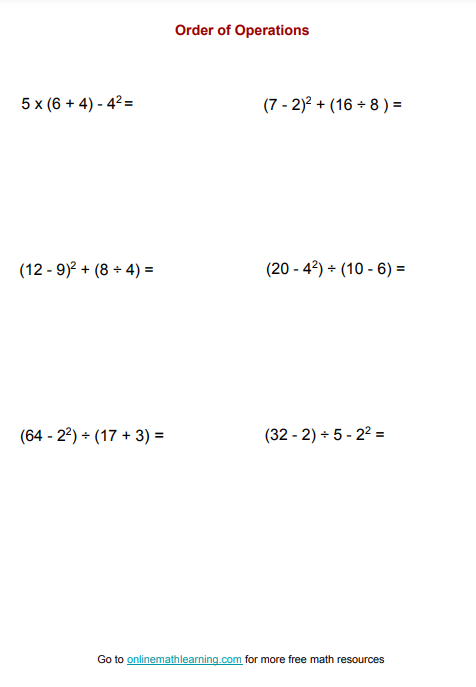
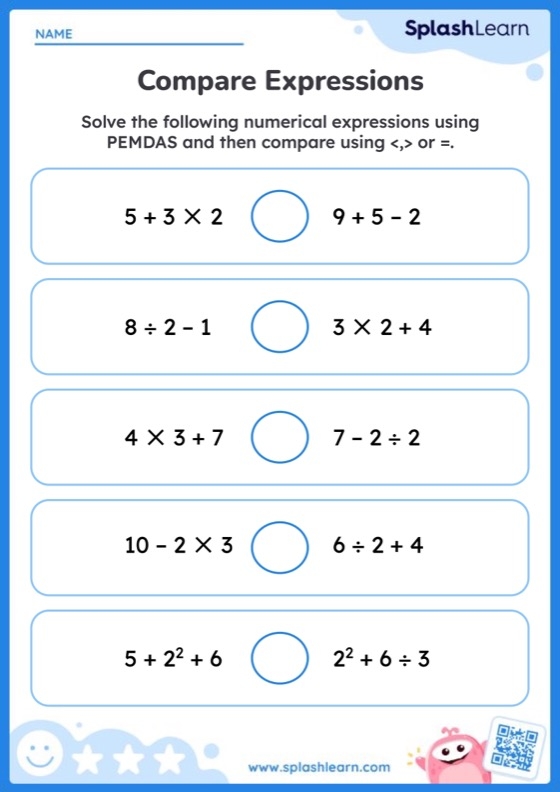
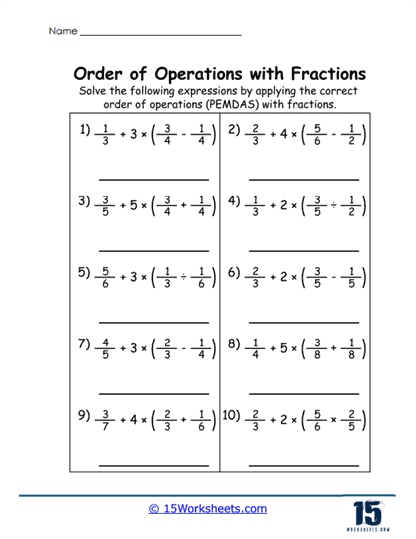
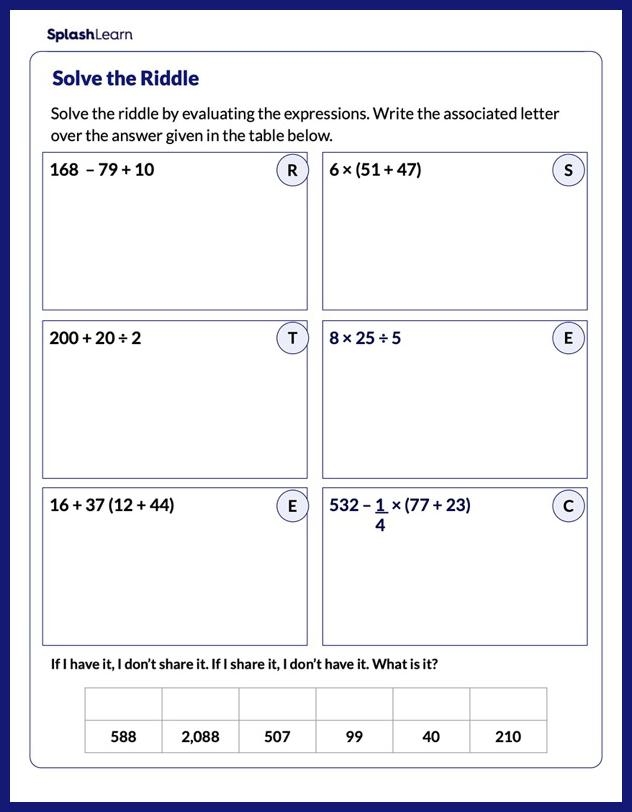
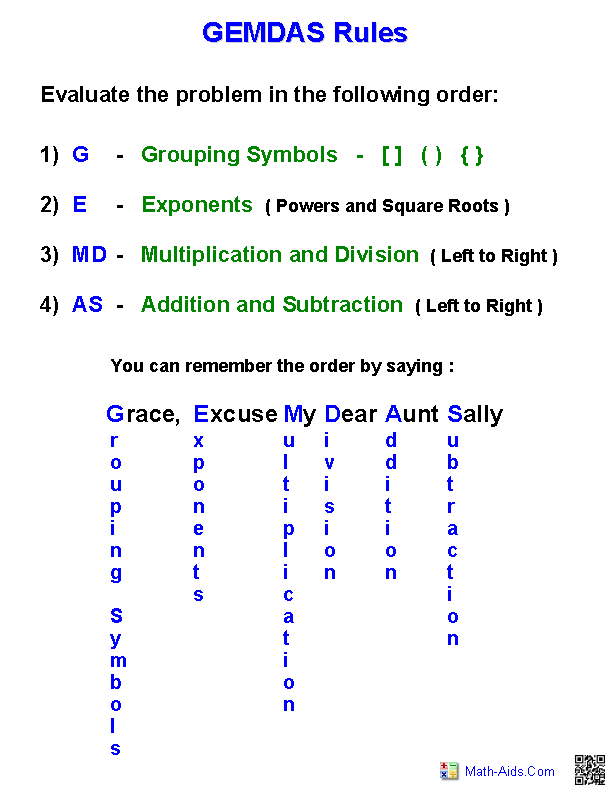
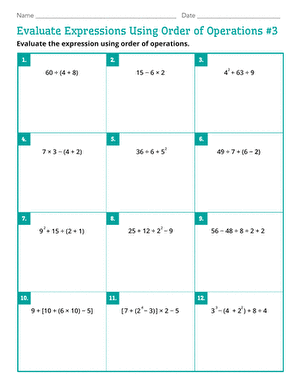
A focused worksheet that targets this specific skill can make a real difference in how students internalize the process. When students work through multiple problems that require them to apply the order of operations consistently, they begin to develop an intuition for the sequence. They learn to identify exponents first, then handle multiplication and division from left to right, and finally tackle addition and subtraction. This repetition builds confidence and reduces the mental load when they encounter these expressions in future contexts.
What makes practice with exponents particularly valuable is that it introduces a layer of complexity that pure arithmetic doesn’t require. Students must remember that 2^3 means 2 × 2 × 2, not 2 × 3. This distinction matters when they’re working through a longer expression where miscalculating the exponent throws off everything that follows. The skill transfers directly into algebra and beyond, where exponents become even more central to problem-solving.
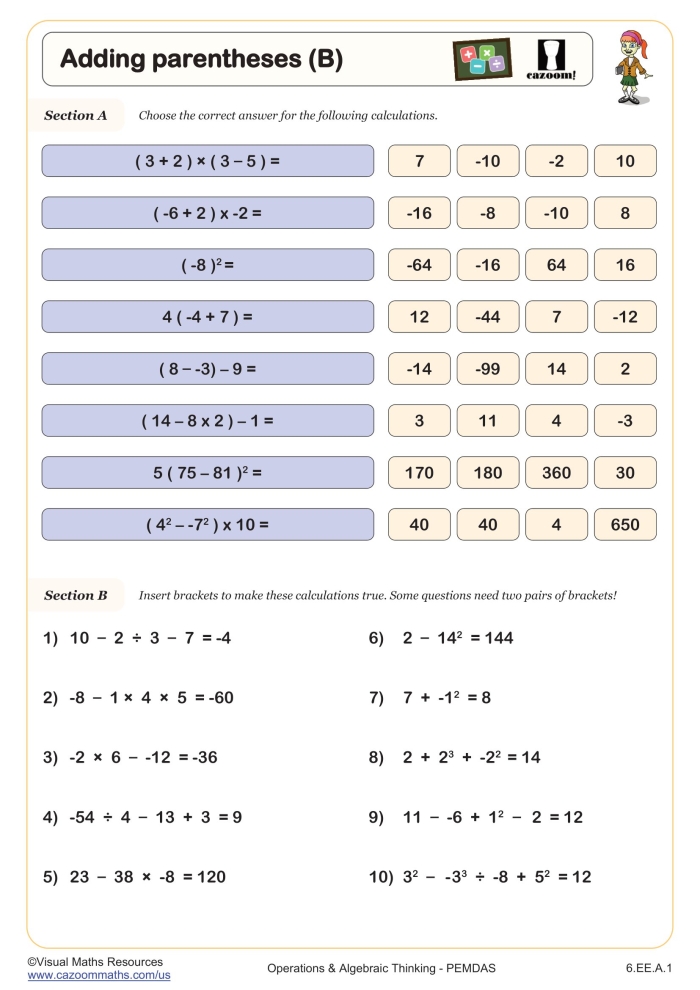
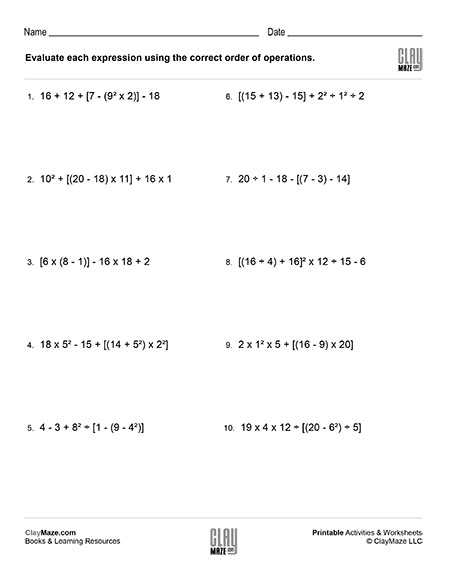
For sixth grade students working through math curricula, having access to worksheets on evaluating expressions with exponents provides the repetition they need without feeling like busywork. Each problem reinforces the same mental process, allowing students to move from conscious effort to automatic recall.
Beyond pure mathematics, understanding order of operations connects to how students approach structured problem-solving in other subjects. When sixth graders study economics or analyze data in other courses, they often encounter formulas and expressions that require the same systematic thinking. Having this foundation means they can focus on the content rather than struggling with the mathematical mechanics underneath.
Boost Skills with These Worksheets