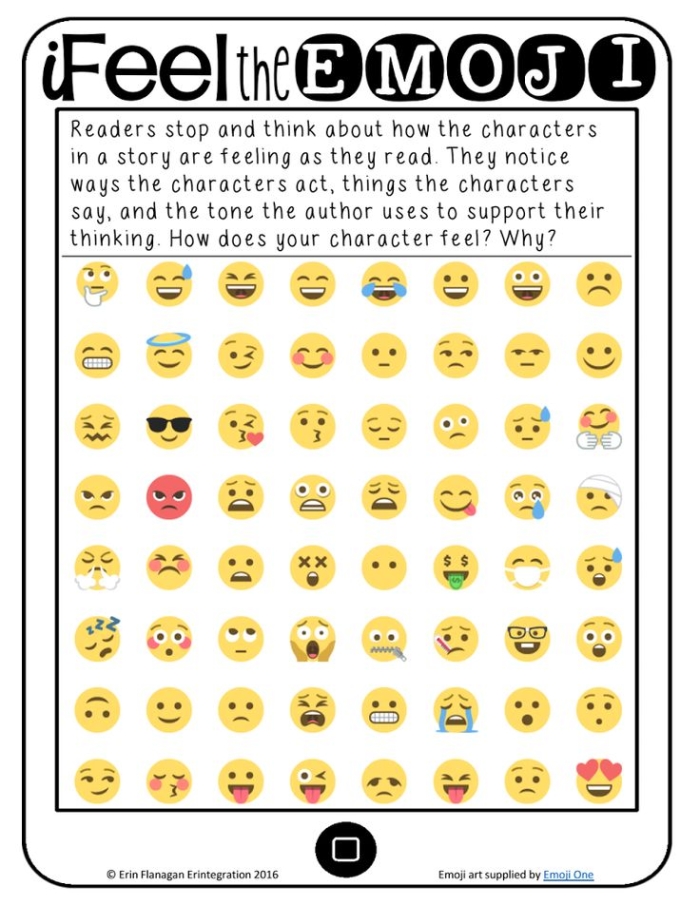
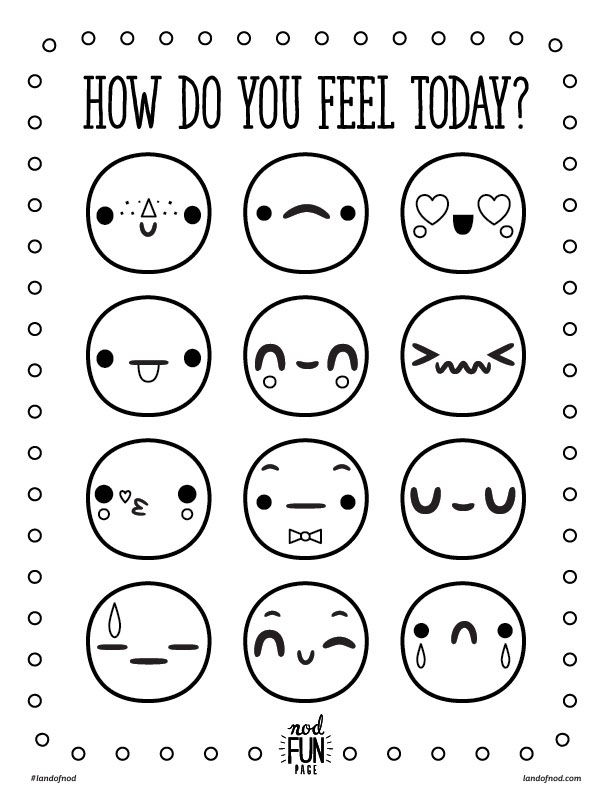
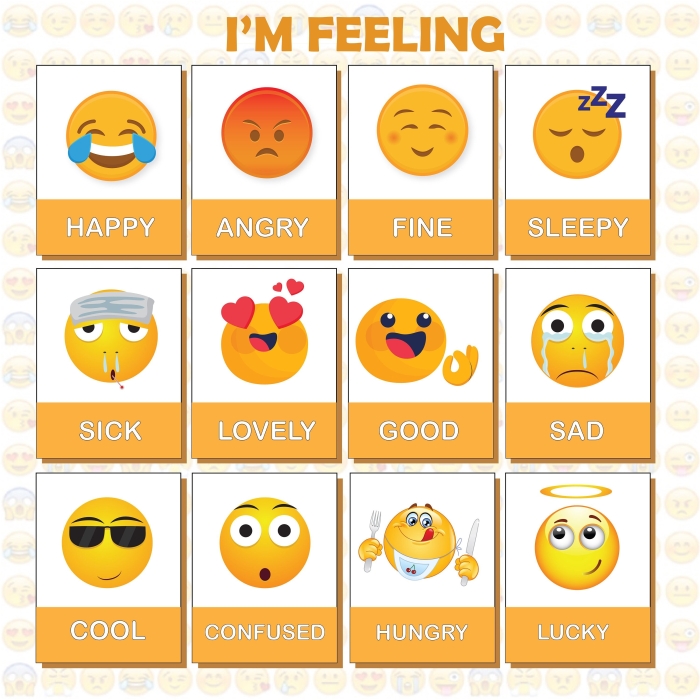
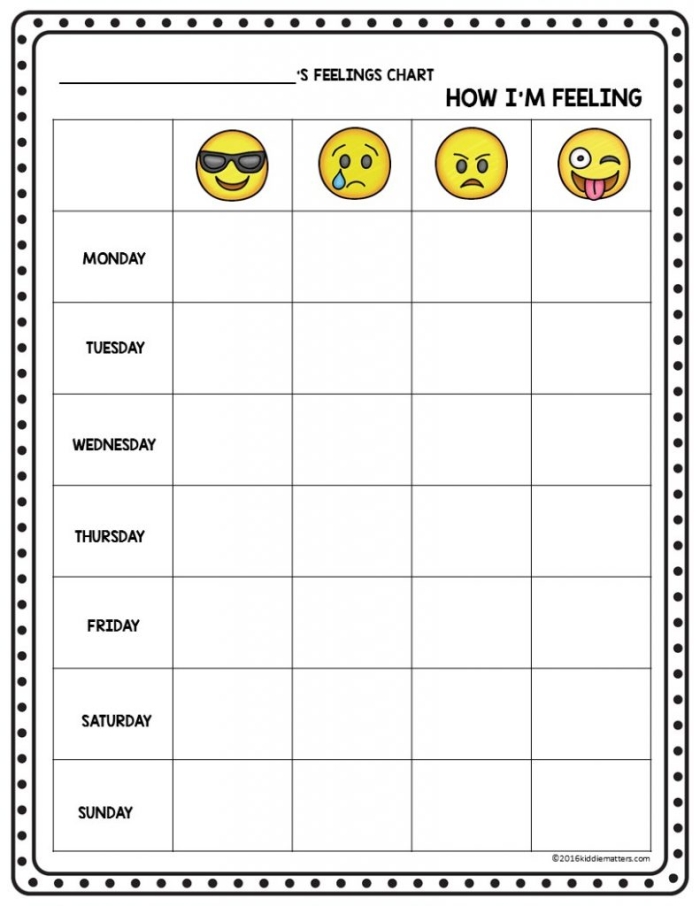
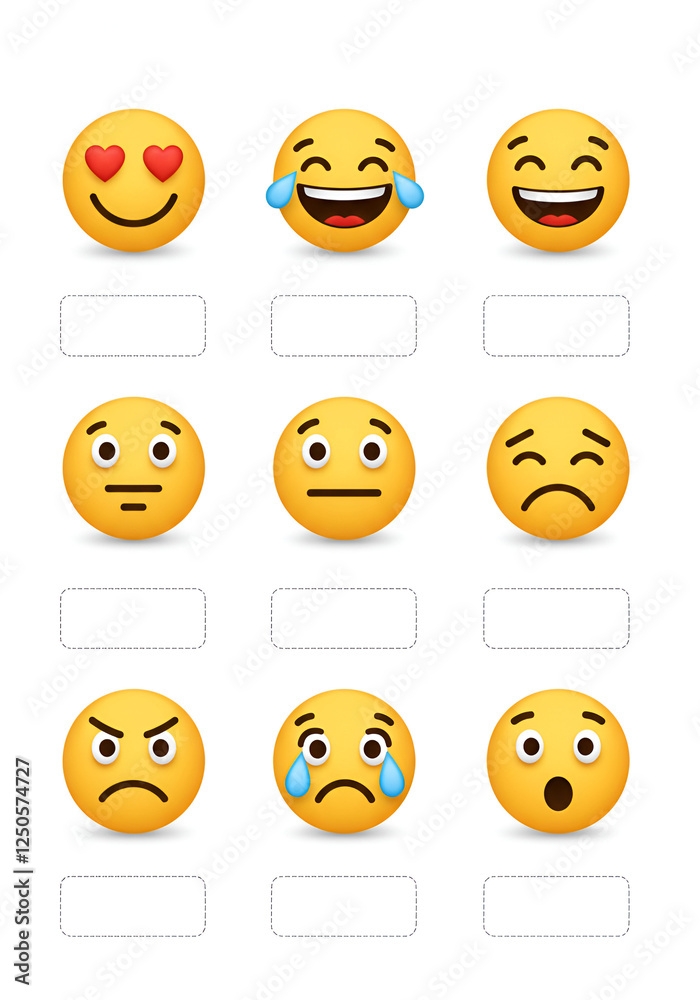
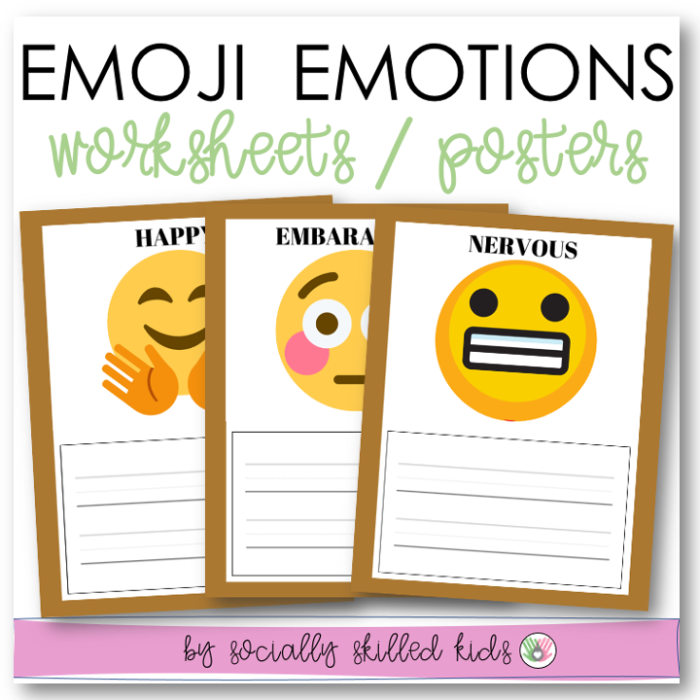
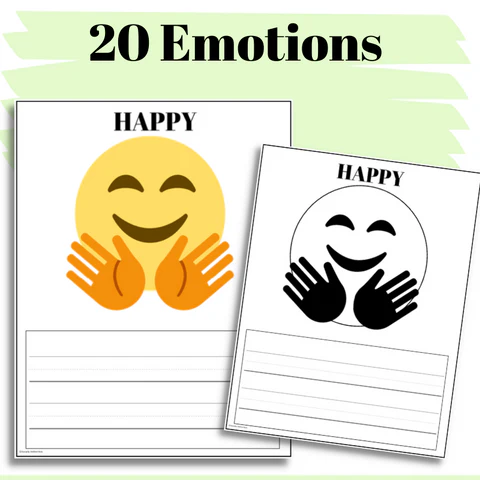
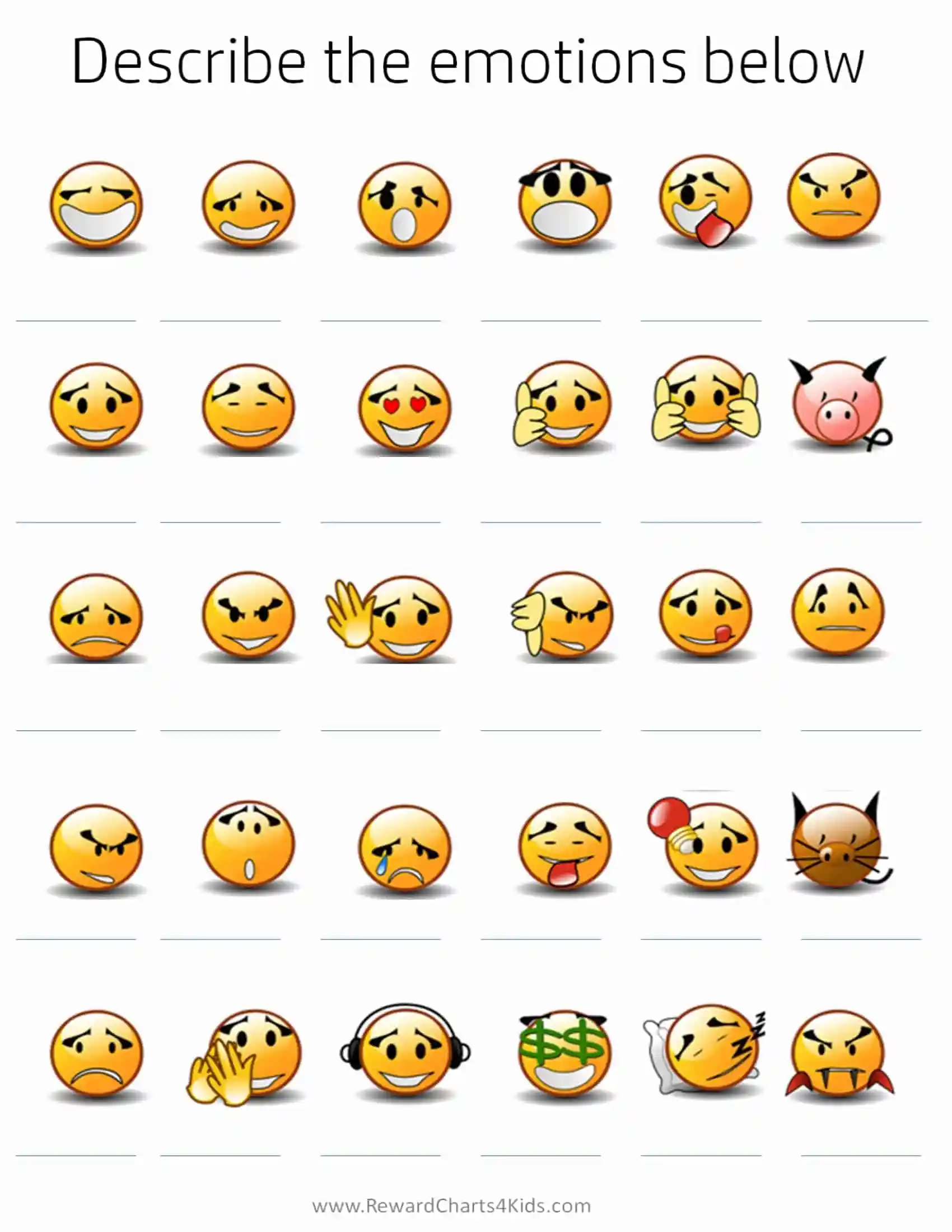
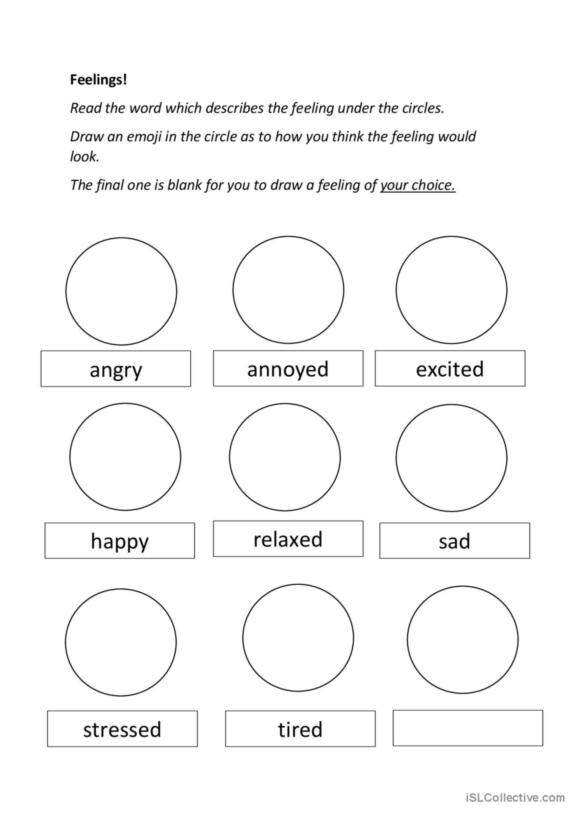
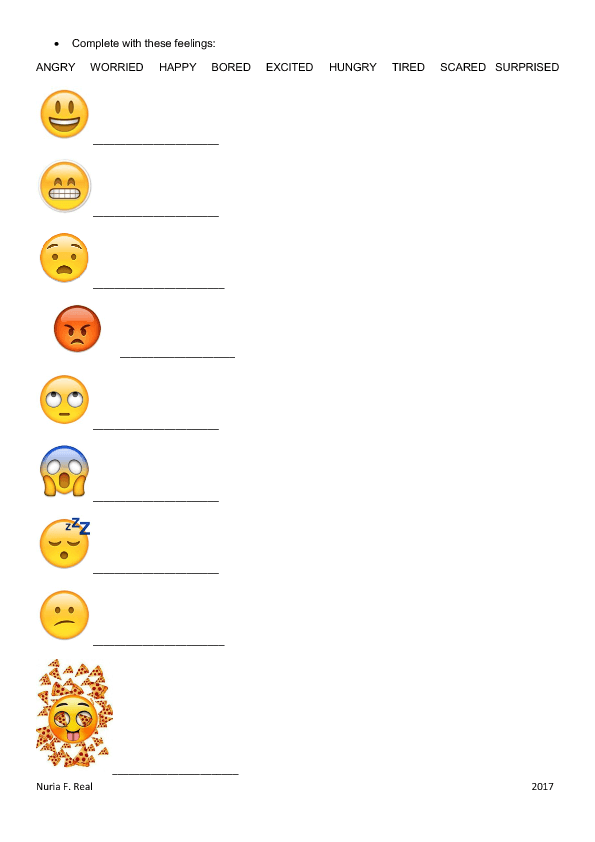
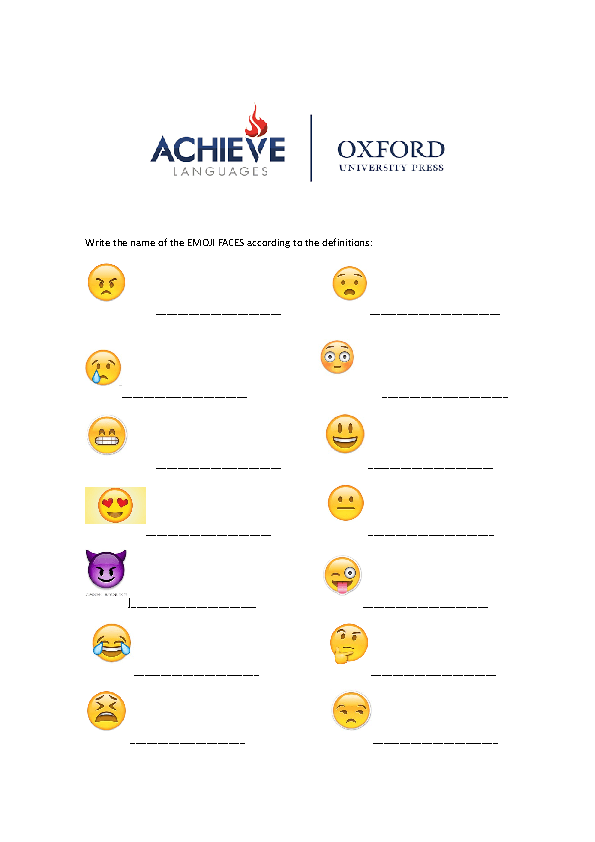
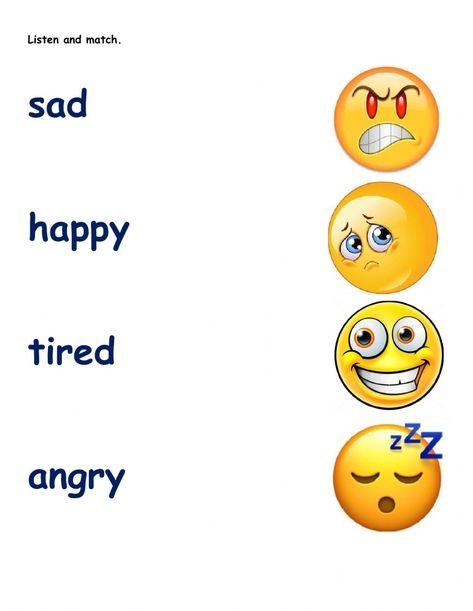
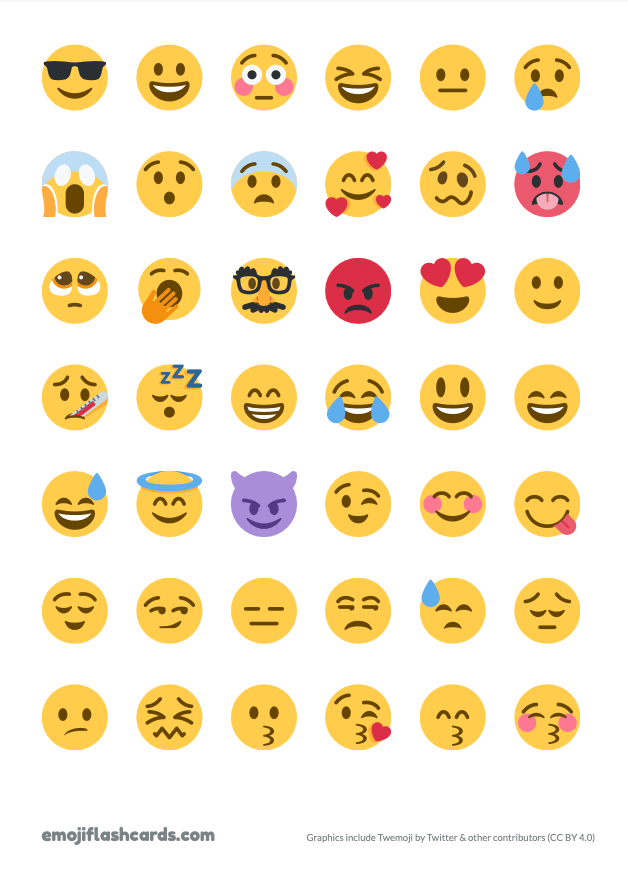
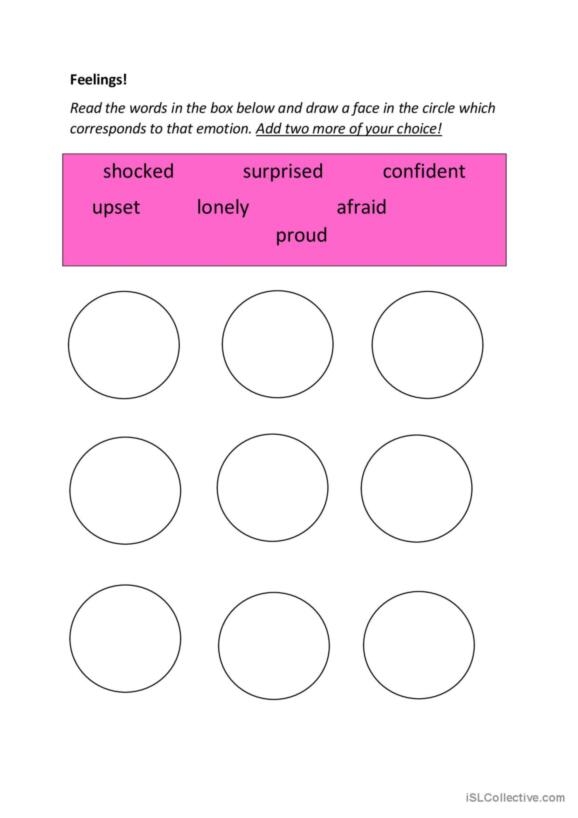
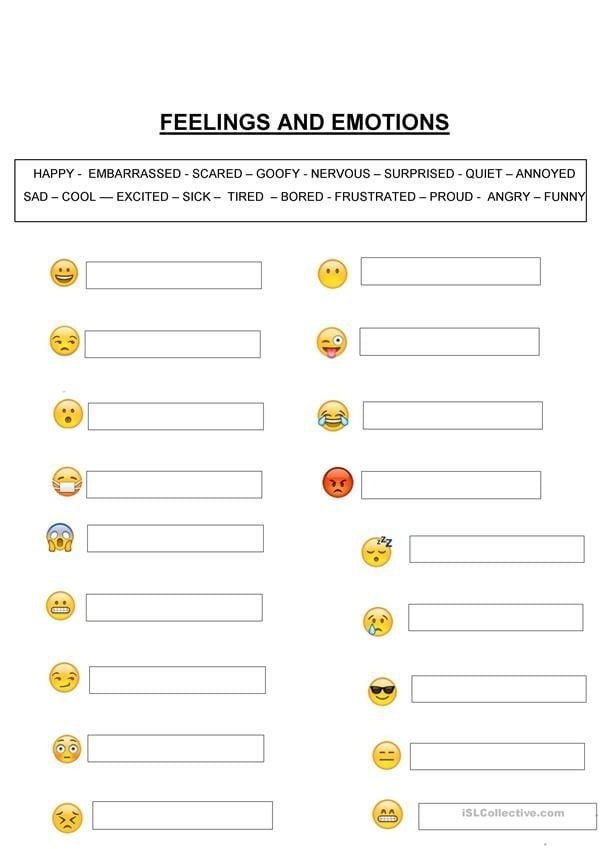
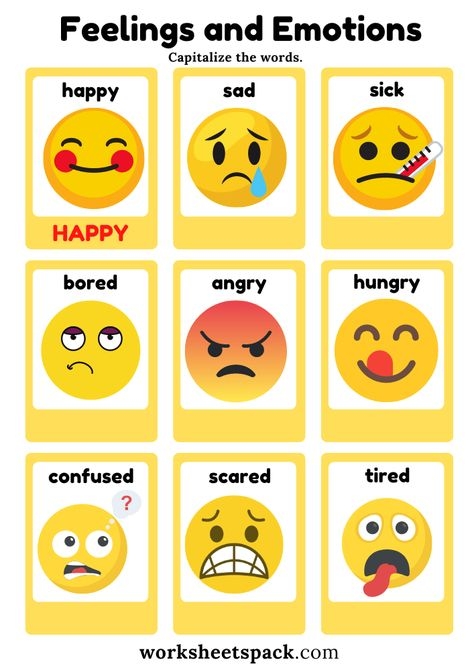
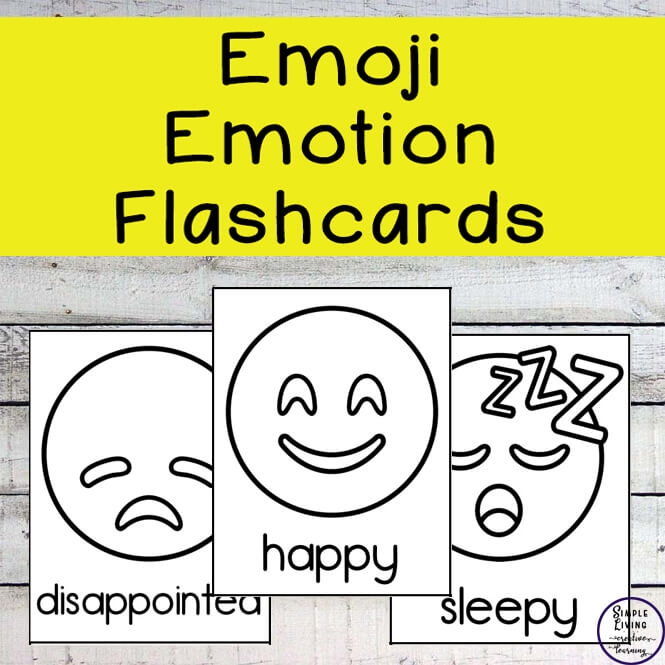
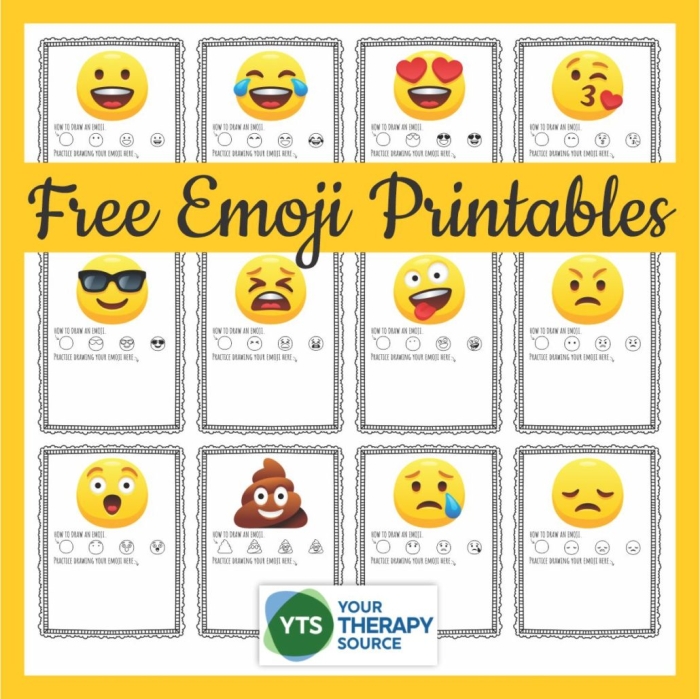
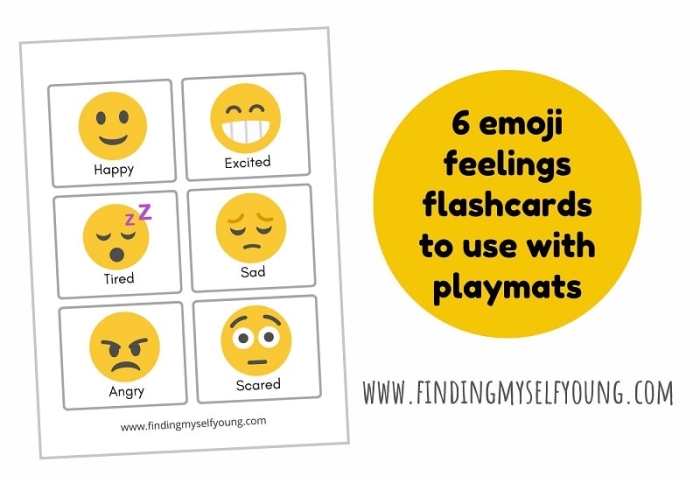
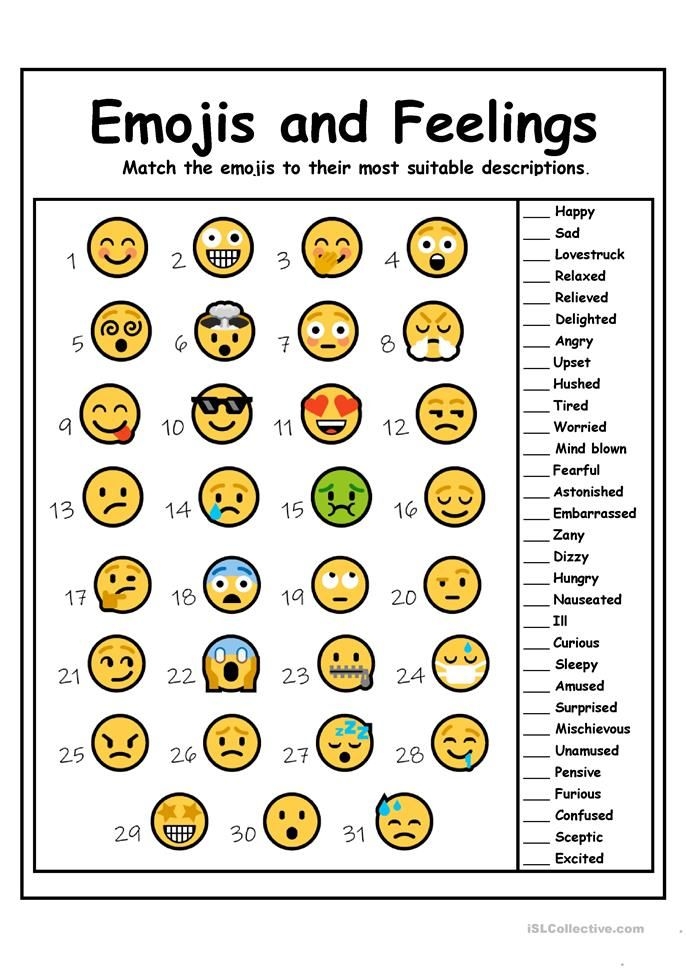
When third graders see a smiley face next to a sentence about winning a game, something clicks. That emoji becomes a bridge between the text on the page and the feelings inside their chest. Teachers working with this approach have found that emojis function as emotional anchors, giving young students permission to name and examine what they actually feel rather than what they think they should feel.
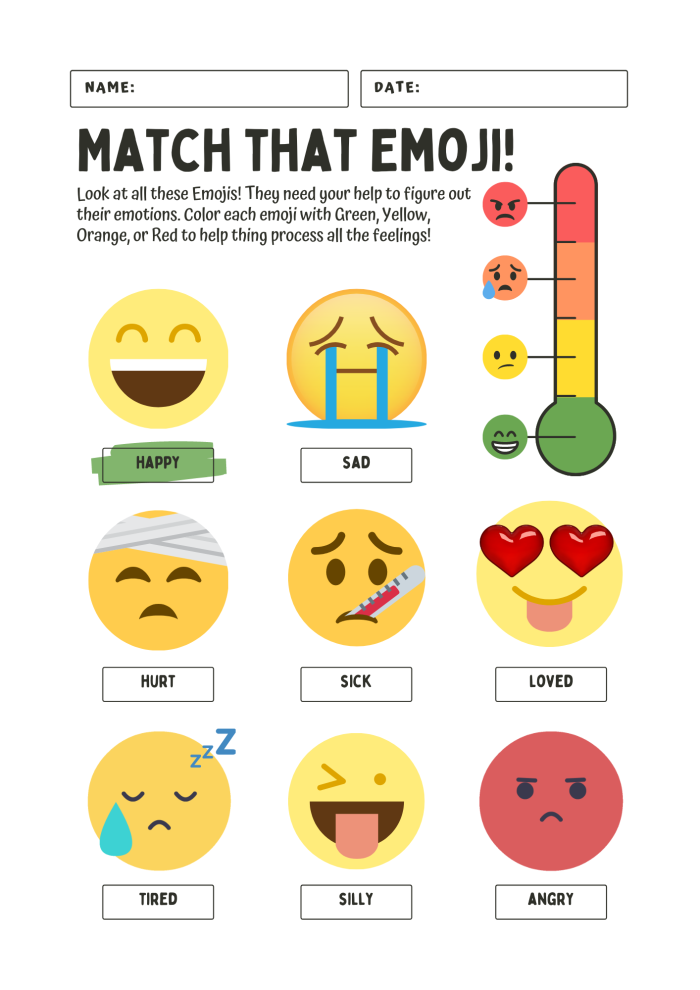
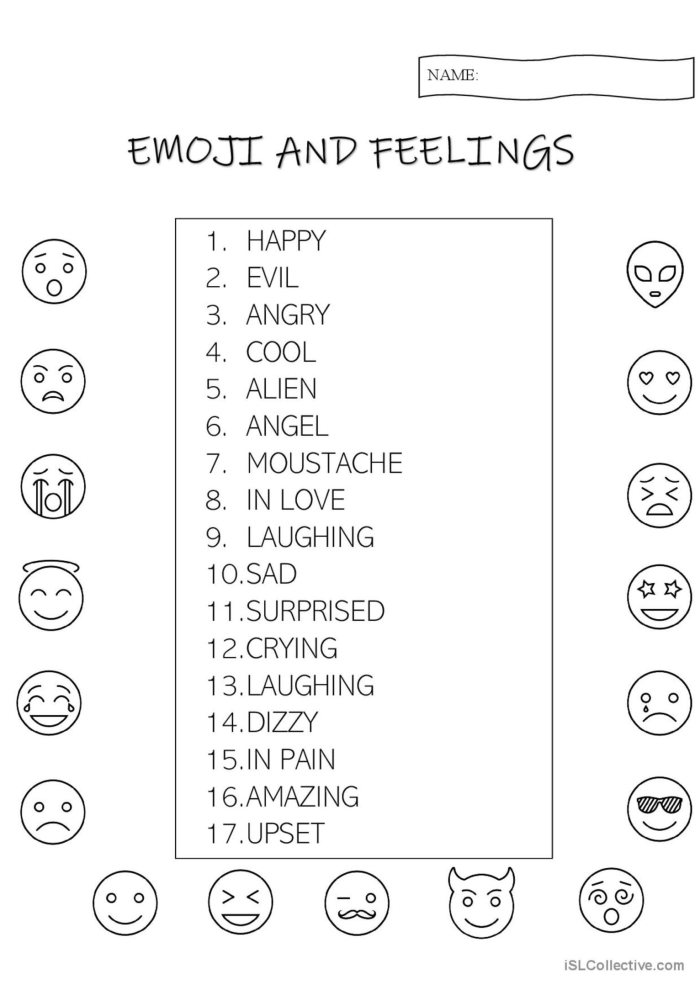
The process is straightforward. A student reads a story or worksheet and encounters emojis placed throughout the text. Instead of moving past them, students pause and ask themselves: does this emoji match how I feel about this moment? They then transfer that emoji onto paper, often alongside their own written or drawn reflection. This simple act of selection and transfer forces genuine self-examination. A child who picks the crying emoji next to a sentence about losing a toy isn’t just following instructions, they’re identifying with an emotion and claiming it as their own.
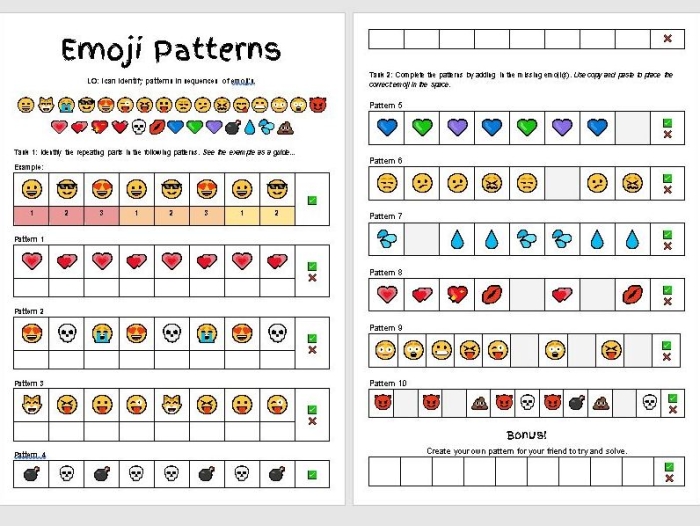
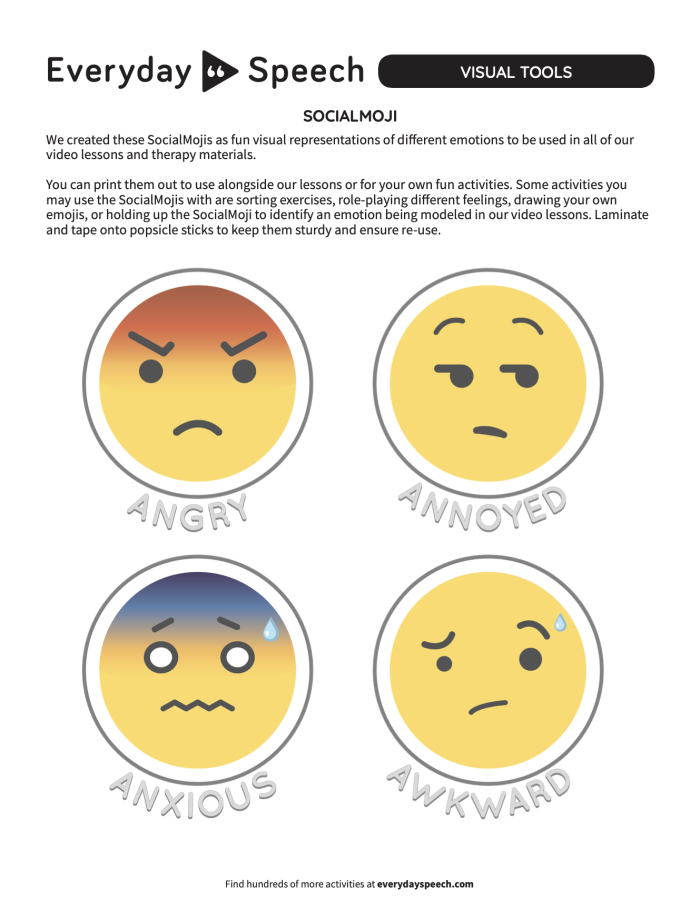
Third graders benefit from this concrete approach because emotions still feel abstract to them. Emojis make feelings visible and portable. When working through algebra concepts or emoji emotions worksheets, students develop the vocabulary and self-awareness they need to navigate classroom challenges. A frustrated student can point to a frustrated emoji and suddenly their teacher understands what’s happening beneath the surface.
The reflection part matters most. After selecting an emoji, students explain why they chose it. This explanation, whether spoken or written, transforms a quick emotional check-in into deeper thinking. Teachers report that students become more articulate about their inner lives over time. They start using emotion words in conversation and writing. They recognize patterns in what triggers certain feelings.
Pairing this practice with other literacy work, like reading comprehension exercises, reinforces both emotional and academic skills simultaneously. Students learn that understanding a character’s feelings is just as important as understanding the plot.
Download These Worksheets for Practice