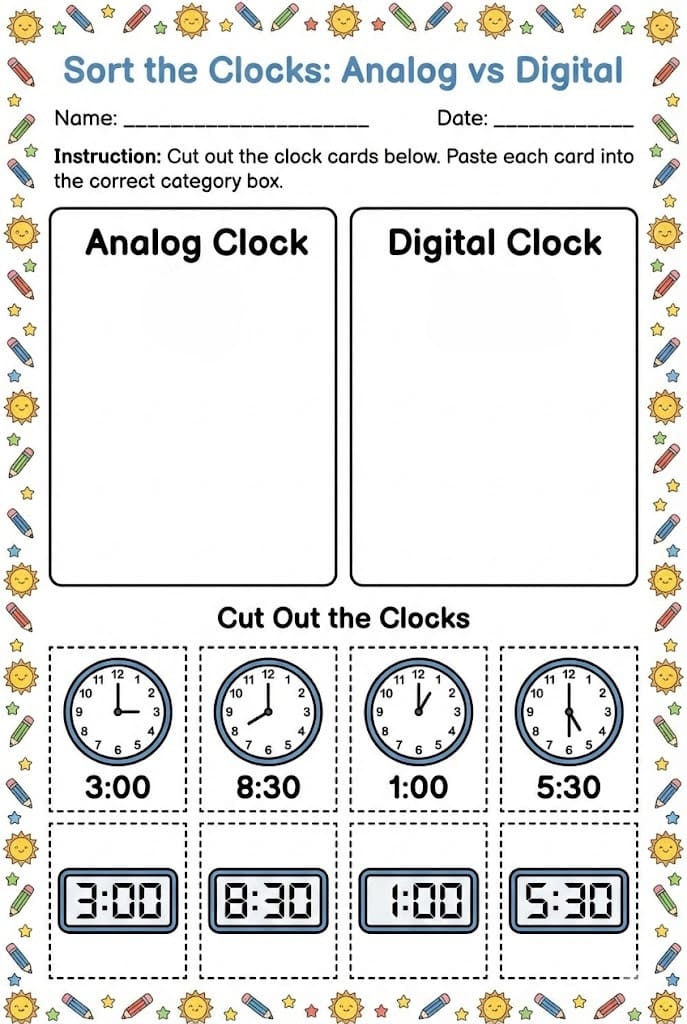
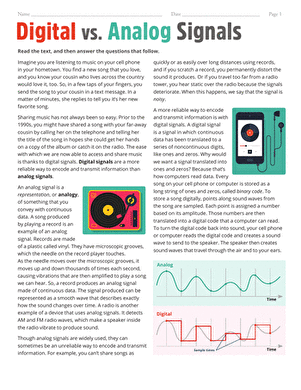
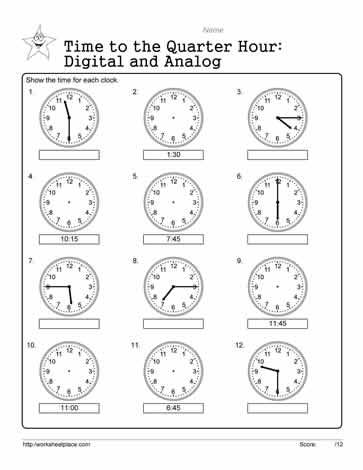
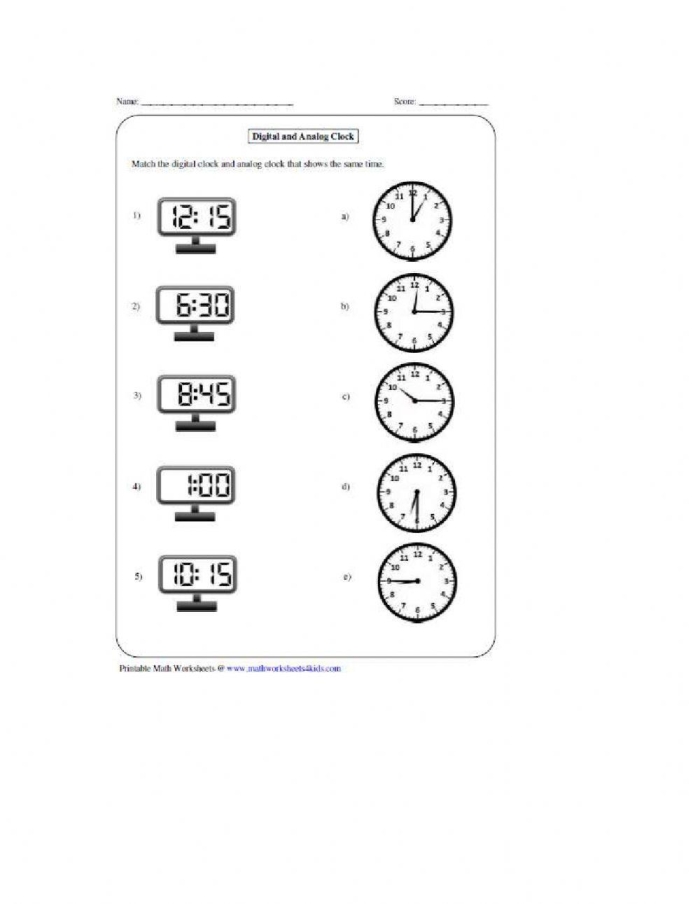
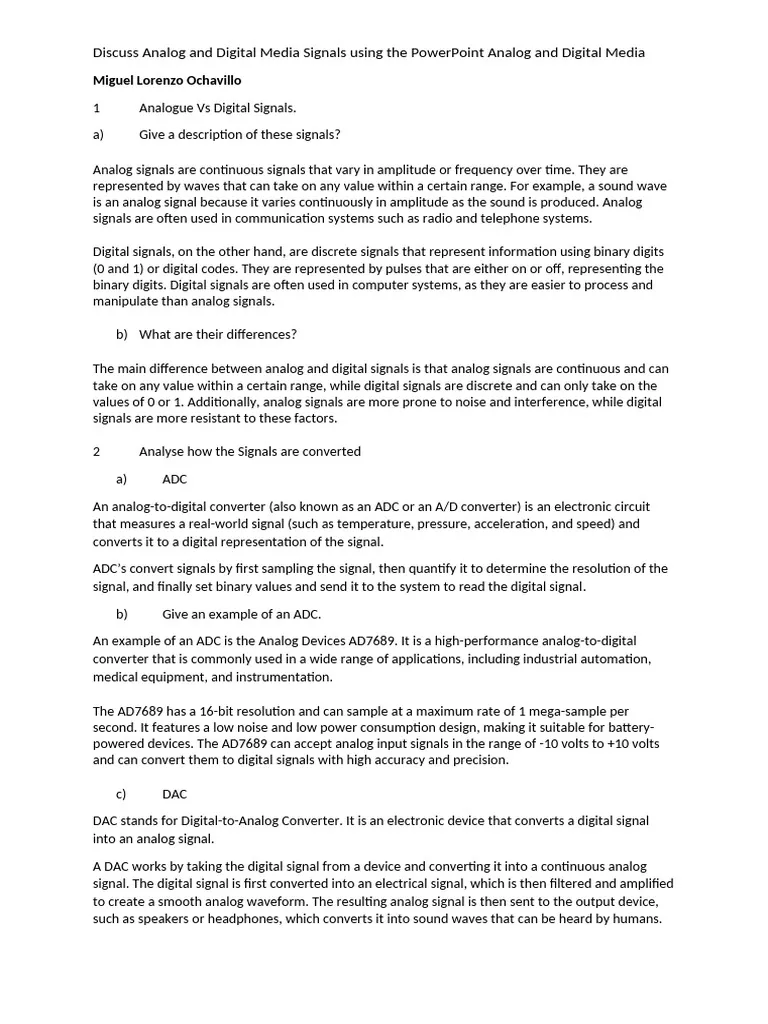
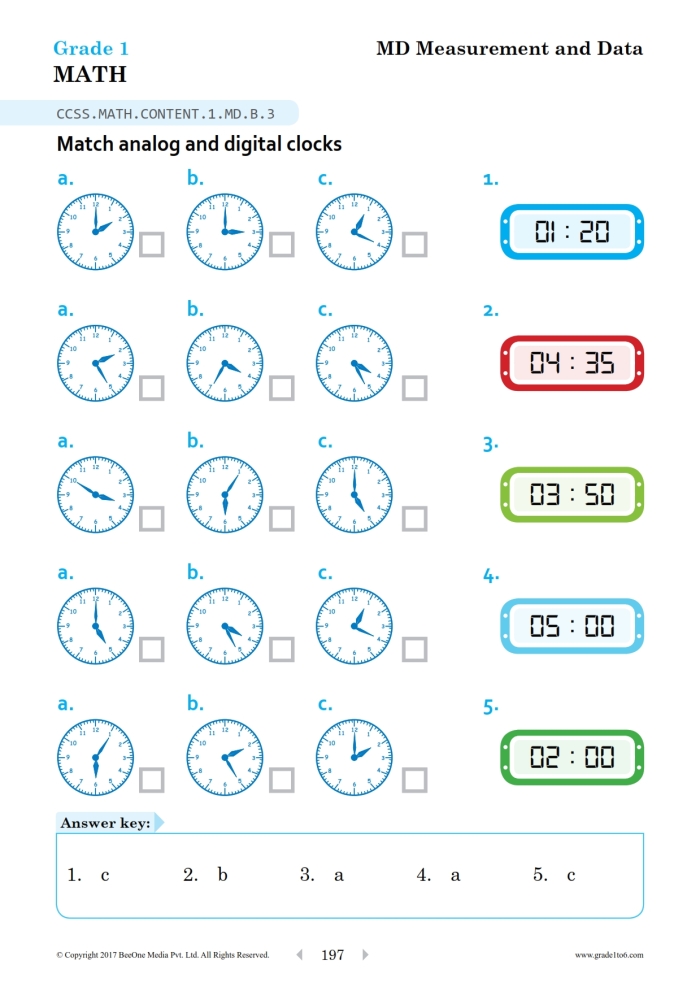
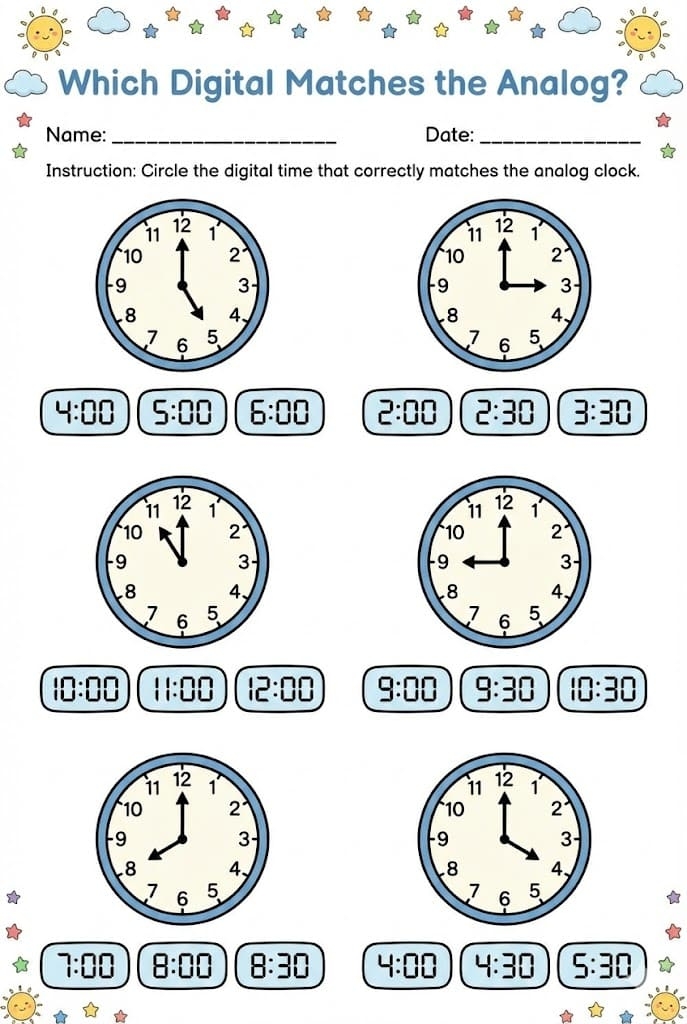
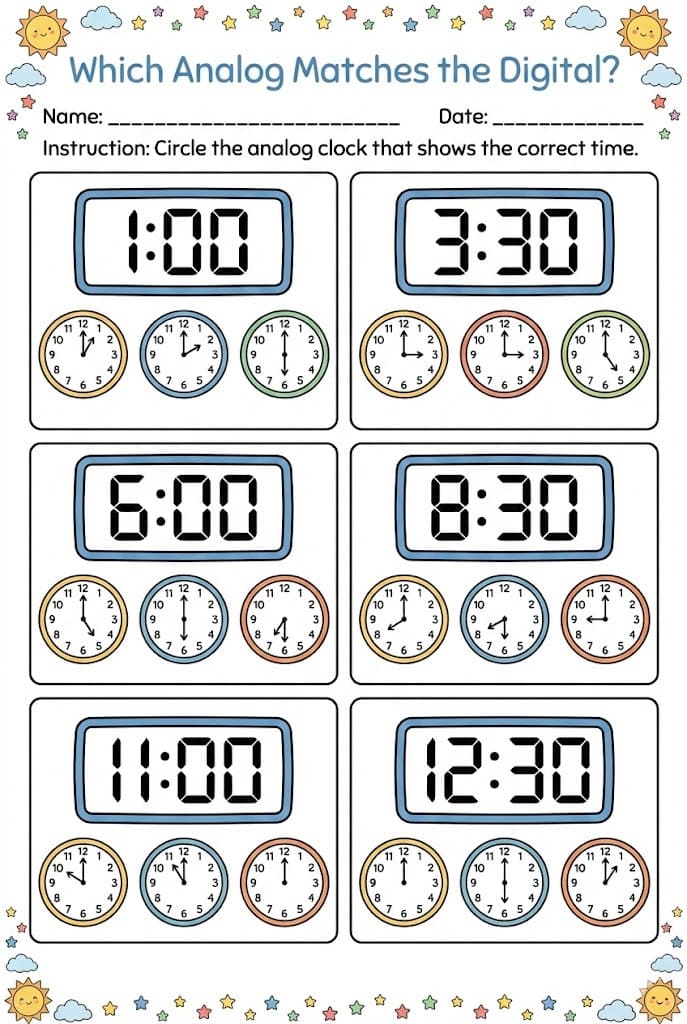
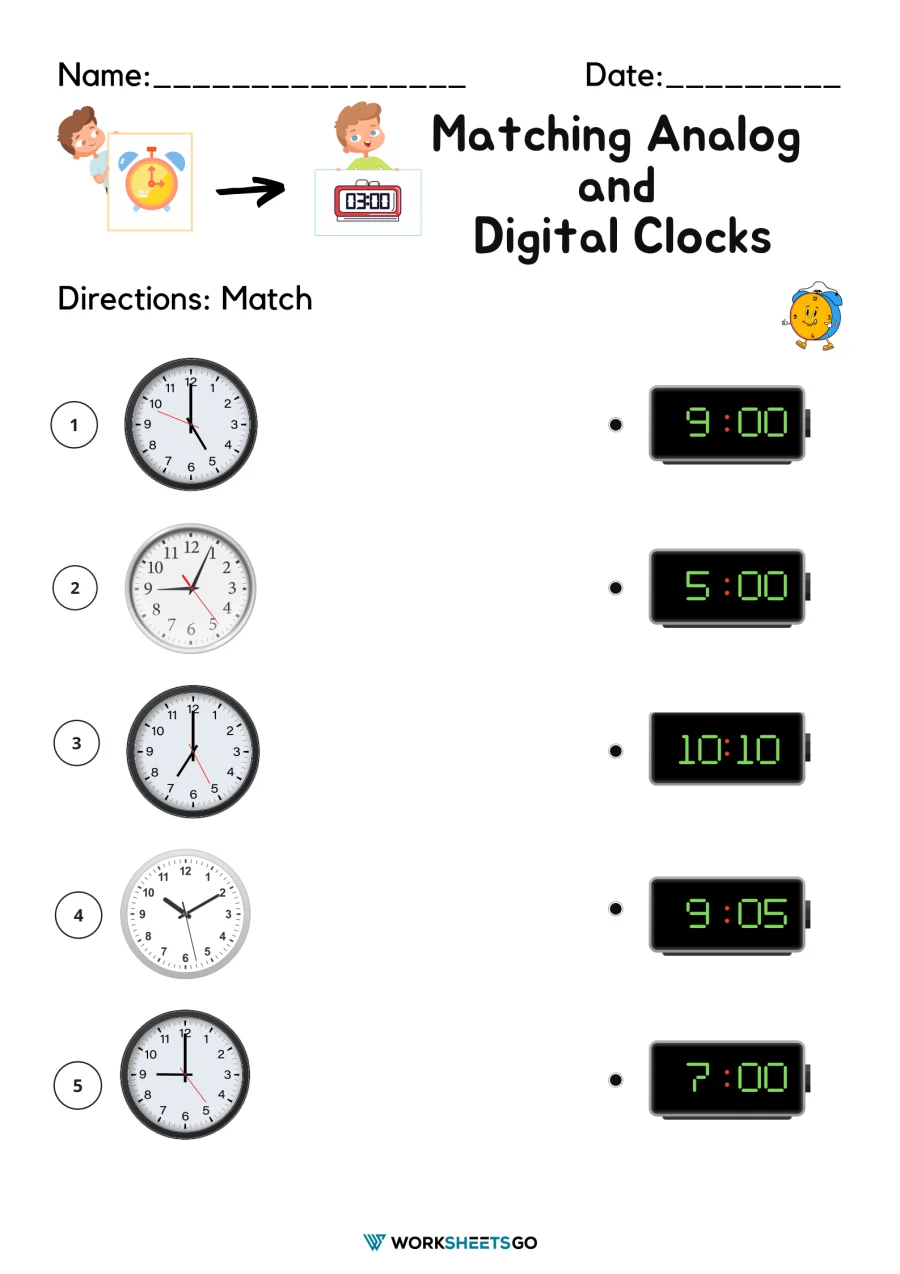
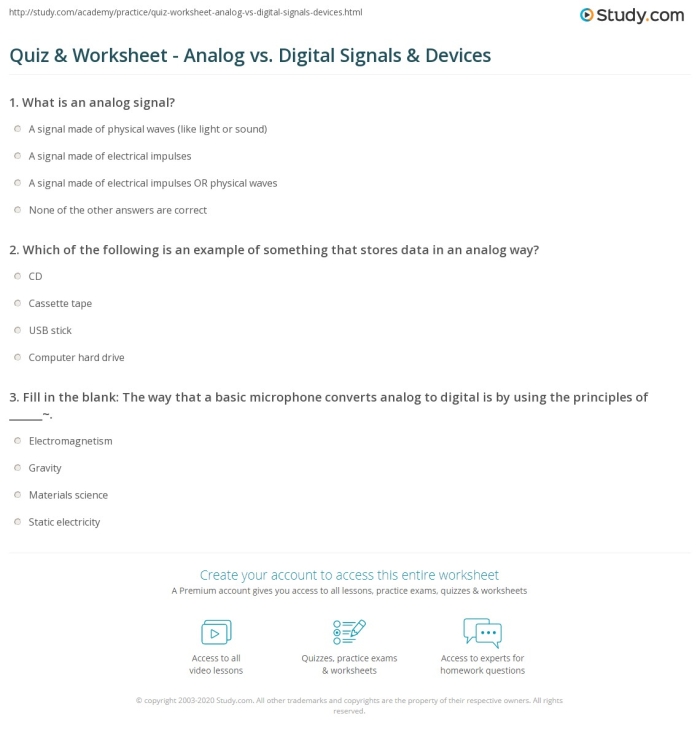
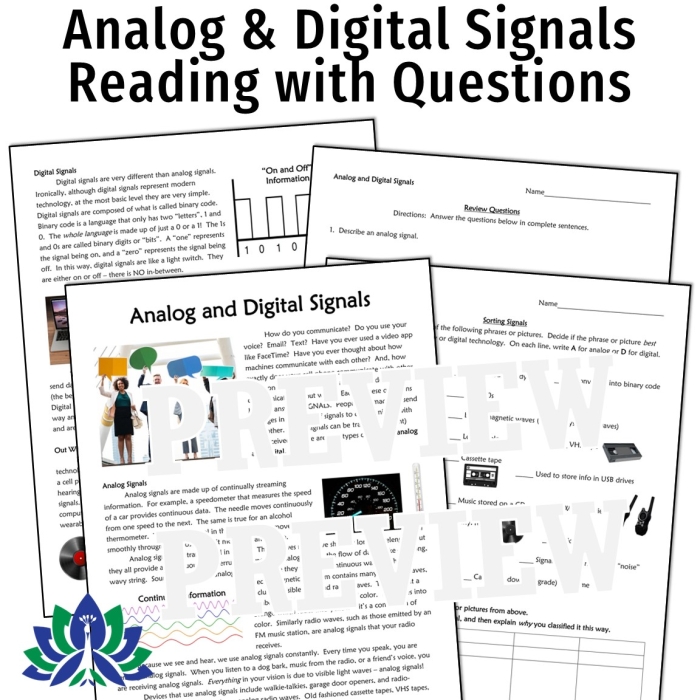
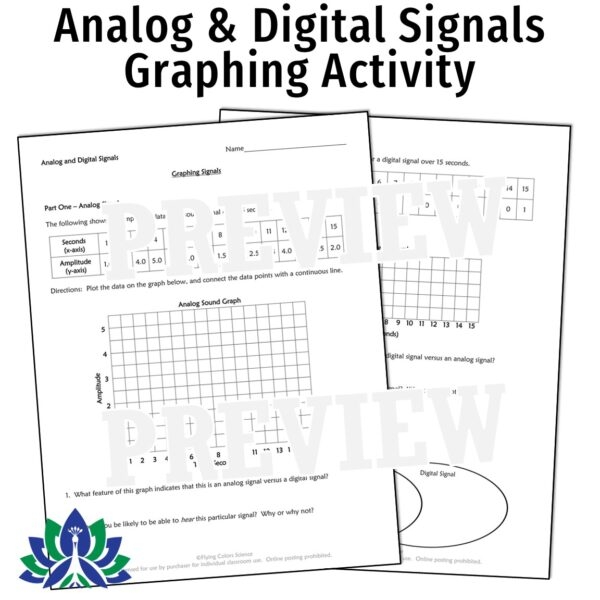
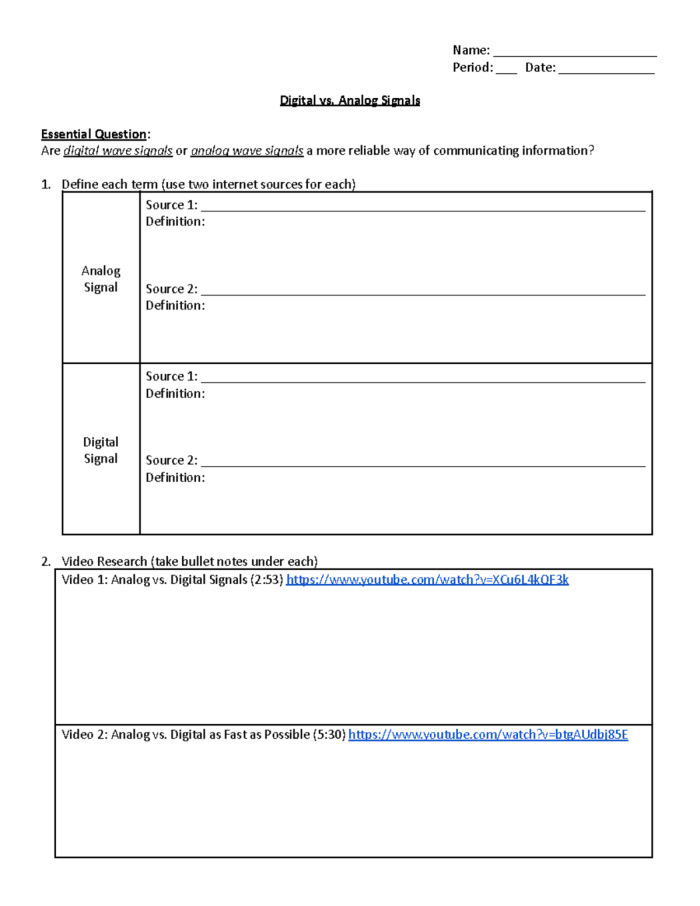
Understanding digital and analog signals is essential for grasping how many of our everyday devices function. This fascinating science worksheet designed for middle grades provides an engaging way to explore these concepts.
To put it simply, analog signals are continuous waves that represent variations in physical quantities, like sound and light. For instance, think of the way a vinyl record works: the grooves on the record create an analog wave that varies smoothly, capturing every nuance of the music. In contrast, digital signals represent information in discrete steps, using binary code (ones and zeros). This is similar to a digital music file, which compresses sound into a format that can be easily stored and transmitted.
One clear benefit of understanding these differences is how it helps in real-life applications. For example, audio streaming services rely on digital signals to deliver high-quality sound to users. If students grasp these concepts, they can better appreciate the technology behind their favorite devices, whether it’s smartphones or computers.
Additionally, the worksheet encourages critical thinking and problem-solving skills. Students can engage in activities that illustrate how both types of signals are used in telecommunications, music, and even video technology. This hands-on approach not only makes learning enjoyable but also reinforces their understanding of syllables in the context of sound waves.
By integrating practical examples and relatable scenarios, this resource makes learning about digital vs. analog signals accessible and relevant to sixth graders. If you’re looking for more educational materials, check out additional options like the informational reading comprehension worksheets or the printable digital vs. analog signals worksheets. These resources can further enhance students’ understanding of important scientific principles.
Download These Worksheets for Practice