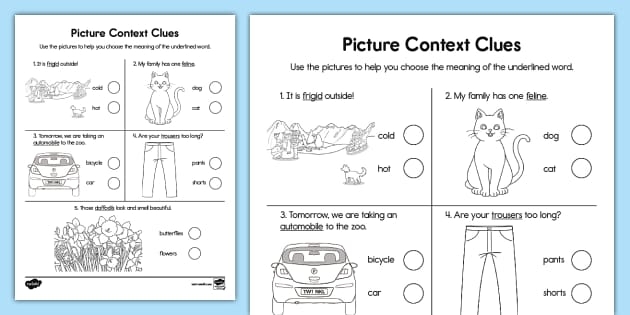
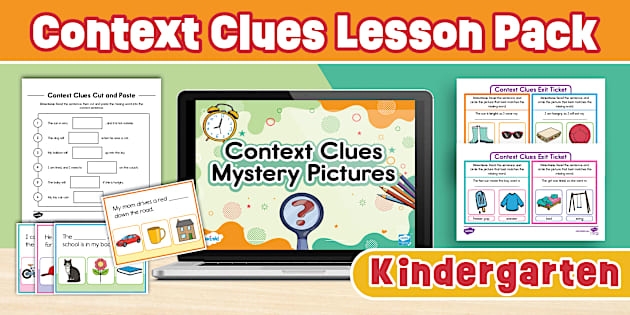
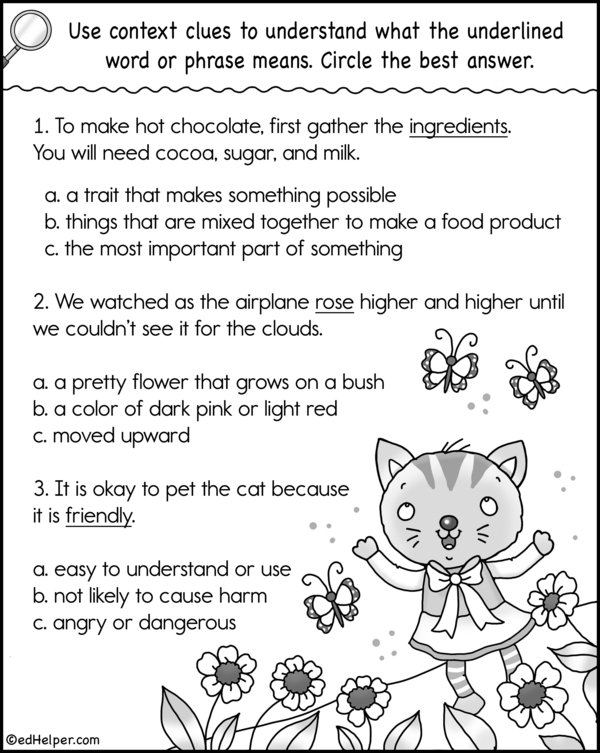
When your third grader encounters an unfamiliar word while reading, the instinct is often to reach for a dictionary. But there’s a more powerful skill hiding right in the sentence itself. Context clues teach children to become detectives of meaning, pulling together hints from the surrounding words to unlock what a word means without external help.
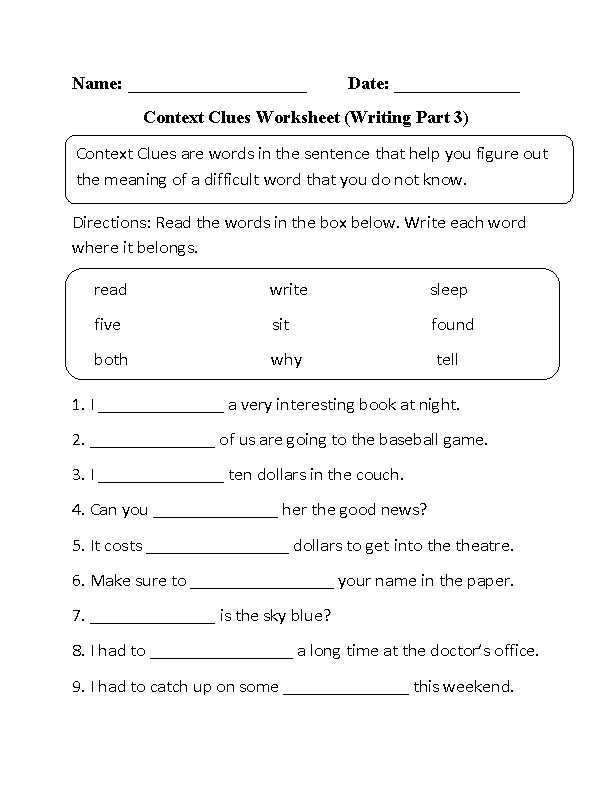
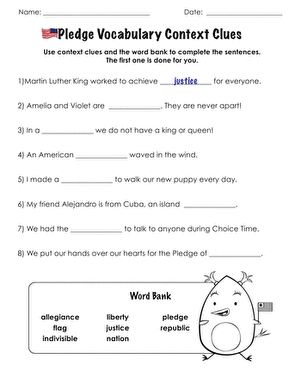
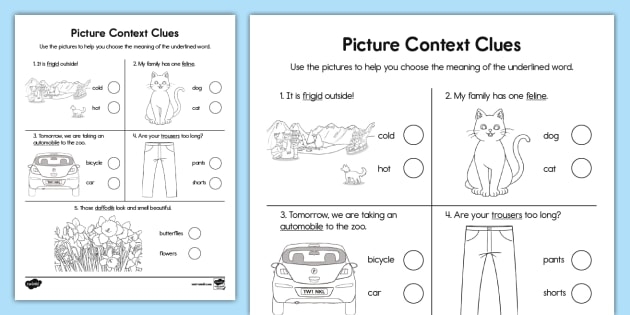
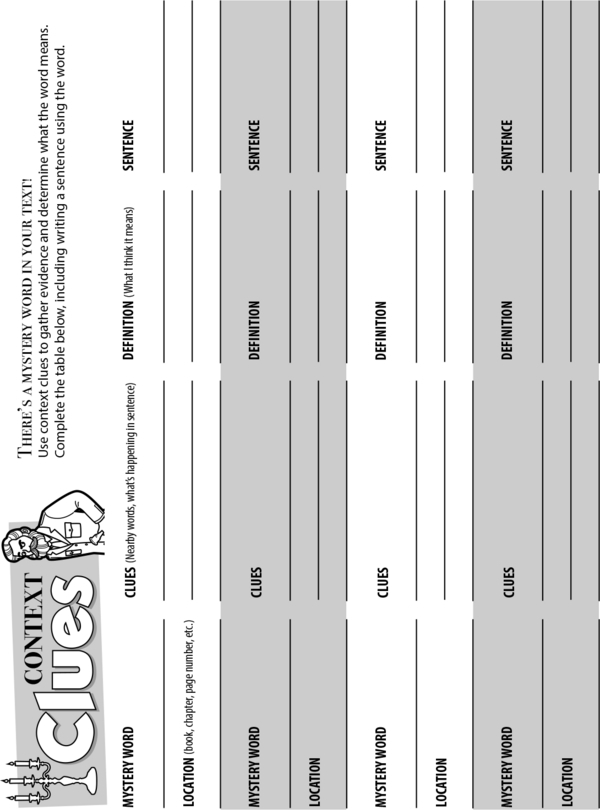
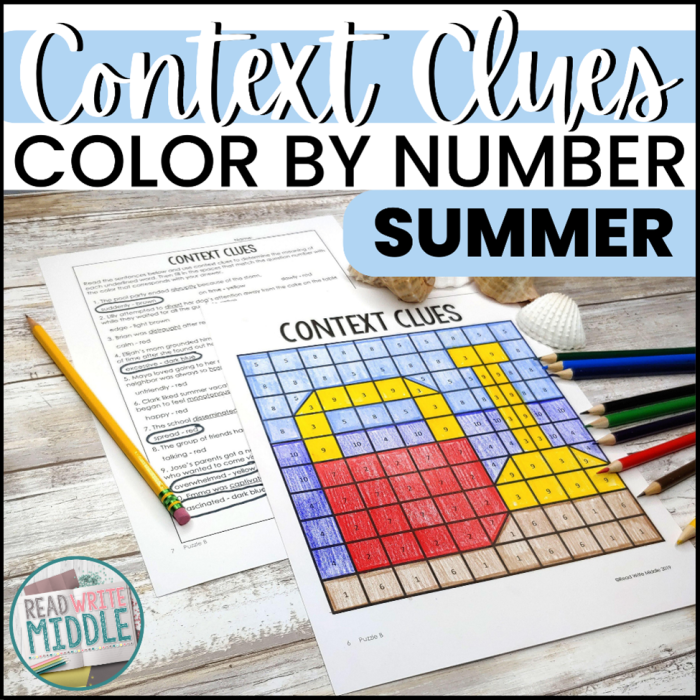
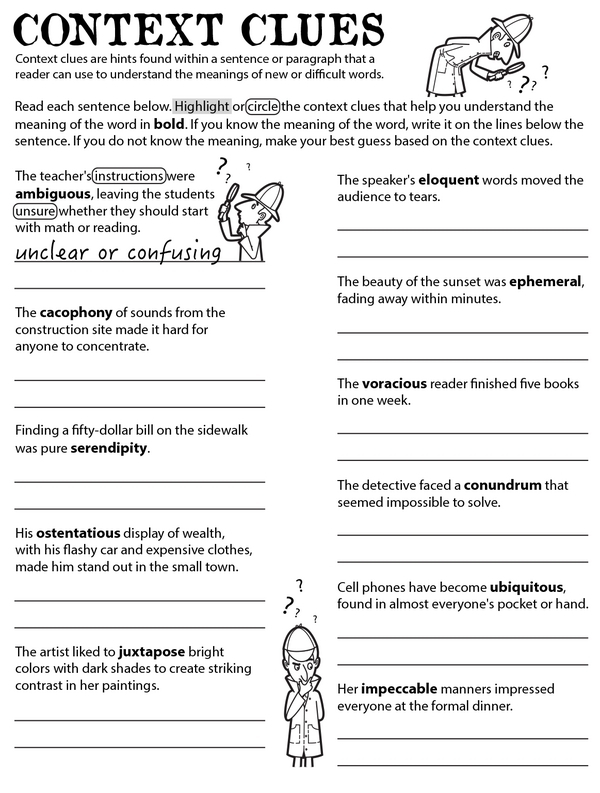
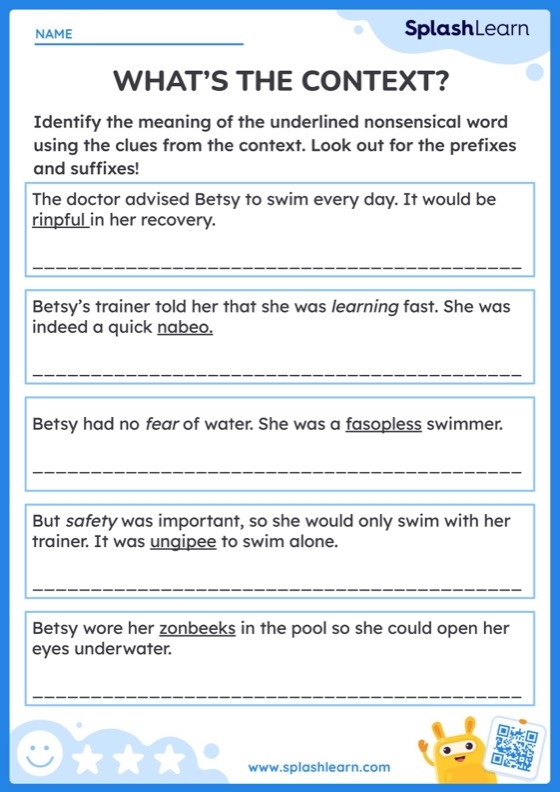
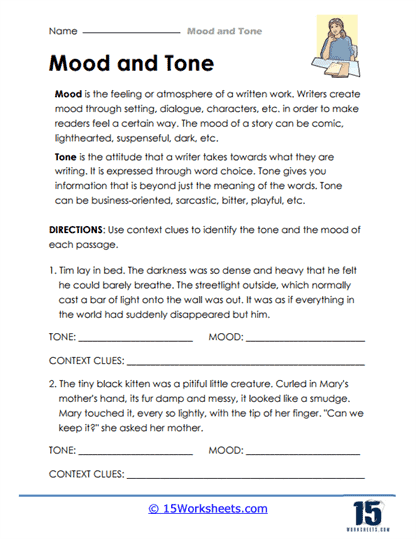
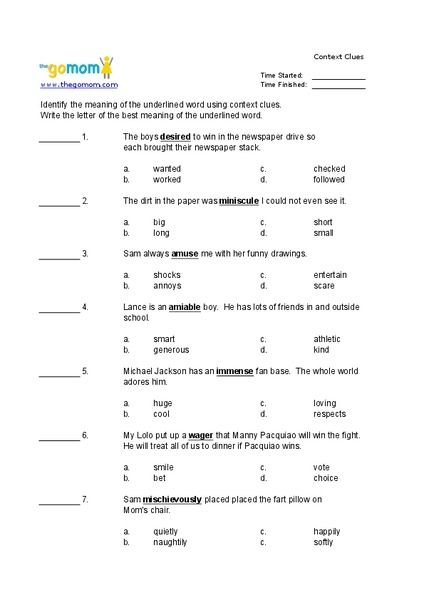
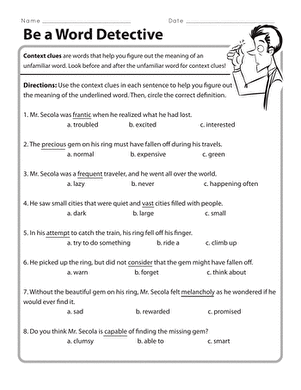
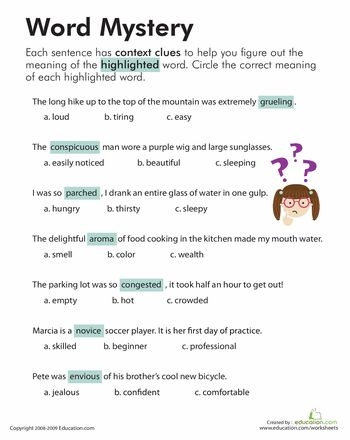
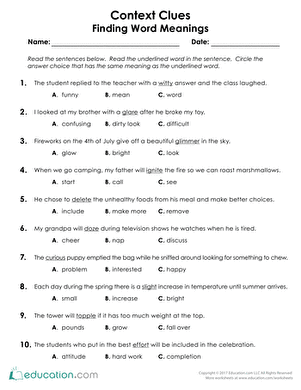
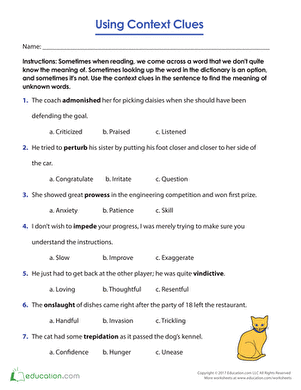
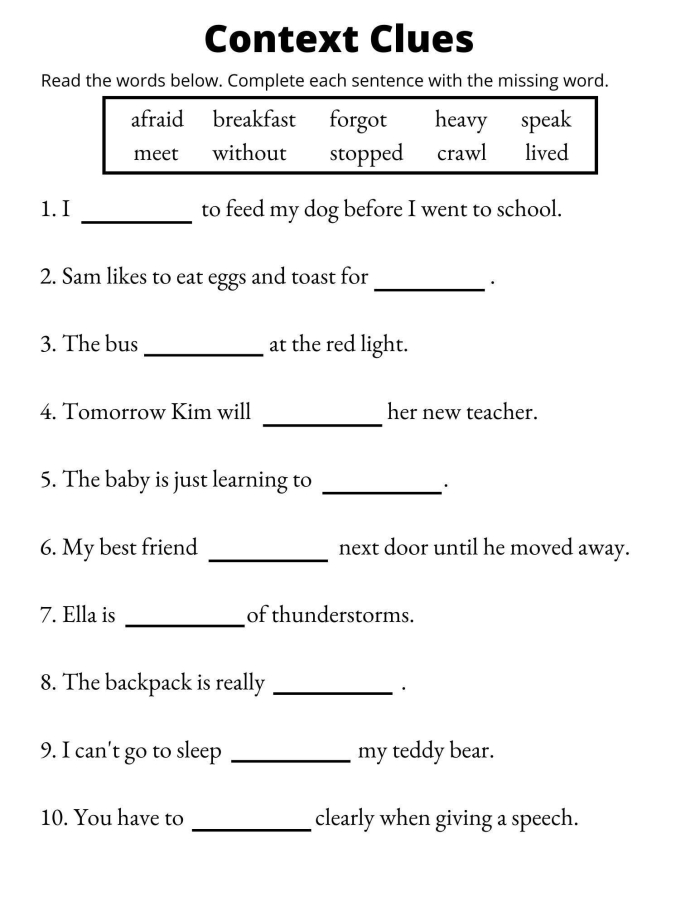
A context clues worksheet works by presenting short passages where new or challenging words appear alongside clues that reveal their meaning. Your child reads the full sentence or paragraph, notices the surrounding details, and makes an educated guess about the word’s definition. This process builds reading comprehension far more effectively than memorizing definitions, because the child is actively thinking about how words connect to ideas.
The beauty of this approach is that it mirrors real reading. When your third grader picks up a chapter book or article, they won’t always have a dictionary nearby. Learning to infer meaning from context means they can keep reading smoothly, maintain engagement with the story, and develop confidence as a reader.
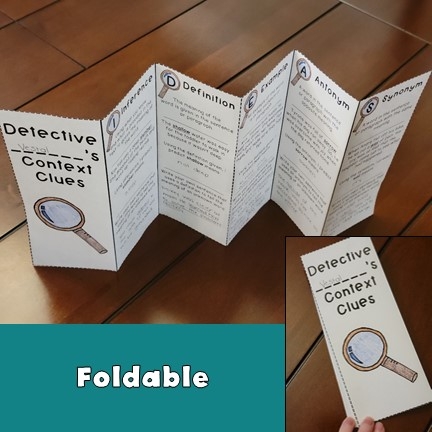
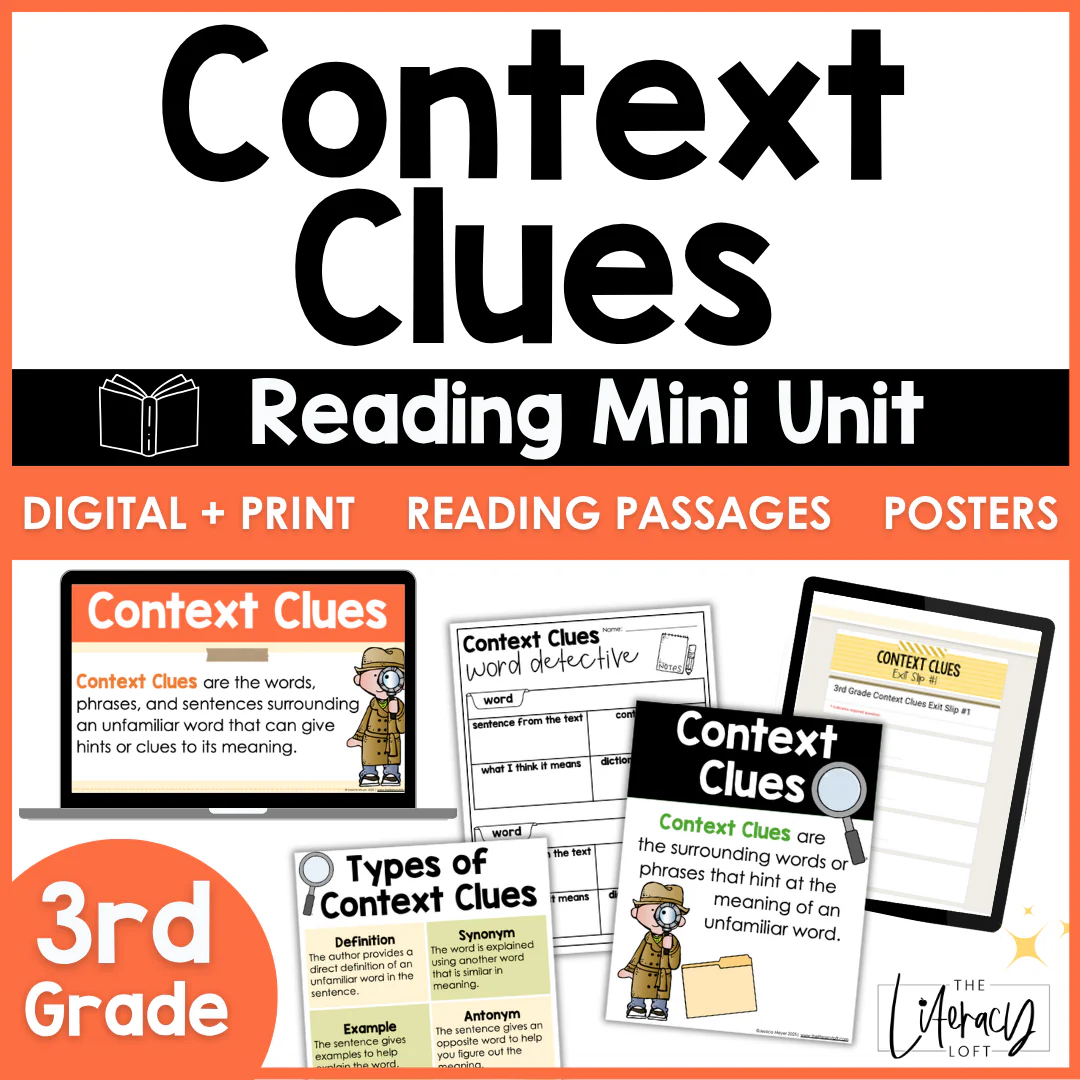
Effective context clue worksheets include several types of hints. Sometimes the surrounding words offer a direct definition. Other times, a sentence shows an example that clarifies meaning. Occasionally, contrasting words reveal what something is not. As your child works through different patterns, they start recognizing these clue types naturally.
Pairing context clues practice with other literacy activities strengthens the skill further. For instance, combining a context clues worksheet with exercises like analyzing a poem helps your child see how word choice matters in different types of writing. Similarly, exploring women in science alphabet activities introduces new vocabulary within engaging content, giving context clues real-world application.
Start with shorter passages and gradually increase complexity as your child grows comfortable with the strategy. The goal isn’t perfection, but building a habit of looking around an unknown word before giving up on it.
Hands-On Worksheet Activities