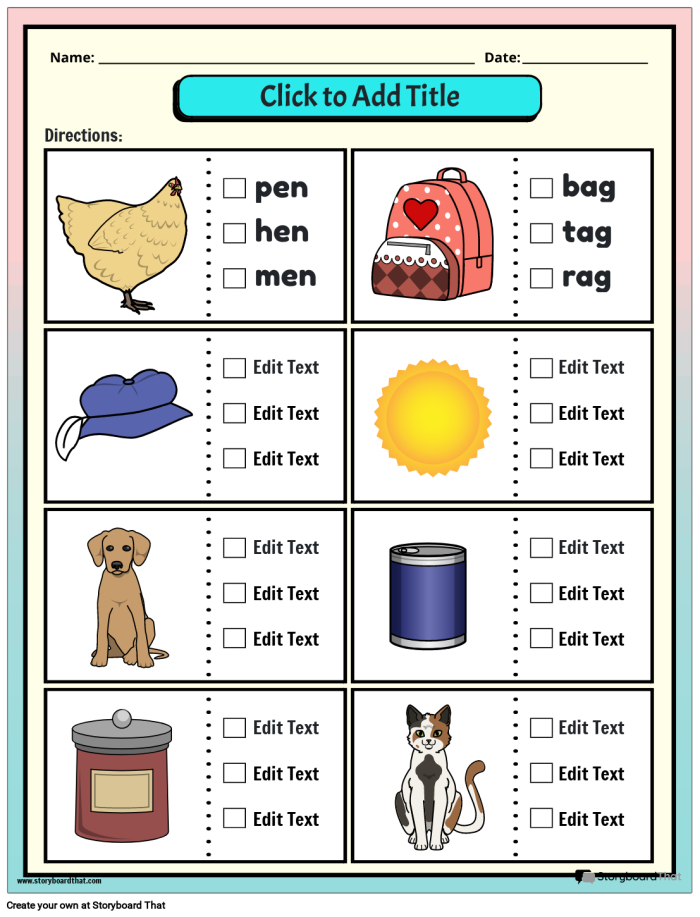
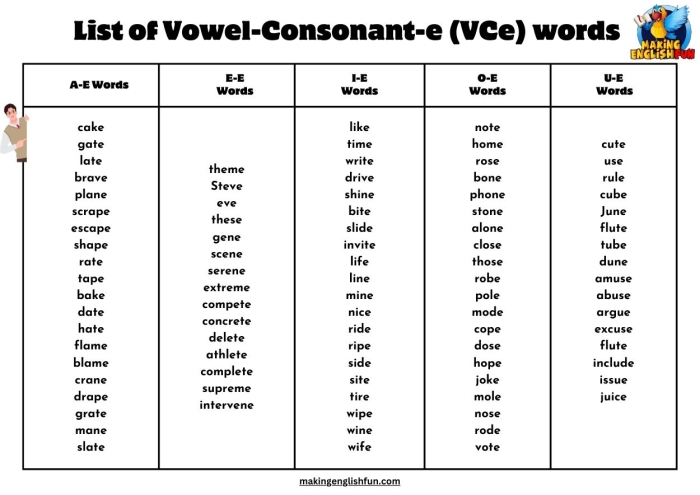
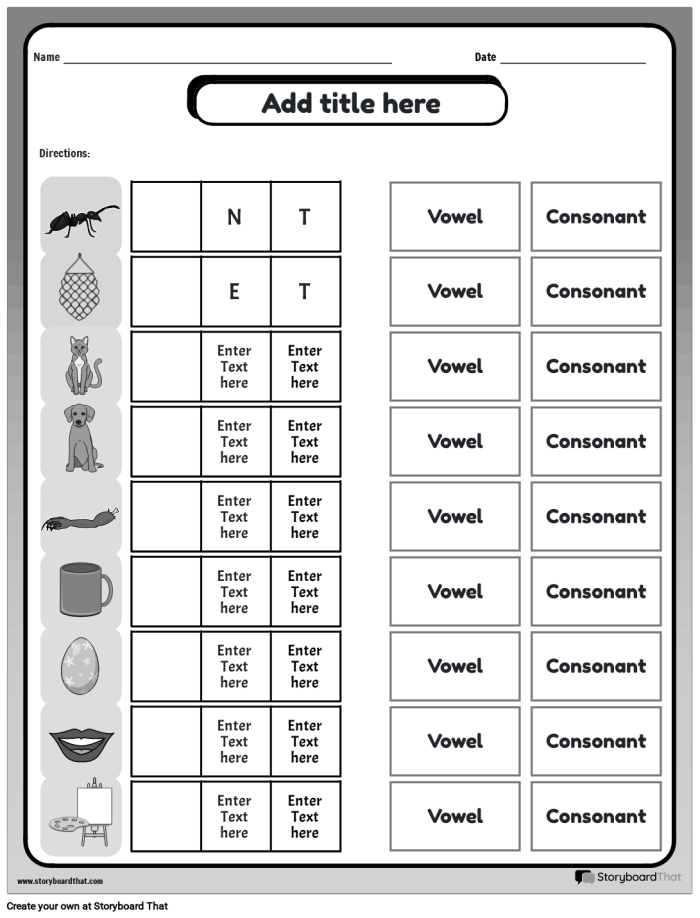
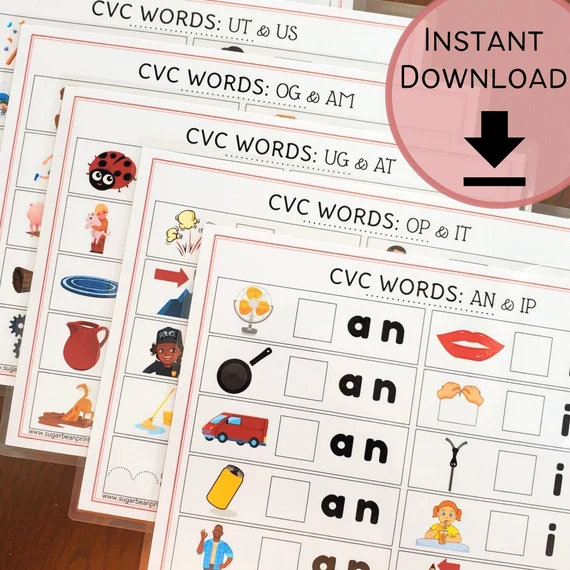
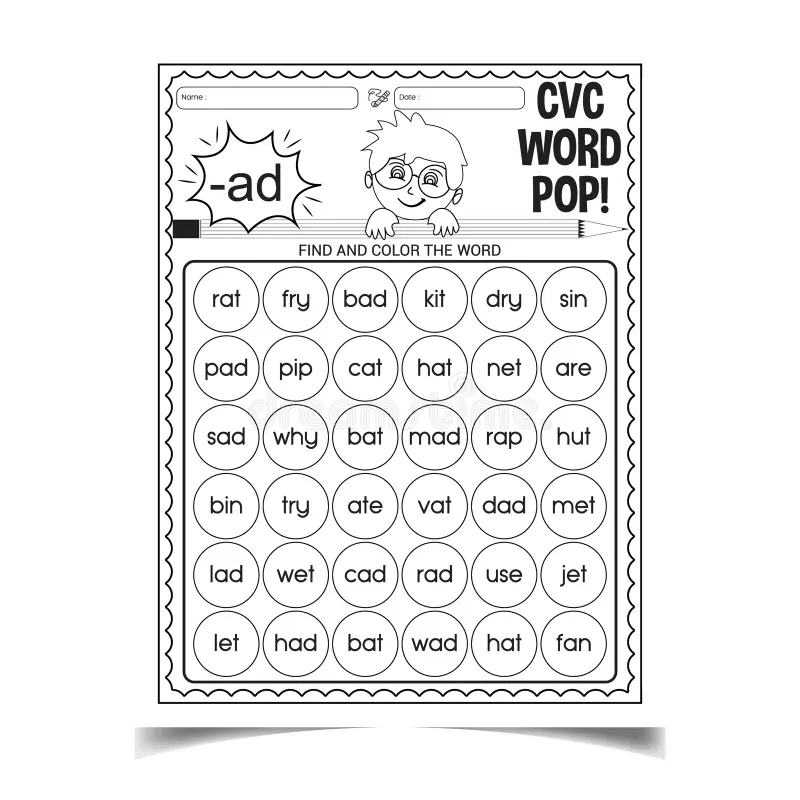
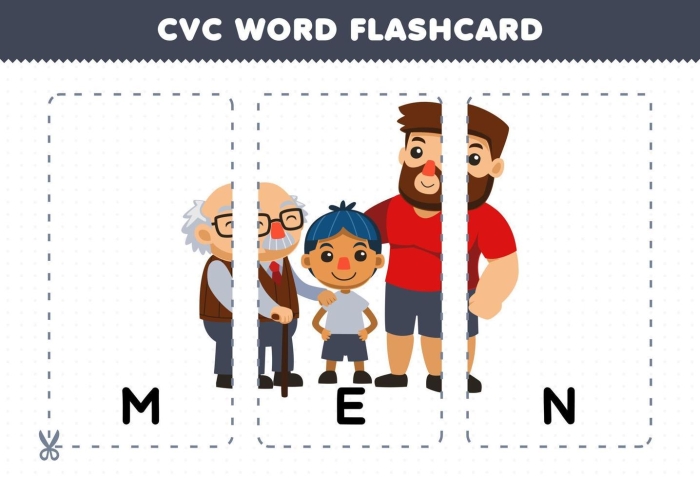
Consonant-vowel-consonant (CVC) words form the backbone of early reading instruction, and kindergarten teachers who master this pattern unlock a powerful tool for phonics lessons. Words like cat, dog, sit, and run follow a predictable structure that helps beginning readers decode unfamiliar text and build confidence quickly.
The beauty of CVC words lies in their simplicity and frequency. These three-letter combinations appear constantly in children’s books, making them essential for fluency. When you focus on this single pattern, students grasp the concept of blending sounds together rather than memorizing whole words. This foundational skill transfers directly to longer, more complex words they’ll encounter later.
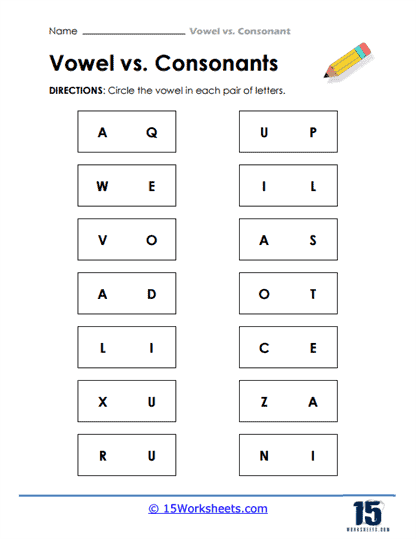
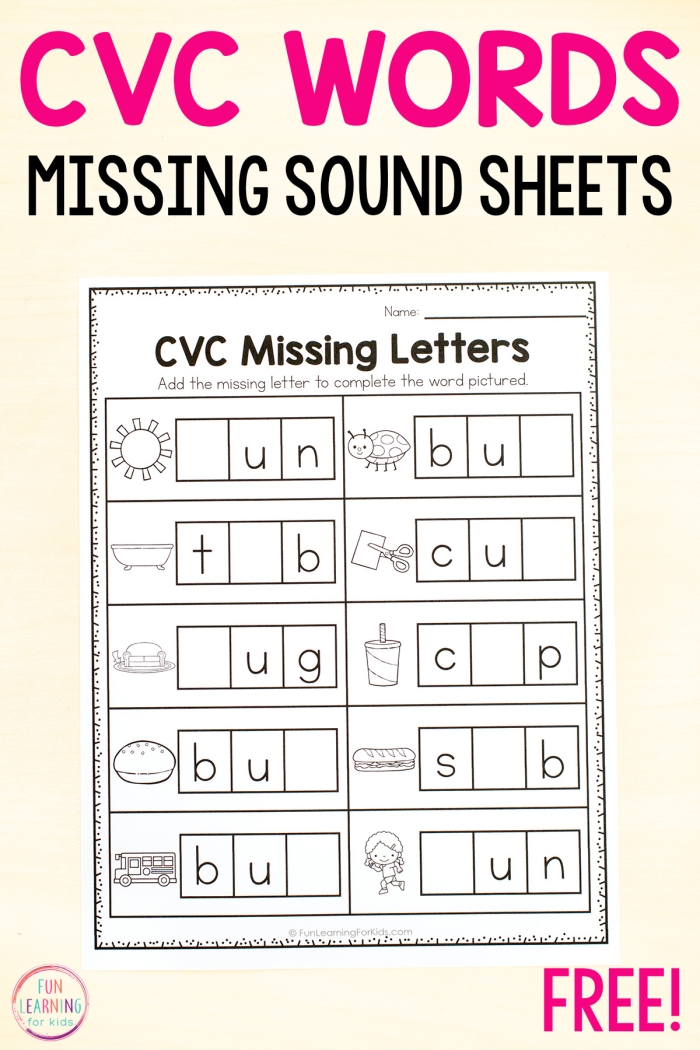
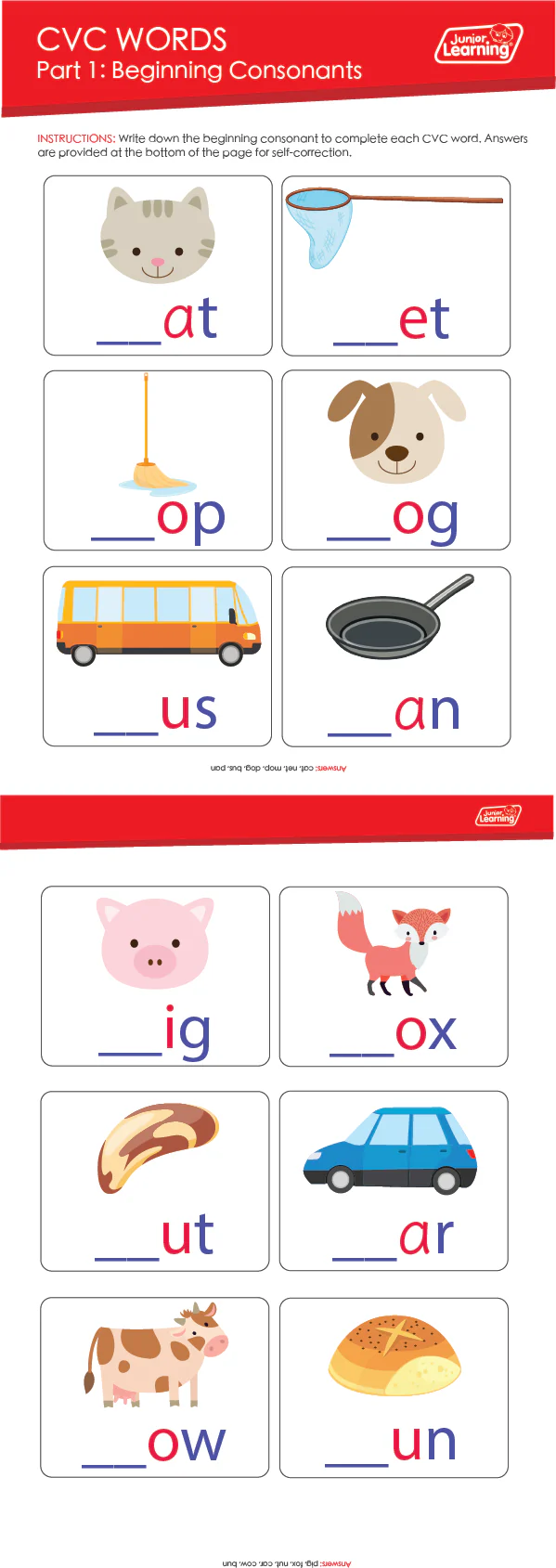
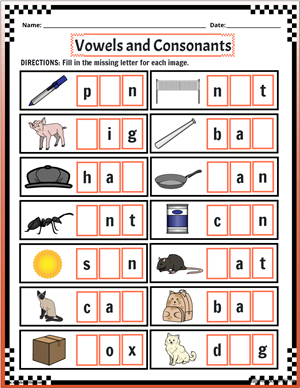
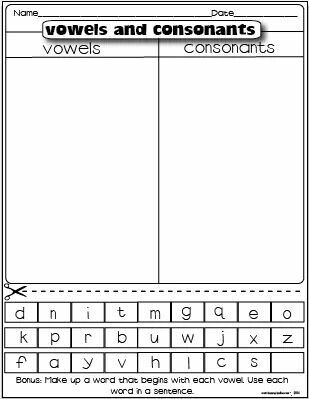
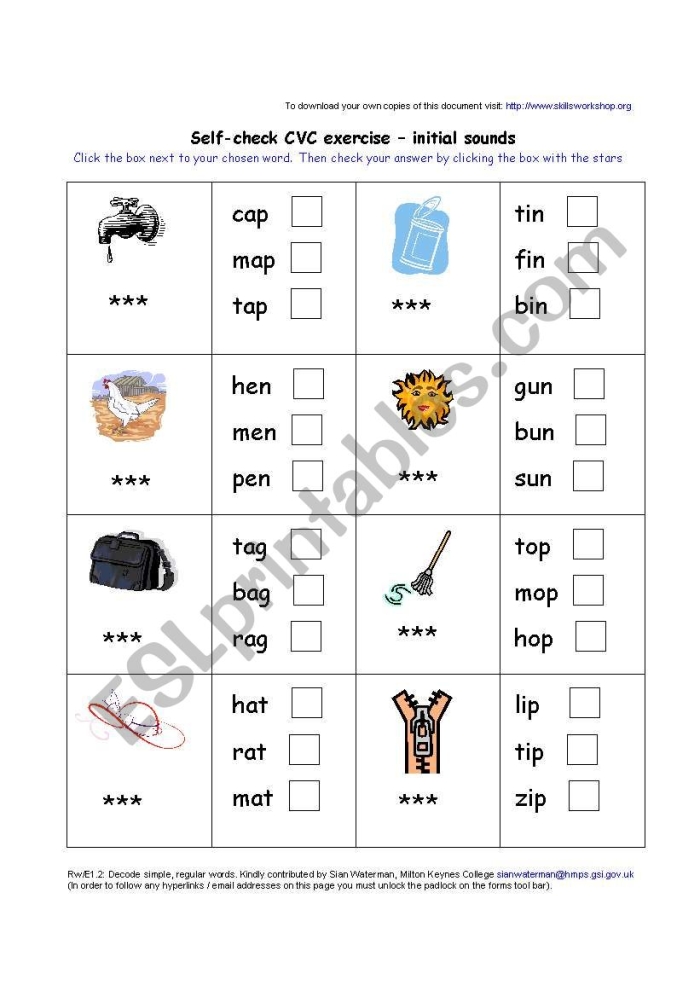
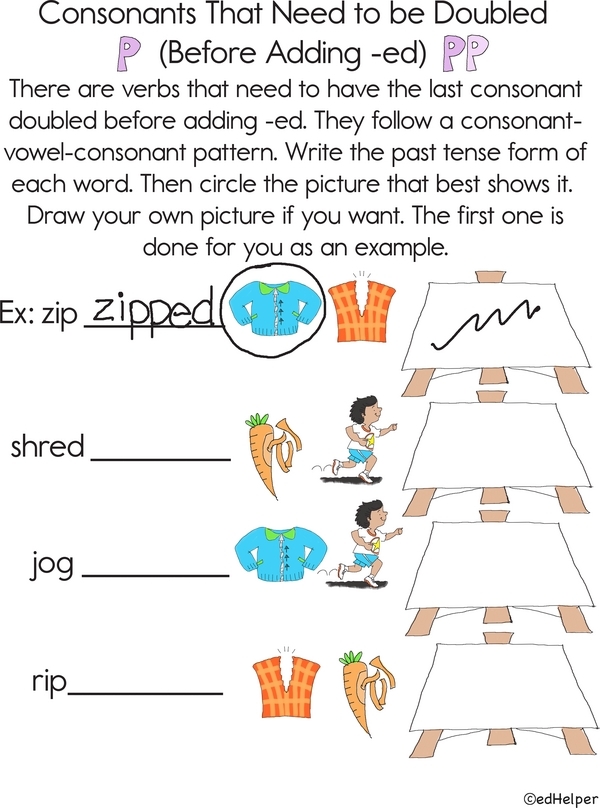
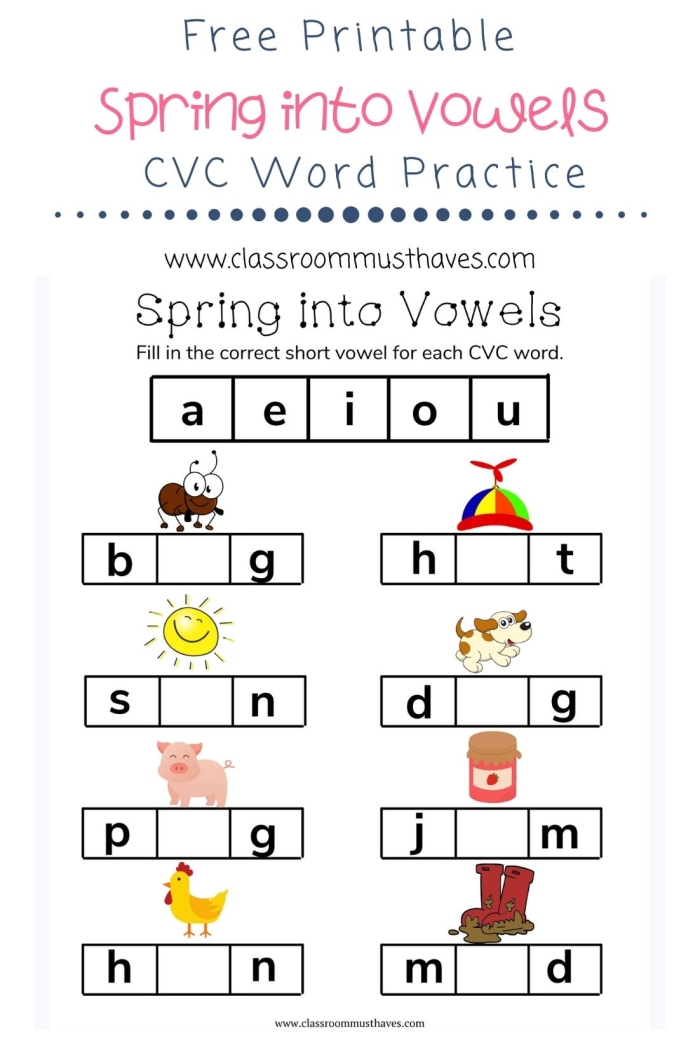
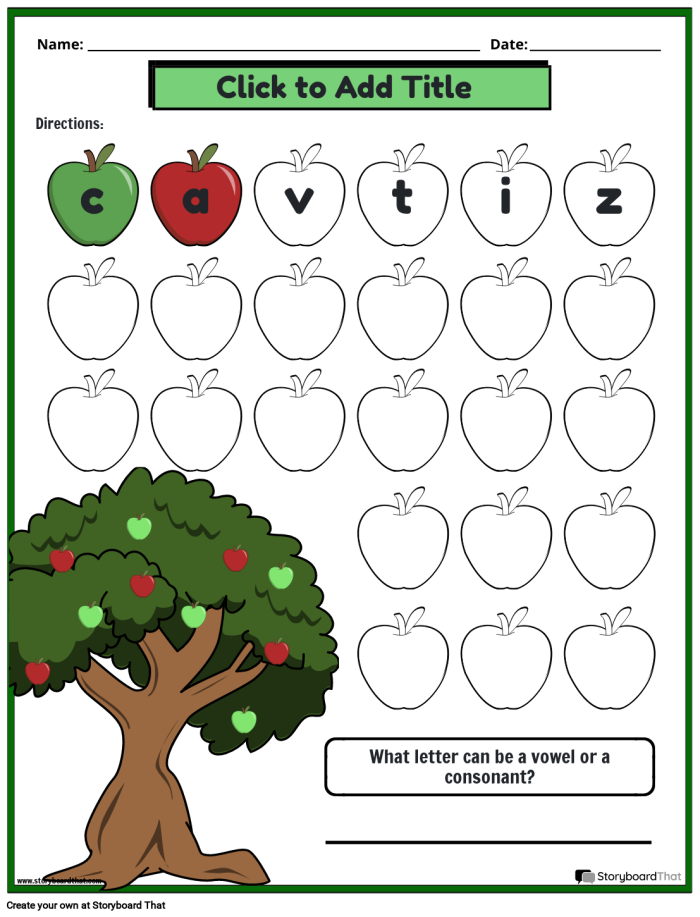
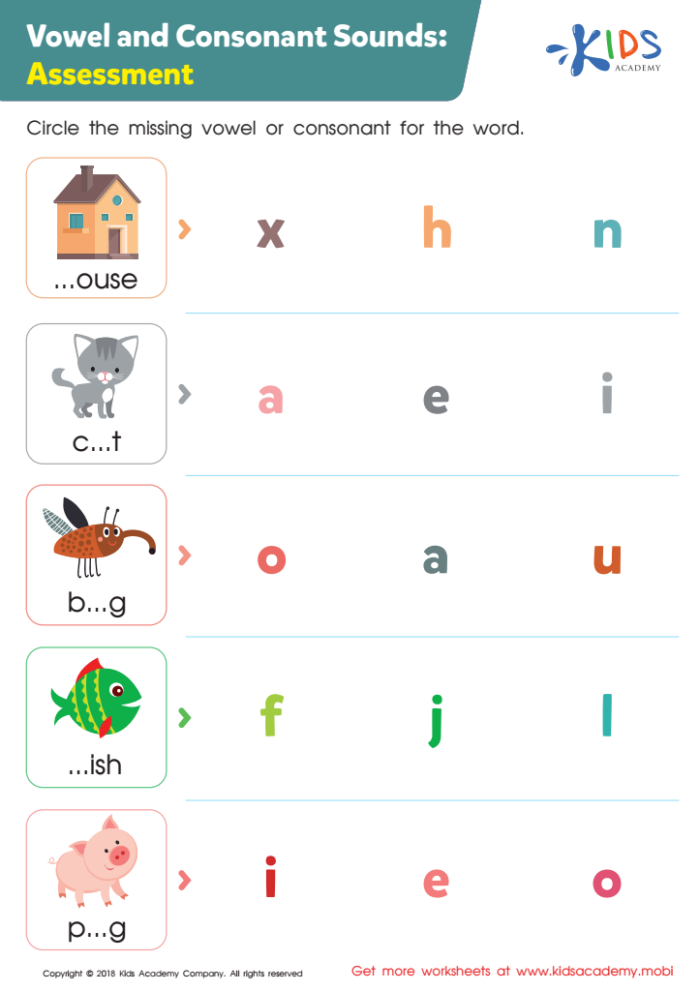
Start by introducing a small set of CVC words that share the same vowel sound. Have students practice identifying the beginning sound, middle vowel, and ending consonant separately before blending them. You might use worksheets focused on beginning sounds to reinforce initial consonants, then layer in vowel recognition.
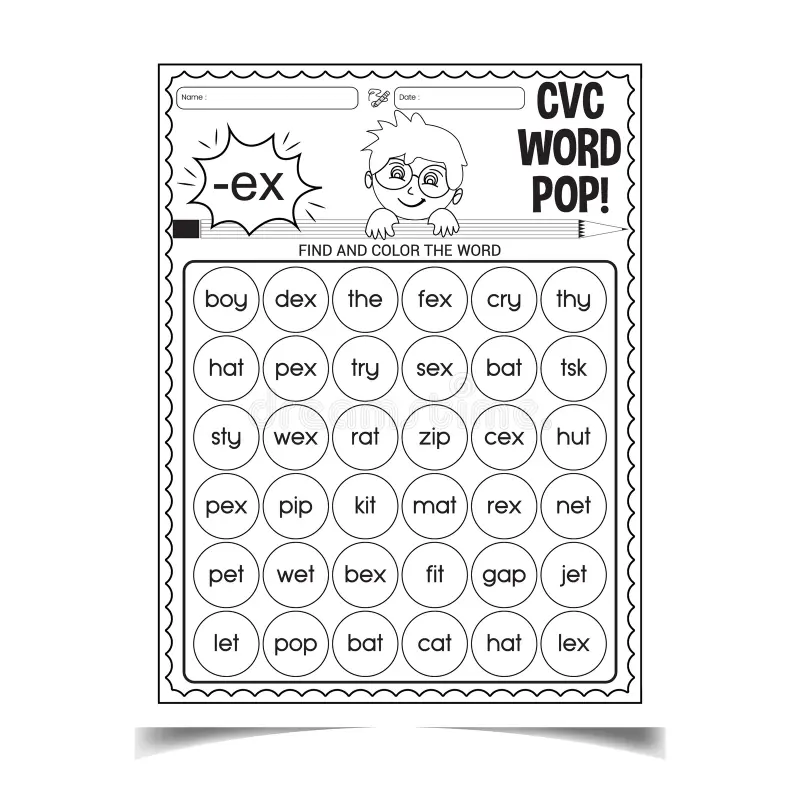
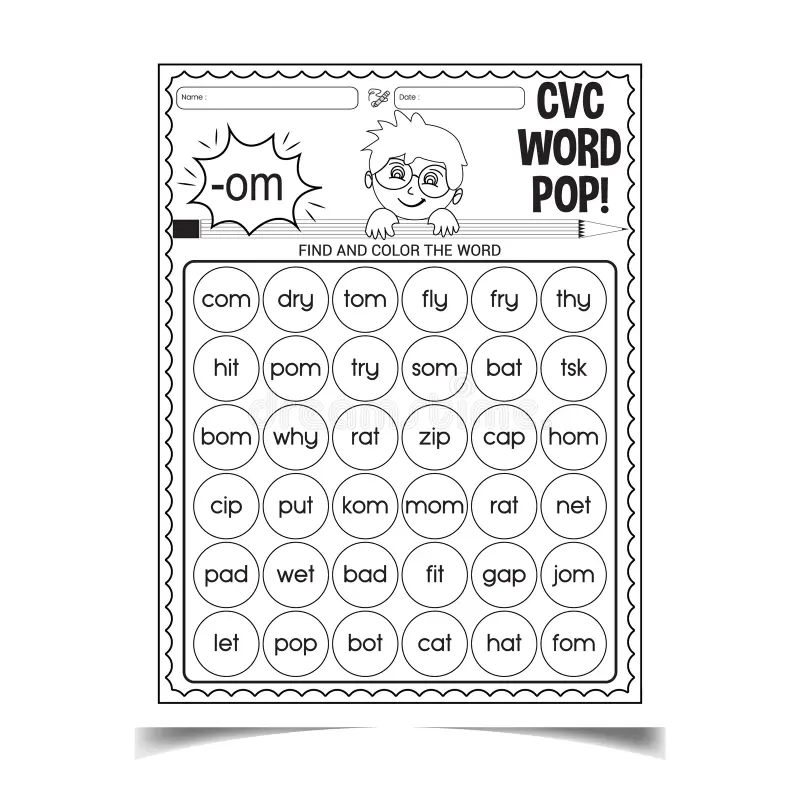
Hands-on activities work best at this age. Try alphabet dot-to-dot activities that combine letter formation with phonics practice. You can also incorporate figurative language naturally by having students create simple rhymes with CVC words, which strengthens both phonemic awareness and vocabulary. Interactive coloring tasks, like color-by-number activities with themed illustrations, keep engagement high while reinforcing sound patterns.
Connect CVC practice to real classroom experiences. When reading aloud, pause to highlight CVC words and let students predict what comes next based on the pattern they’ve learned. This bridges the gap between isolated skill practice and authentic reading.
The key is consistency and repetition without monotony. Rotate between different activities, materials, and contexts so students internalize the pattern through varied exposure rather than rote drilling.
Start Practicing with These Worksheets