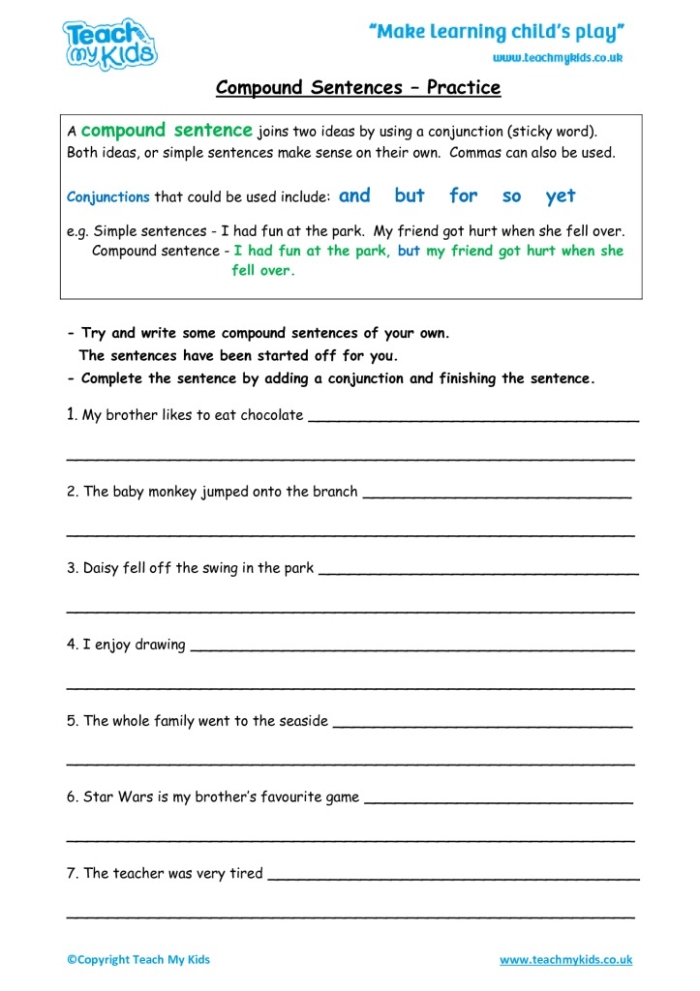
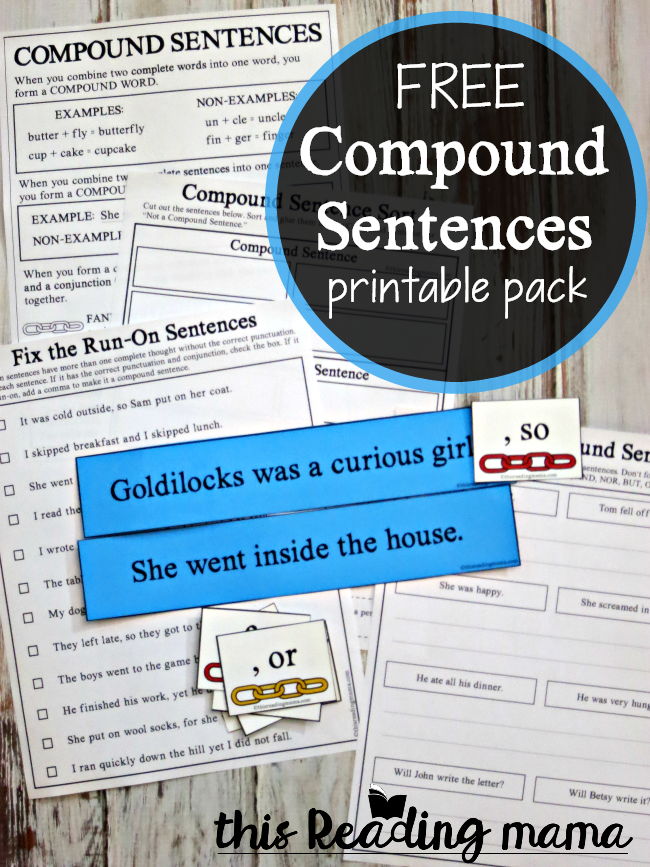
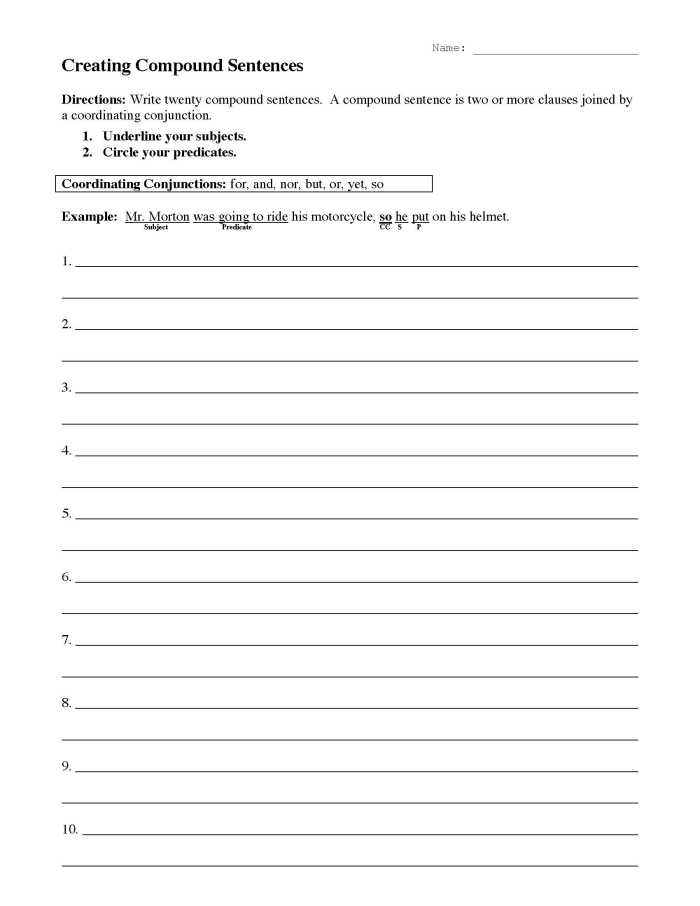
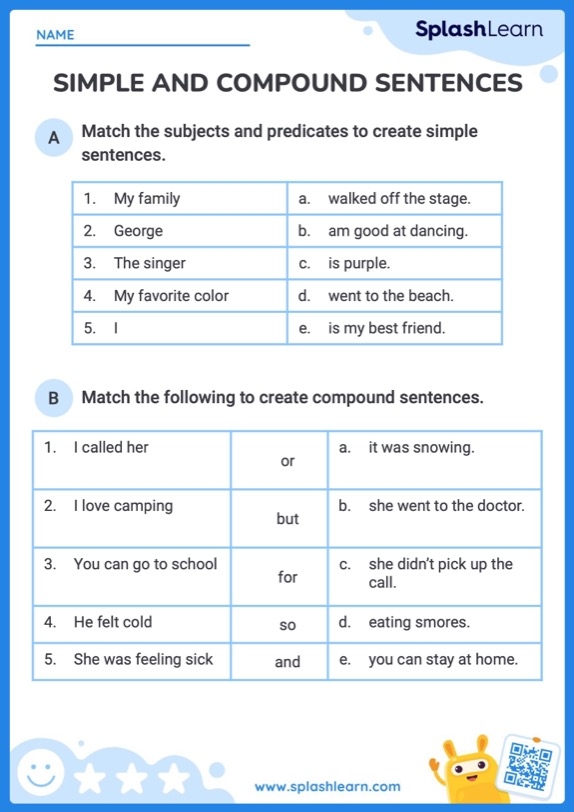
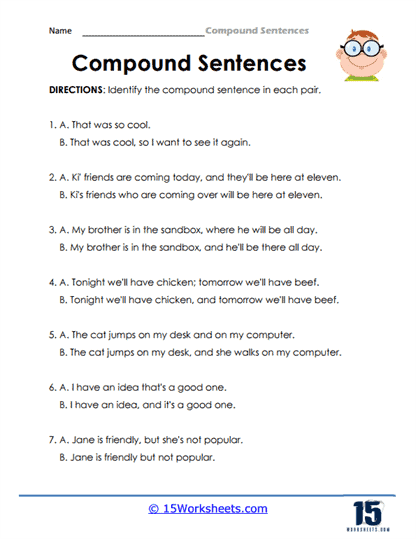
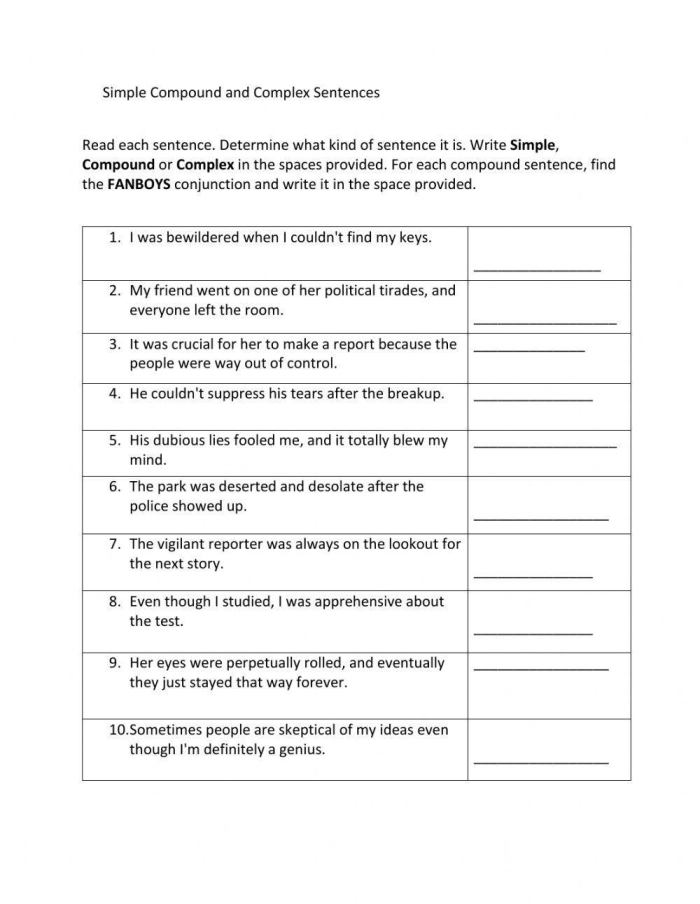
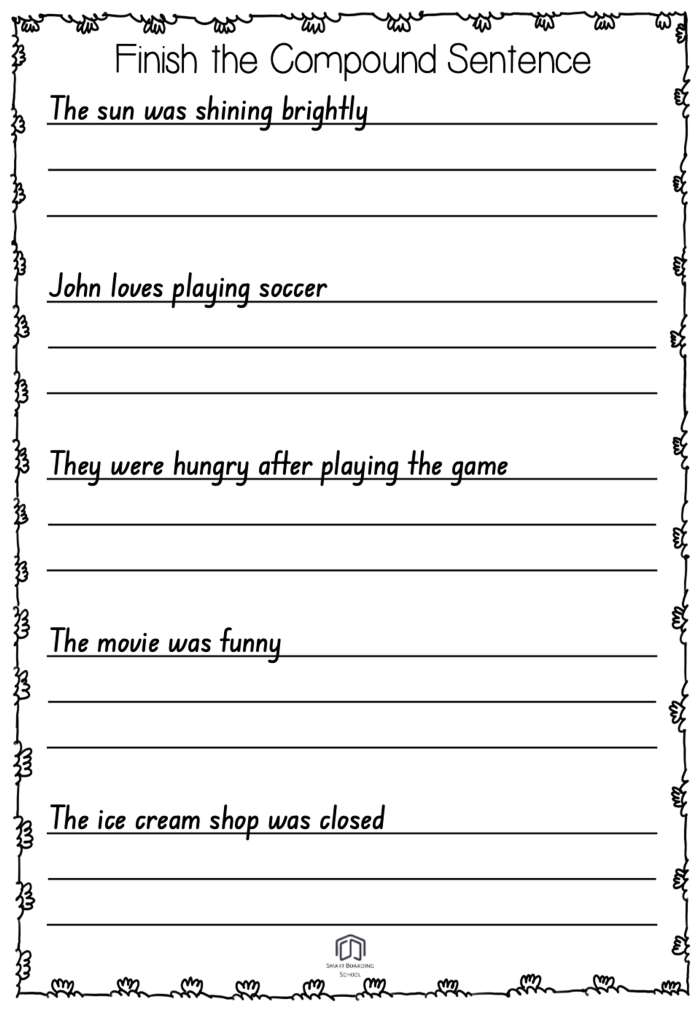
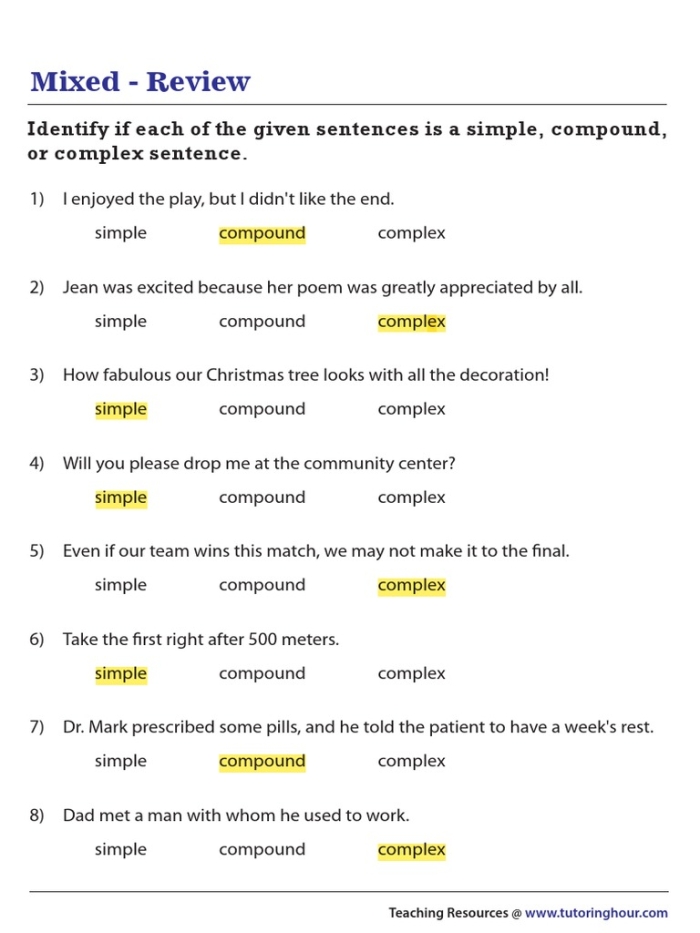
Getting third graders excited about grammar doesn’t require complicated drills or worksheets that feel like punishment. A small-group exercise focused on building compound sentences can turn a normally dry lesson into something students actually want to participate in.
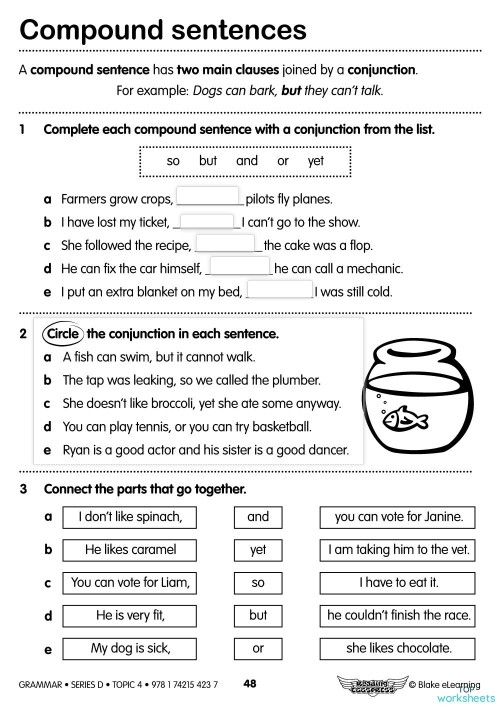
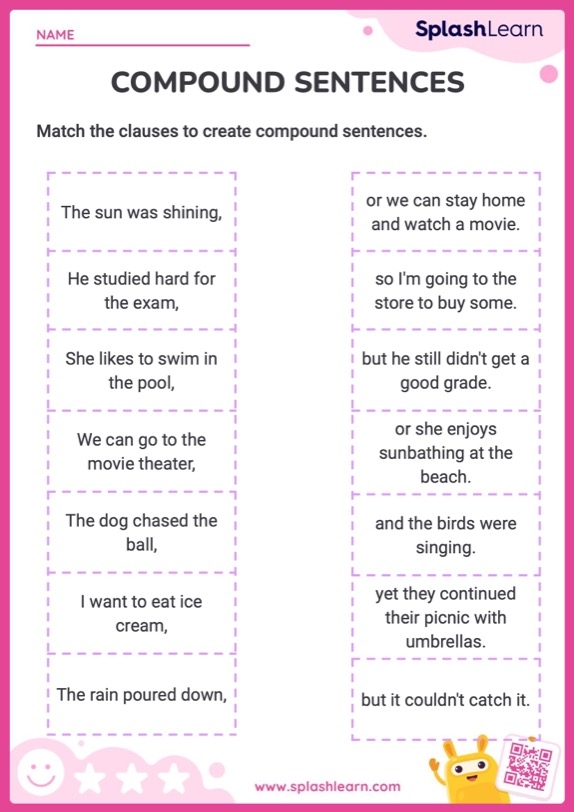
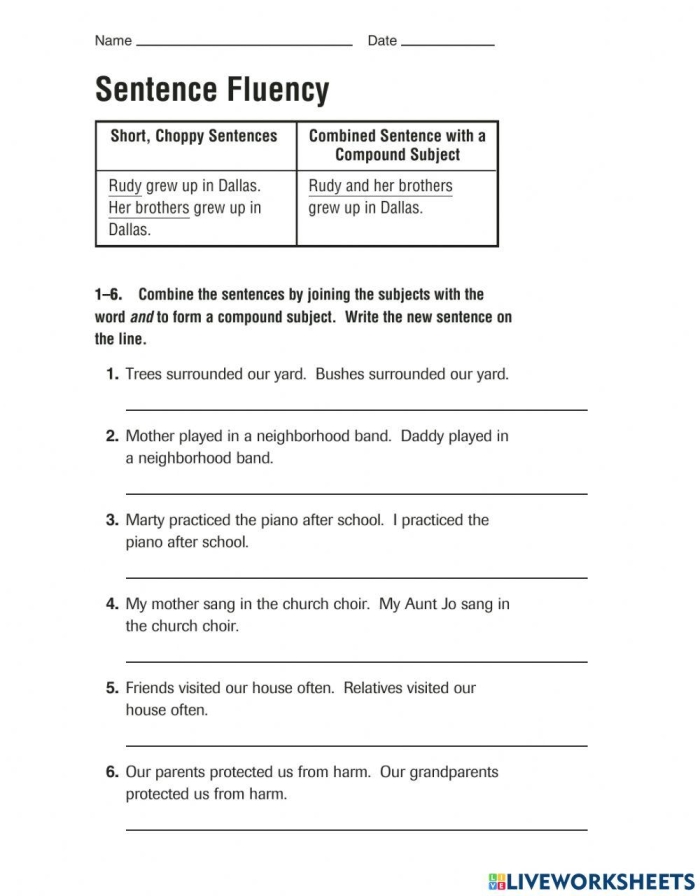
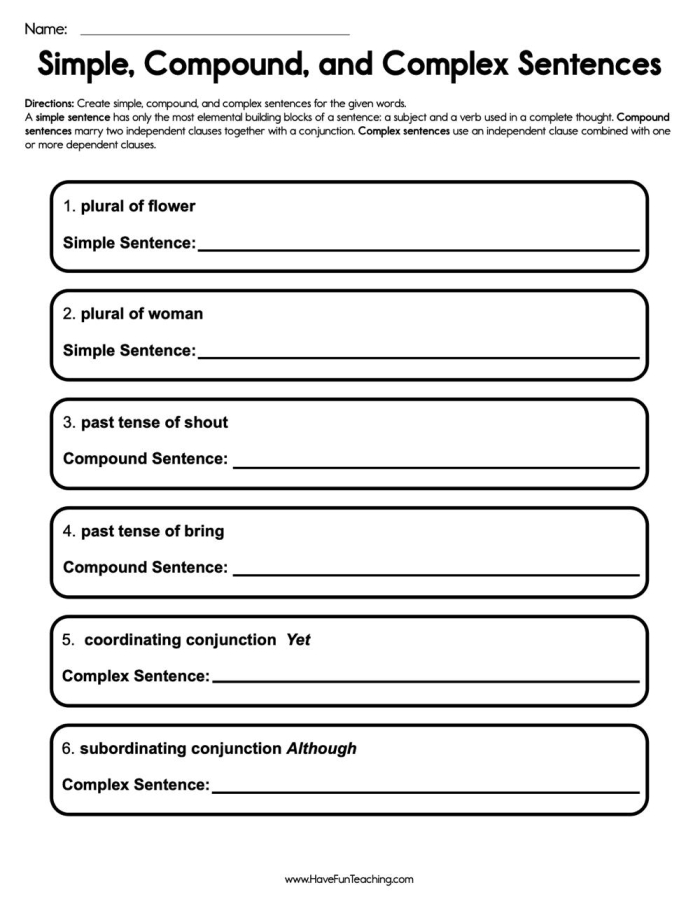
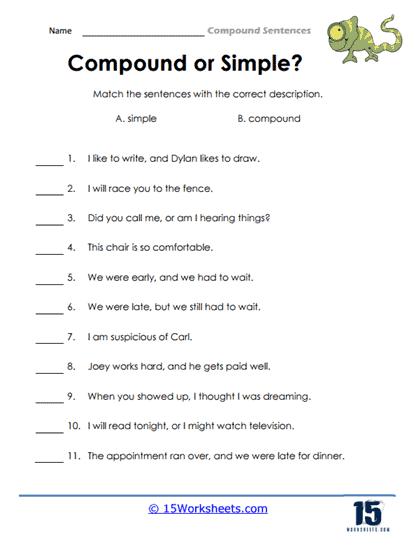
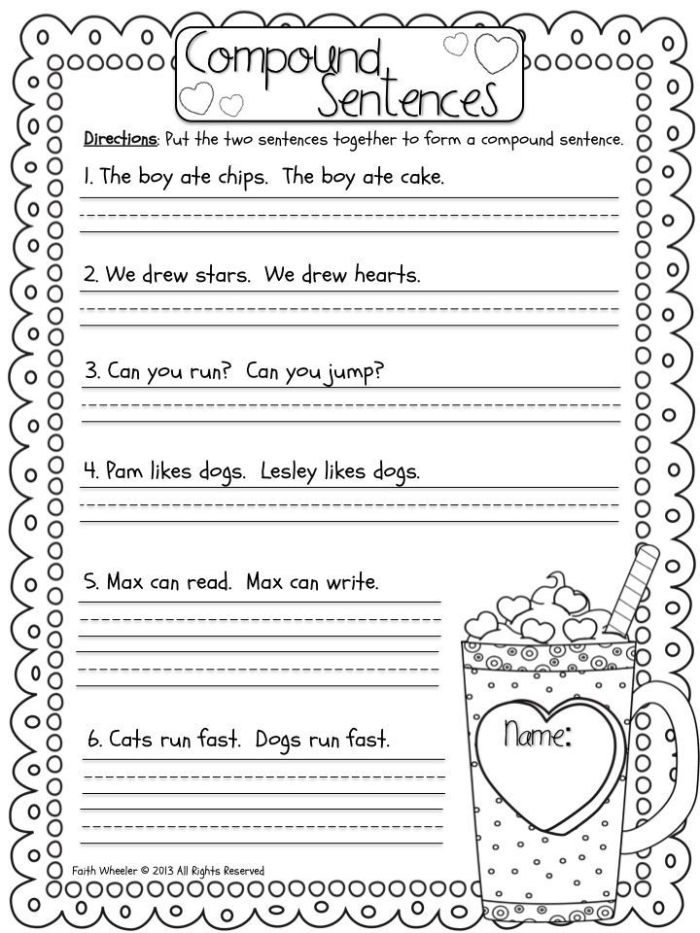
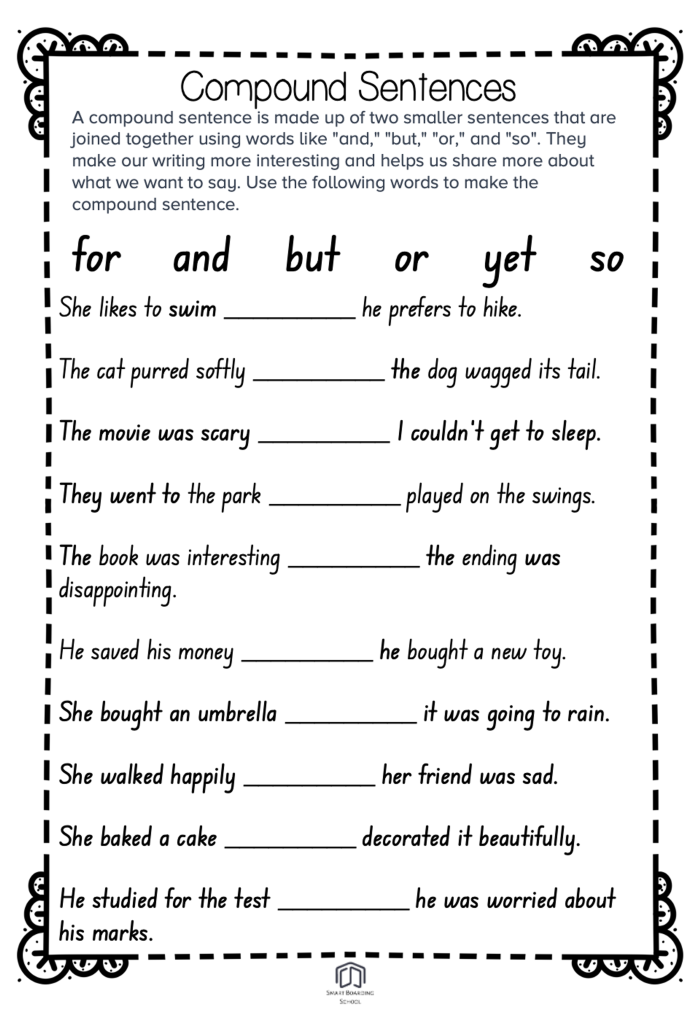
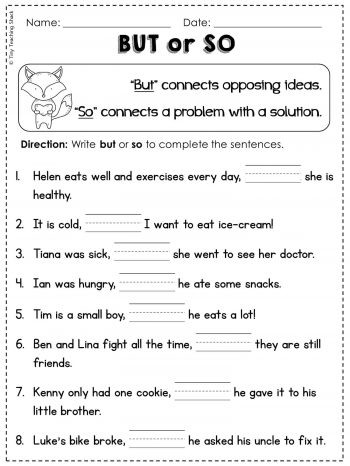
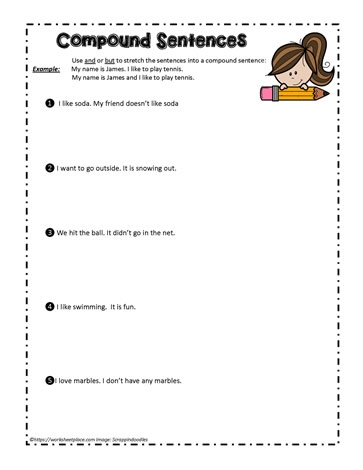
The key is giving students immediate opportunities to combine simple sentences using conjunctions like “and,” “but,” and “or.” When you work with a small group, you can move at their pace and catch misconceptions before they stick. One student might struggle with understanding when to use “but” instead of “and,” while another grasps it immediately. Small groups let you address these differences without holding back faster learners or leaving struggling ones behind.
A practical approach involves having students create their own compound sentences based on topics they find interesting. Physical science concepts work particularly well here. Instead of abstract examples, you might have them combine sentences about objects and their properties. For instance, a student might combine “The ball is round” and “The ball is red” into “The ball is round and red.” Then they can push further: “The ball is round and red, but it is small.”
The fun emerges when students see their sentences grow more complex and interesting. They’re not just following rules, they’re building something. You can incorporate related learning activities too, like exploring how light moves through objects and then having them write compound sentences describing what they observe.
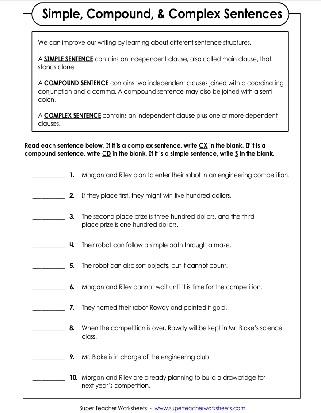
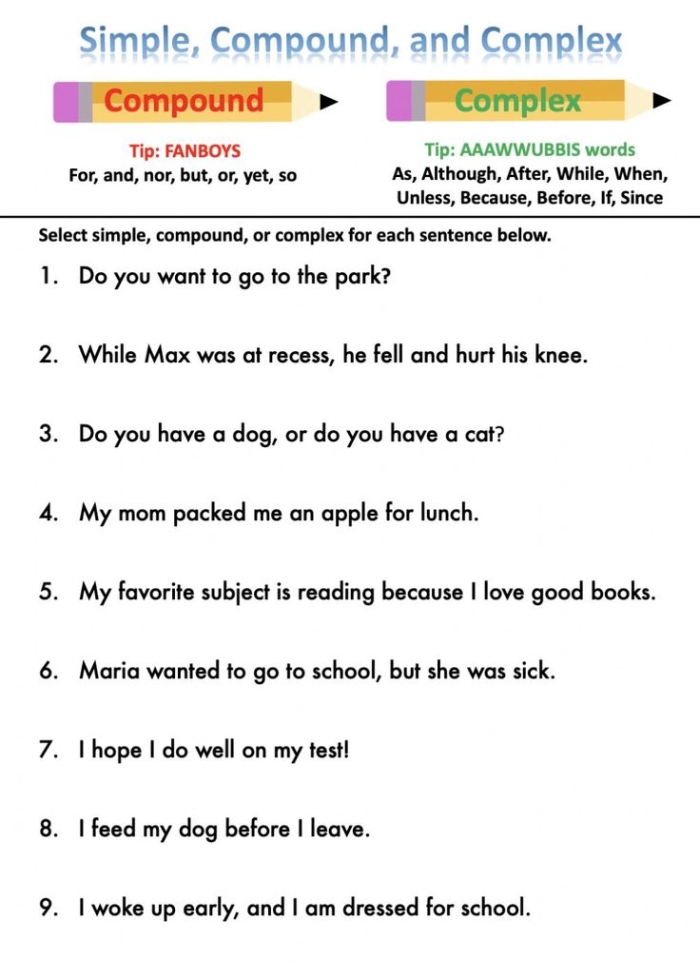
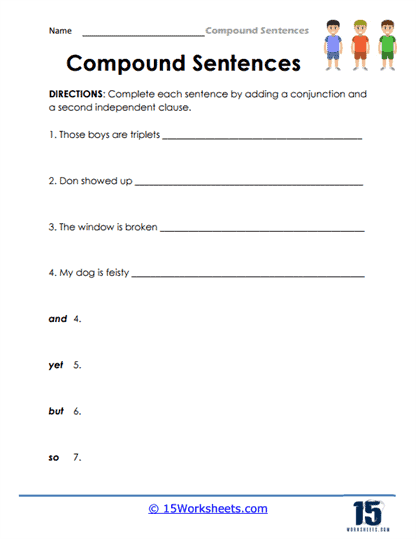
Once students understand the mechanics in conversation, they can apply the skill to independent work. Pairing small-group instruction with reinforcement materials ensures the learning sticks and builds confidence in their writing abilities.
Use These Worksheets Today