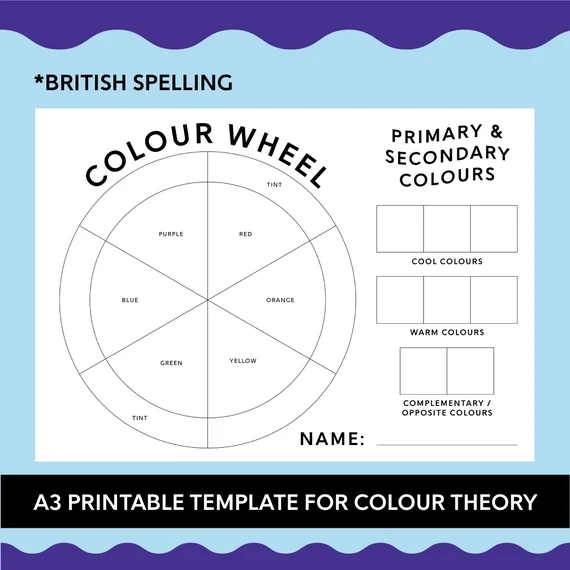
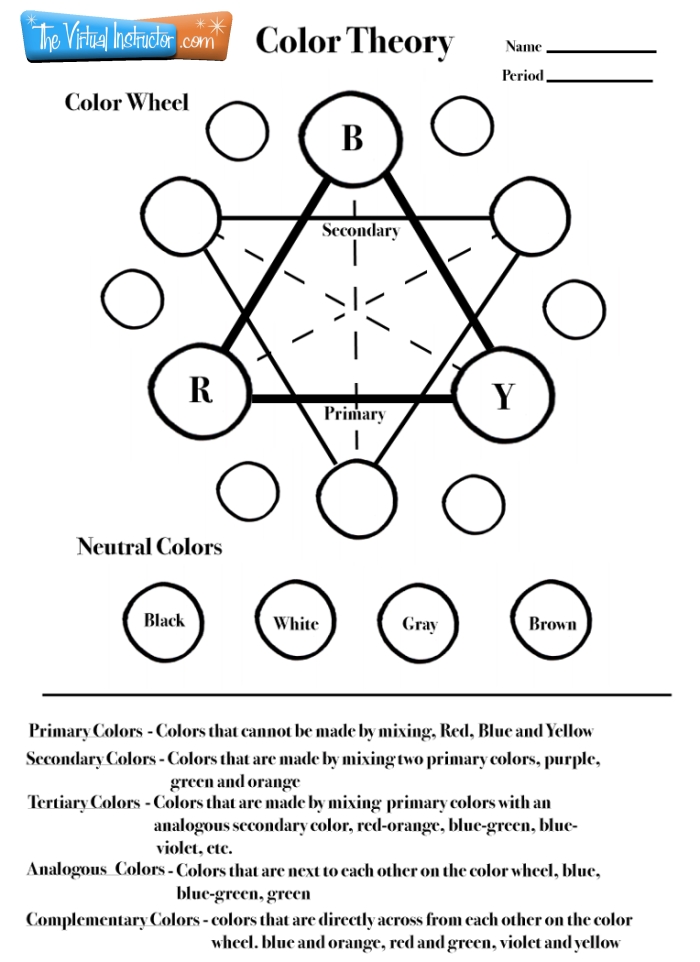
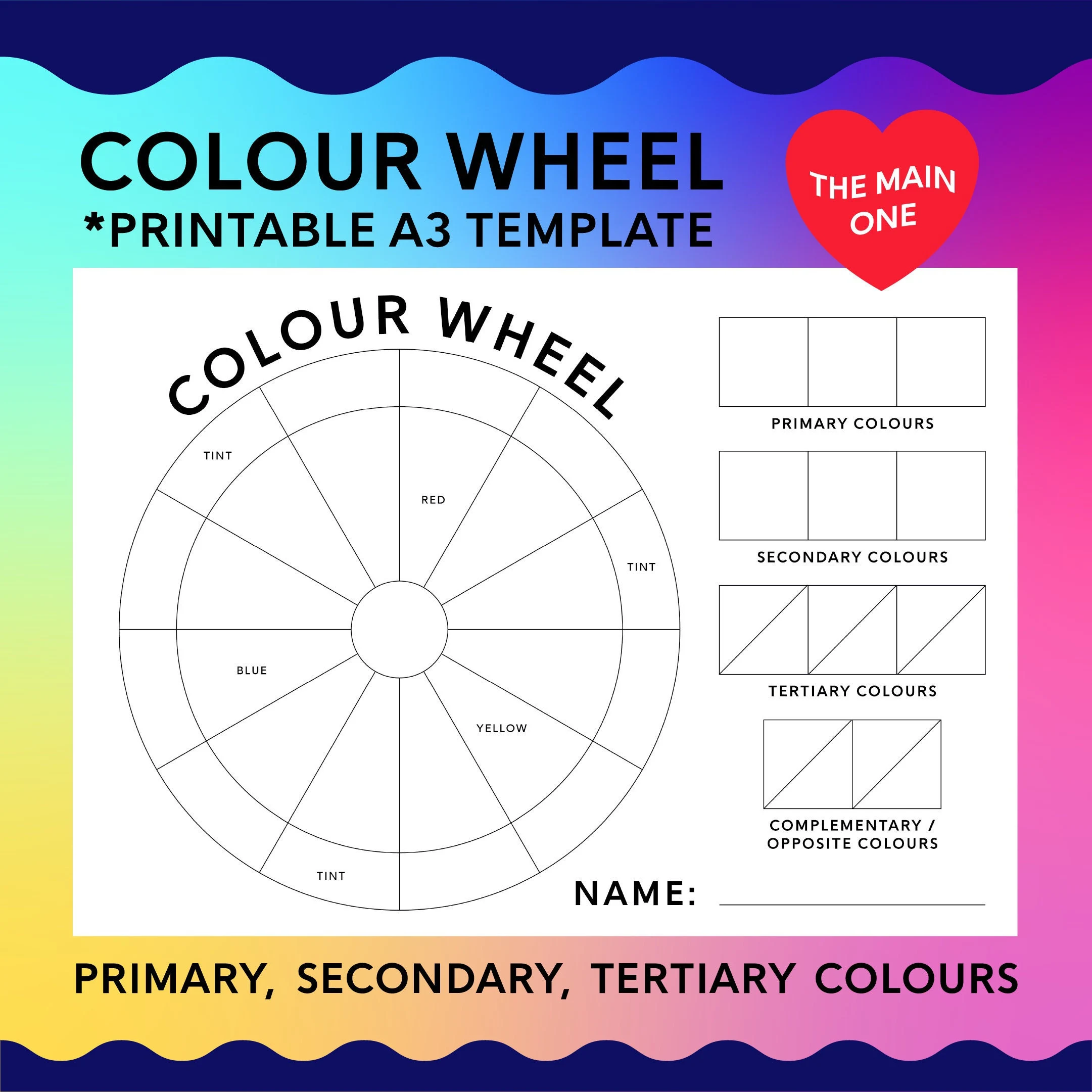
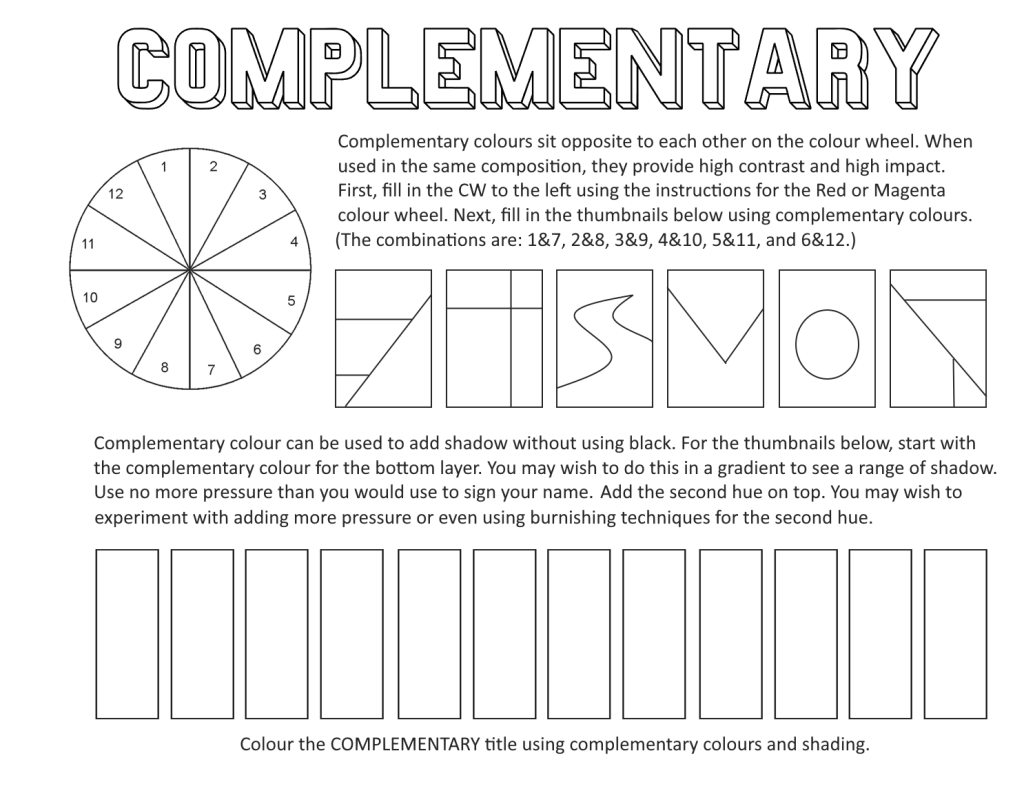
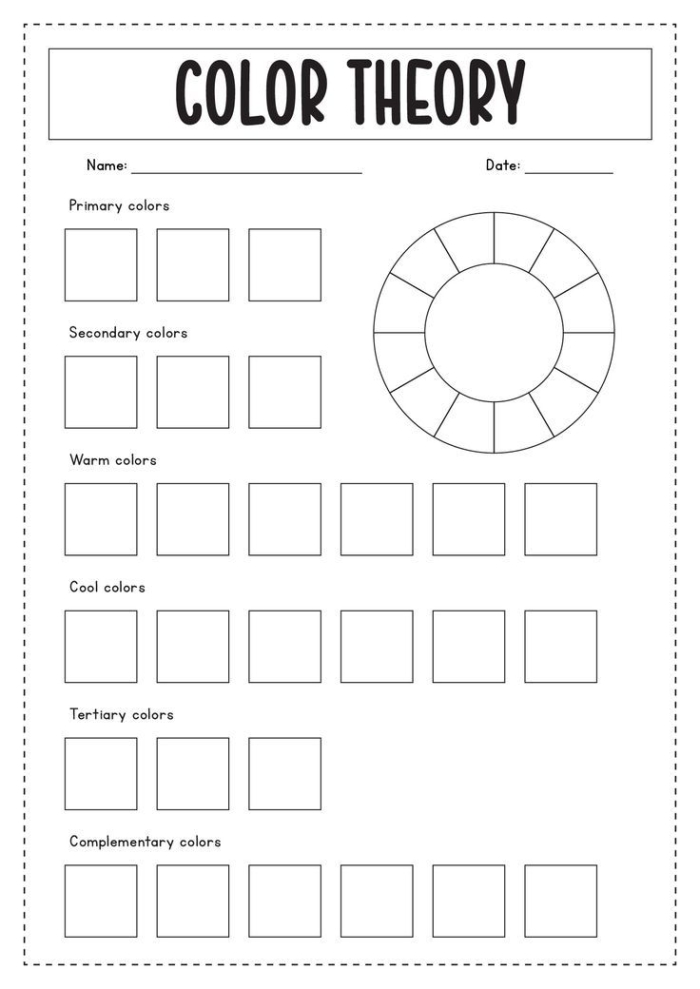
Colors have best friends, just like you do. In the world of color, these best friend pairings are called complementary colors, and they’re one of the most important concepts in understanding how colors work together.
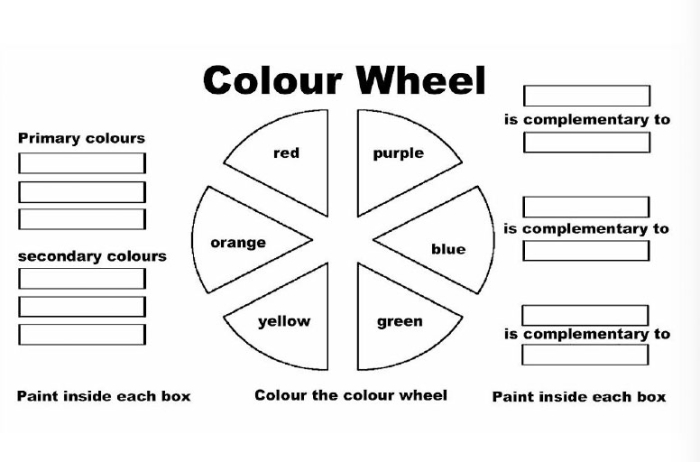
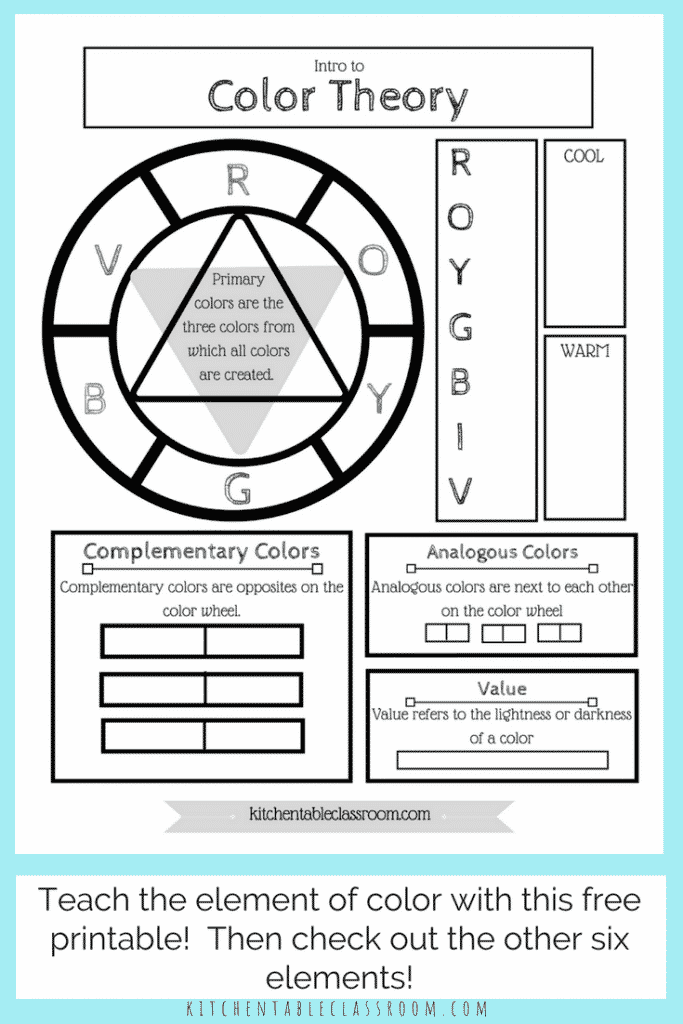
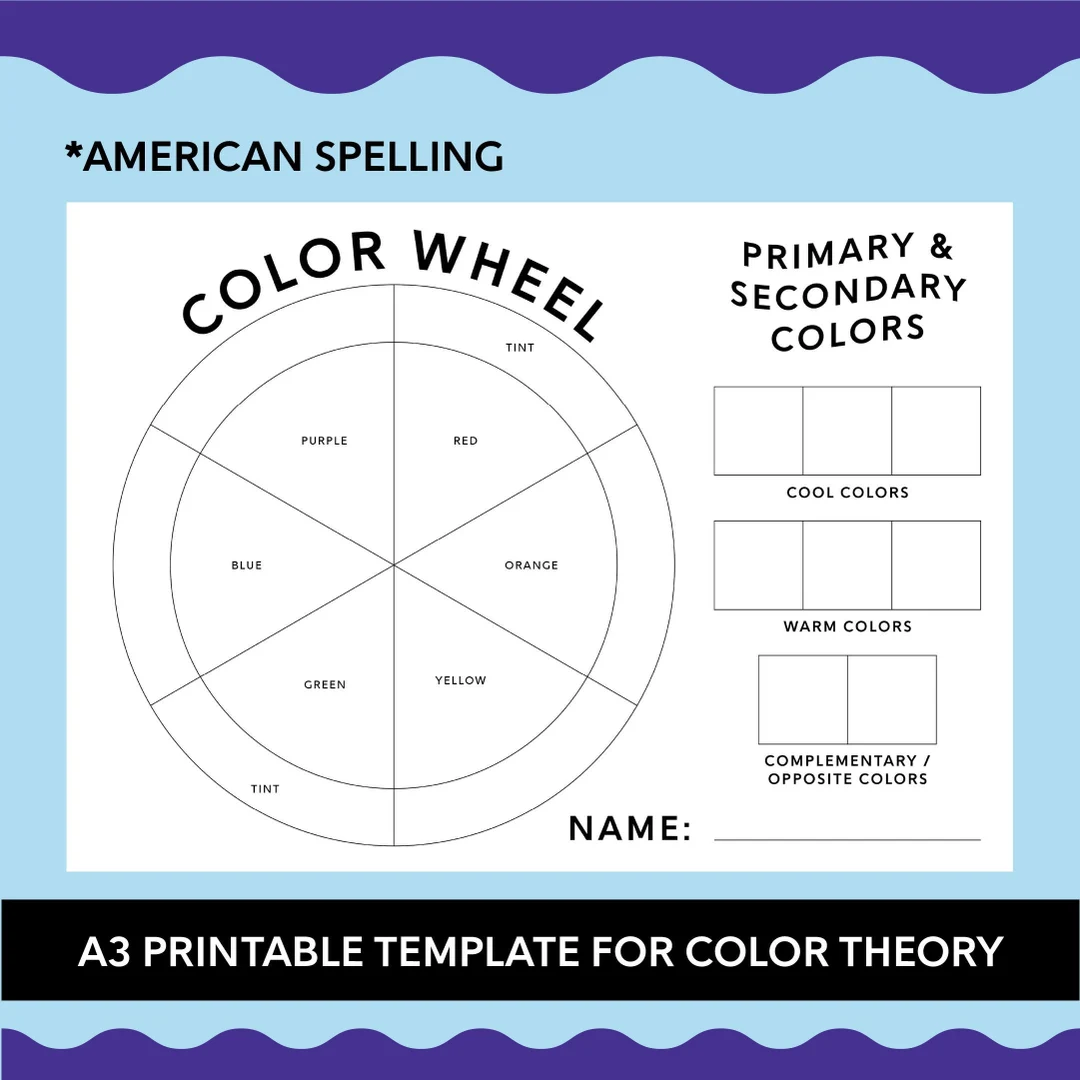
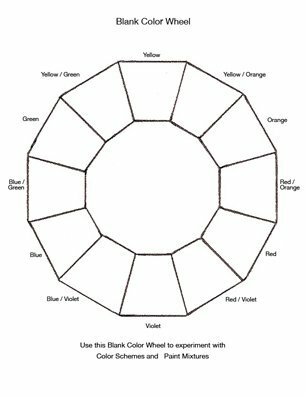
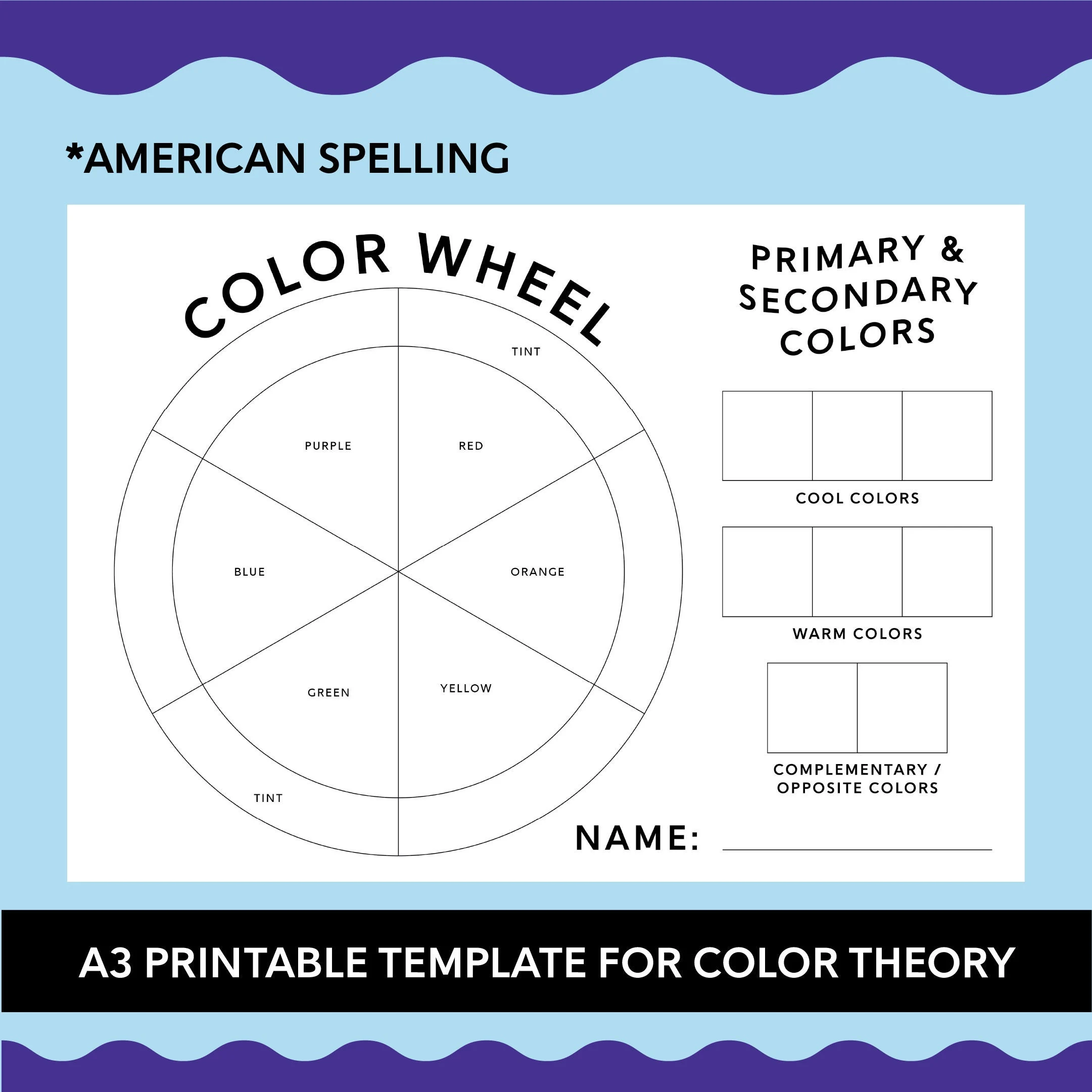
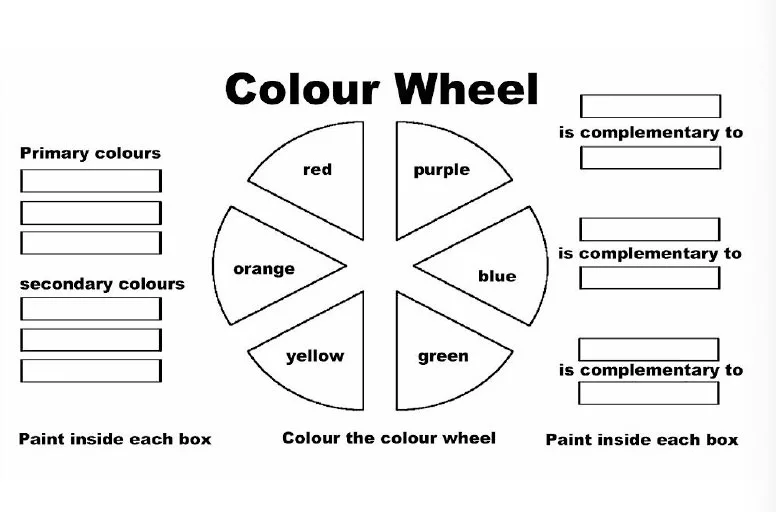
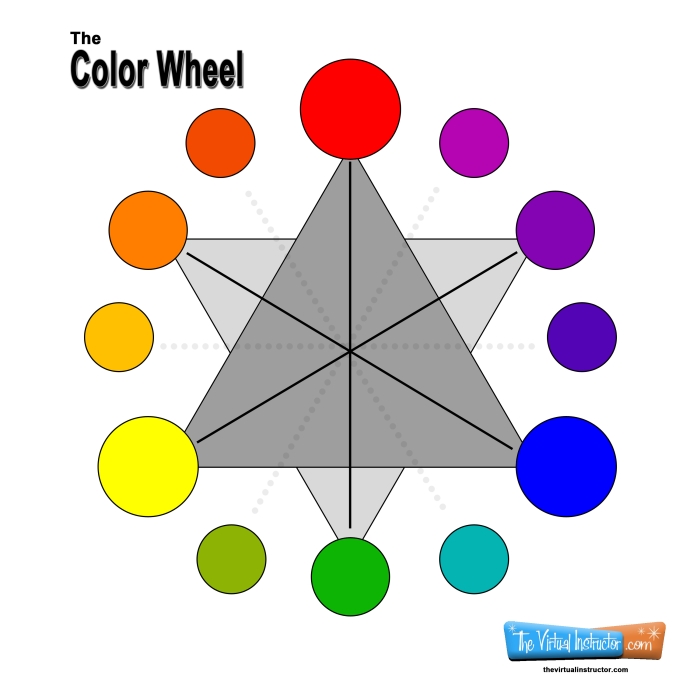
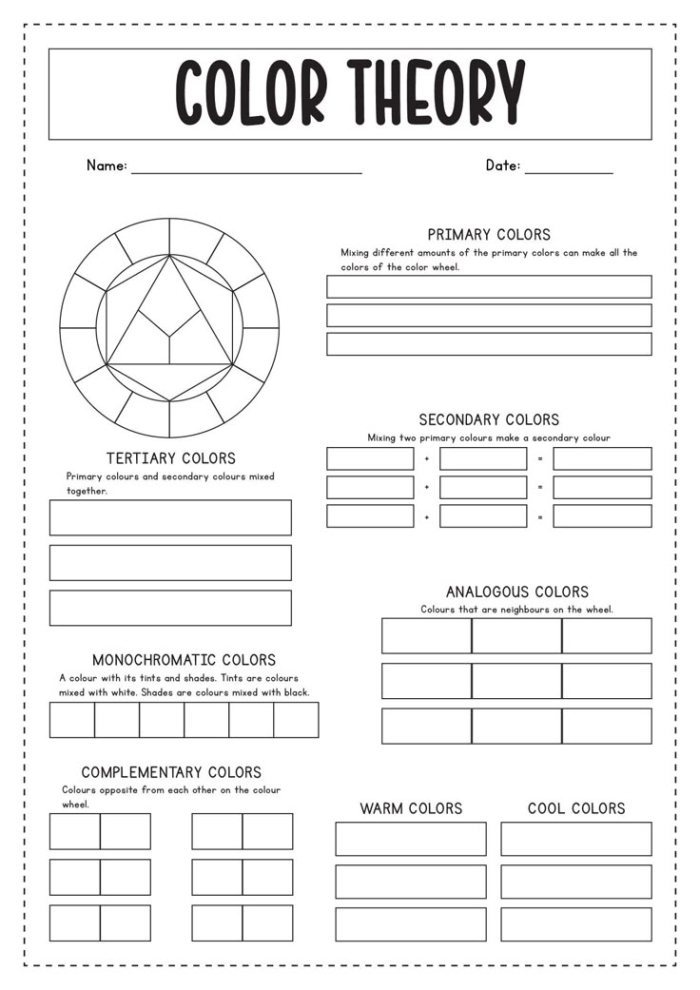
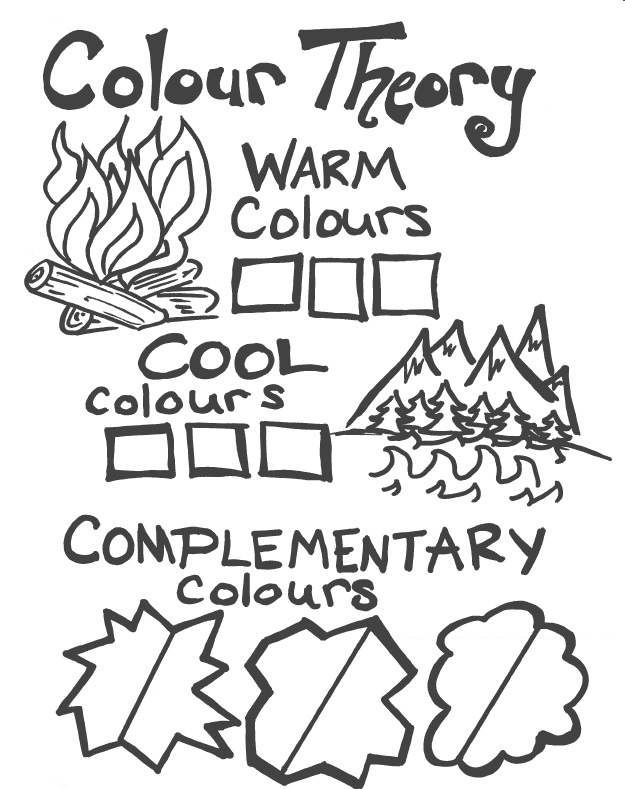
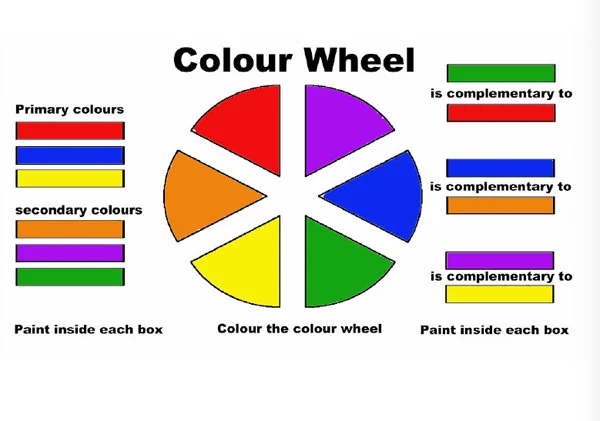
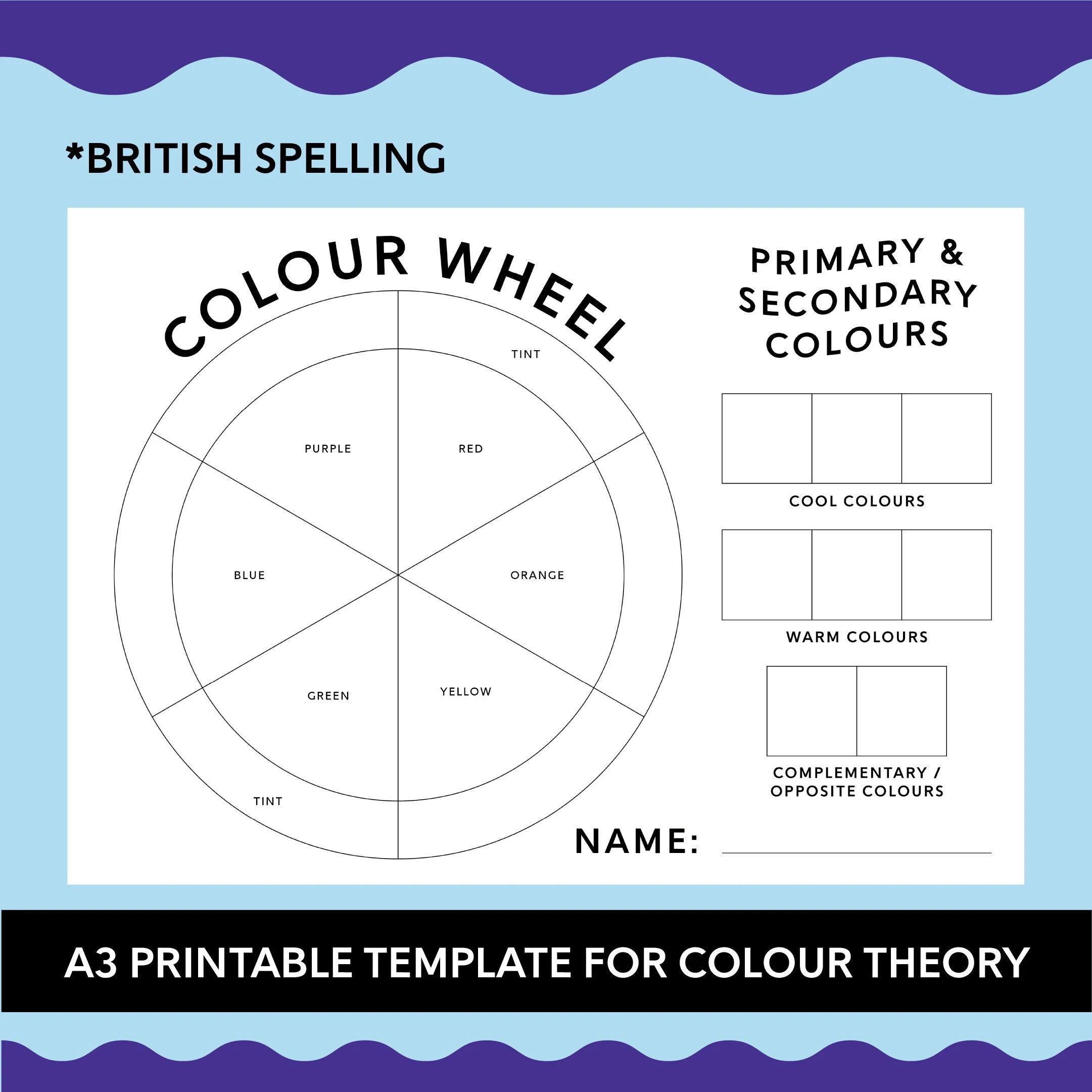
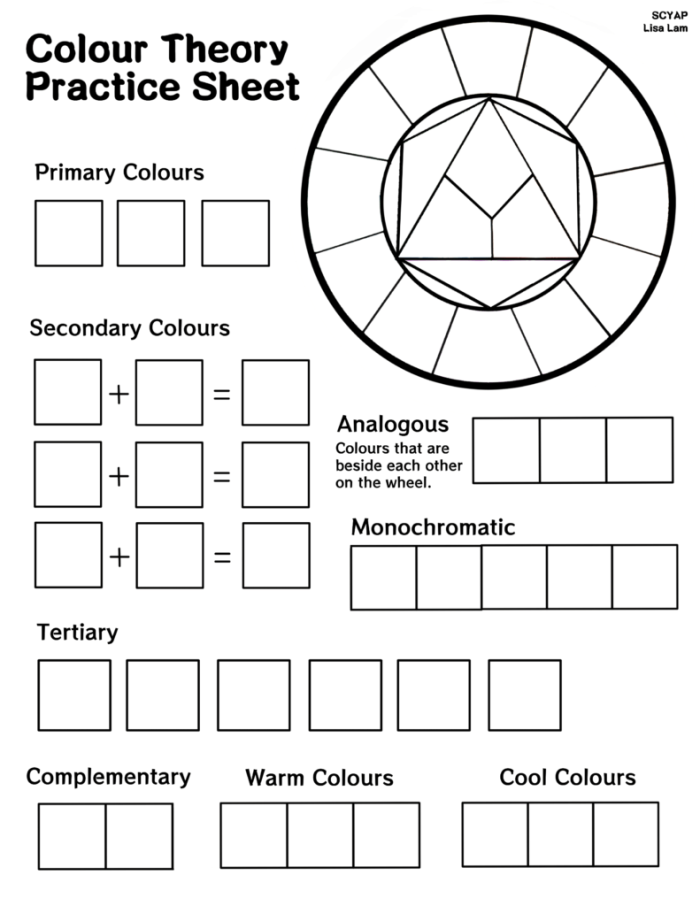
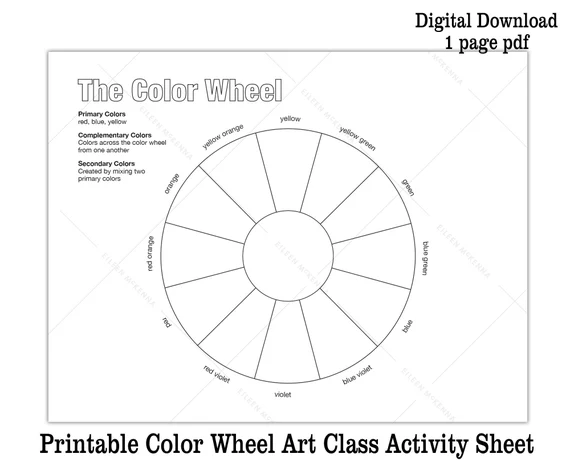
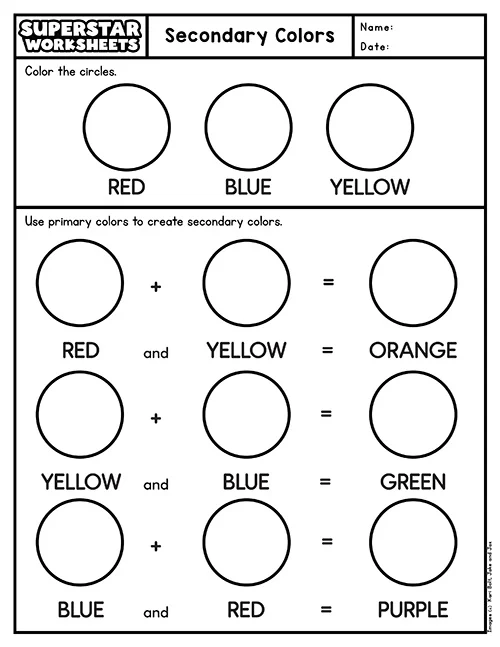
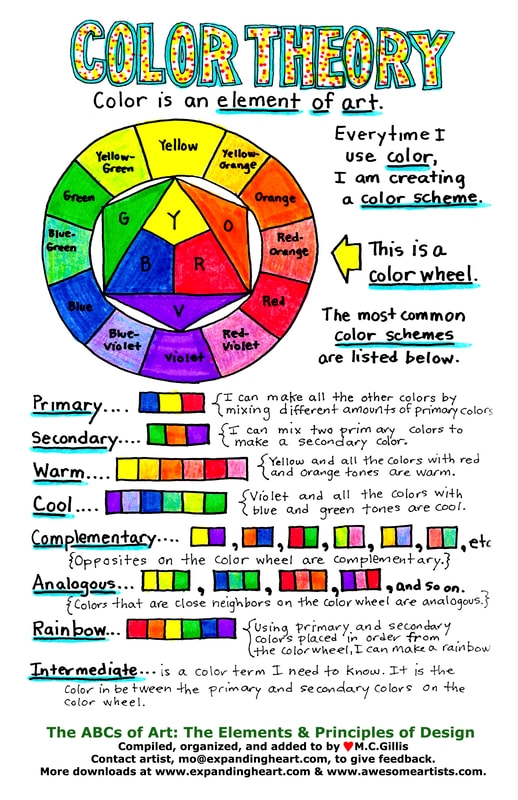
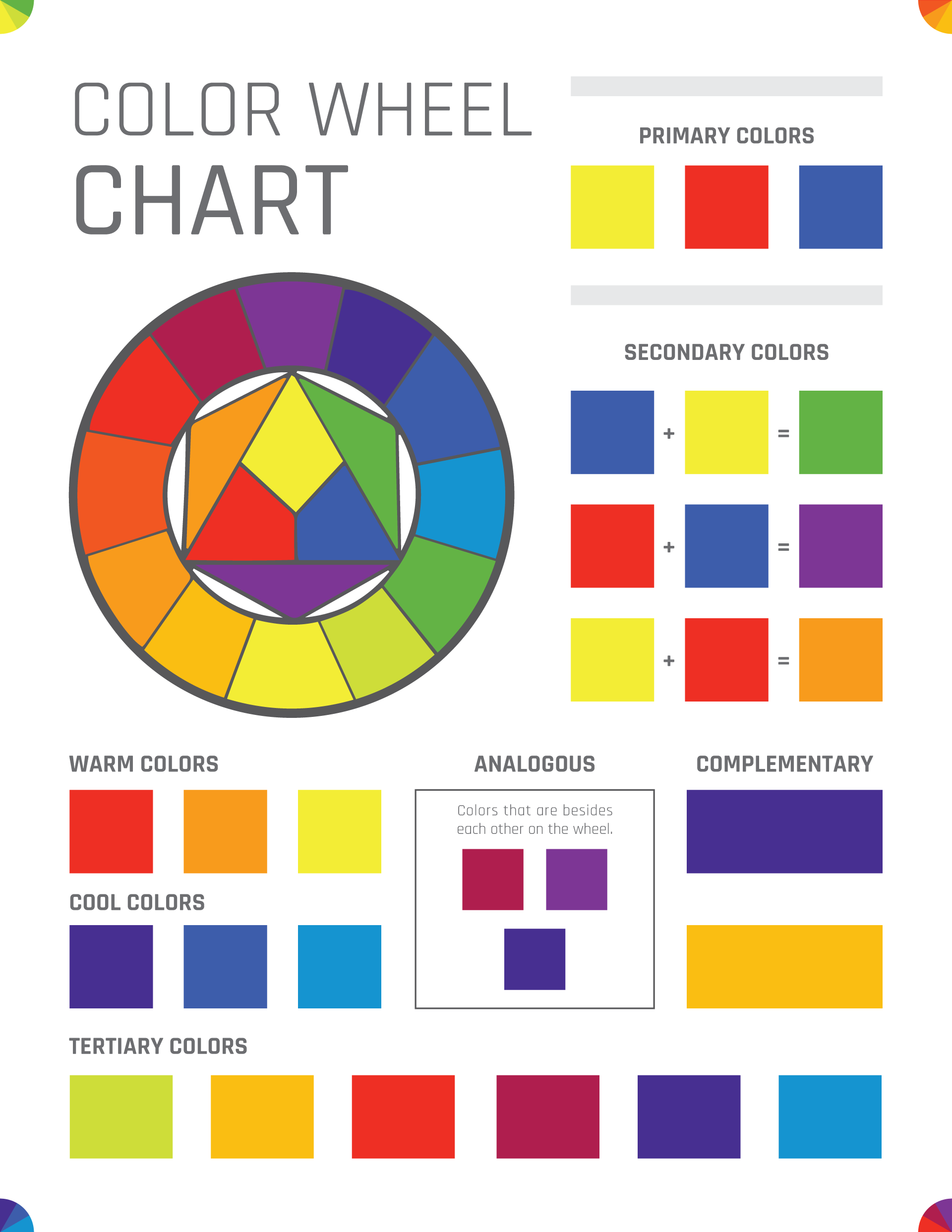
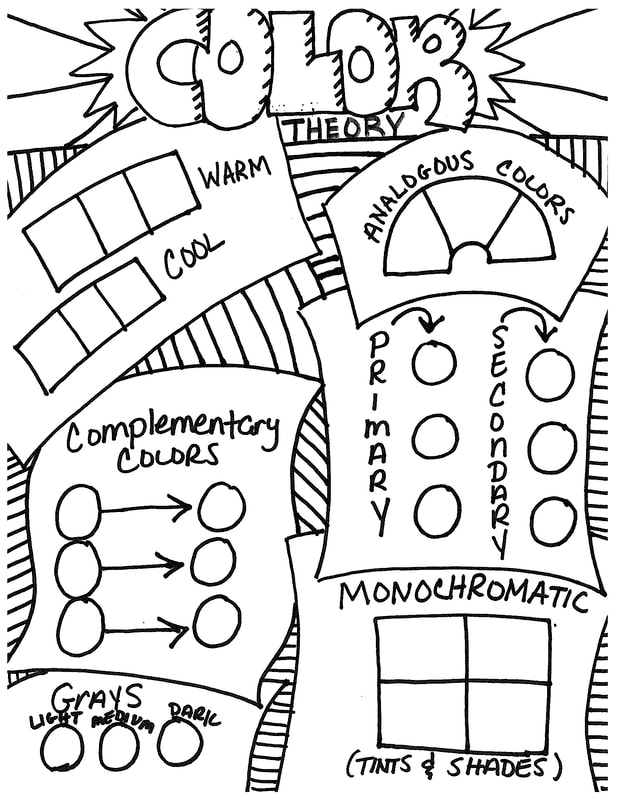
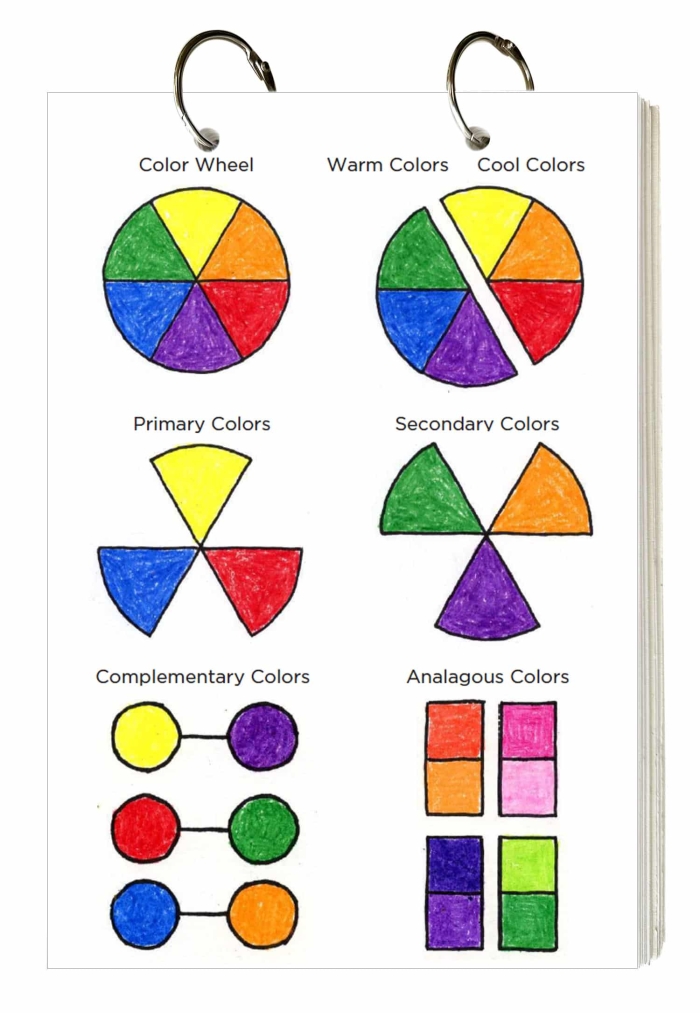
Complementary colors sit directly opposite each other on the color wheel. Red pairs with green. Blue pairs with orange. Yellow pairs with purple. When you place these colors next to each other, something magical happens: they make each other look brighter and more vibrant. This isn’t just theory. If you’ve ever seen a bright orange pumpkin against a blue sky, you’ve witnessed complementary colors at work.
For third grade physical science students, learning about complementary colors opens up a practical understanding of light and color. Colors aren’t random choices on a palette. They follow rules based on how light behaves. When you mix complementary colors together, they actually neutralize each other and create gray or brown. But when you place them side by side, they create maximum contrast and visual excitement.
This principle shows up everywhere. Artists use it intentionally in paintings. Designers use it to make logos pop off the page. Even nature uses complementary color combinations to help animals stand out or blend in.
Understanding complementary colors helps young learners see that physical science isn’t just about numbers and measurements. When you’re working on word problems about perimeter or studying measurement with liters and milliliters, you’re building skills that connect to how we observe and understand the world around us, including the colors we see every day.
The next time you look at something colorful, try spotting the complementary color pairs. You’ll start seeing color relationships everywhere, and you’ll understand why certain color combinations just feel right.
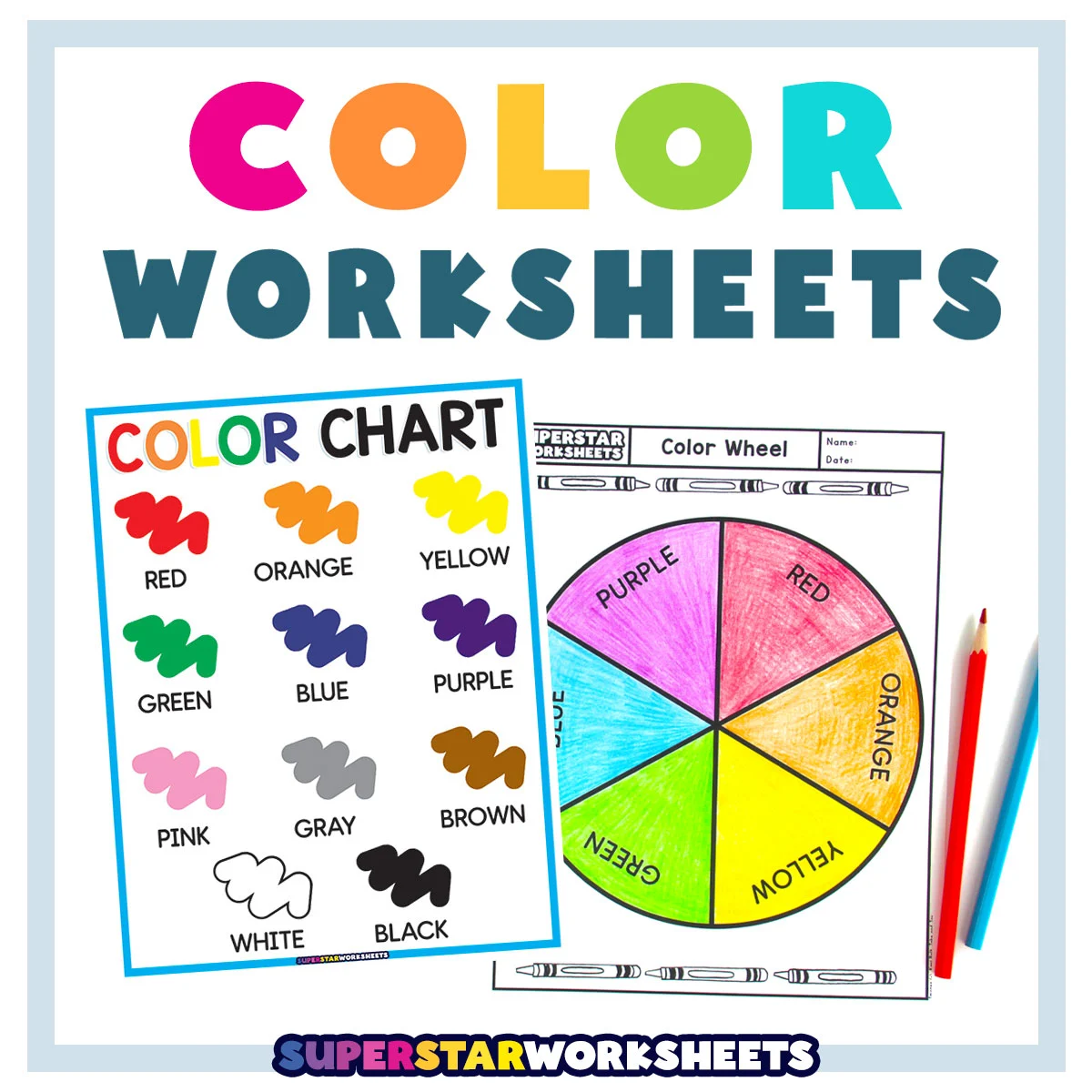
Download These Worksheets for Practice