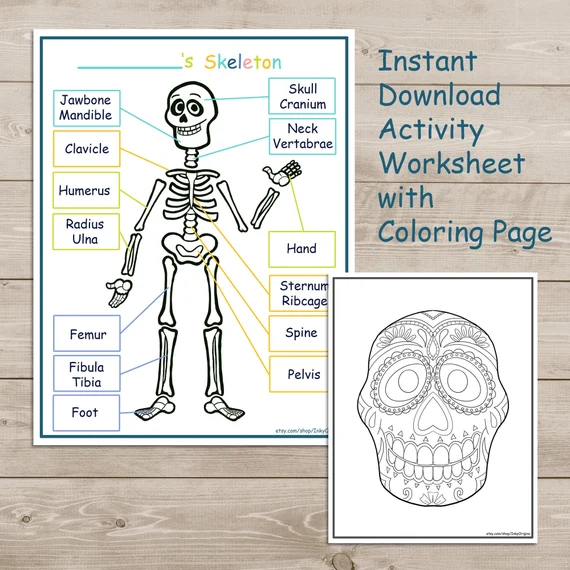
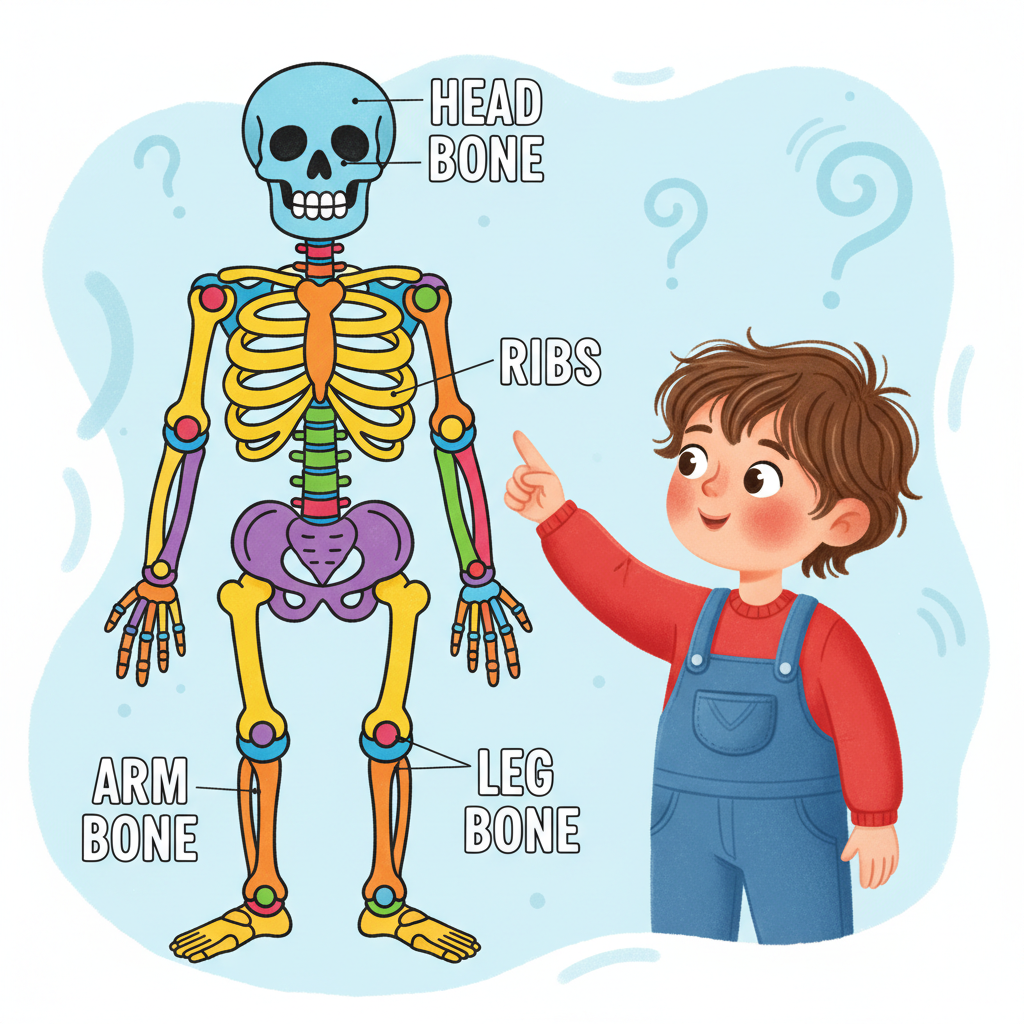
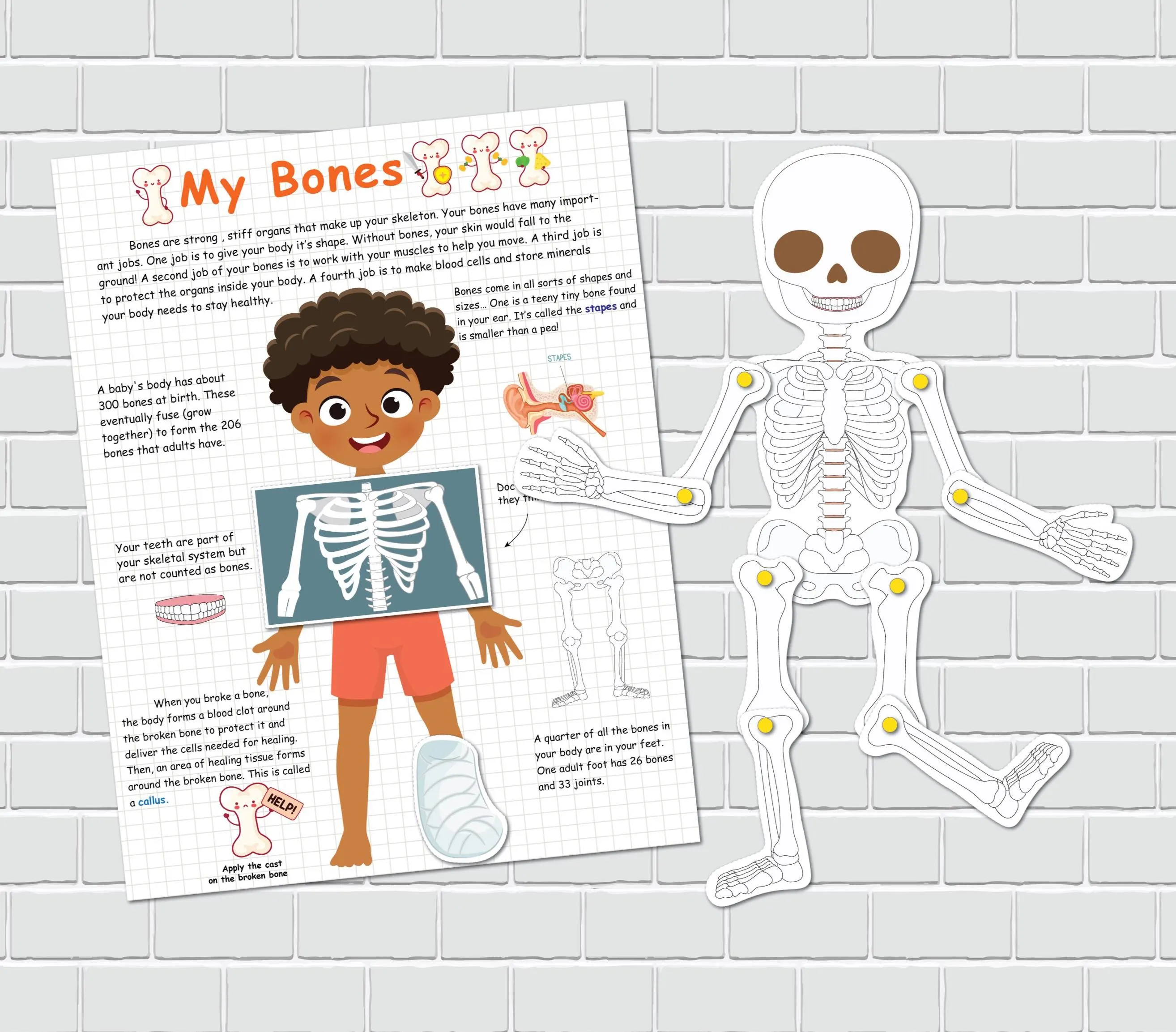
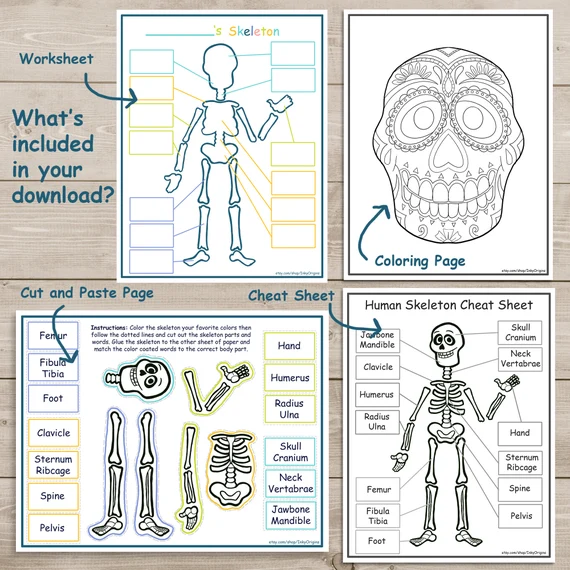
A fill-in-the-blank skull diagram is one of the most effective ways to help your fifth grader understand human anatomy in life science. Instead of passively reading about bones, students actively engage with the material by labeling different parts of the skull themselves. This hands-on approach creates stronger memory retention than traditional textbook learning.
The human skull contains 22 bones in adults, though fifth graders don’t need to memorize every single one. Instead, focus on the major structures: the cranium (which protects the brain), the mandible (lower jaw), the maxilla (upper jaw), and the zygomatic bones (cheekbones). When students label these parts on a diagram, they begin to understand how each bone serves a specific purpose in protecting vital organs and supporting facial structure.
Using a worksheet with blank lines next to different skull regions works better than a completely empty diagram. Students can reference a word bank or their notes to fill in answers, which reduces frustration while still requiring them to think about where each bone belongs. This scaffolded approach mirrors how teachers handle other fifth grade subjects, like when students work through recipe conversion multiplication with guided steps rather than jumping straight to complex problems.
Consider pairing the skull diagram with related activities. Students could compare their skull diagram to actual skull models or images, or research how different animals have differently shaped skulls adapted to their diets and lifestyles. You might also connect this to history by having them explore famous women in history and discuss how forensic scientists use skull analysis in their work.
The best worksheets include a labeled answer key so you can check their work and discuss any mistakes together. This reinforces learning and helps your fifth grader build confidence in understanding life science concepts that will appear in future biology classes.
Use These Worksheets Today