When seventh grade students encounter poetry, comparing two pieces side by side forces them to move beyond surface-level reading and actually examine how writers construct meaning. This reading comprehension worksheet asks learners to analyze two poems, “January” and “The Wind,” by identifying their structural choices, emotional tone, and the literary devices that give each piece its distinct voice.
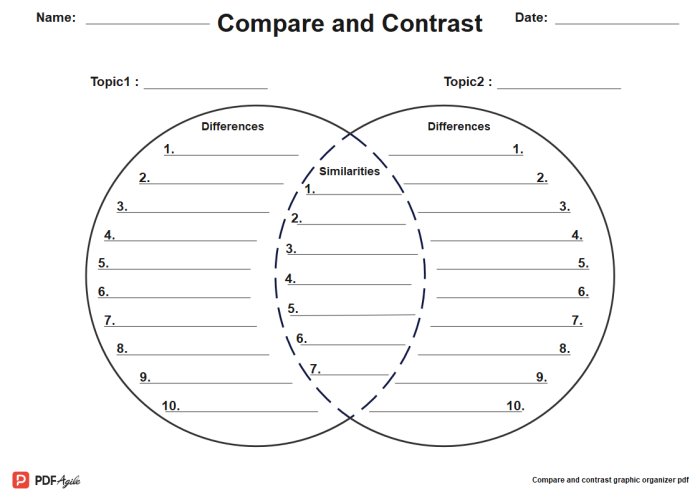
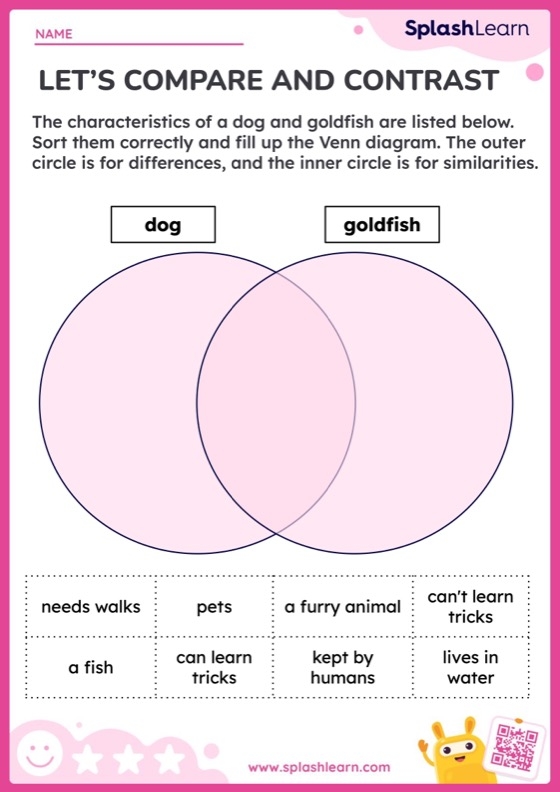
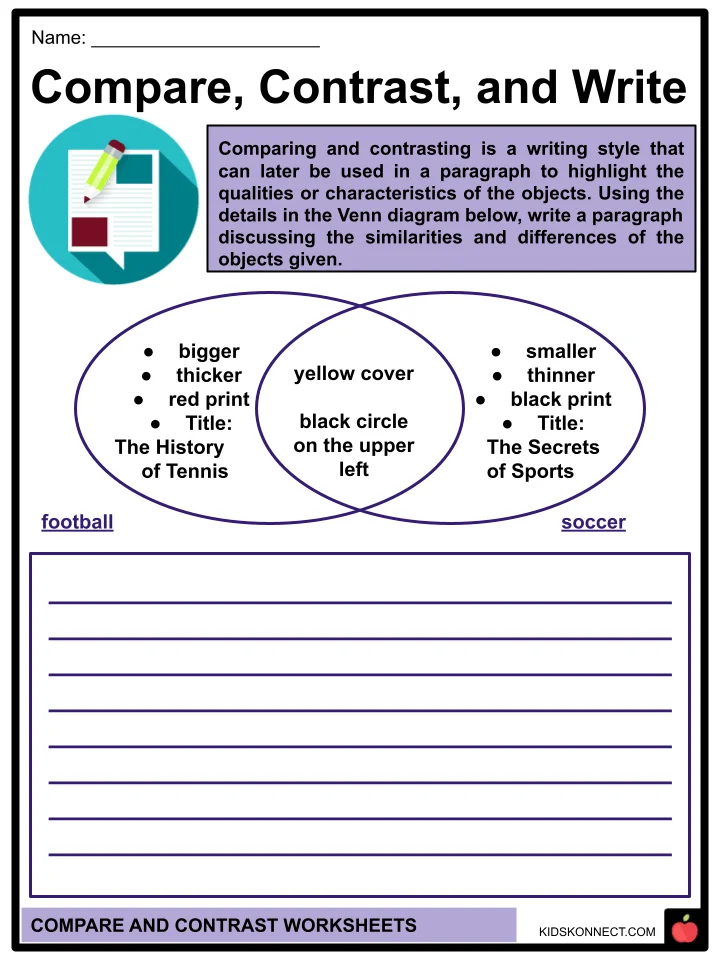
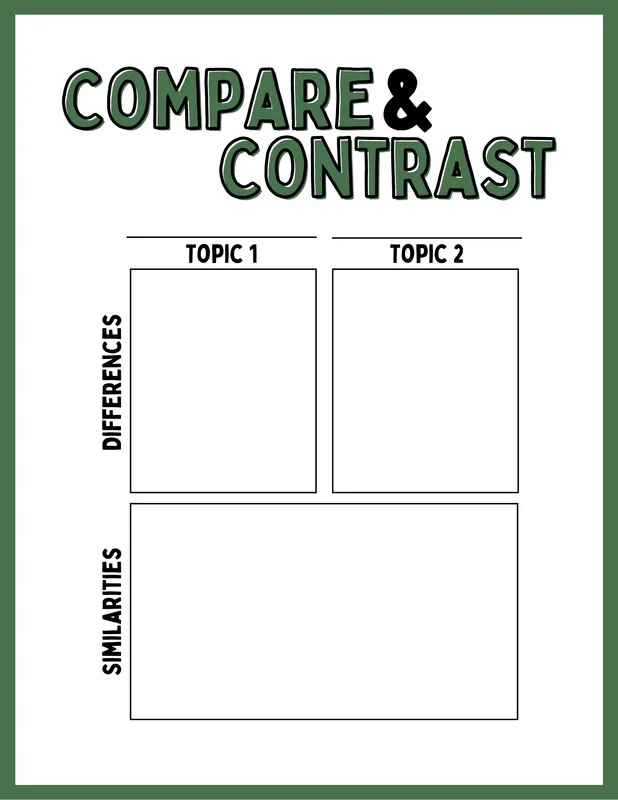
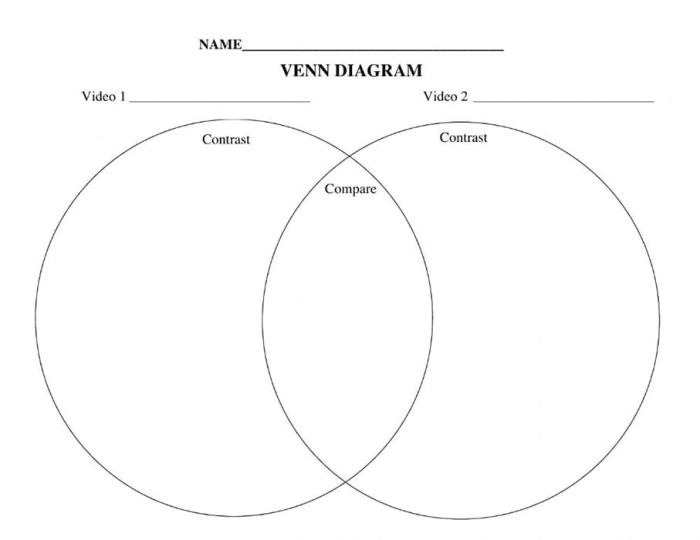
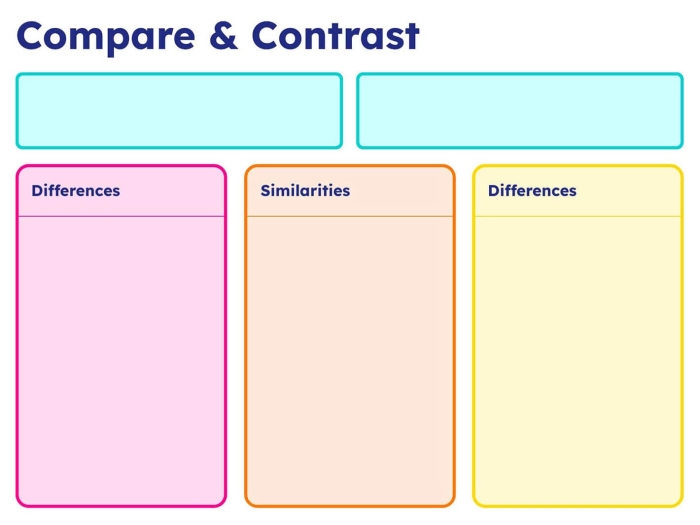
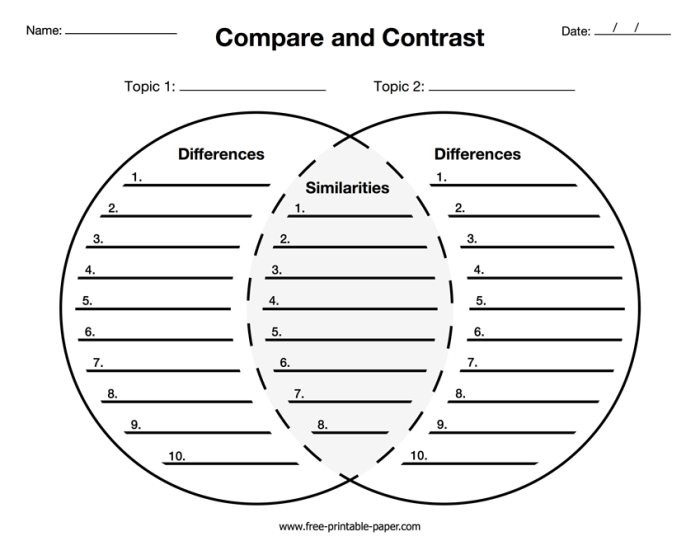
The comparison process works differently than analyzing a single poem in isolation. Students must hold both texts in mind simultaneously, noticing where they align and where they diverge. Structure becomes immediately visible: does one poem use regular stanzas while the other breaks into irregular chunks? Does one rely on rhyme scheme while the other embraces free verse? These questions push students to understand that form carries meaning. A poem about winter’s stillness might use short, clipped lines, while a poem about wind uses longer, flowing syntax that mirrors movement.
Tone analysis reveals how the same subject matter can feel entirely different depending on word choice and perspective. One poem about January might feel melancholy and introspective, while another treats the same month with playfulness or resignation. Students learn that tone isn’t accidental; it emerges from deliberate decisions about diction and imagery.
Literary devices function as the writer’s toolkit. Metaphor, personification, alliteration, and imagery appear throughout both poems, but their frequency and effect differ. By cataloging these devices side by side, students see how poets achieve different effects with similar tools. This worksheet reinforces skills that connect to broader geometry principles as well, since understanding how parts relate to create a whole applies across subjects.
For additional practice with analytical thinking, students might explore how subject-verb agreement affects sentence rhythm in poetry, or consider how precision in language mirrors precision in other disciplines. The skills developed here transfer directly to stronger reading and writing across the curriculum.
Printable Worksheets for Practice