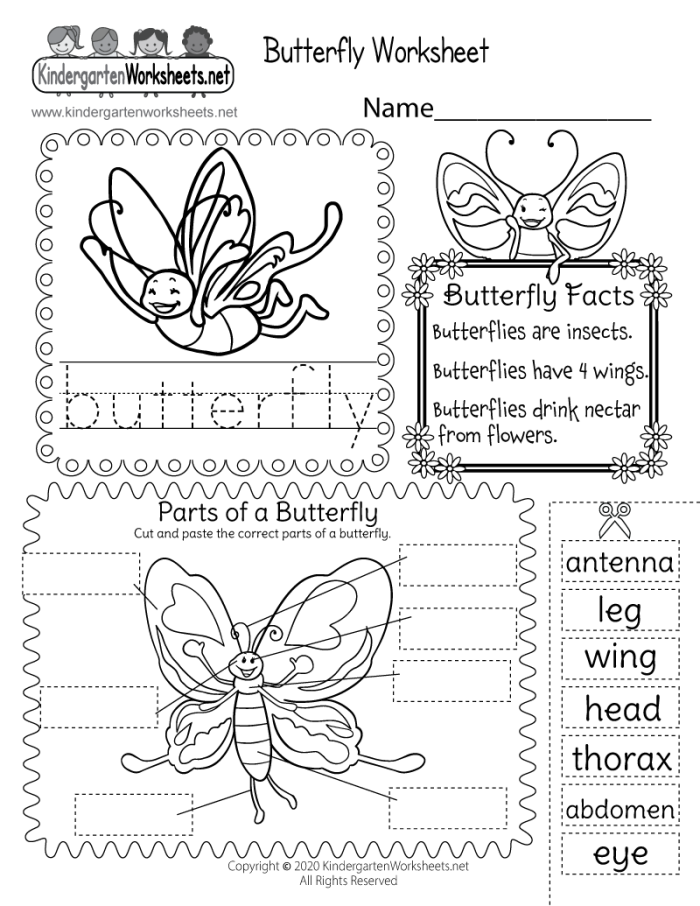
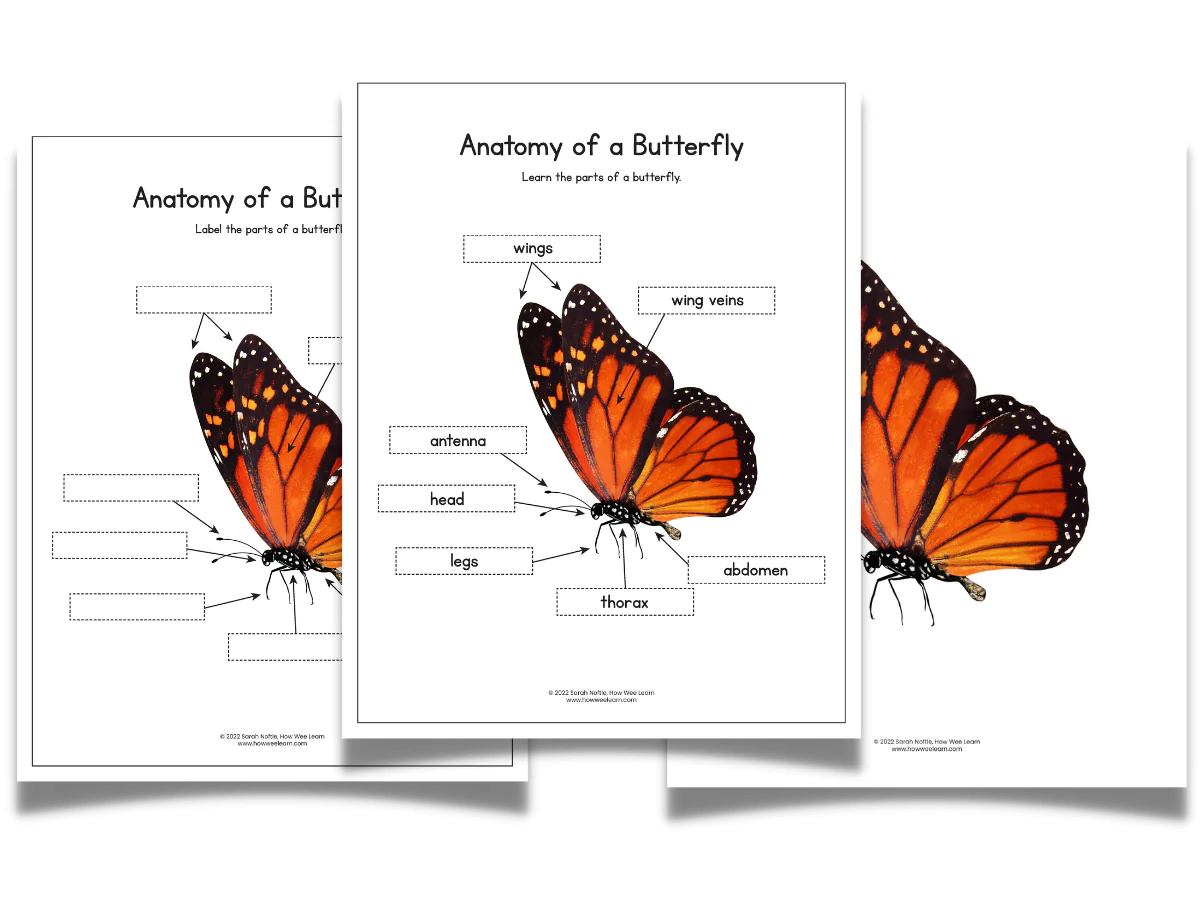
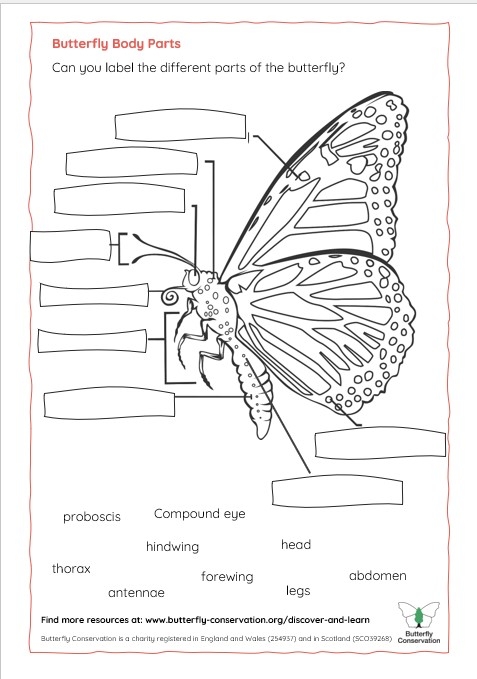
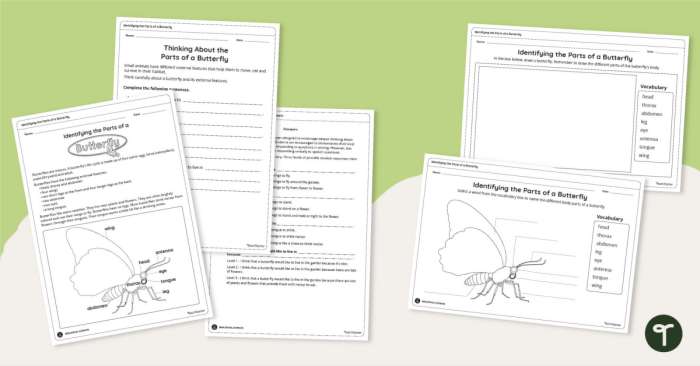
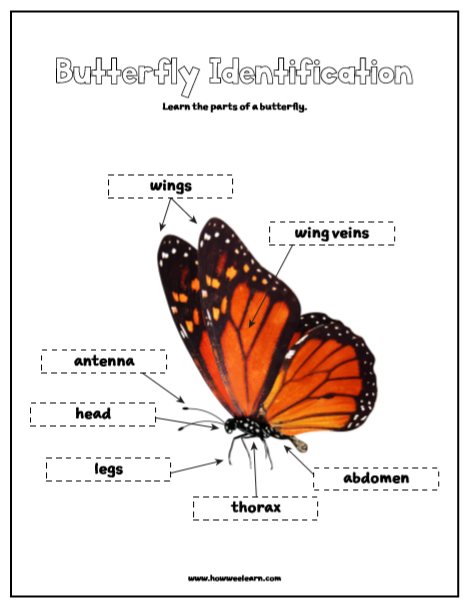
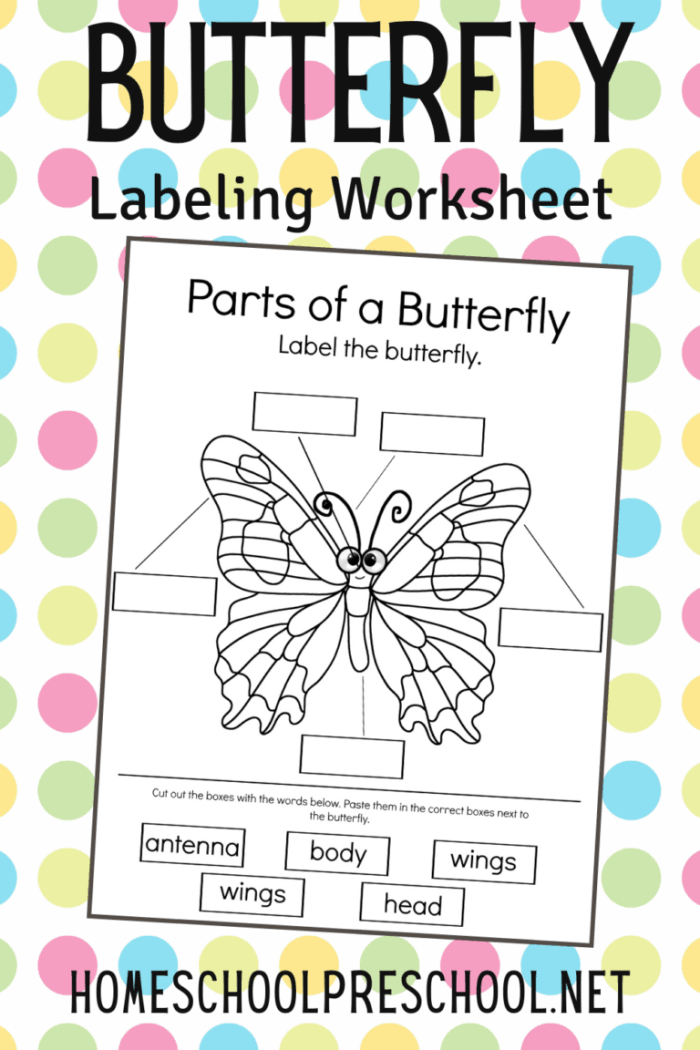
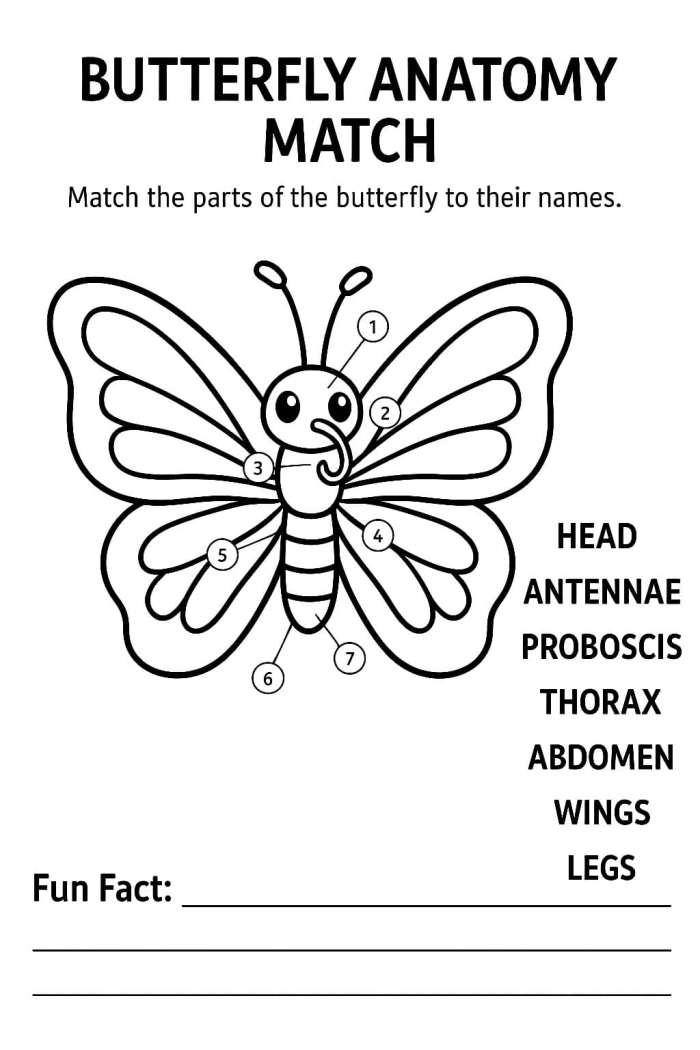
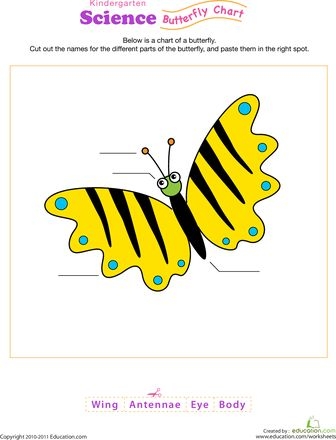
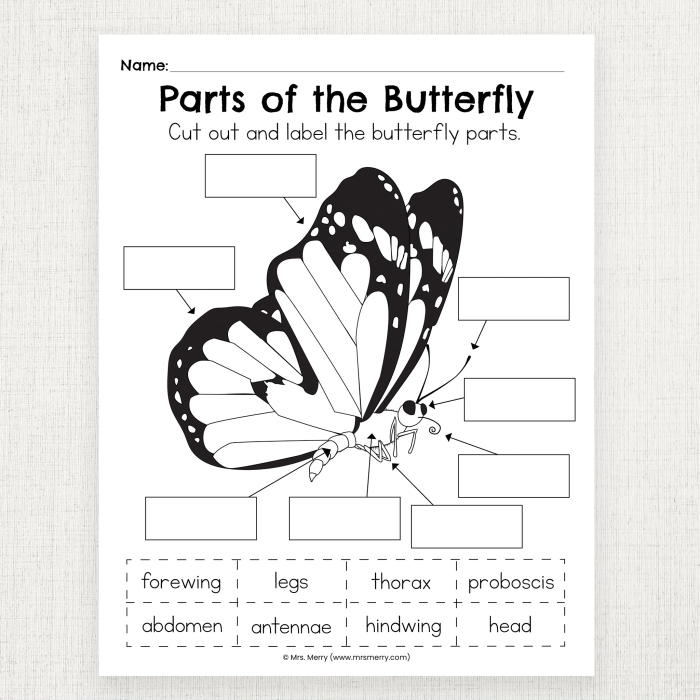
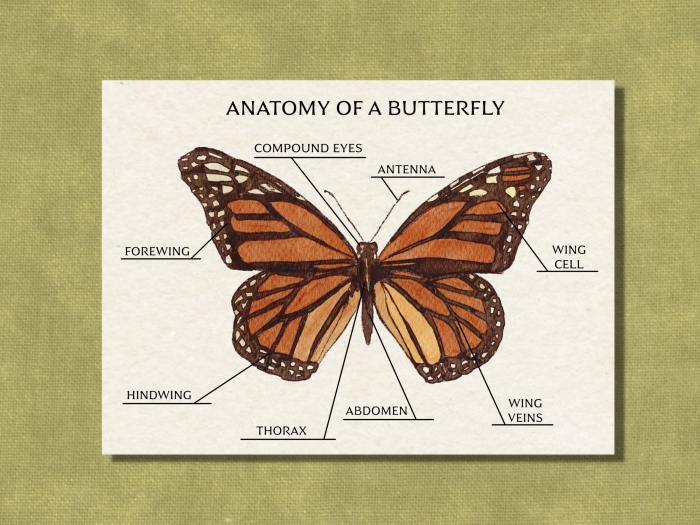
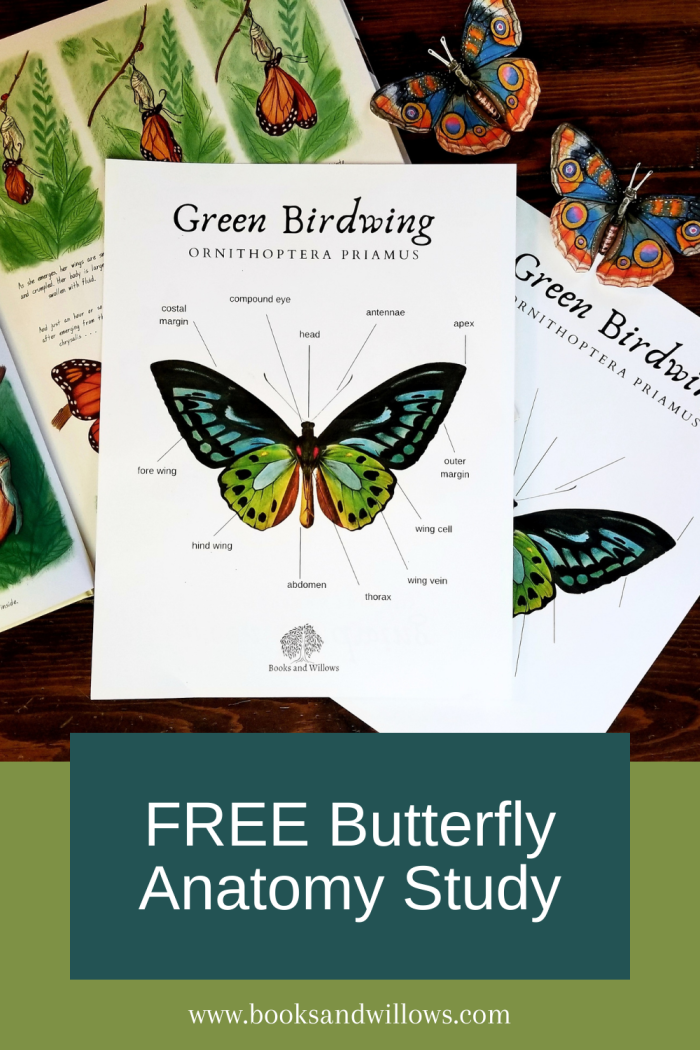
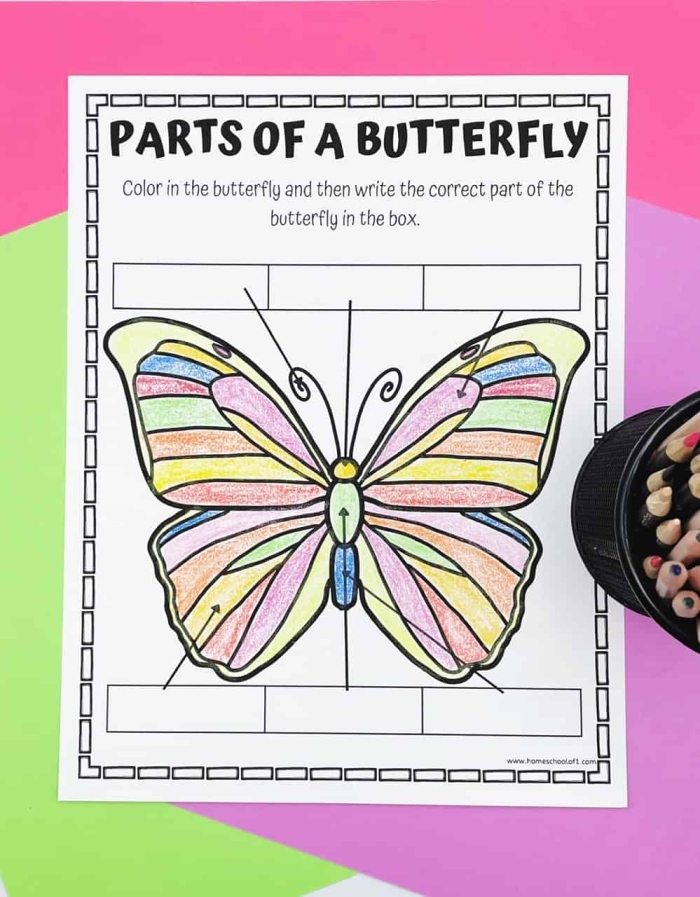
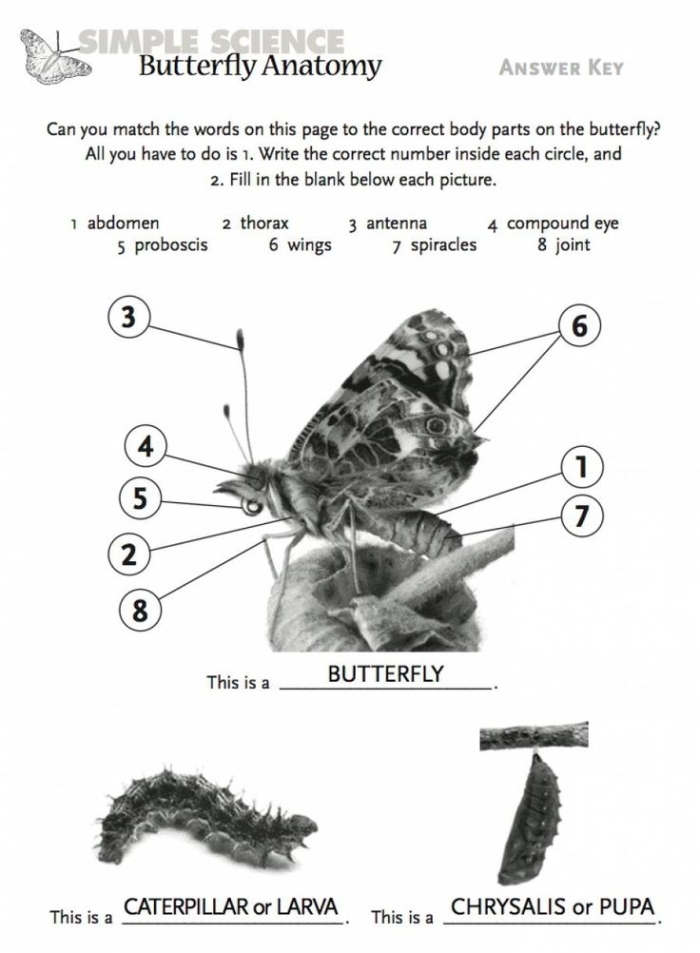
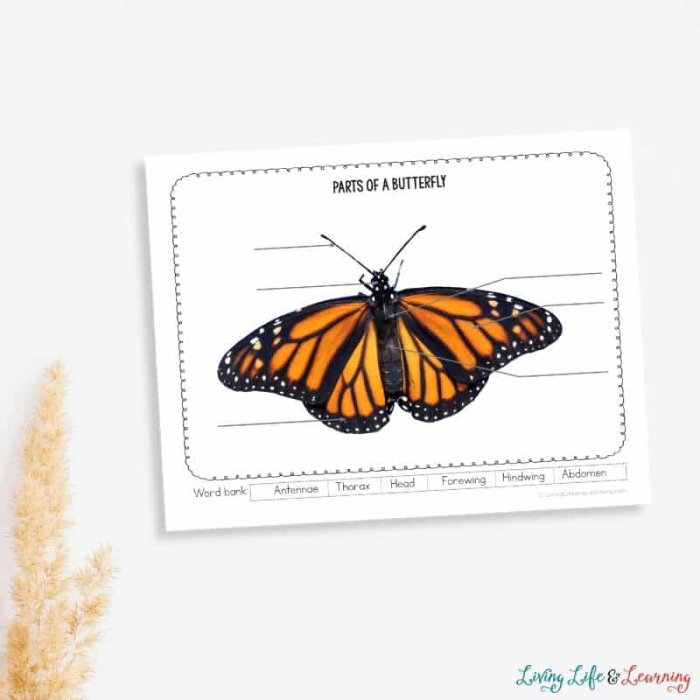
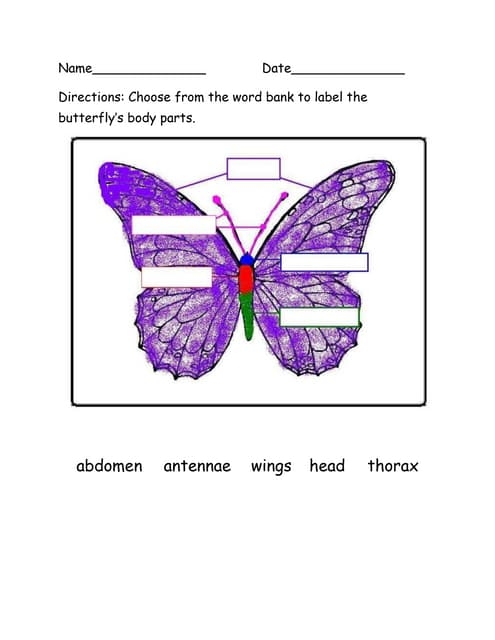
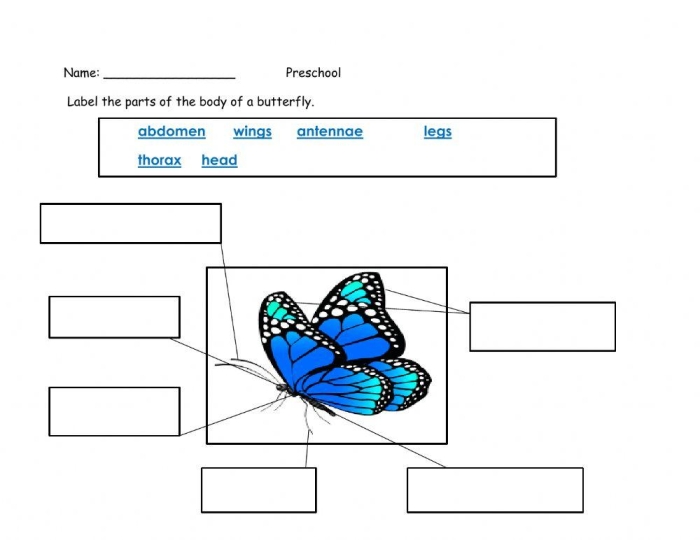
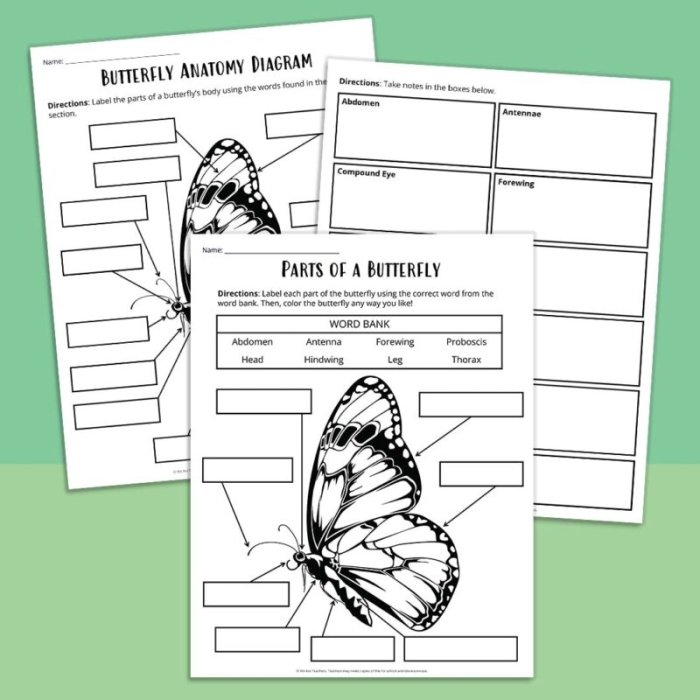
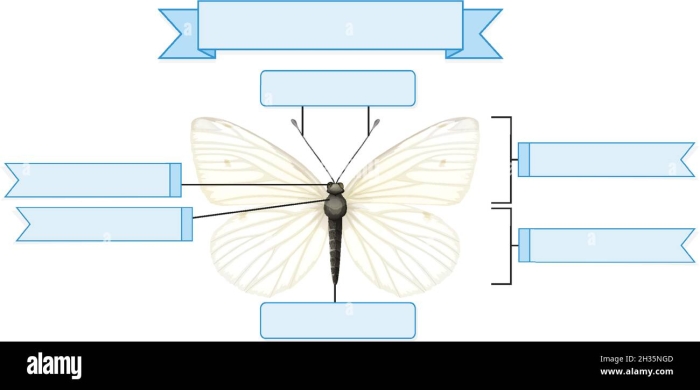
Labeling the parts of a butterfly in this butterfly diagram worksheet is a hands-on way for kindergarten students to explore the basics of butterfly anatomy. This activity breaks down the complex structure of a butterfly into simple, recognizable parts like the wings, antennae, head, thorax, and abdomen. By identifying each section, young learners begin to understand how these parts work together to help the butterfly move, sense its environment, and survive.
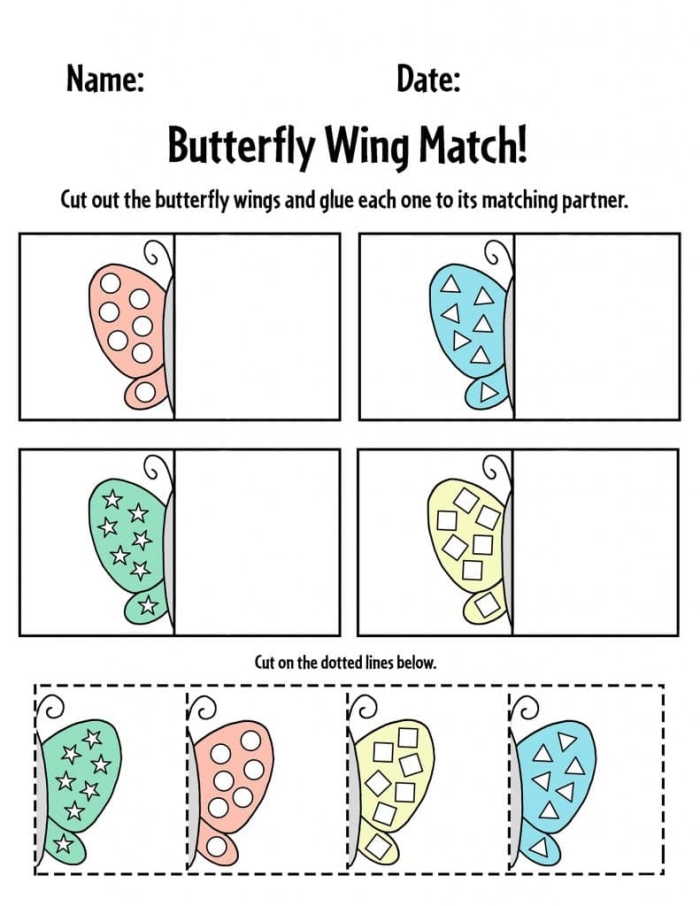
What makes this worksheet particularly effective for kindergarten is its clear, visual layout paired with a labeling task that aligns well with early literacy and cognitive skills. Kids practice their writing and recognition skills as they connect words to images, reinforcing both language development and scientific observation. This kind of worksheet fits nicely within a broader curriculum that might include early math concepts, such as fractions, by dividing the butterfly’s wings into sections for counting or simple fraction exercises.
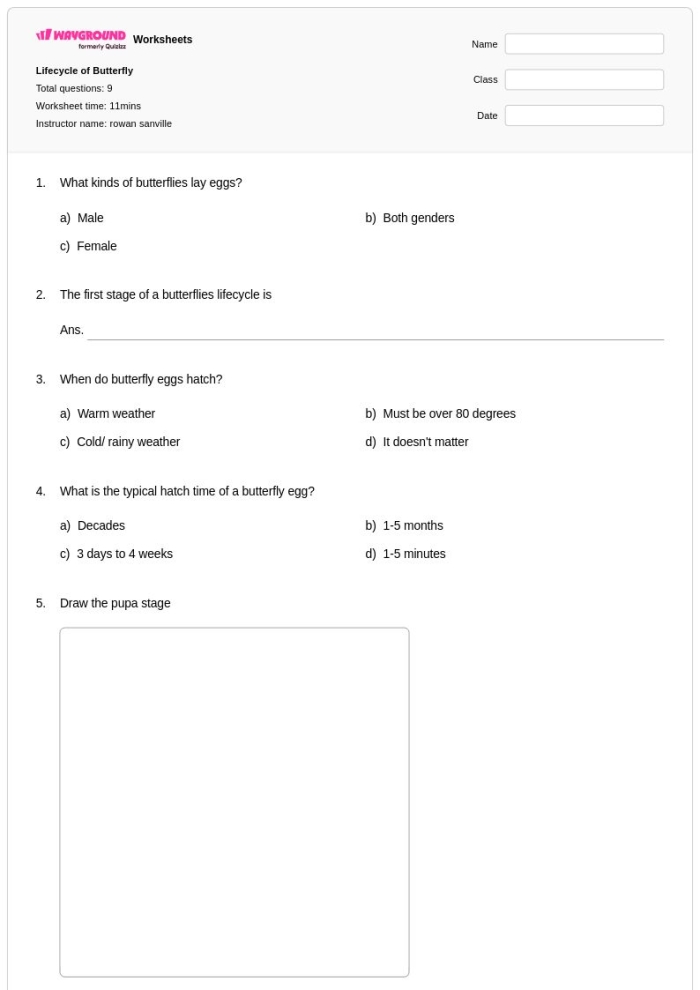
Printable butterfly anatomy worksheets like this one provide a tangible way to introduce science topics without overwhelming young students with too much detail. For example, pointing out how the wings have distinct parts on the left and right side helps children grasp symmetry, a key concept in both biology and math. Additionally, understanding butterfly anatomy can spark curiosity that leads to more advanced lessons, such as the life cycle of butterflies or their role in pollination.
Teachers and parents can integrate this worksheet with other learning materials, such as those focusing on letter sounds or sight words, to create a well-rounded educational experience. For instance, pairing the butterfly diagram activity with reading exercises from letter sounds and beginning sounds worksheets helps reinforce vocabulary related to the butterfly parts. This approach supports early literacy while maintaining engagement through hands-on science.
Boost Skills with These Worksheets