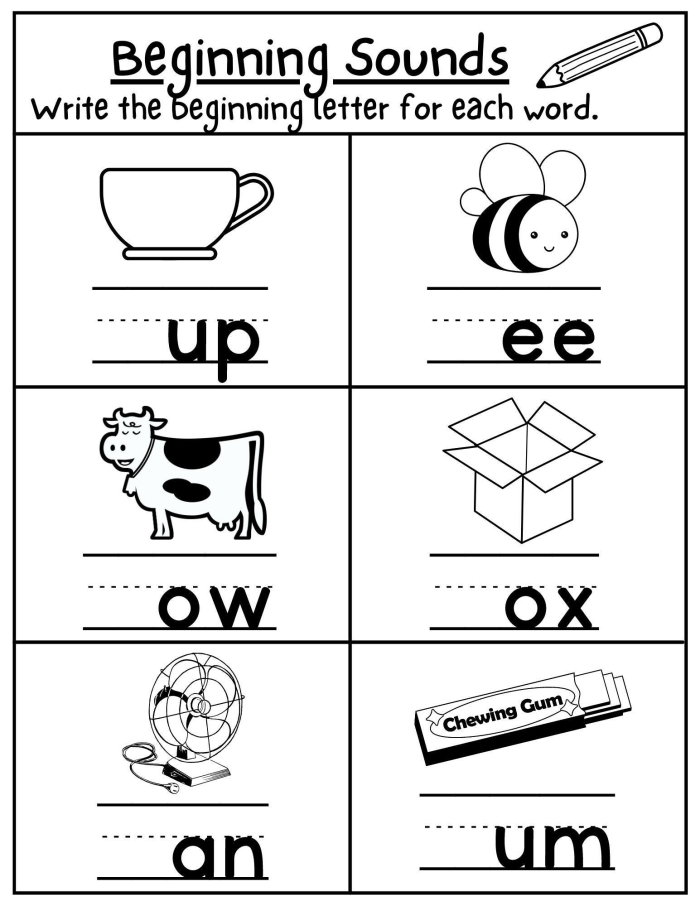
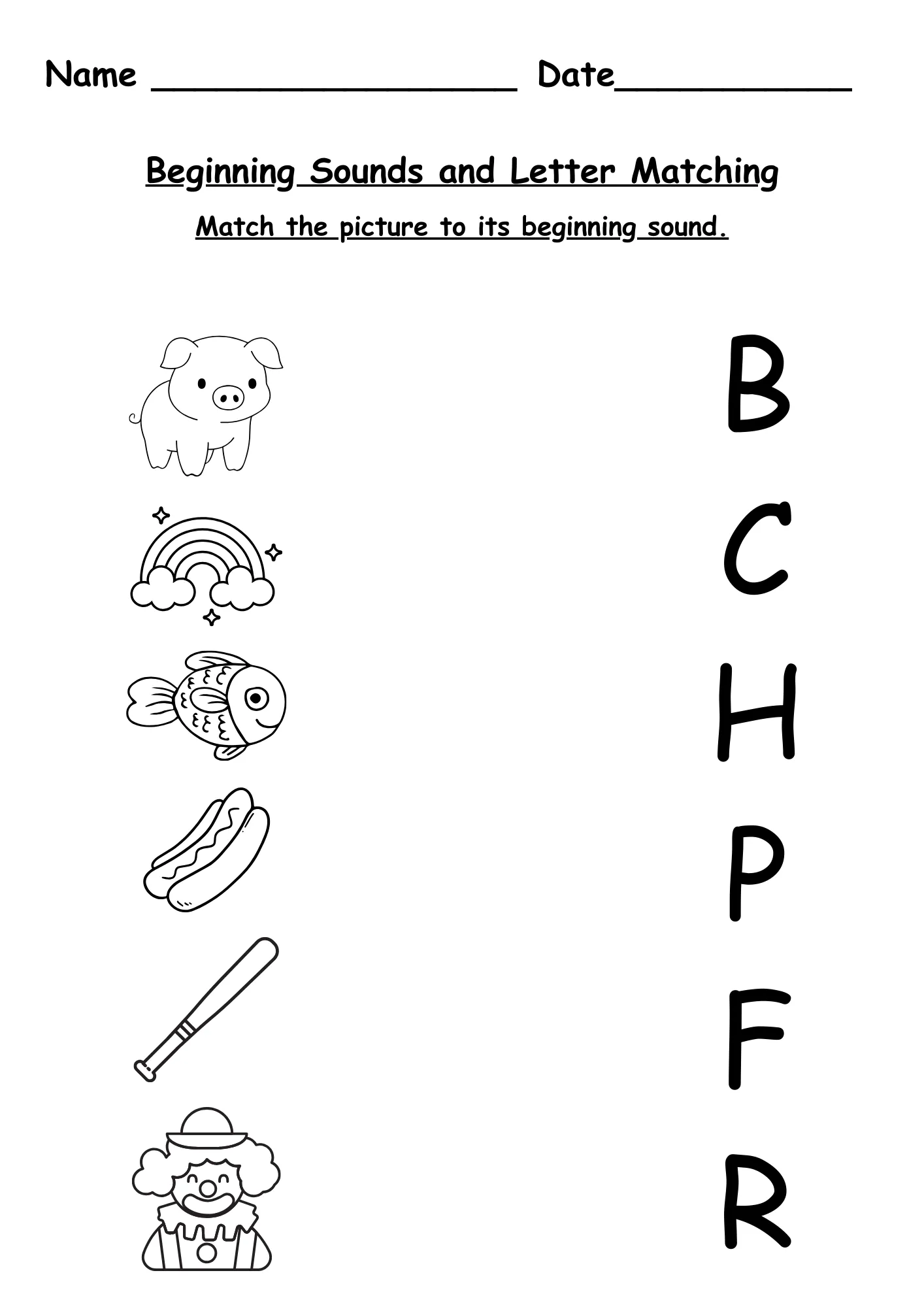
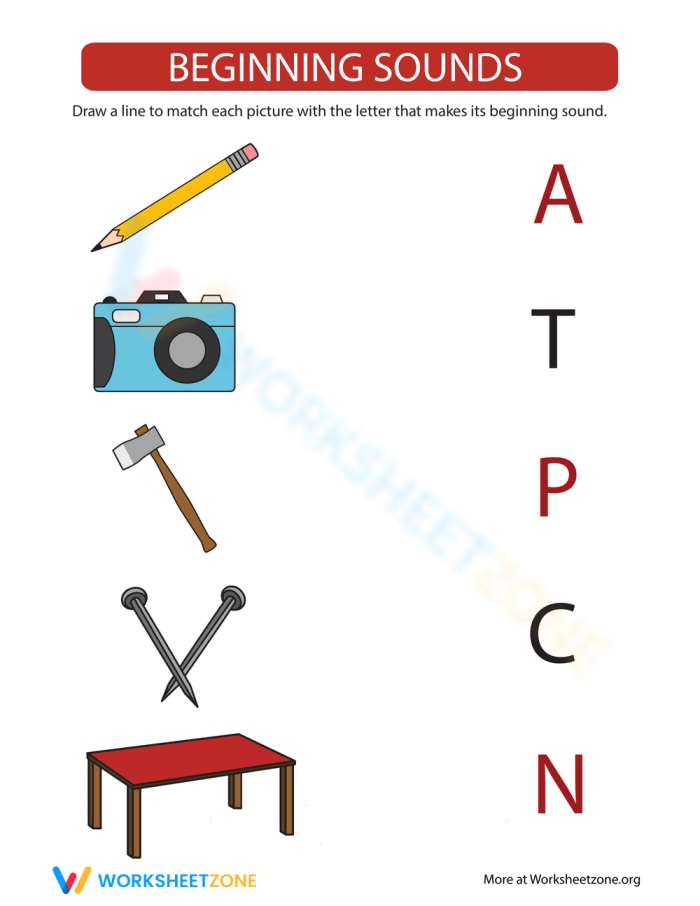
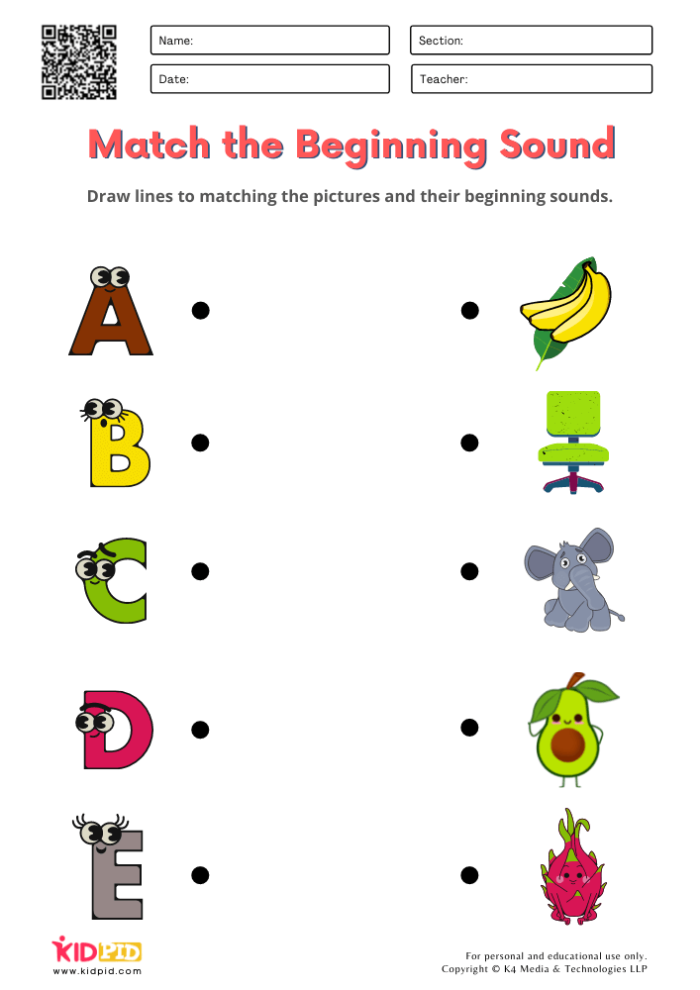
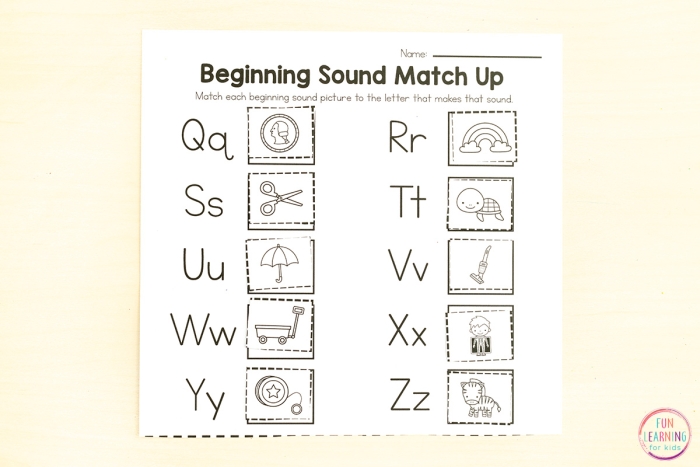
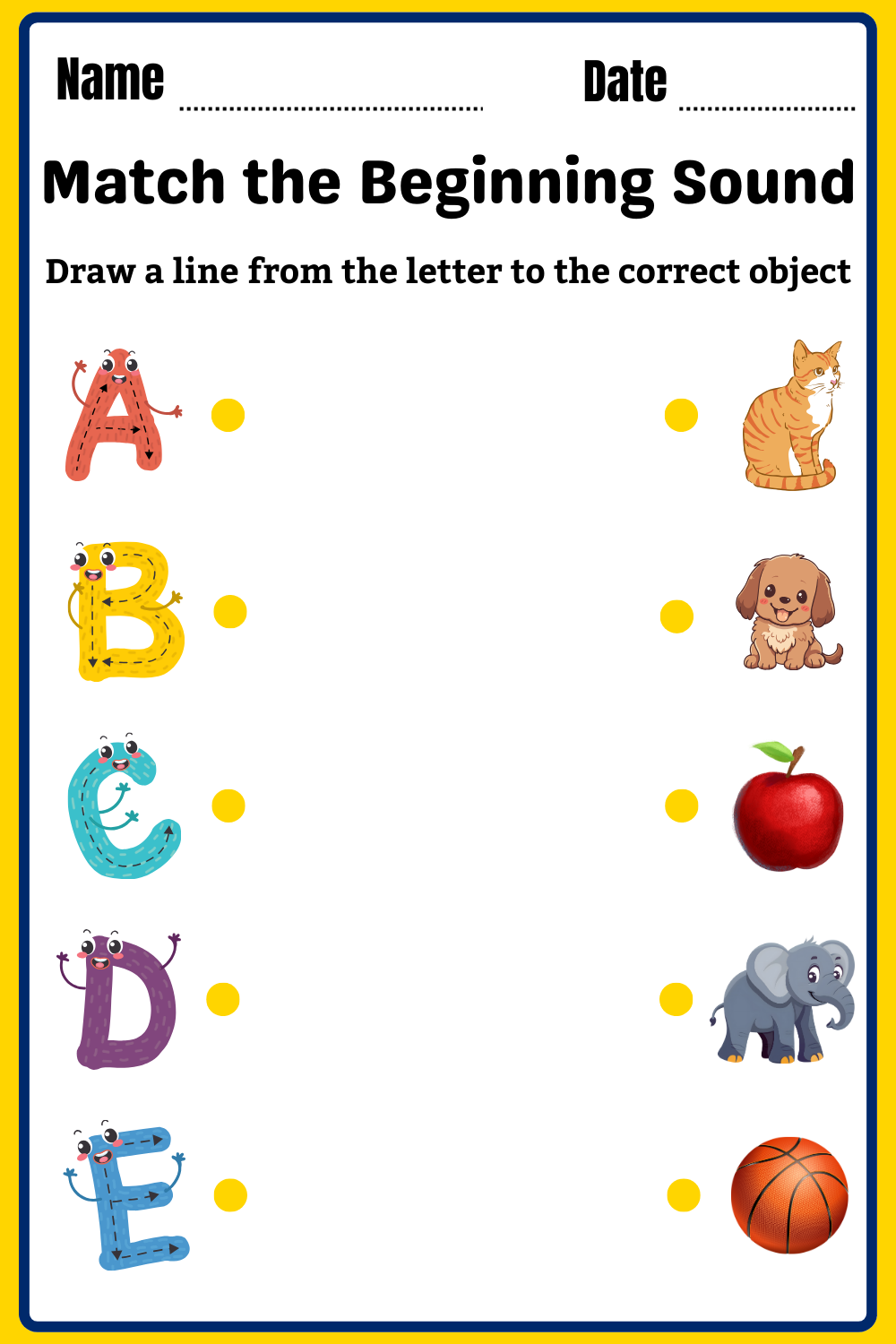
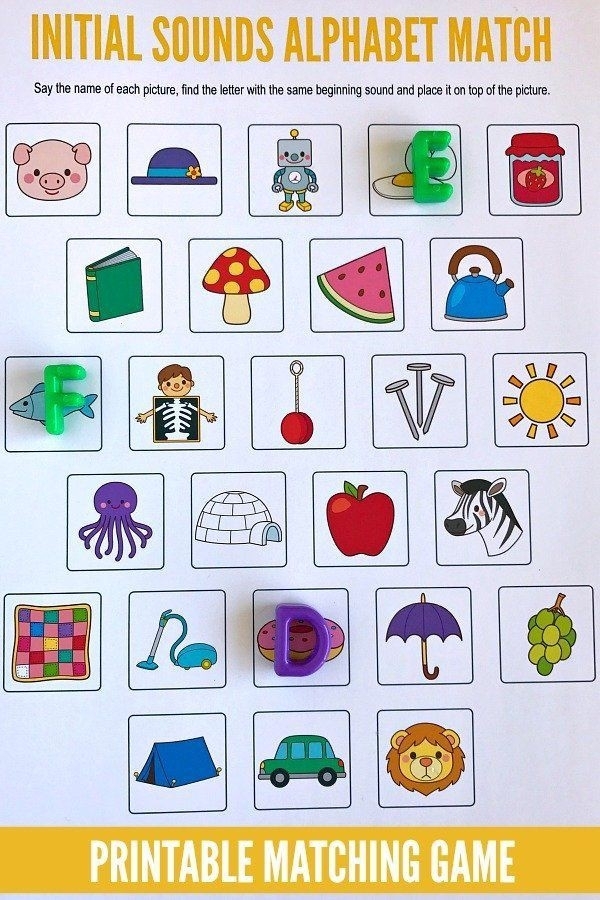
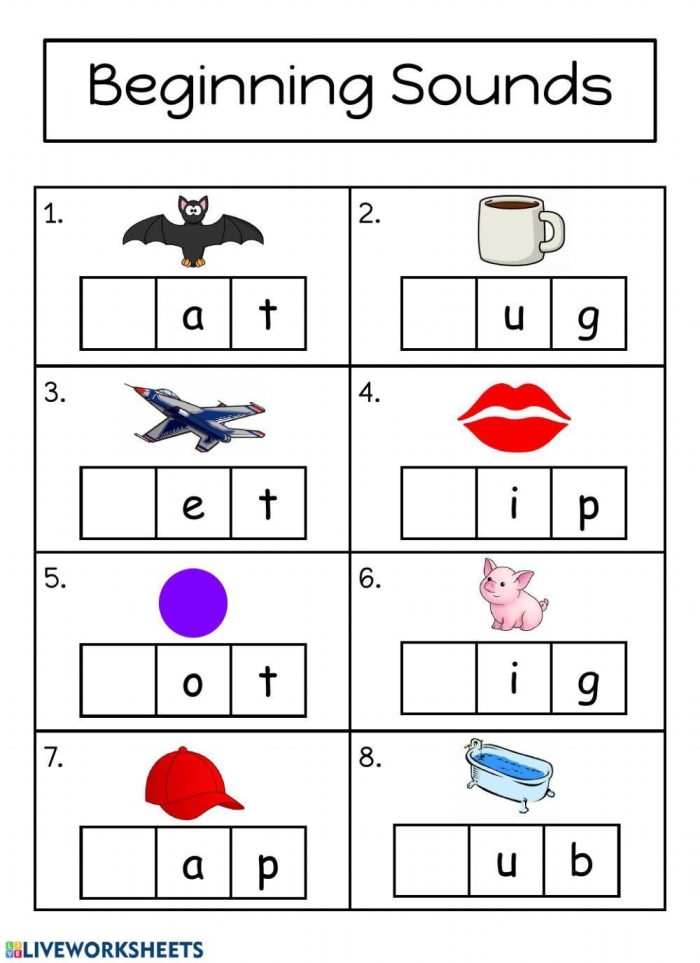
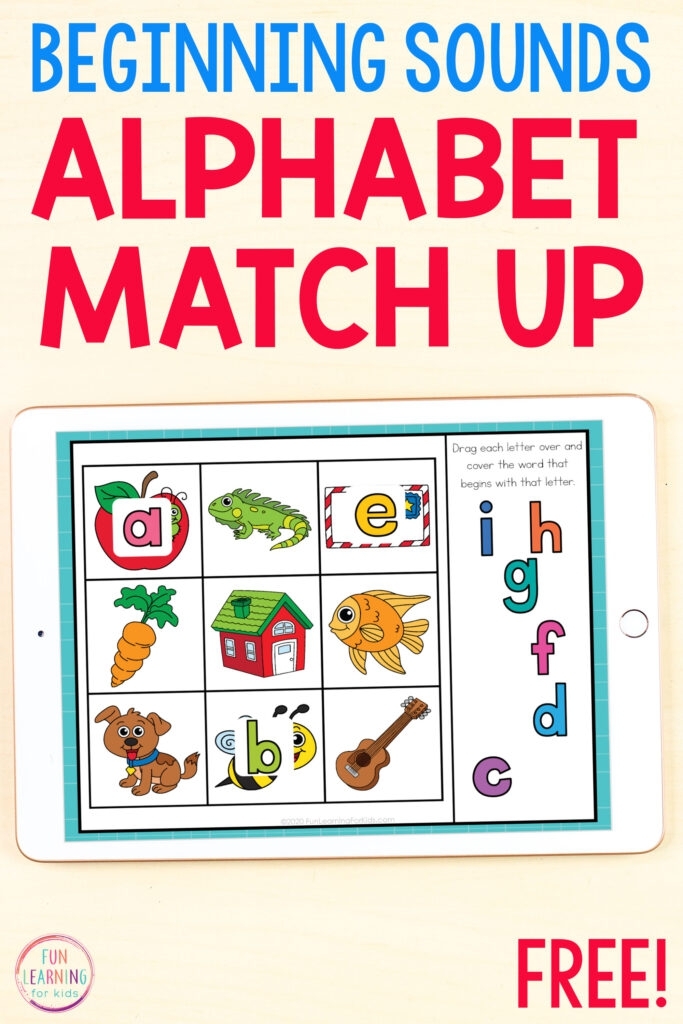
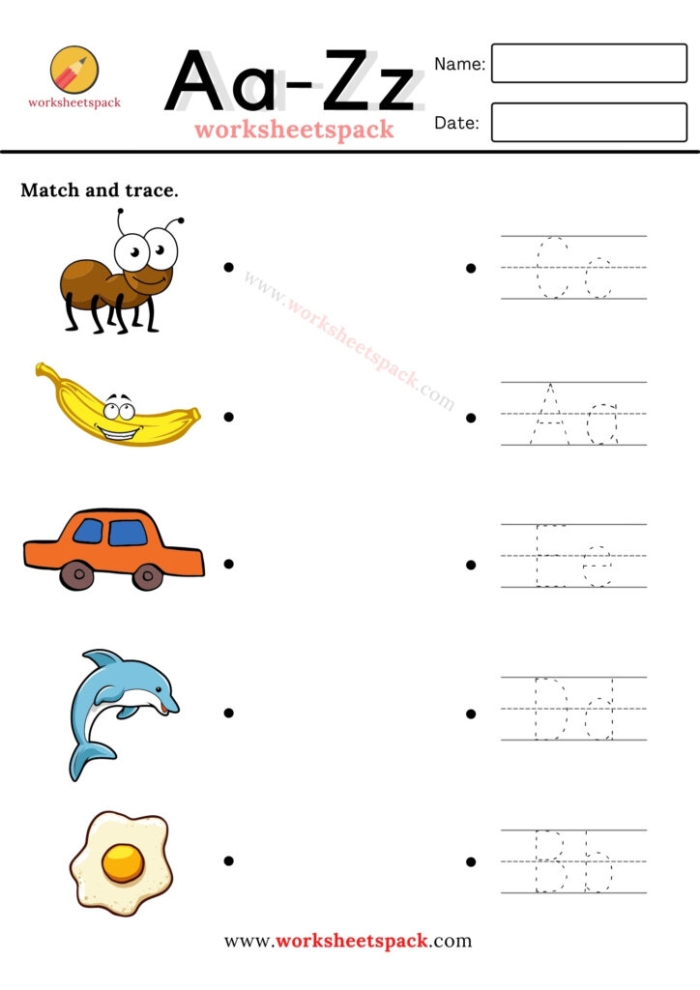
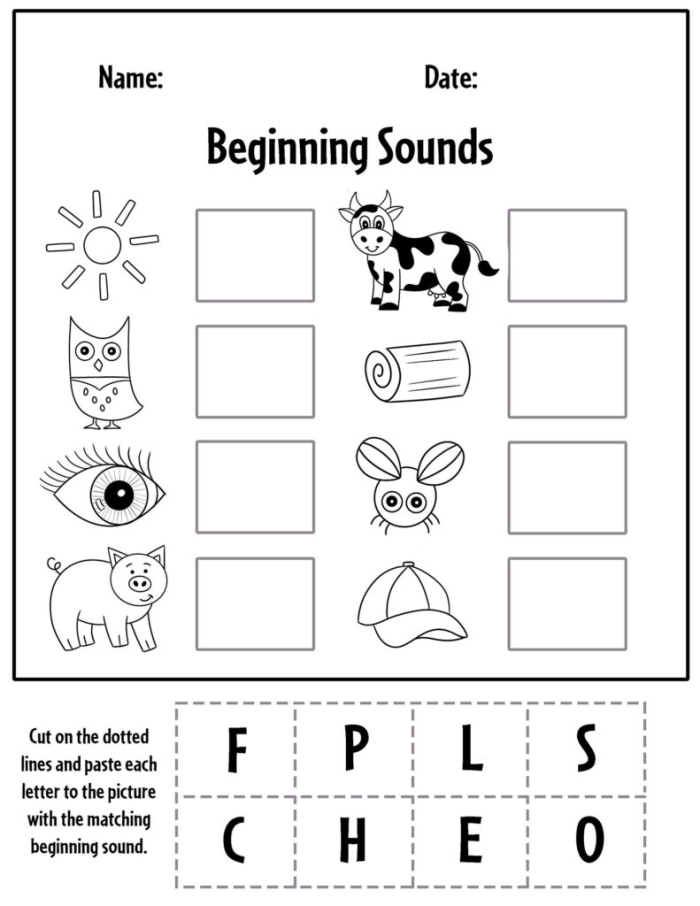
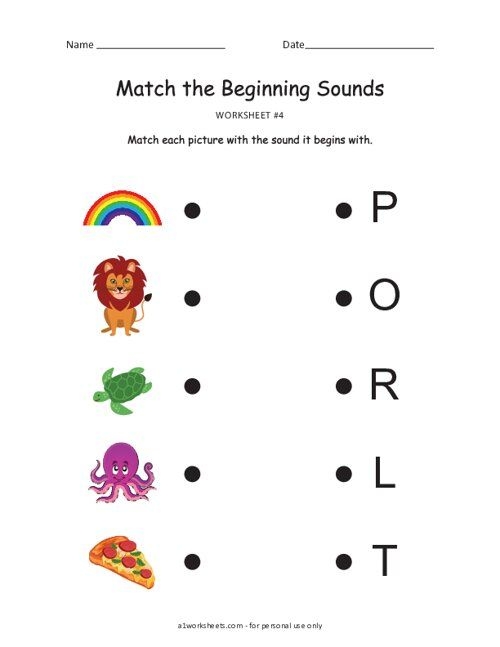
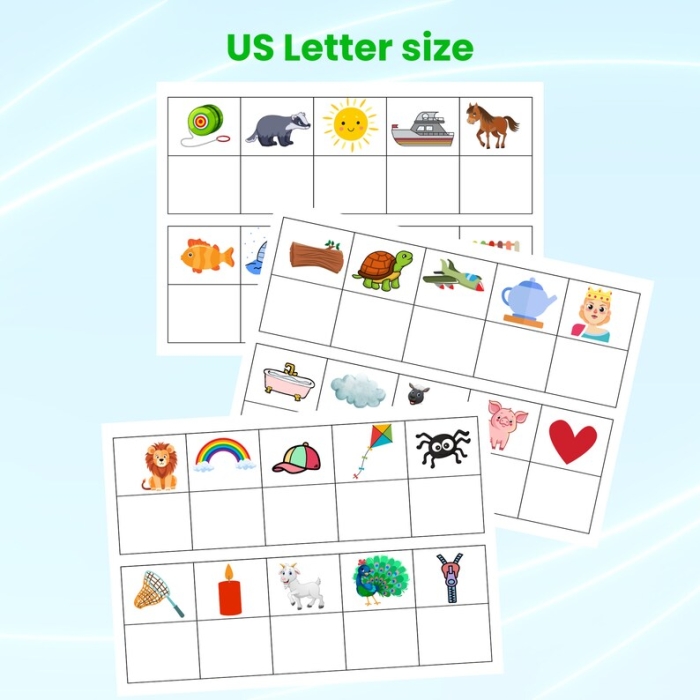
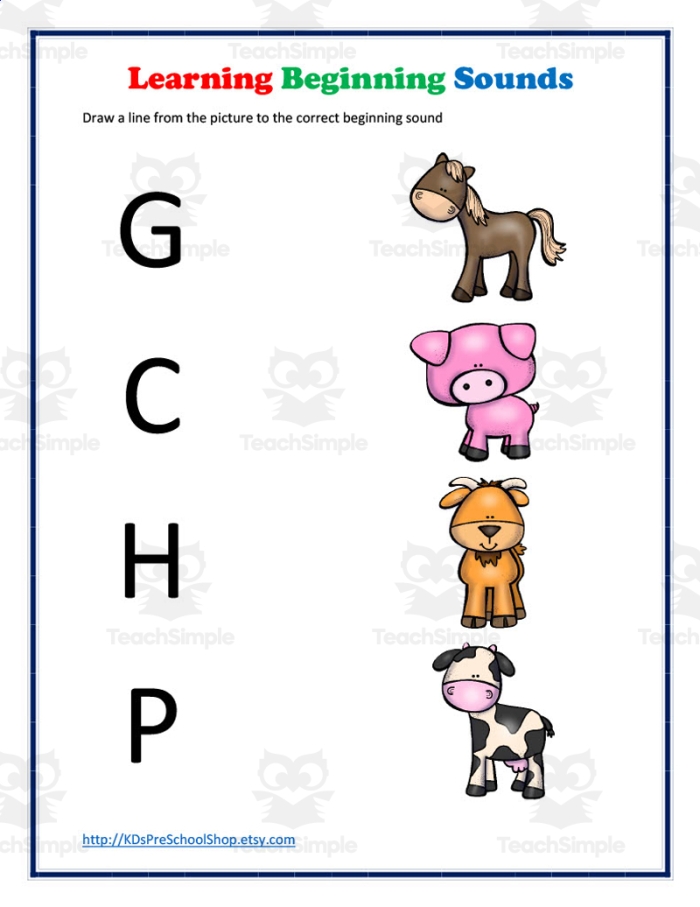
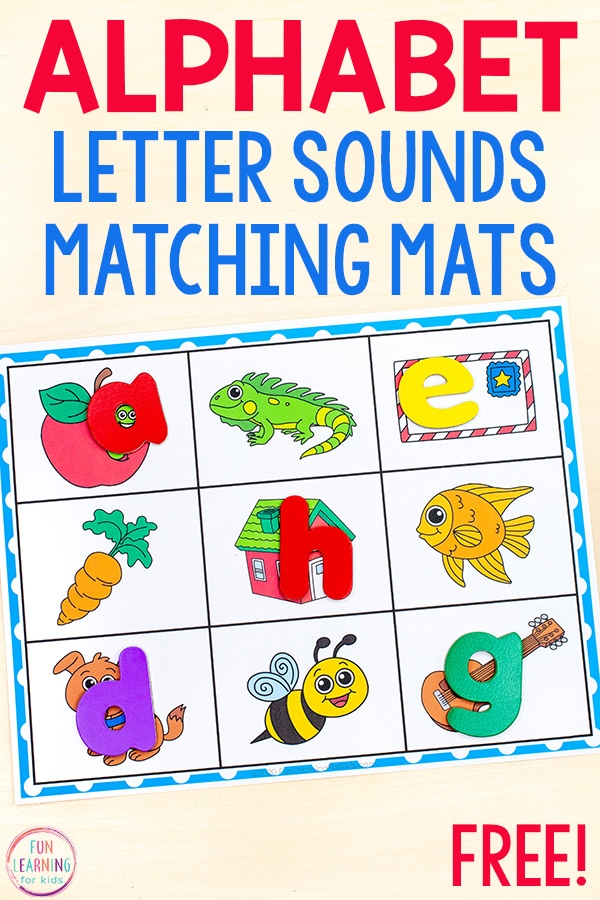
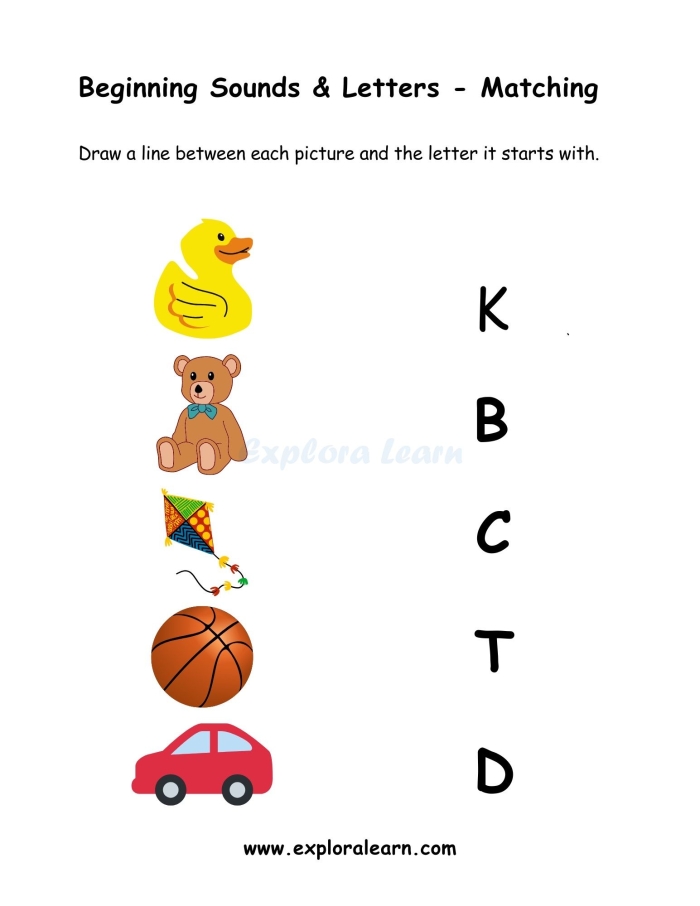
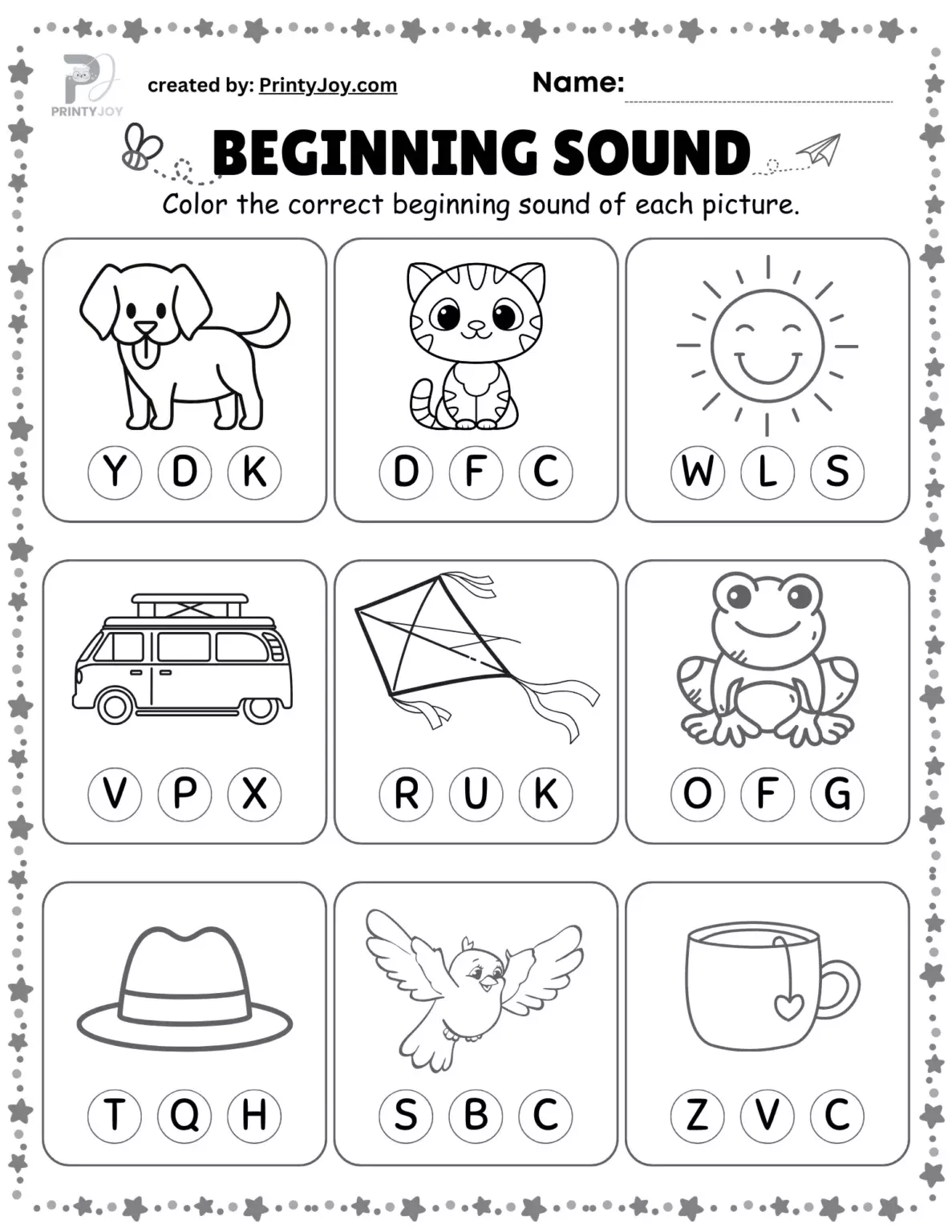
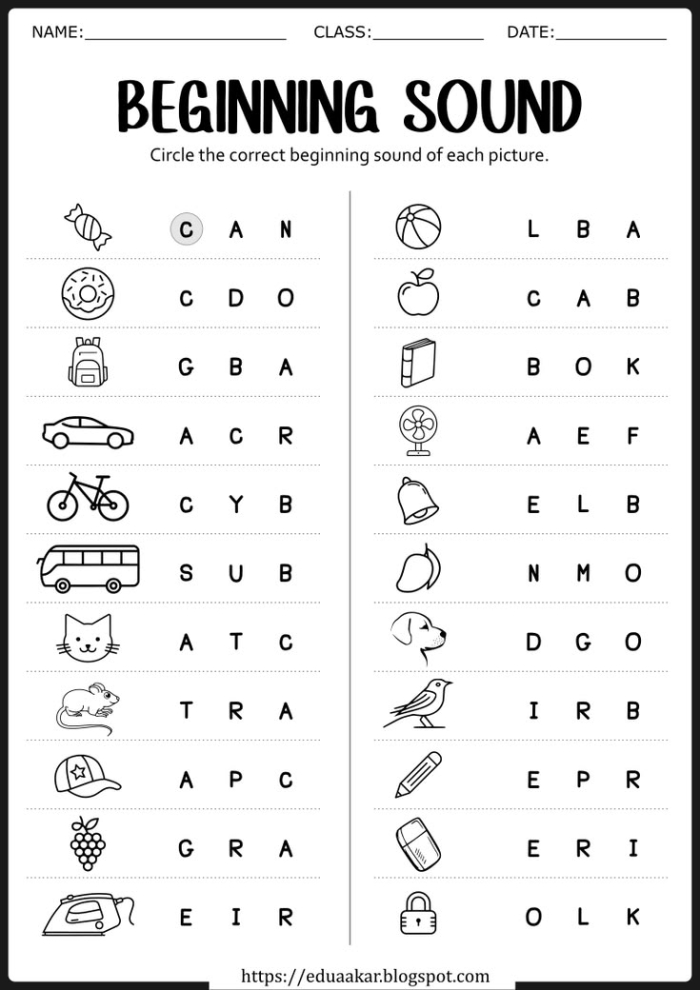
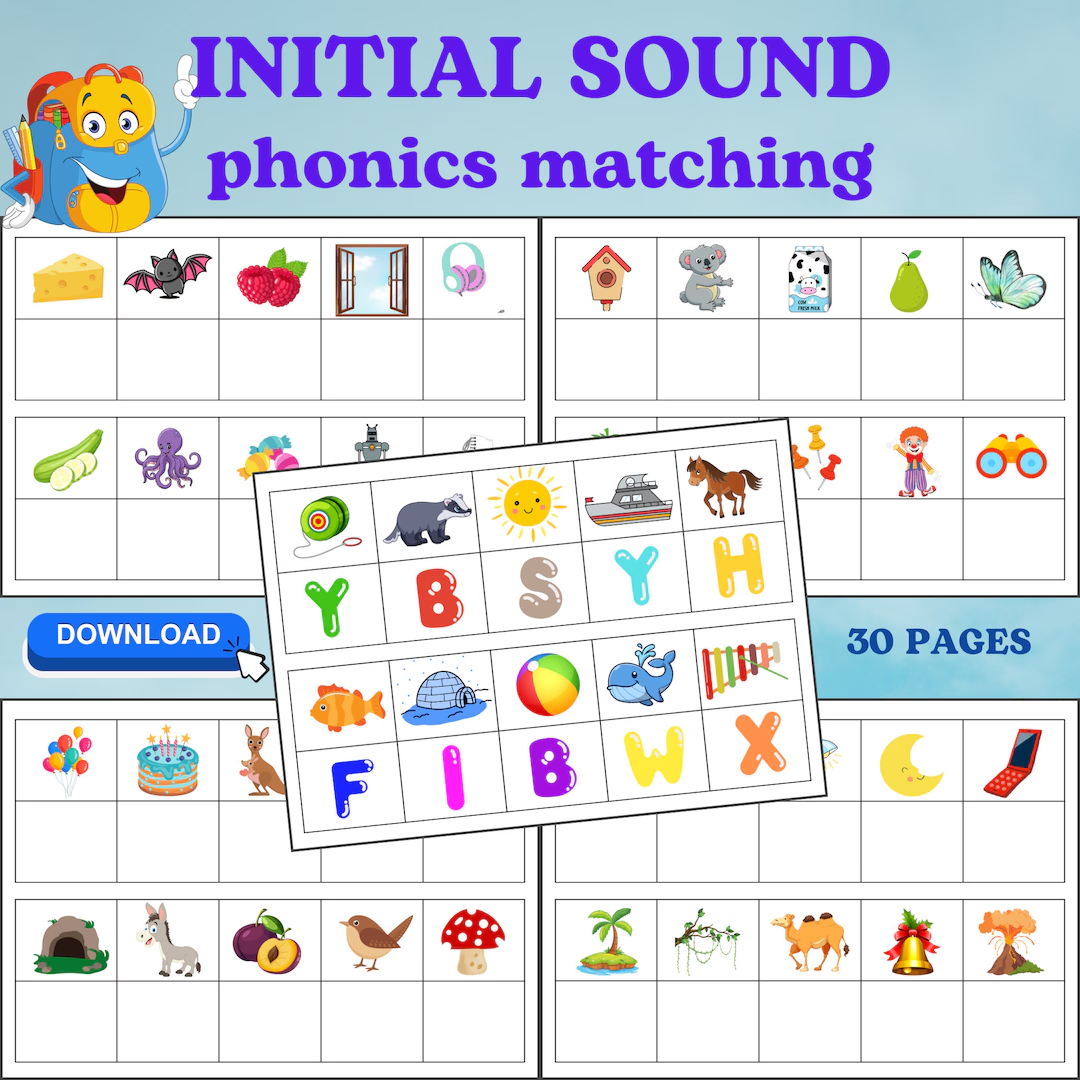
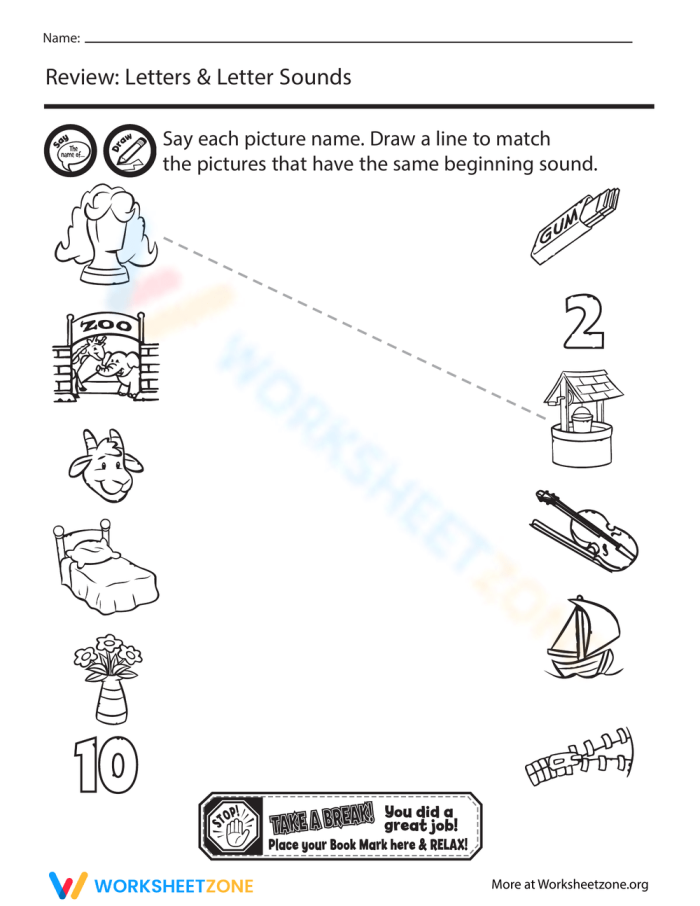
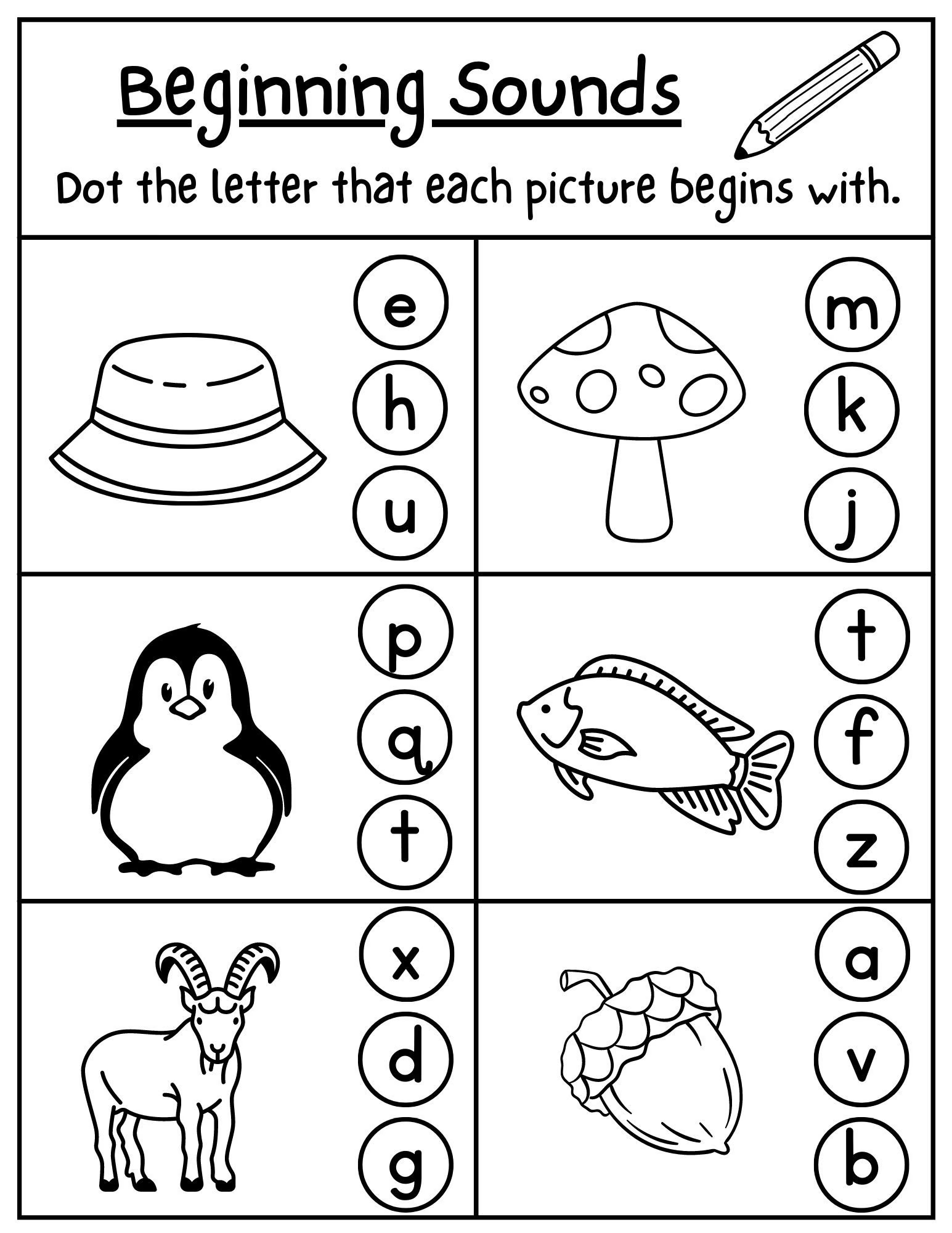
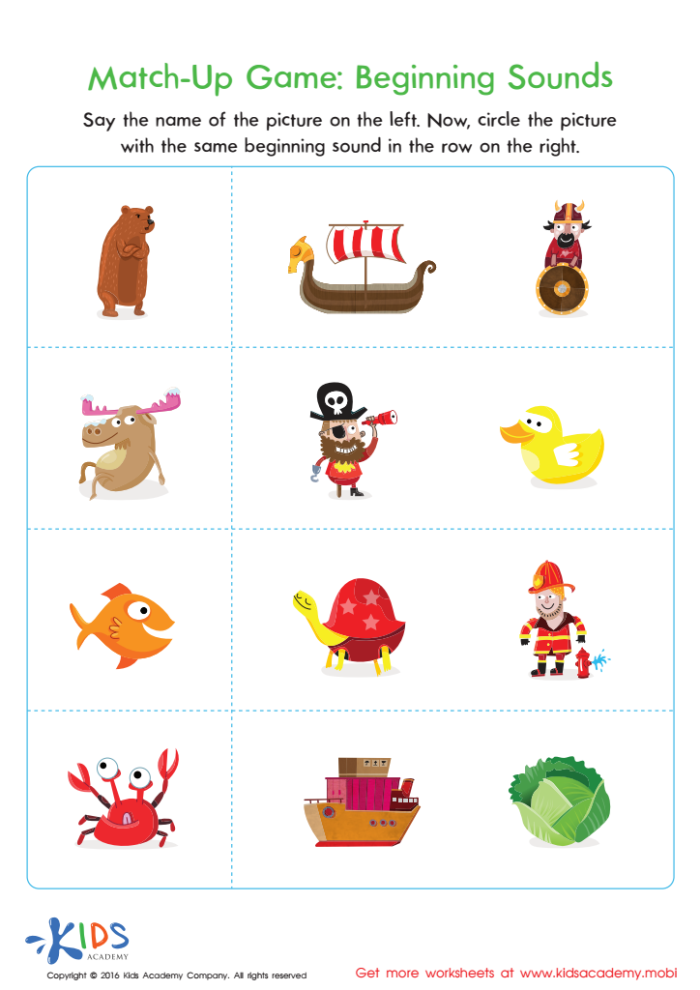
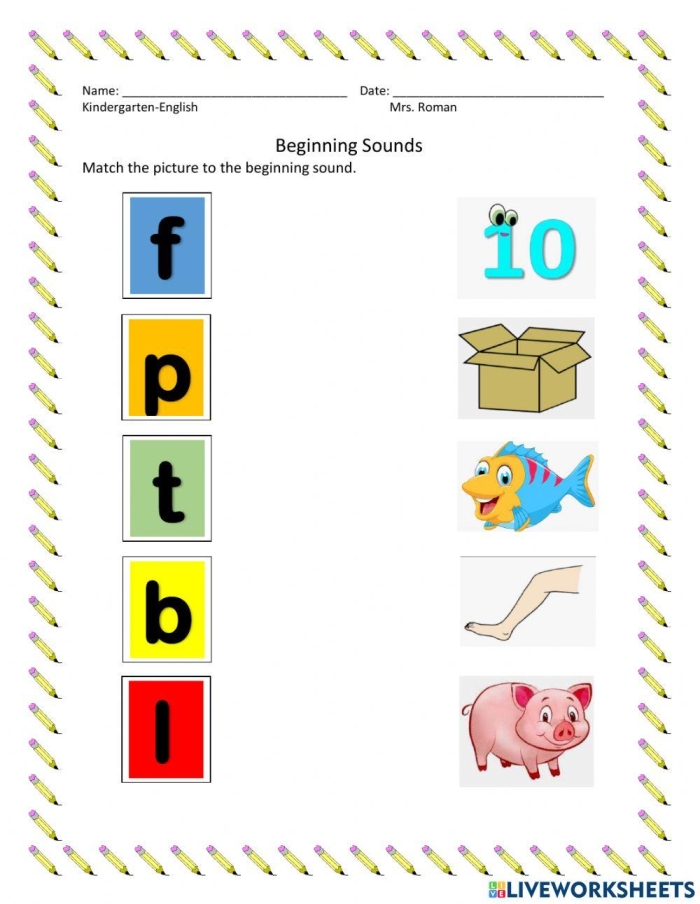
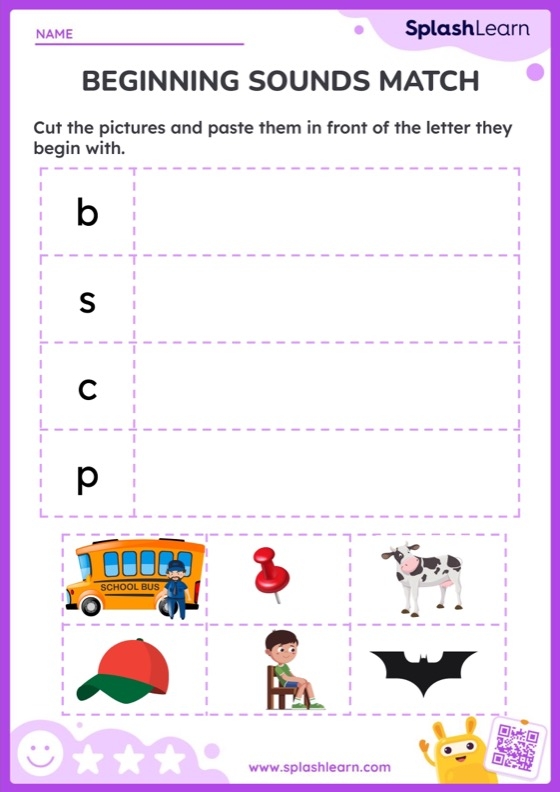
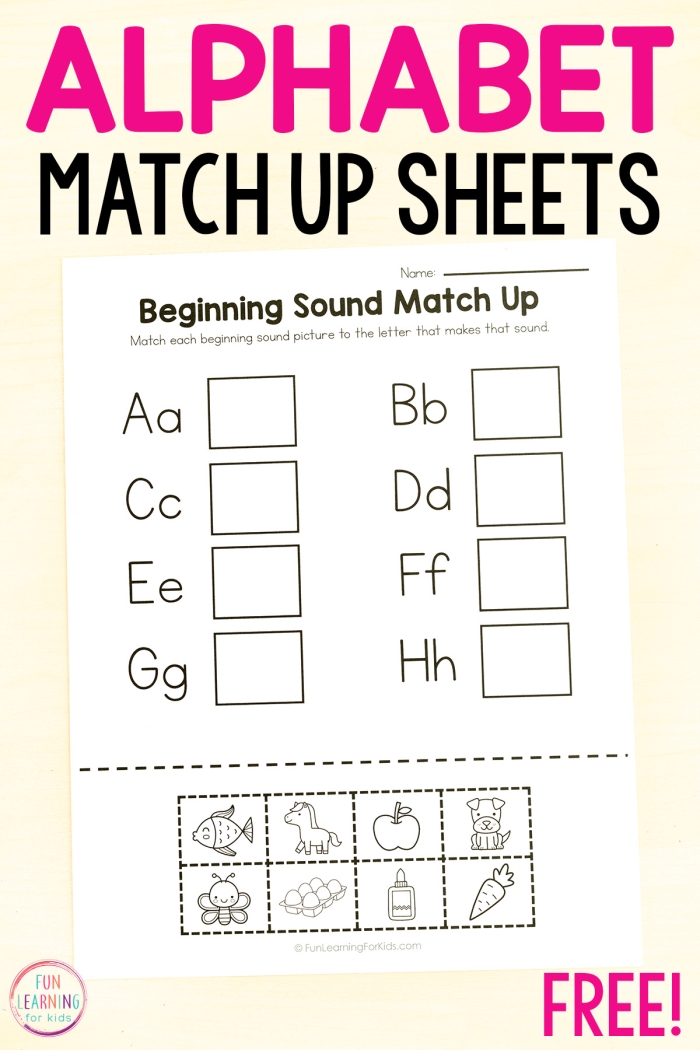
Getting your child to recognize the relationship between letters and their sounds is one of the most important early literacy skills they’ll develop. A beginning sounds letter match-up worksheet gives kids a hands-on way to practice this connection, and it’s surprisingly simple to use effectively at home or in a classroom.
The basic approach works like this: your child sees a letter, says it aloud, then looks at a set of pictures and identifies which one starts with that sound. This process forces their brain to make the connection between the visual symbol (the letter), the sound it makes, and real-world objects they can recognize. Instead of memorizing abstract information, they’re building meaning around each letter.
What makes this method stick is the combination of auditory and visual learning. When your child says the letter out loud, they’re engaging their speaking muscles and hearing themselves, which reinforces the sound in their memory. The pictures give them concrete examples to anchor the abstract concept. A picture of an apple for the letter A or a ball for B makes the letter feel less random and more connected to their world.
For Pre-K vocabulary development, this type of worksheet works best when you keep sessions short, around 5 to 10 minutes. Kids at this age have limited attention spans, and stopping while they’re still interested is better than pushing through frustration. You can also pair these worksheets with other activities, like animal cut and paste vocabulary exercises or directional clues activities to reinforce learning across different skills.
The repetition built into worksheets matters too. Kids don’t typically learn a letter sound after seeing it once. Doing this activity regularly, maybe three or four times a week, helps the connections become automatic. Eventually, when your child hears a word like “cat,” they’ll instantly recognize the C sound without having to think about it.
If your child is already comfortable with some letters, you can challenge them further with worksheets that focus on finding specific letters or exploring other vocabulary themes like color recognition. Each worksheet builds on the foundation of sound recognition and gives their brain another opportunity to practice.
Printable Worksheets for Practice