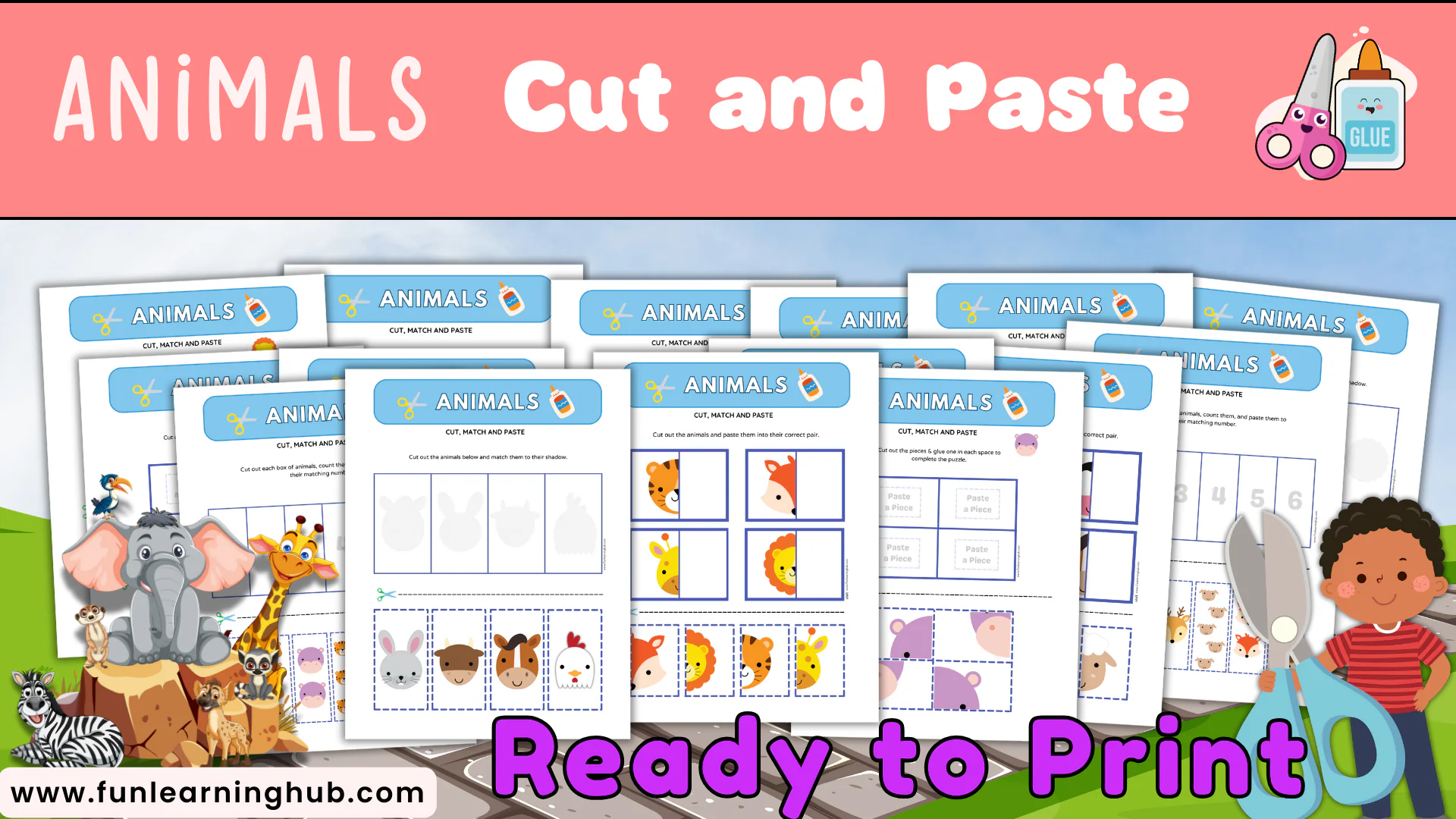
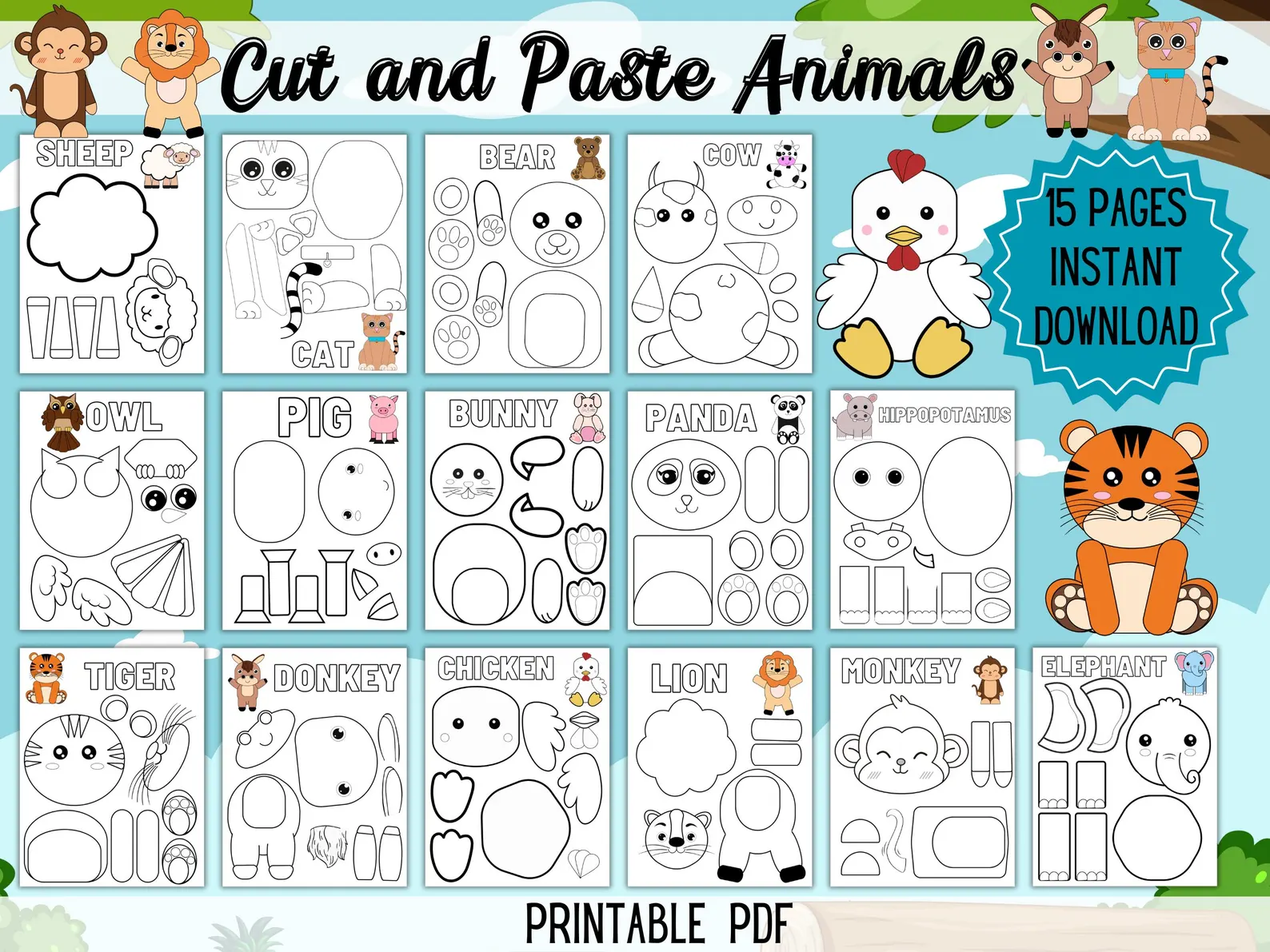
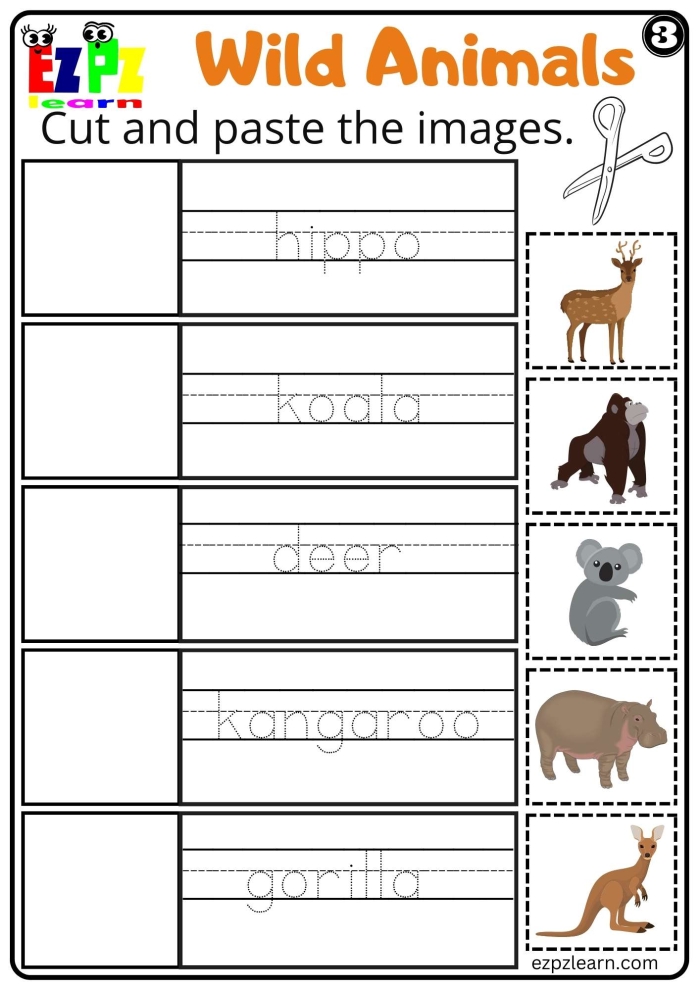
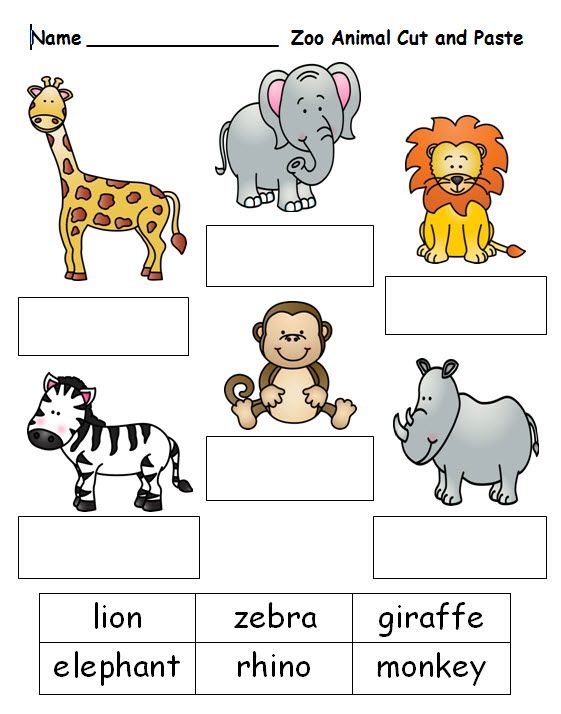
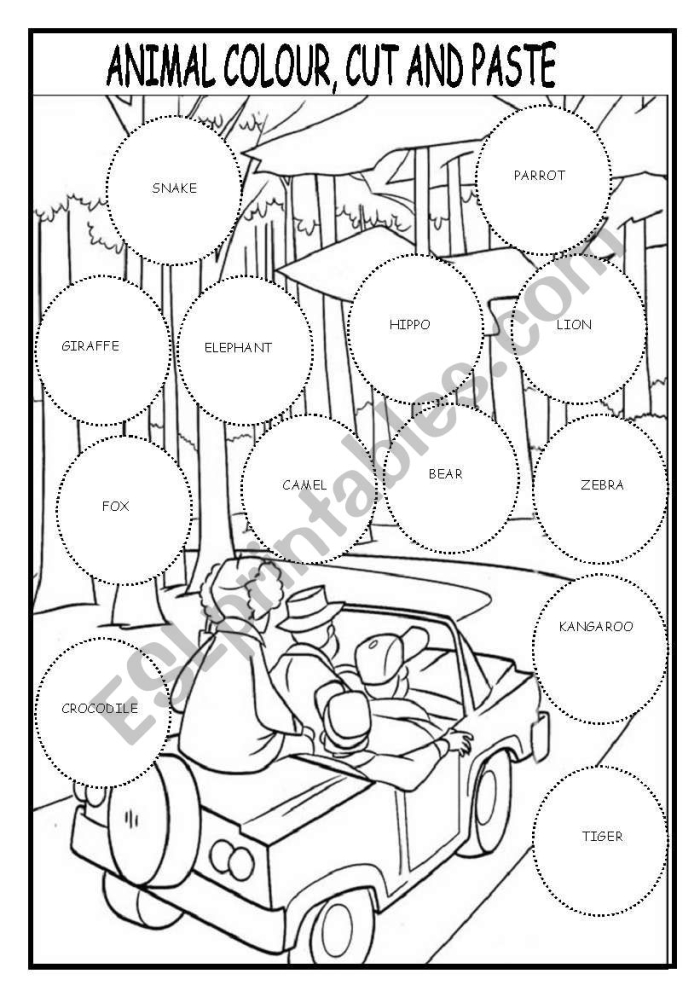
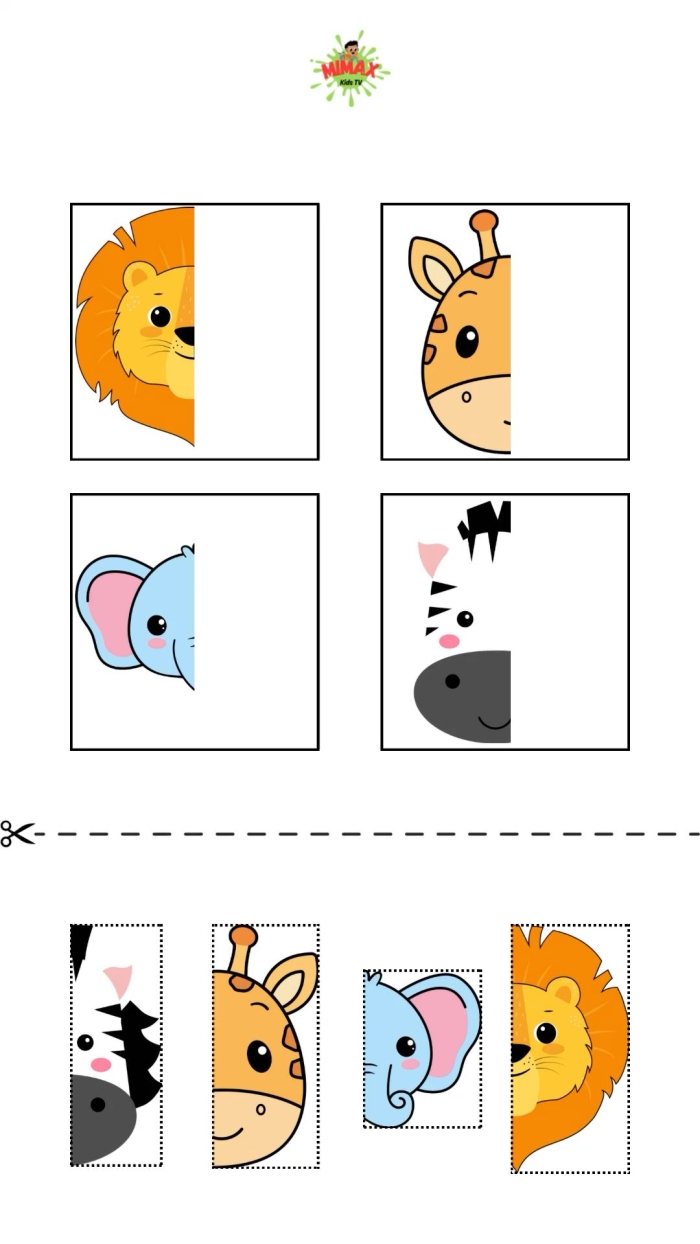
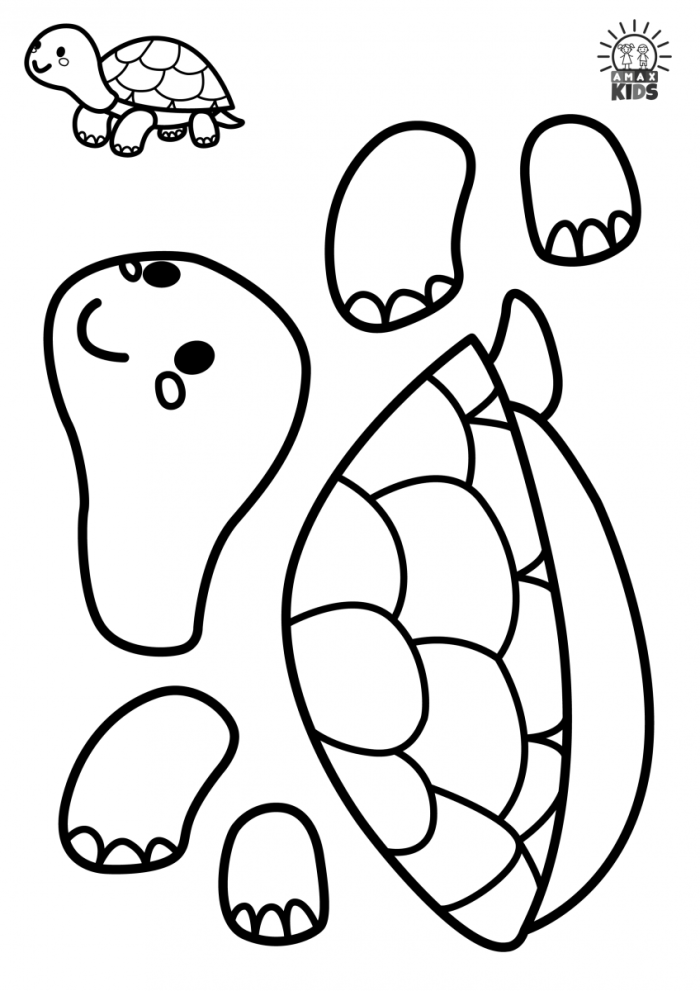
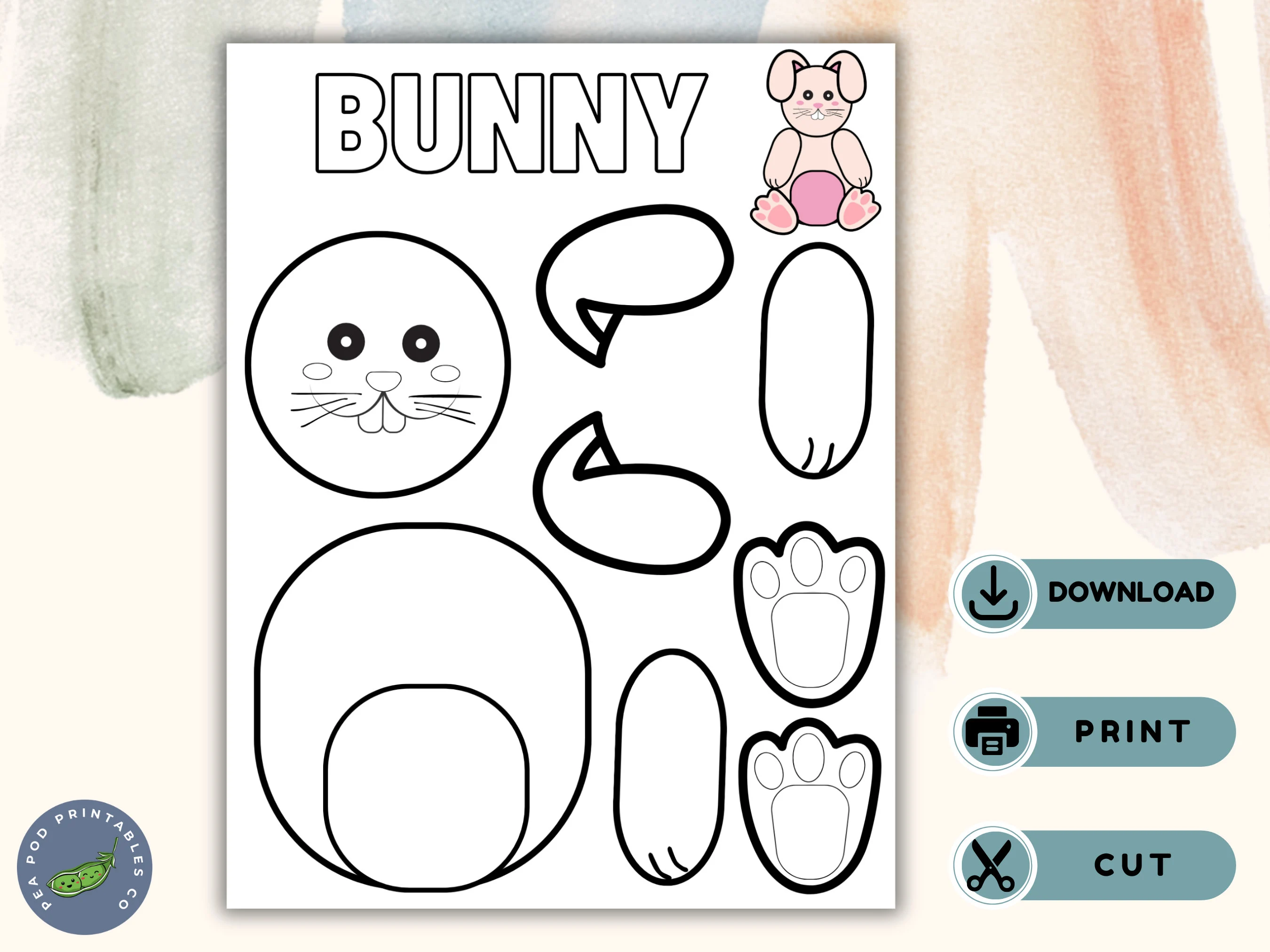
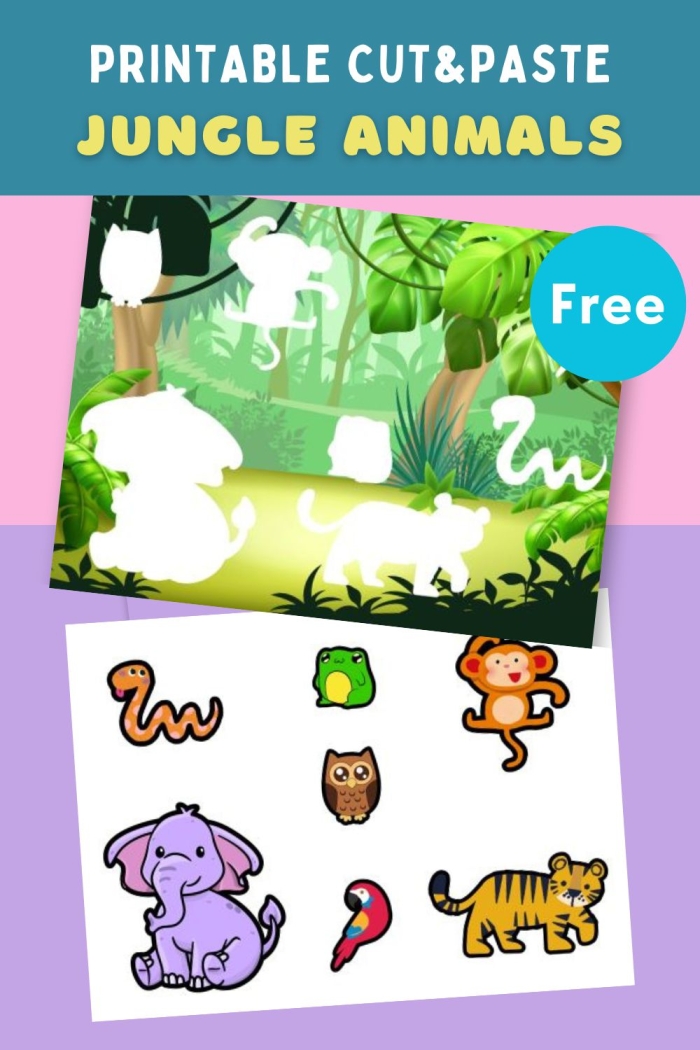
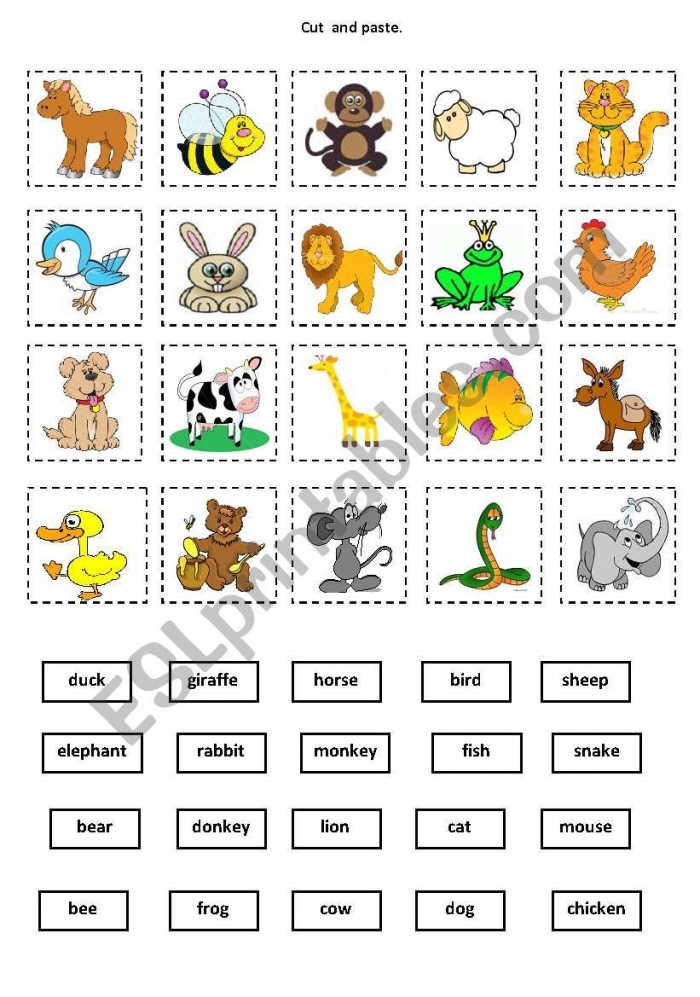
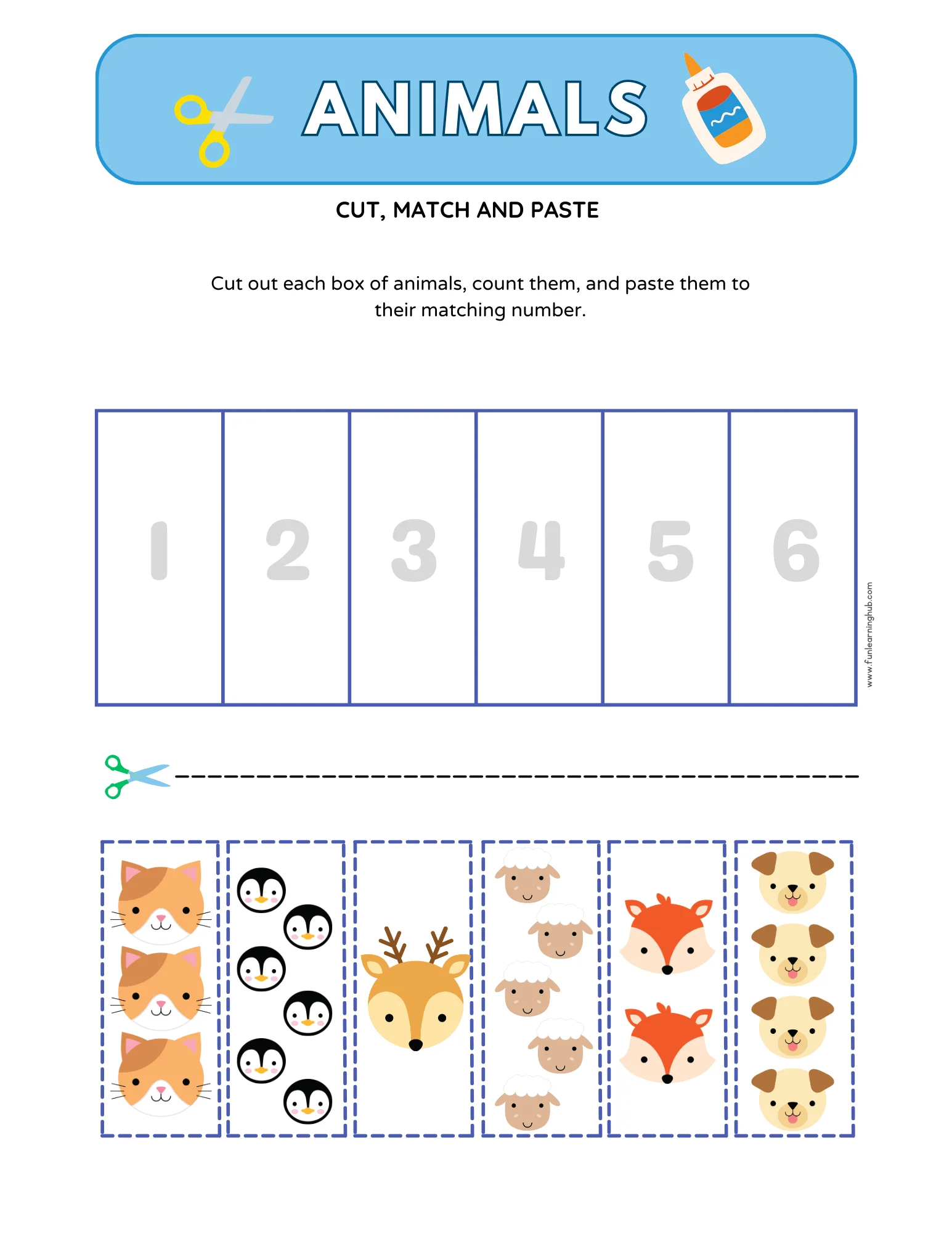
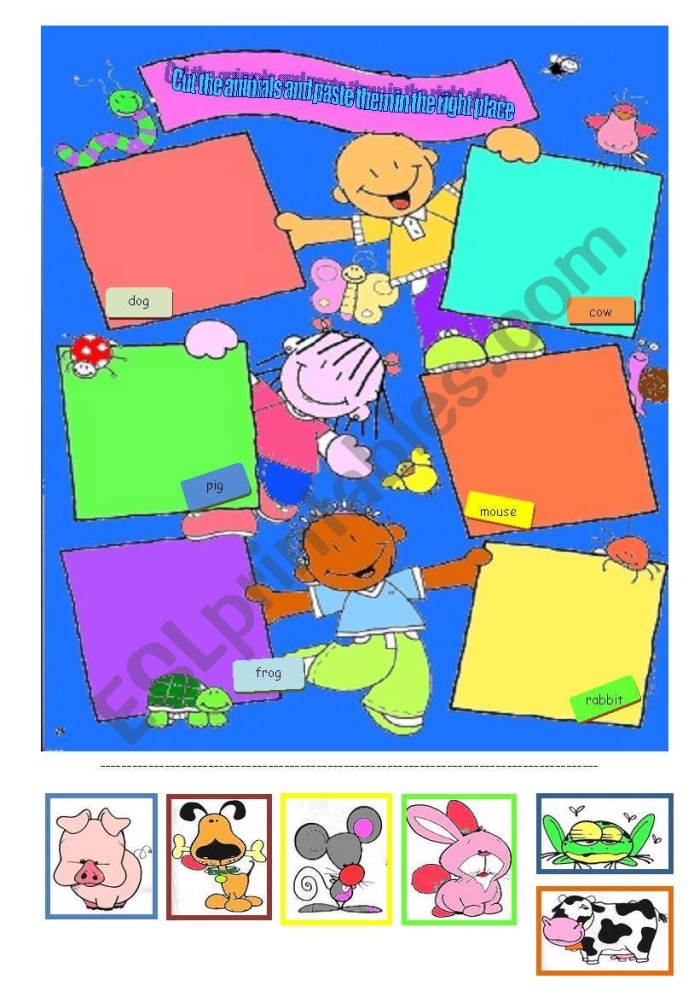
When young learners sort animals by how they move, something clicks. A Pre-K child placing a duck in the water section, a bird in the sky, and a turtle on the ground isn’t just playing—they’re building vocabulary and animal classification skills that stick.
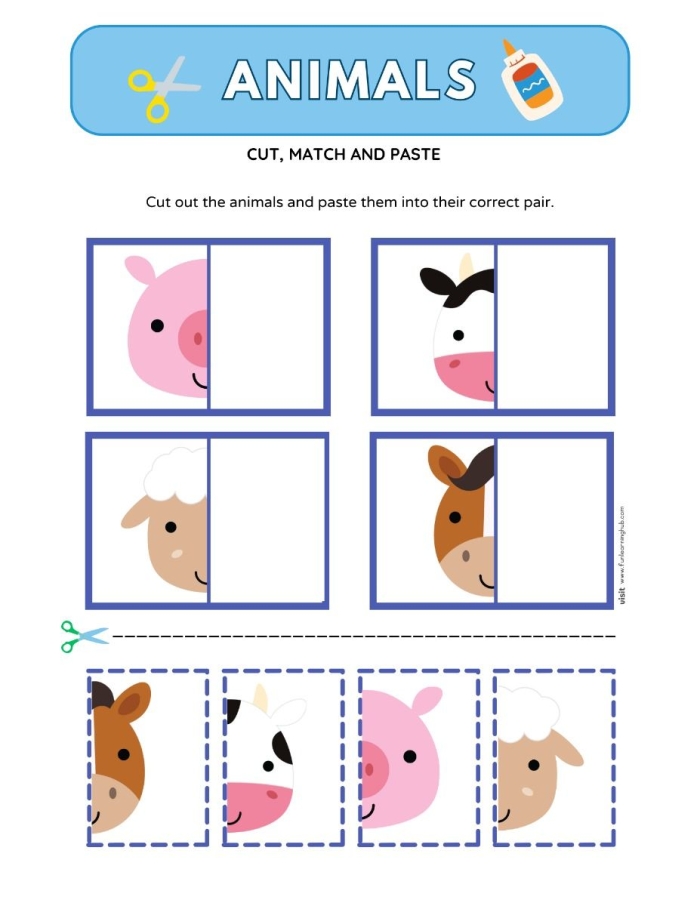
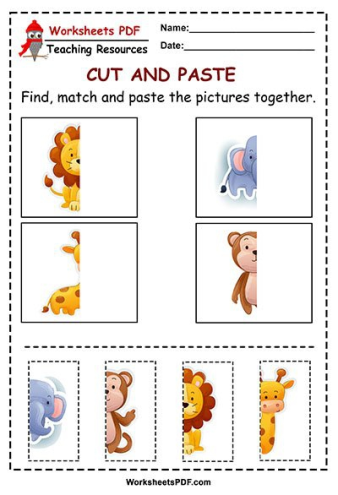
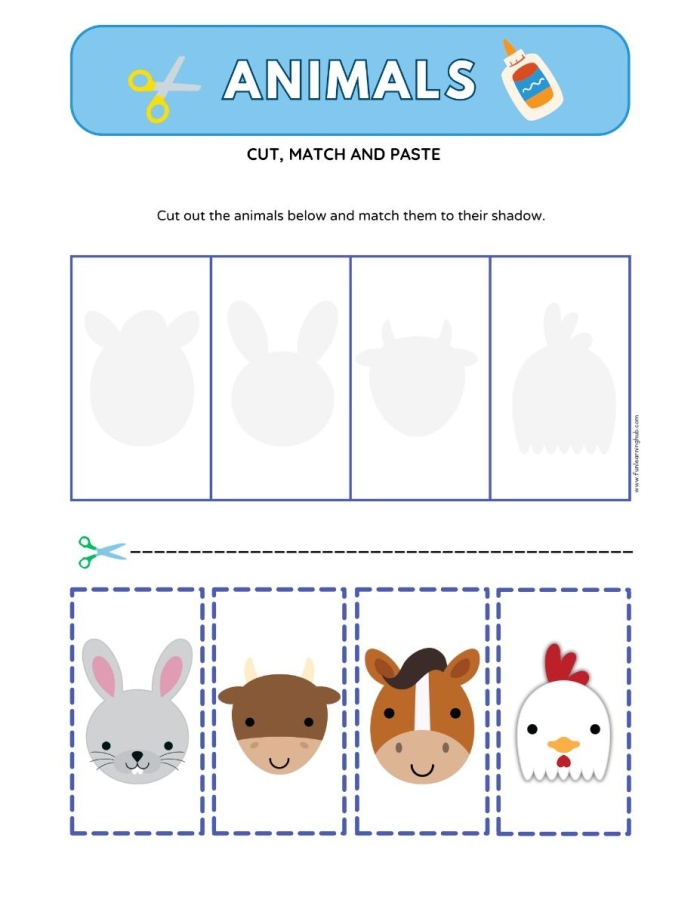
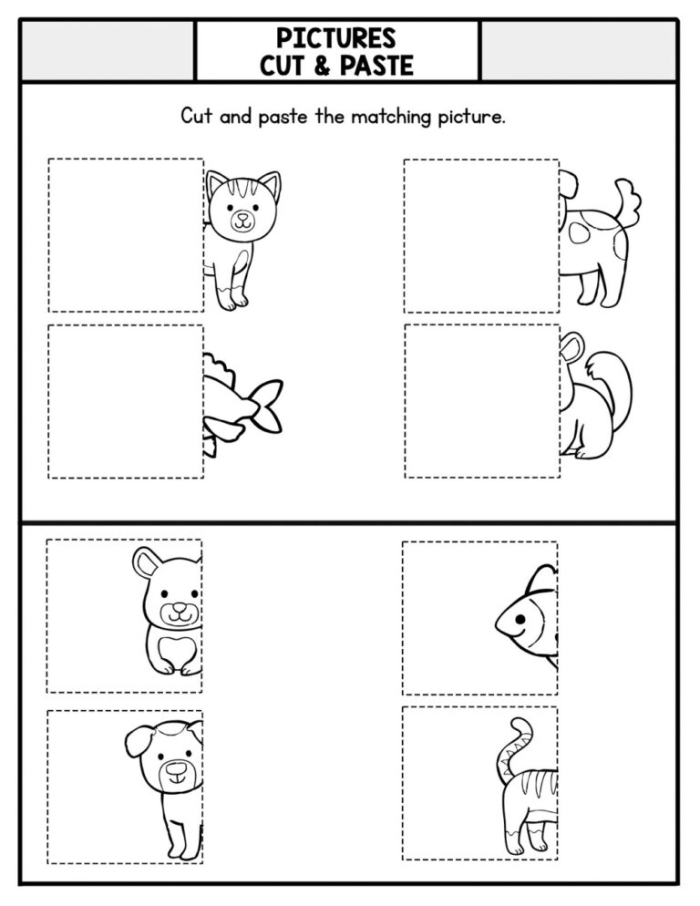
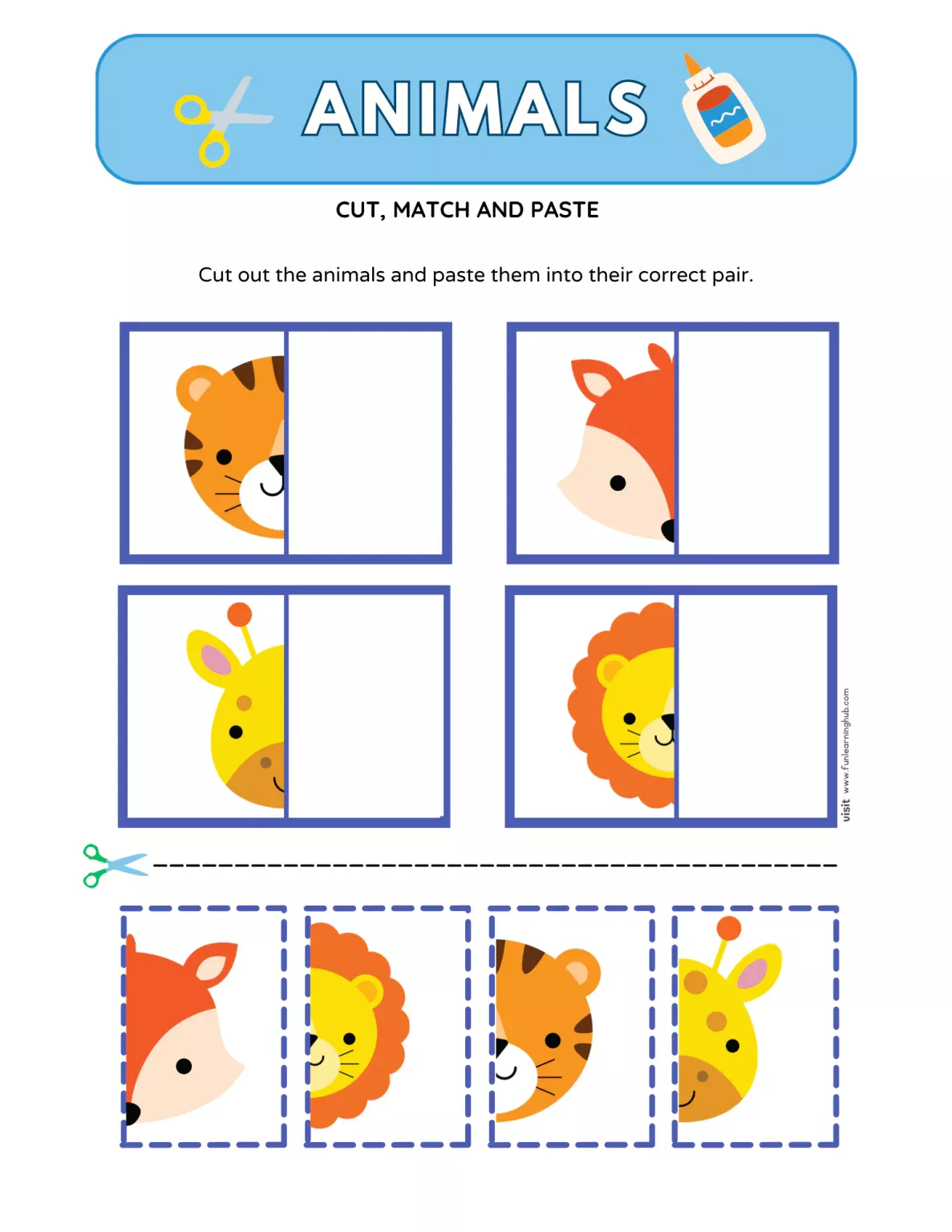
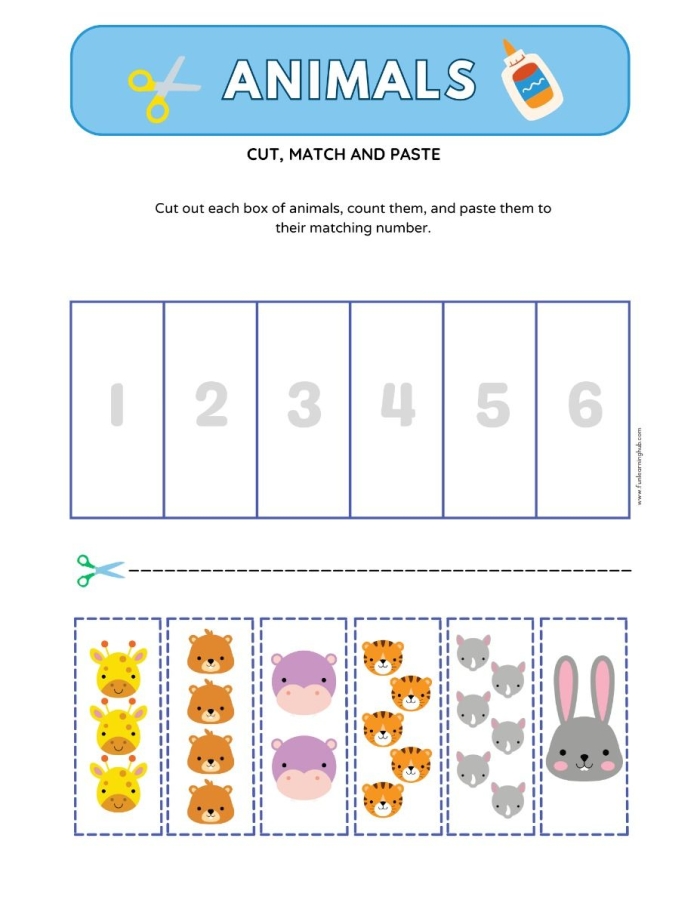
Animal cut and paste activities work because they combine movement with learning. Kids physically cut out pictures and glue them into categories, which engages their hands and brains at the same time. This tactile approach helps Pre-K students remember which animals belong where far better than simply looking at a worksheet.
The three basic movement categories keep things simple for young minds. Flying animals include birds, butterflies, and bats. Swimming animals cover fish, frogs, and dolphins. Crawling animals range from ants and caterpillars to snakes and spiders. Some animals blur these lines, like penguins that swim and waddle, but starting with clear examples helps children understand the concept before exploring exceptions.
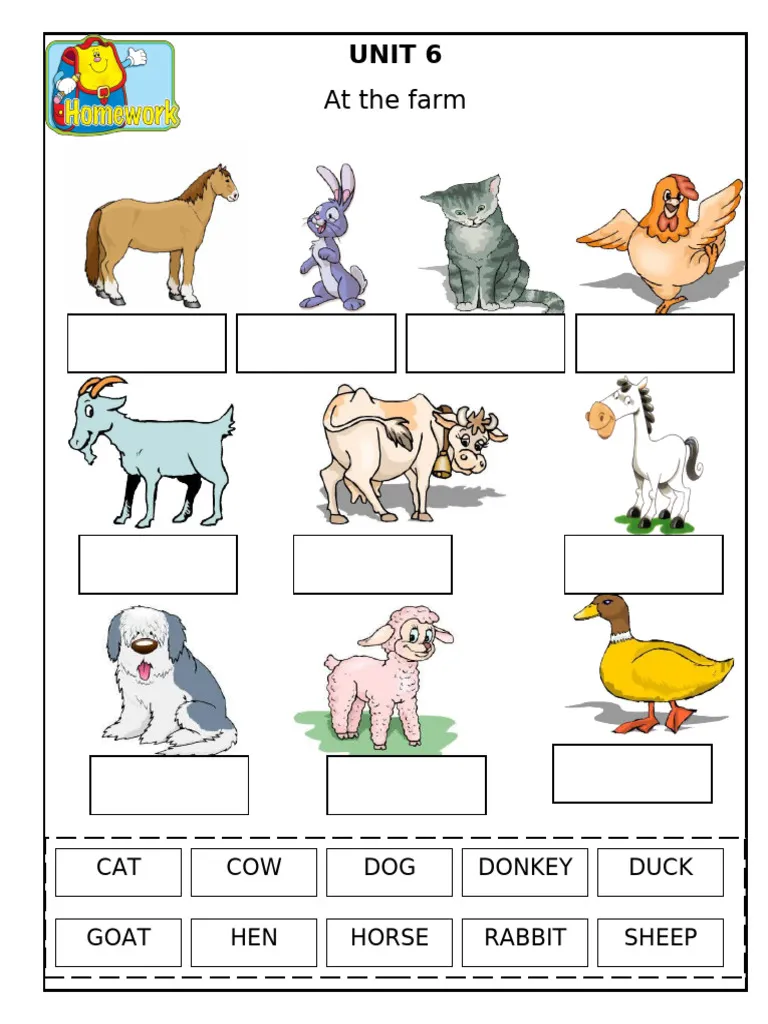
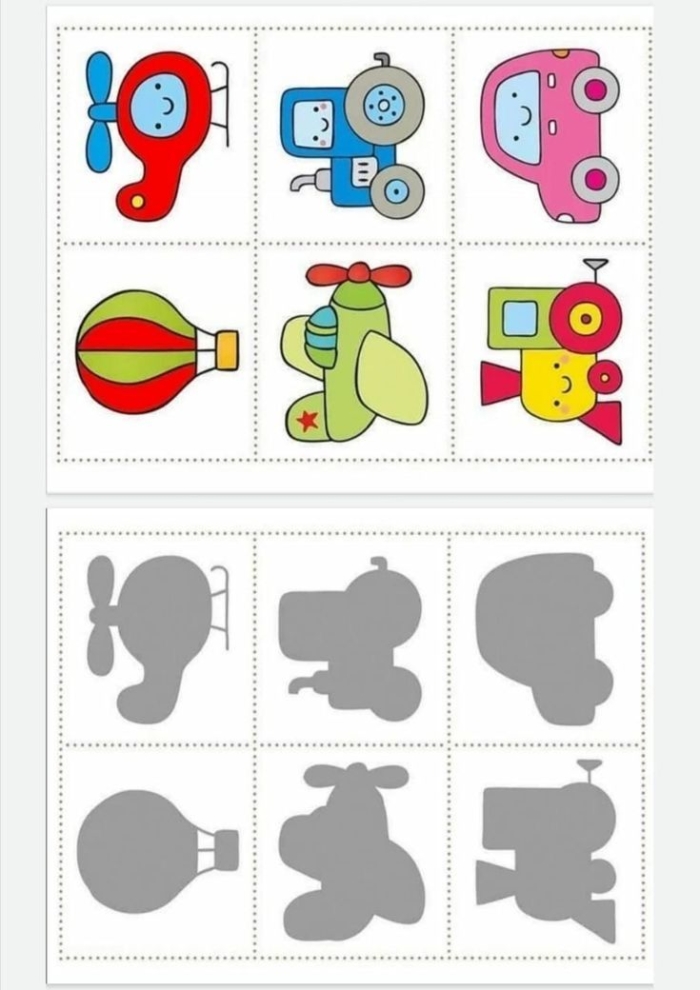
Printable animal cut and paste worksheets let teachers and parents customize difficulty levels. A basic version might show six animals with three clear categories. A slightly advanced version could include ten animals with some tricky ones that require thinking, like ducks that both swim and fly. This flexibility means the activity grows with the child’s understanding.
Beyond sorting, these worksheets build vocabulary naturally. As children work, they say animal names aloud, hear them from adults, and connect words to images. When you’re helping little ones practice vocabulary through Pre-K worksheets, pairing visual learning with movement creates stronger memory pathways than passive observation alone.
The real value lies in how these simple sorting tasks make children active participants in their own learning rather than passive recipients of information.
Practice with These Worksheets