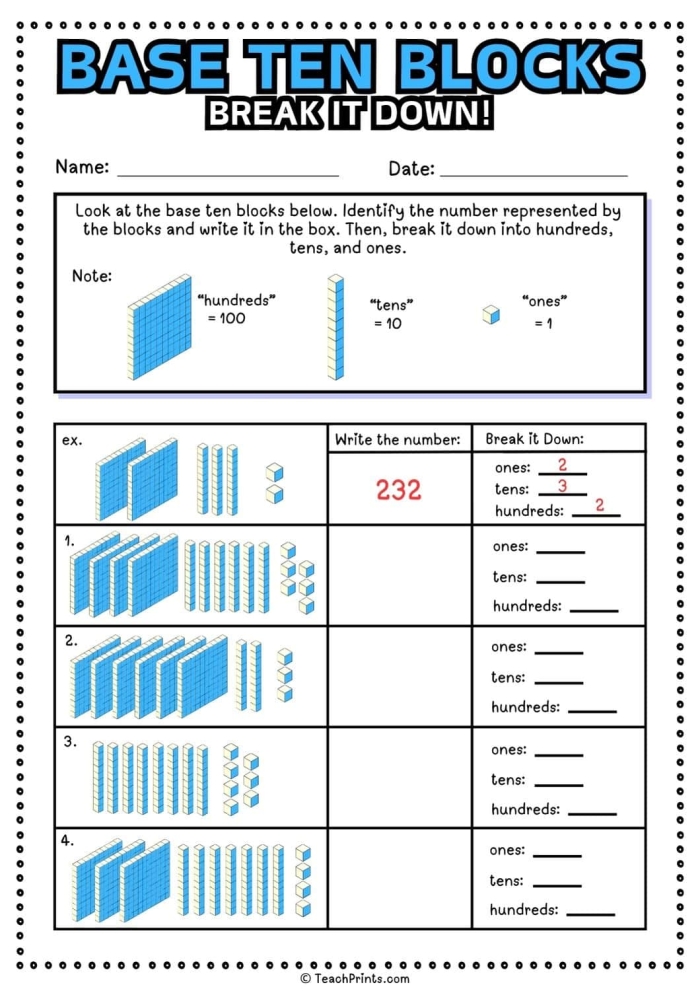
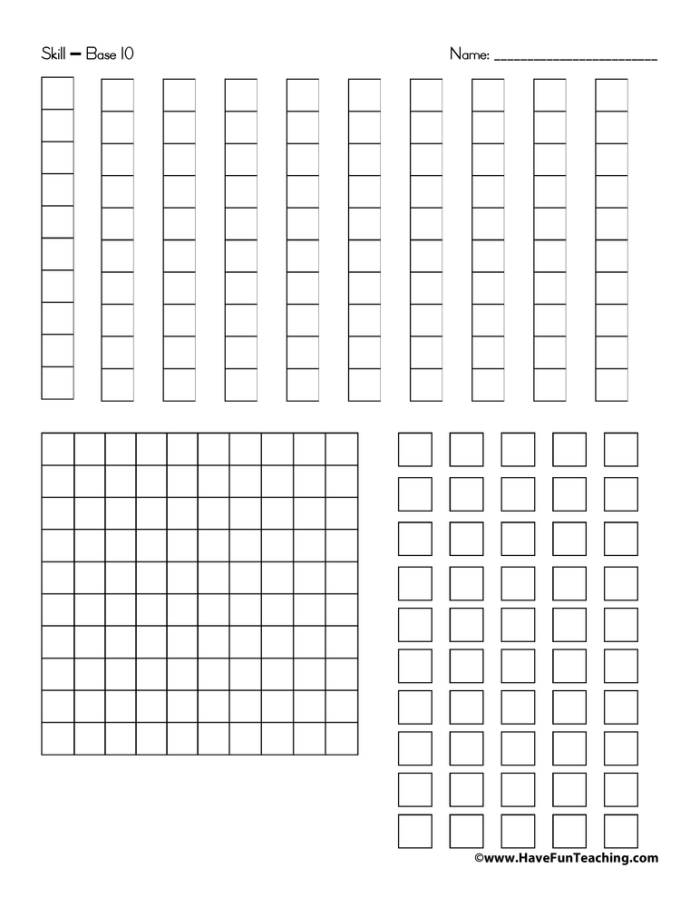
Base 10 blocks are one of the most effective tools I’ve seen for helping second graders understand how numbers actually work. When kids hold these physical blocks in their hands, something clicks. Instead of staring at abstract digits on a page, they can see exactly why 10 ones equal 1 ten, and why 10 tens make 100.
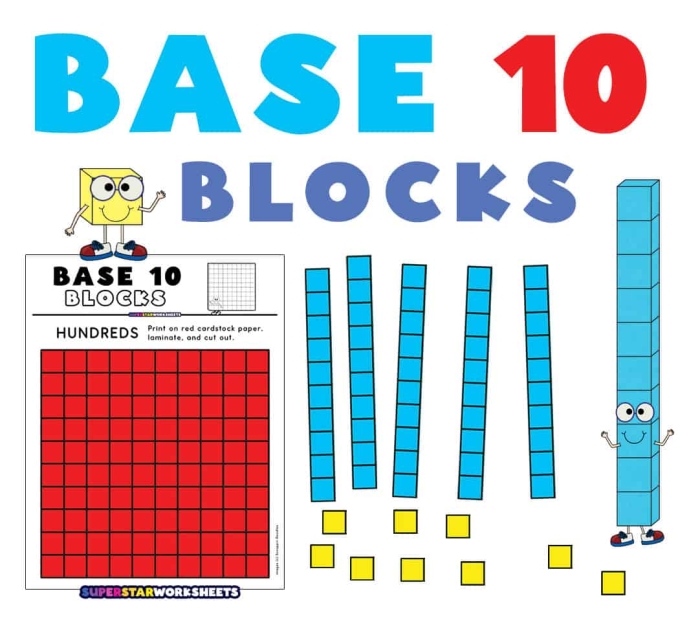
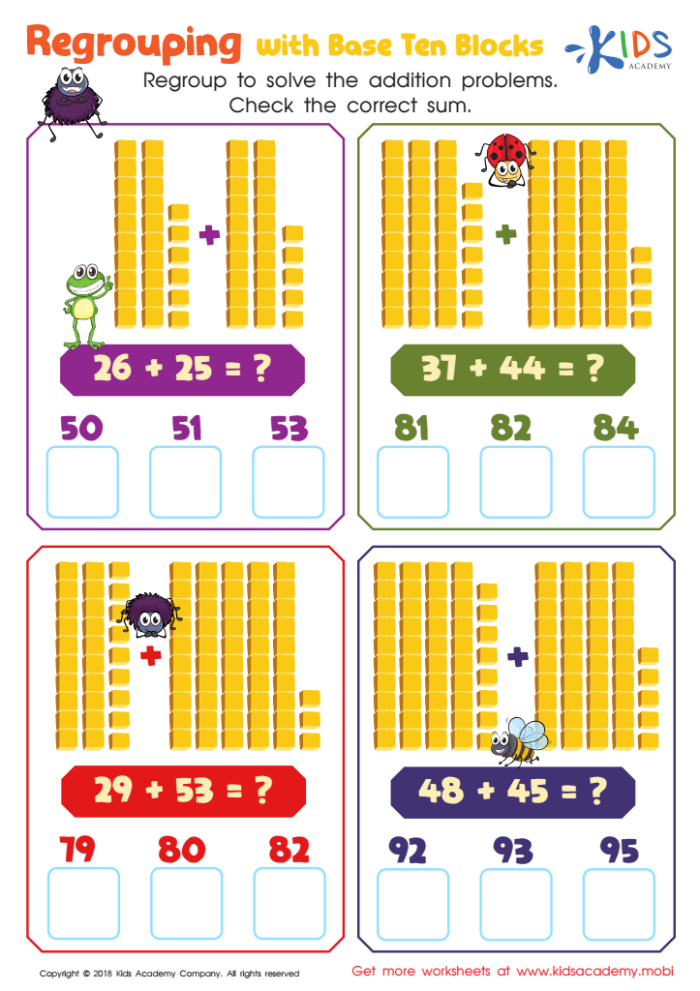
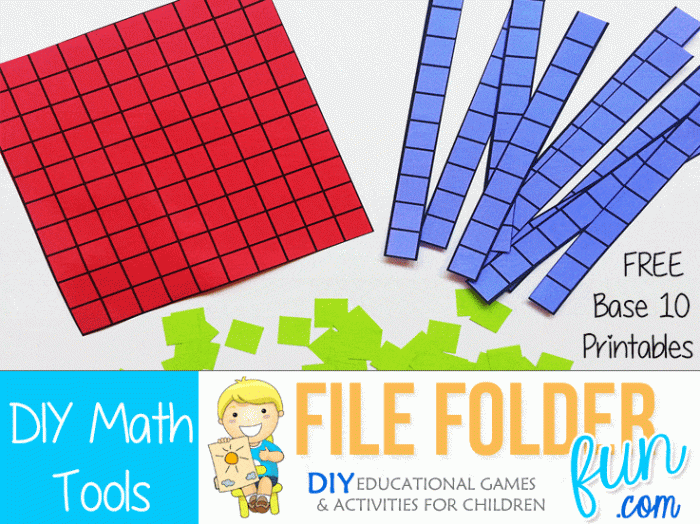
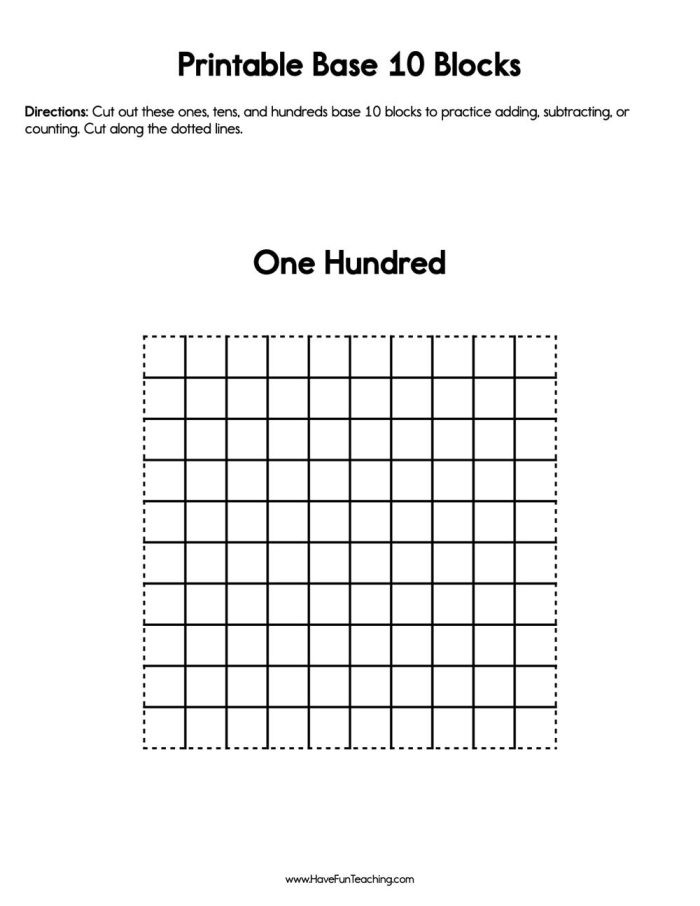
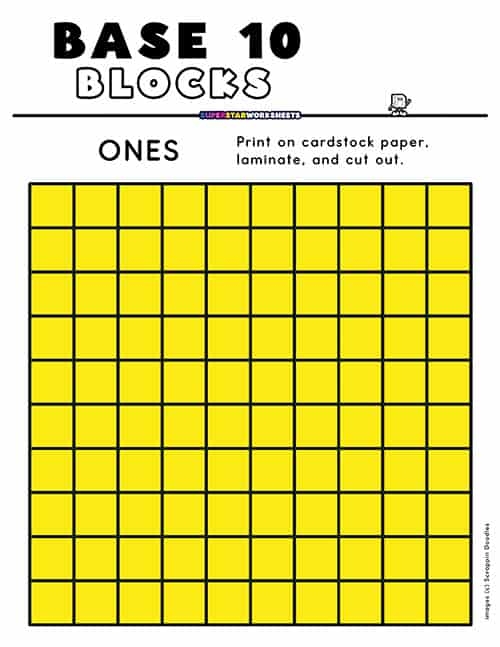
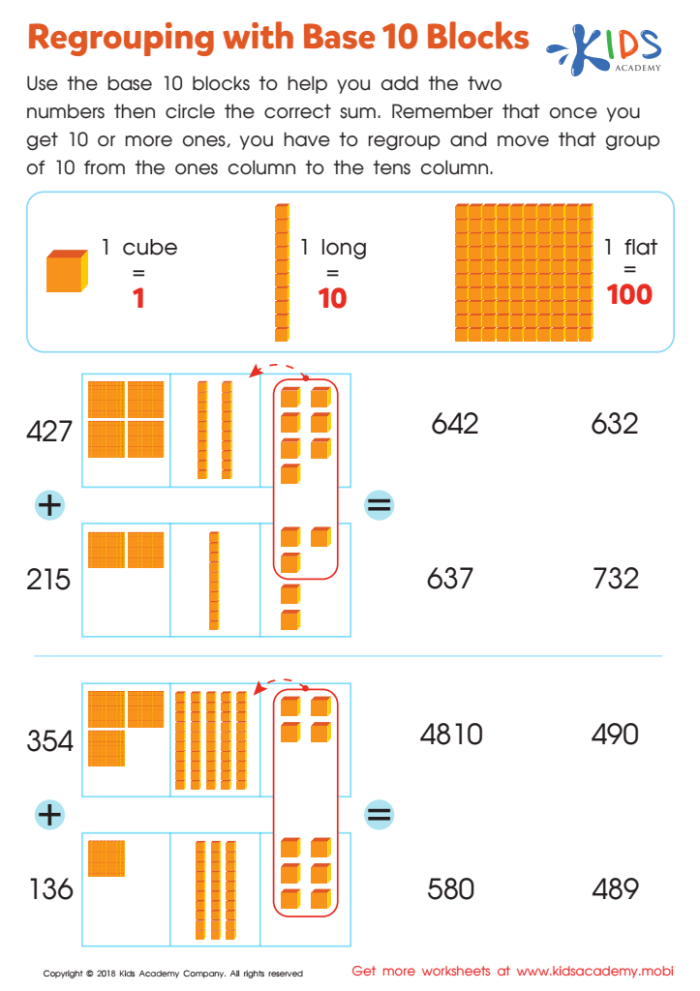
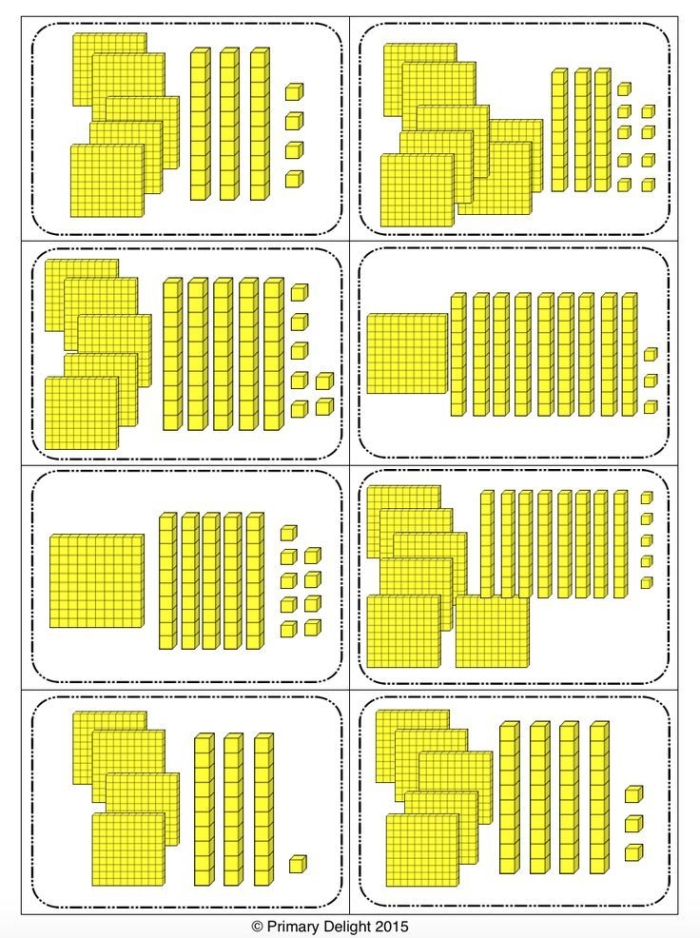
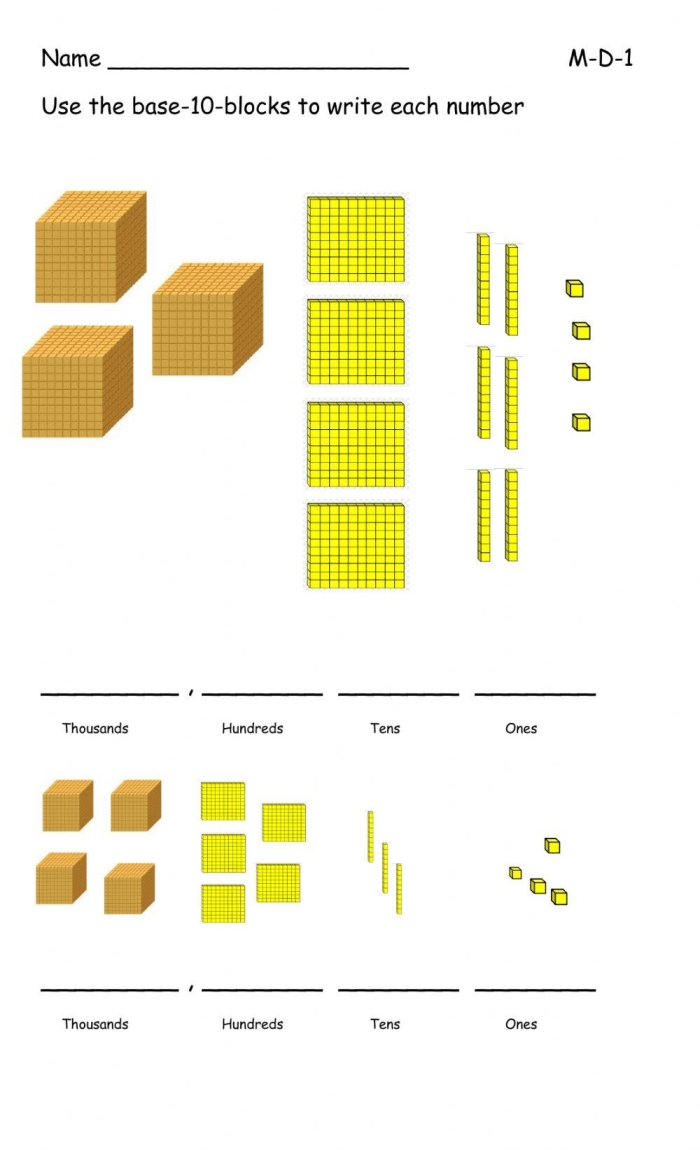
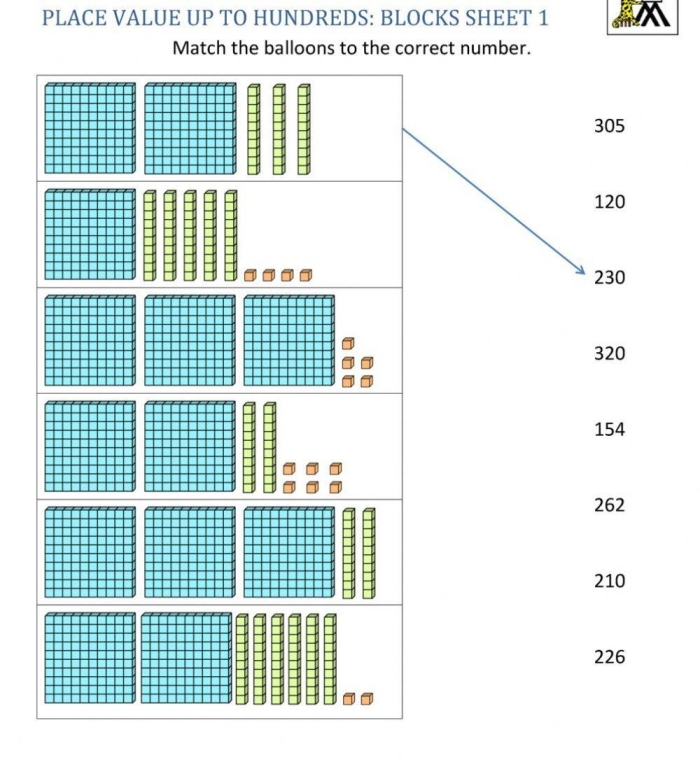
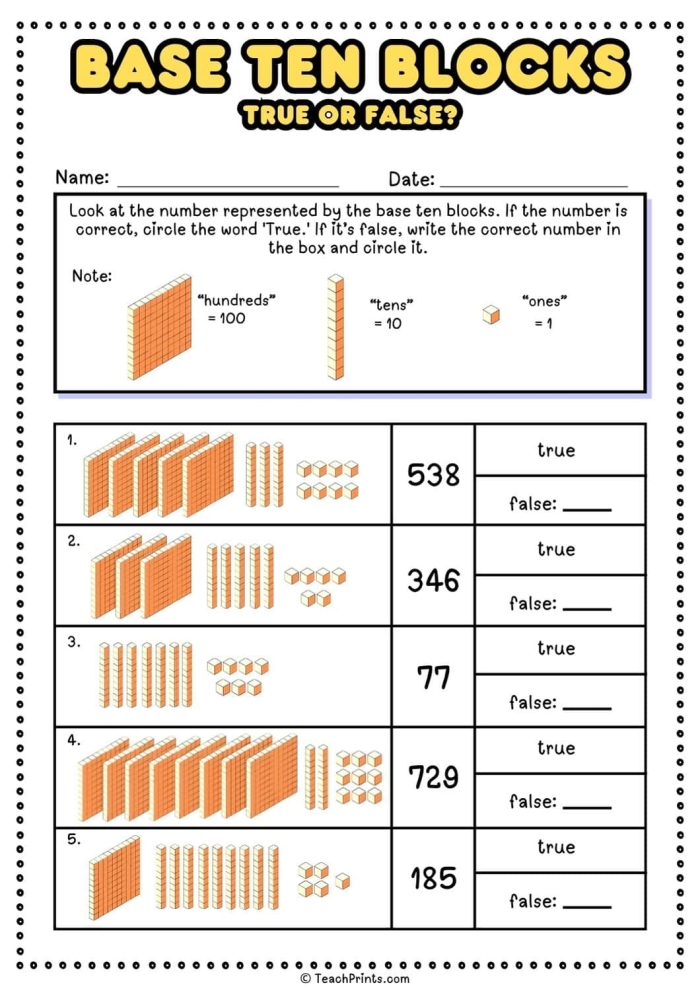
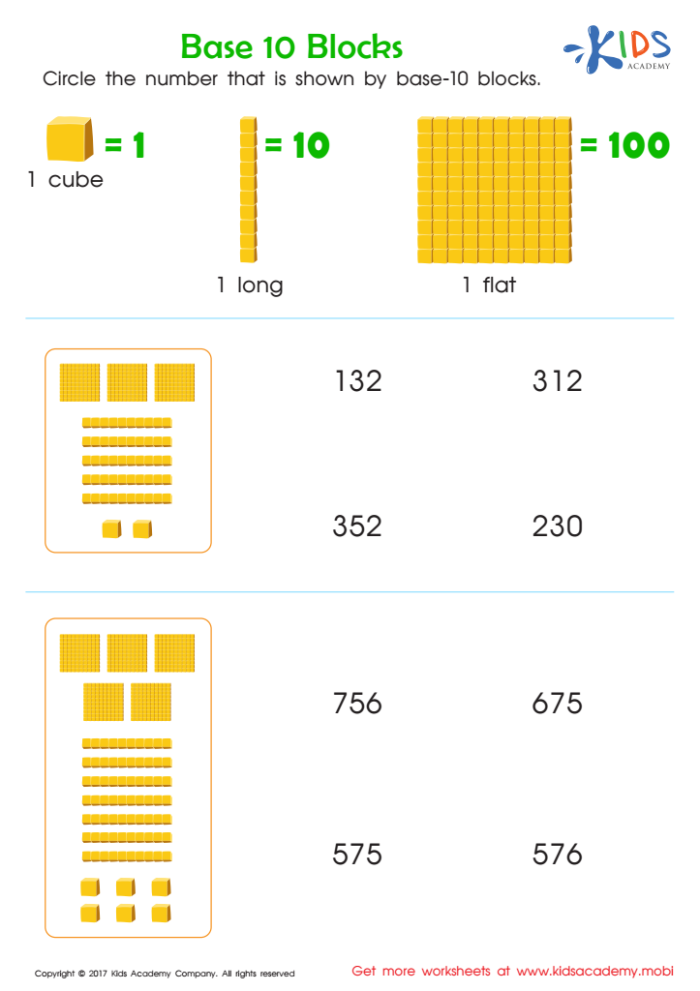
The beauty of base 10 blocks lies in their simplicity. You have individual unit cubes representing ones, long rods that contain exactly 10 cubes representing tens, and flat squares made up of 10 rods representing hundreds. This concrete representation bridges the gap between what numbers mean and how we write them down. A child struggling with the concept of “regrouping” in double-digit addition and subtraction suddenly understands it when they physically trade 10 ones for a single ten.
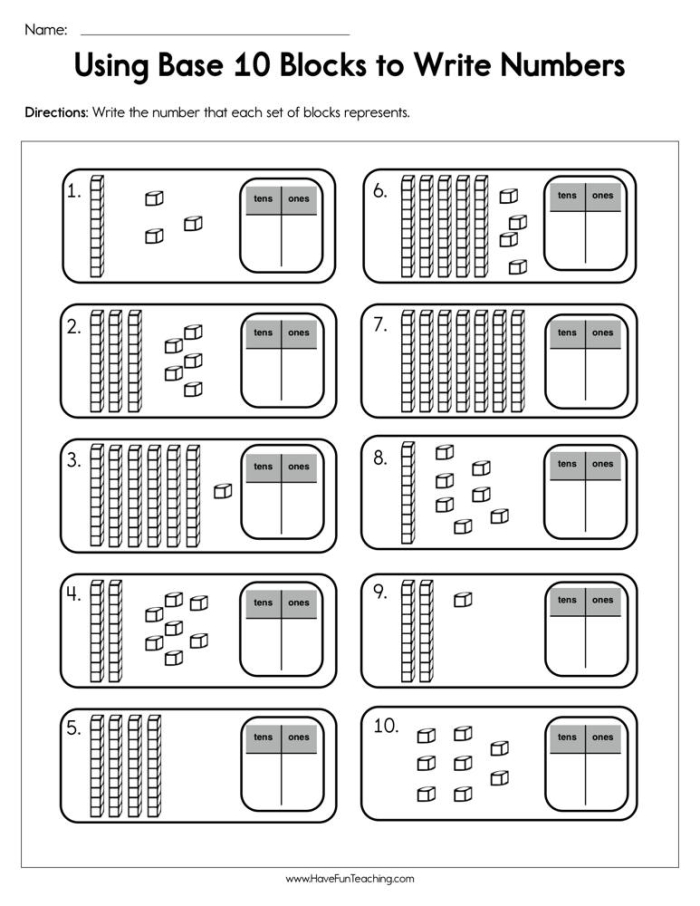
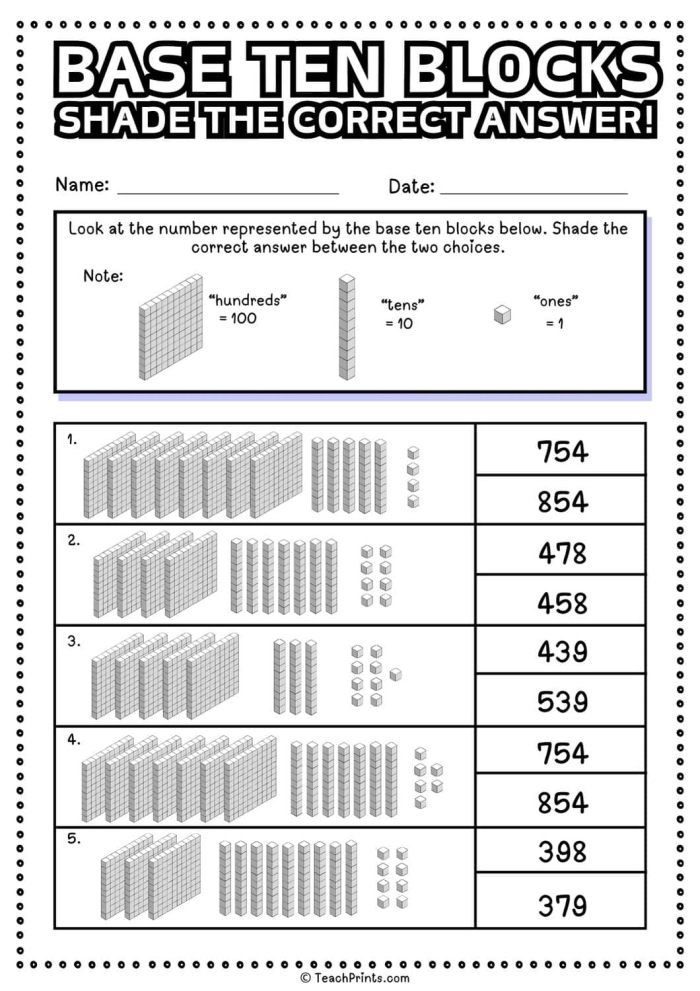
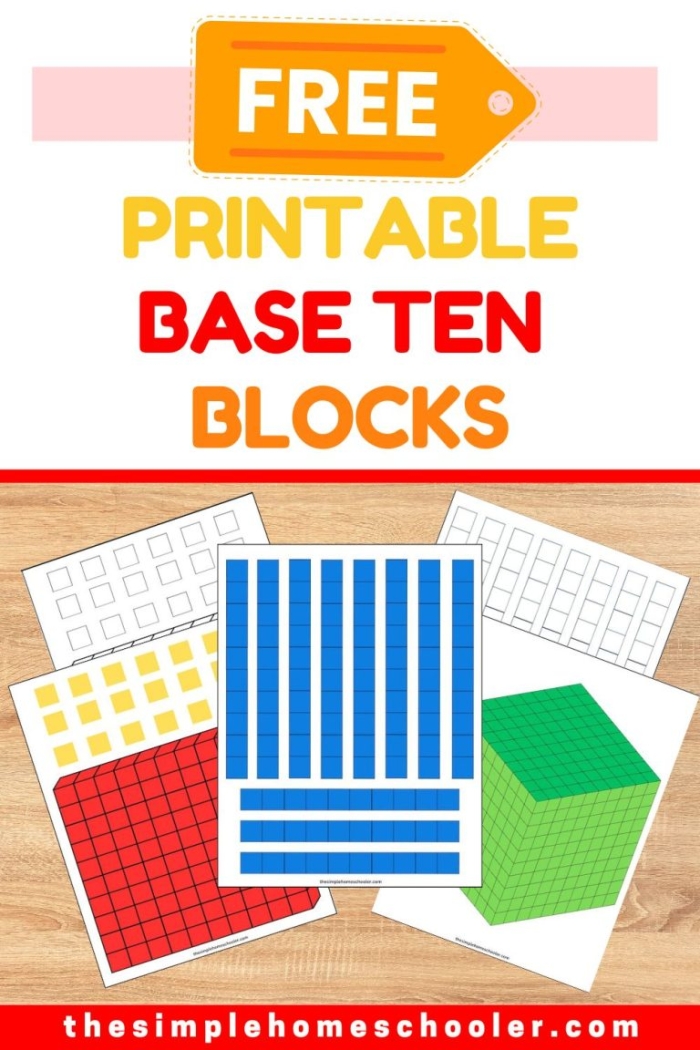
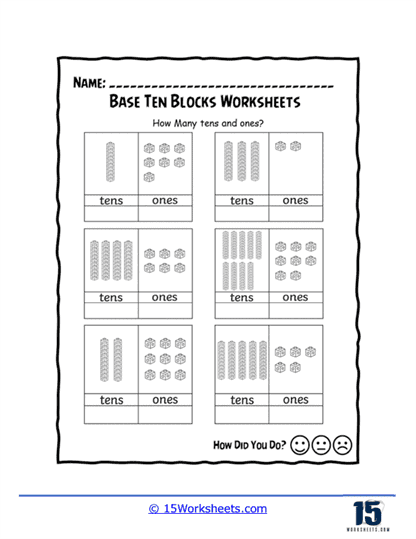
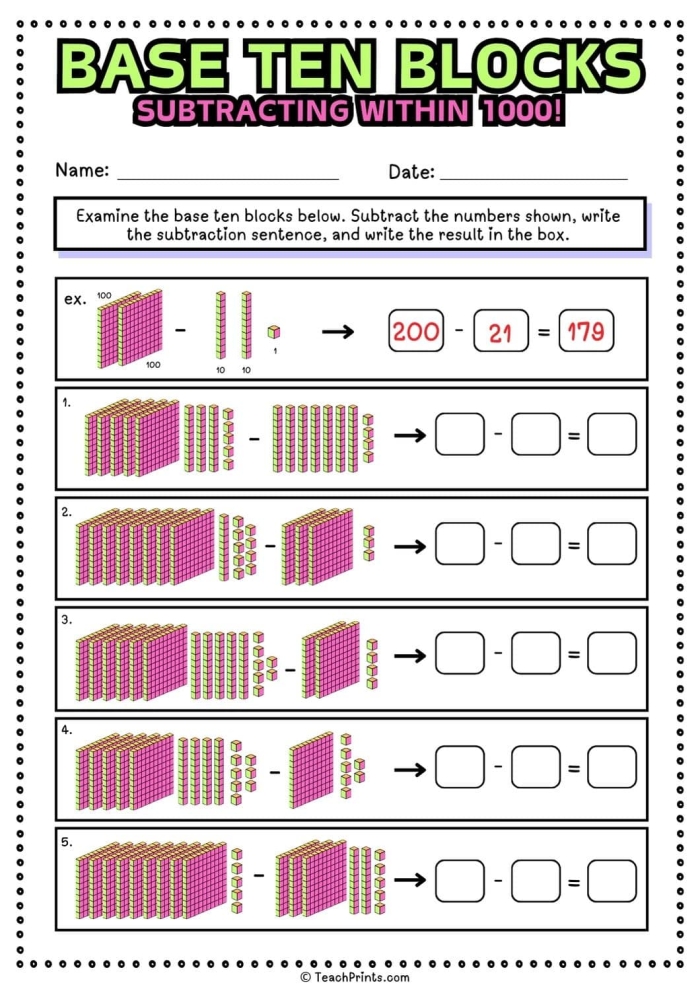
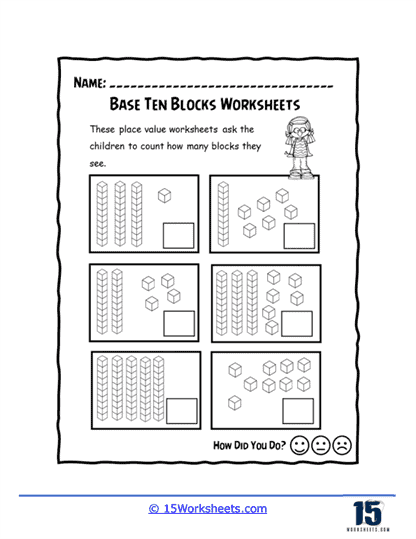
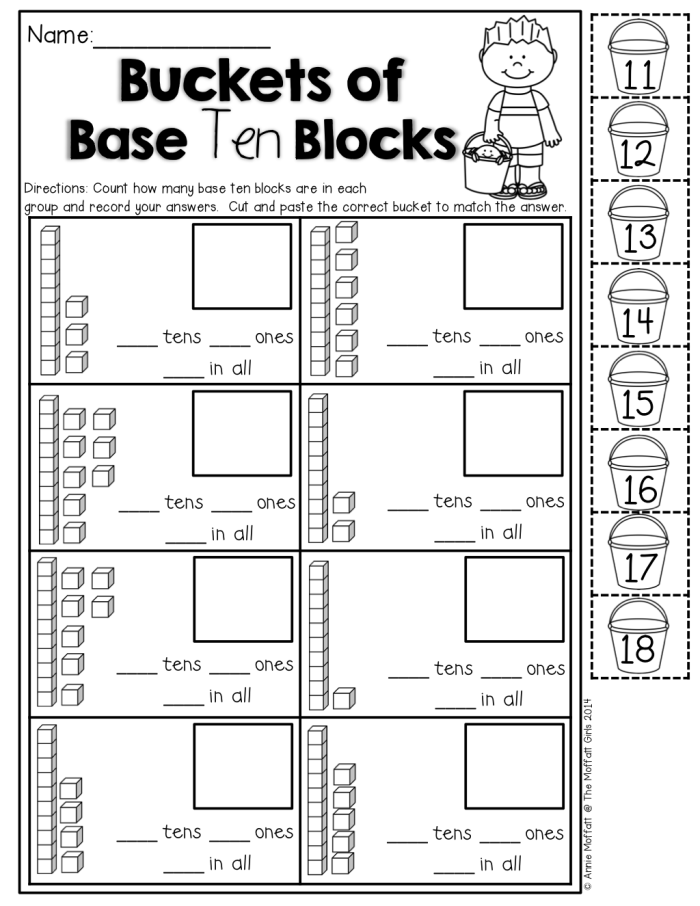
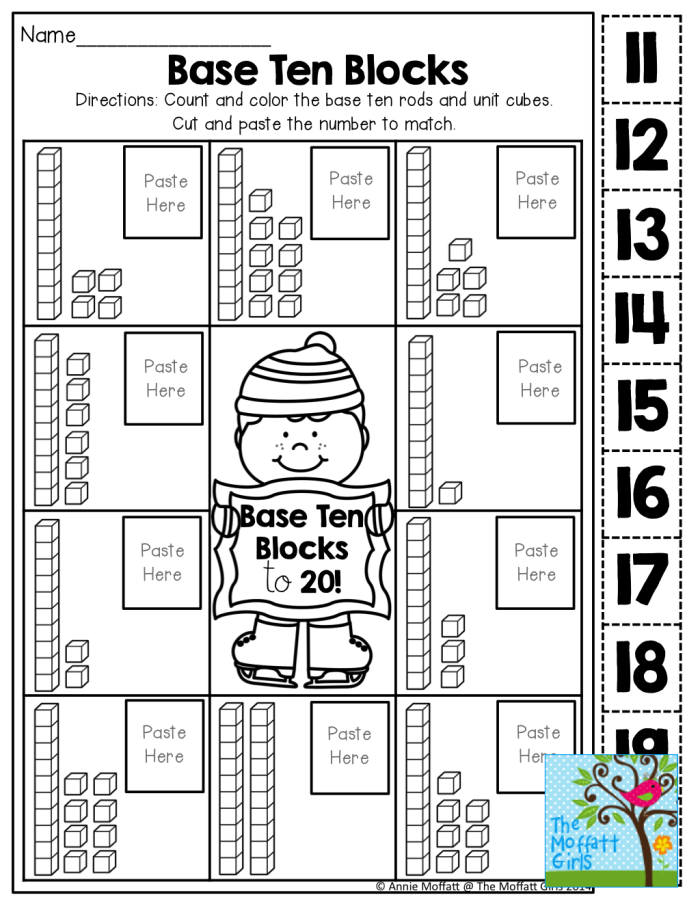
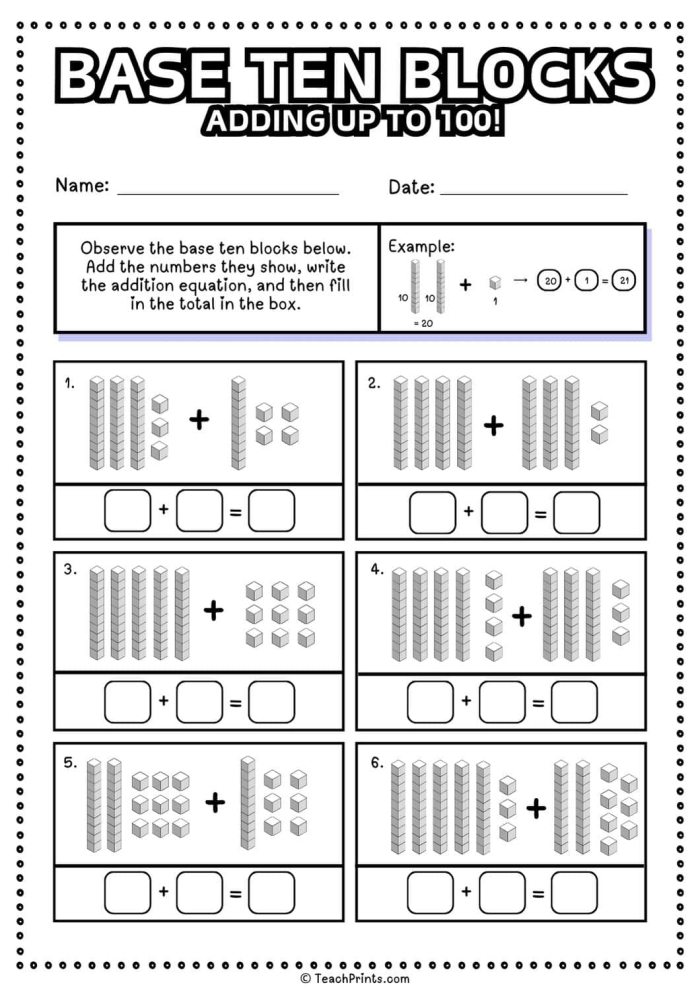
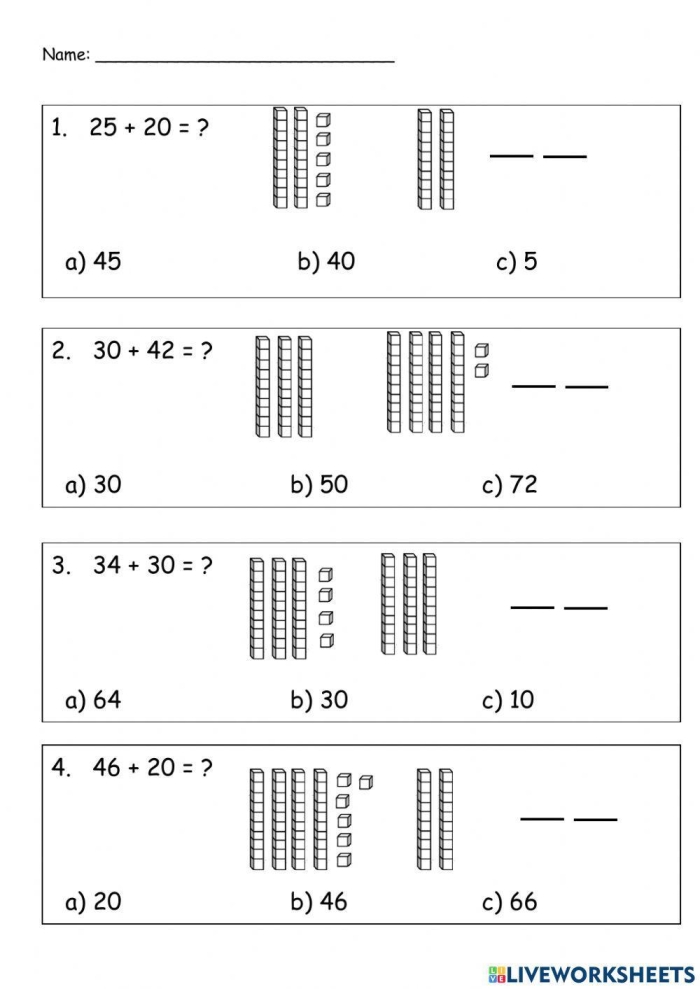
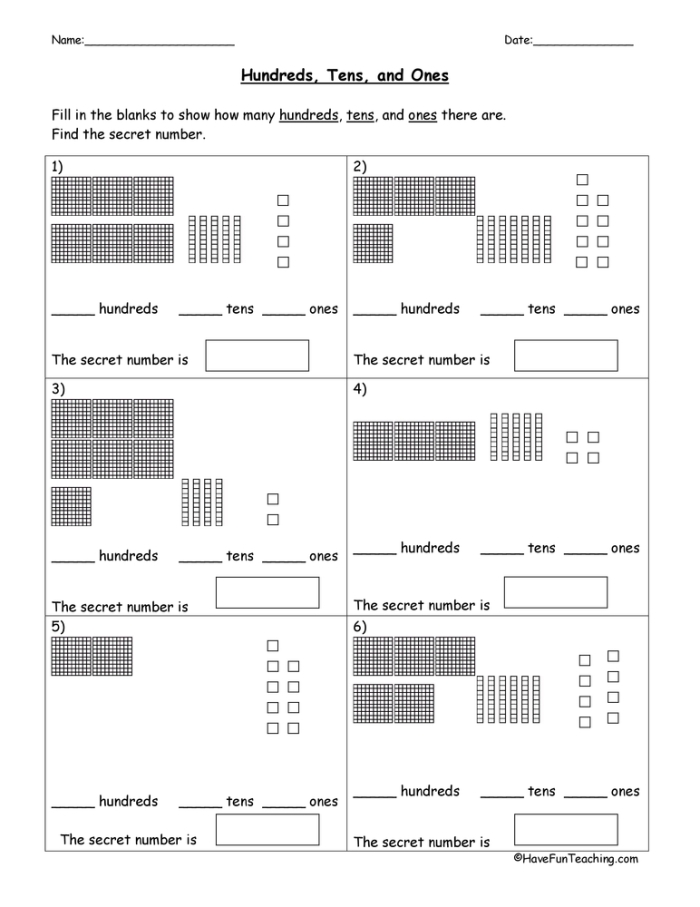
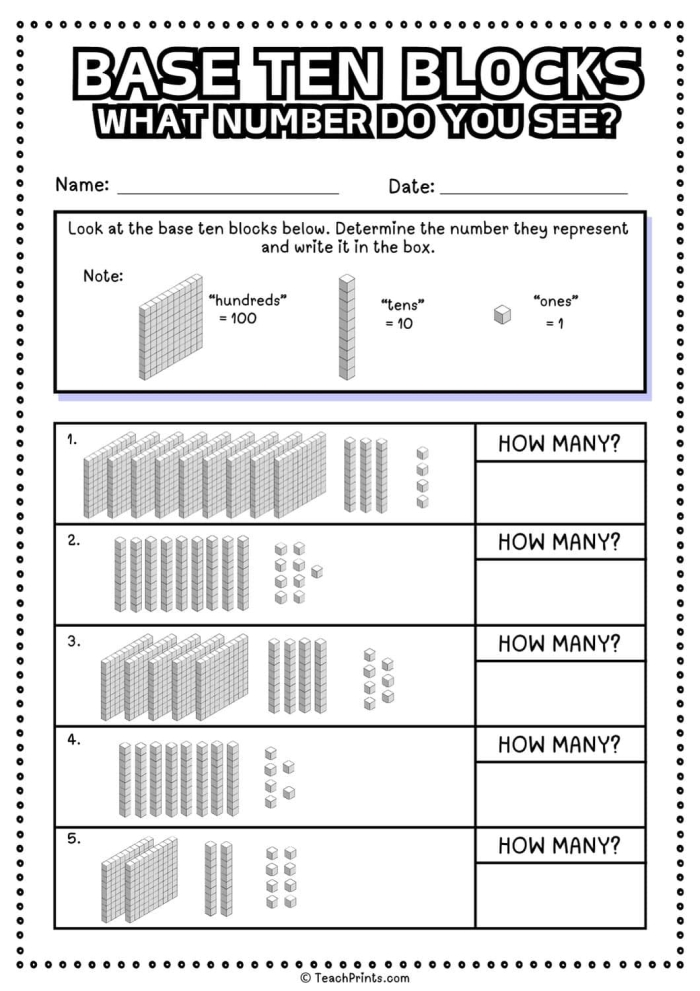
Using printable base 10 blocks worksheets gives kids the chance to practice this visualization repeatedly. As they work through problems, they’re not memorizing rules; they’re applying logic they can see. This approach works particularly well for mixed operations, where students need to handle addition, subtraction, and sometimes multiplication or division in the same worksheet.
The progression matters too. Start with straightforward counting and grouping exercises before moving into more complex base 10 blocks mixed operations worksheets. Second graders benefit from seeing the same concept repeated across different contexts. You might notice your child becomes more confident with place value once they’ve spent time drawing and manipulating these blocks on paper.
The key is consistency. Regular practice with base 10 worksheets, combined with hands-on block work, creates a foundation that makes future math concepts feel less intimidating. Your child won’t just know that 23 equals 2 tens and 3 ones; they’ll understand why.
Grab These Worksheets Now