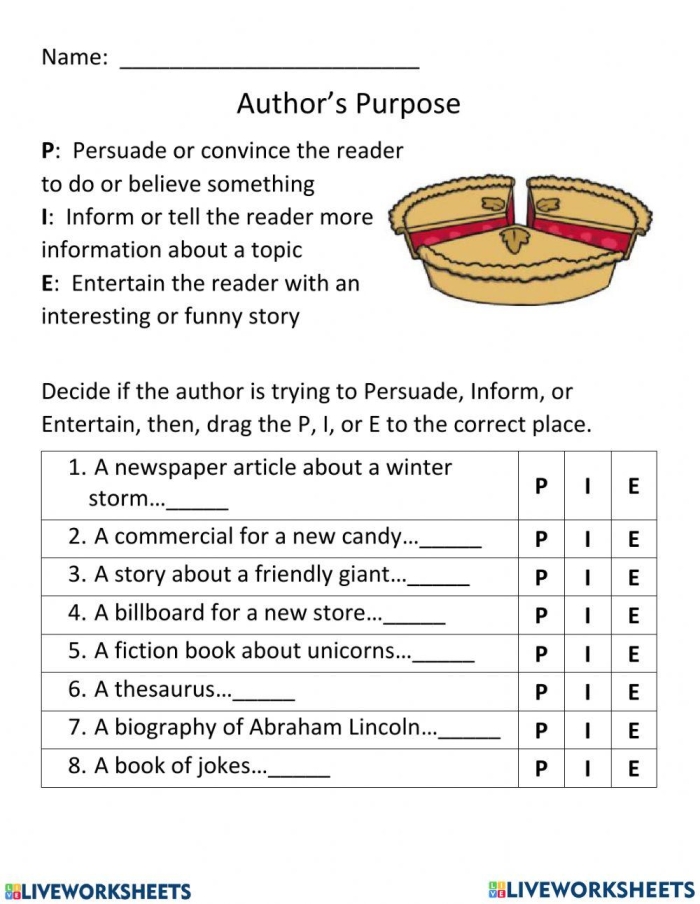
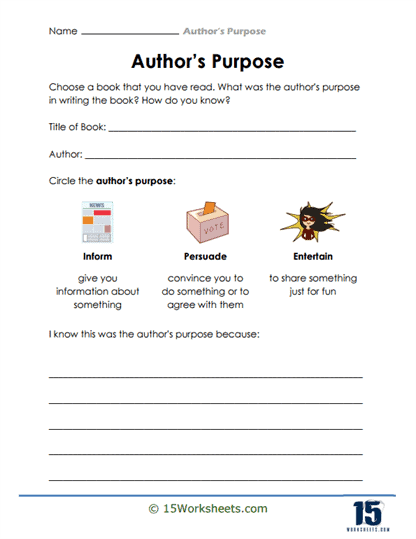
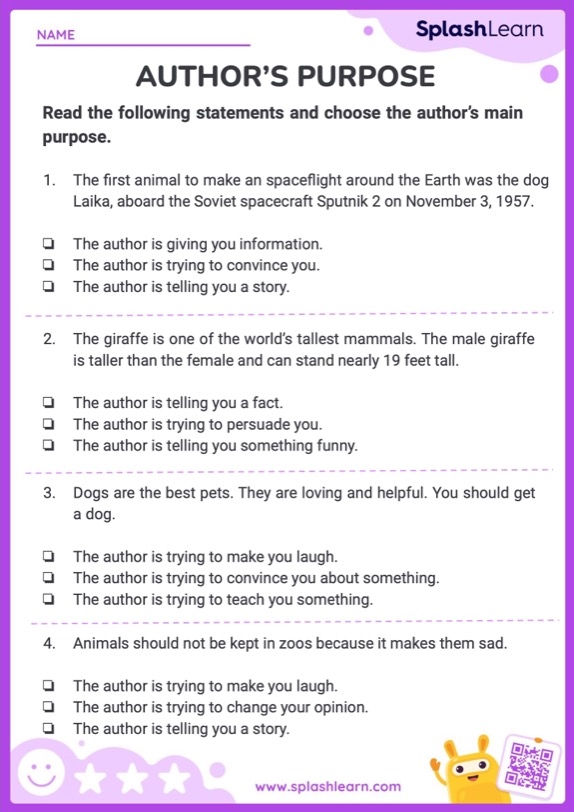
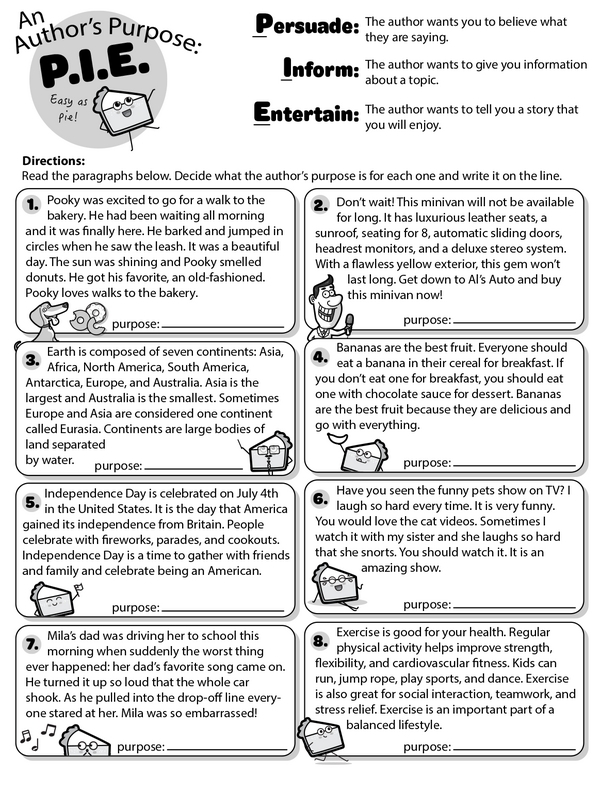
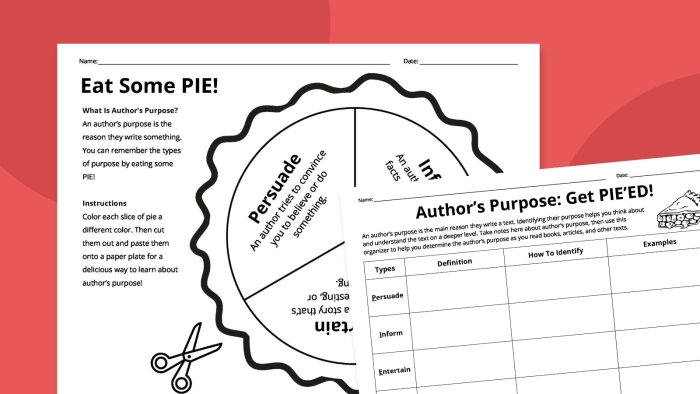
When third grade students encounter a reading passage, they often wonder what the author really wants them to understand or feel. Teaching them to identify the author’s purpose becomes straightforward with the P-I-E mnemonic device, a simple framework that breaks down the three main reasons authors write.
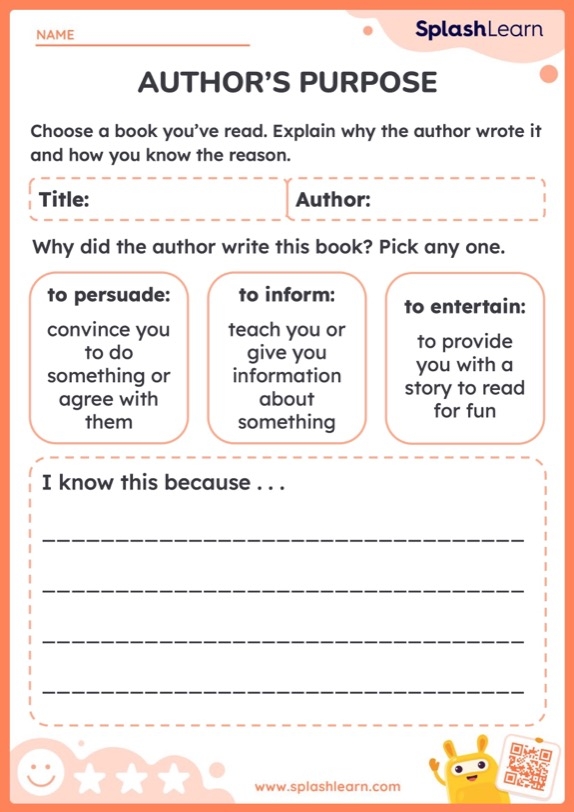
The letter P stands for Persuade. Authors use persuasion when they want readers to believe something or take action. A third grader might encounter a passage convincing them that recess should be longer, or that recycling matters. Recognizing persuasive language helps students understand when an author is trying to change their mind about something.
I represents Inform. Many texts exist simply to teach readers new information. Science articles about animals, historical accounts, or passages about classifying rocks all serve this purpose. When students read to learn facts and understand how things work, they’re engaging with informative writing.
E stands for Entertain. Stories, jokes, and adventure tales primarily exist to make readers laugh or keep them engaged. A third grader reading a funny story about a talking dog recognizes the author’s goal is entertainment, not teaching a lesson.
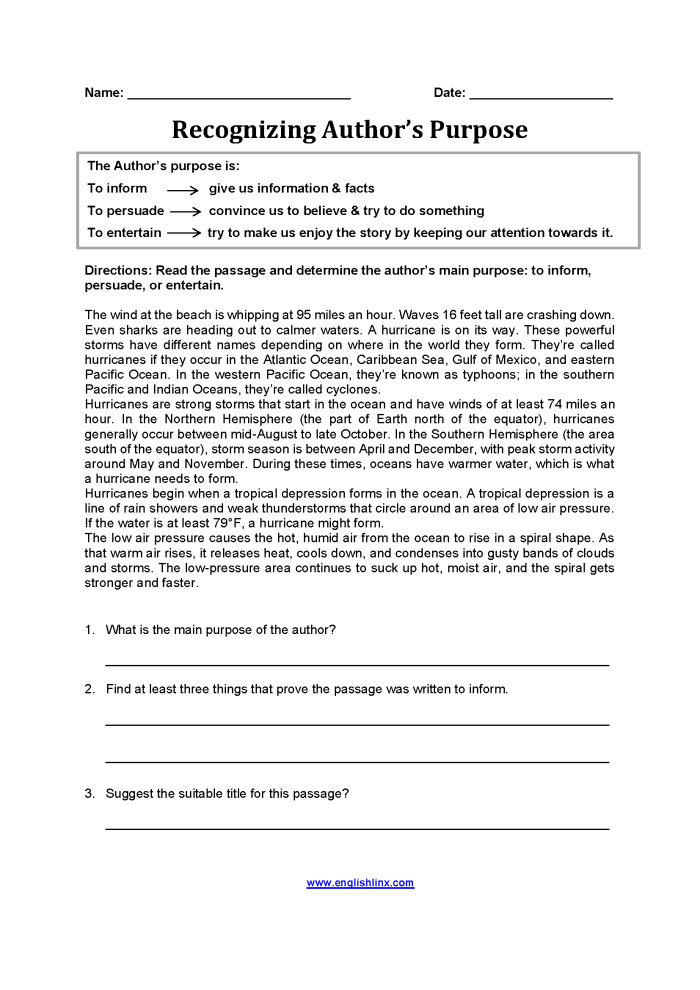
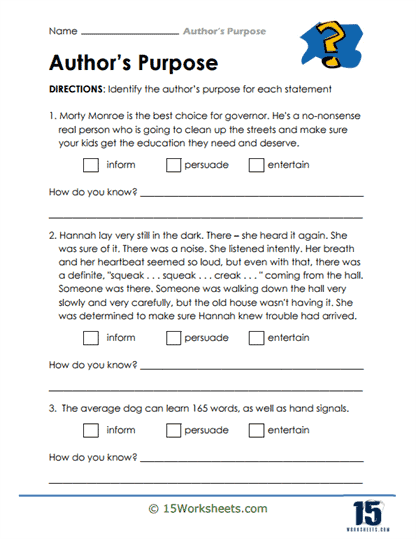
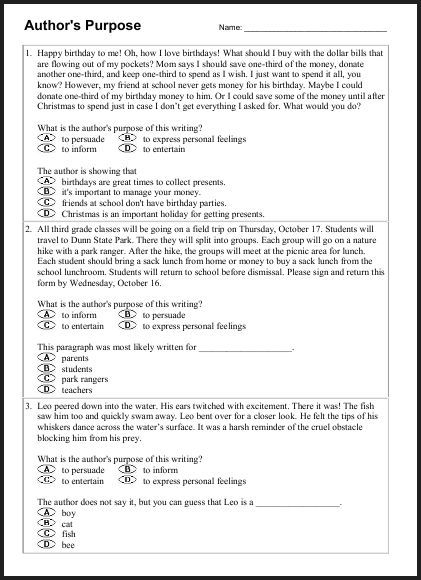
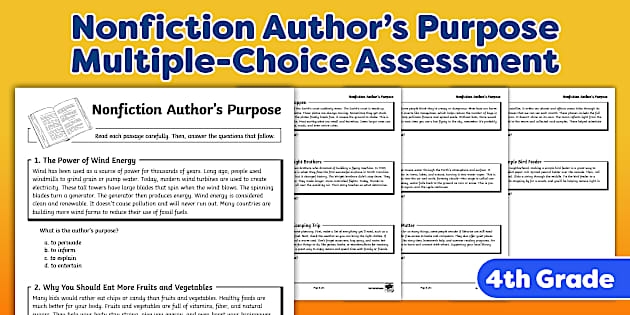
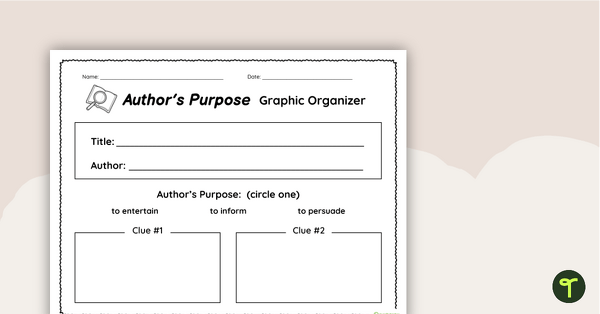
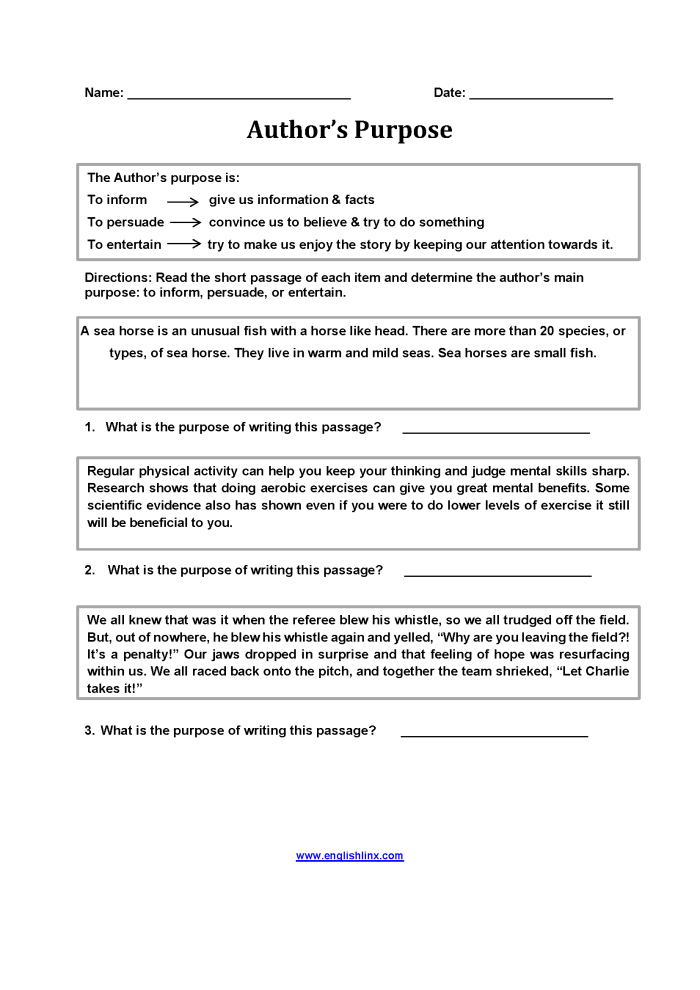
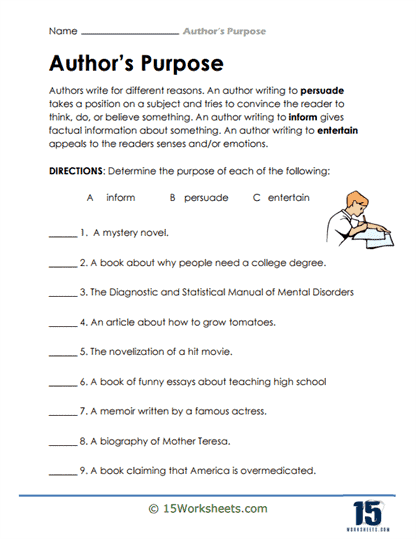
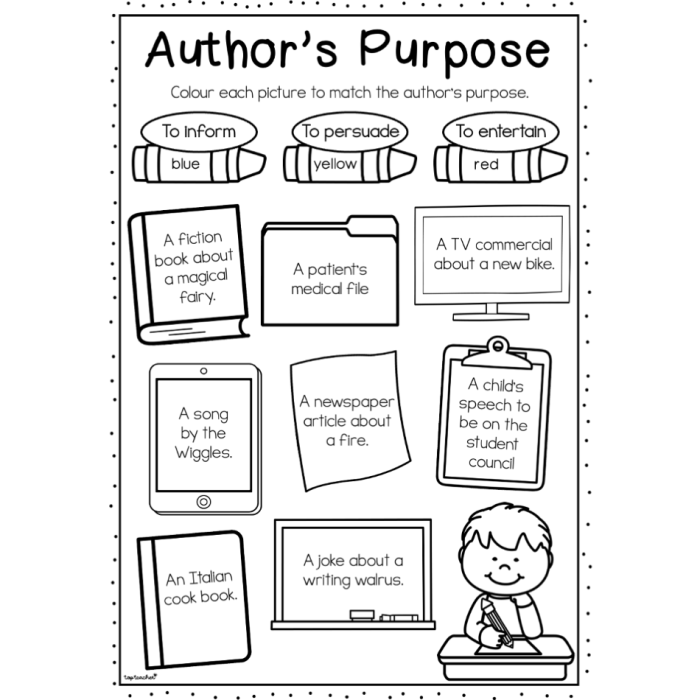
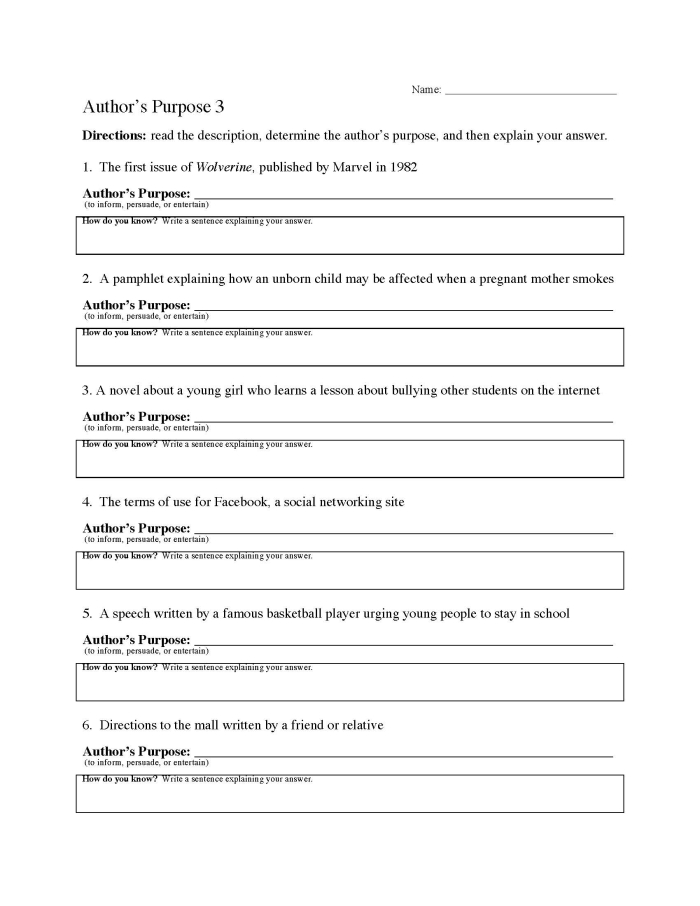
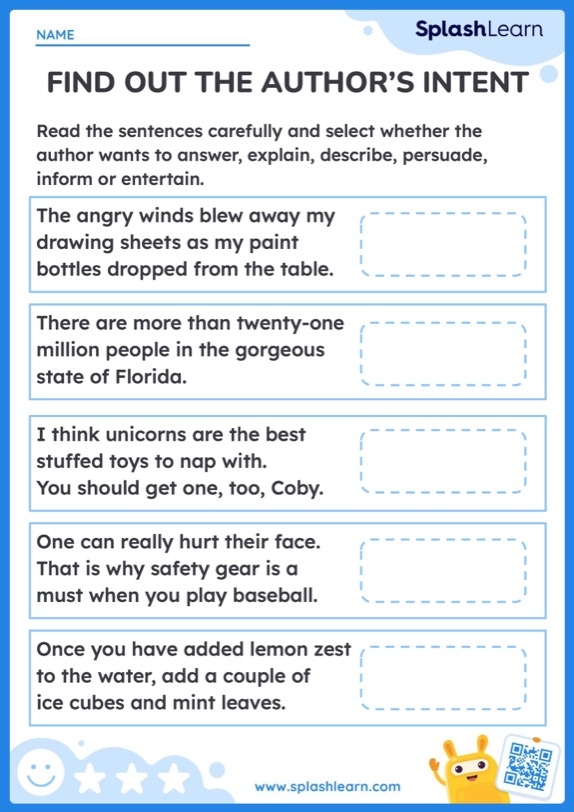
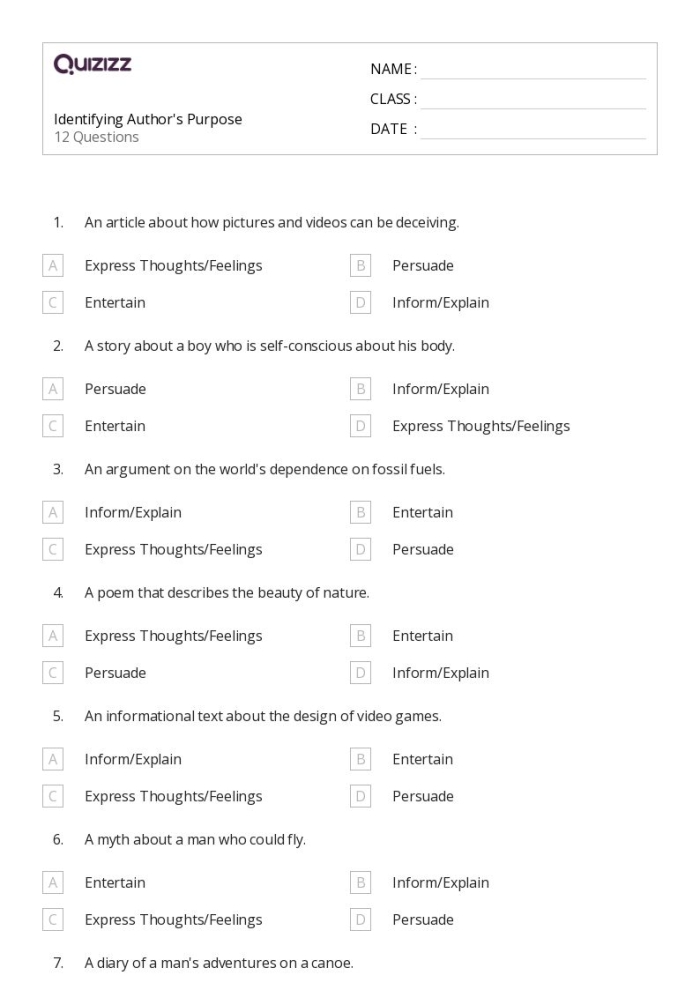
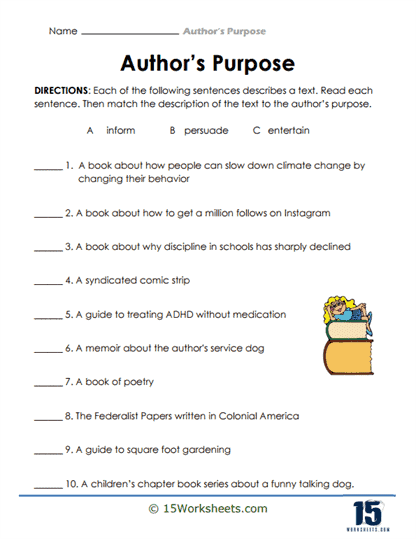
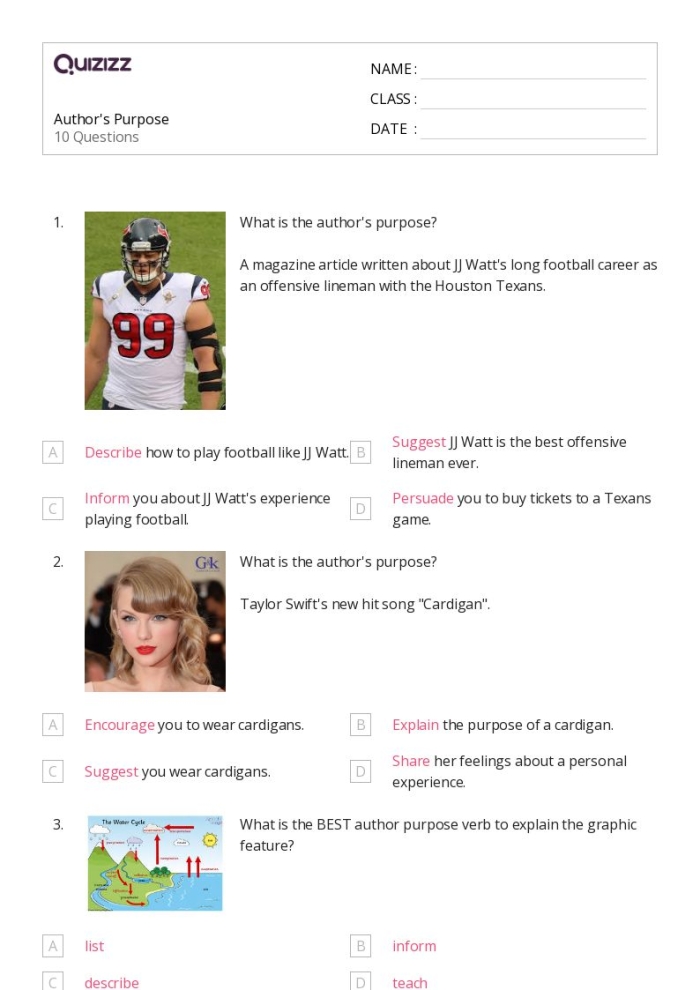
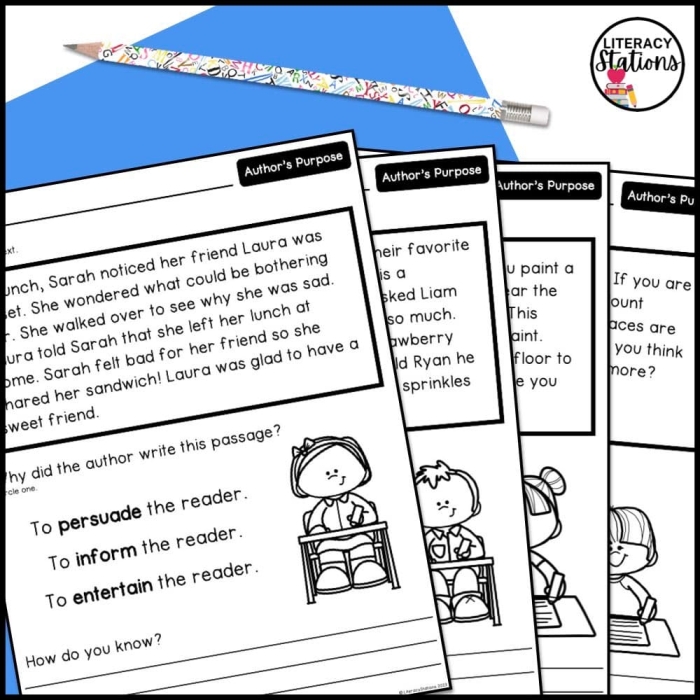
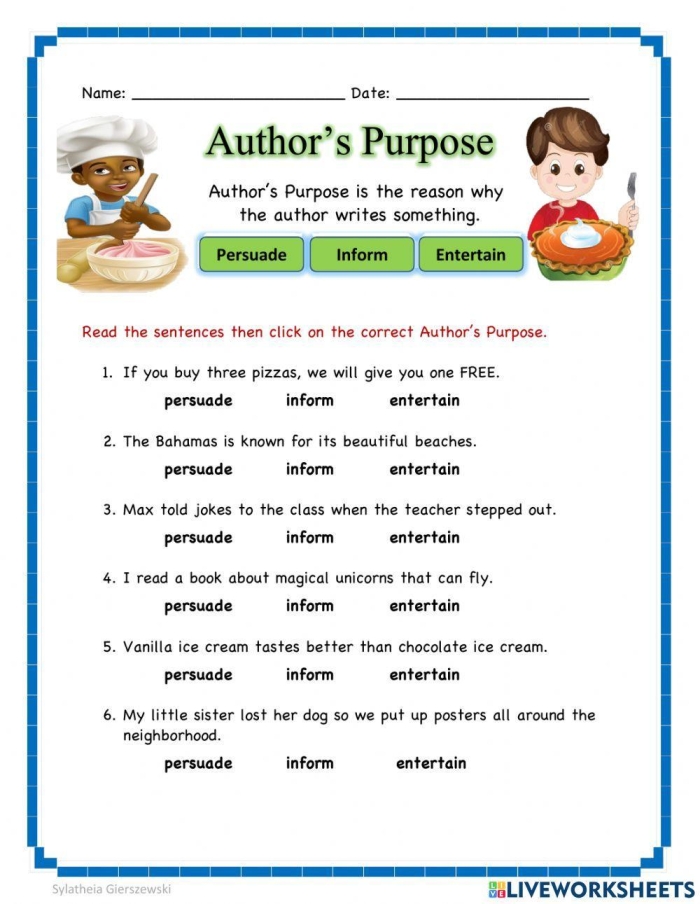
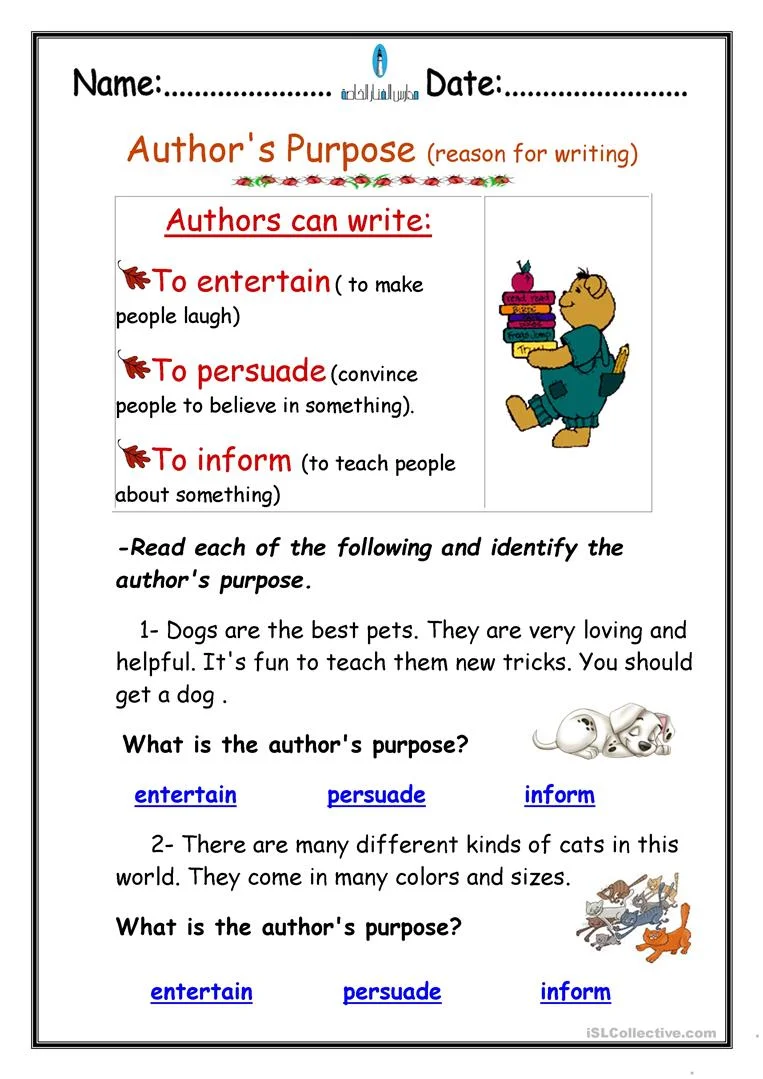
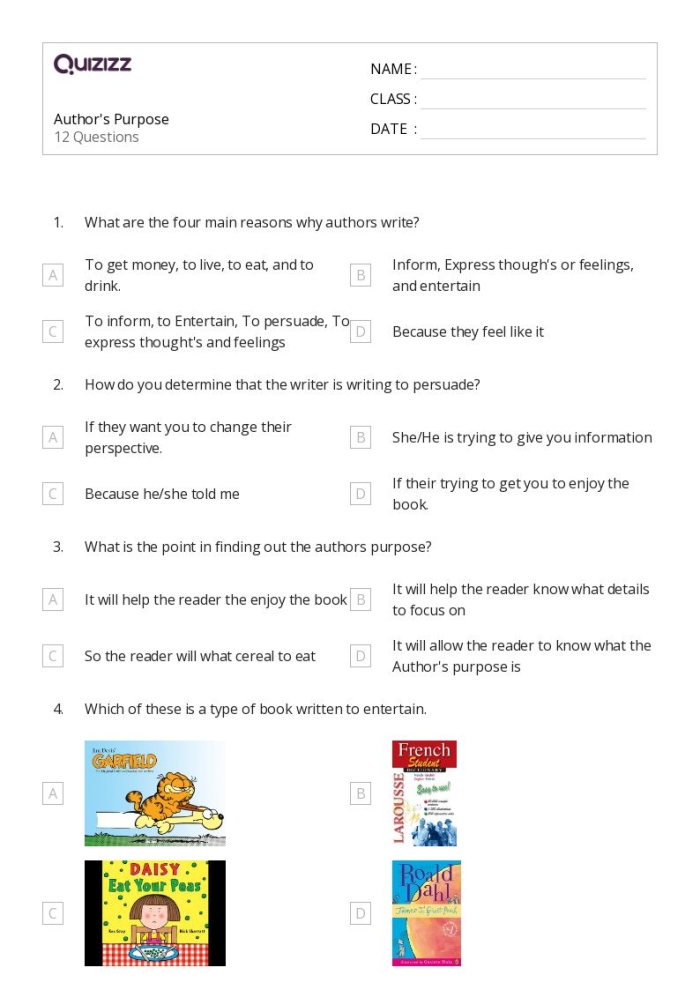
Using P-I-E with multiple choice worksheets gives students practice applying this framework. When they see a question asking why an author wrote something, they can mentally check each letter. Did the author try to persuade, inform, or entertain? This method works across all subjects, whether students are reading about multiplication as adding groups or exploring figurative language.
Once students master P-I-E, they become more confident readers who understand not just what they’re reading, but why the author chose to write it. This foundation strengthens their comprehension skills throughout their academic journey.
Hands-On Worksheet Activities