Fun Printable Worksheets for Classifying Rocks in 3rd Grade

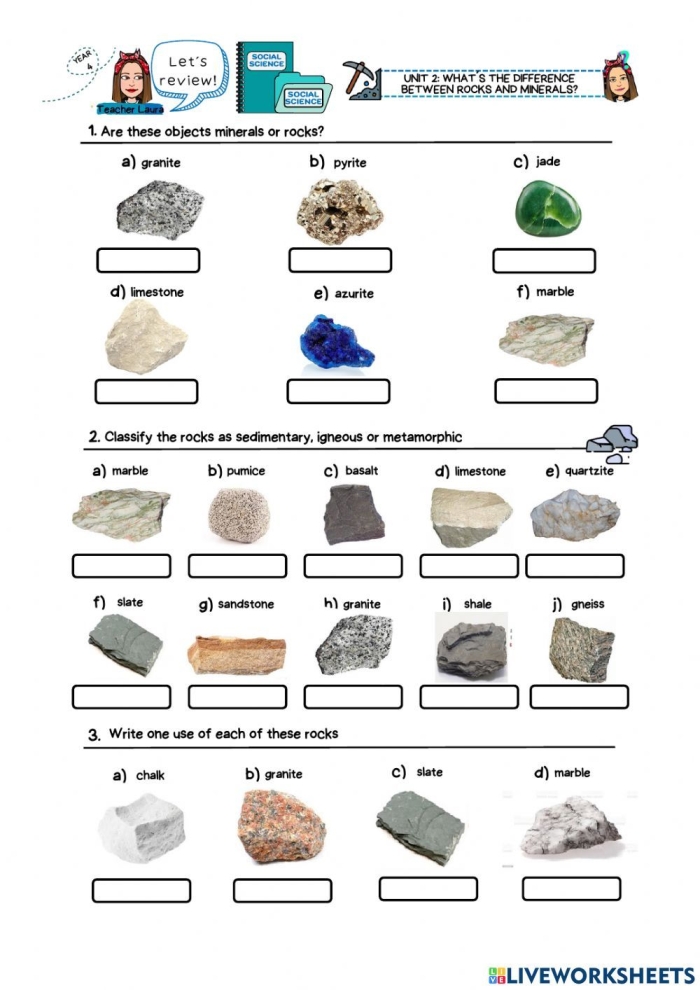
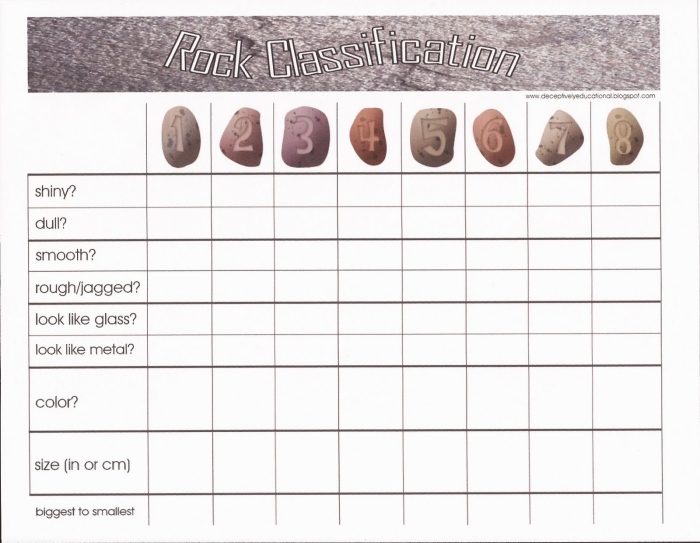
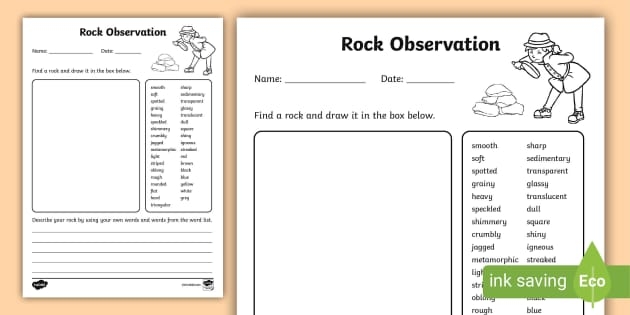
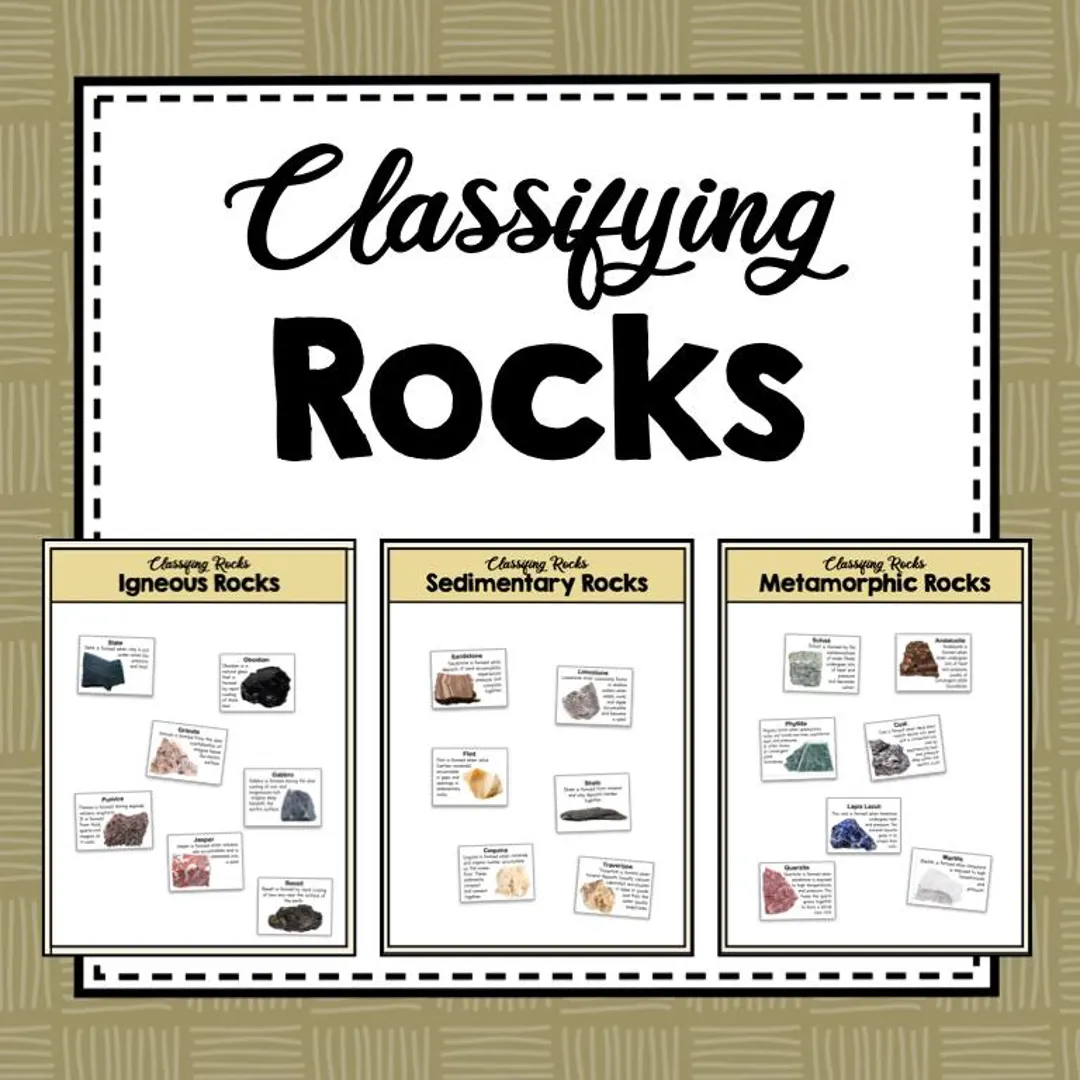
Colorful Classifying Rocks worksheet for third graders introducing various rock types
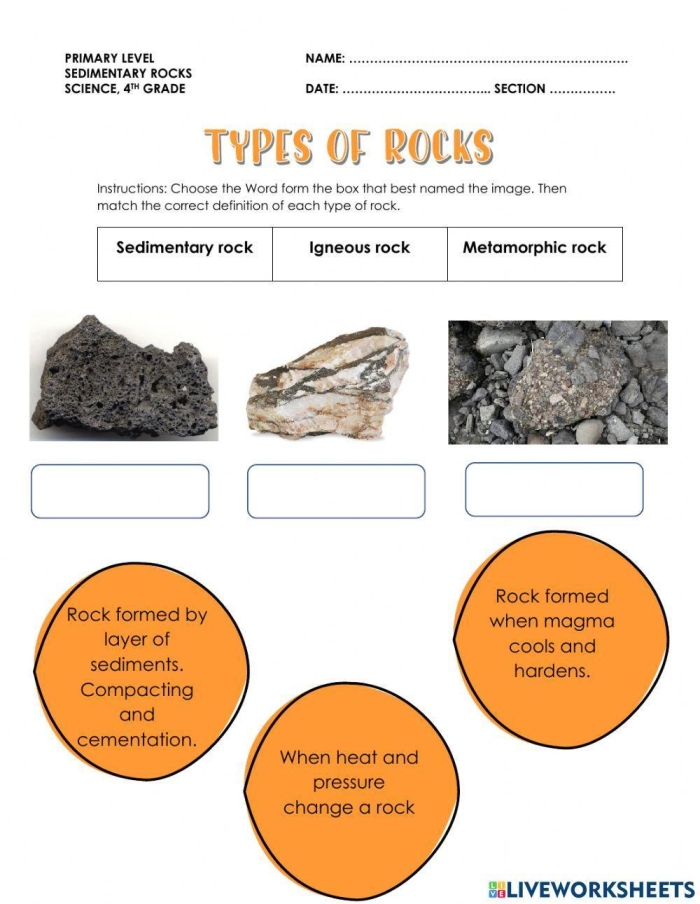
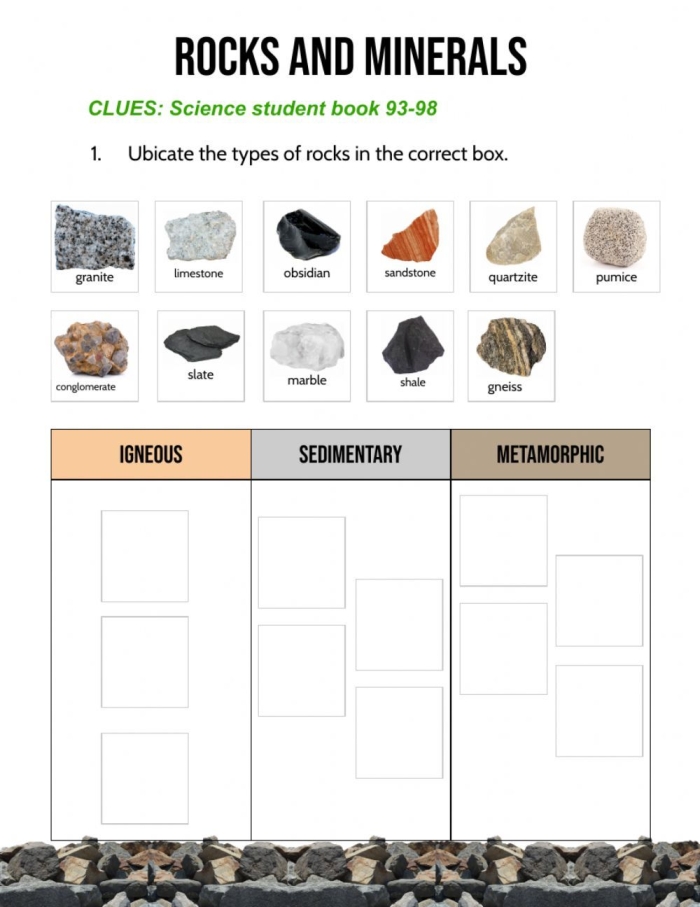
Illustration of a Classifying Rocks worksheet aimed at third-grade students
Category: Alphabet | Grade: Third Grade

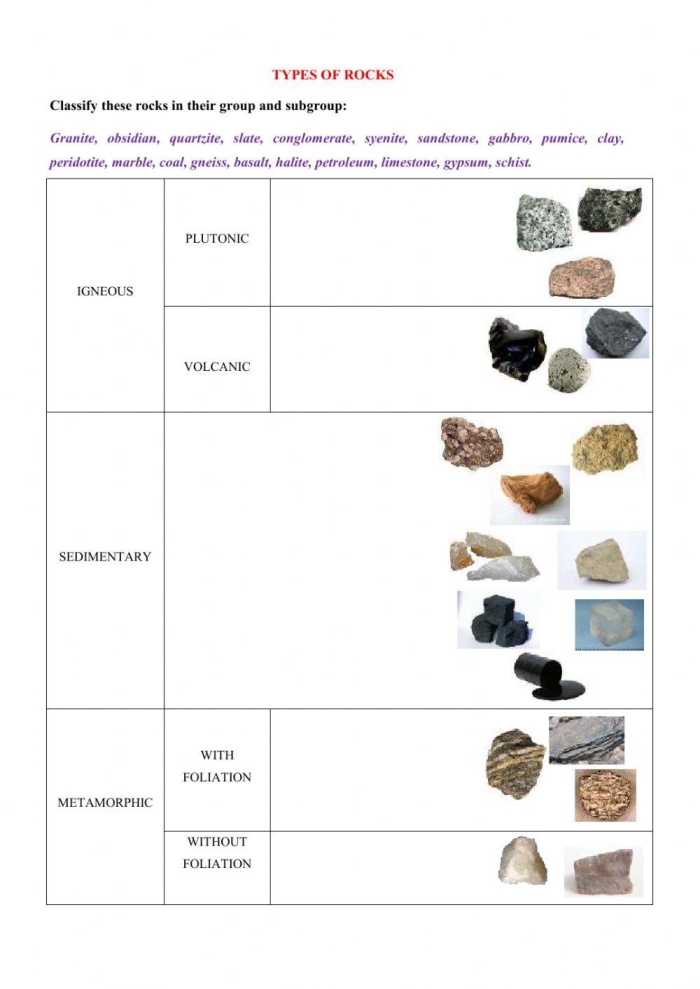
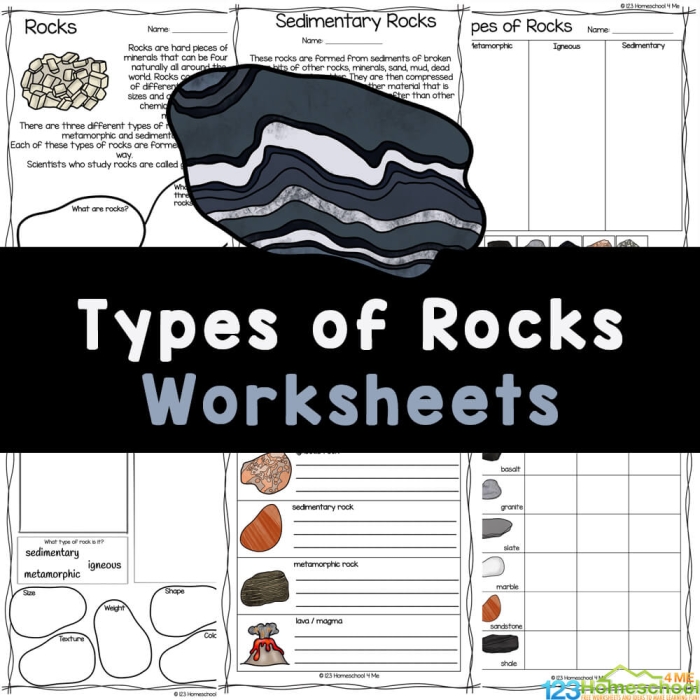
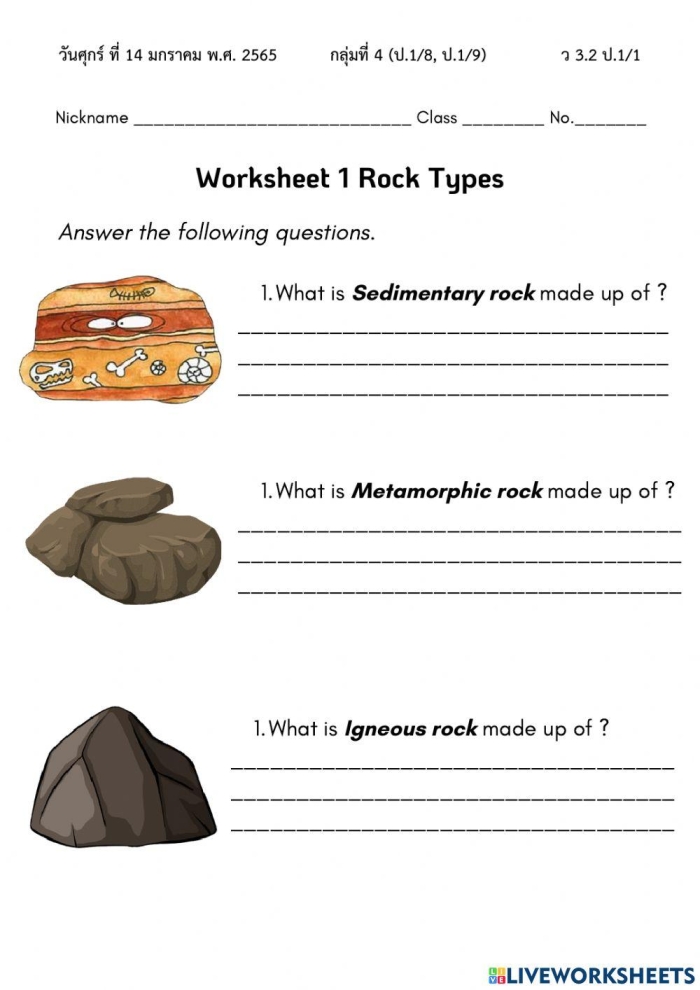
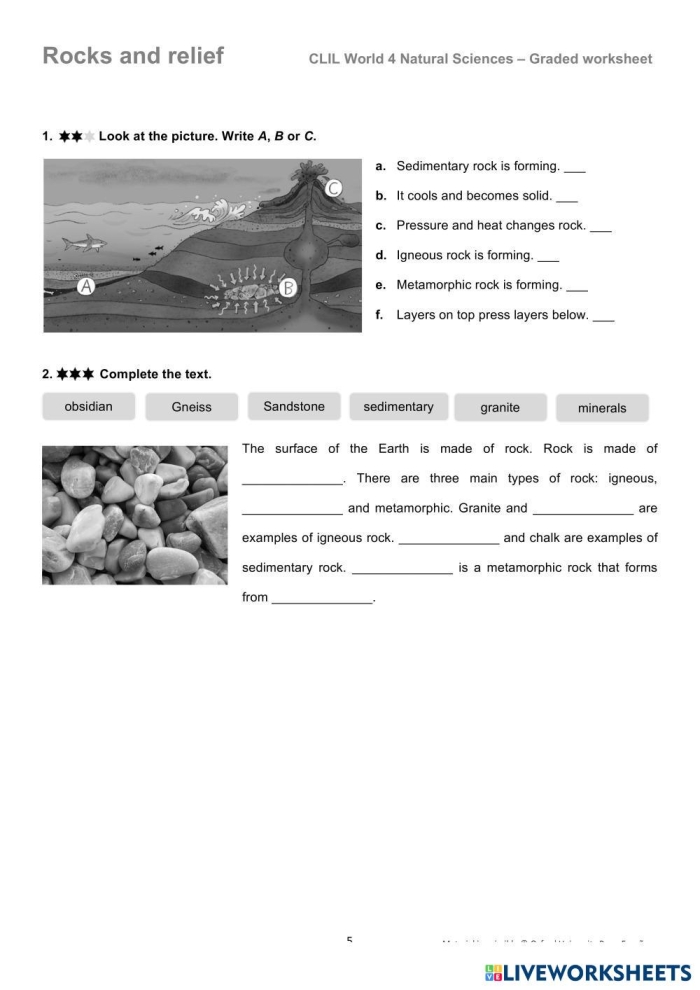
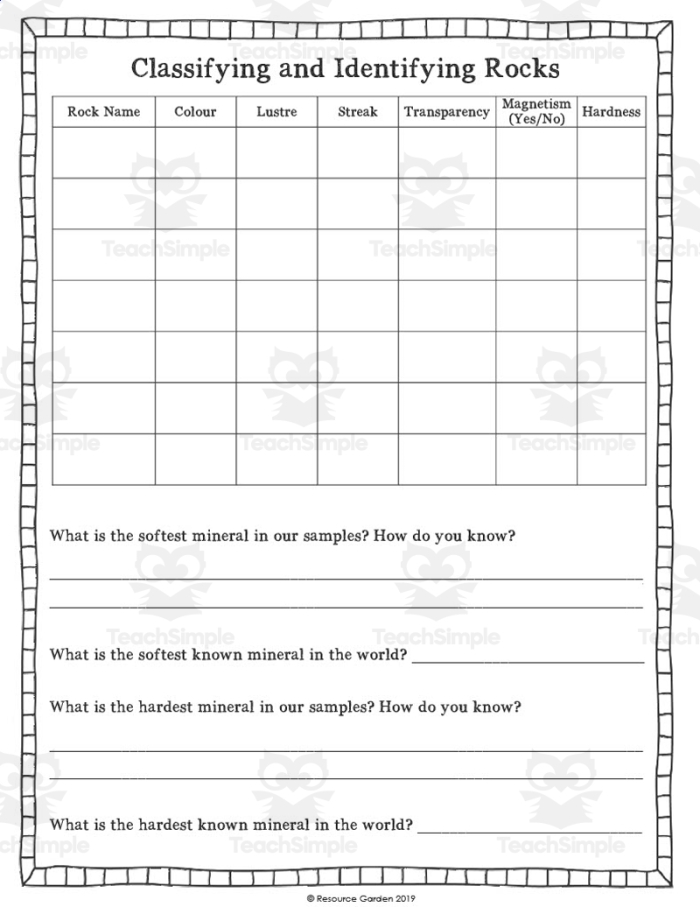
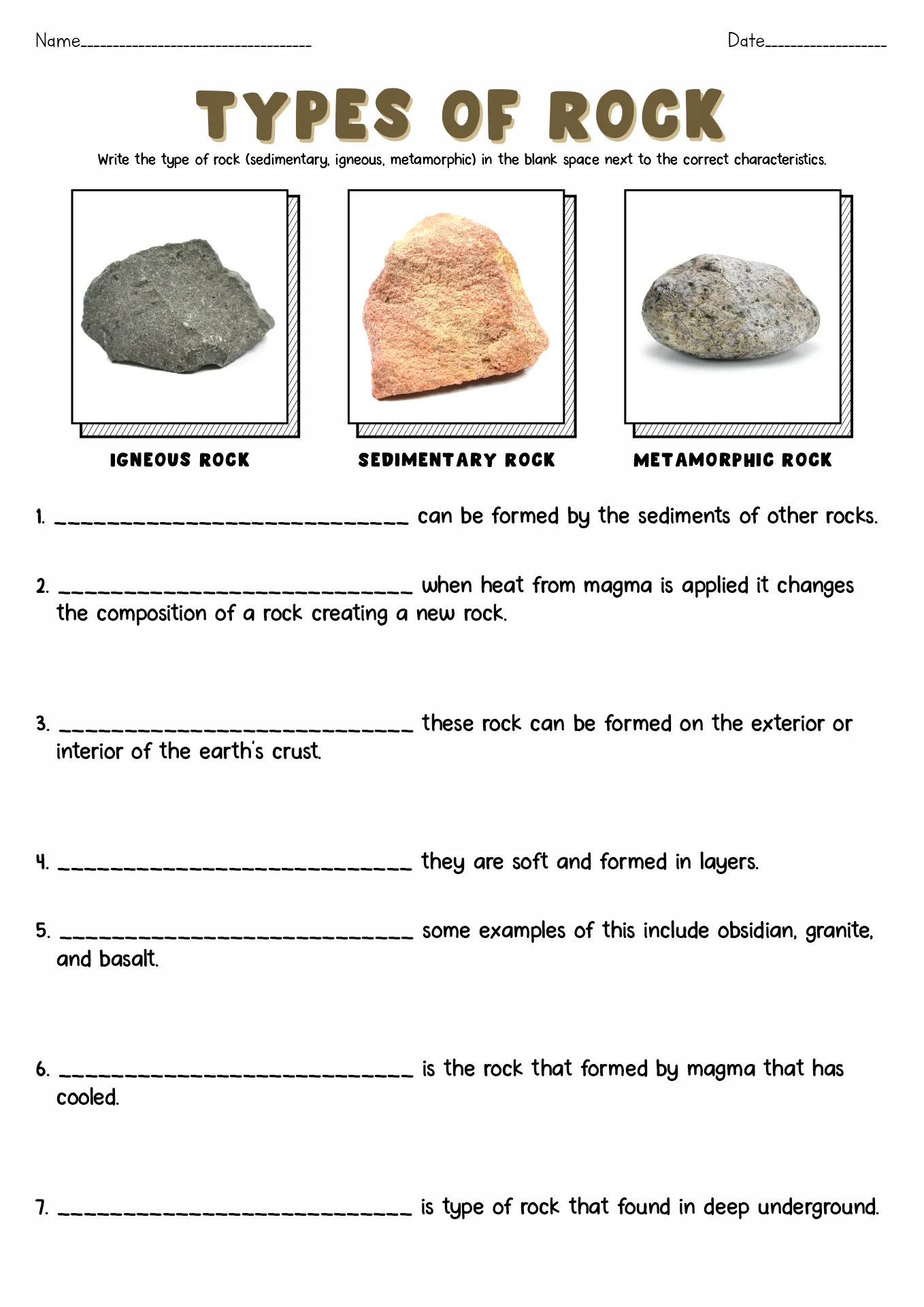
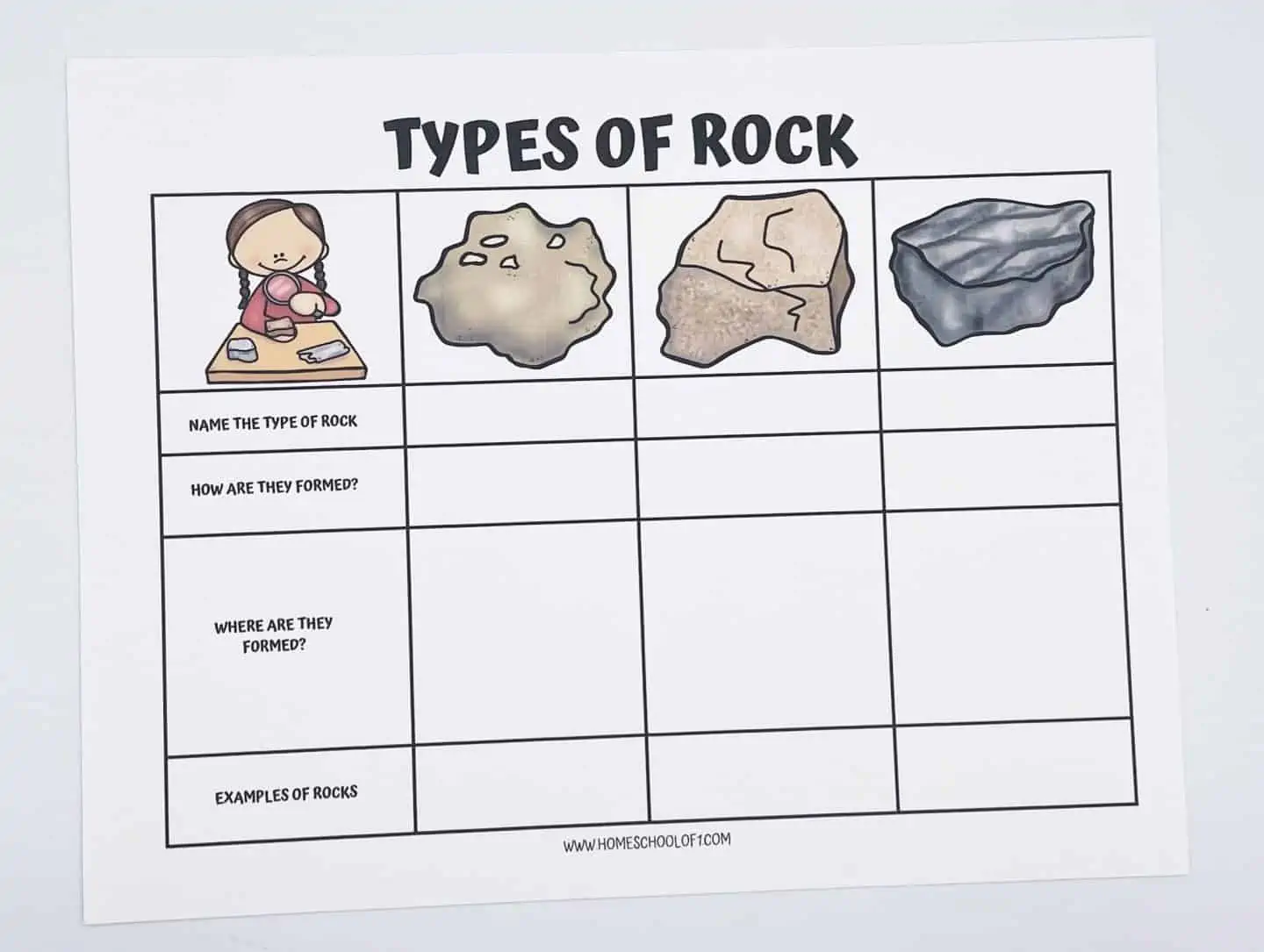
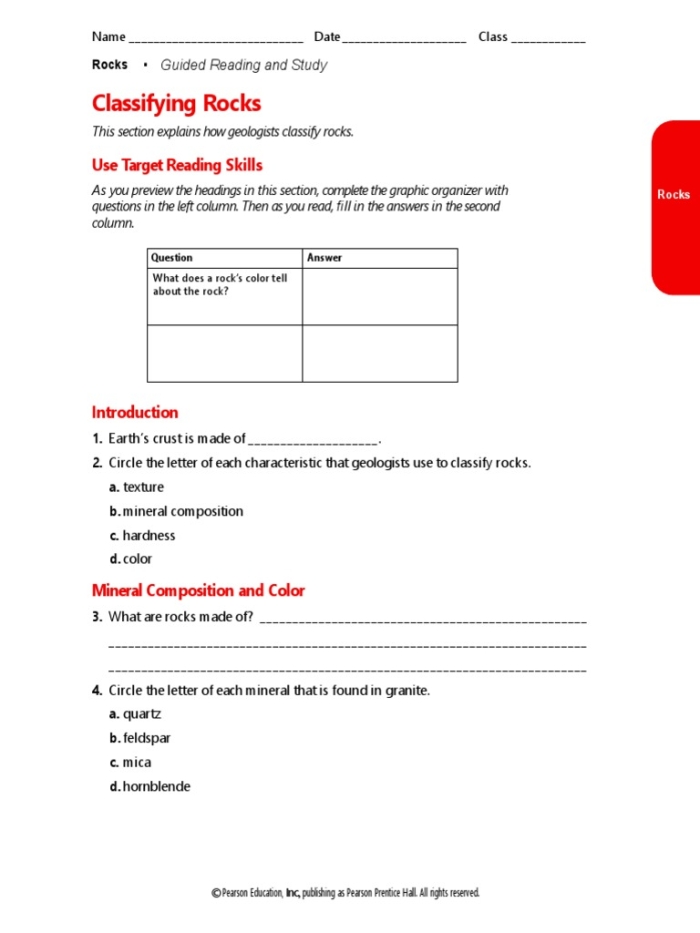
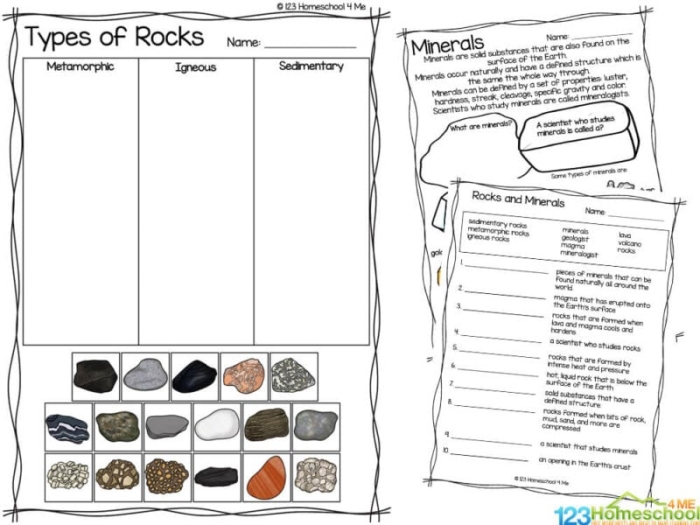
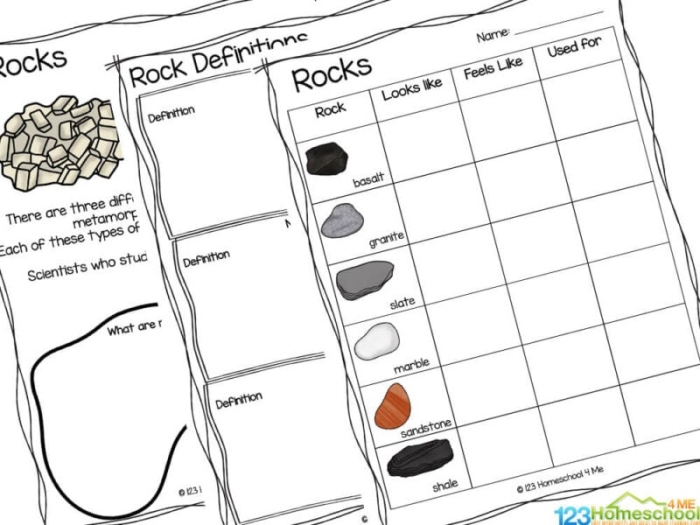
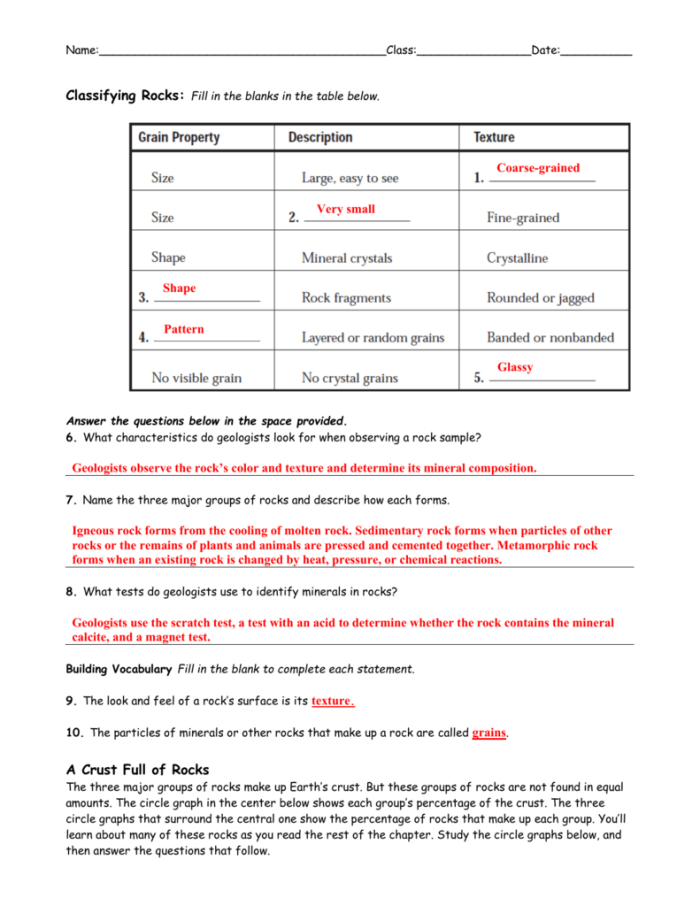
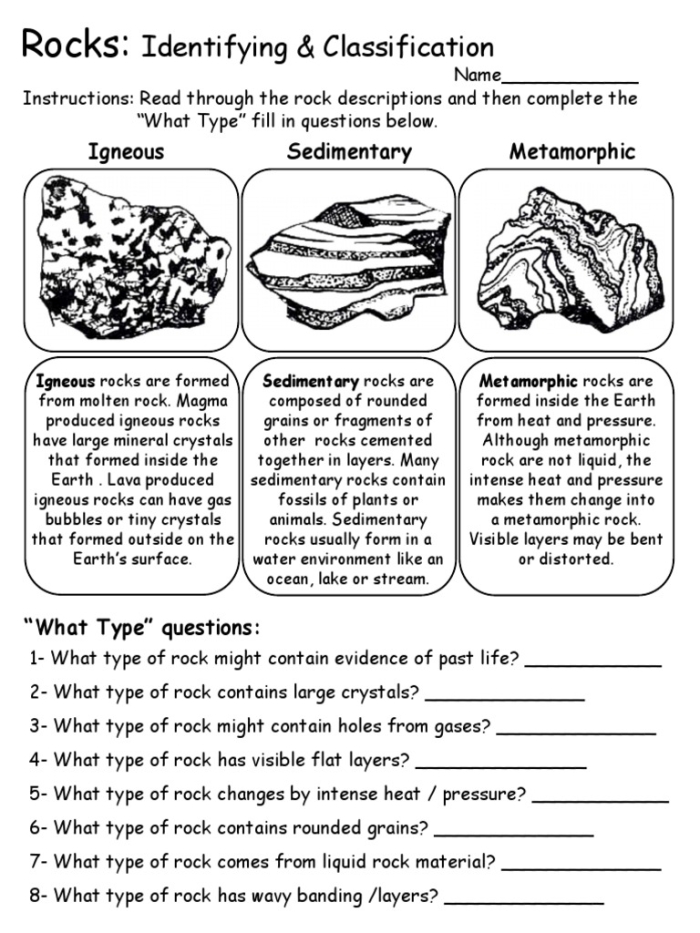
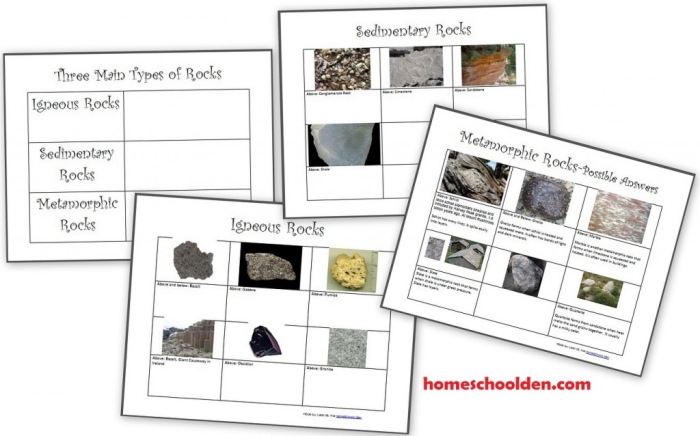
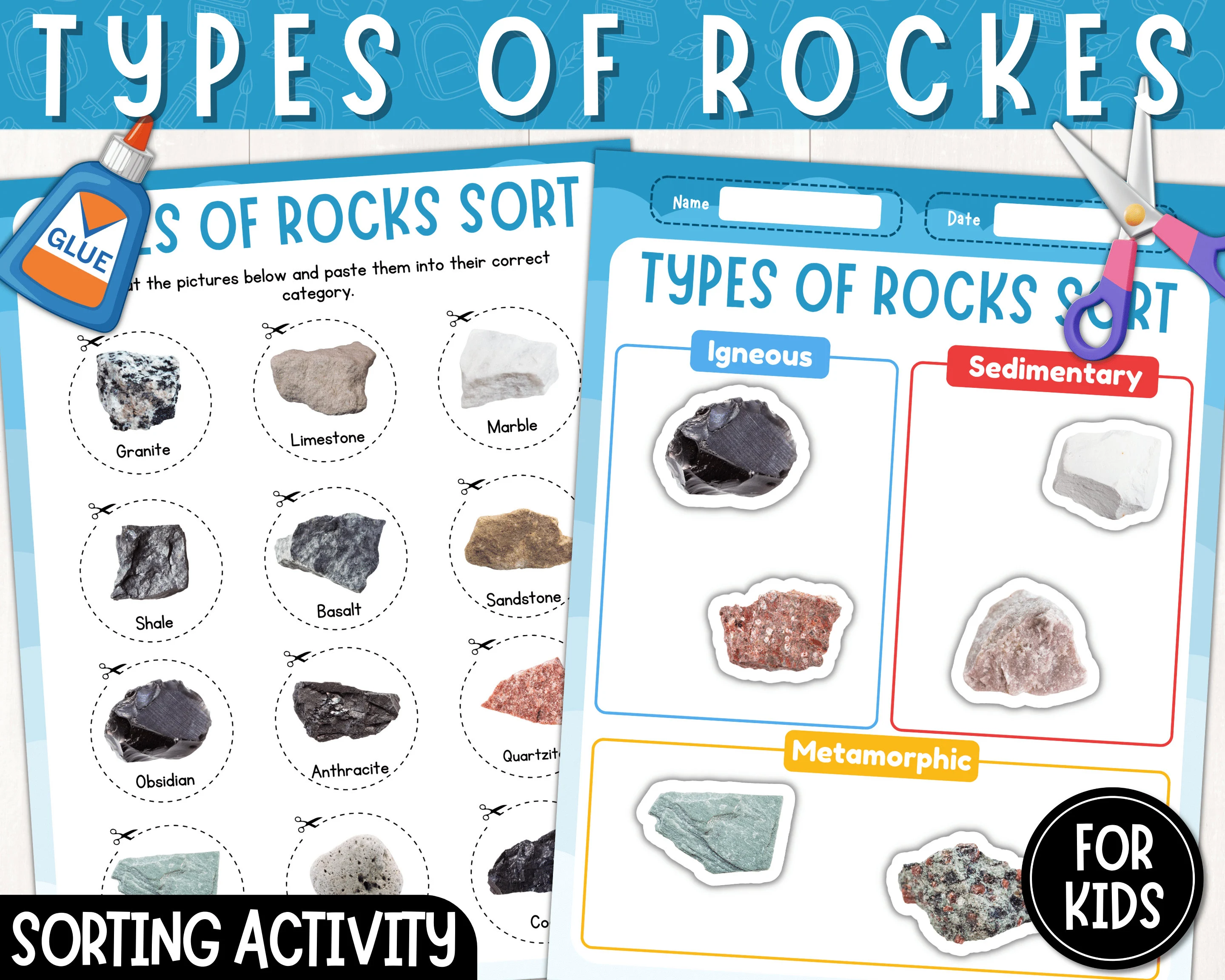
Rocks form the very backbone of our planet, and understanding their types can spark a curiosity about the Earth’s processes. There are three main categories of rocks: igneous, sedimentary, and metamorphic, each with its distinct characteristics and formation processes.

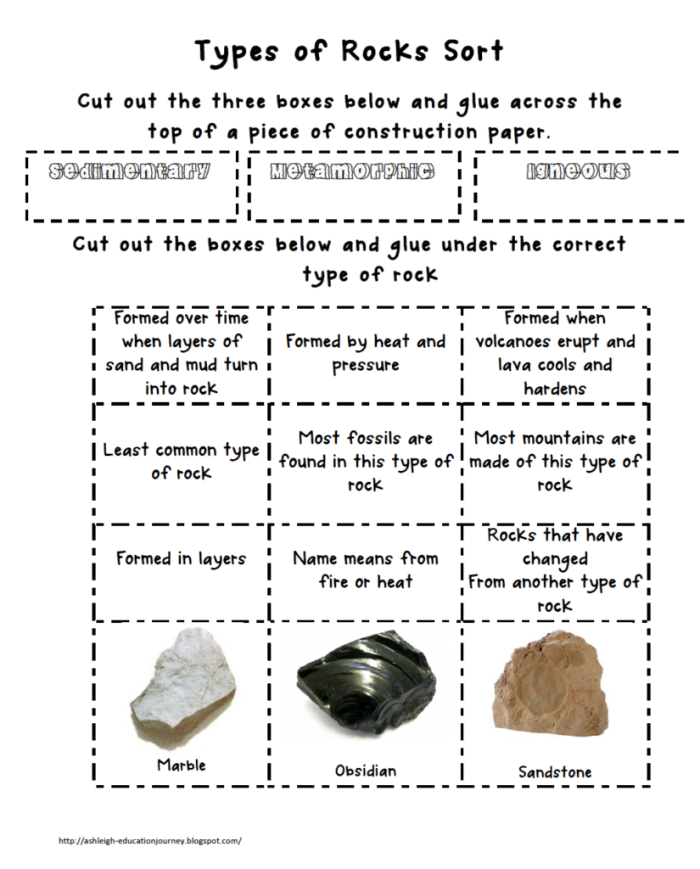
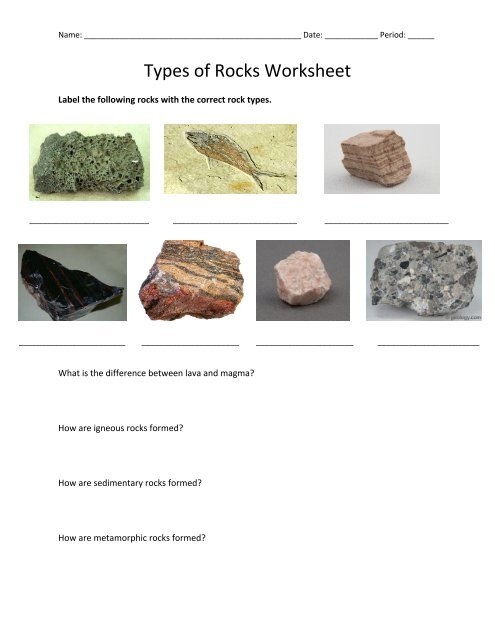
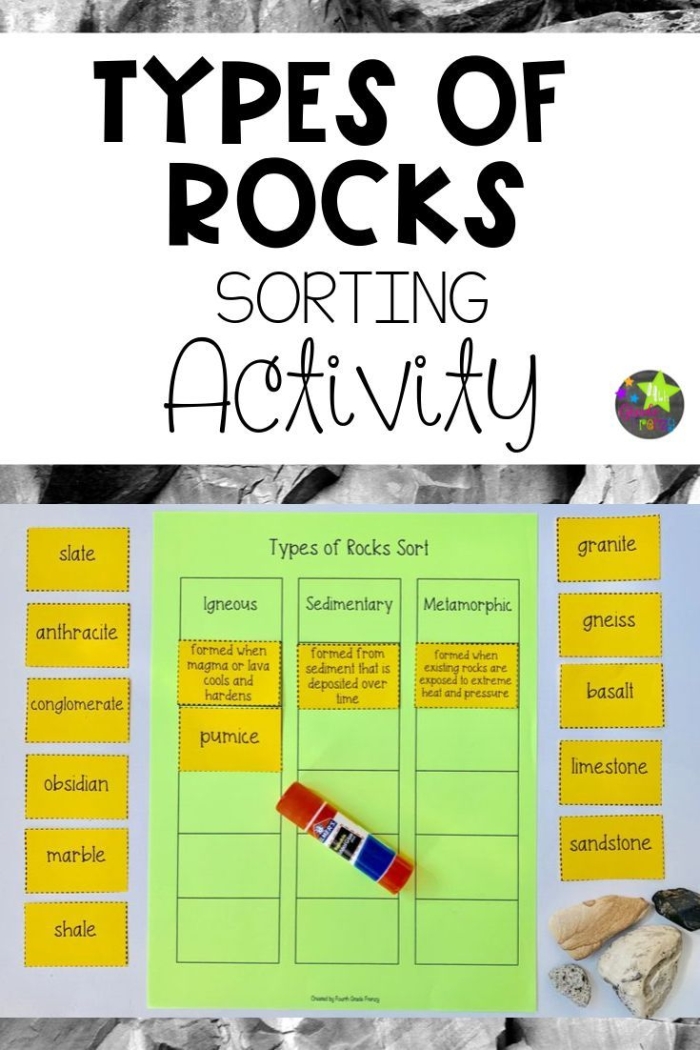
Igneous rocks are born from the cooling and solidification of molten material called magma. When magma erupts onto the surface through a volcano, it cools quickly, forming rocks like basalt or pumice. These rocks can often tell us about volcanic activity and the conditions under which they formed. For example, the smooth texture of obsidian, a type of volcanic glass, results from rapid cooling that prevents crystal formation.

On the other hand, sedimentary rocks develop over time from the accumulation of sediments. These sediments can include fragments of other rocks, minerals, and even organic material. Over time, pressure compacts these layers, leading to the formation of rocks like sandstone or limestone. Sedimentary rocks are crucial because they often contain fossils, providing insights into Earth’s history and past life.

Metamorphic rocks are perhaps the most fascinating. They begin as either igneous or sedimentary rocks and are transformed under heat and pressure within the Earth’s crust. This process can change both the mineral composition and texture of the rock. For instance, limestone can metamorphose into marble, a beautiful and sought-after stone often used in sculptures and buildings.

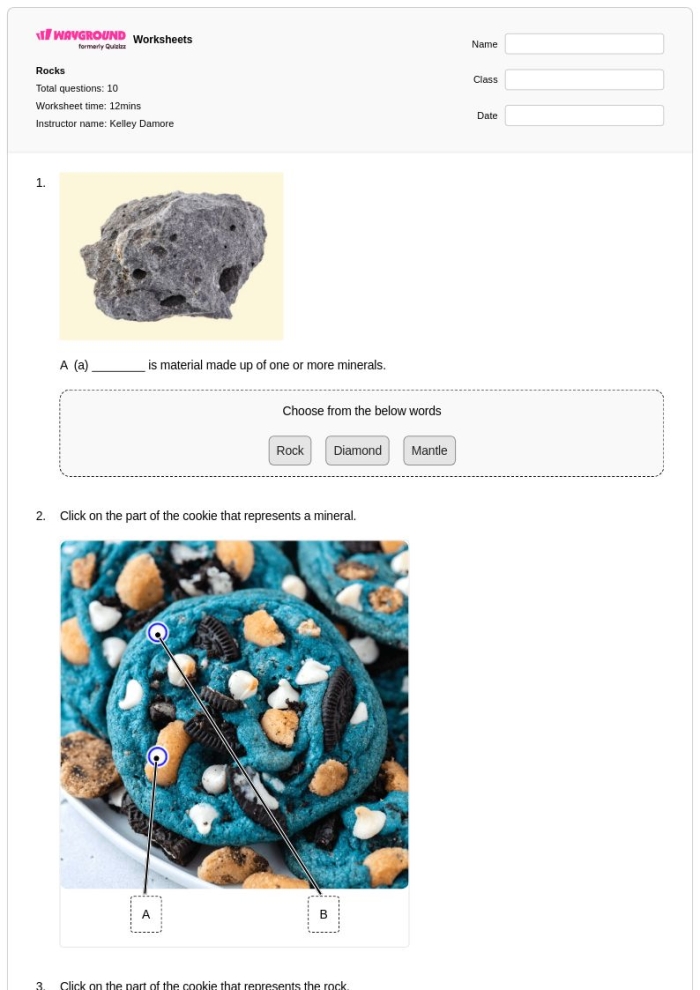
Understanding these rock types not only enriches our knowledge of geology but also enhances our appreciation of the natural world. For third graders interested in classifying rocks, engaging resources like printable classifying rocks worksheets can make learning fun and interactive. By exploring the characteristics of these rocks, students can connect classroom lessons to the environment around them.


Hands-On Worksheet Activities
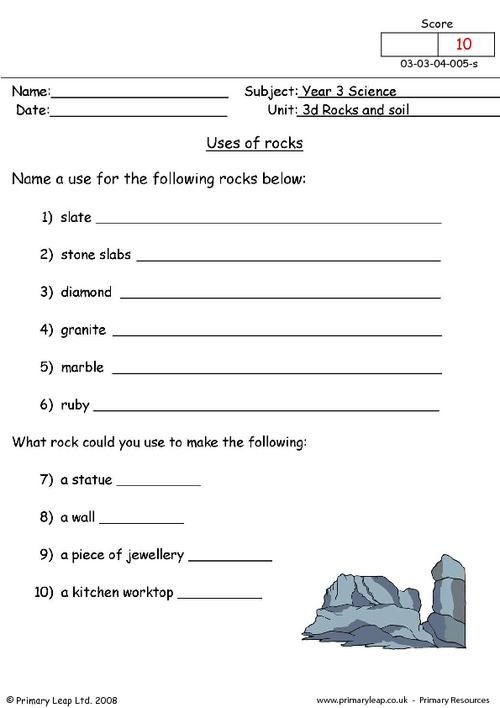
Colorful Classifying Rocks worksheet for third graders introducing various rock types
Illustration of various rock types for a Classifying Rocks worksheet
Classifying rocks worksheet for third graders featuring various rock types
Classifying Rocks worksheet for third graders featuring various rock types
A colorful worksheet for third graders on classifying different types of rocks
Classifying Rocks worksheet for third graders featuring various rock types
Classifying rocks worksheet for third graders introducing various rock types
Colorful worksheet for third graders on classifying different types of rocks
Worksheet for classifying various rock types for third graders
Classifying Rocks worksheet for third graders showing various rock types
Classifying Rocks worksheet featuring various rock types for third graders
Classifying rocks worksheet for third graders showcasing various rock types
Classifying Rocks worksheet for third graders showcasing various rock types
Classifying Rocks worksheet for third graders introducing various rock types
ALT text for a third-grade worksheet introducing various rock types
ALT text for Classifying Rocks worksheet aimed at third graders, featuring various rock types
Worksheet for Classifying Rocks featuring various rock types for third graders
Classifying rocks worksheet for third graders featuring various rock types
Classifying Rocks worksheet for third graders introducing various rock types
A colorful worksheet for third graders on classifying various types of rocks
A colorful worksheet for third graders on classifying different types of rocks
Classifying Rocks worksheet for third graders showcasing various rock types
Classifying Rocks worksheet for third graders introducing various rock types
Classifying rocks worksheet for third graders introducing various rock types
Classifying Rocks worksheet for third graders, featuring various rock types and their characteristics

Leave a Reply

Your email address will not be published. Required fields are marked *