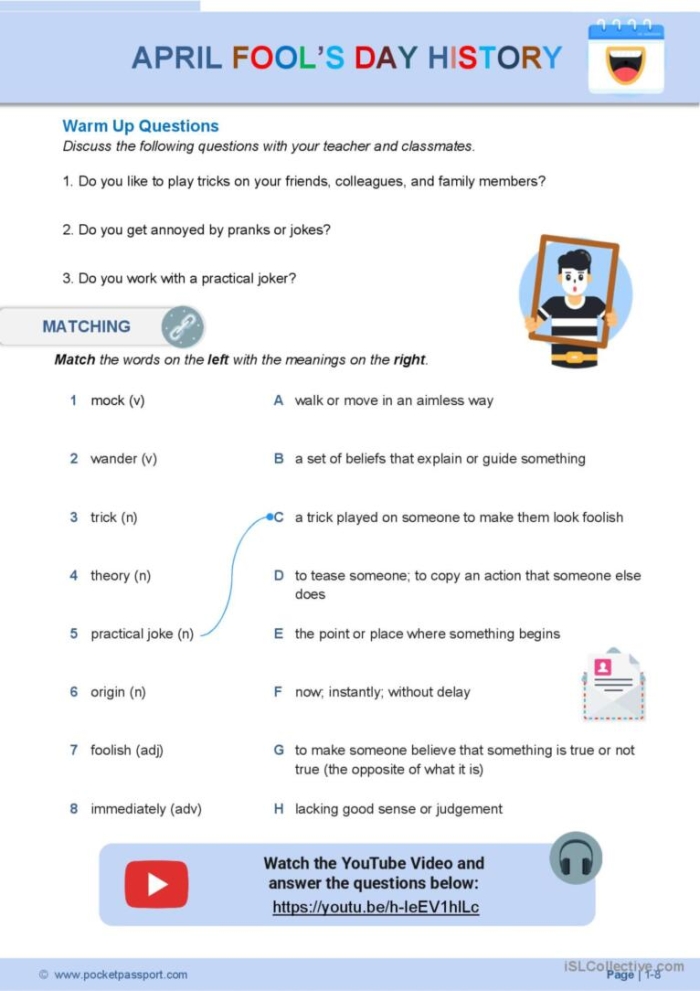
April Fools’ Day brings out the playful side in all of us, inviting laughter through clever pranks and jokes. But have you ever wondered how April 1st became the day dedicated to silliness? The history of this light-hearted holiday is as amusing as the tricks we play.
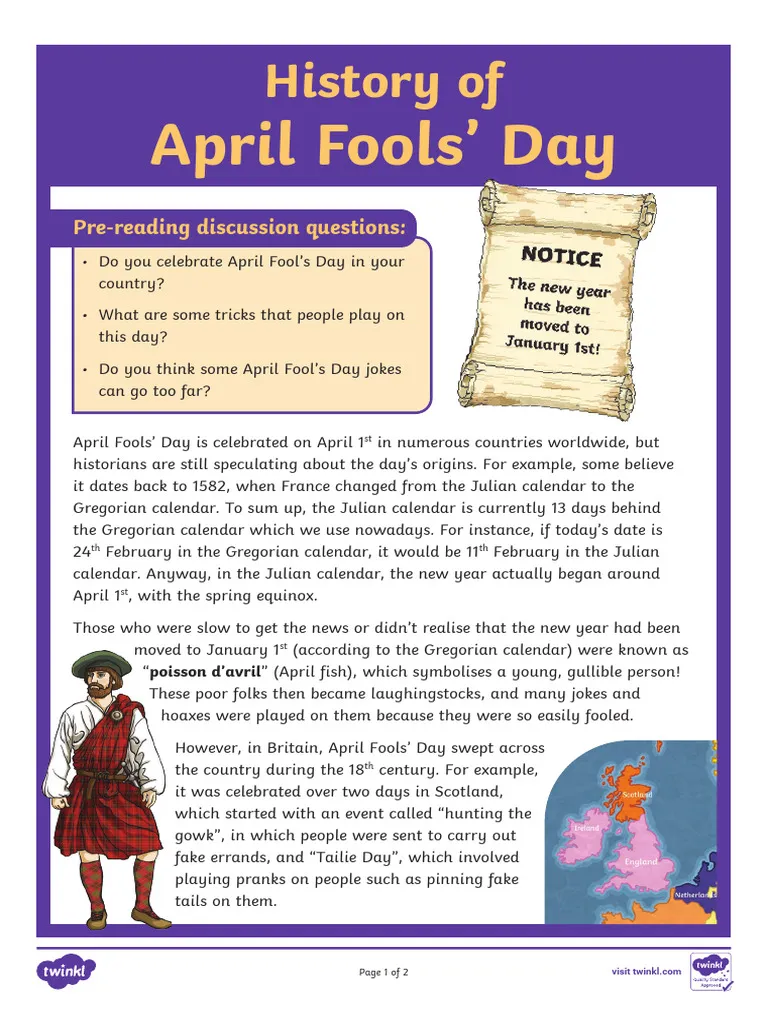
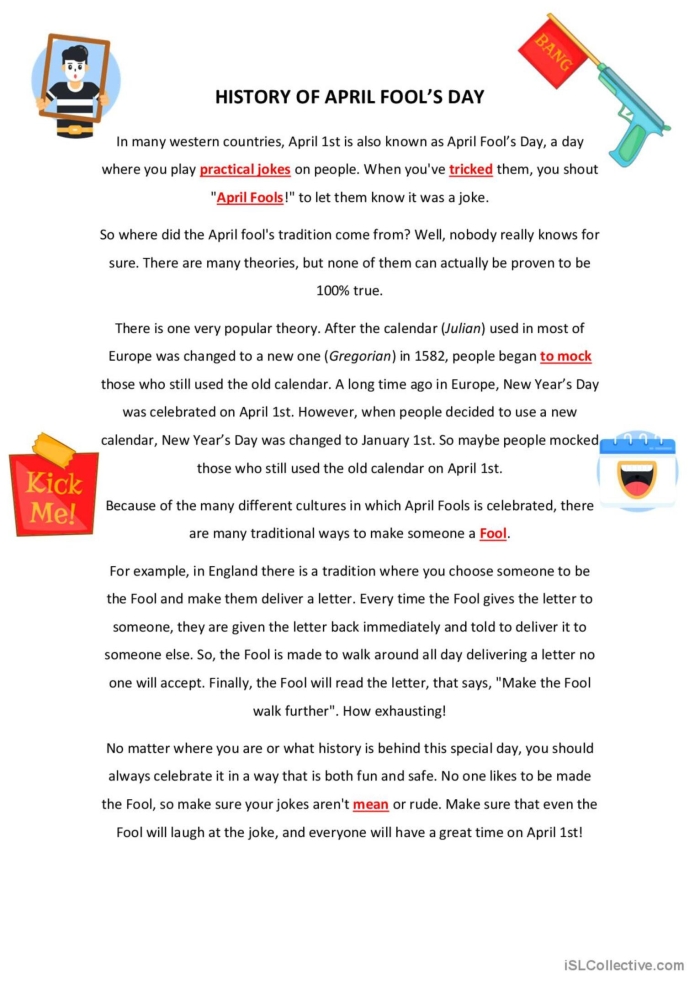
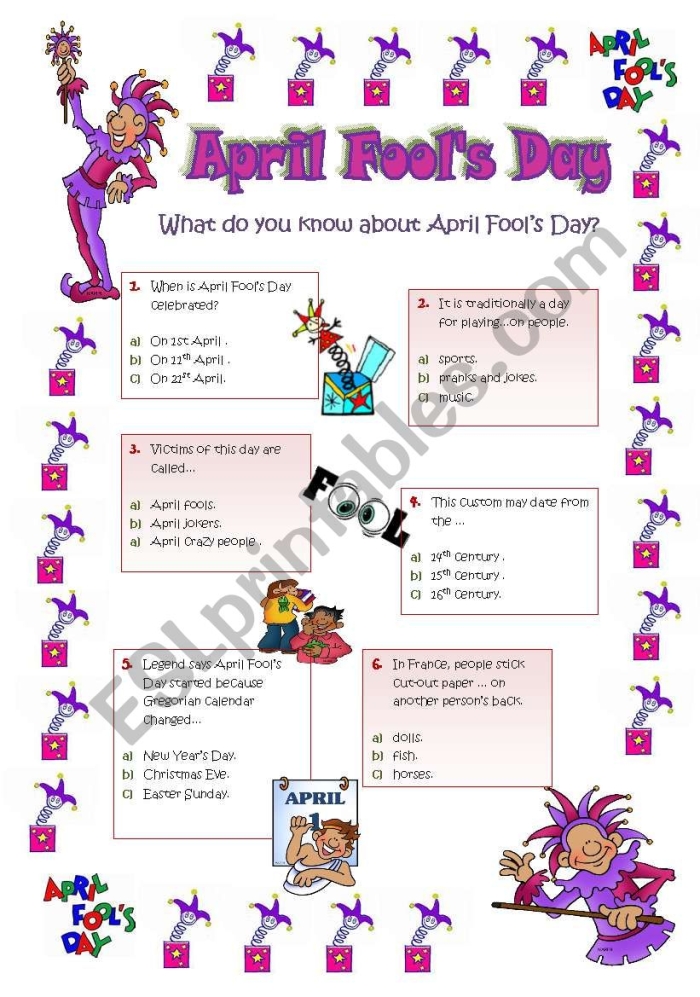
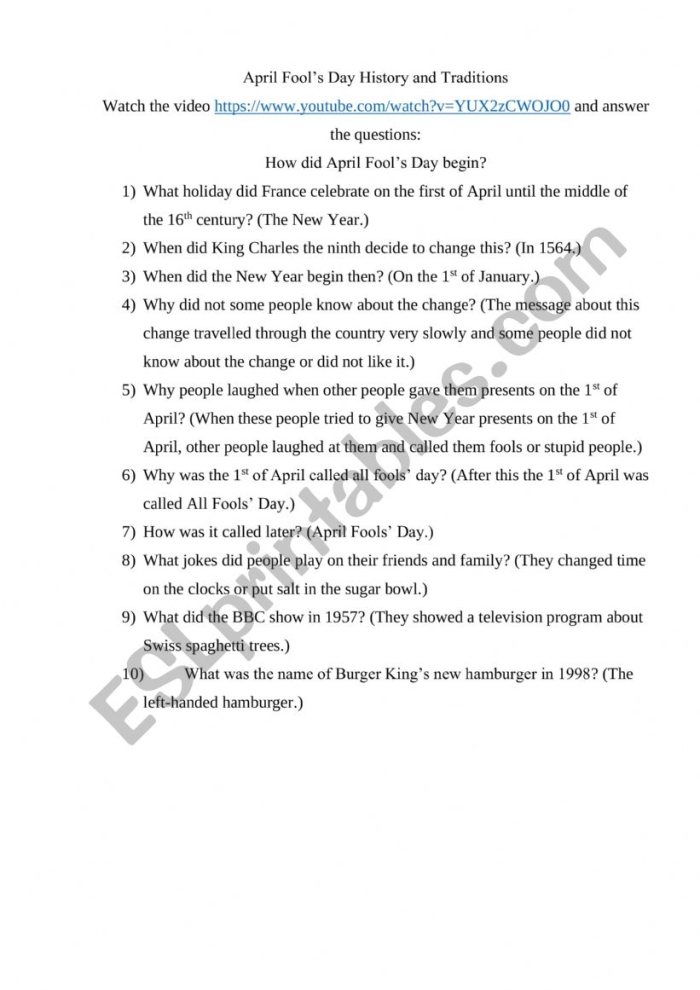
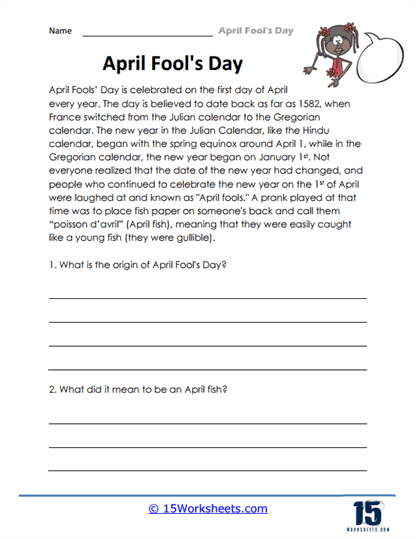
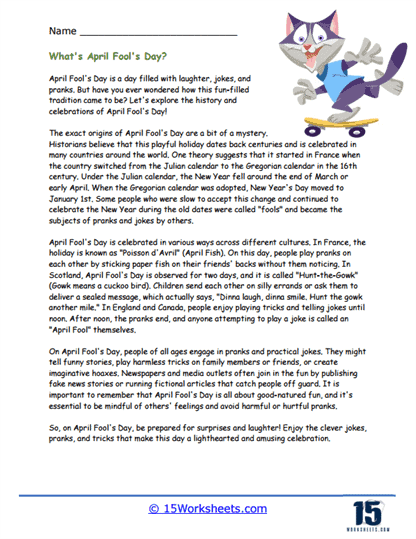
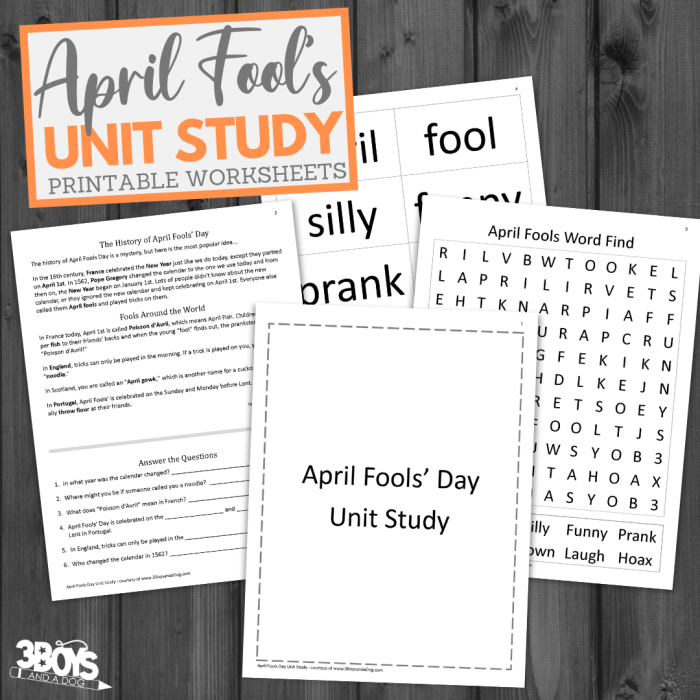
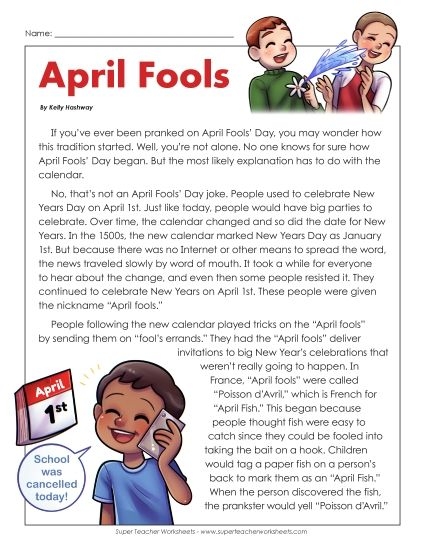
One theory suggests that the tradition dates back to the 16th century when France switched from the Julian calendar to the Gregorian calendar. In this transition, the new year moved from the end of March to January 1st. Those who continued to celebrate the new year on April 1st were labeled as fools, and others would play tricks on them. This notion of trickery gradually evolved into the April Fools’ Day we know today.
Another perspective links the day to ancient Roman and Celtic festivals that celebrated the arrival of spring with playful antics. For instance, the Roman festival of Hilaria involved people dressing in disguises and laughing together. This festive spirit has undoubtedly influenced how we approach April Fools’ Day now.
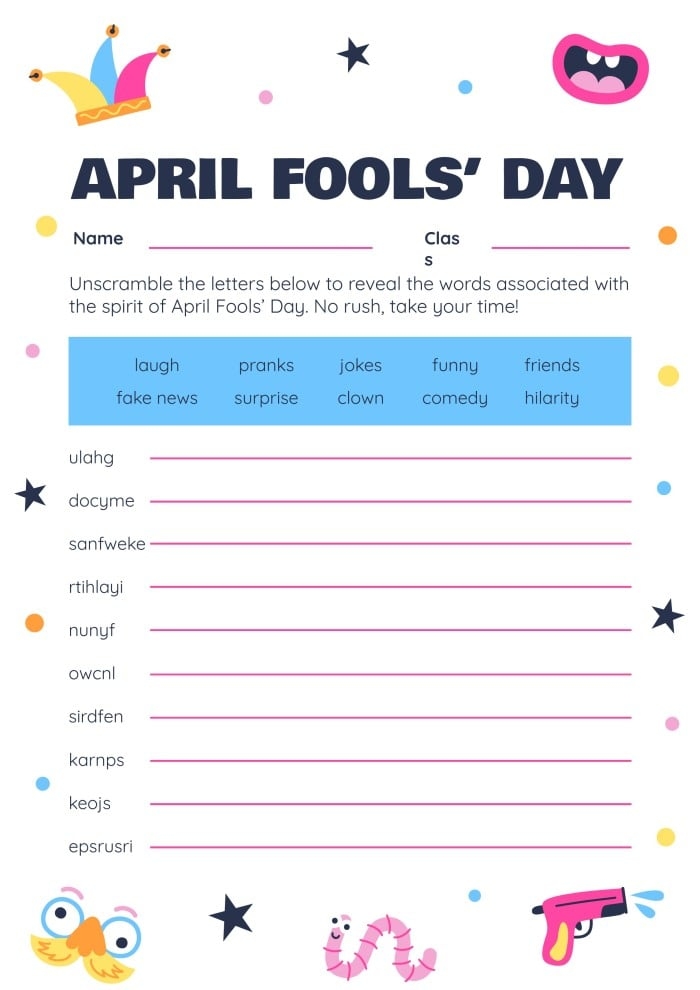
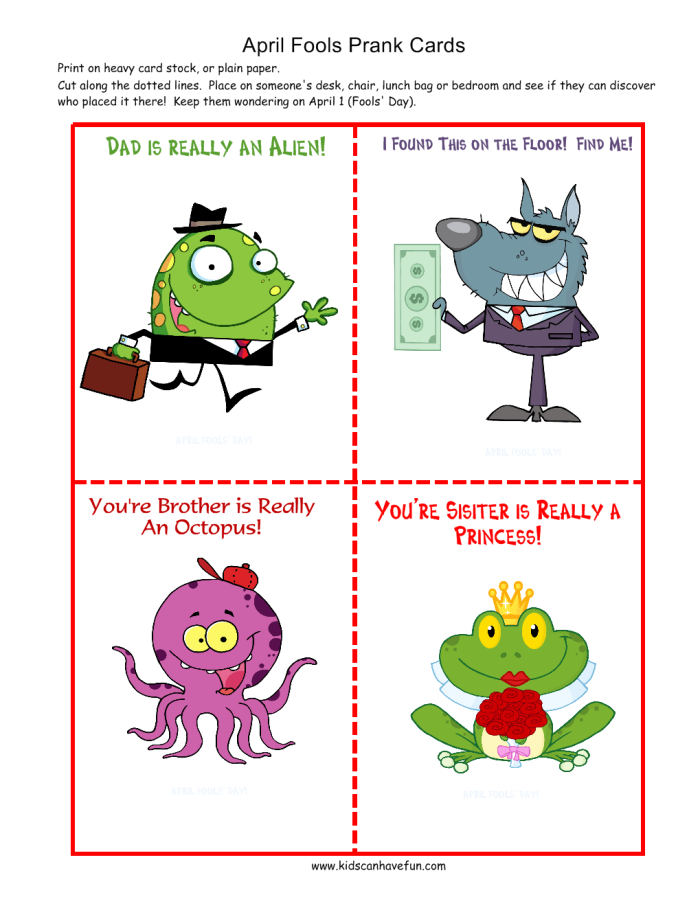
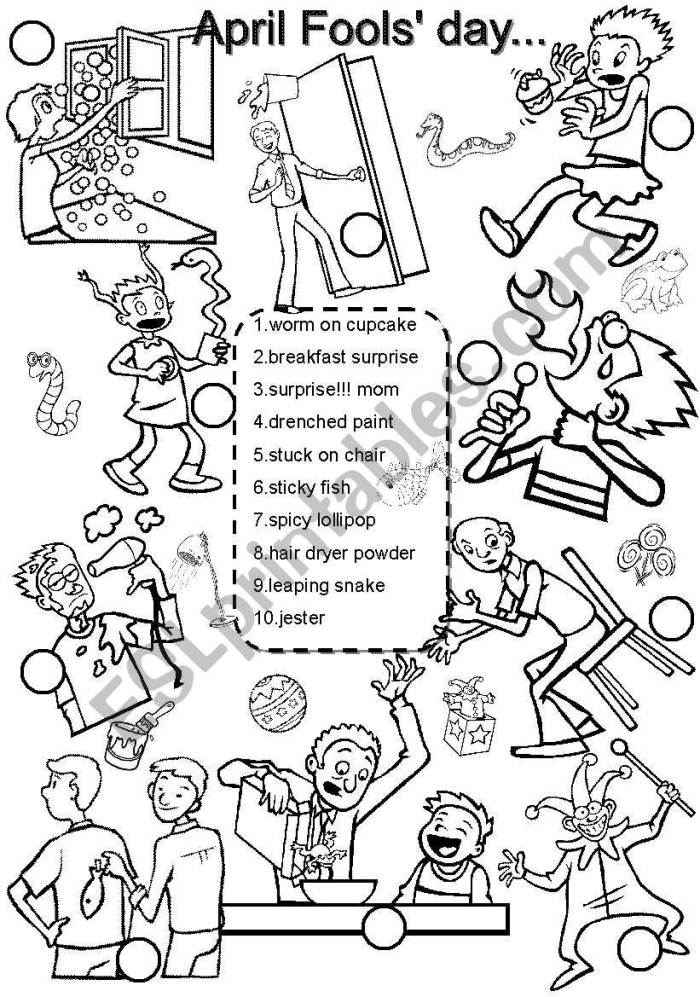
Today, the pranks range from simple jokes to elaborate hoaxes. Popular examples include fake news articles or outrageous advertisements that leave everyone scratching their heads. The creativity behind these pranks often sparks excitement, making it a favorite among children and adults alike.
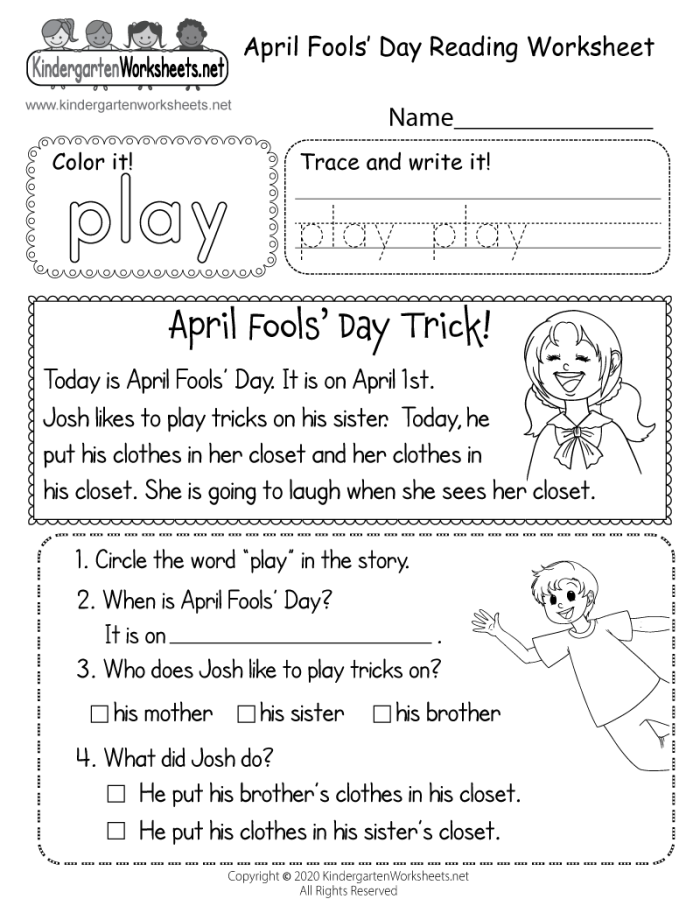
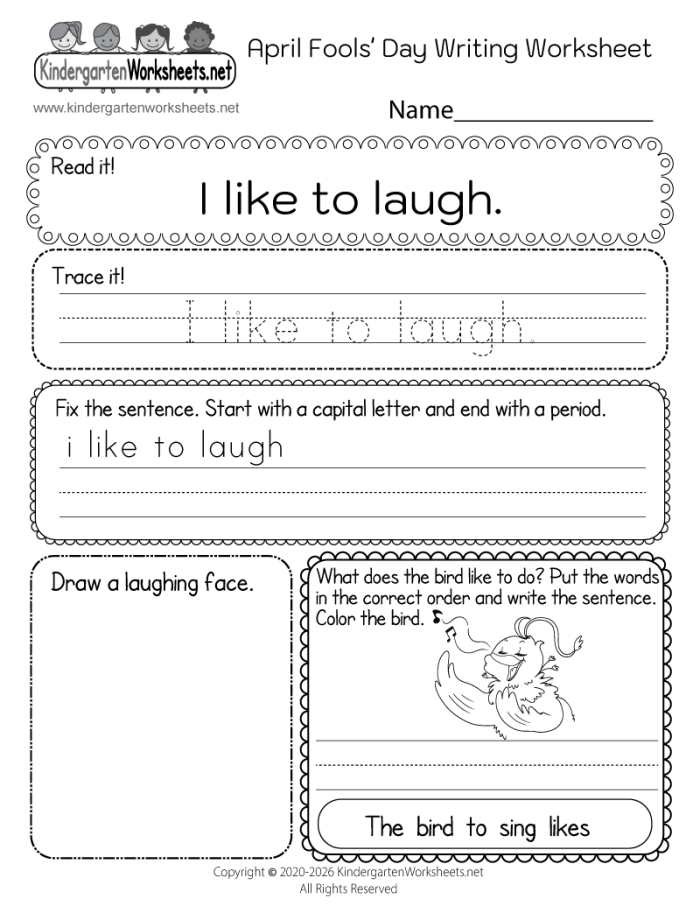
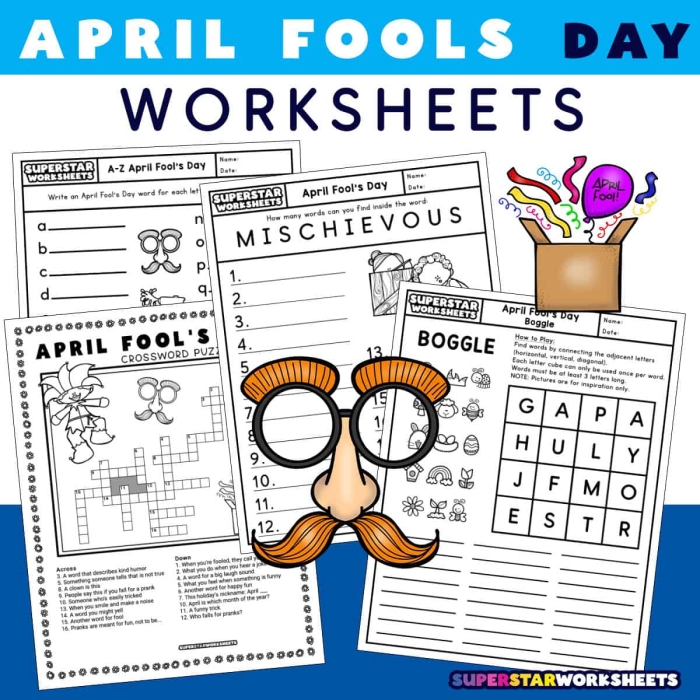
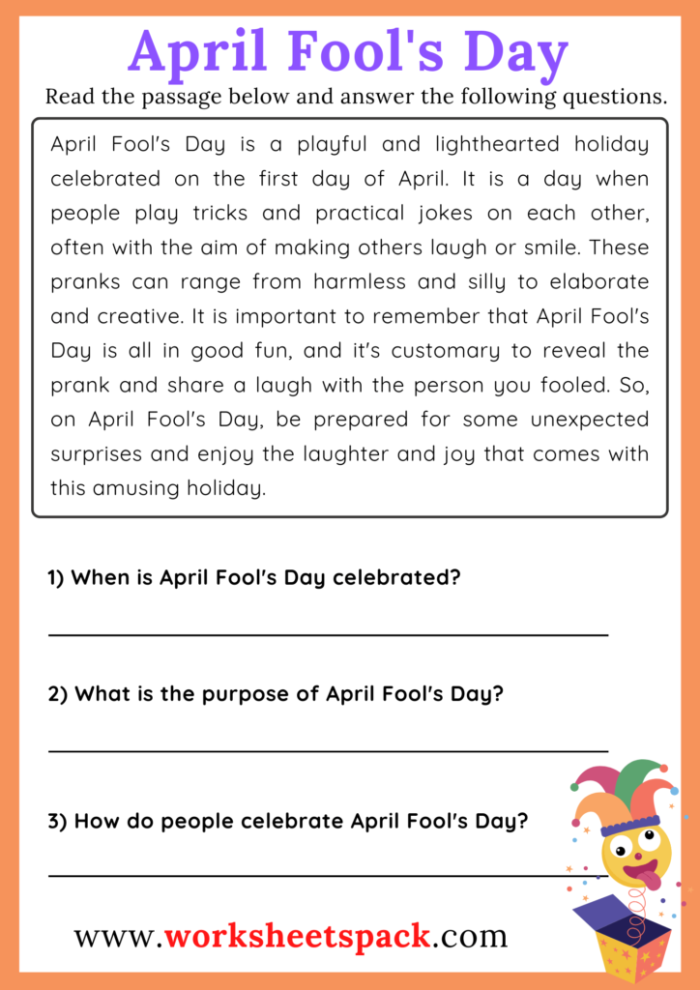
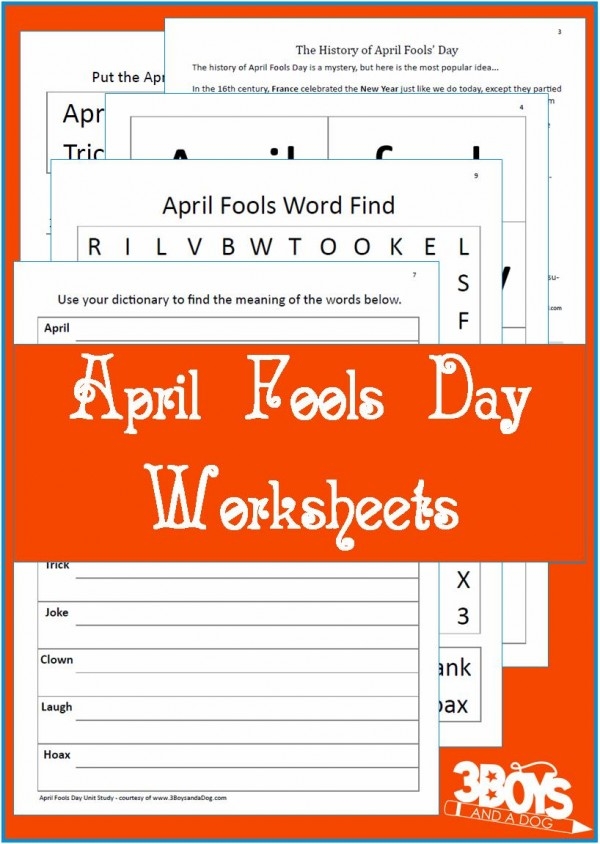
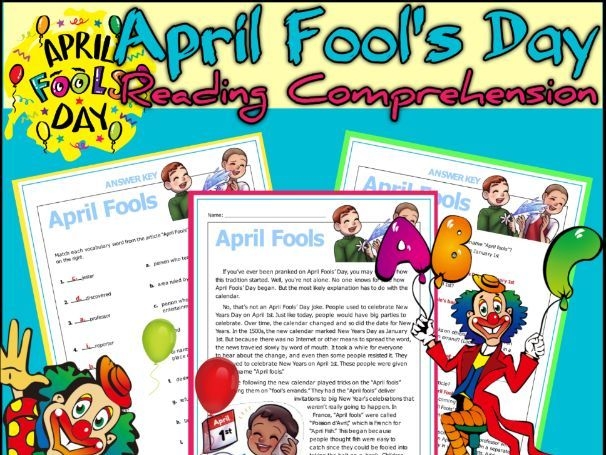
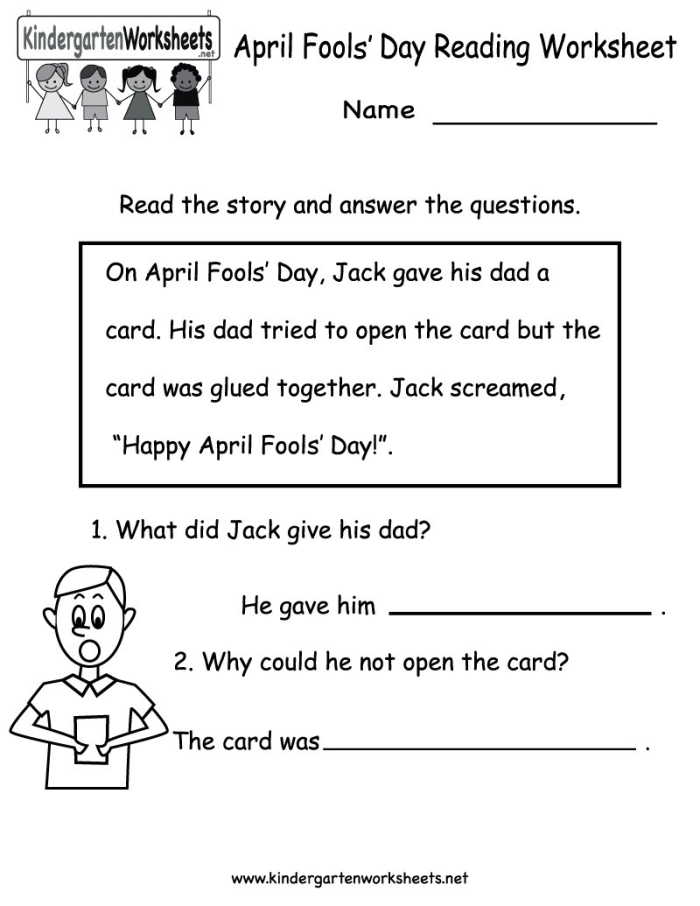
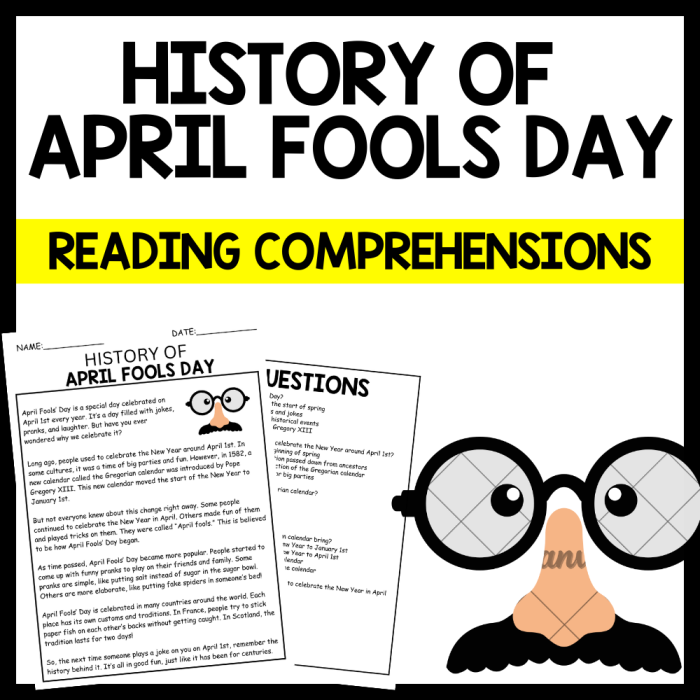
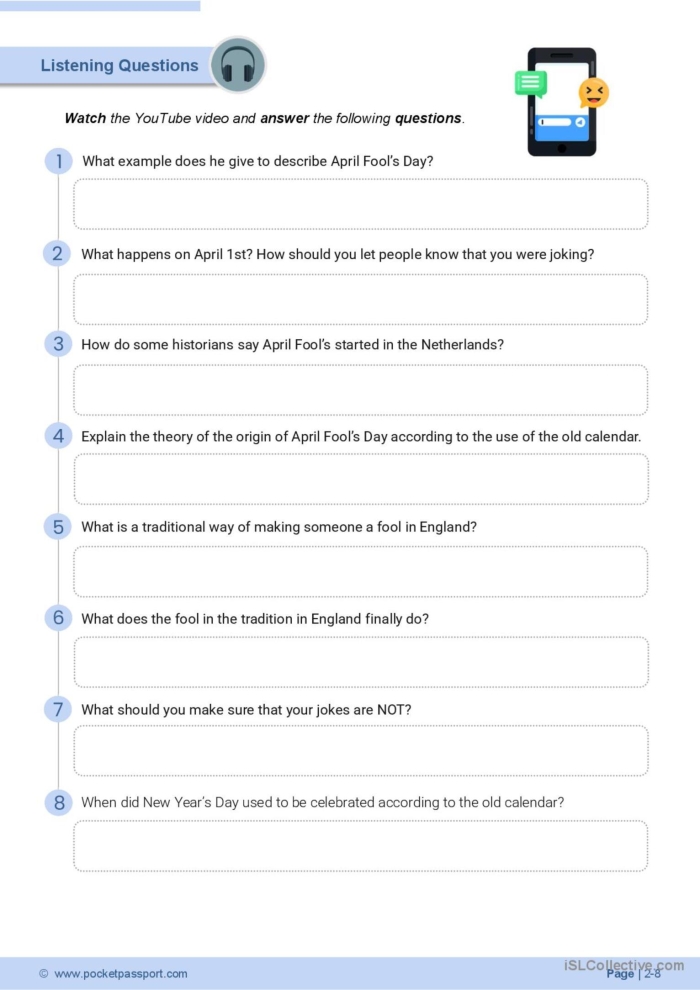
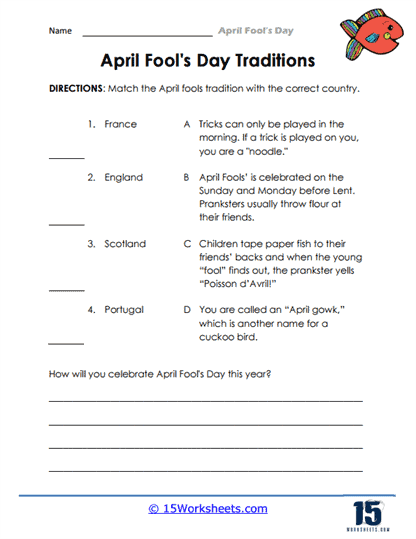
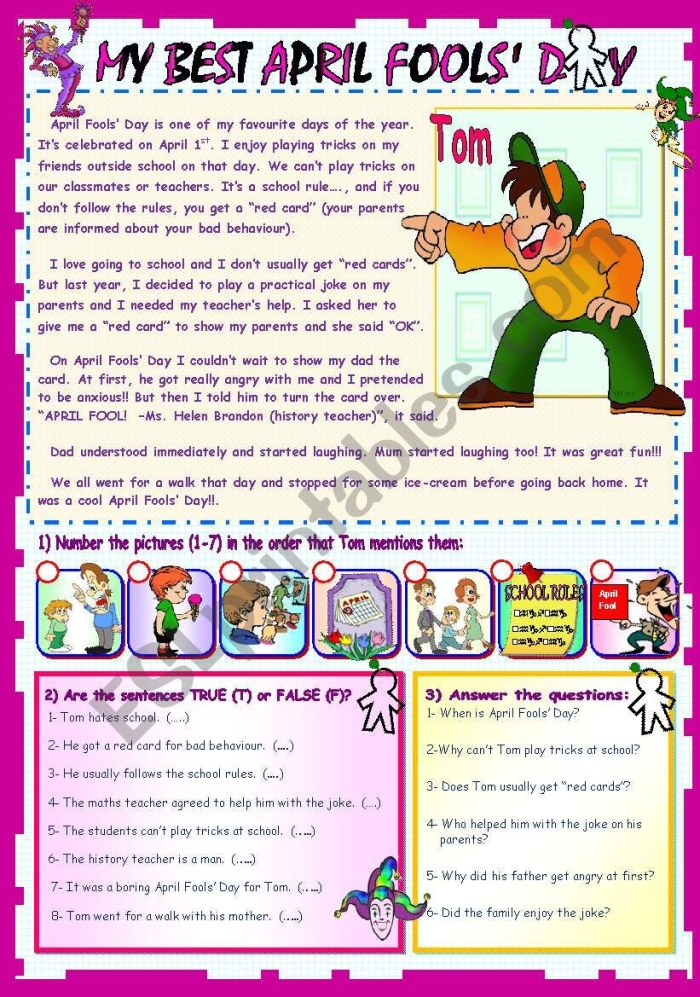
For third graders learning about this history, it can be a fun way to incorporate lessons in a lively manner. Engaging worksheets can help them explore the origins of April Fools’ Day while enhancing their reading and comprehension skills. You might find it helpful to check out resources like printable worksheets that cover various subjects, including the history of fun, creativity, and geometry.
As we celebrate April Fools’ Day, let’s remember the joy of laughter and the stories behind our favorite pranks. It’s a day to embrace our playful spirit and connect with others through shared humor.
Download These Worksheets for Practice