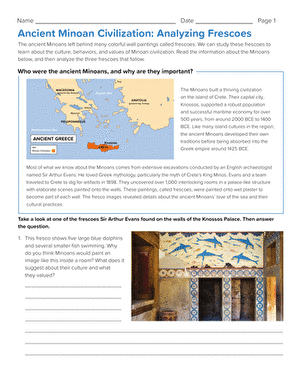
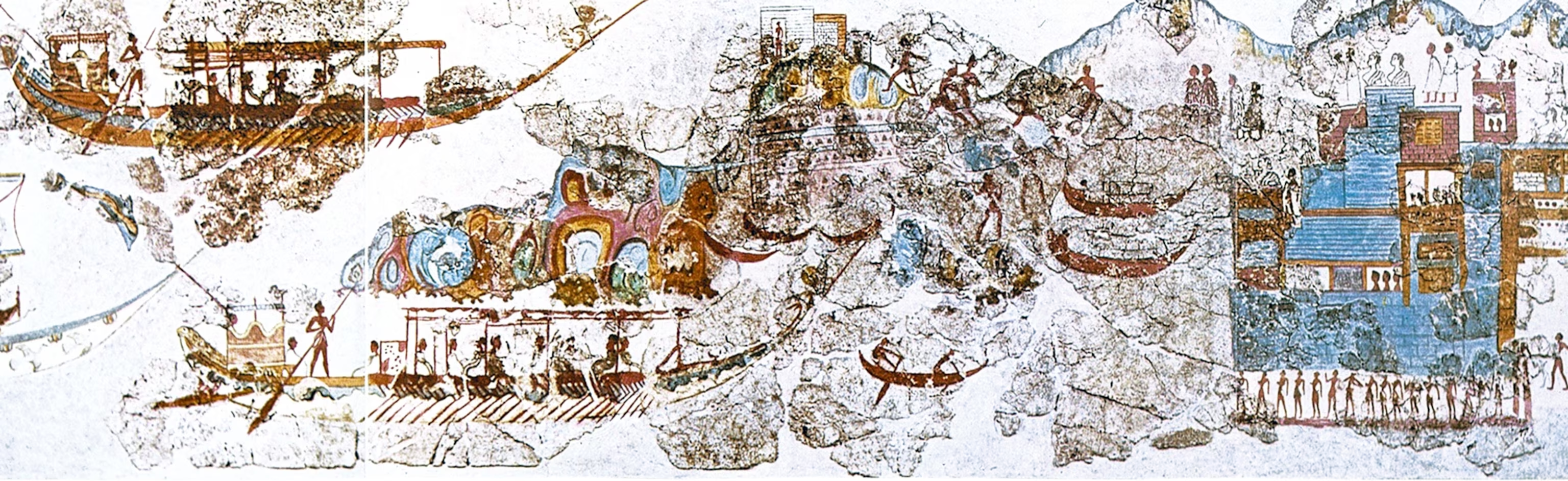
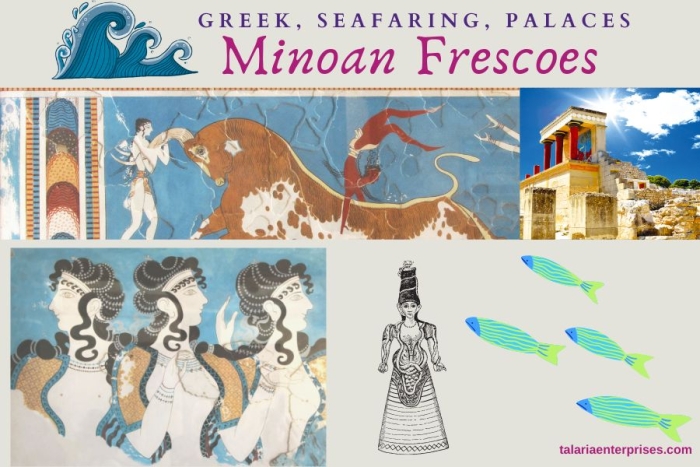
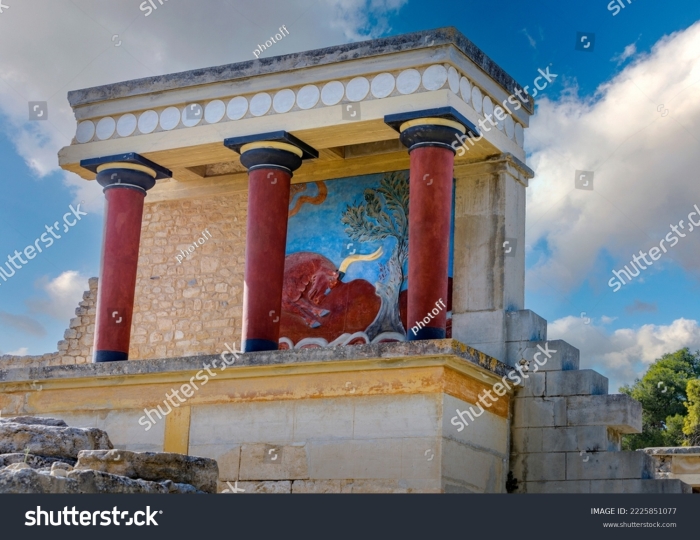
Analyzing ancient Minoan frescoes gives sixth grade students direct access to how people actually lived thousands of years ago. Rather than reading about the past in a textbook, students examine three vibrant wall paintings discovered in Minoan palaces and settlements, then piece together what these images reveal about daily life, religious beliefs, and social structure.
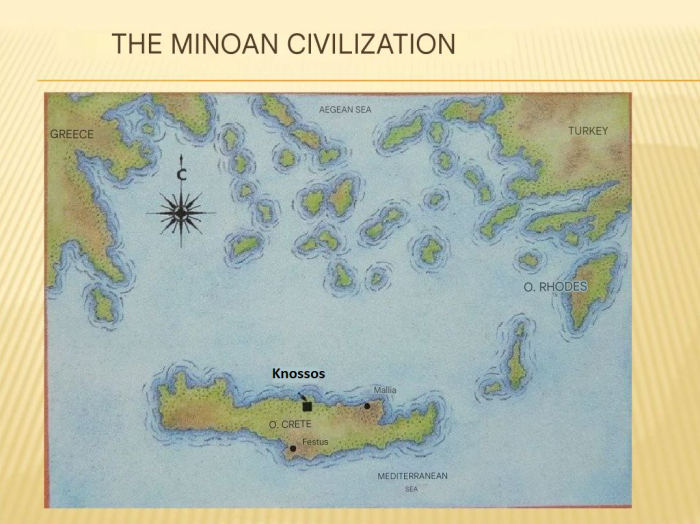
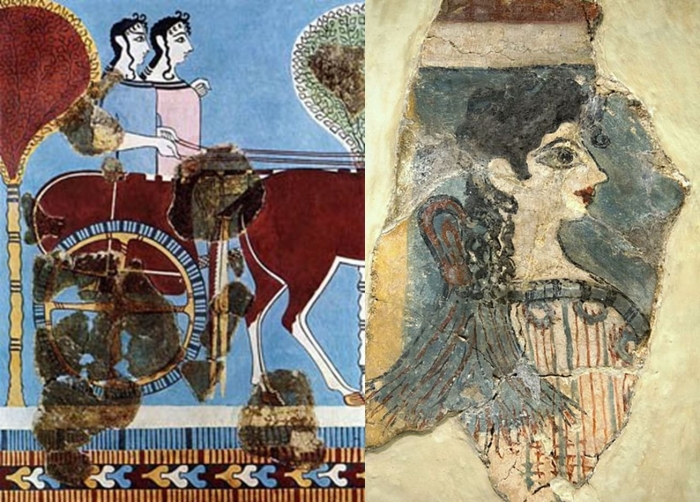
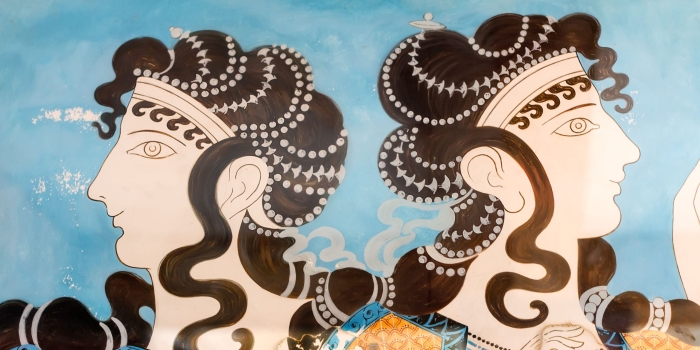
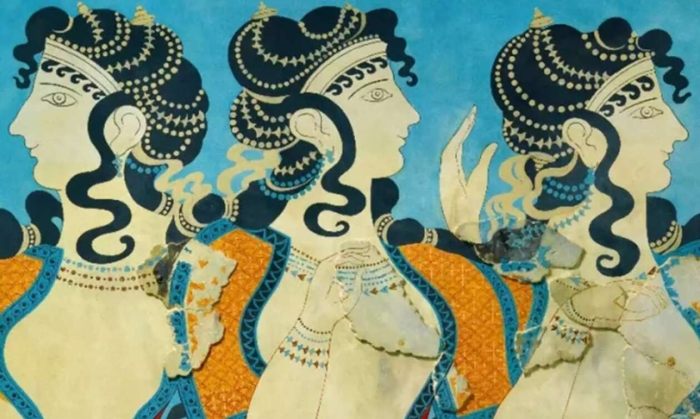
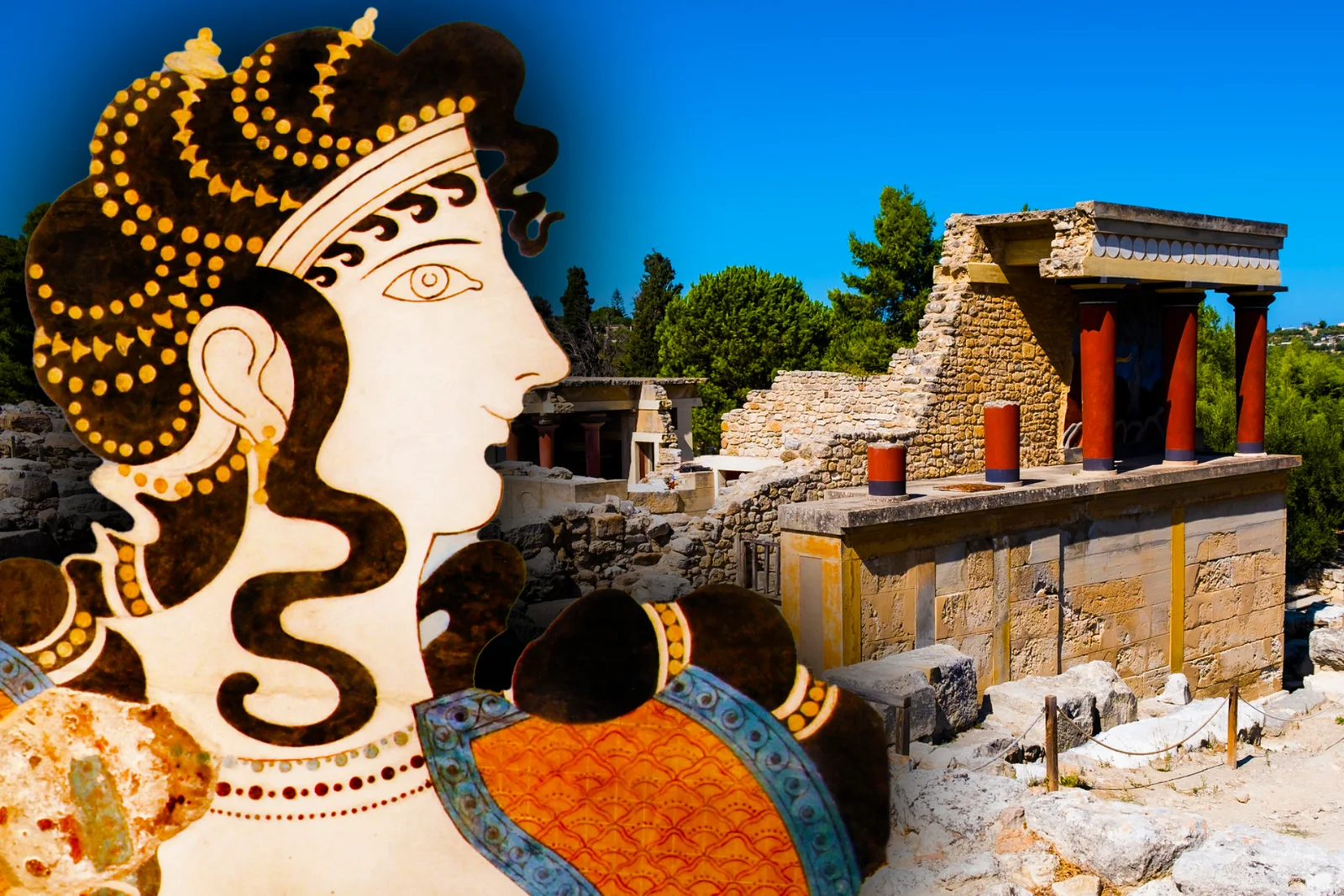
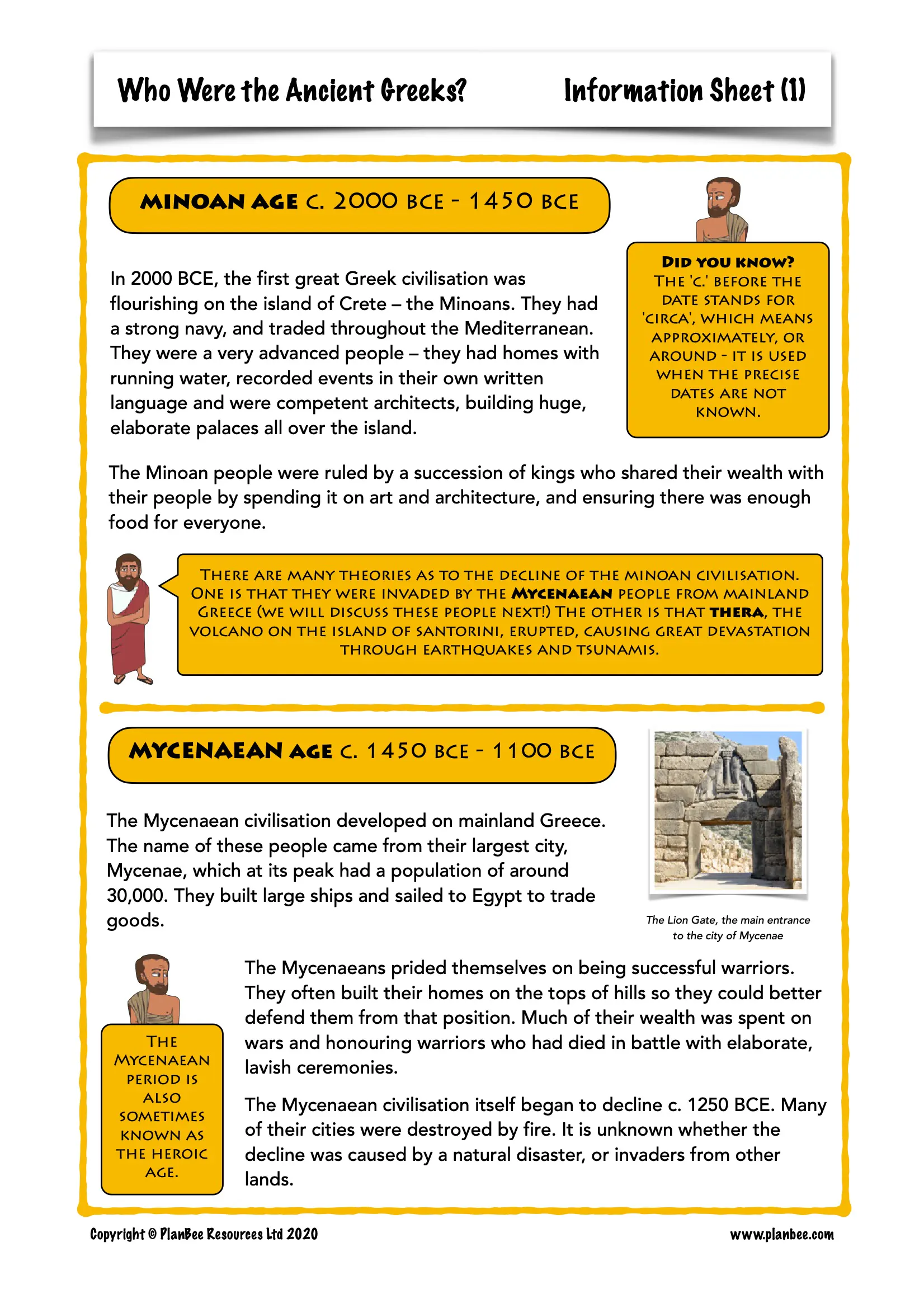
Minoan civilization flourished on Crete from roughly 3000 to 1100 BCE, and their frescoes survive as some of the oldest large-scale paintings in European history. The three most commonly studied frescoes include scenes of nature, religious ceremonies, and court life. When students analyze these paintings closely, they notice details like clothing styles, the types of plants and animals depicted, and the roles different people played in society. A fresco showing women in elaborate dresses at a religious gathering, for example, suggests that women held important positions in Minoan culture, which contradicts assumptions students might have about ancient civilizations.
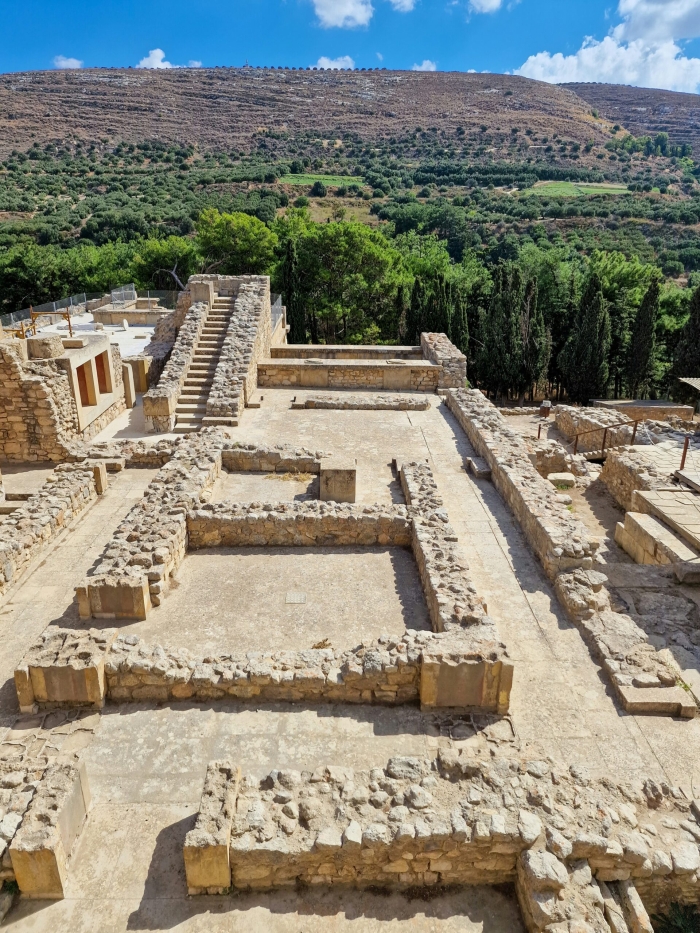
The analytical process itself builds critical thinking skills. Students observe colors, composition, and symbolism, then form evidence-based conclusions about Minoan values and traditions. They might notice that certain animals appear repeatedly, indicating spiritual significance. They observe architectural details in the backgrounds that show what buildings looked like. Through this visual investigation, students develop interpretive skills that extend beyond history into other subjects.
This approach connects naturally to mathematical thinking as well. Students can measure proportions within the frescoes using geometric concepts and coordinate systems to map out compositions. They might use coordinate plane skills to analyze spatial relationships in the artwork.
By examining these ancient paintings firsthand, students understand that history isn’t abstract. The Minoans were real people whose choices and creativity left permanent marks on their world.
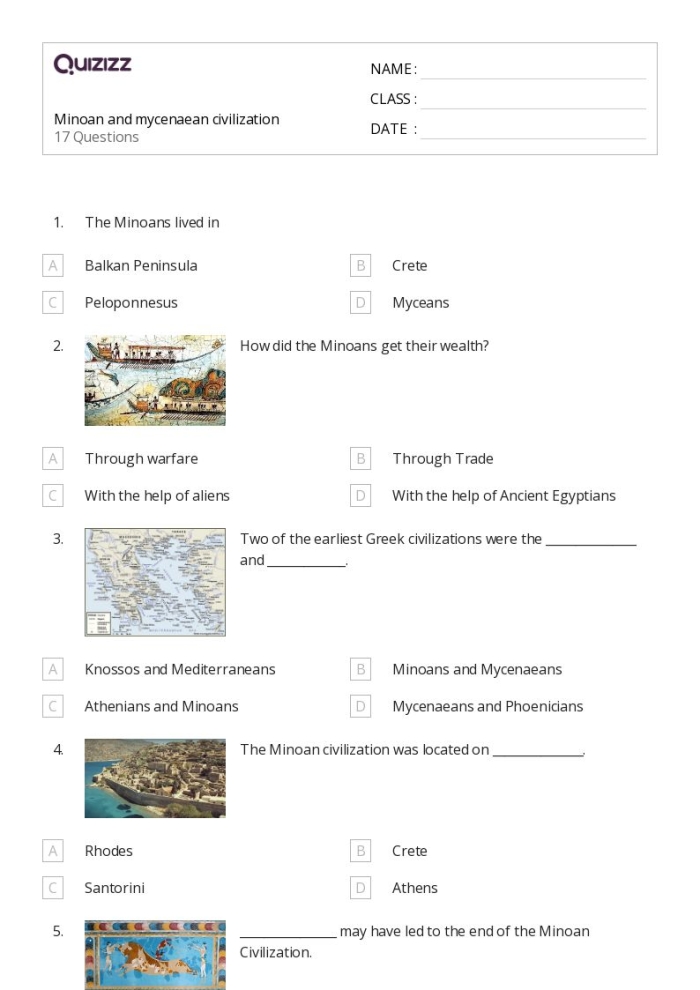
Download These Worksheets for Practice