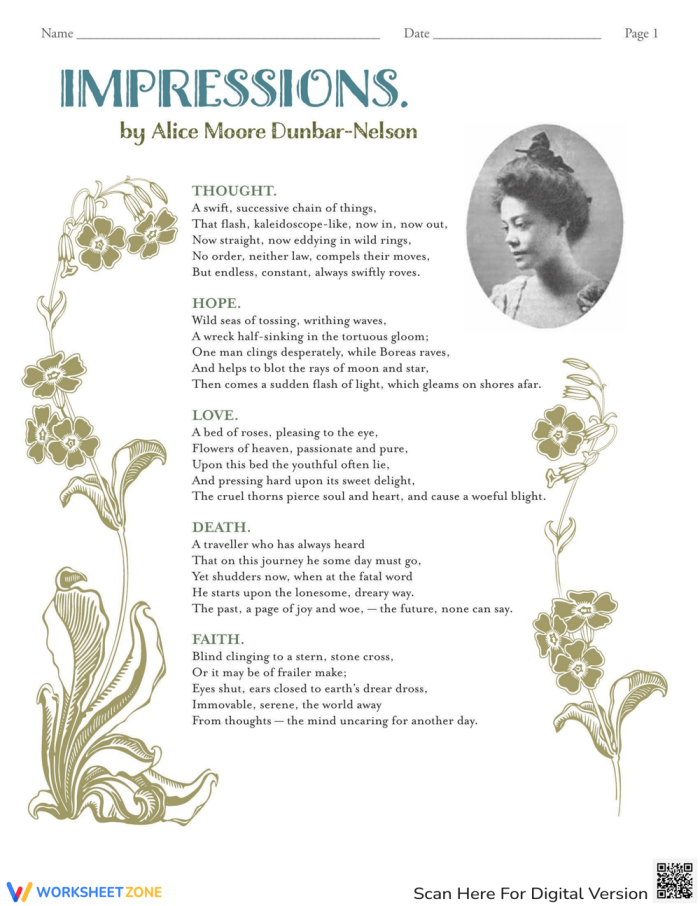
Alice Moore Dunbar-Nelson’s poem “Impressions” offers eighth grade students a window into the emotional and sensory world of late 19th-century American poetry. This short but evocative work captures fleeting moments of feeling and observation, making it an ideal text for students learning to analyze how poets use language to convey mood and meaning.
Dunbar-Nelson, born in 1875 in New Orleans, was a prolific writer who worked across poetry, short fiction, and essays. “Impressions” exemplifies her ability to distill complex emotions into carefully chosen images. The poem’s brevity makes it accessible for middle school readers while its sophisticated imagery rewards careful attention to word choice and literary devices.
When working with this poem in an eighth-grade classroom, students benefit from examining how Dunbar-Nelson uses concrete details to create abstract feelings. The poem invites readers to notice the relationship between sensory description and emotional truth. This skill transfers directly to other analytical work students do throughout the year.
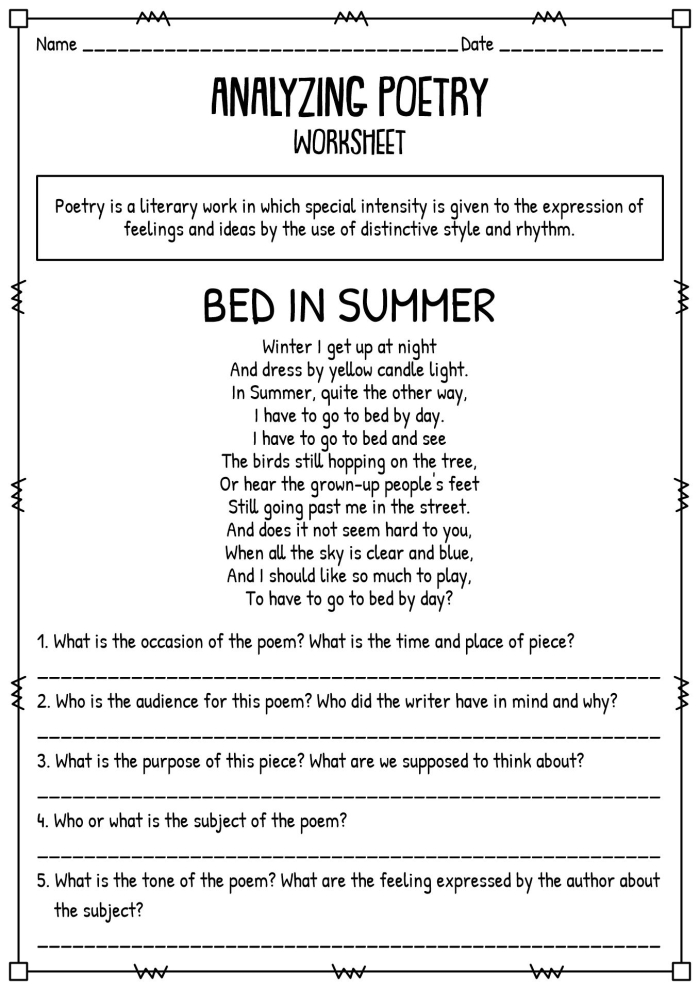
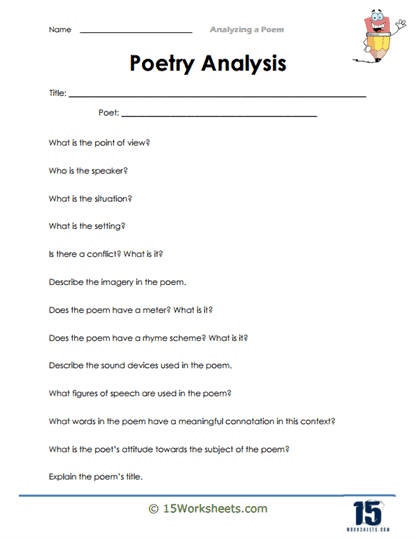
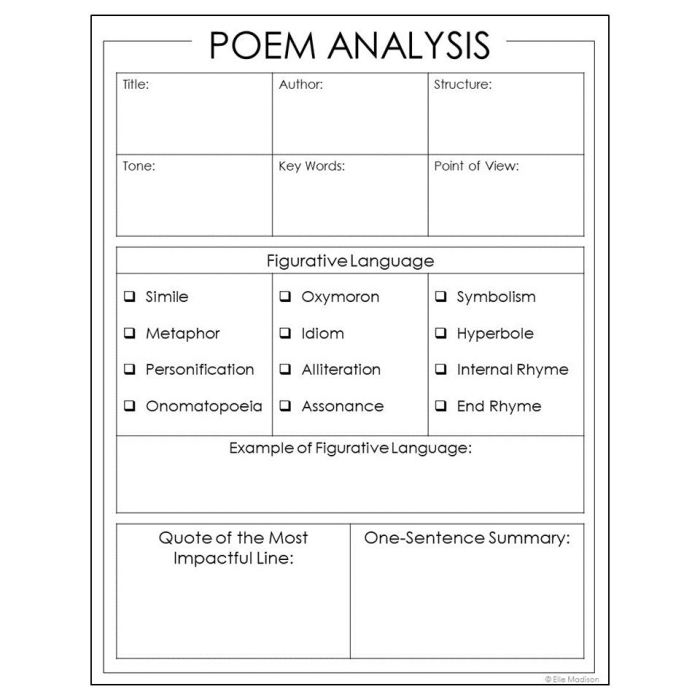
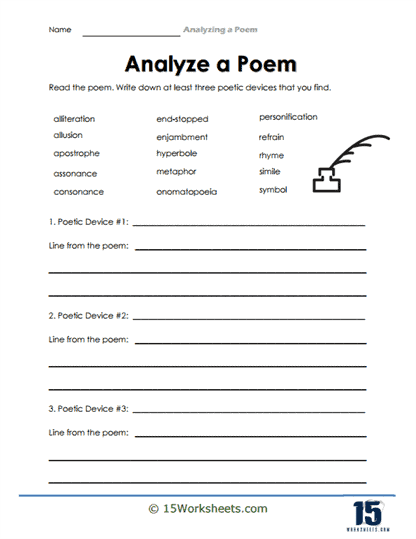
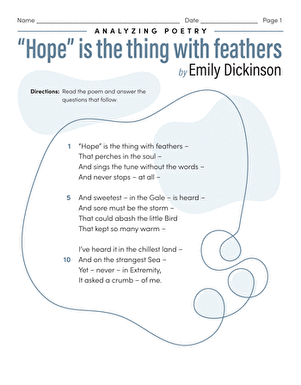
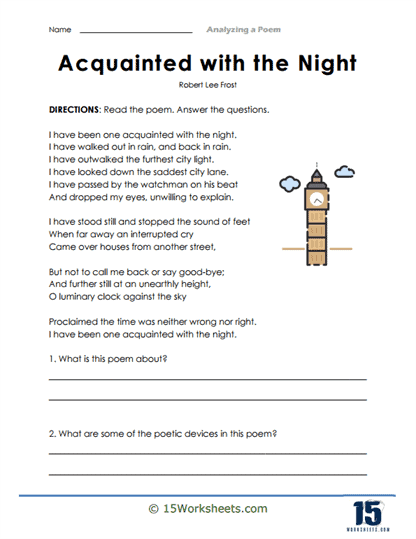
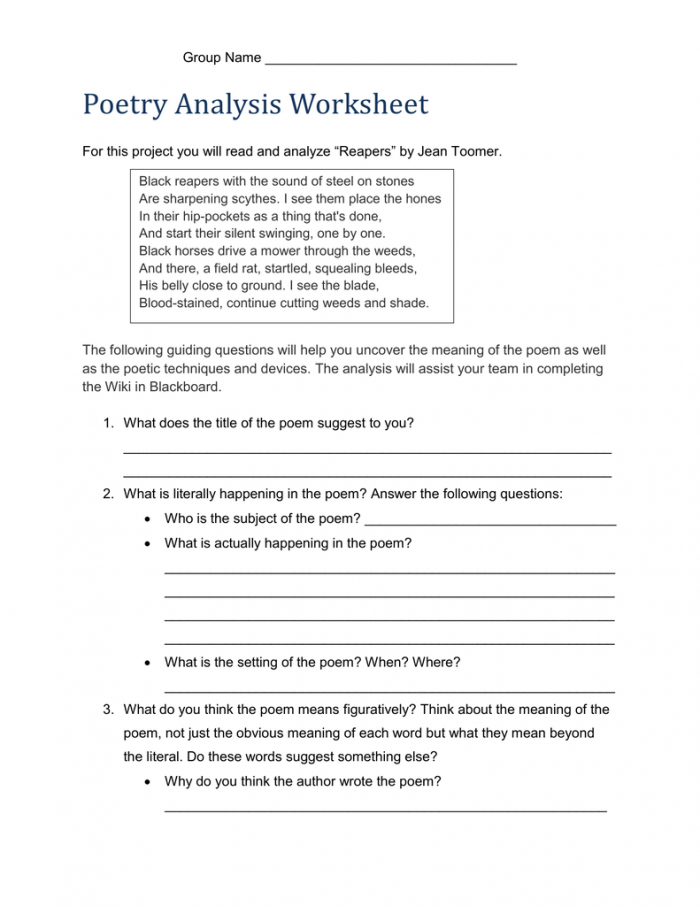
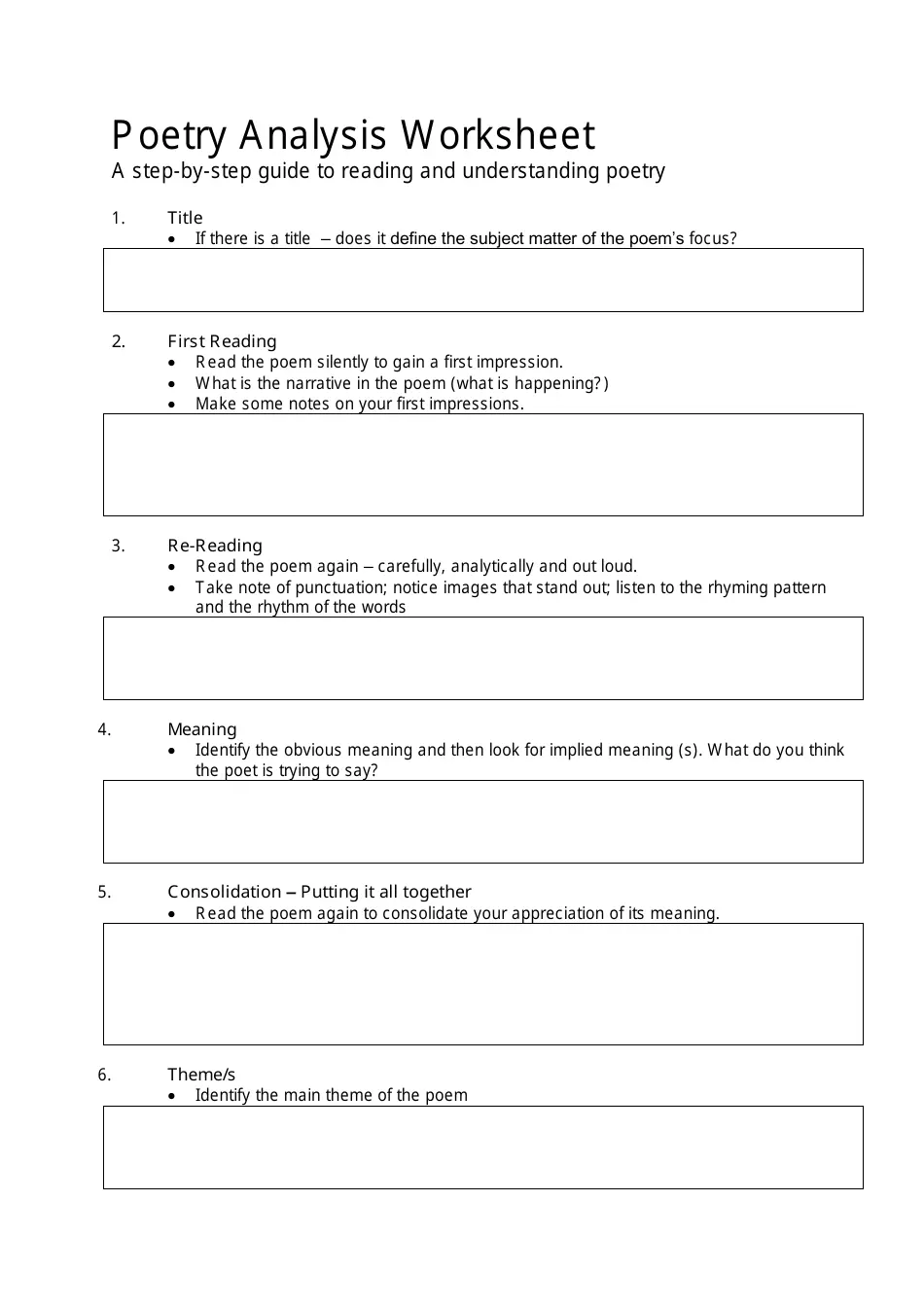
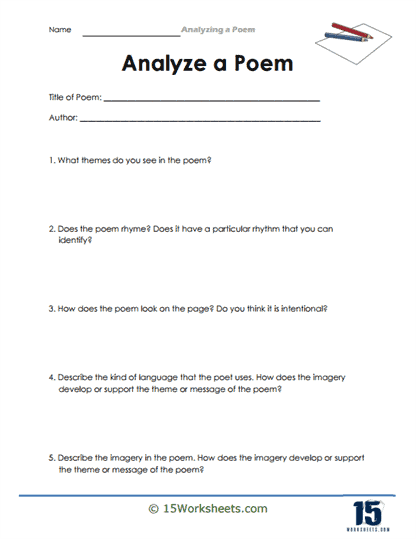
A reading comprehension worksheet on “Impressions” typically guides students through identifying key images, considering the speaker’s perspective, and discussing how specific word choices contribute to the overall effect. Students might explore questions about what moments the poem captures and why the poet chose to focus on particular details rather than others.
This type of close reading work strengthens grammar and mechanics skills too. As students analyze the poem’s structure and punctuation, they develop awareness of how technical choices shape meaning. Pairing poetry analysis with grammar study helps eighth graders see that mechanics serve purpose rather than existing as isolated rules.
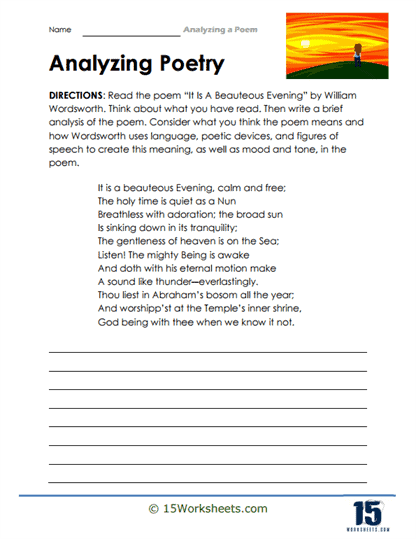
For teachers seeking additional resources, worksheets on analyzing poetry with Impressions provide structured support for this kind of learning. Complementary materials on mathematical reasoning and numerical concepts round out a comprehensive eighth-grade curriculum that connects literacy across disciplines.
Start Practicing with These Worksheets