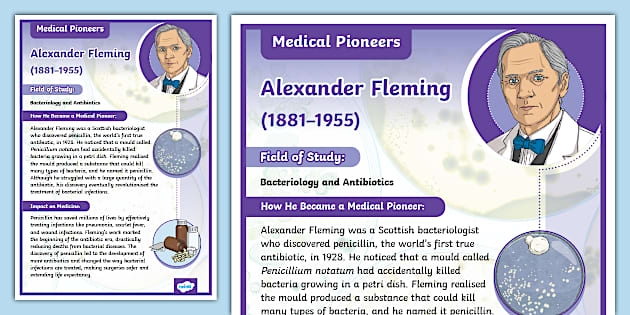
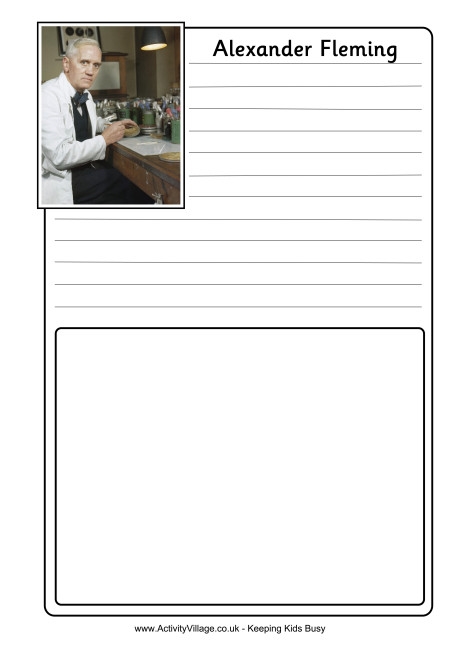
Alexander Fleming wasn’t trying to discover one of medicine’s most important medicines when he made his breakthrough. In September 1928, the Scottish bacteriologist returned to his laboratory at St. Mary’s Hospital in London after a two-week vacation. On his cluttered workbench sat petri dishes containing colonies of Staphylococcus bacteria, and Fleming noticed something unusual: one dish had developed mold, and around that mold, the bacteria had died.
Most scientists would have cursed the contamination and discarded the dish. Fleming did something different. He recognized that the mold, later identified as Penicillium notatum, was producing a substance that killed harmful bacteria. This observation launched the discovery of penicillin, a compound that would transform medicine and save millions of lives.
What made Fleming’s discovery truly remarkable wasn’t just luck, though chance certainly played a role. His success came from years of studying antibacterial substances and maintaining the curiosity to investigate unexpected results. Fleming had been searching for natural antibiotics long before this moment, so when the accident occurred, his trained mind recognized its significance immediately.
The path from discovery to practical medicine took more than a decade. Fleming published his findings in 1929, but the scientific community largely ignored them. It wasn’t until World War II, when researchers at Oxford University including Howard Florey and Ernst Boris Chain developed methods to purify and produce penicillin in useful quantities, that the drug became available to patients.
Fleming’s story offers valuable lessons about observation and persistence. For students learning about third grade life science concepts, his experience demonstrates how scientific breakthroughs often emerge from unexpected places. Teachers frequently use Fleming’s discovery to show young learners that paying attention to details and asking questions about unusual findings can lead to important discoveries.
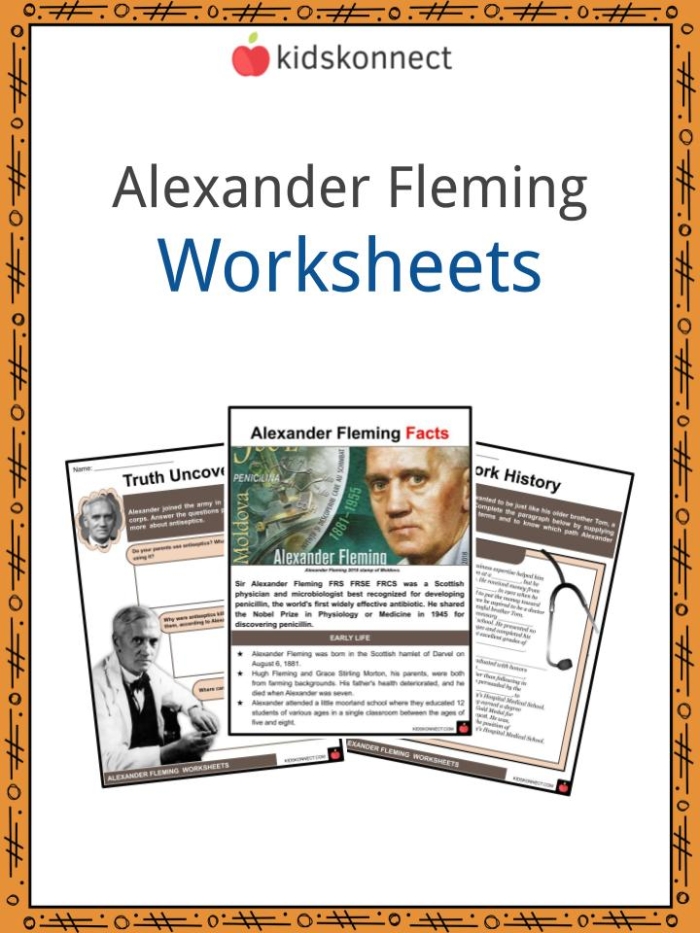
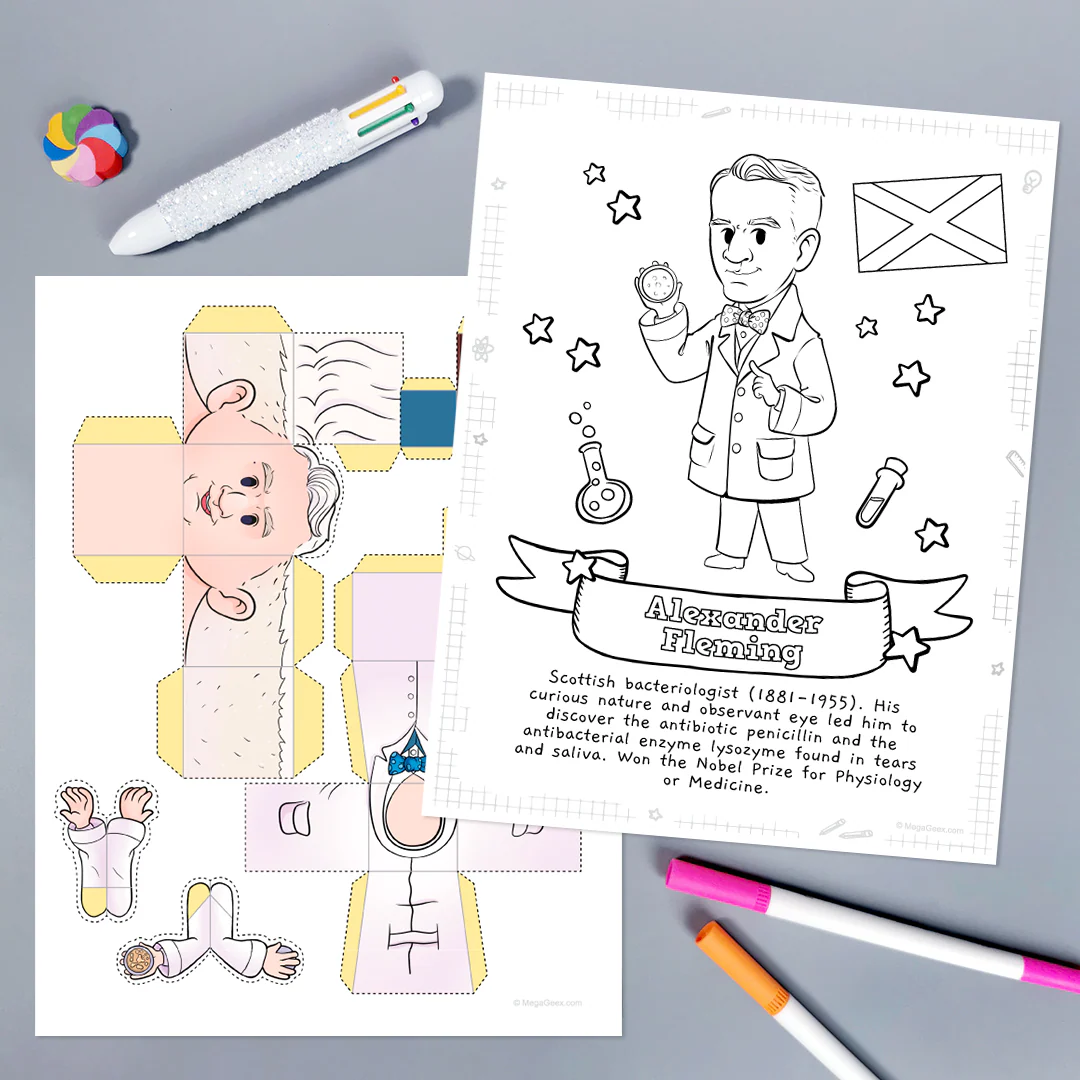
Fleming received the Nobel Prize in Physiology or Medicine in 1945, shared with Florey and Chain. His legacy extends far beyond penicillin itself, inspiring generations of researchers to remain alert for the unexpected moments that might change everything.
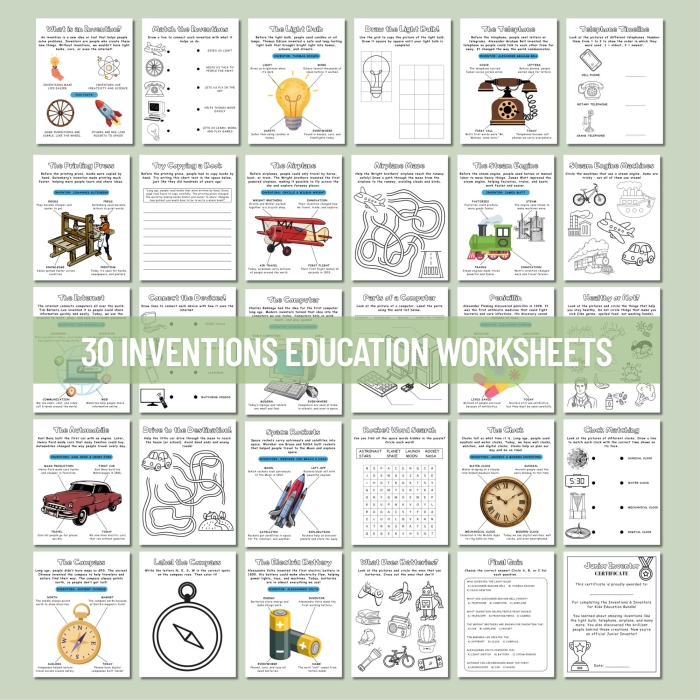
Worksheet Practice Section