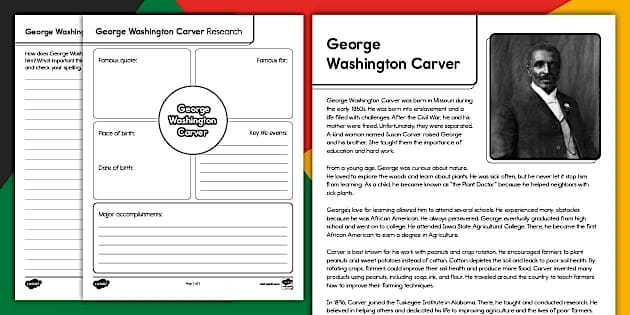
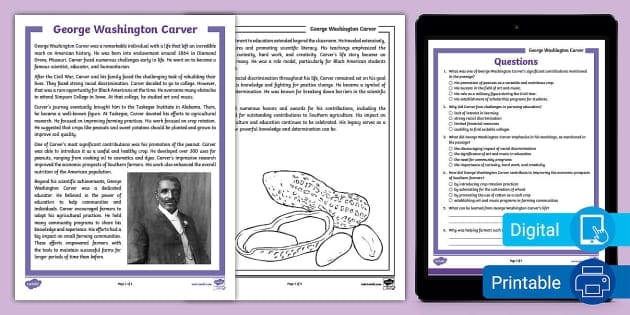
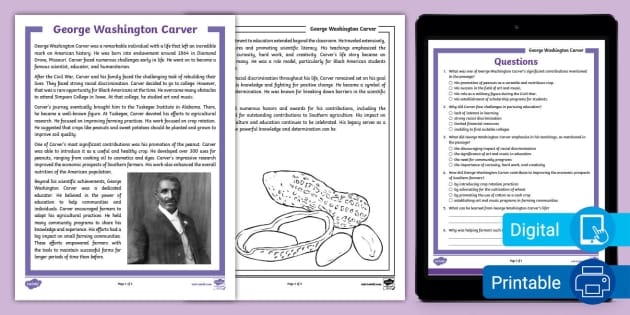
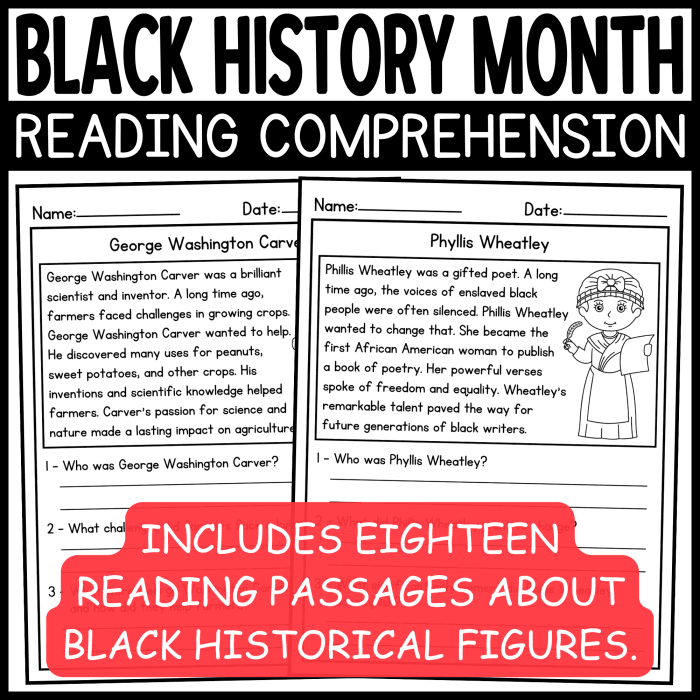
George Washington Carver stands out as one of the most influential scientists and educators in American history, yet his path to success was anything but straightforward. Born into slavery around 1864, Carver overcame enormous obstacles to become a renowned botanist and inventor whose work transformed agriculture across the American South.
Carver’s early life shaped his determination and curiosity about the natural world. After emancipation, he pursued education despite facing racial discrimination at nearly every turn. He eventually earned degrees in agricultural science and became a professor at Tuskegee Institute in Alabama, where he would spend most of his career conducting research and teaching students.
His most significant contribution involved developing hundreds of uses for the peanut and sweet potato. During the early 1900s, Southern farmers relied heavily on cotton, which depleted soil nutrients and left them vulnerable to market fluctuations. Carver promoted crop rotation and demonstrated how peanuts could restore nitrogen to exhausted soil while providing valuable products. He created peanut butter, peanut oil, and numerous other derivatives, essentially creating an entire industry from a crop many considered worthless.
Beyond his laboratory work, Carver was a dedicated educator who believed science should serve practical purposes. He traveled throughout the South teaching farmers about sustainable agriculture, often conducting demonstrations in mobile classrooms. For sixth grade reading comprehension, studying Carver’s biography offers valuable lessons about resilience and innovation. Resources like practice with rational numbers and other reading skills practice materials can complement biographical study.
Carver died in 1943, leaving behind a legacy that extended far beyond agriculture. His commitment to education and scientific discovery continues inspiring students and researchers today.
Printable Worksheets for Practice