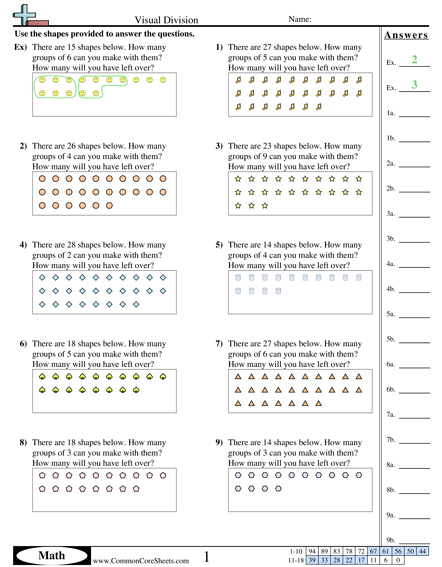
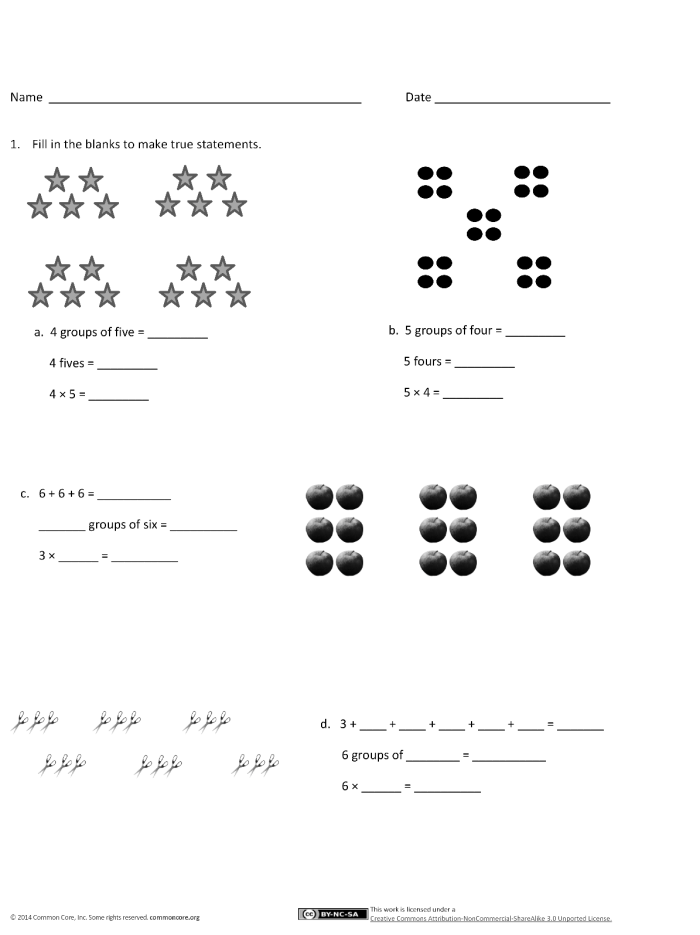
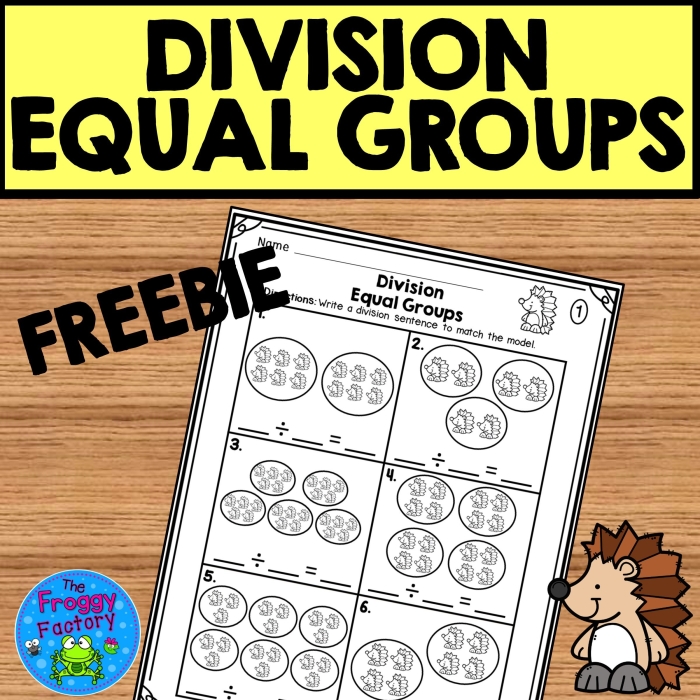
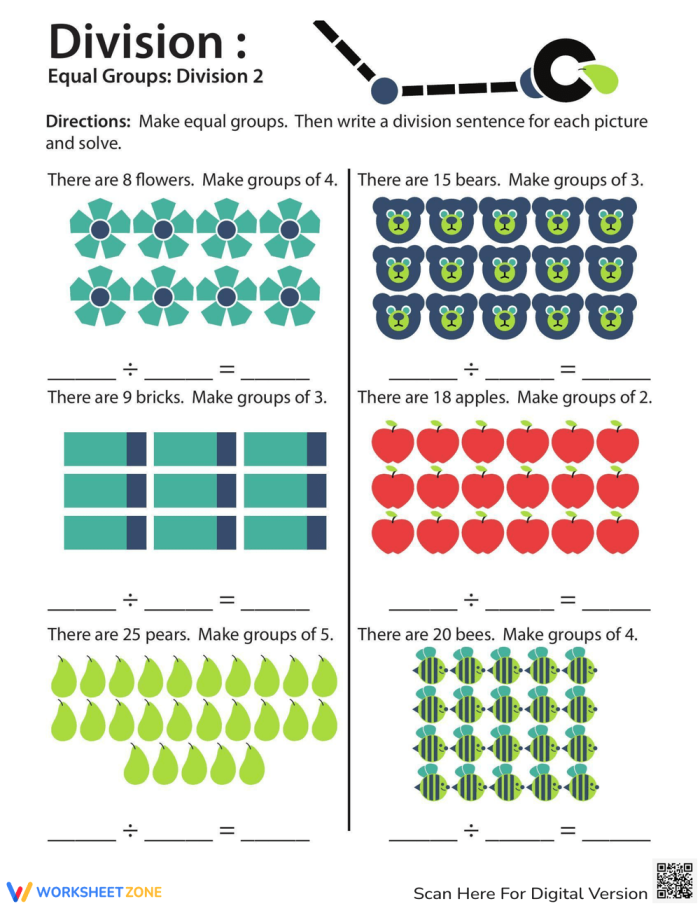
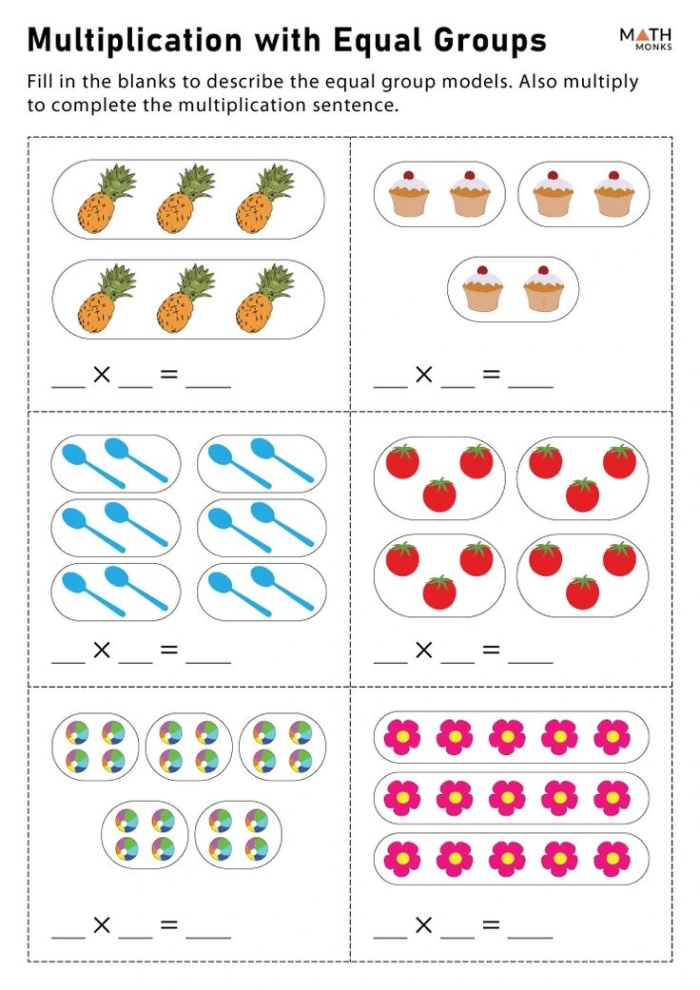
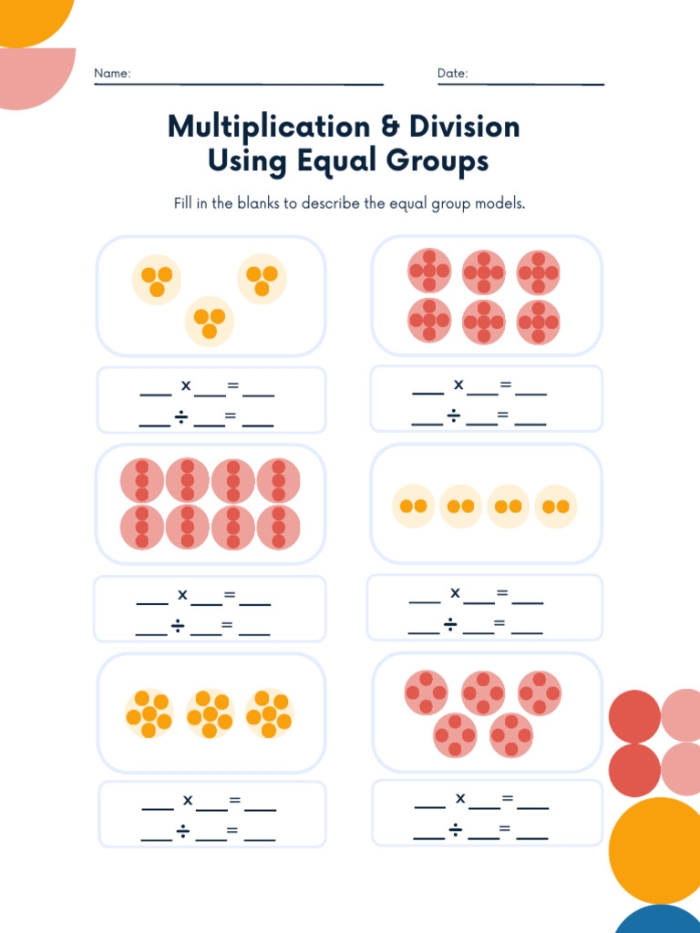
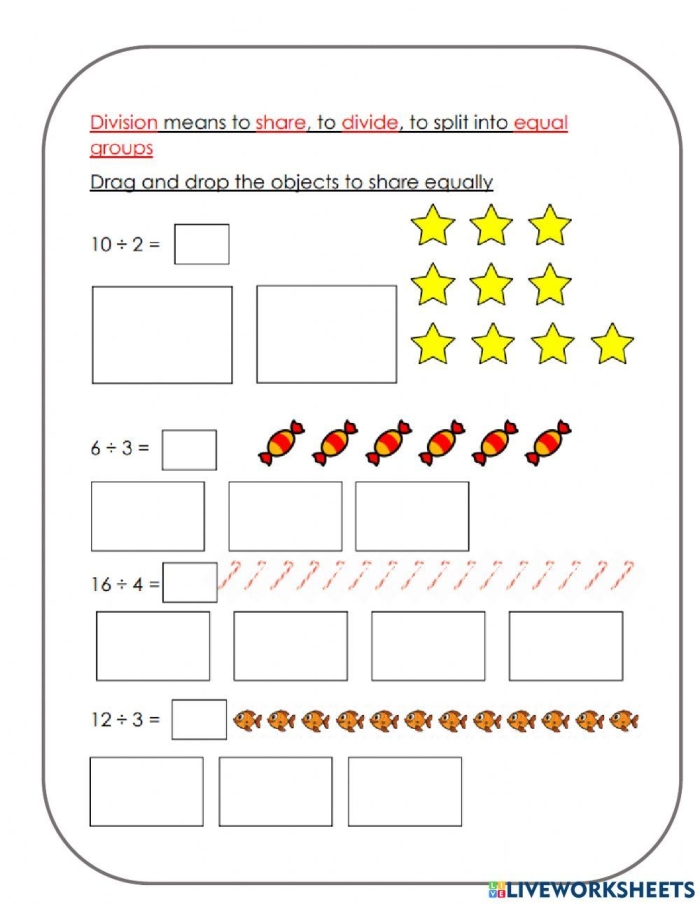
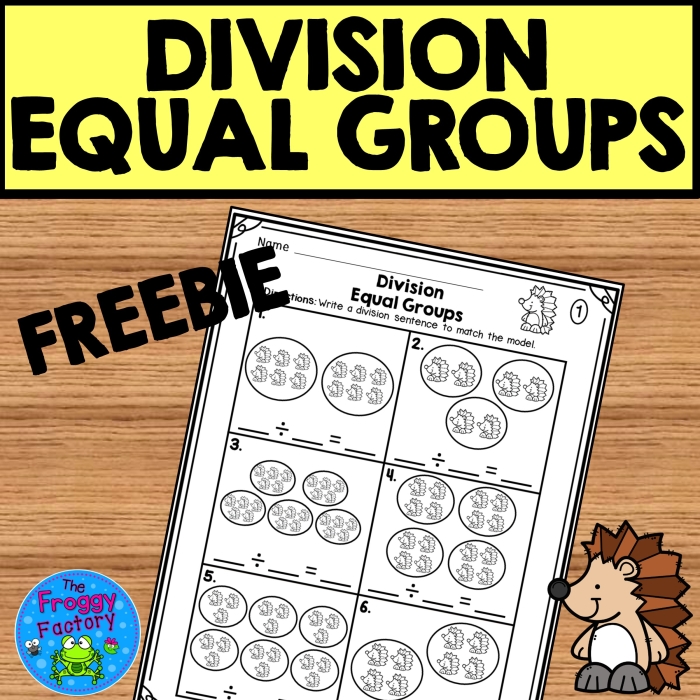
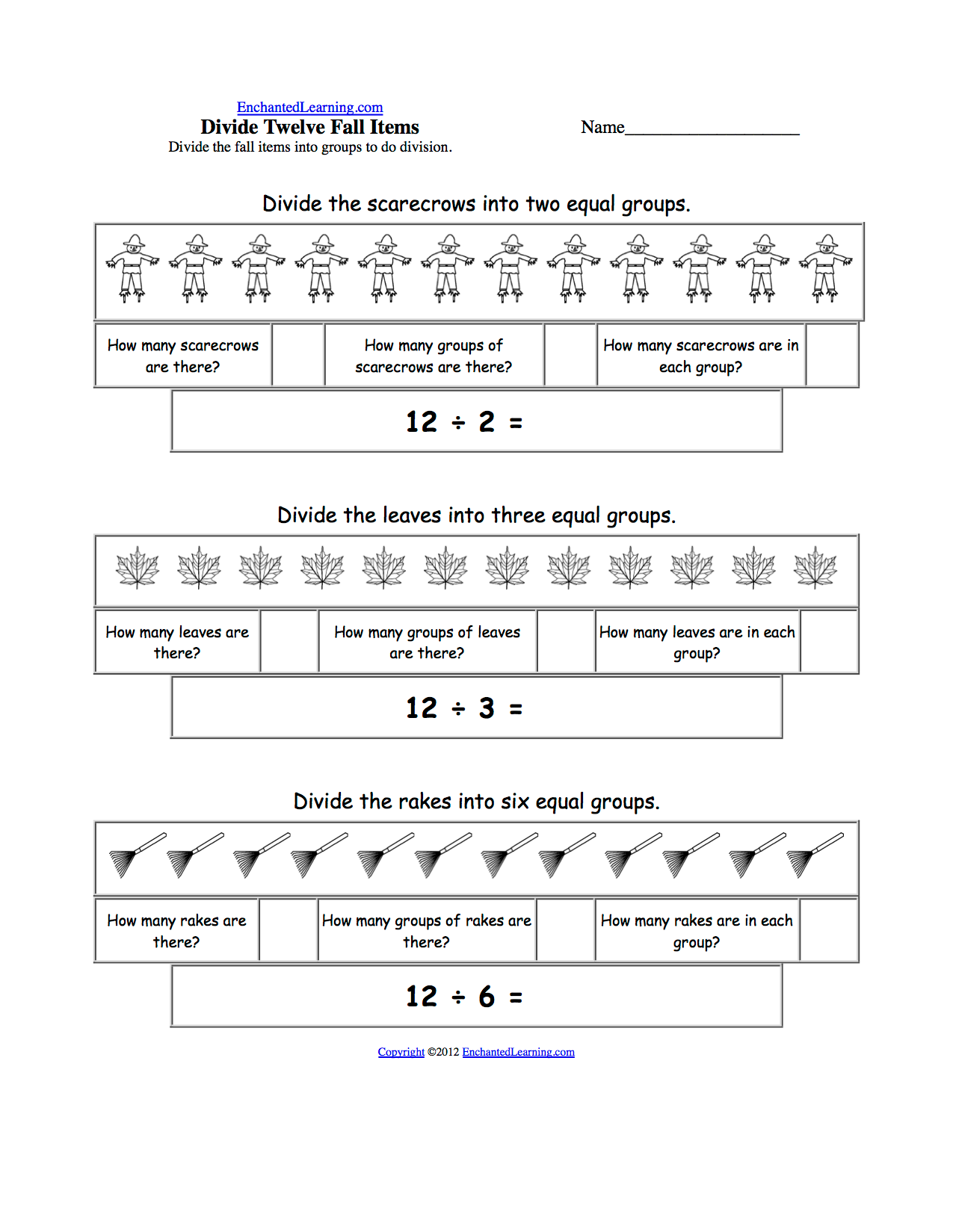
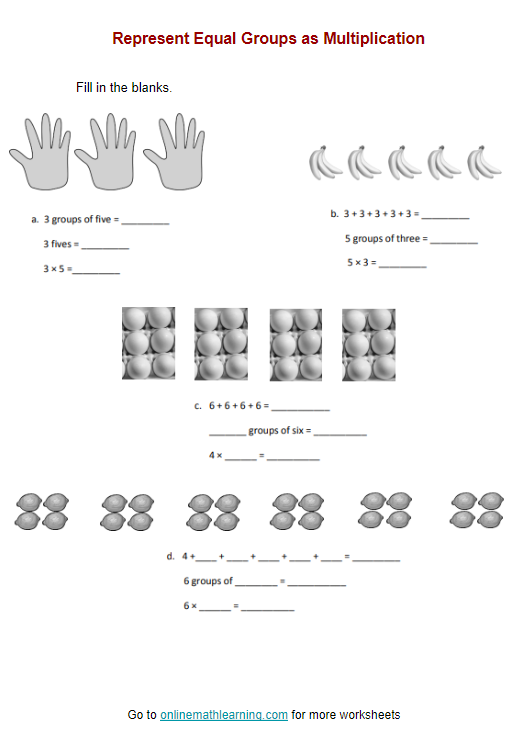
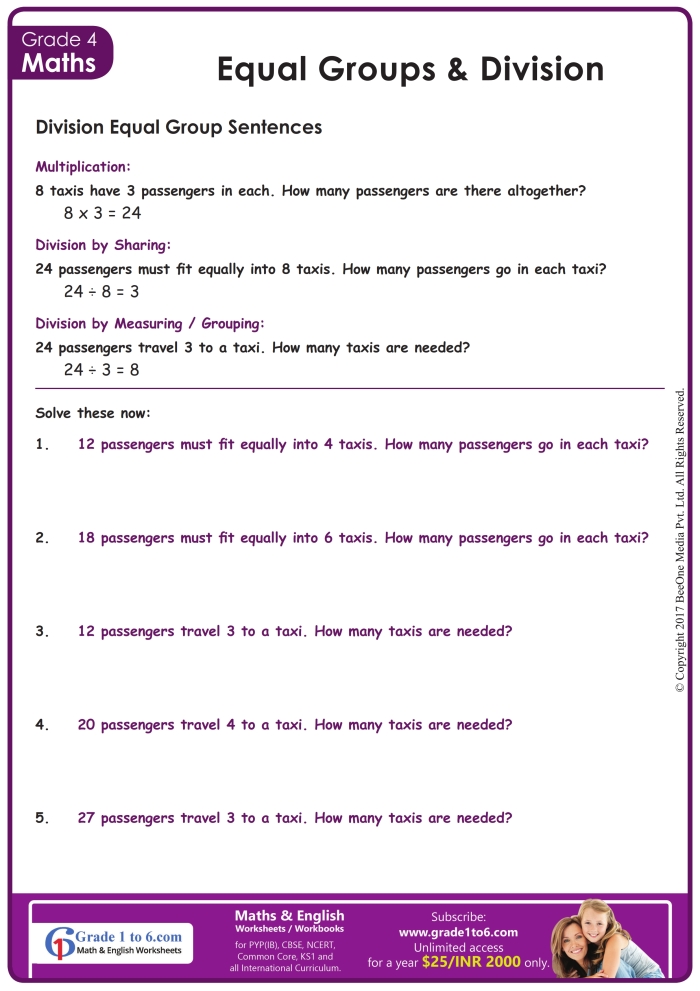
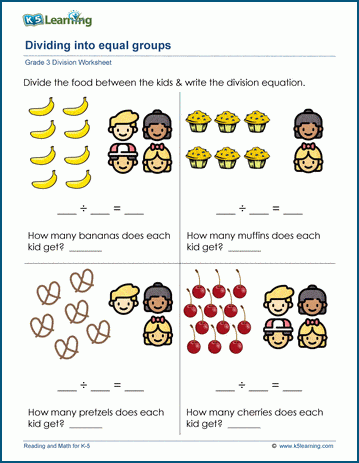
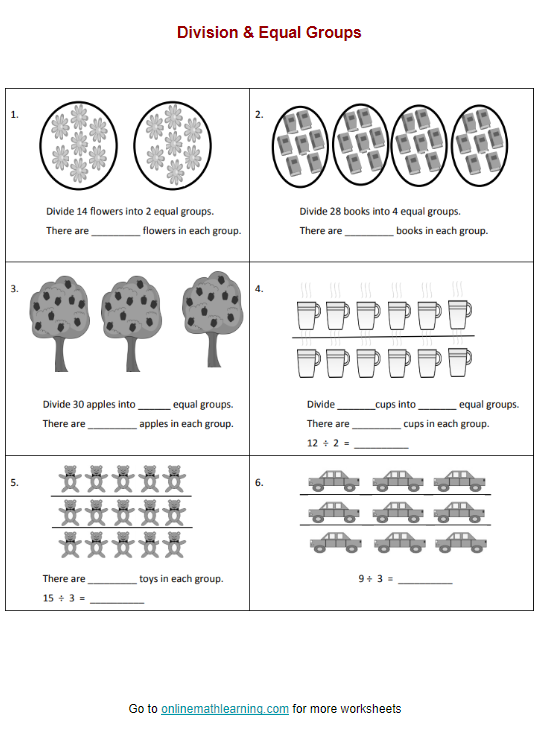
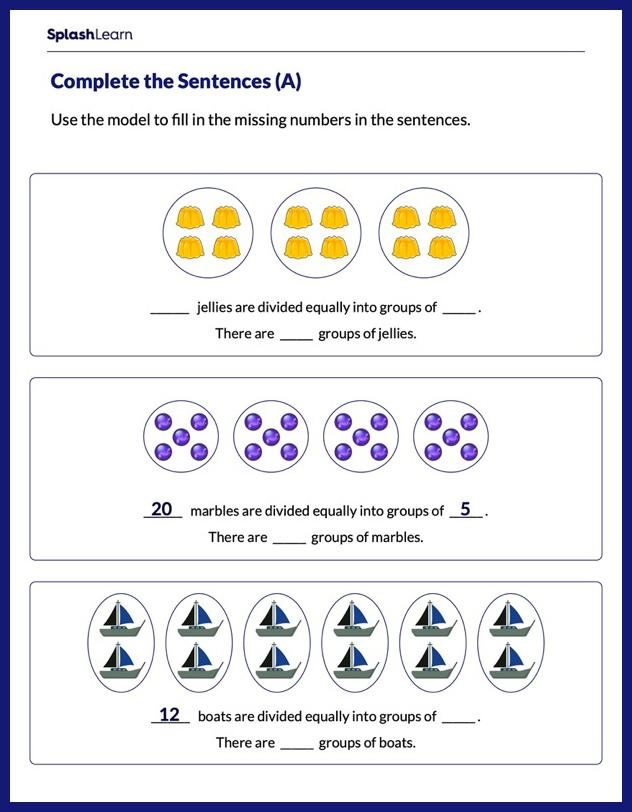
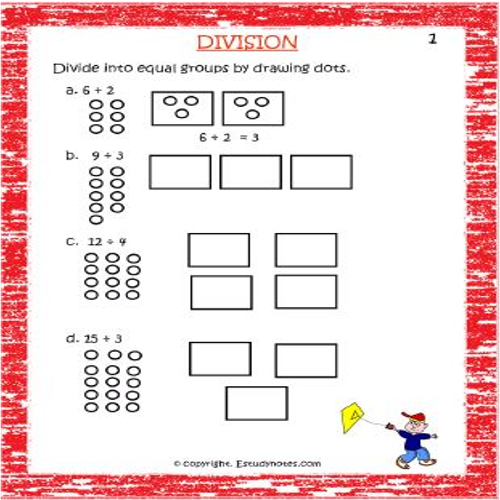
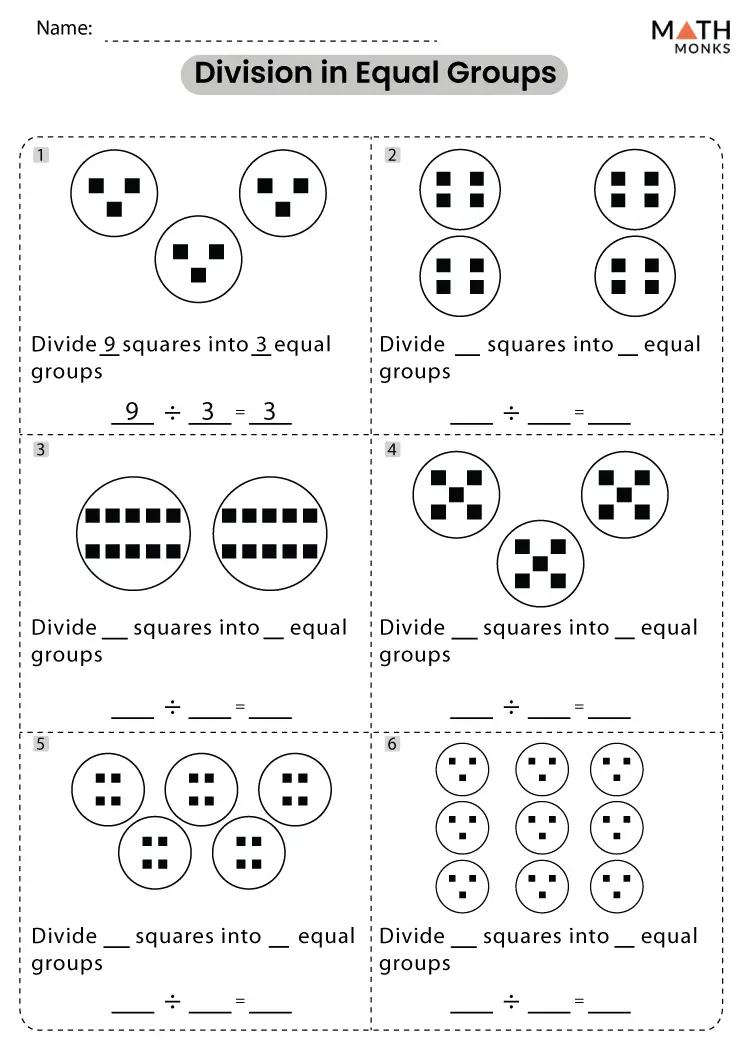
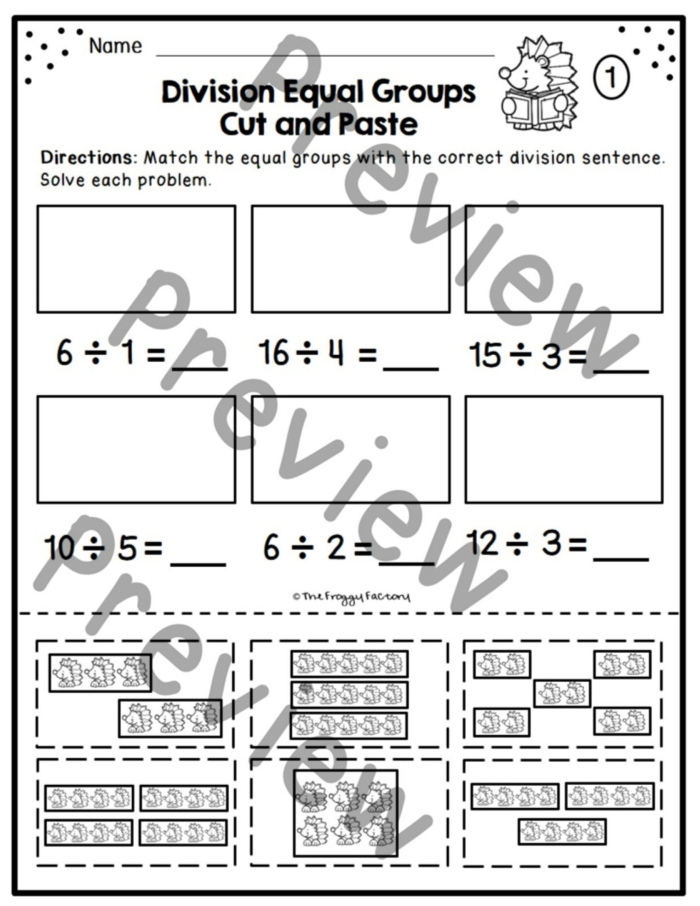
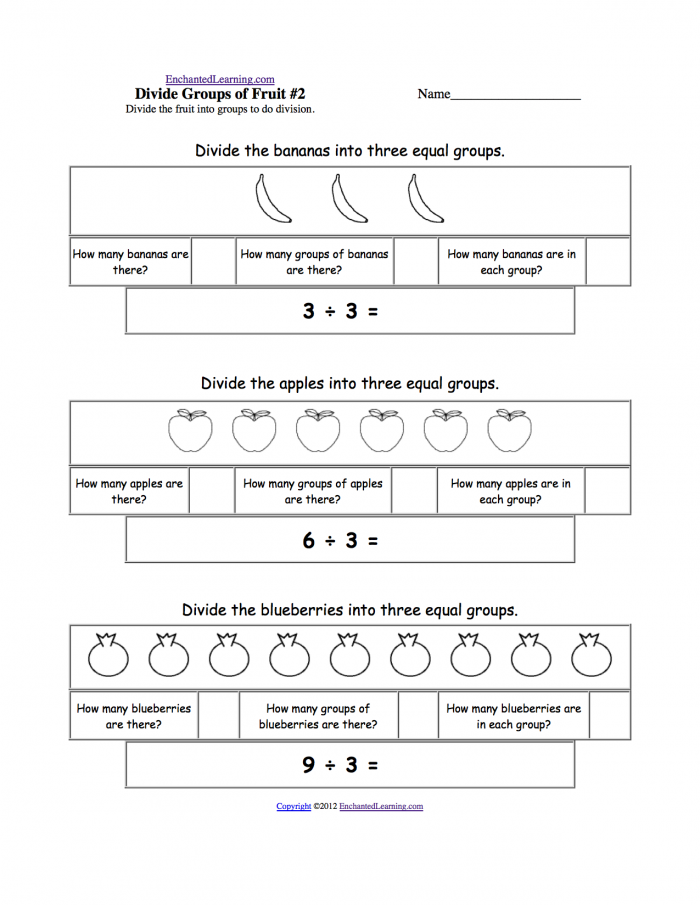
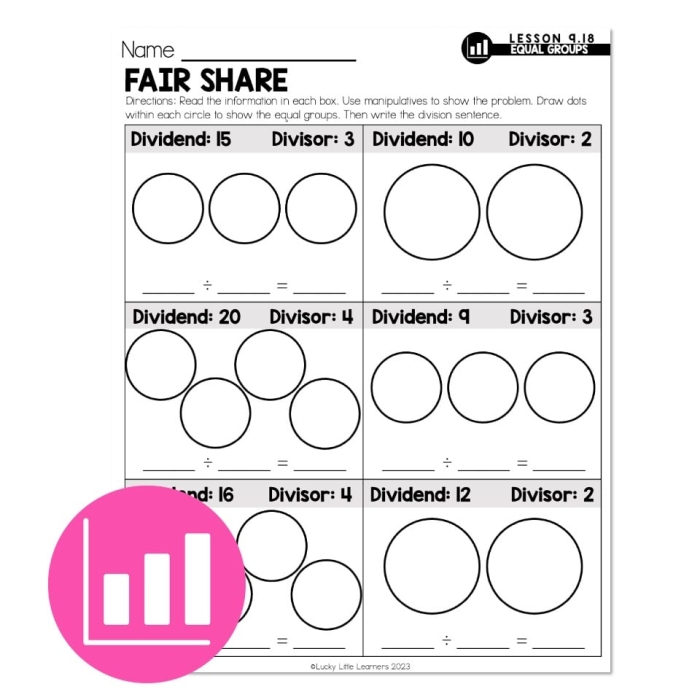
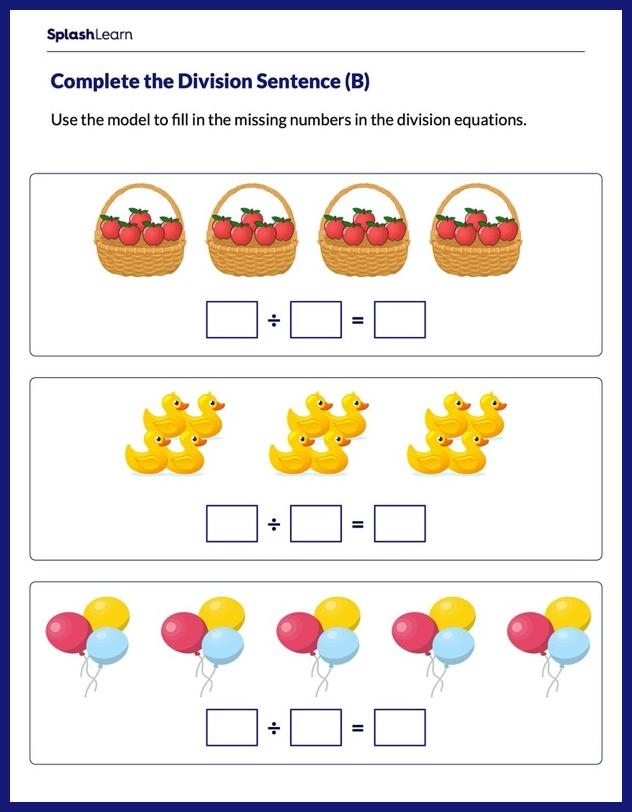
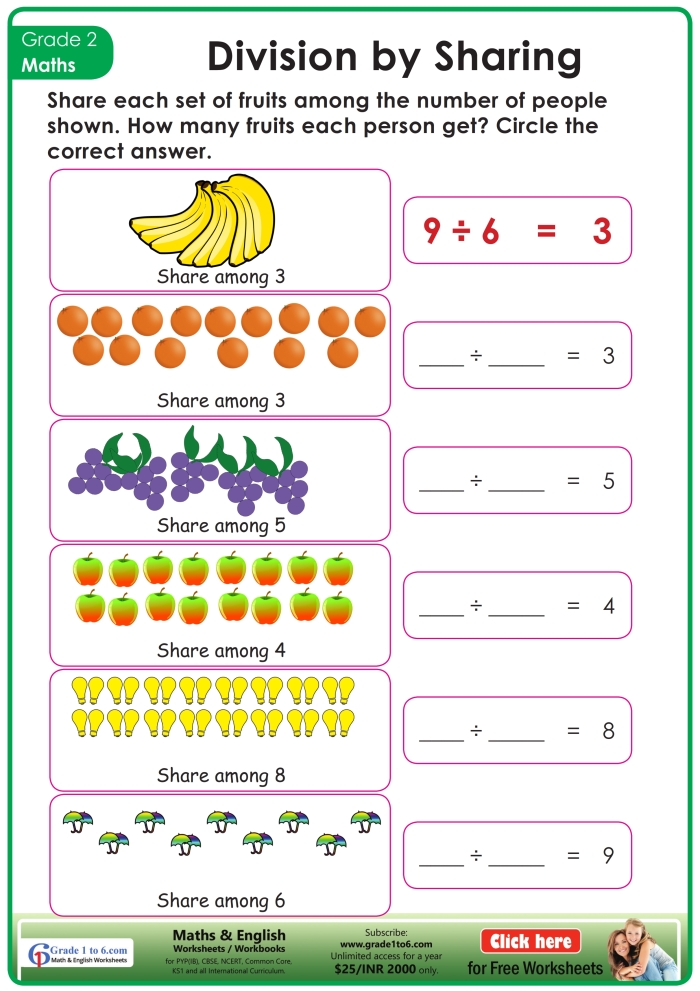
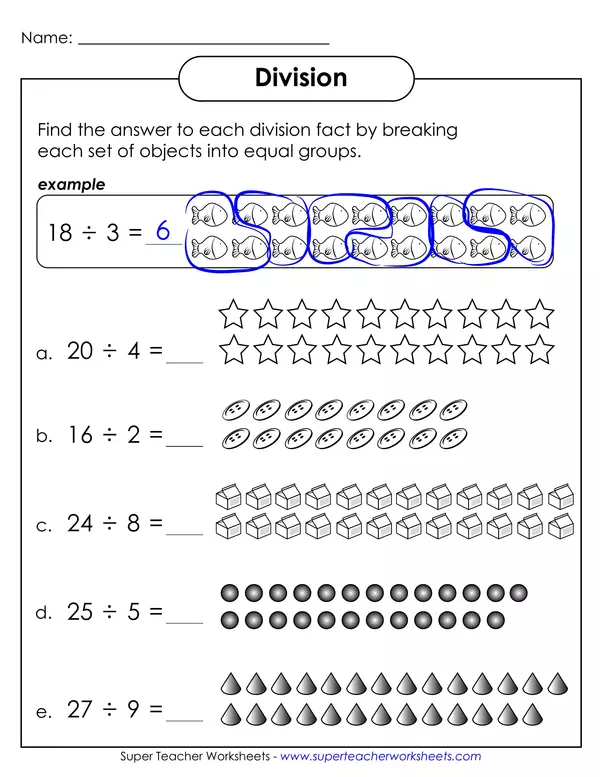
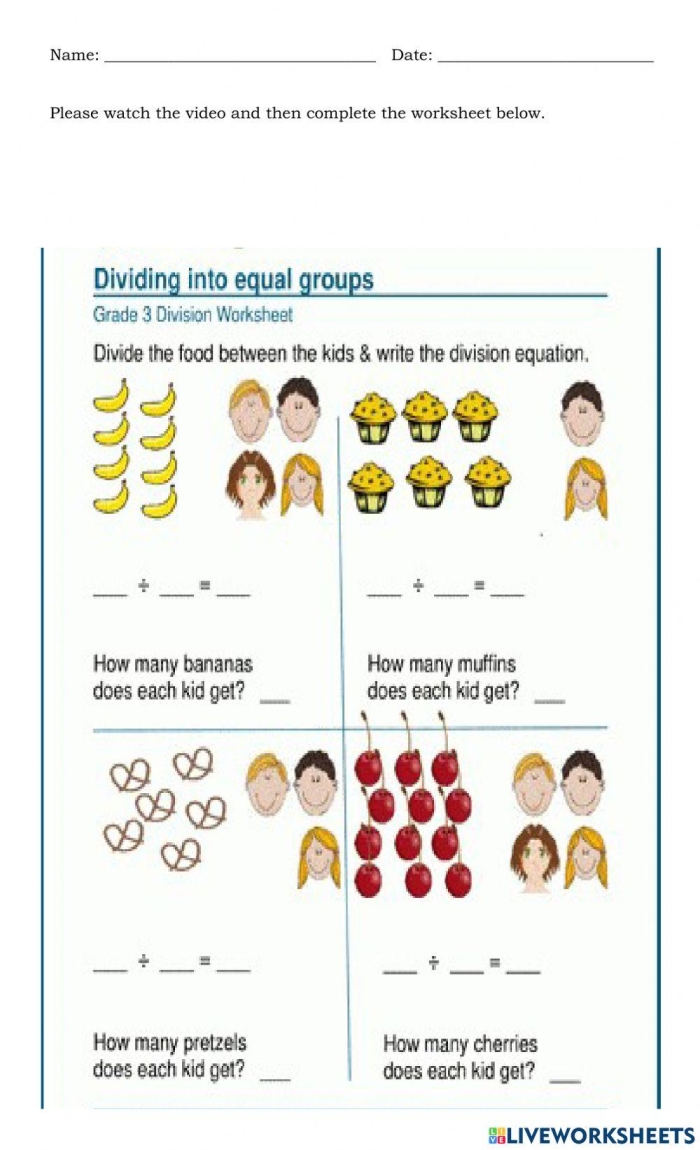
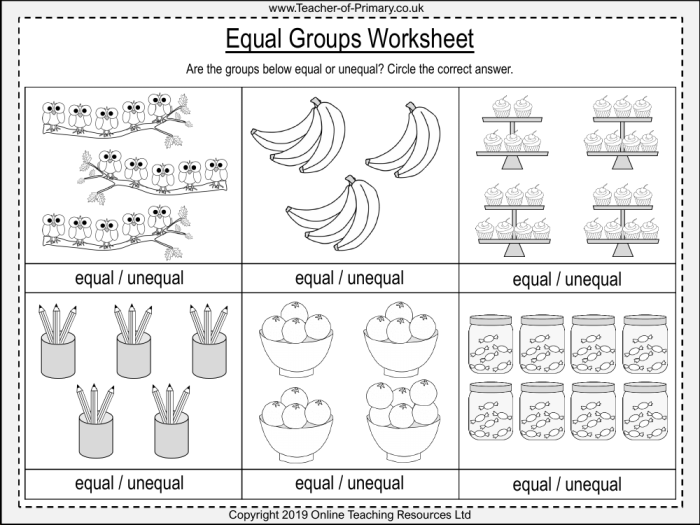
Understanding division through visuals is an effective method for third graders to grasp the concept of equal groups. After examining a sample model, students can practice writing a division sentence that corresponds to each drawing. This hands-on approach not only reinforces their understanding of division but also connects to real-world scenarios, particularly in the context of time and money, which are essential skills for young learners.
Consider a drawing that illustrates six apples divided into two equal groups. Students can observe the model and write a division sentence such as “6 ÷ 2 = 3.” This simple equation clearly shows that when six apples are divided into two groups, each group contains three apples. By visualizing the problem, students can better understand how division works and how it relates to sharing and grouping items.
Creating these division sentences from drawings also enhances critical thinking. Students must analyze the picture, identify the total number of items, and determine how many groups they need to create. This practice can be further expanded with various scenarios, such as sharing toys or dividing snacks, making the learning experience relatable and enjoyable.
For educators looking to provide additional resources, there are excellent worksheets available. For instance, the Printable Division: Equal Groups (Part One) Worksheets can complement this hands-on approach. These worksheets are specifically designed for third graders and focus on developing their division skills through engaging activities.
Incorporating visuals and practical division exercises helps solidify students’ understanding of equal groups. As they learn to write division sentences from drawings, they not only master mathematical concepts but also gain confidence in their problem-solving abilities, preparing them for future challenges in math and beyond.
Hands-On Worksheet Activities