Hurricanes are fascinating yet powerful natural phenomena that capture the attention of scientists and the public alike. Understanding how they form, their structure, and their impact is crucial for both safety and education. In this Q&A, we’ll explore the science behind hurricanes, an essential topic for fifth graders studying earth science.
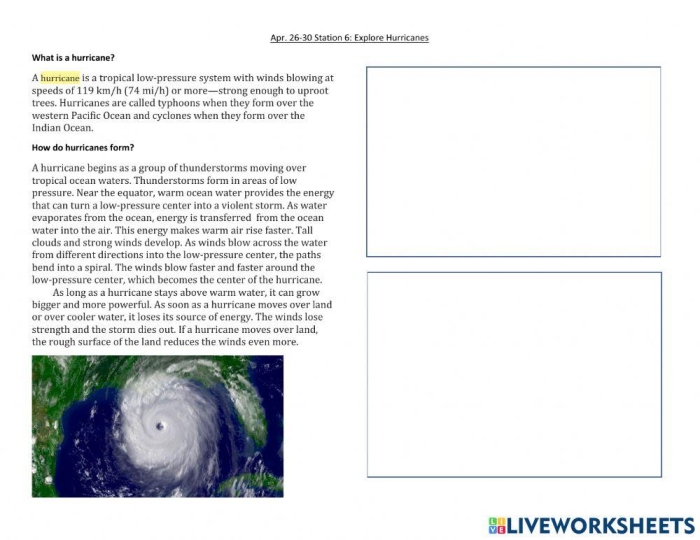
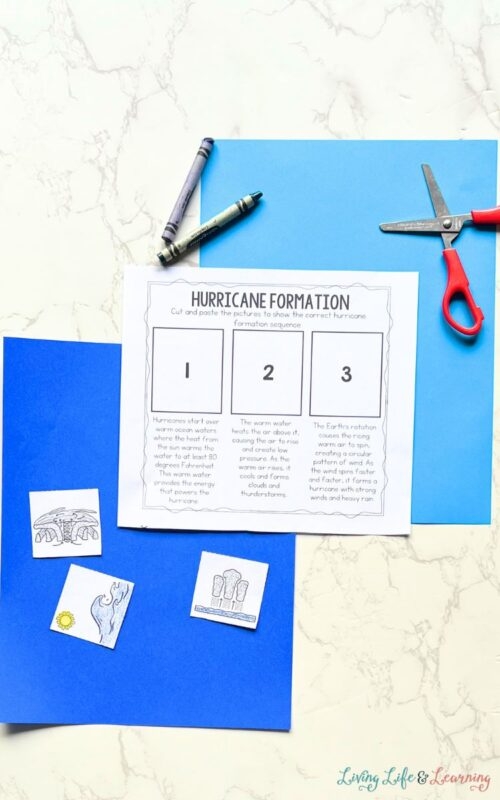
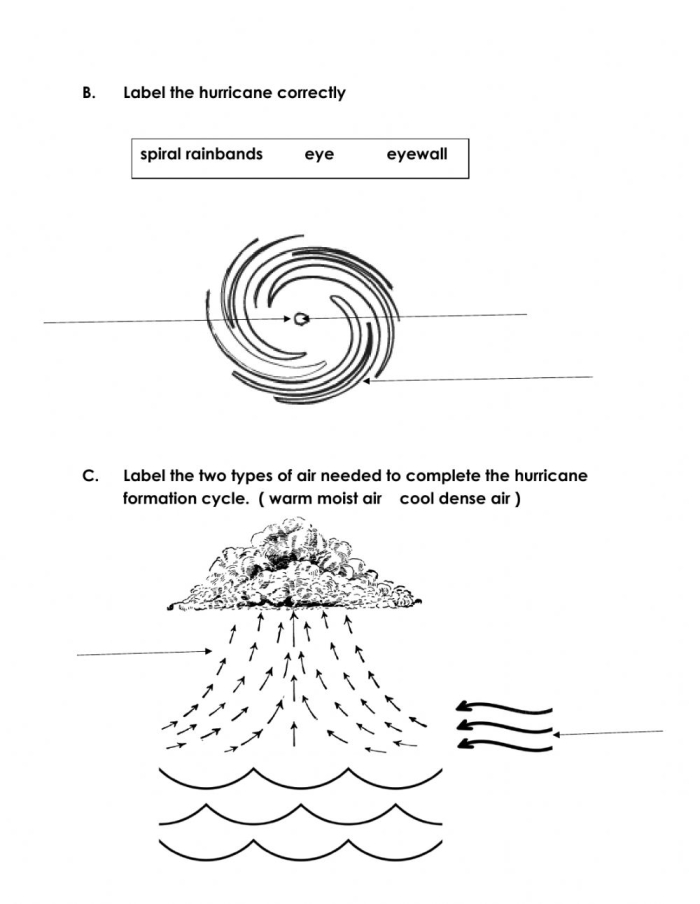
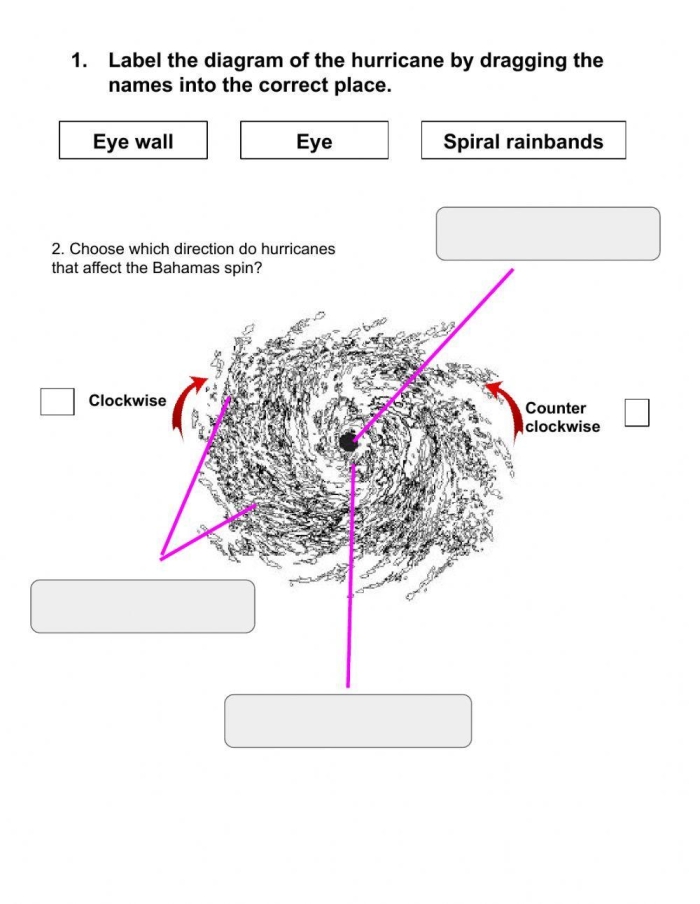
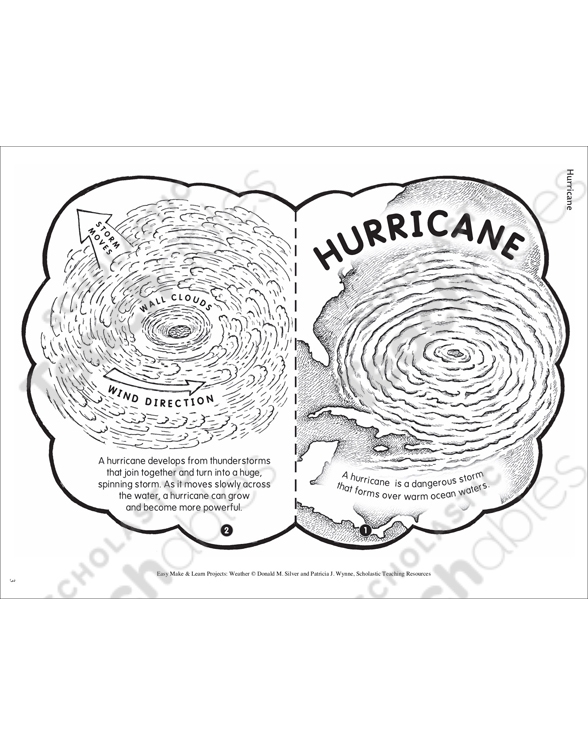
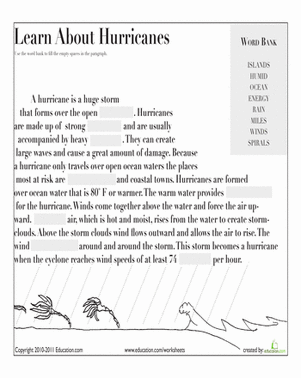
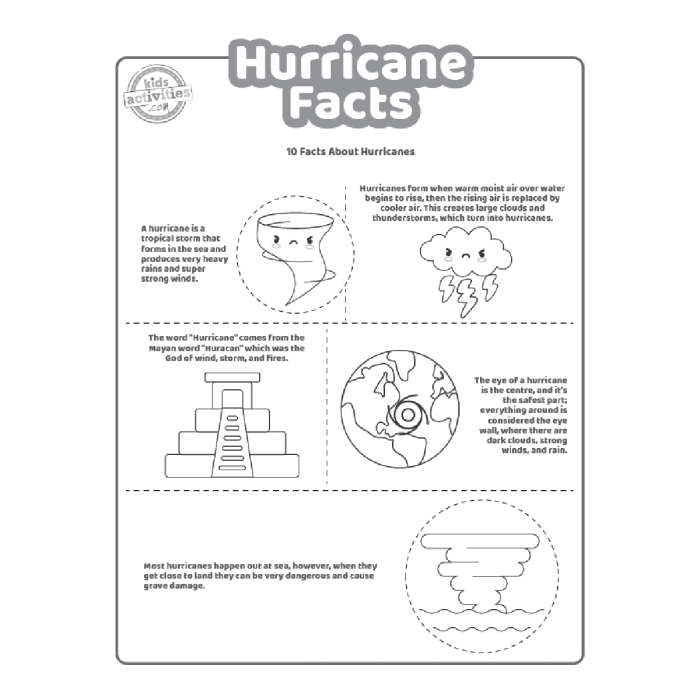
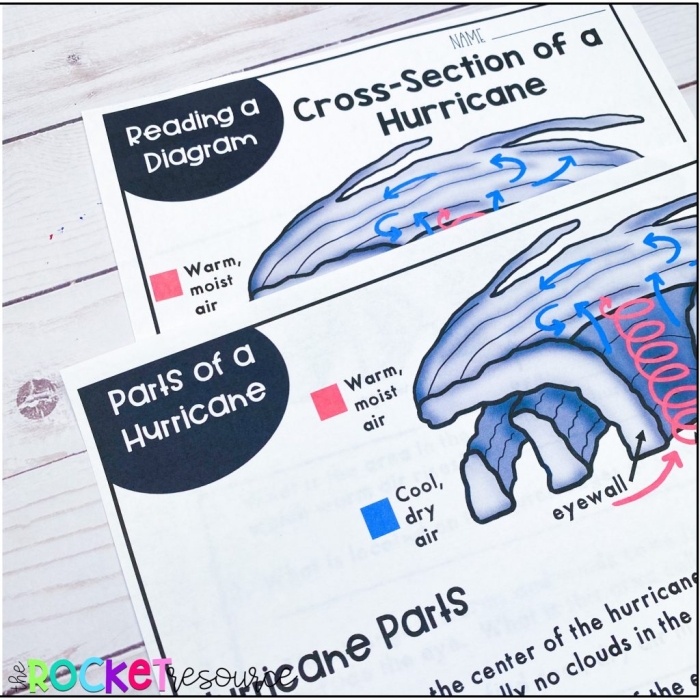
Hurricanes, also known as tropical cyclones, develop over warm ocean waters, typically when sea surface temperatures exceed 26.5 degrees Celsius (about 80 degrees Fahrenheit). The process begins when moist air rises, creating a low-pressure area that draws in surrounding air. As this air spirals inward, it heats up and rises further, leading to the formation of clouds and thunderstorms. The rotation of the Earth causes these storms to spin, resulting in the characteristic cyclone shape.
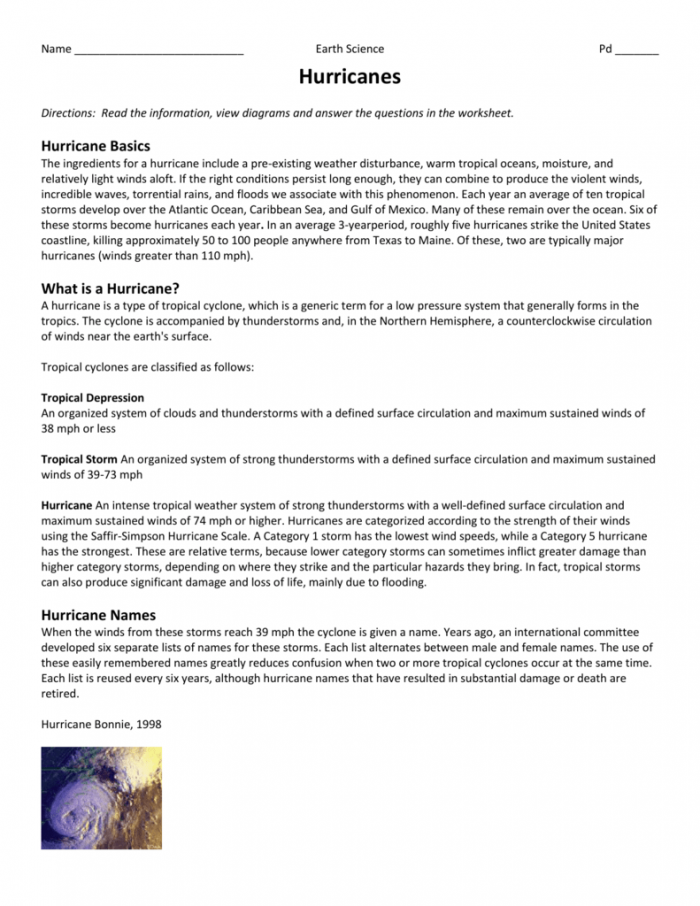
One crucial aspect to note is that hurricanes are categorized based on their wind speeds, using the Saffir-Simpson Hurricane Wind Scale. This scale ranges from Category 1, with winds of 74-95 mph, to Category 5, with winds exceeding 157 mph. Each category indicates the potential damage to structures and the environment. For instance, a Category 3 hurricane can cause devastating damage, particularly to homes and infrastructure along coastlines.
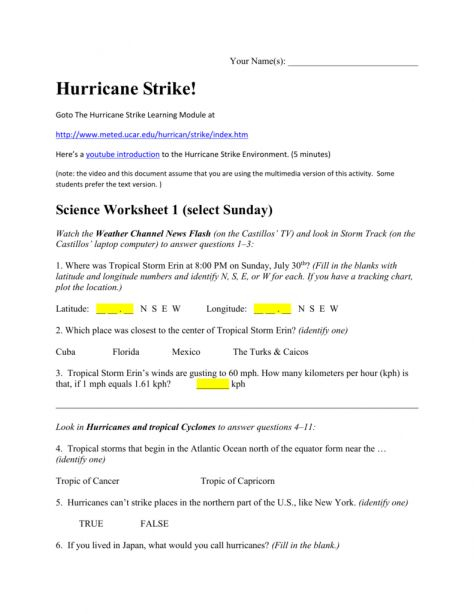
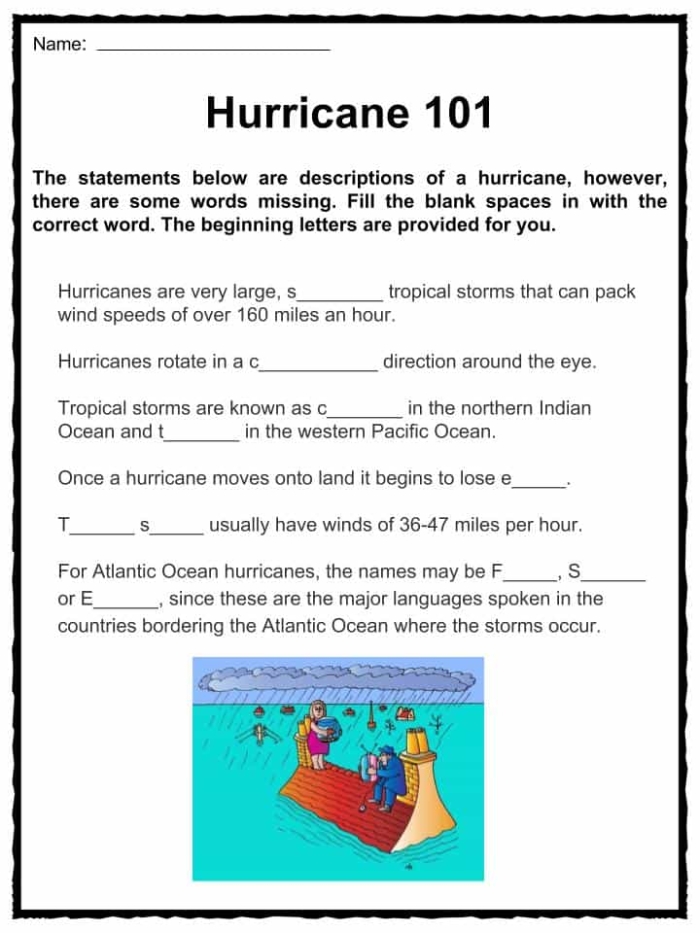
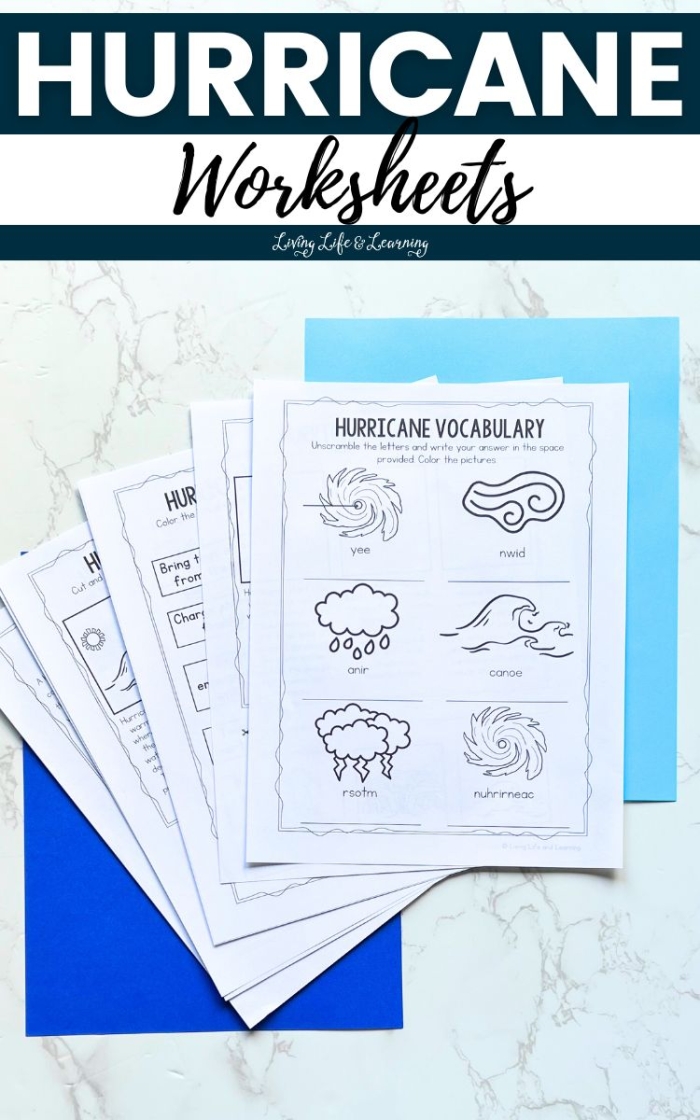
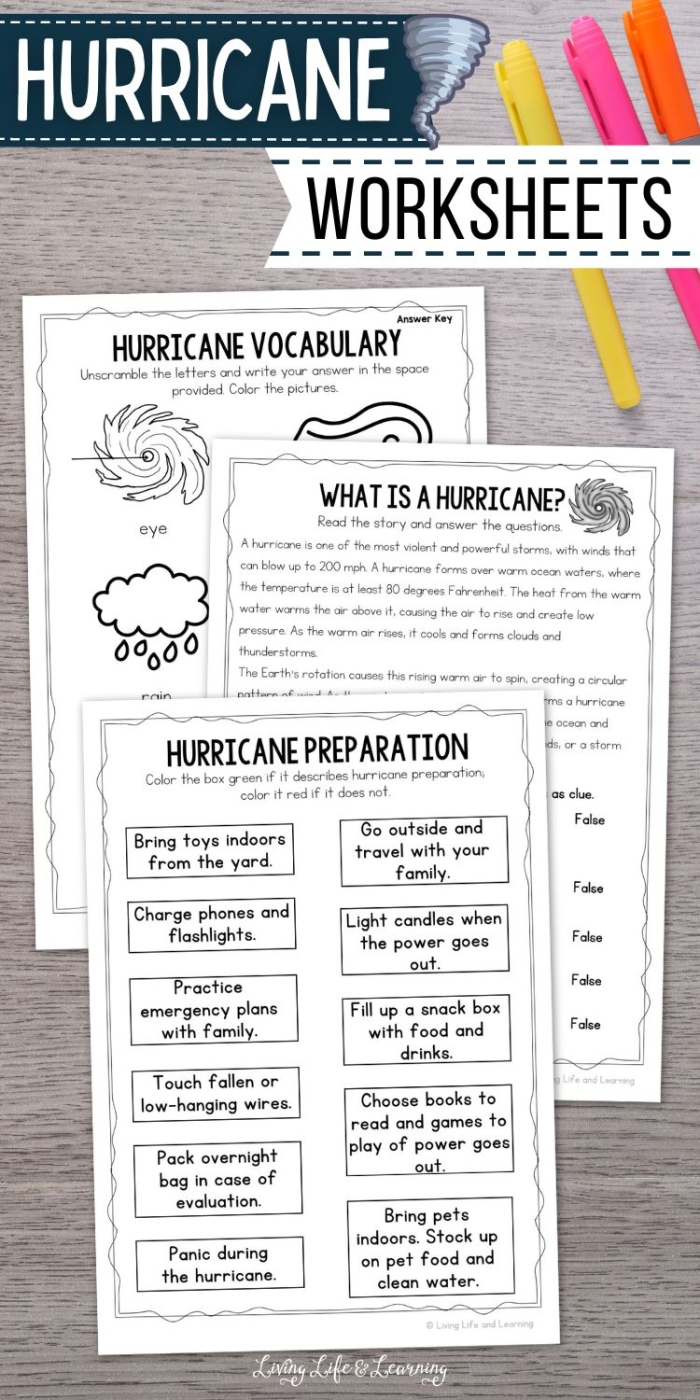
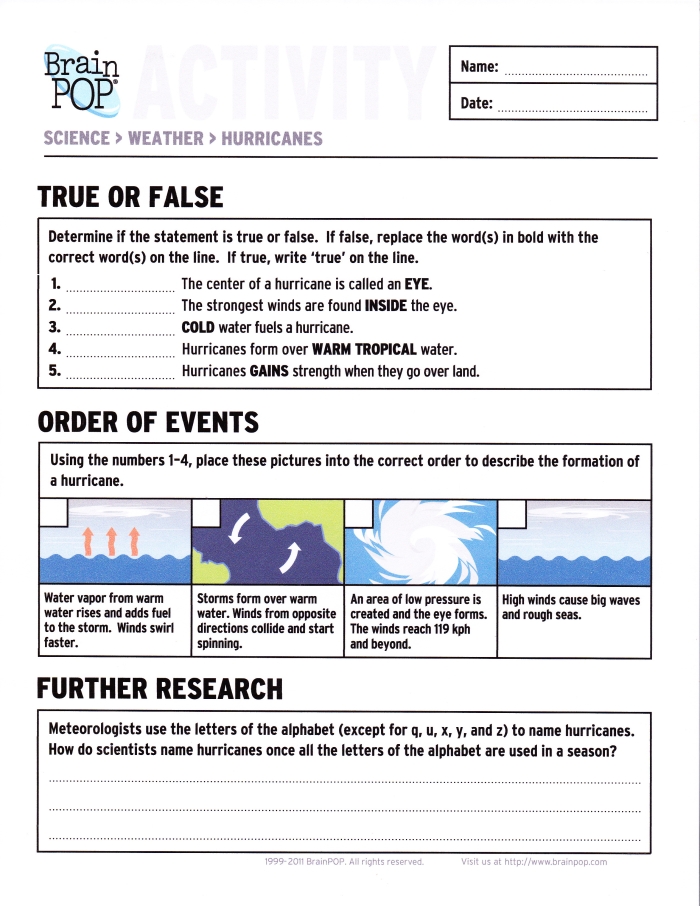
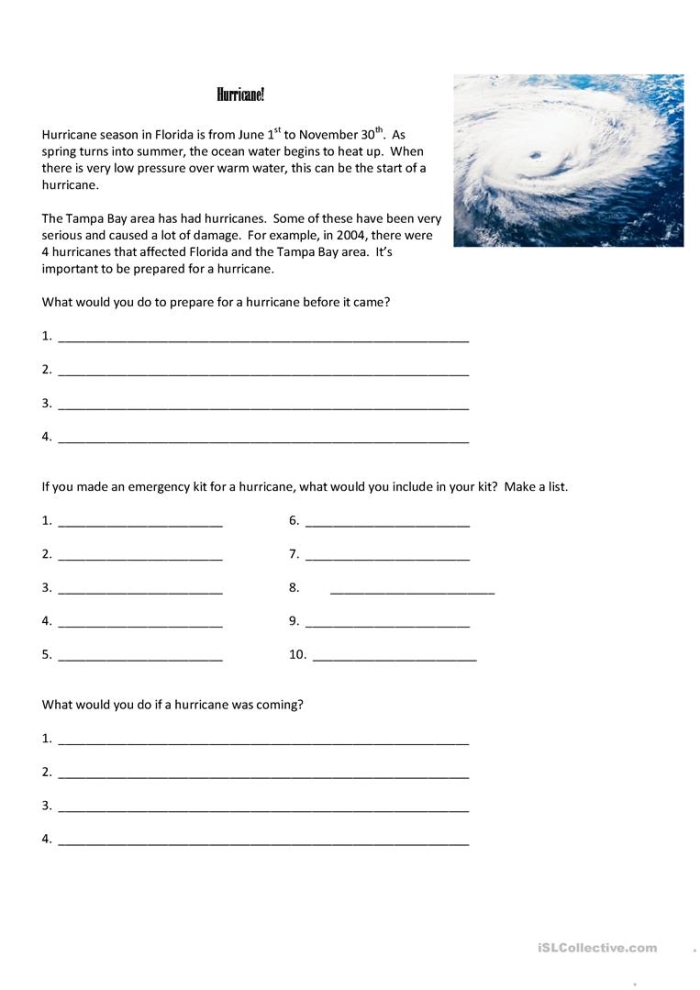
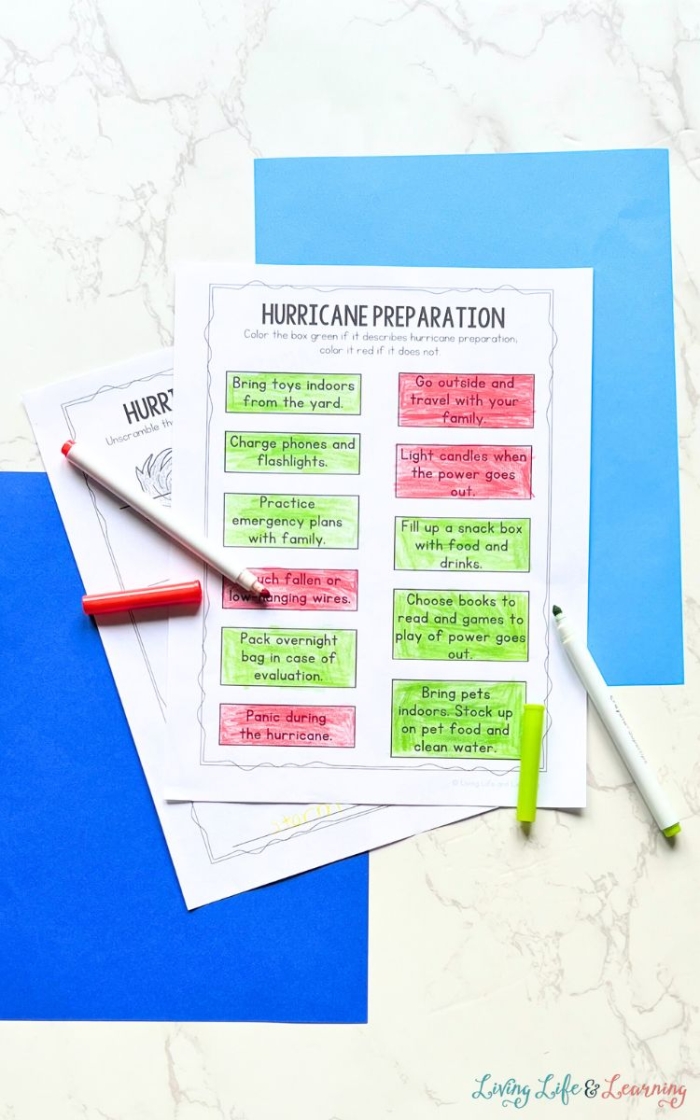
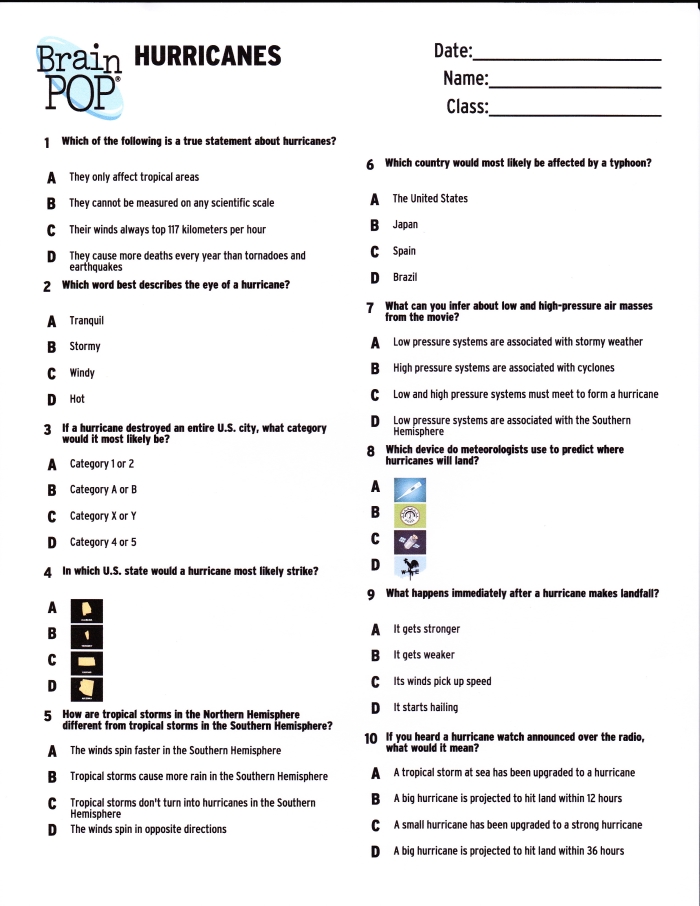
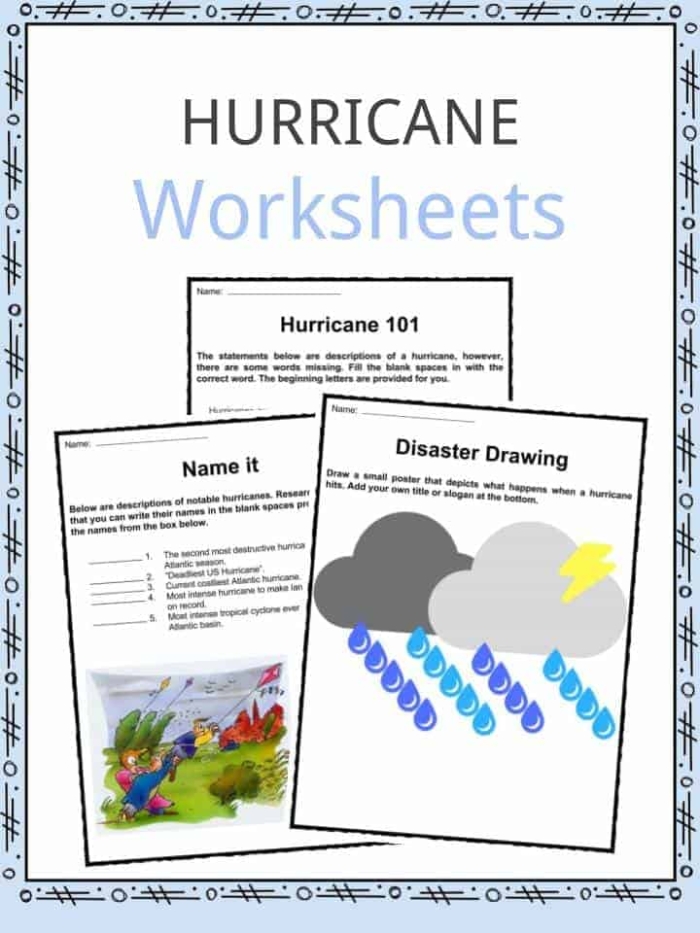
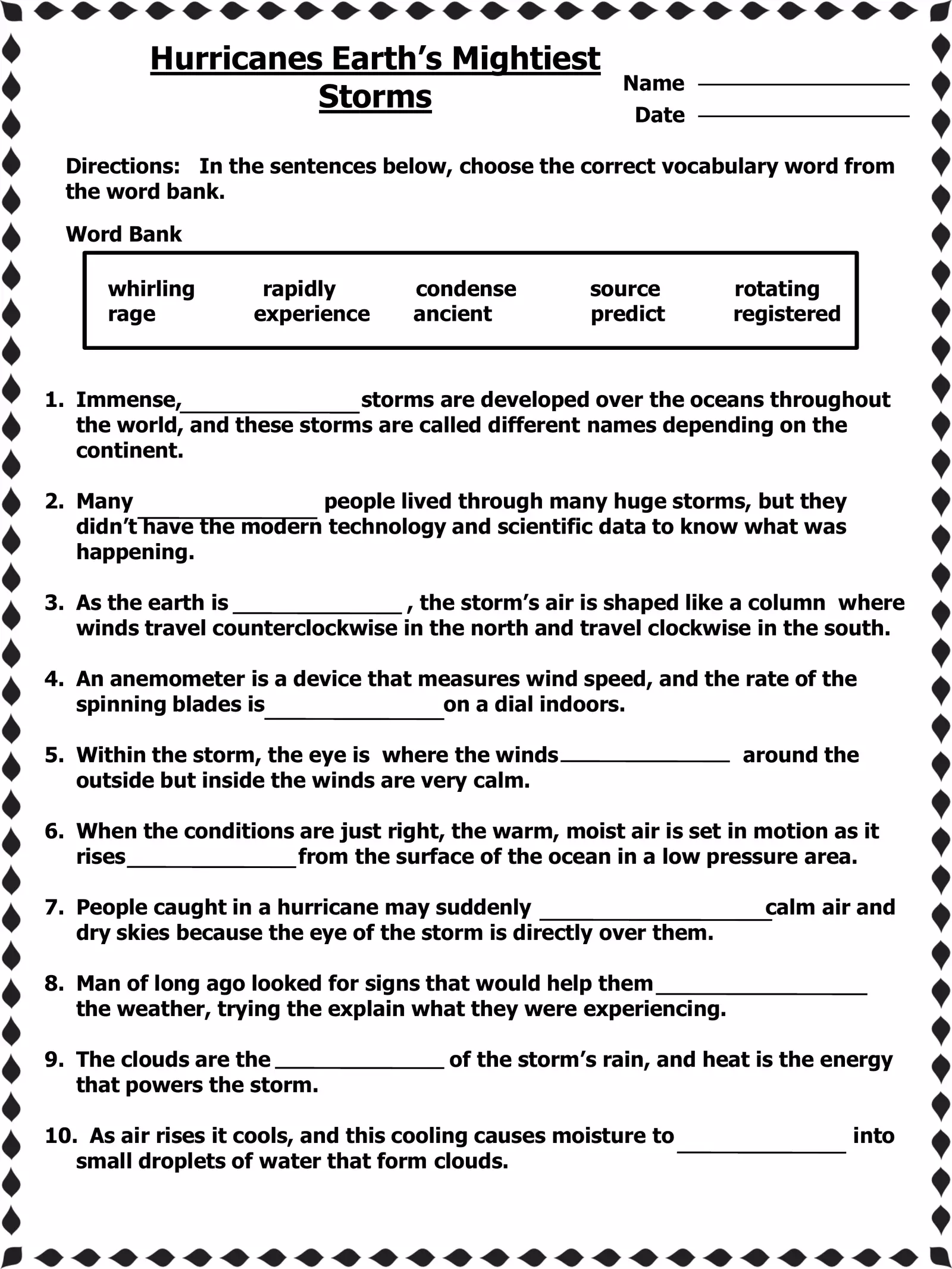
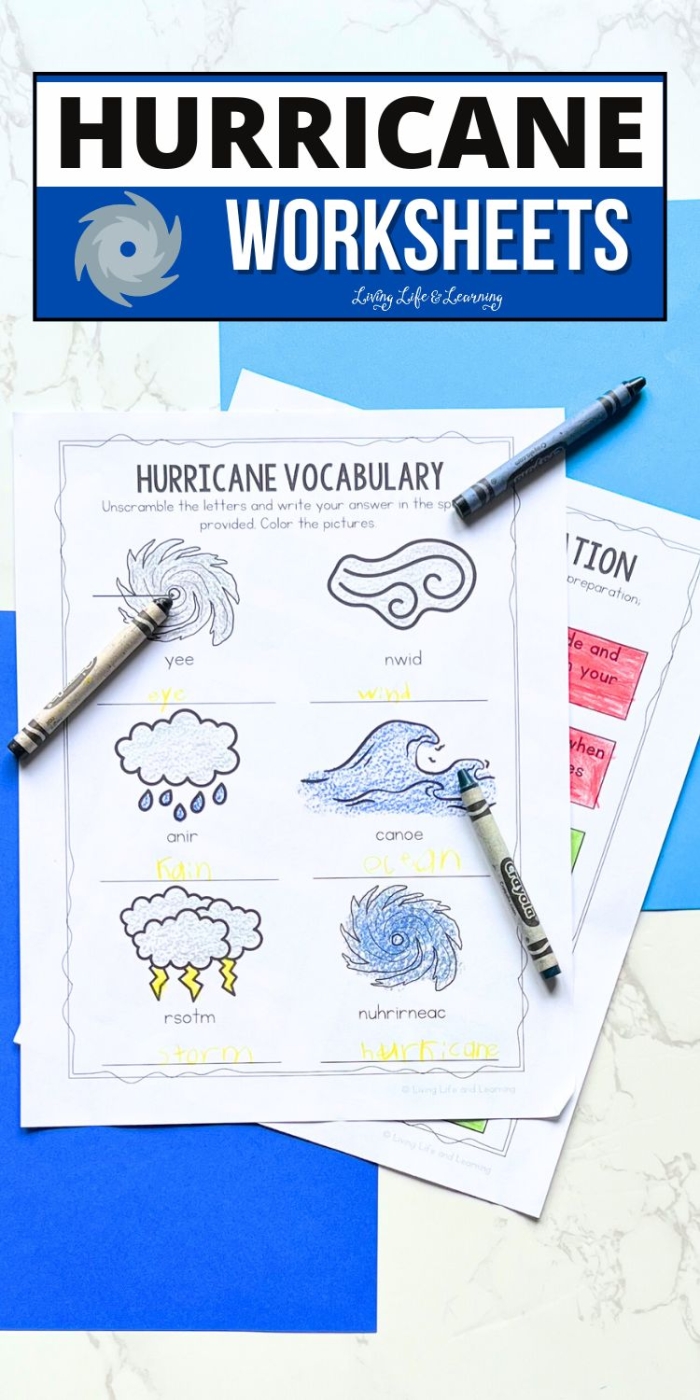
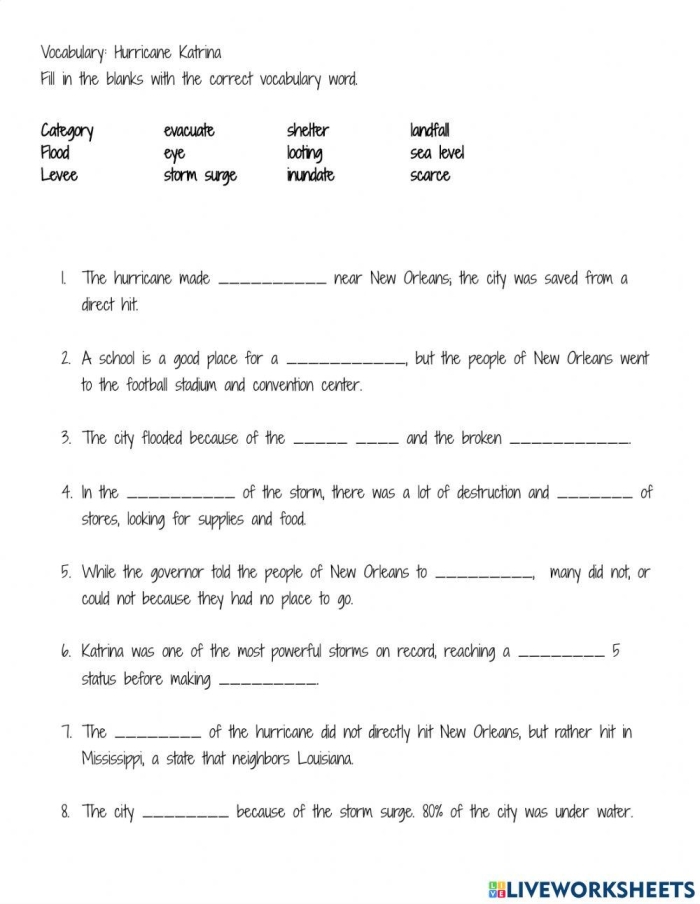
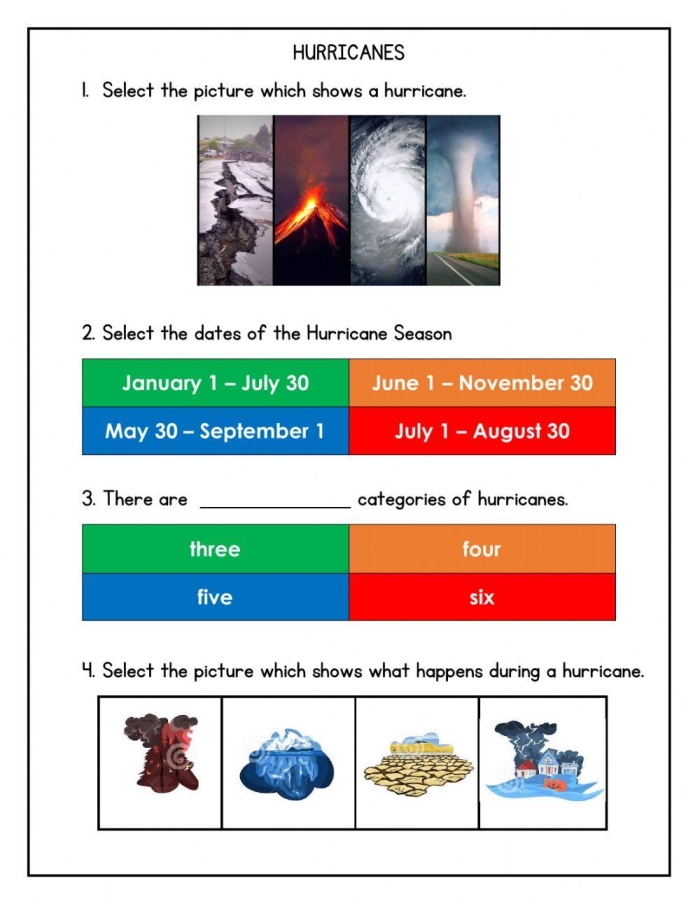
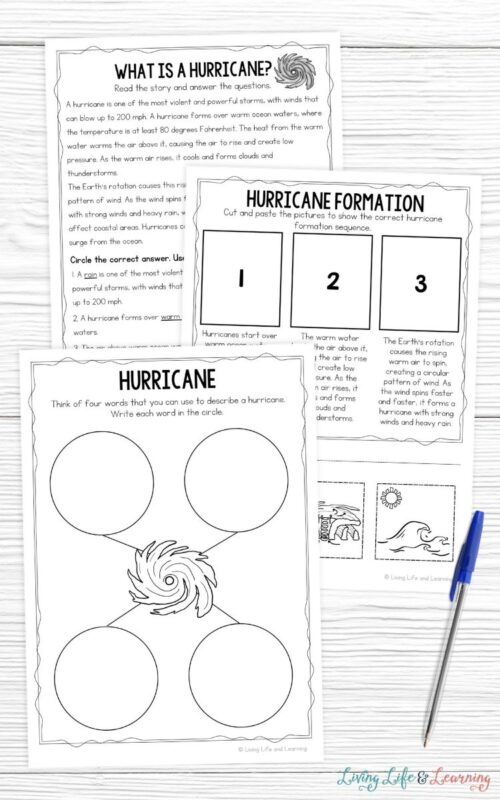
For fifth graders looking to enhance their understanding of hurricane science, engaging worksheets can be particularly helpful. Printable hurricane science worksheets can reinforce learning about storm formation, structure, and safety measures. Resources that incorporate phonics and vocabulary related to hurricanes help solidify comprehension through practical activities. If you’re interested, you can explore printable resources that also touch on related topics like winter temperatures or geometry through games and activities.
As we continue to study hurricanes, it’s important to remember that climate change may influence their frequency and intensity. While predicting these storms remains a challenge, advancements in technology and science are improving our ability to understand and prepare for their impacts. By educating ourselves and others, we can better respond to these powerful forces of nature.
Start Practicing with These Worksheets