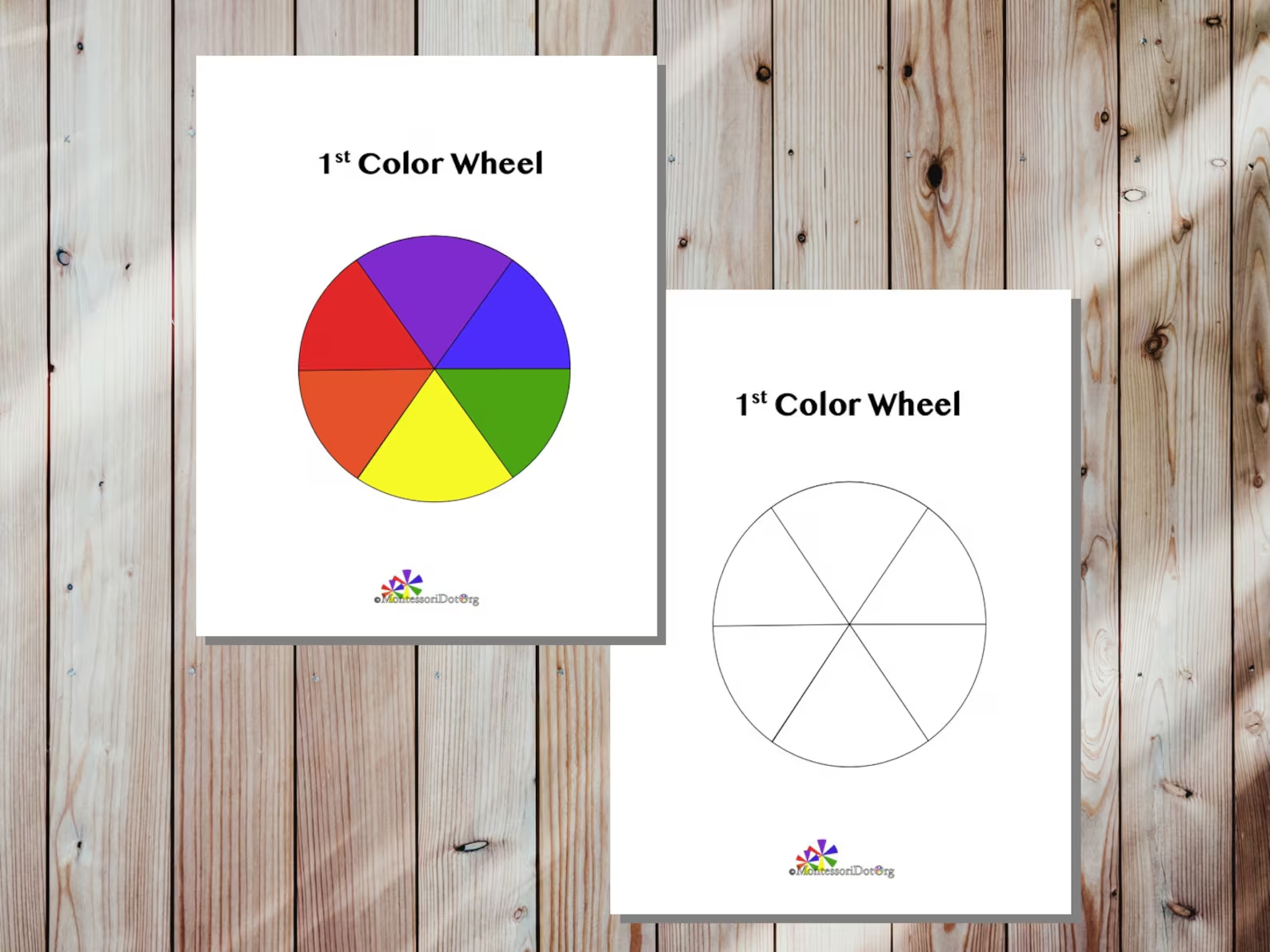
The color wheel is one of the most useful tools for understanding how colors work together, and it’s something third grade students can grasp quickly with the right explanation. At its core, the color wheel organizes colors in a circular format that shows their relationships and how they mix to create new shades.
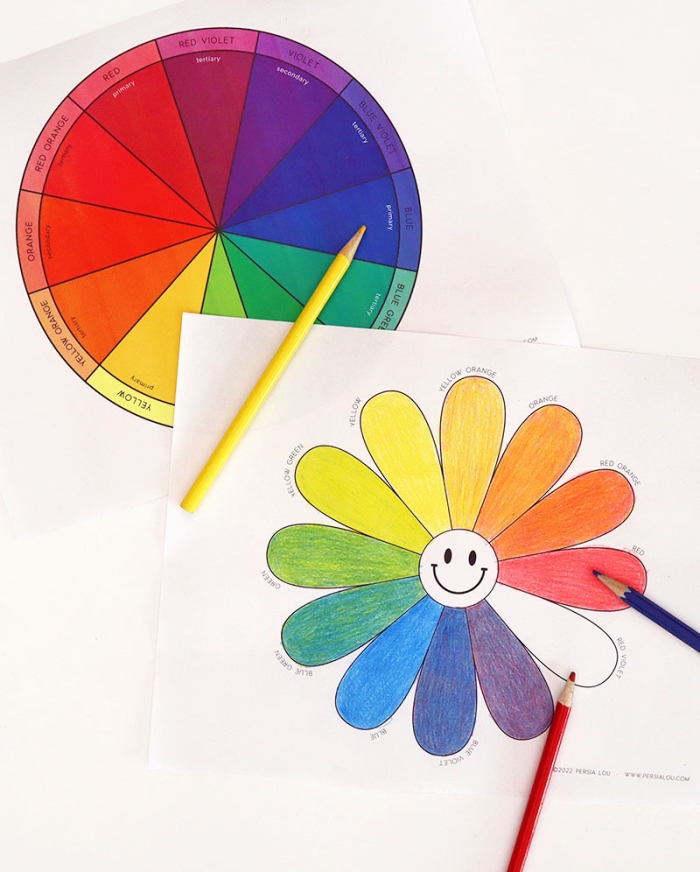
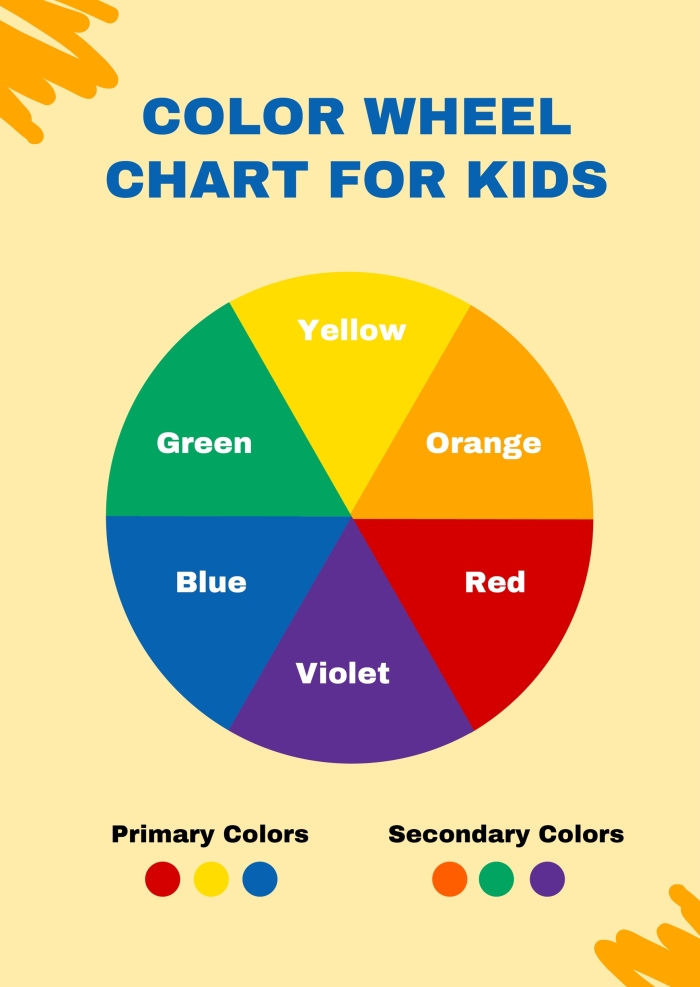
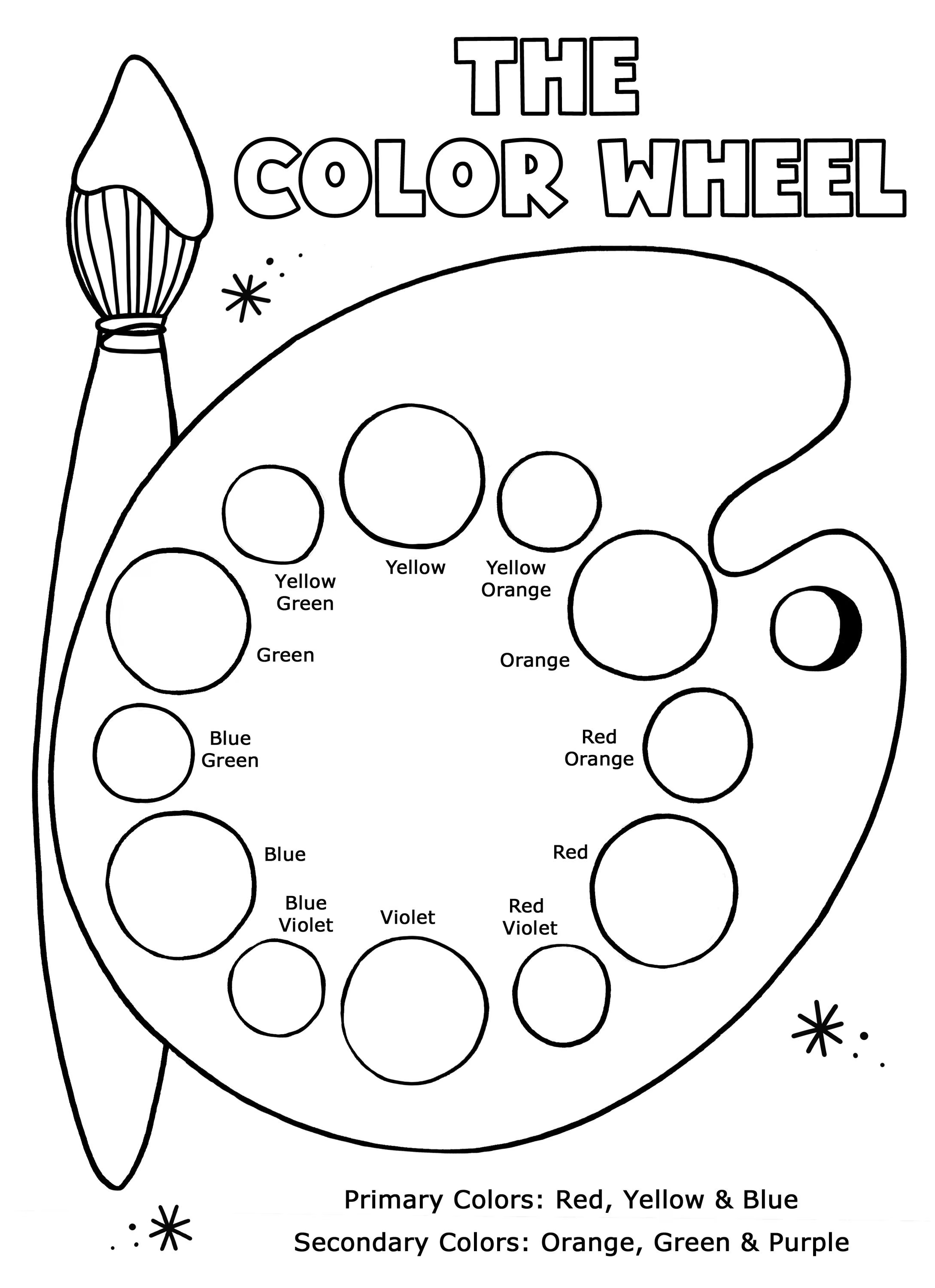
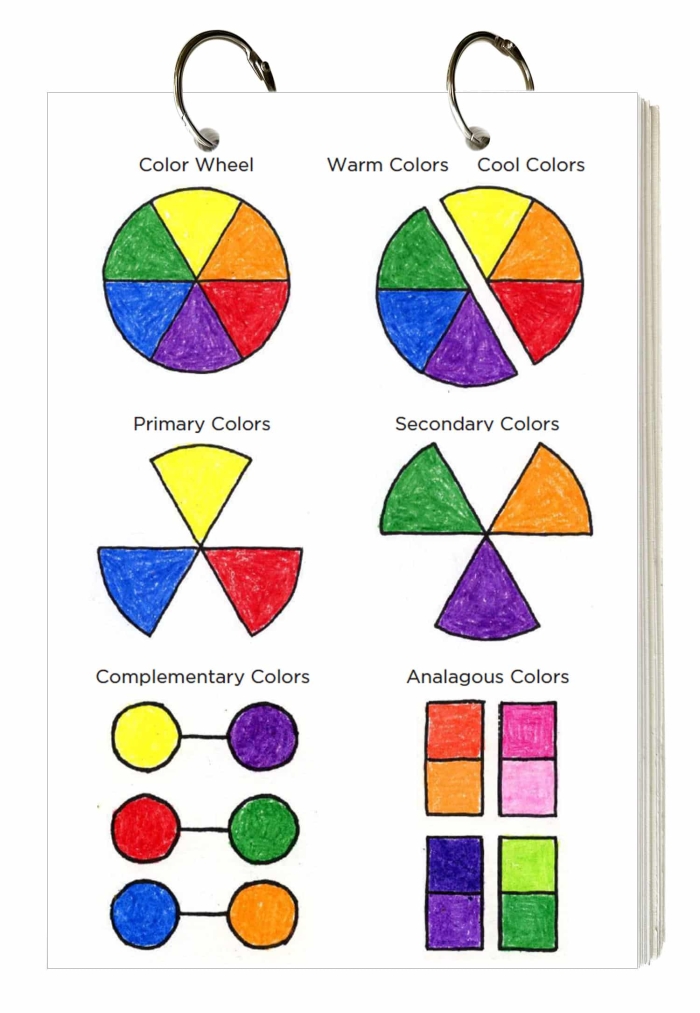
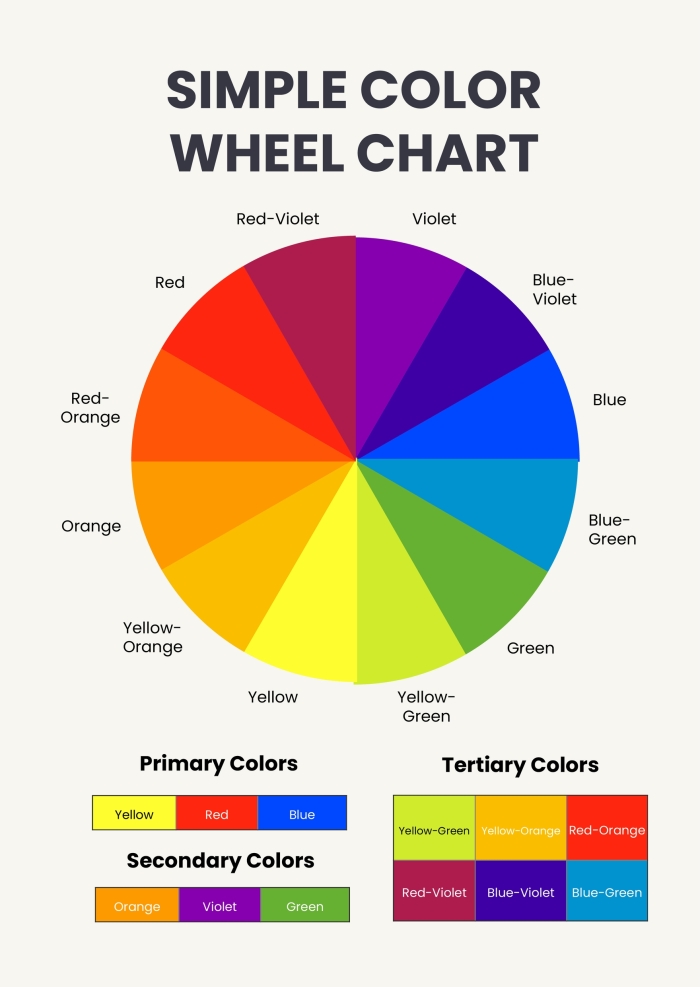
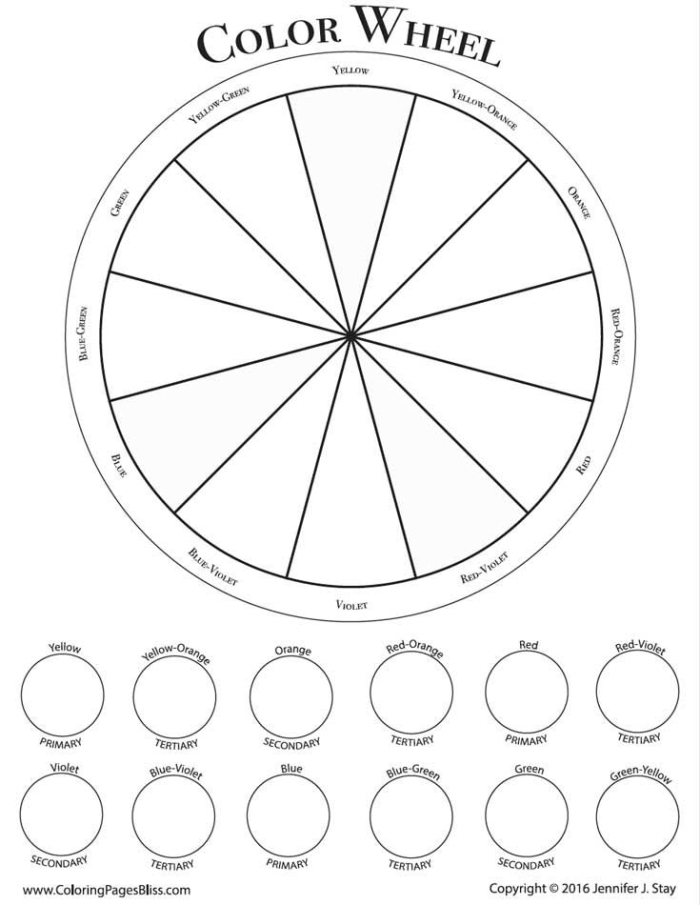
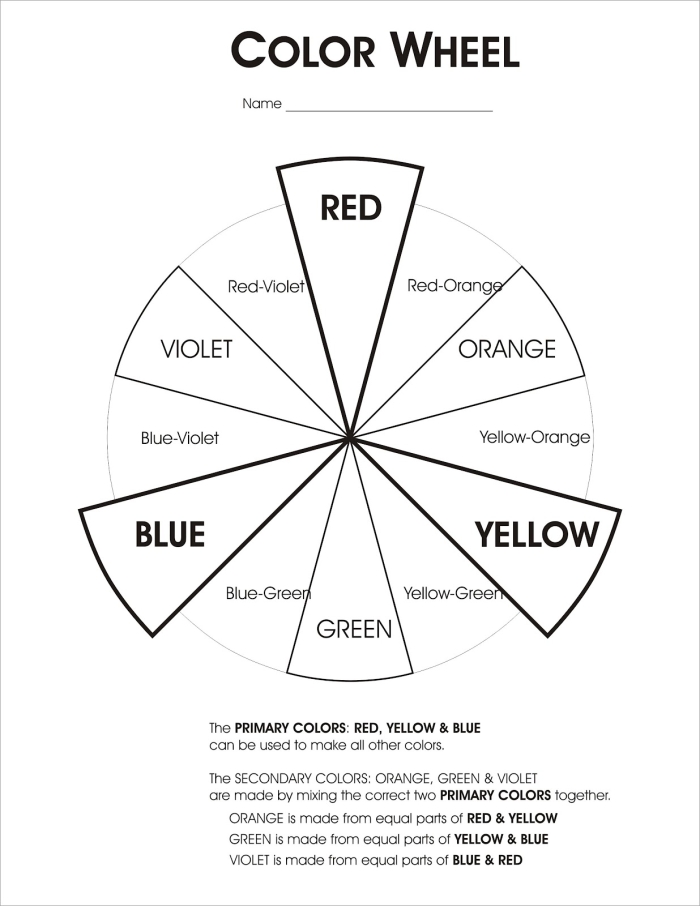
The foundation starts with the three primary colors: red, yellow, and blue. These are called primary because you cannot create them by mixing other colors together, but you can mix them to produce every other color on the wheel. When teaching physical science concepts about light and color, this is the essential starting point.
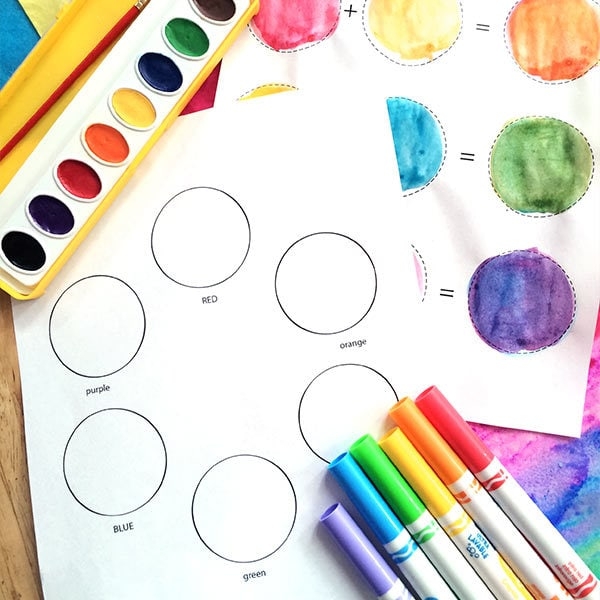
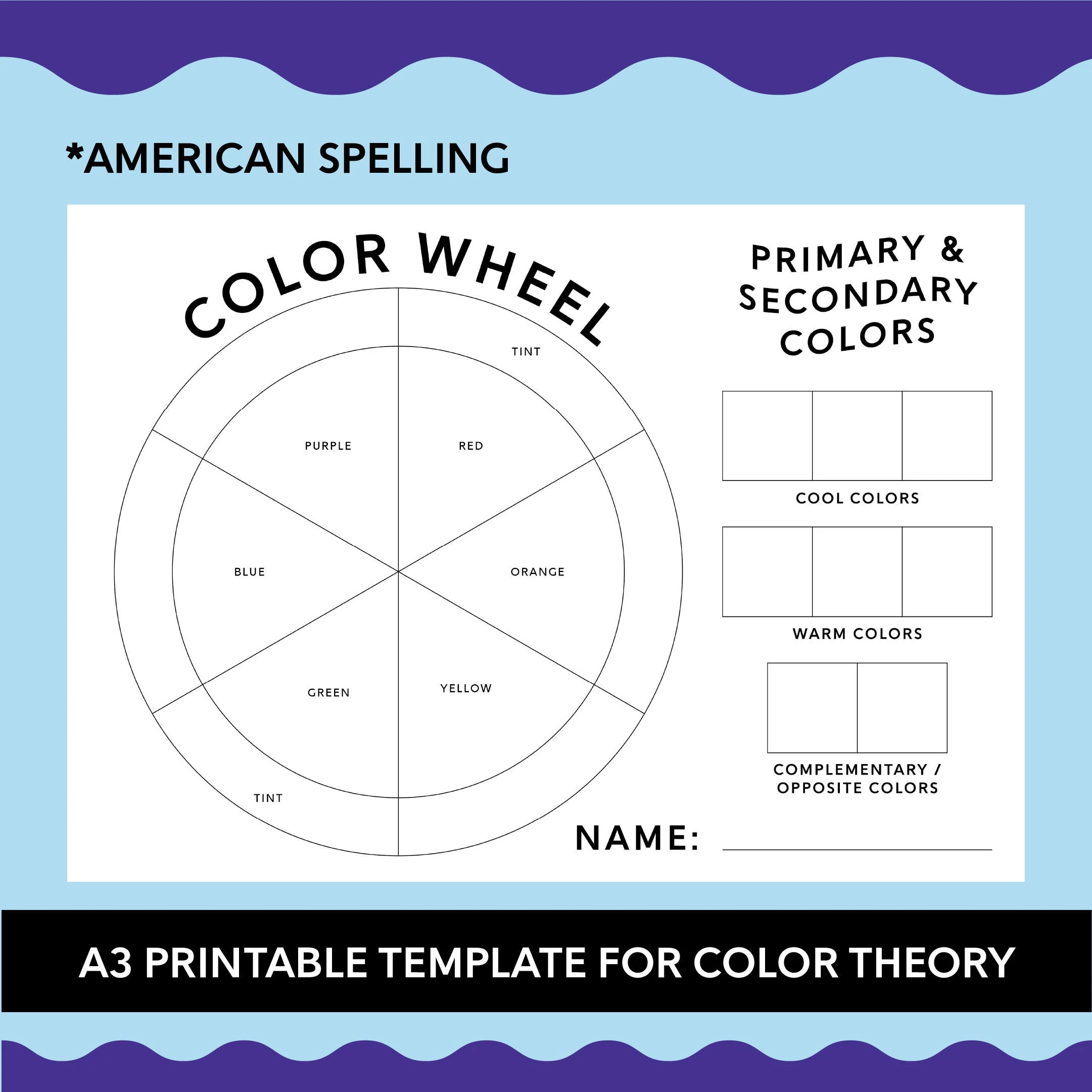
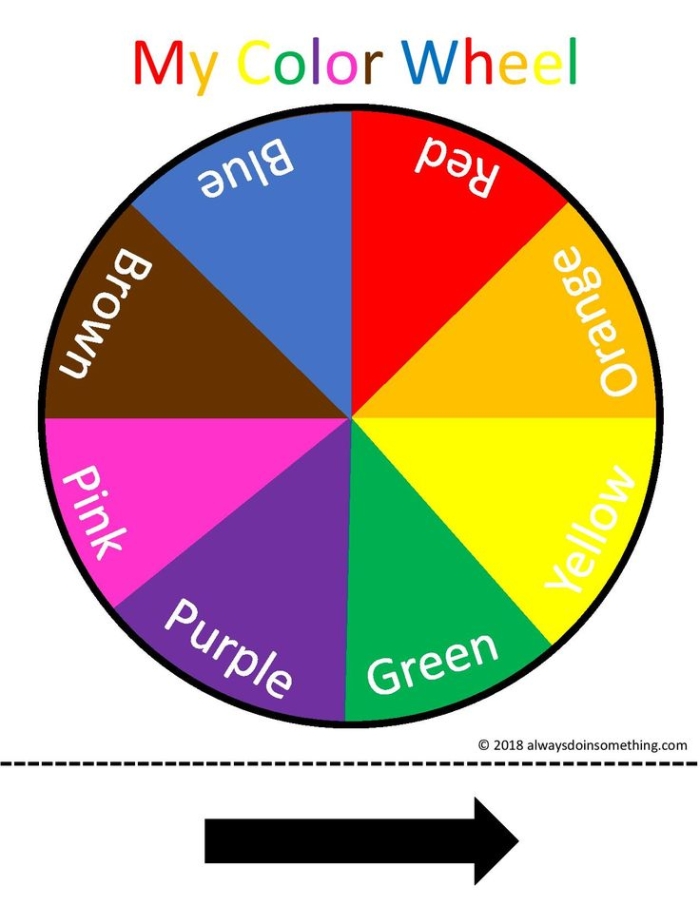
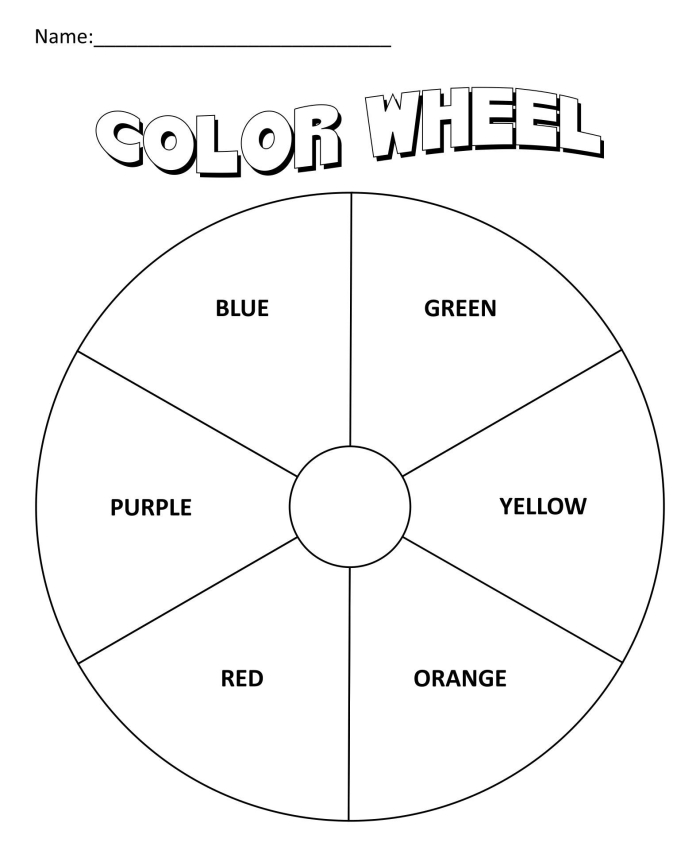
Secondary colors come next. When you combine two primary colors in equal amounts, you get a secondary color. Red plus yellow makes orange, yellow plus blue makes green, and blue plus red makes purple. These three secondary colors sit between the primary colors on the wheel, creating a balanced visual pattern.
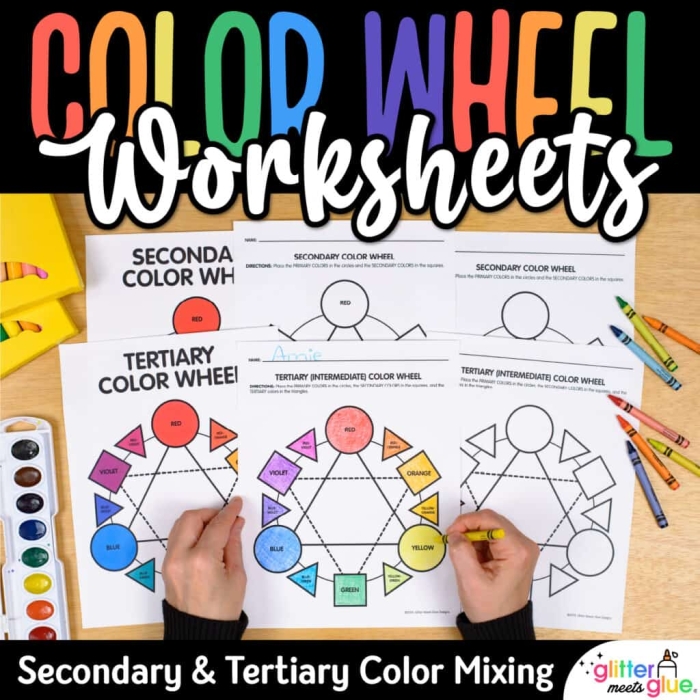
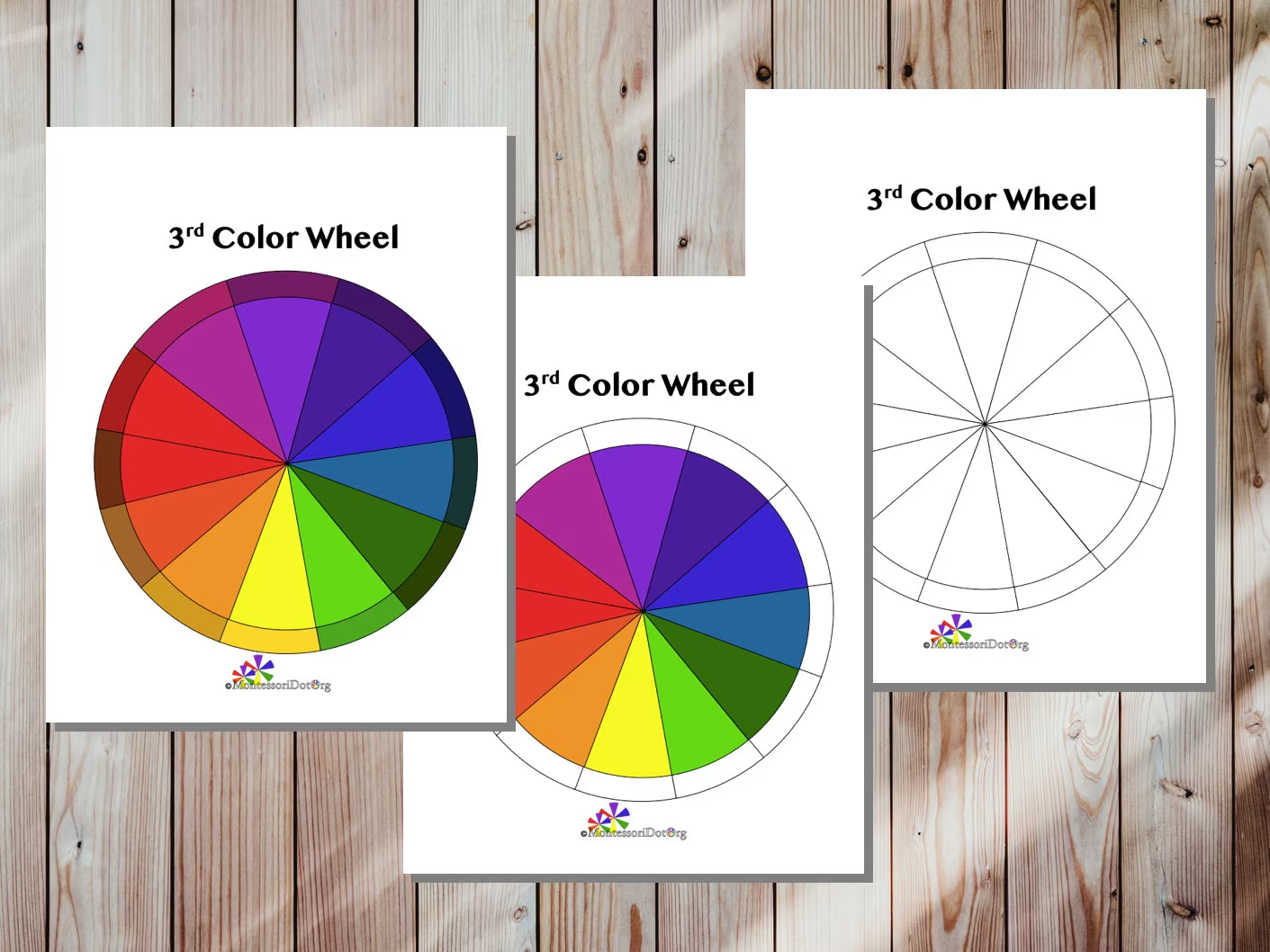
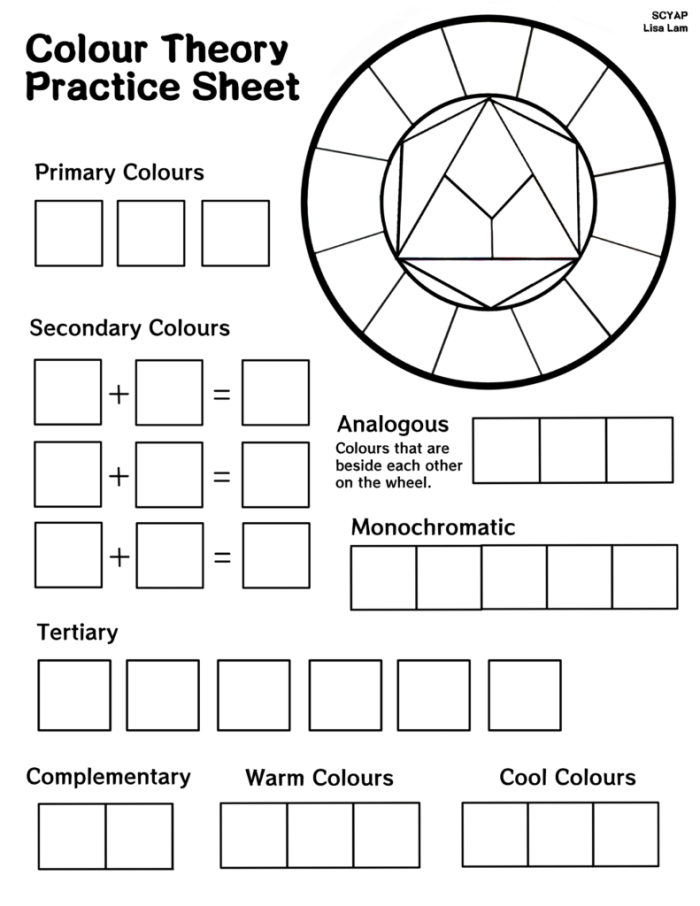
Tertiary colors are where things get more interesting. These are made by mixing a primary color with a secondary color right next to it. For example, red mixed with orange creates red-orange, while blue mixed with green creates blue-green. There are six tertiary colors in total, and they fill in the remaining spaces on the wheel.
Understanding the color wheel helps students recognize complementary colors, which are colors opposite each other on the wheel. Red and green are complements, as are blue and orange. This knowledge connects directly to how we perceive the color spectrum in physical science.
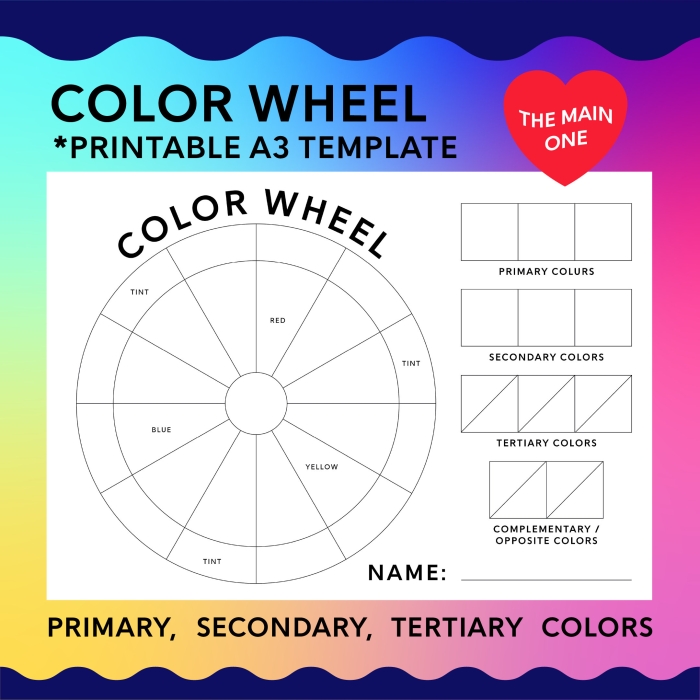
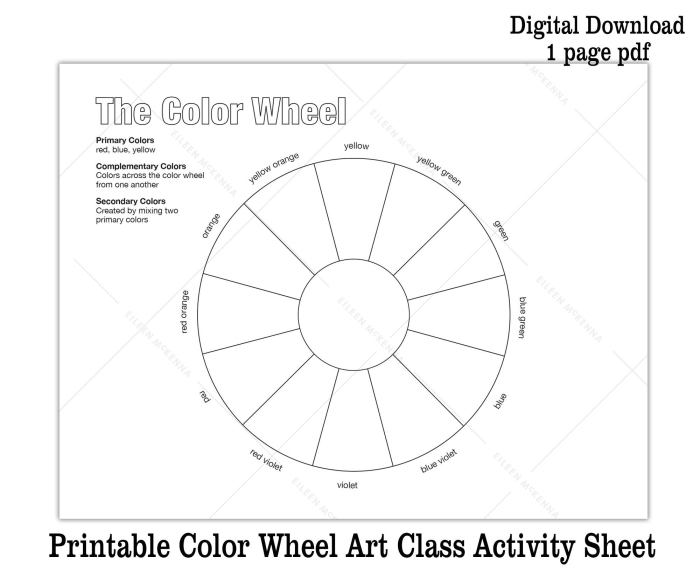
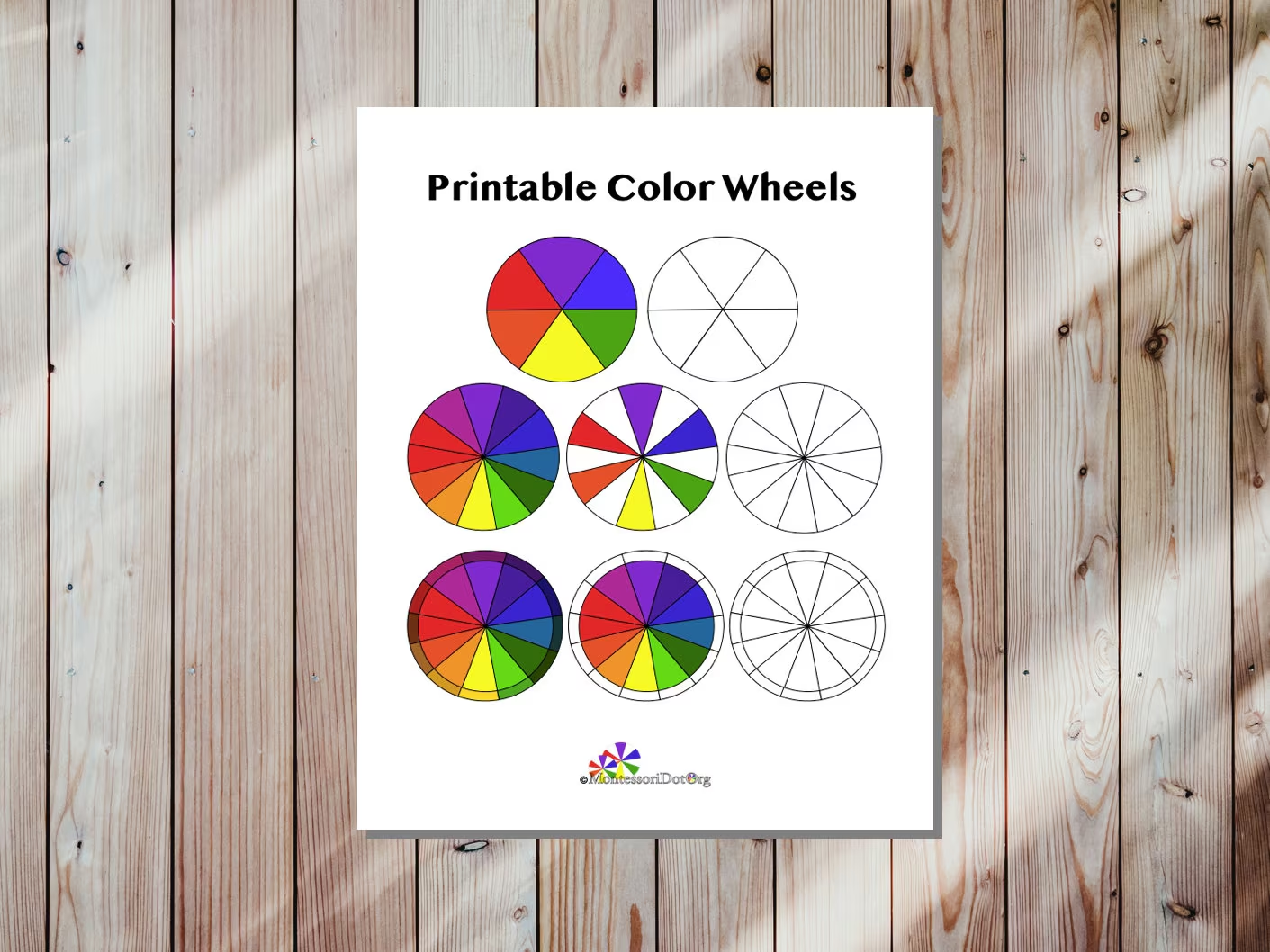
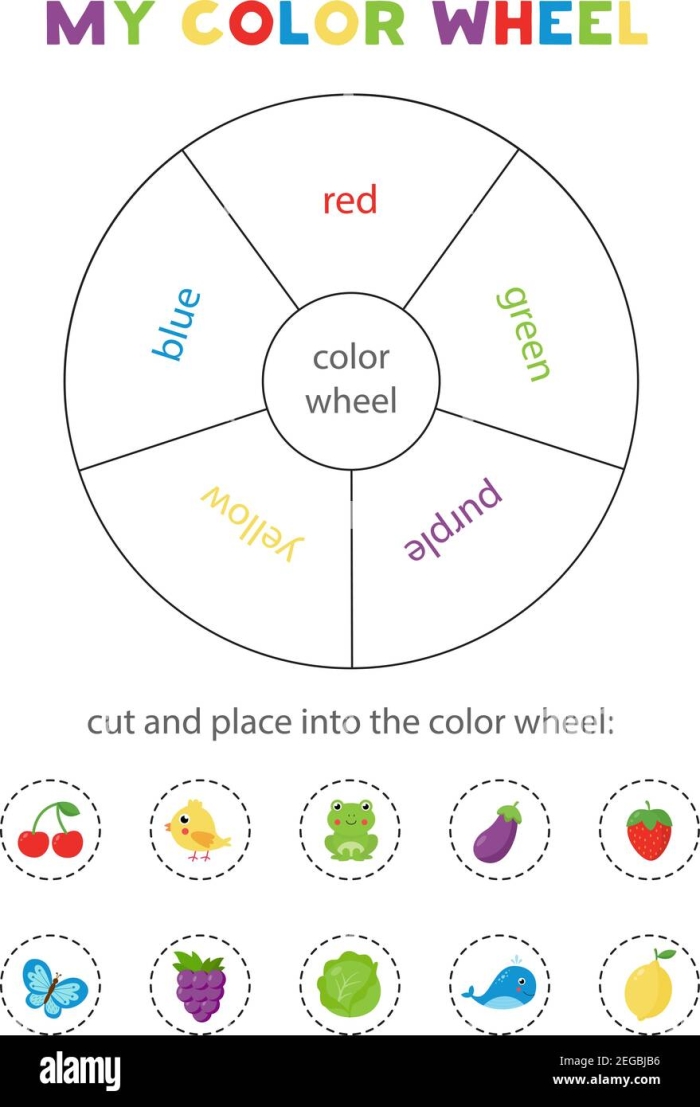
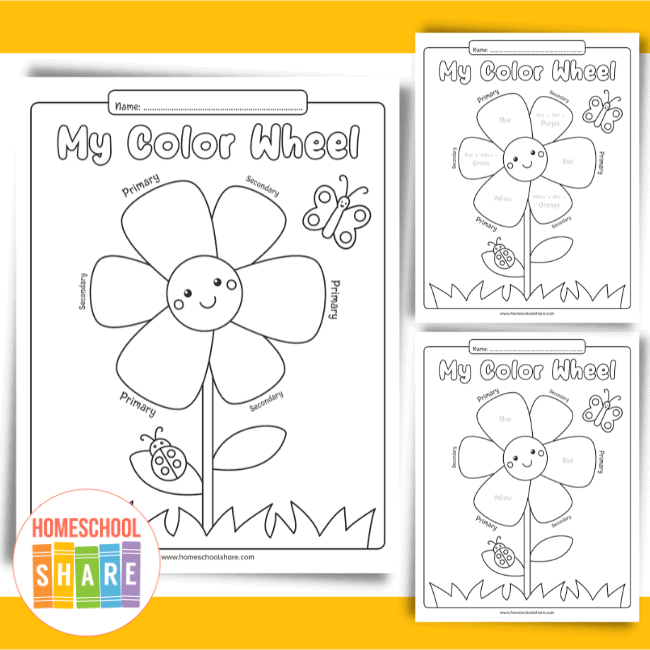
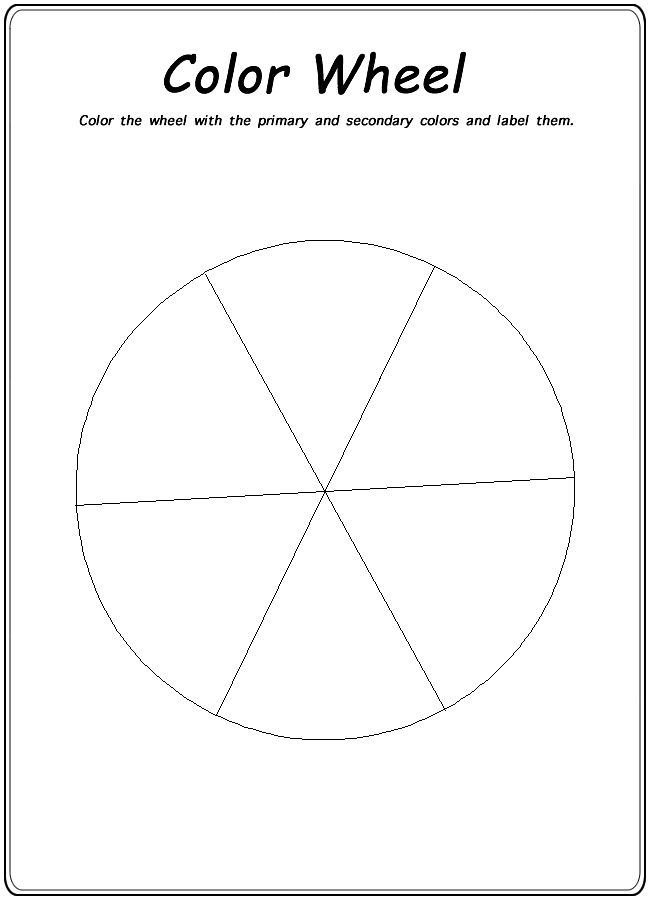
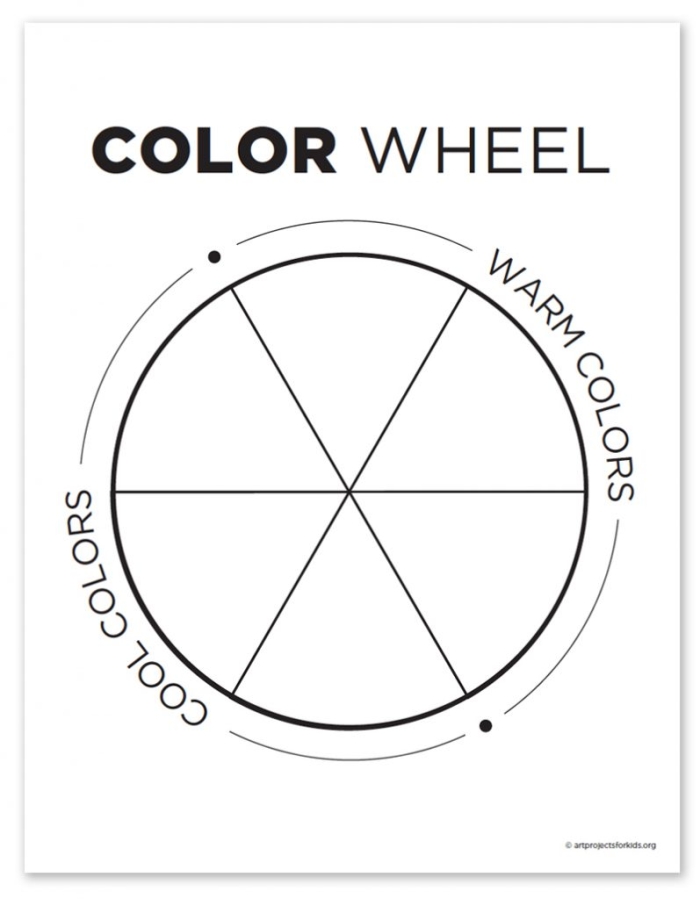
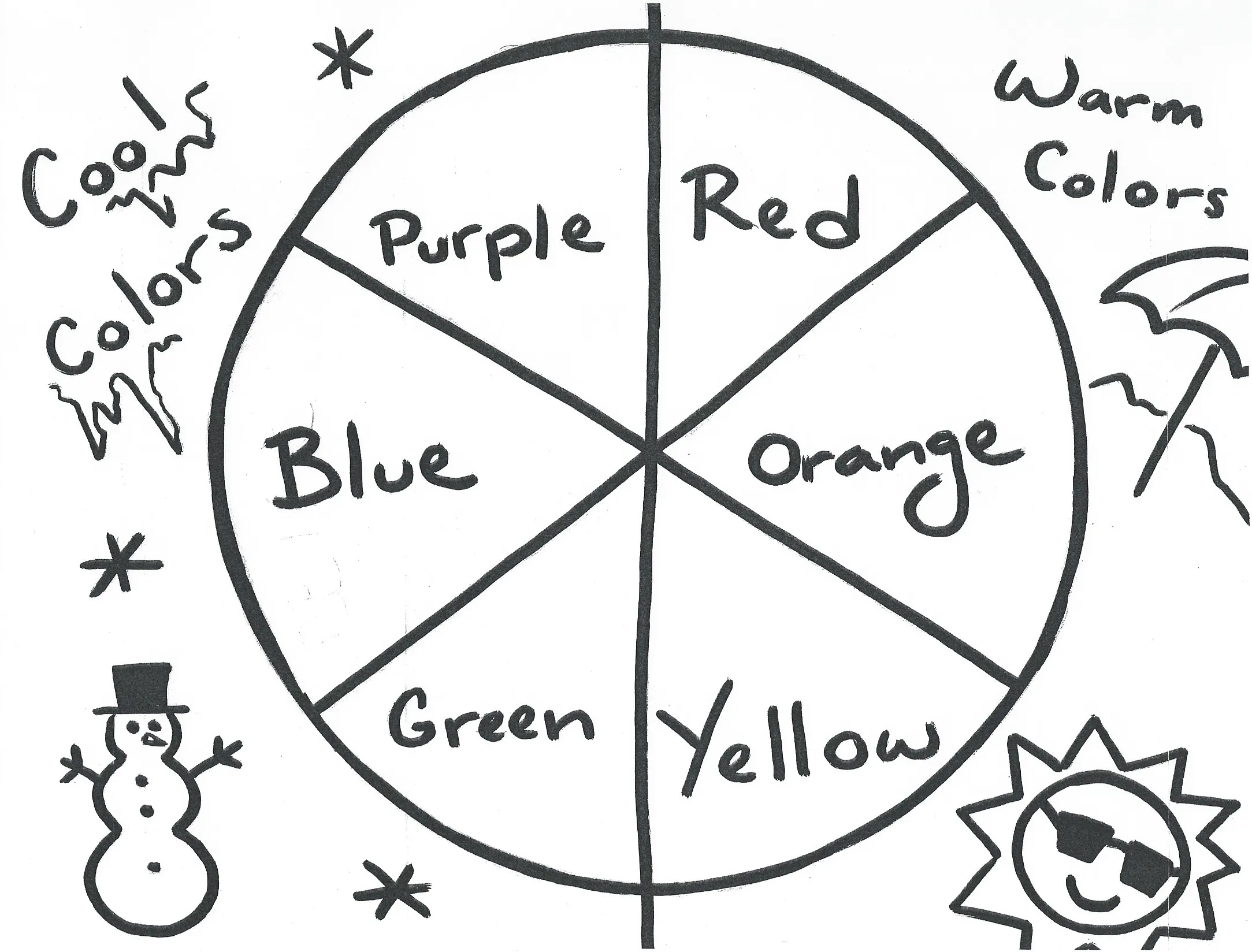
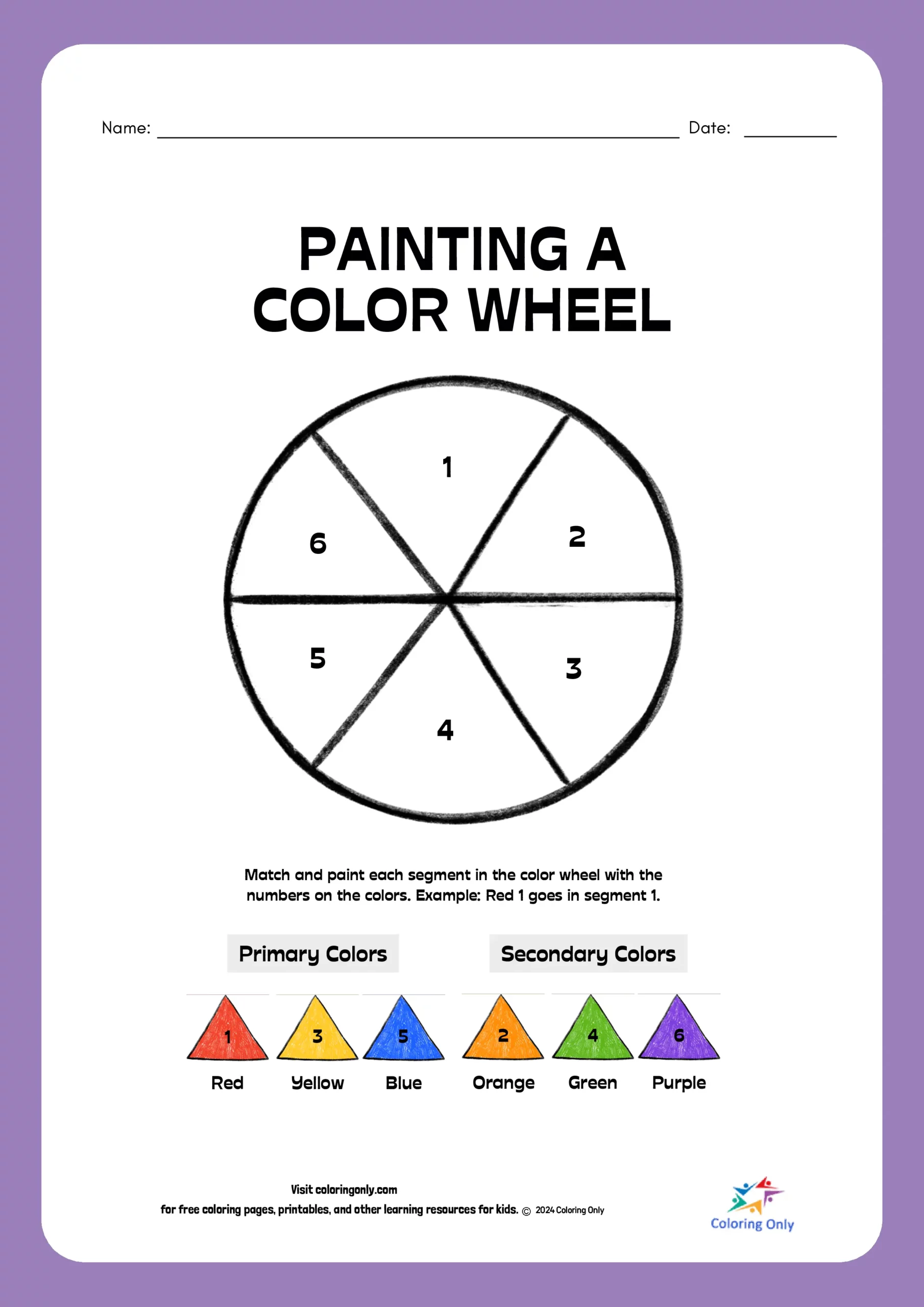
For third graders learning about light and color, practicing with a printable color wheel for kids worksheets makes the concept stick. Drawing and labeling the wheel yourself, rather than just looking at it, helps cement these color relationships in memory.
Try These Printable Worksheets