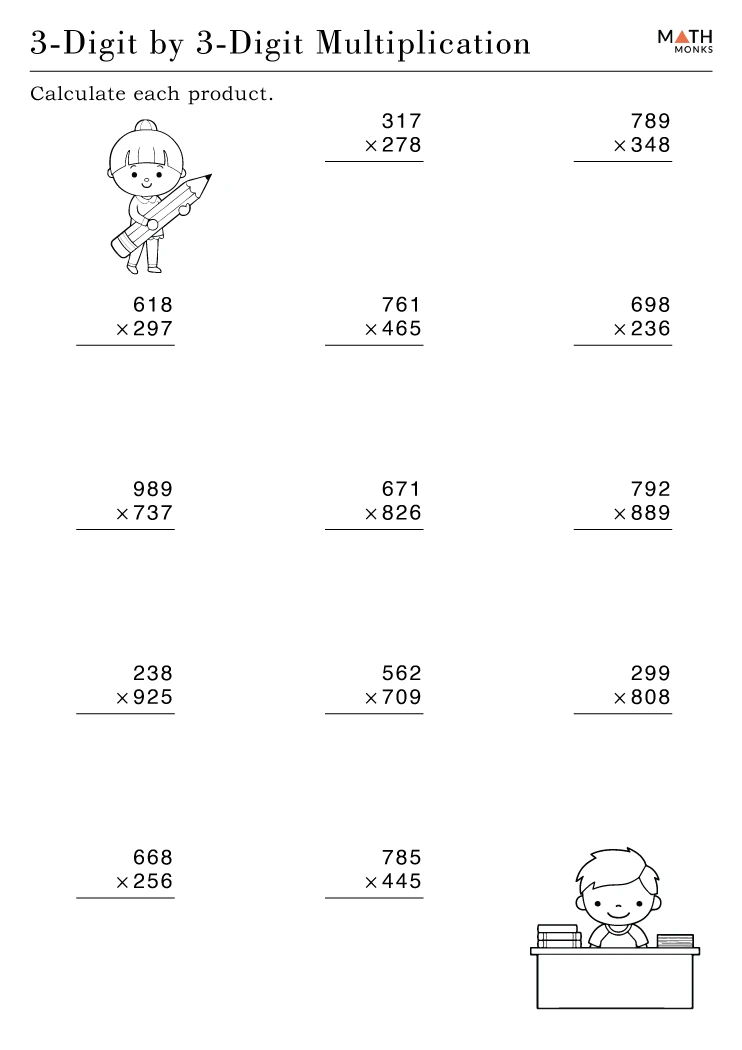
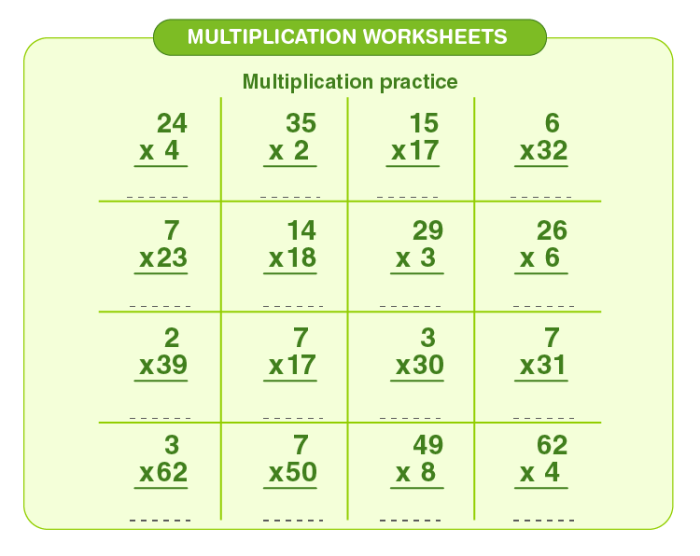
Teaching fourth graders how to multiply two-digit factors can be a rewarding experience, especially when using engaging methods like base ten arrays, area models, and partial products. These strategies not only simplify the multiplication process but also help students develop a deeper understanding of numbers.
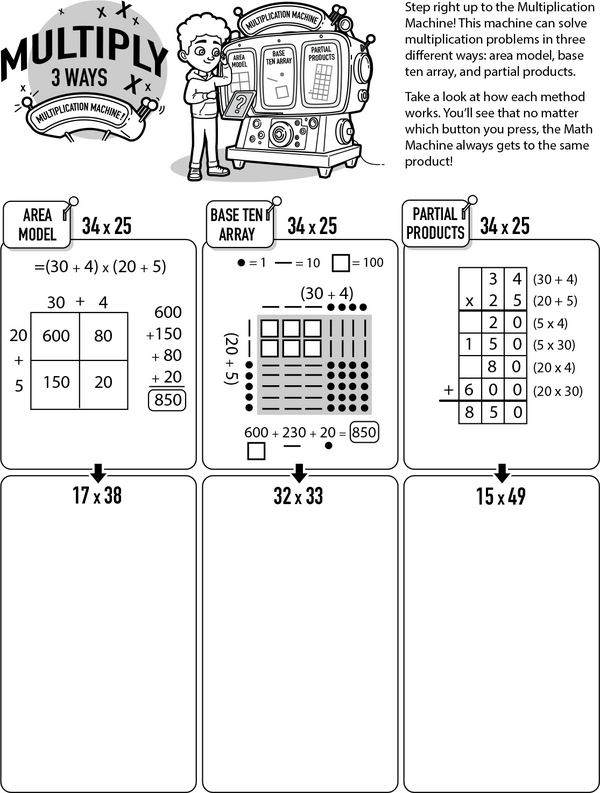
Base ten arrays are visual representations that allow students to see the multiplication process in action. By using small squares or blocks to represent numbers, students can arrange them in rows and columns. For instance, to multiply 23 by 15, they would create a grid with 23 rows and 15 columns. This method makes it easier to grasp the concept of multiplication as repeated addition. Students can count the total number of blocks to find the answer, making the abstract concept of multiplication more concrete.
Another effective method is the area model, which breaks down the multiplication into manageable parts. With the area model, students split each two-digit number into tens and ones. For example, when multiplying 23 by 15, they can express it as (20 + 3) multiplied by (10 + 5). Students then calculate the area of each rectangle formed by these parts: 20 x 10, 20 x 5, 3 x 10, and 3 x 5. Adding all these products together provides the final answer, reinforcing their understanding of the distributive property.
Partial products is yet another strategy that simplifies multiplication. In this method, students multiply each digit, starting from the rightmost side. For example, with 23 and 15, they would multiply 3 by 5, then 3 by 10, followed by 20 by 5, and finally 20 by 10. This step-by-step approach helps students to organize their work and reduces the chances of errors.
Incorporating these strategies into your lessons can make a significant difference in how fourth graders perceive multiplication. For additional resources, consider exploring worksheets on using punctuation in dialogue or fragment recognition worksheets. By providing a variety of methods, you can cater to different learning styles and ensure that all students grasp the concept of multiplying two-digit factors effectively.
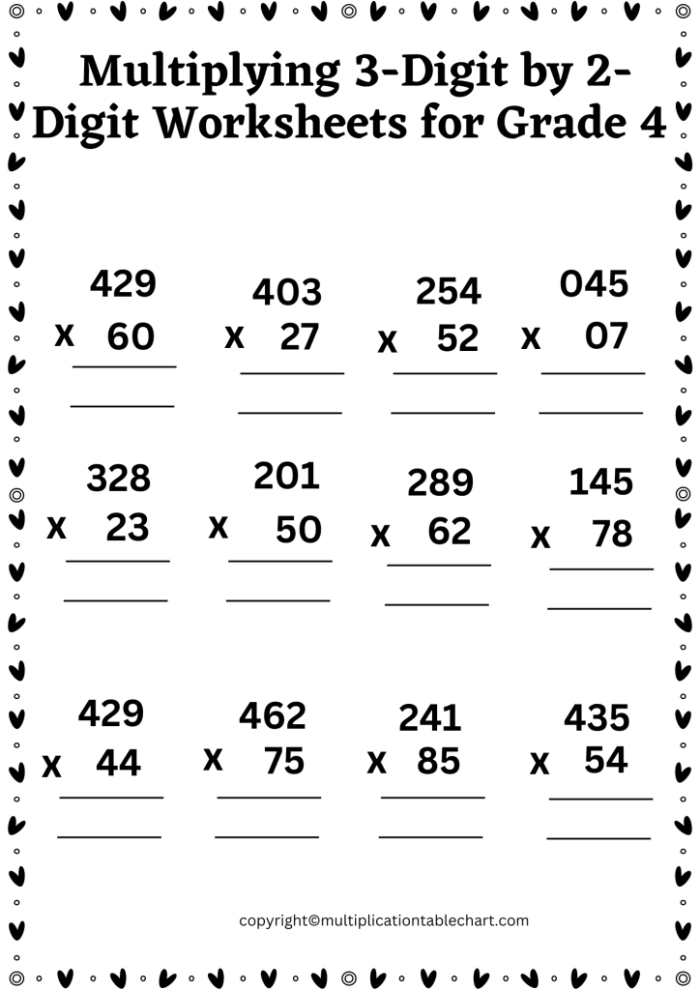
Start Practicing with These Worksheets