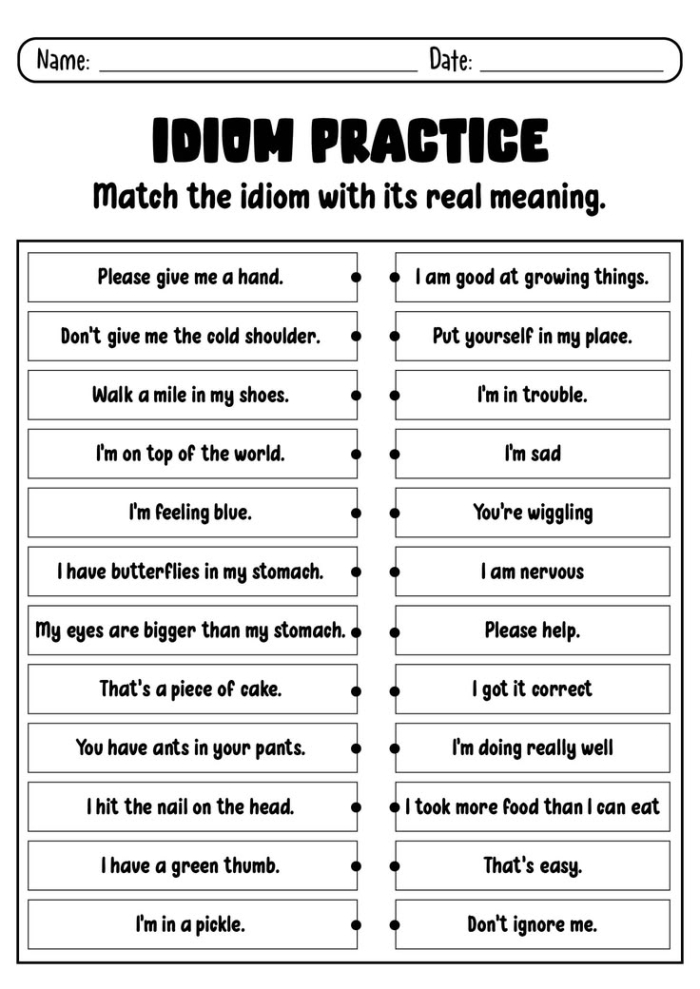
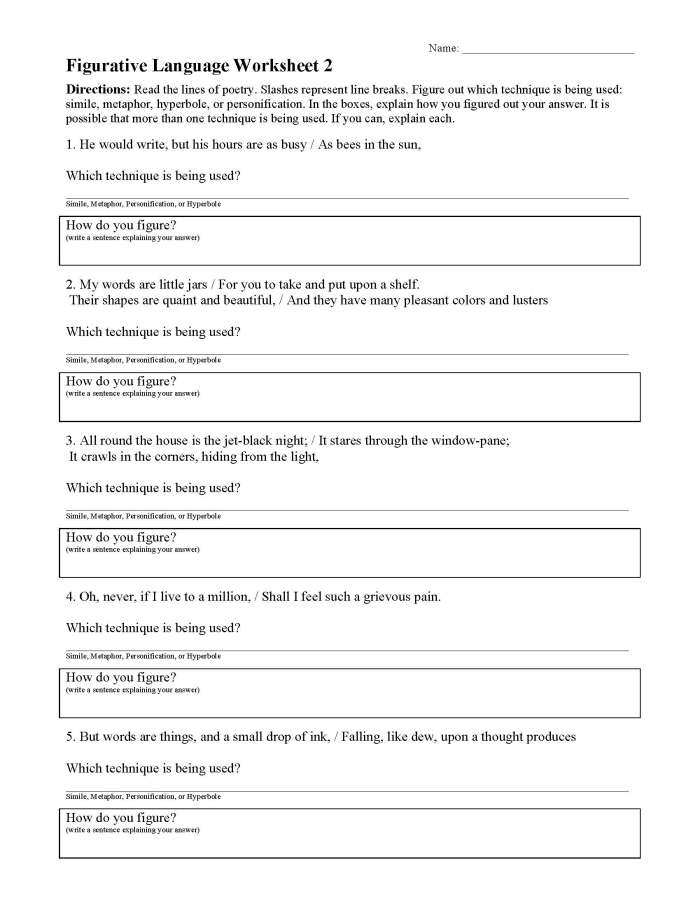
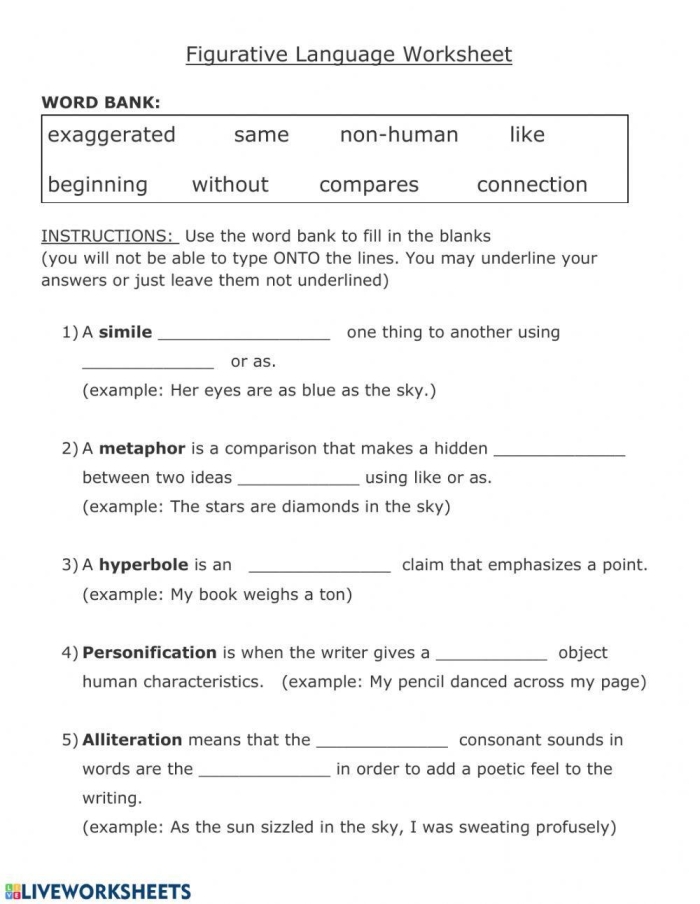
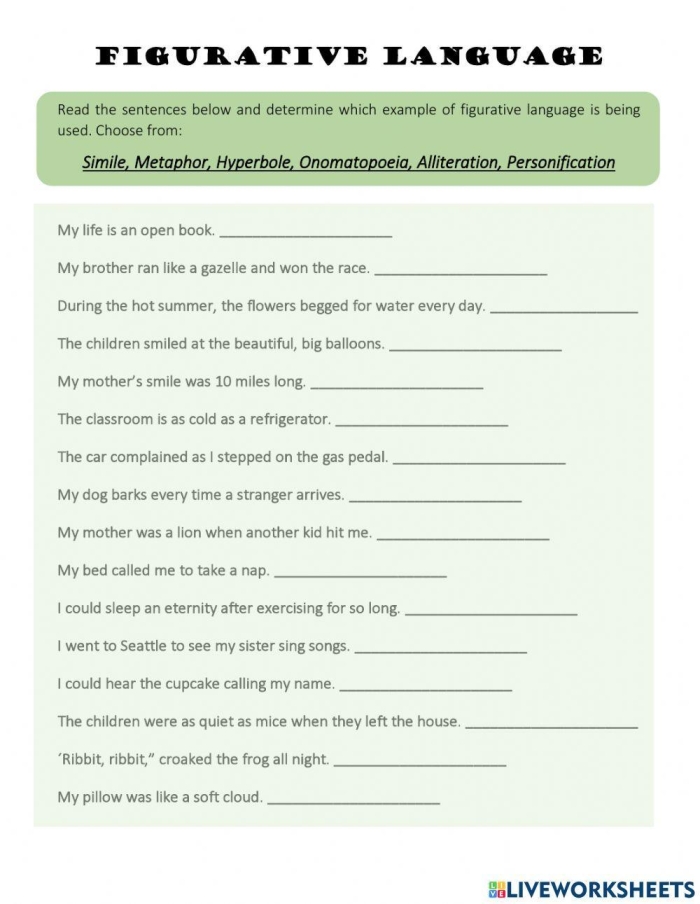
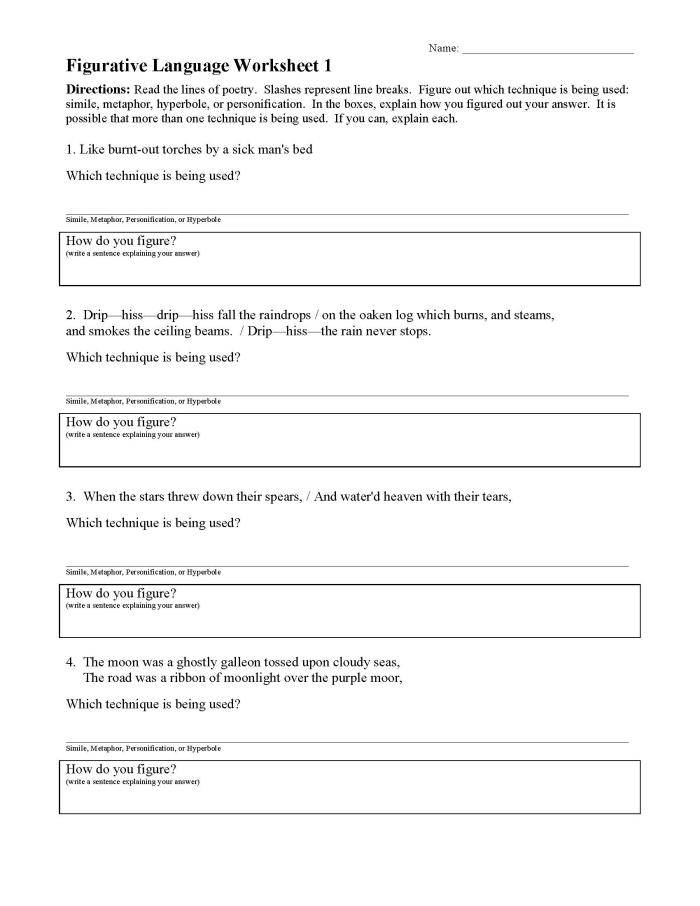
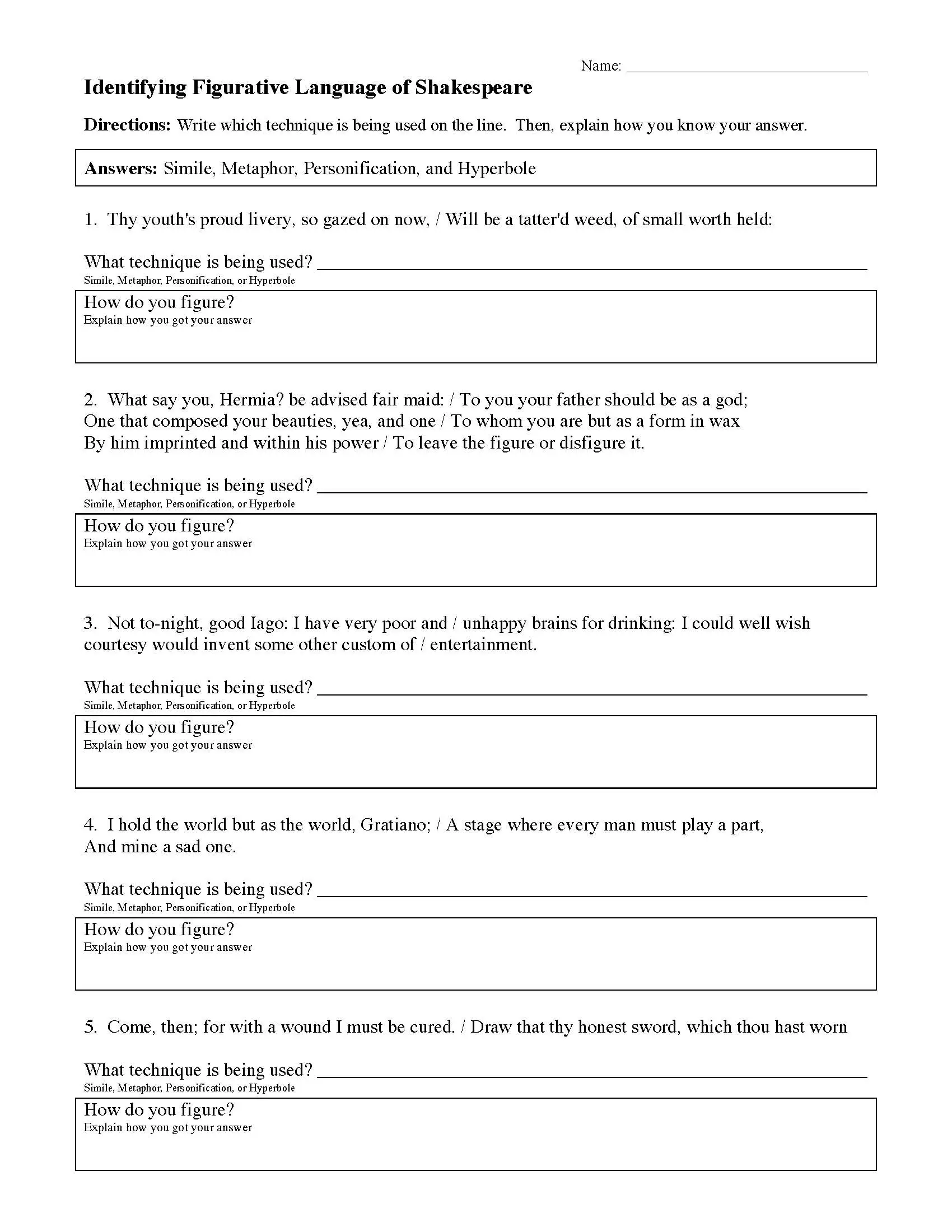
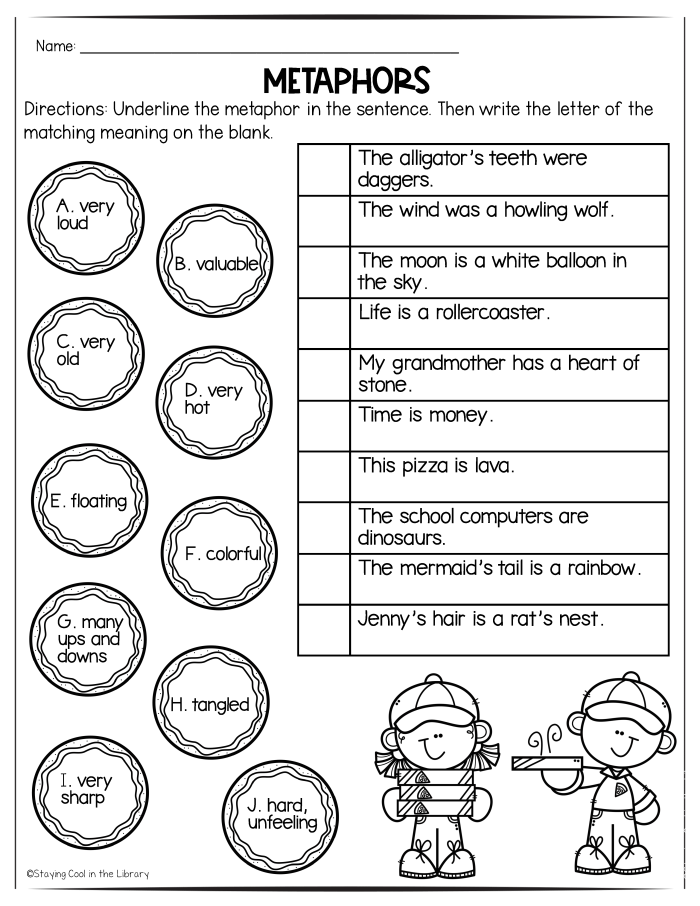
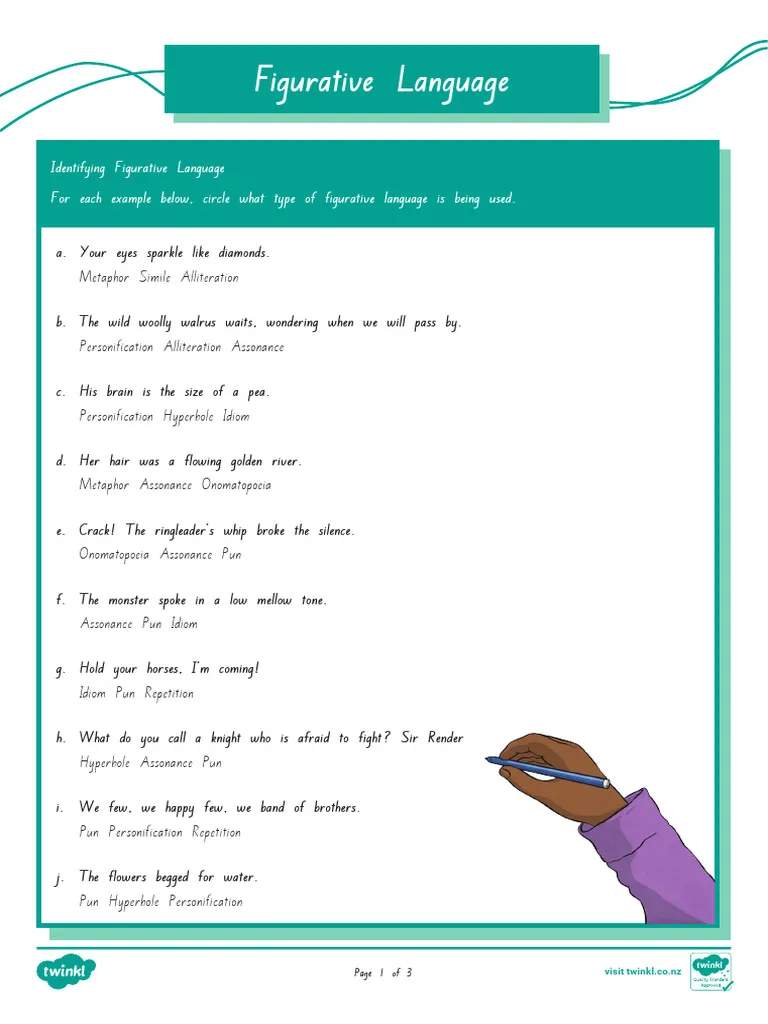
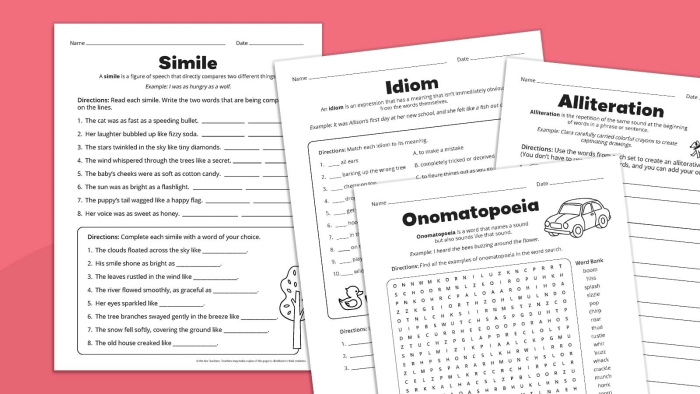
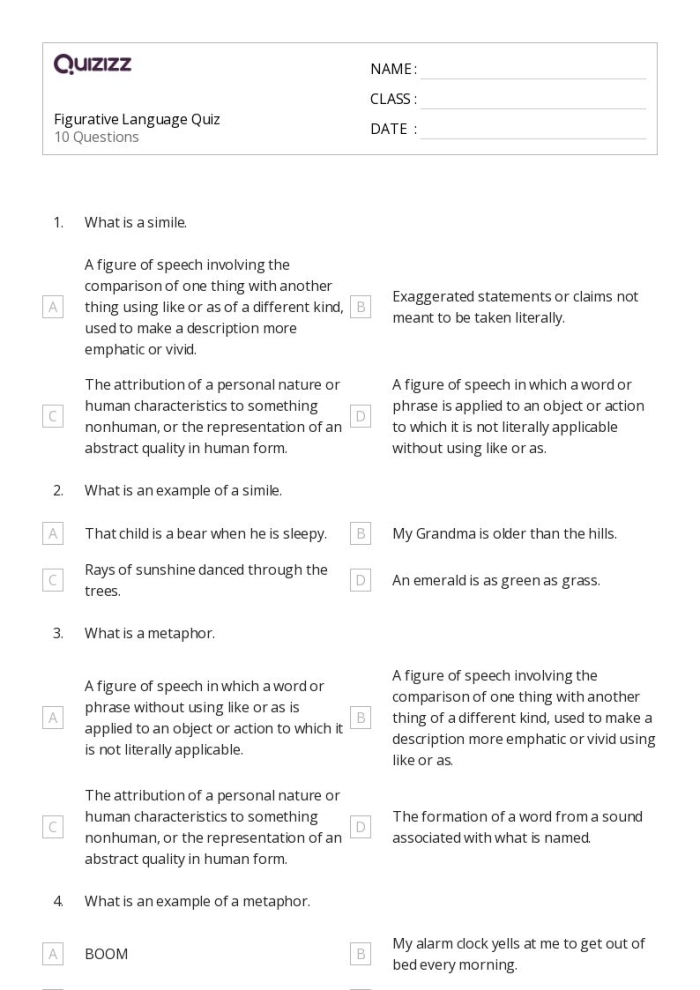
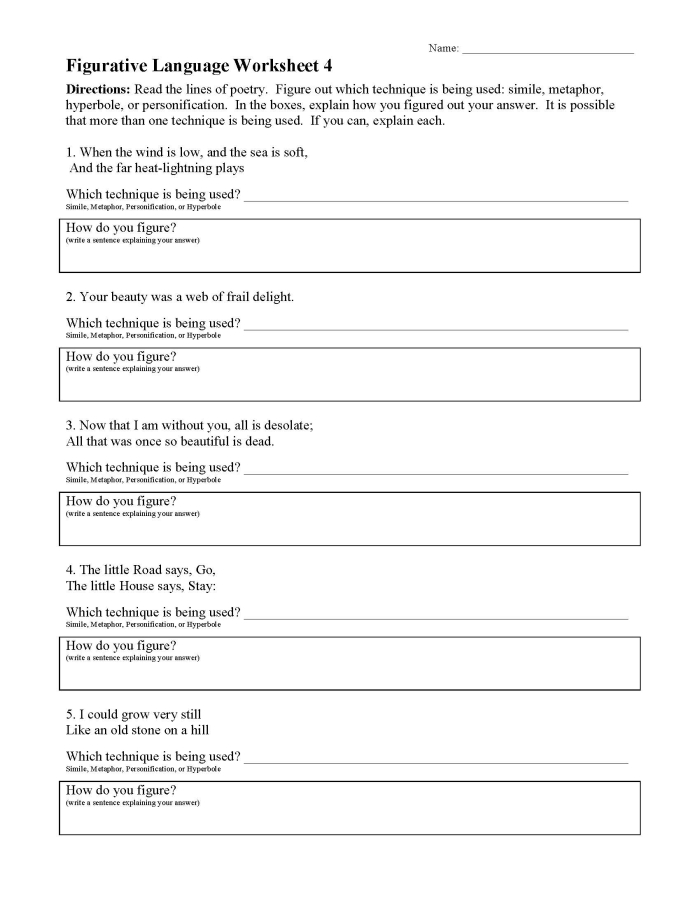
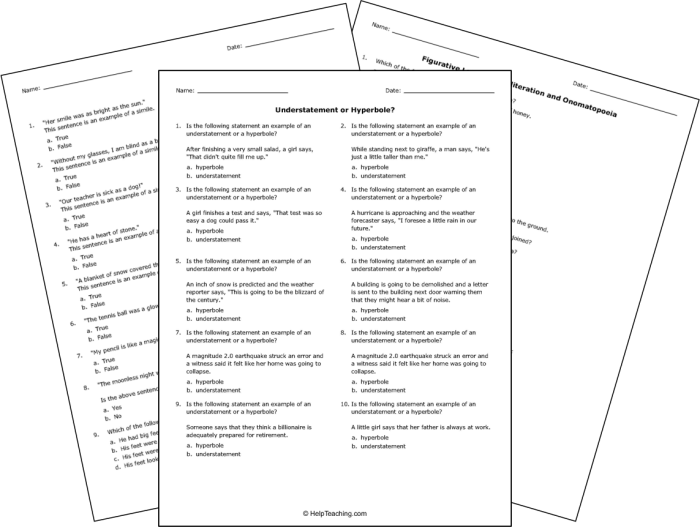
Teaching figurative language to fifth grade students can feel overwhelming when you’re juggling metaphors, similes, personification, and hyperbole all at once. The real challenge isn’t explaining what these devices mean—it’s helping students actually recognize and remember them when they’re reading or writing on their own.
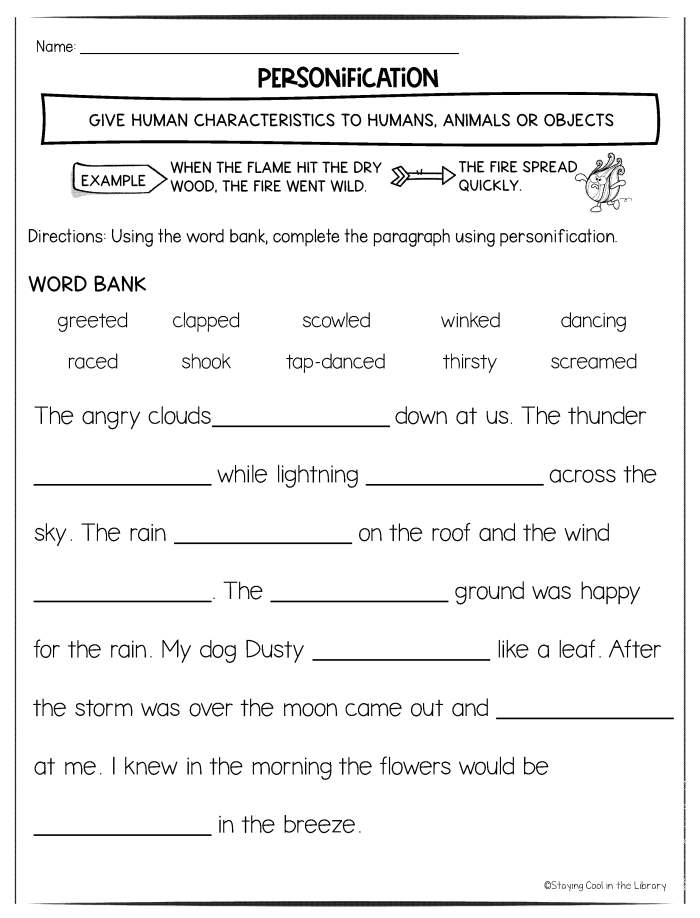
A well-designed handout becomes your classroom workhorse. Instead of flipping through pages of a textbook or scrolling through scattered online resources, students have one organized reference they can keep at their desk, in their folder, or even take home. When a student encounters a confusing sentence like “the wind whispered through the trees,” they can quickly check their handout and identify it as personification without interrupting the flow of their reading.
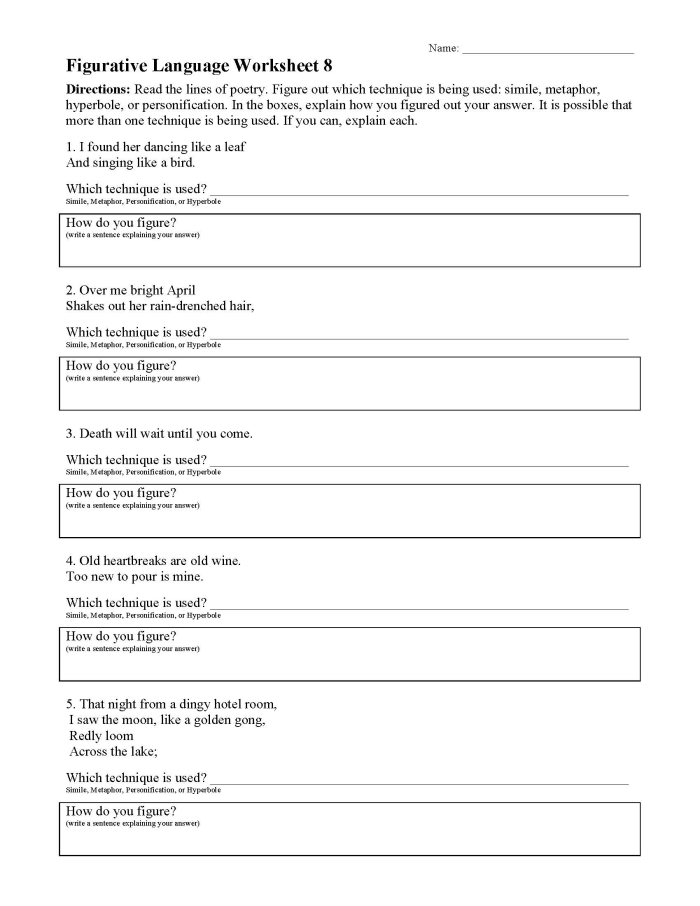
The best handouts include clear definitions paired with concrete examples. Fifth graders benefit from seeing multiple instances of each type rather than just one or two. For metaphors, showing “time is money” alongside “she is a shining star” helps students spot the pattern. When they understand that figurative language compares or describes things in unexpected ways, the individual types start making sense as variations on that theme.
Beyond the classroom wall, a printable figurative language handout gives parents a tool to support learning at home. They can reference the same definitions and examples their child is using at school, creating consistency that strengthens retention.
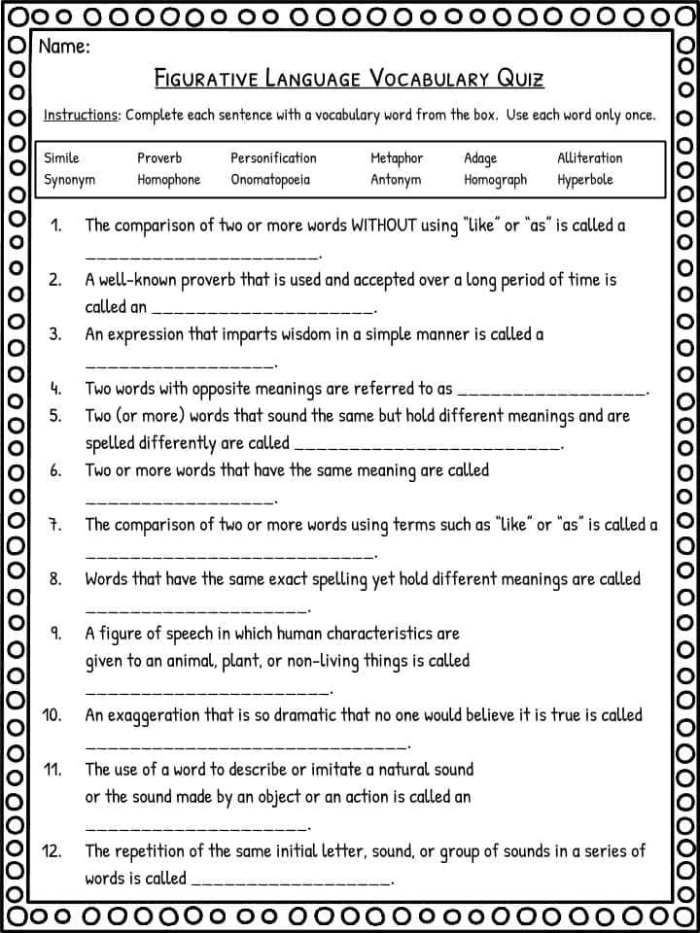
Having students annotate their own handout—adding their own examples, color-coding different types, or creating visual symbols for each device—transforms it from passive reference material into an active learning tool. This engagement is what moves figurative language from memorized definitions into genuine comprehension. When your fifth graders can spot a simile in a novel and explain why it works, you’ll know the handout did its job.
Grab These Worksheets Now