Yellowstone National Park sits on one of the world’s most geologically active regions, and this extreme environment shapes the amphibians and reptiles that call it home. The park’s thermal features, high elevation, and short growing season create conditions that only certain cold-blooded animals can tolerate, making Yellowstone’s herpetofauna genuinely unique.
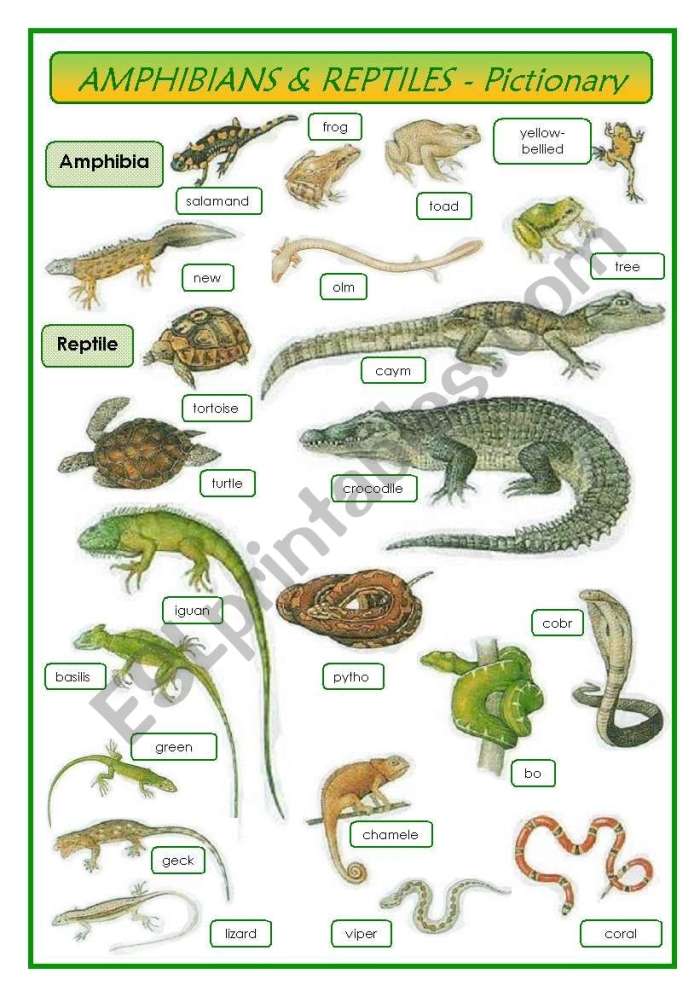
The most recognizable amphibian in Yellowstone is the boreal toad, a species that depends on the park’s high-altitude wetlands for breeding. These toads have declined significantly across the Rocky Mountains, but Yellowstone remains one of their strongholds. You’ll also find several frog species, including the Columbia spotted frog and the northern leopard frog, both adapted to the park’s cold water systems. Unlike warmer regions where amphibians thrive year-round, these creatures have compressed life cycles that match Yellowstone’s brief summer season.
Reptiles in Yellowstone face even harsher constraints. The rubber boa, a small nonvenomous snake, hunts in meadows and near thermal features where ground temperatures stay warmer. The common garter snake appears throughout the park, often near water sources. Yellowstone’s reptile diversity is modest compared to lower-elevation parks, simply because snakes and lizards struggle in cold climates. The park sits near the northern limit of where many reptile species can survive.
For third grade life science students, studying Yellowstone’s amphibians and reptiles reveals how animals adapt to extreme environments. These creatures demonstrate that survival depends on matching your body to your habitat. Teachers can connect this learning to broader concepts about animal behavior and ecology. Resources like studying how animals like moose adapt to similar climates help students understand that Yellowstone supports a complete ecosystem adapted to harsh conditions.
Visiting or researching Yellowstone’s cold-blooded animals shows that not all wildlife thrives in warm, comfortable places. Some of nature’s most interesting species have evolved to succeed precisely where conditions are most challenging.
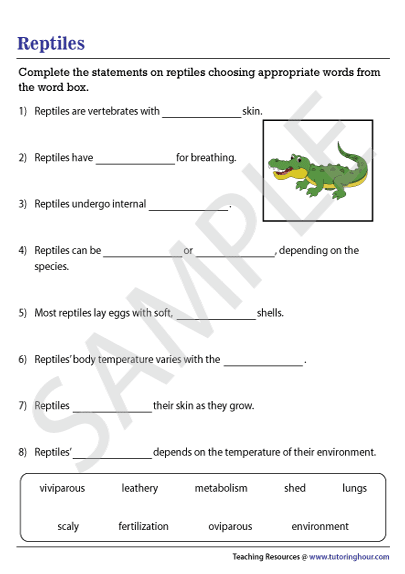
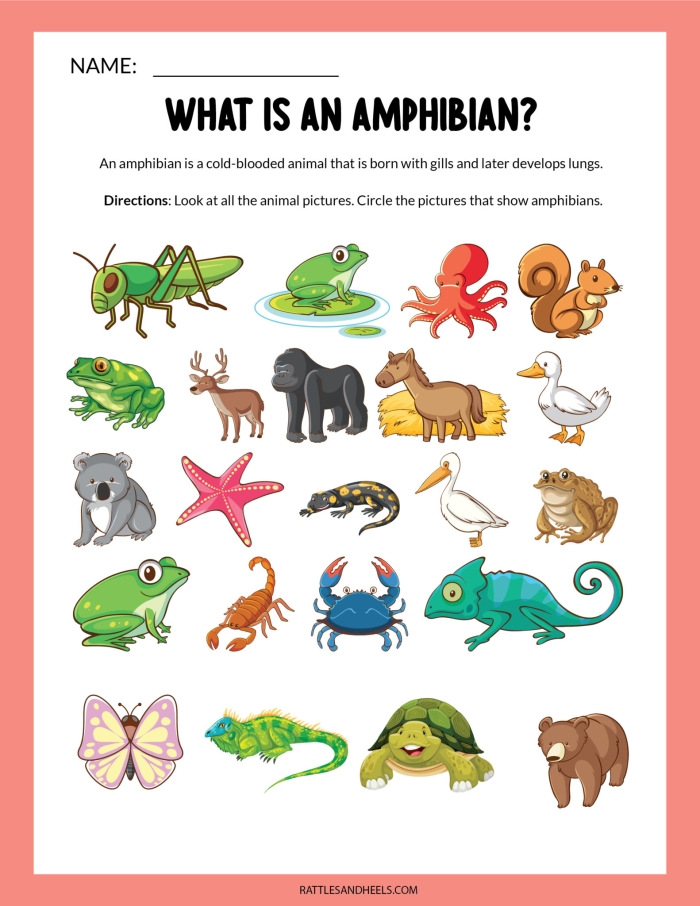
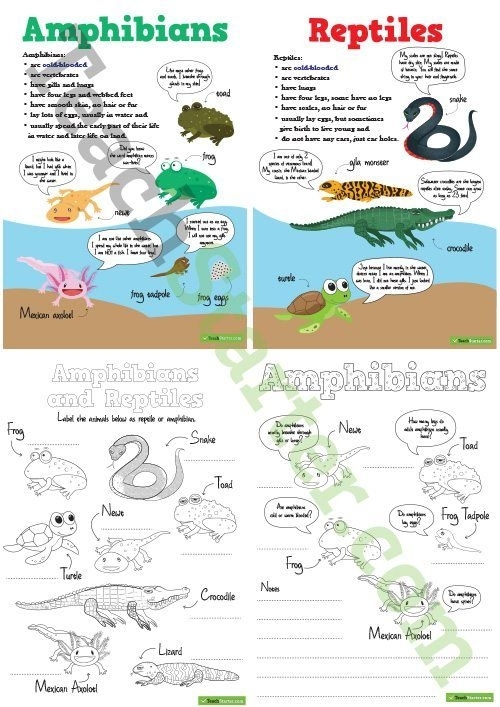
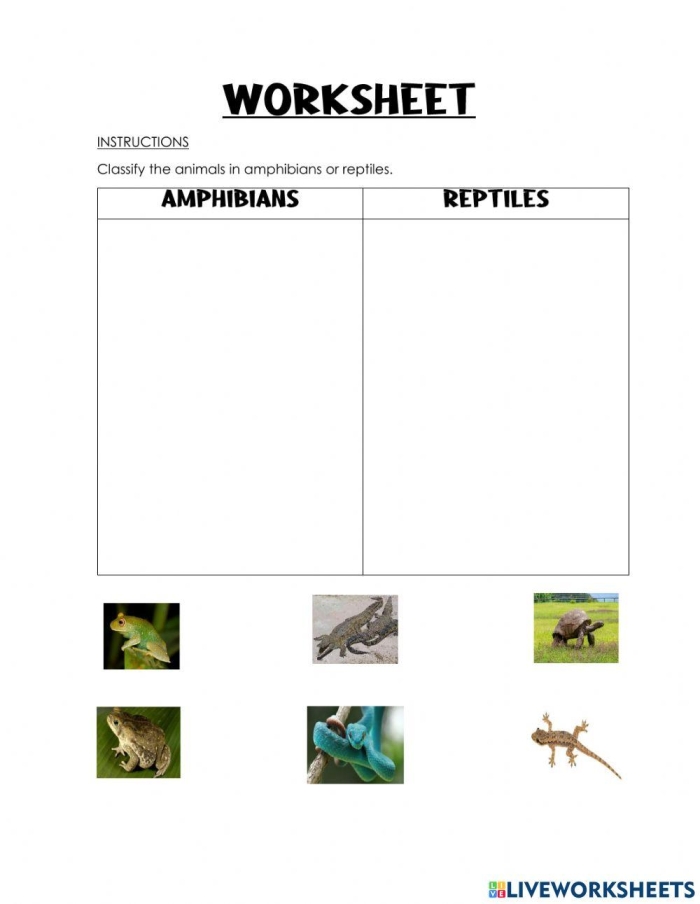
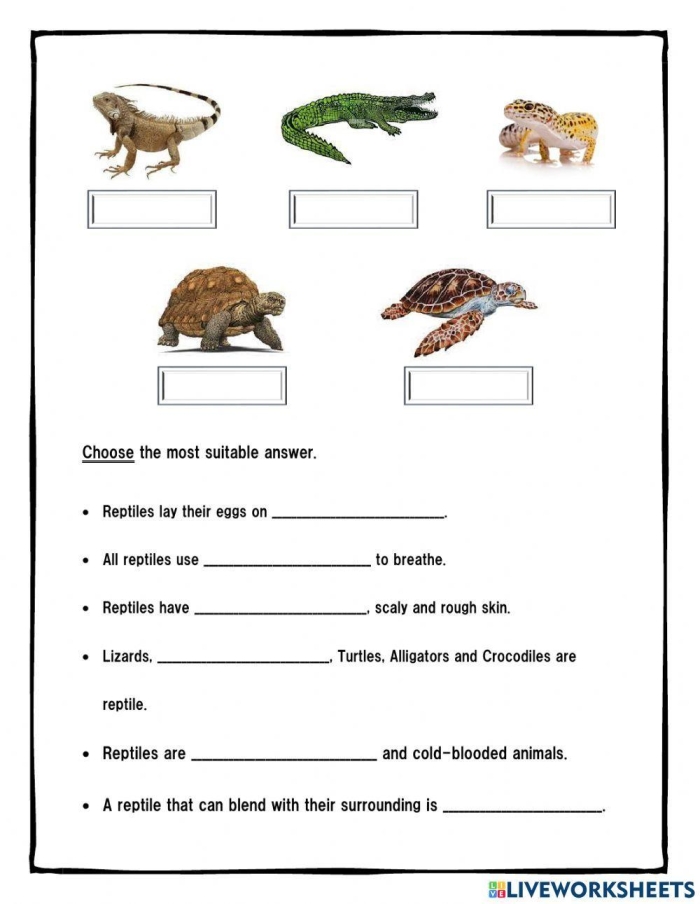
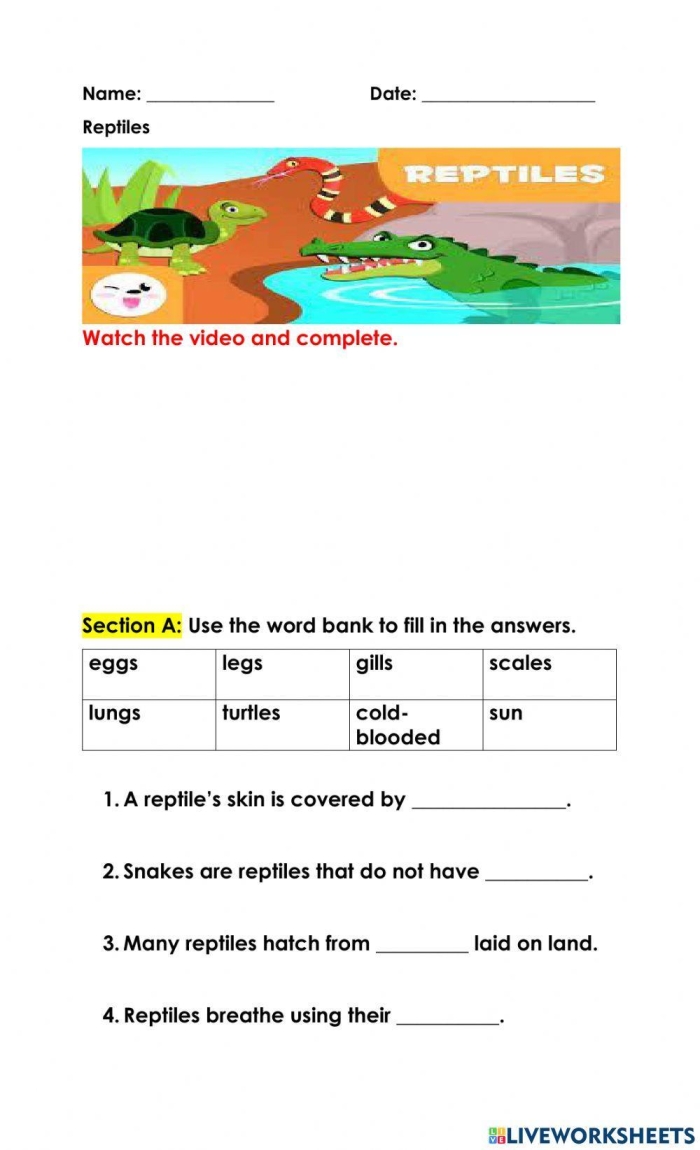
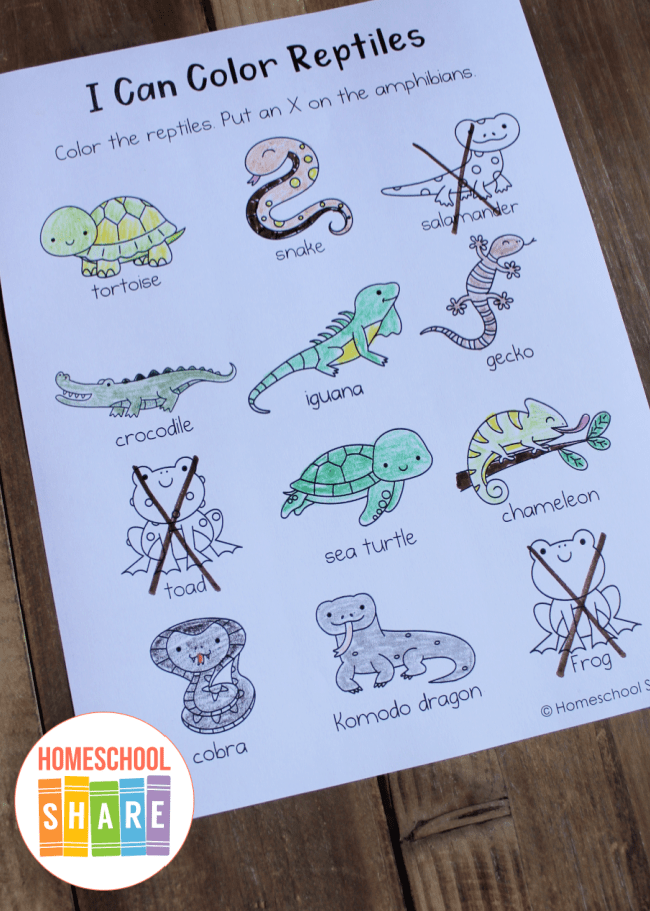
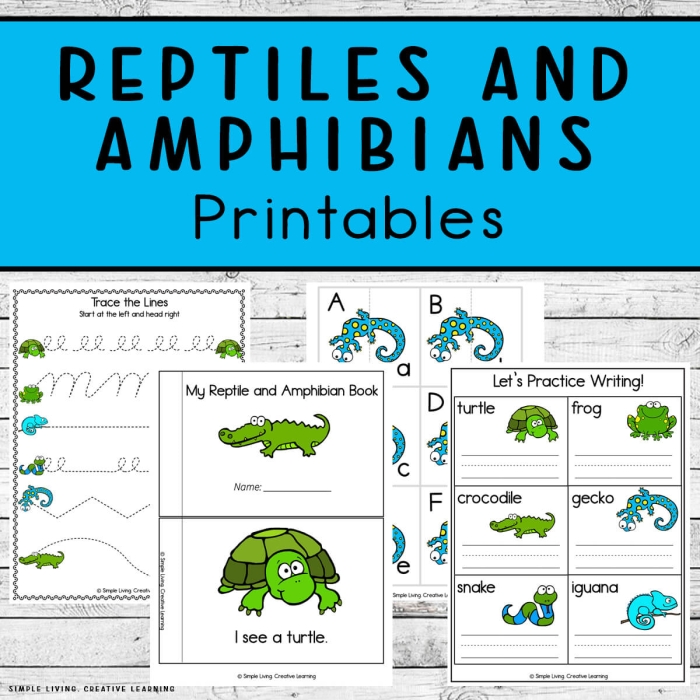
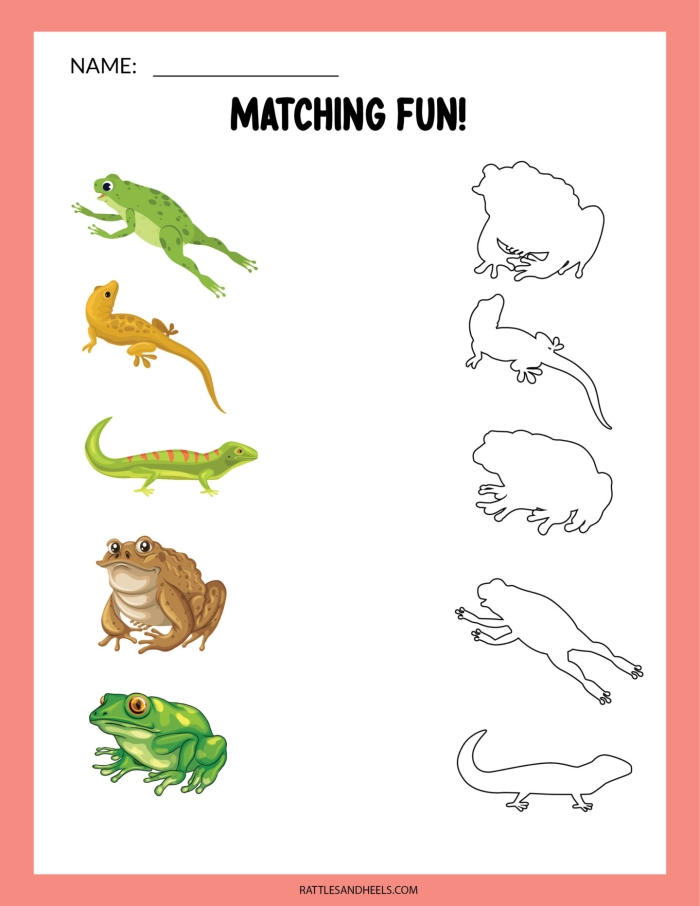
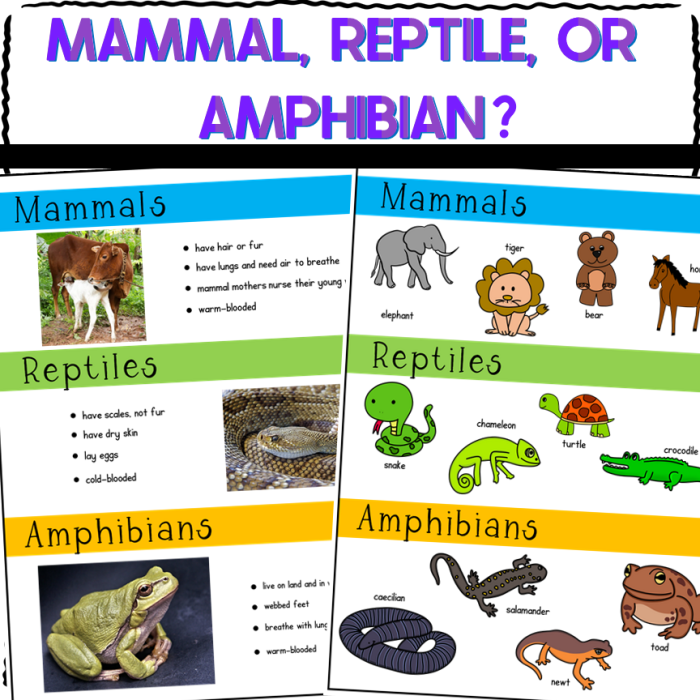
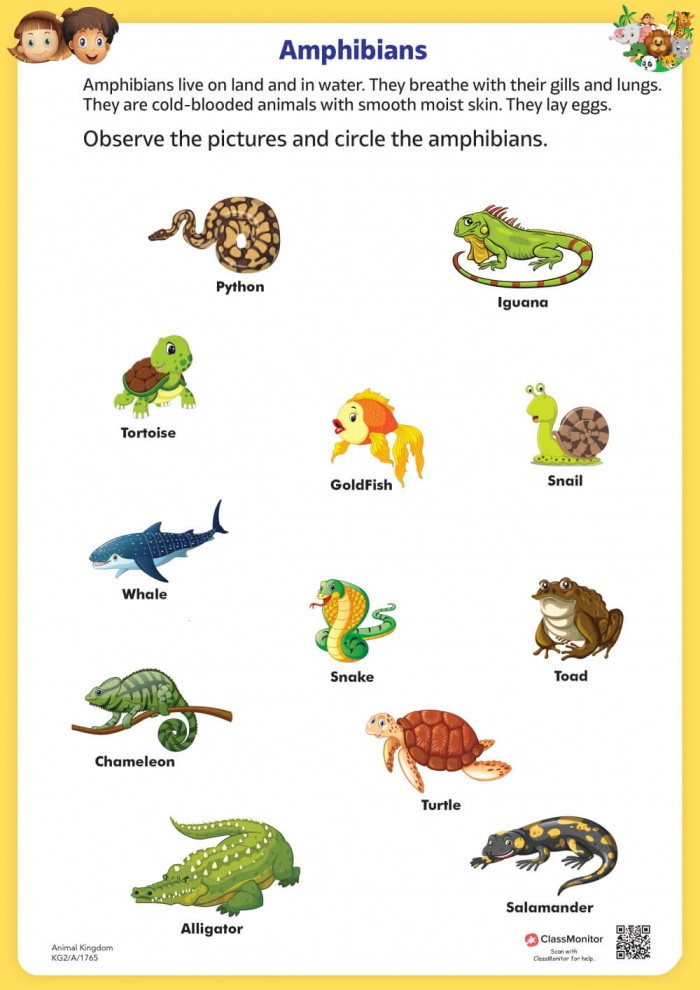
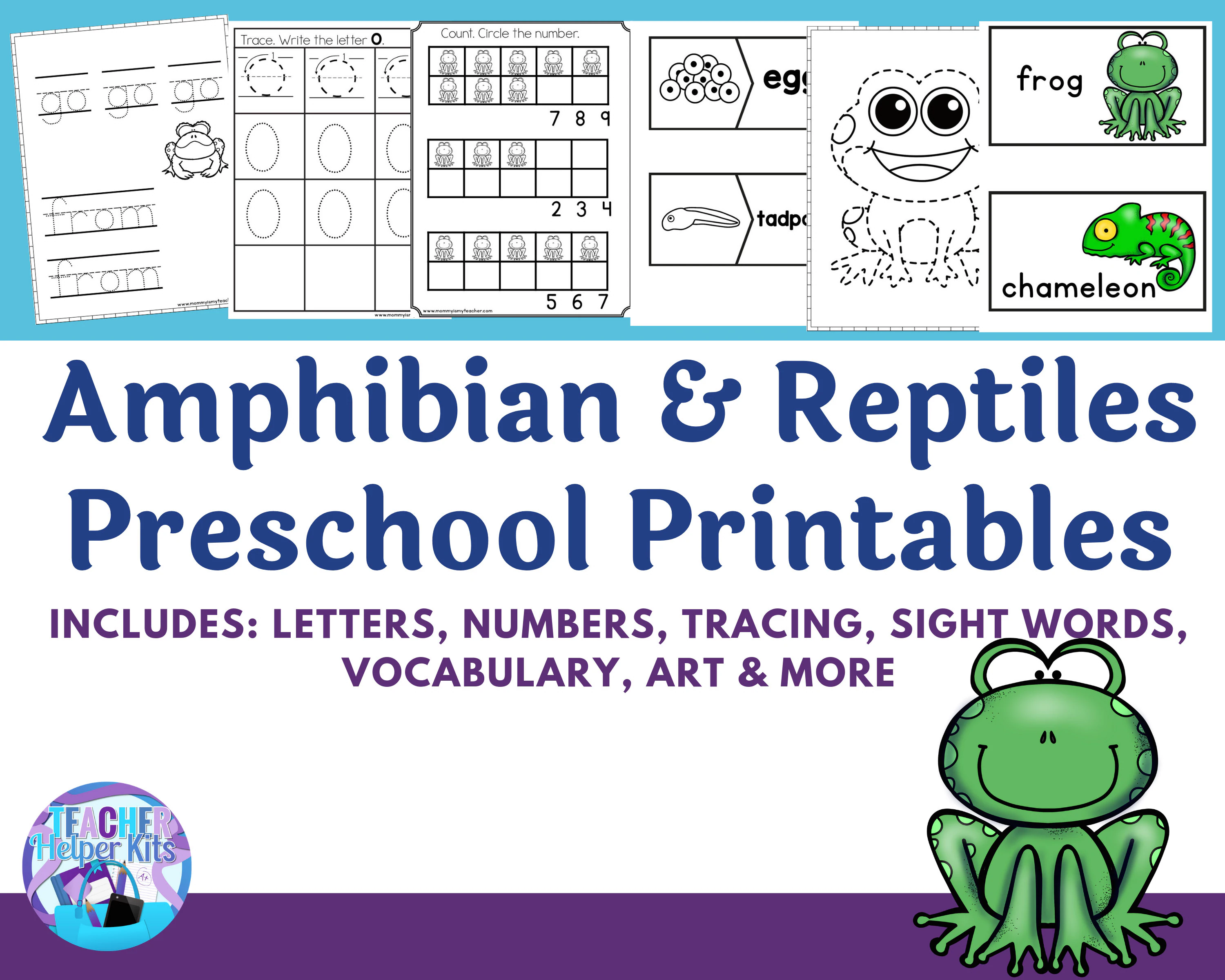
Printable Worksheets for Practice