Salut! The French language offers a variety of ways to say hello, each with its own nuances and contexts. Whether you’re greeting someone formally or casually, Chris and Yannick are here to guide you through the delightful world of French salutations.
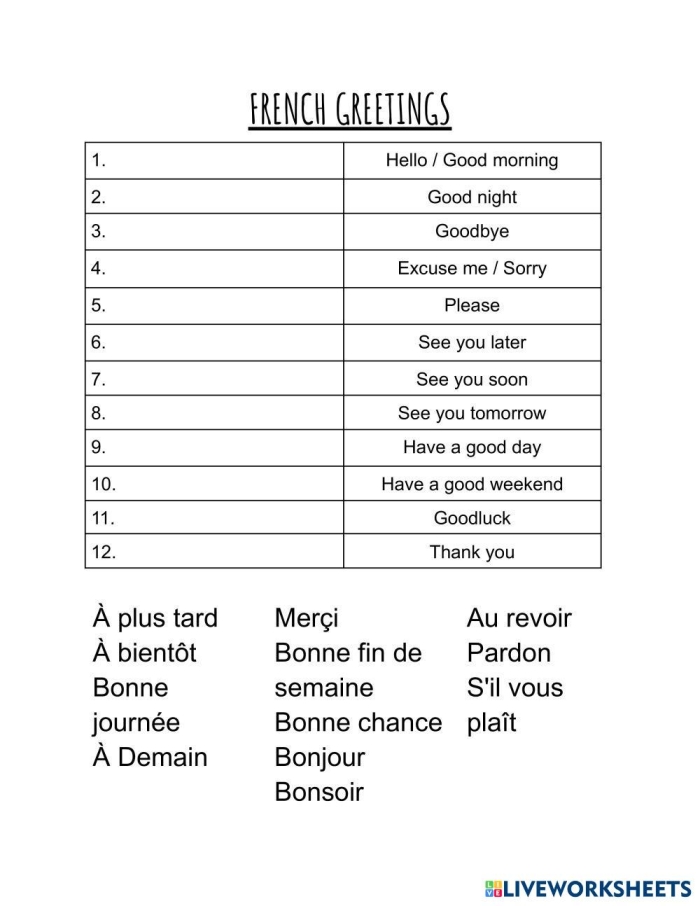
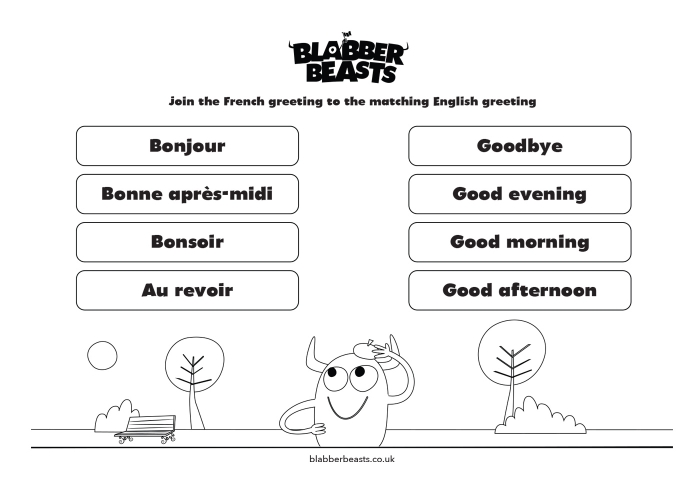
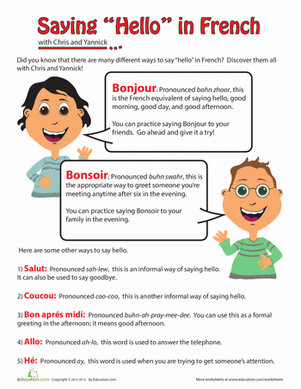
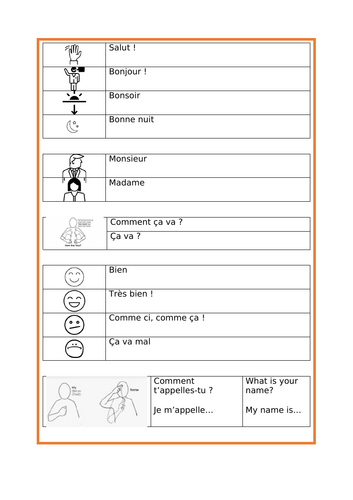
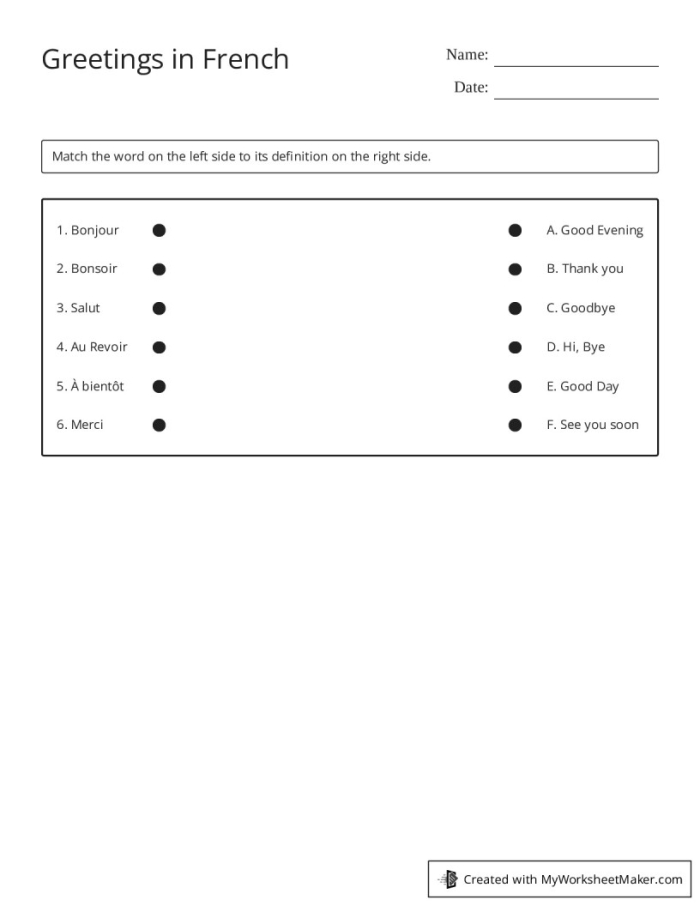
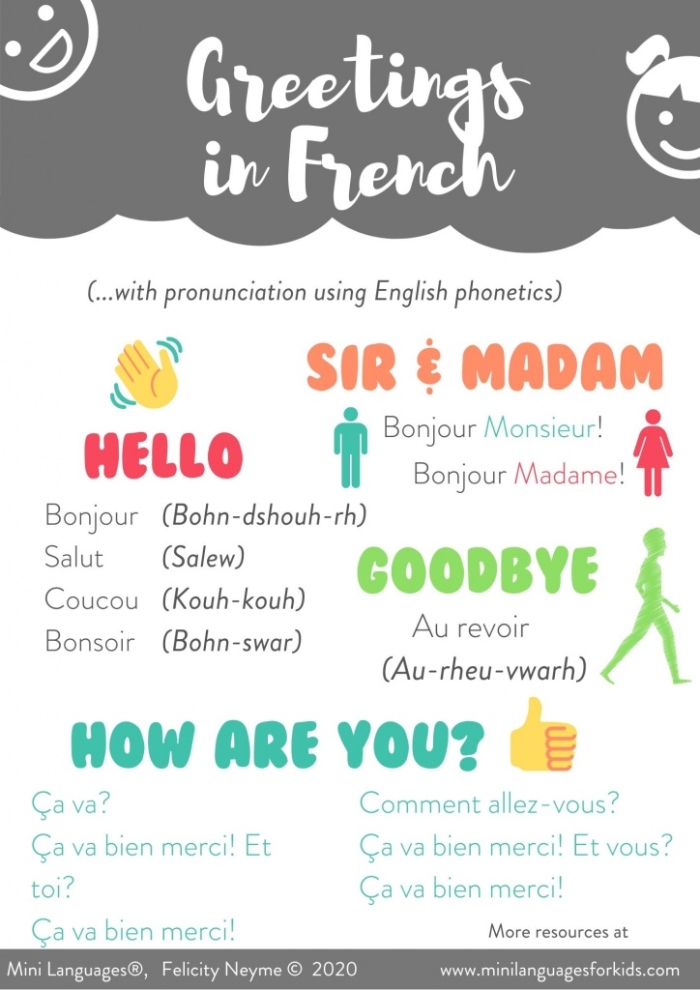
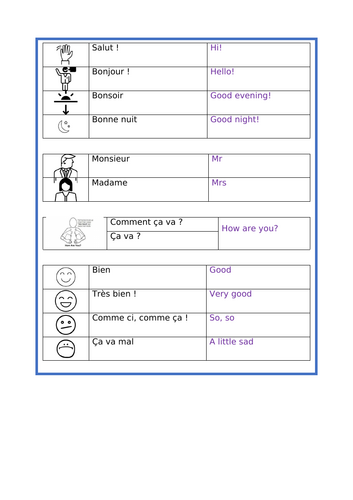
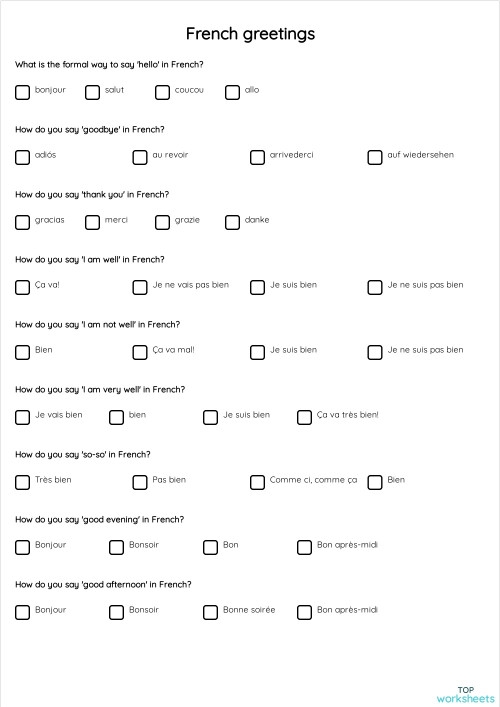
Starting with the classic “Bonjour,” this is the most common way to say hello and is appropriate for almost any situation during the day. Use “Bonsoir” in the evening for a touch of formality. If you’re in a relaxed setting, you might prefer “Salut,” which translates to “hi” and is perfect for friends and family. Understanding these differences can enhance your conversations and help you connect with French speakers on a deeper level.
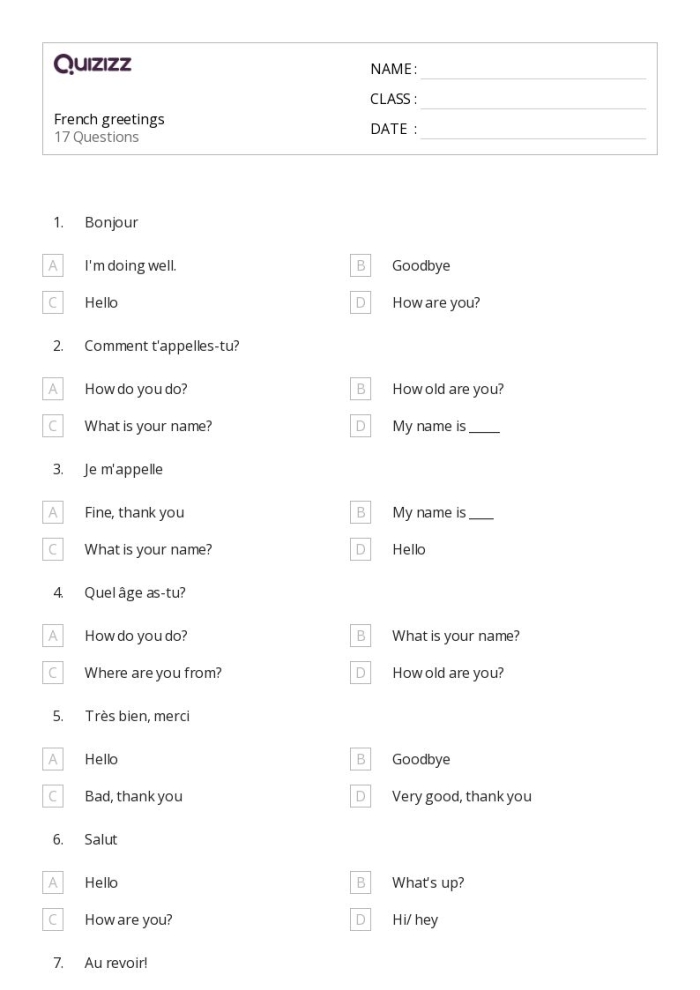
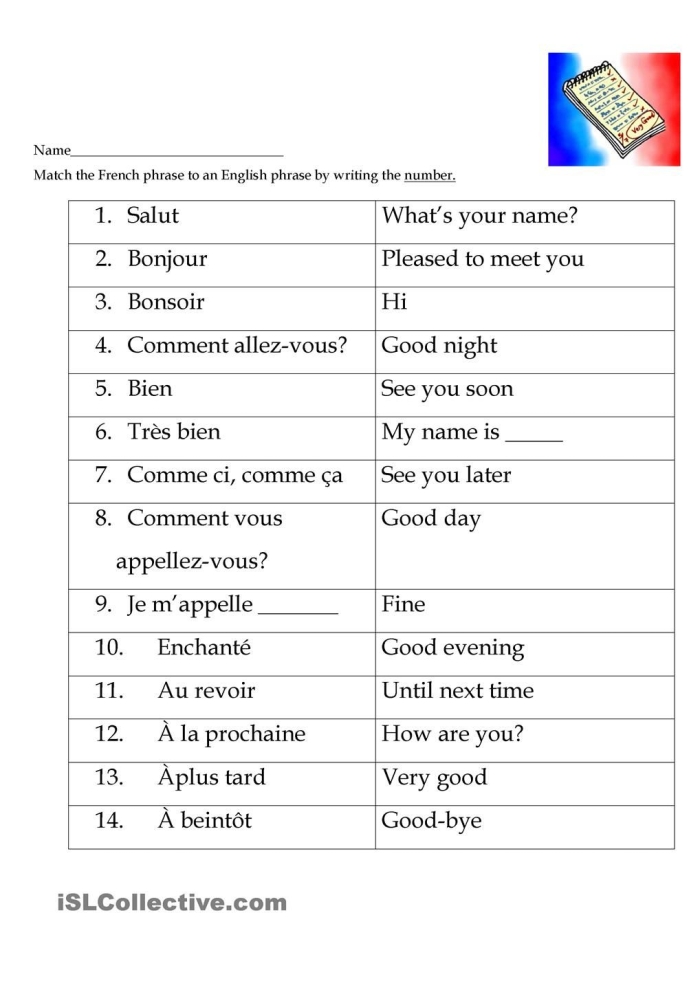
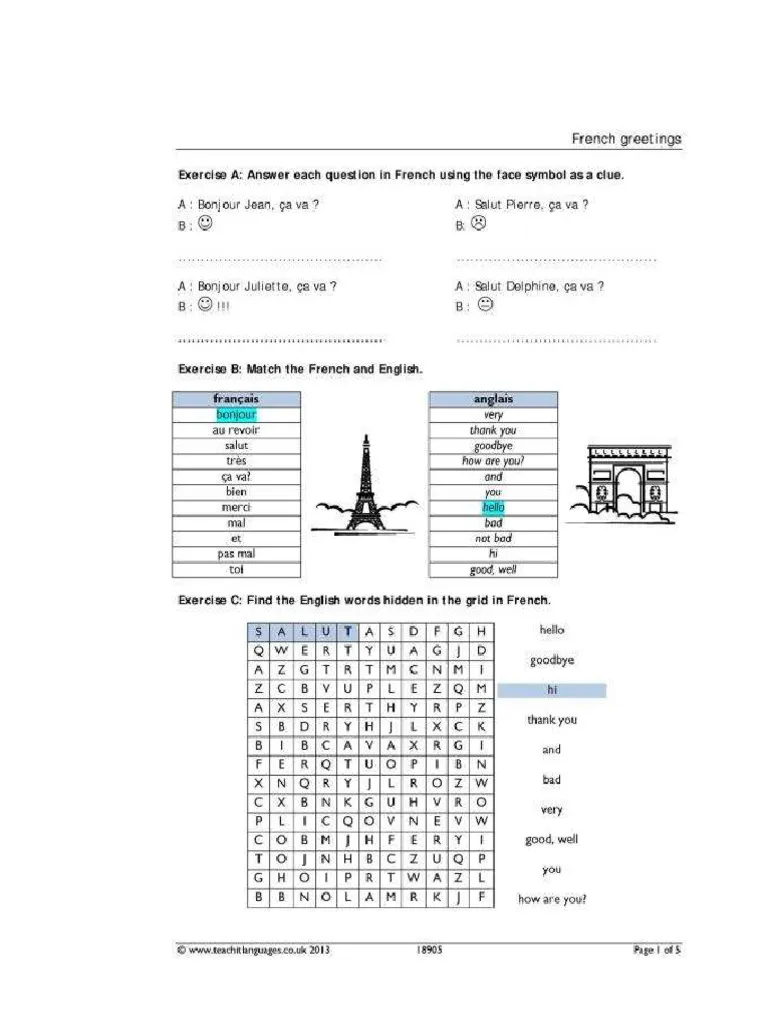
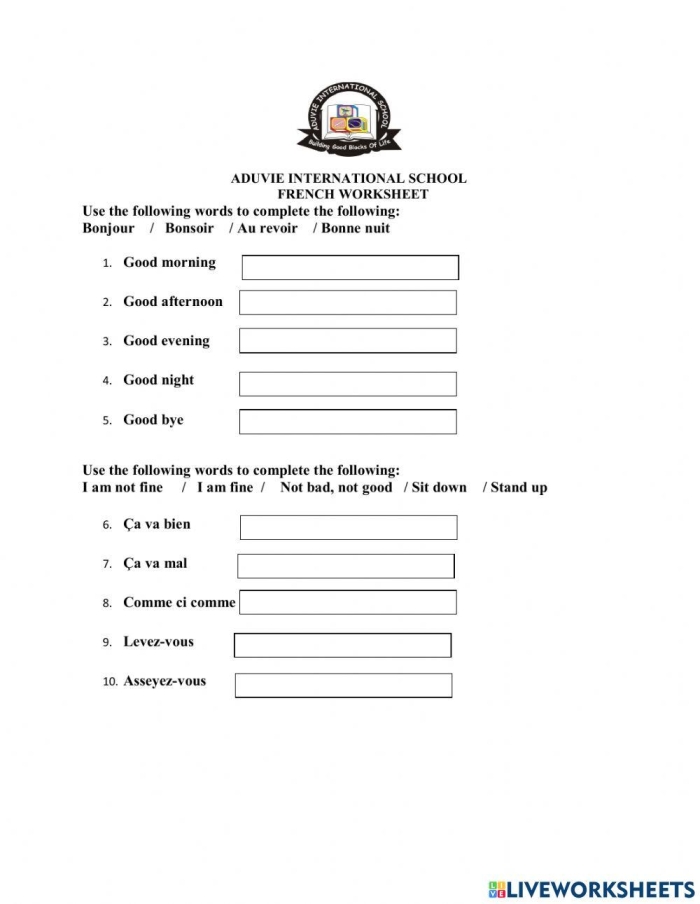
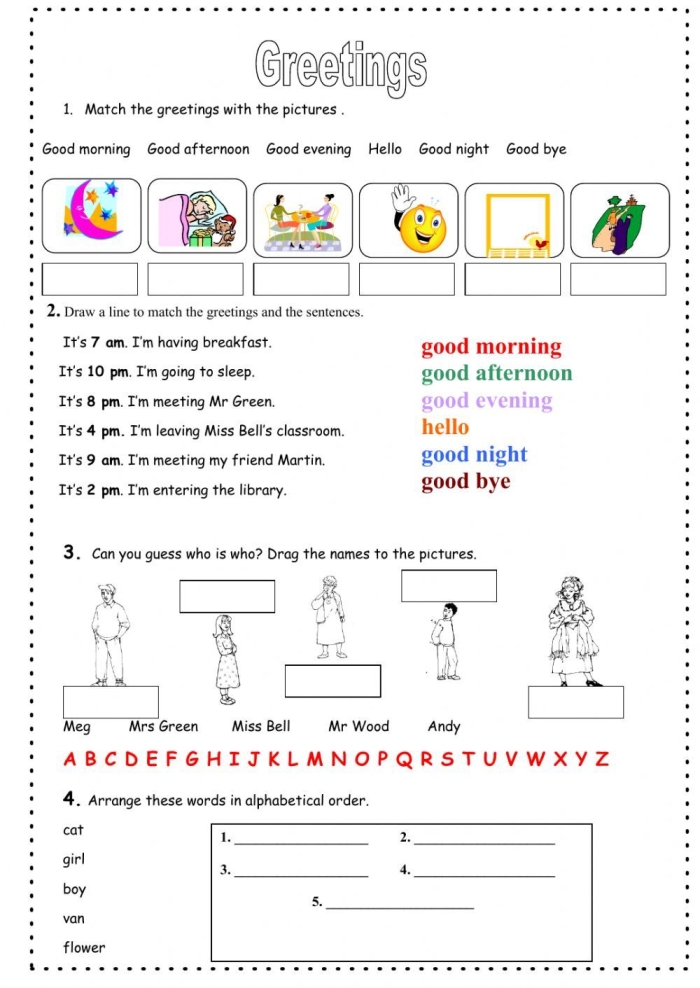
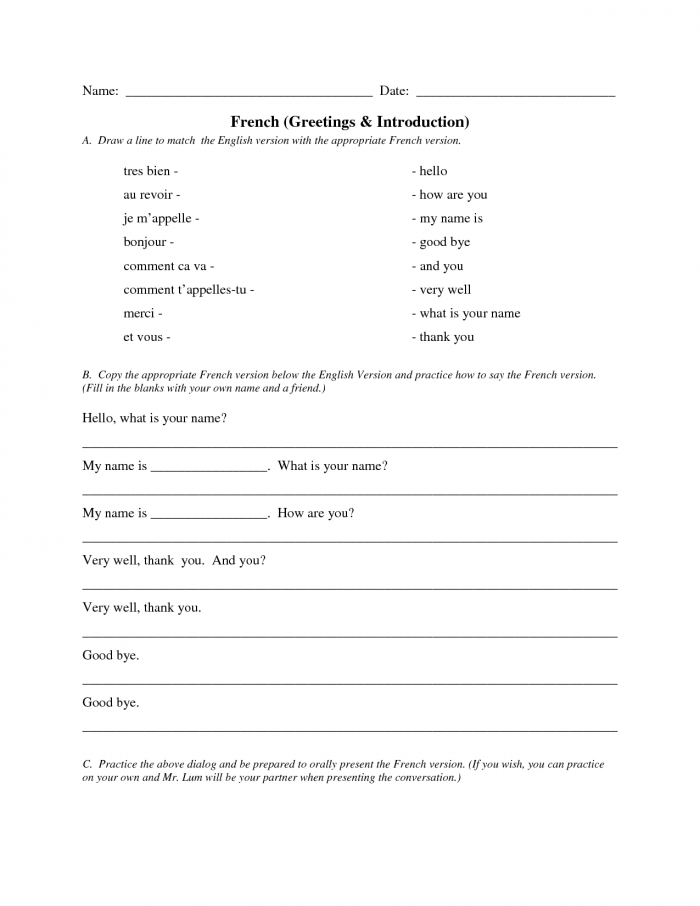
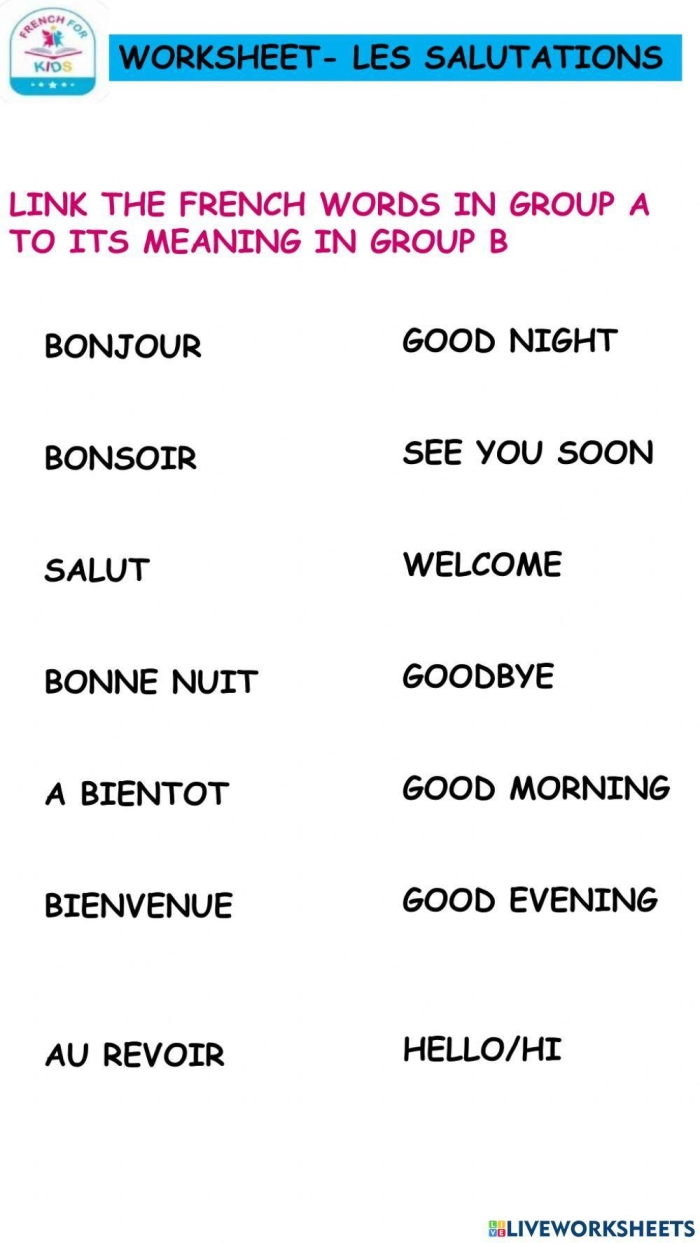
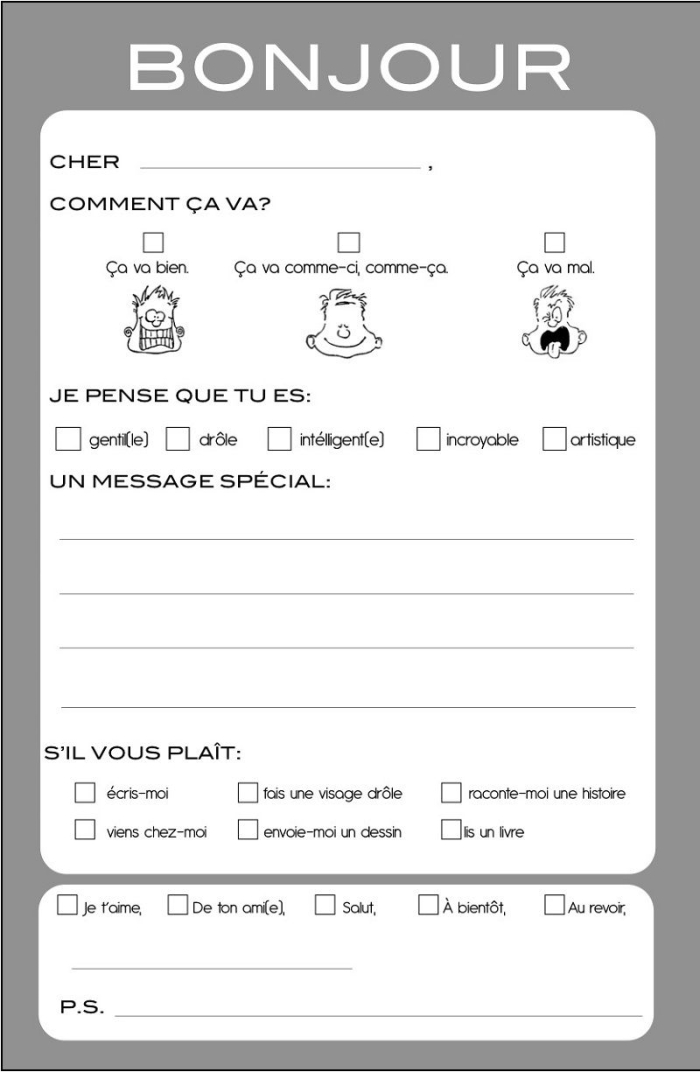
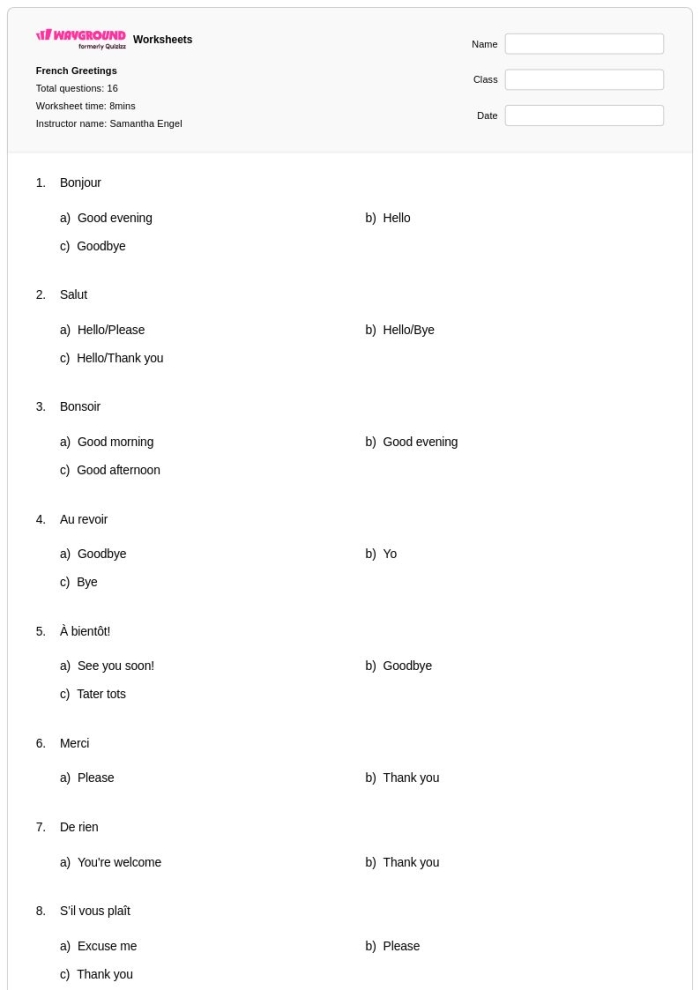
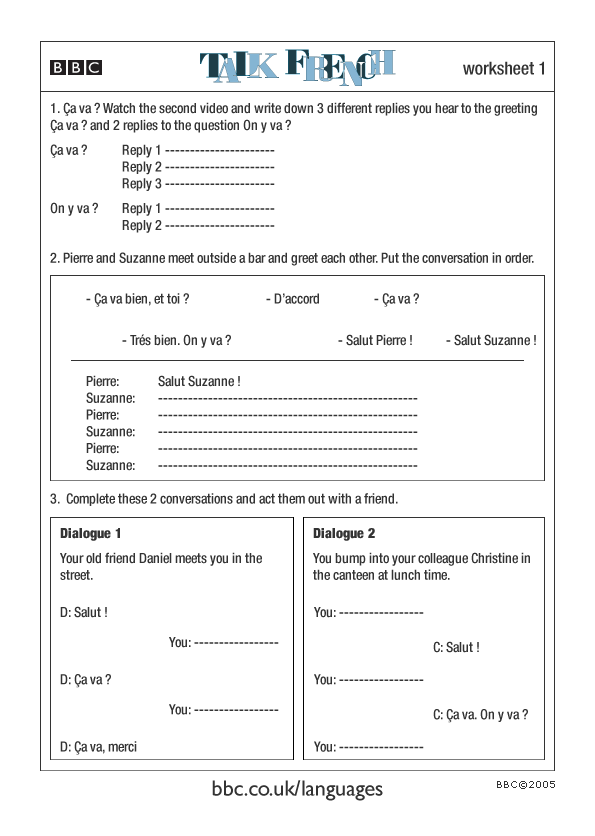
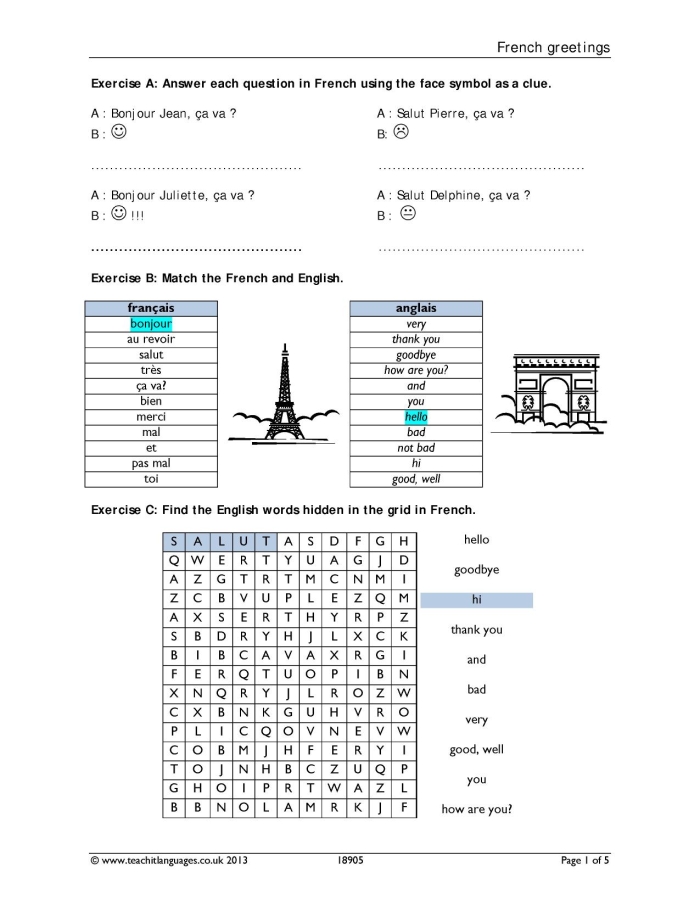
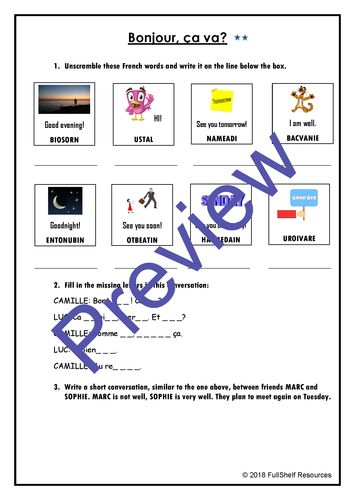
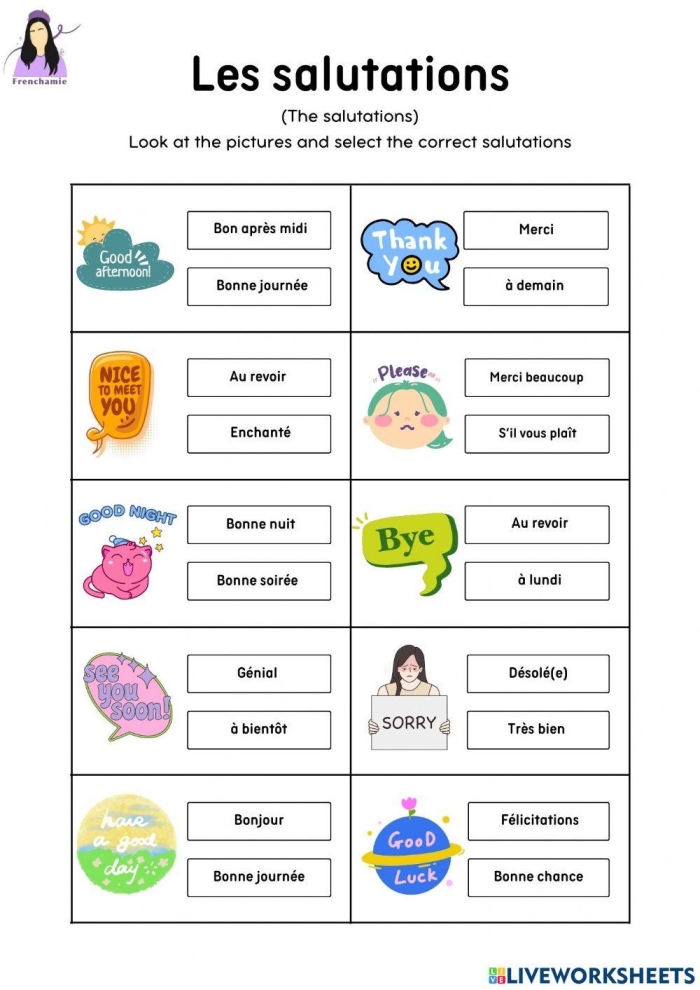
For those interested in learning more about these expressions, there are resources available, such as printable worksheets. These can help fourth graders practice saying hello in various contexts, making language learning engaging and fun. Incorporating greetings into geometry lessons can also add a unique twist, allowing students to explore language in different subjects.
Additionally, you might hear “Coucou,” an informal and playful greeting often used among friends and children. It’s a way to bring joy and light-heartedness to your interactions. Another interesting phrase is “Allô,” primarily used when answering the phone. Each of these words not only conveys a greeting but also reflects the culture and warmth of the French language.
Exploring different ways to say hello opens up more than just basic communication; it allows for cultural exchange and a better understanding of social nuances. If you’re eager to learn more about French greetings while also honing your geometry skills, check out additional resources like reading comprehension worksheets that can complement your language journey.
Download These Worksheets for Practice