Understanding the difference between restrictive and nonrestrictive elements is crucial for mastering comma usage in English grammar. These elements play a significant role in how we convey meaning in sentences, and knowing when to use commas can clarify our writing.
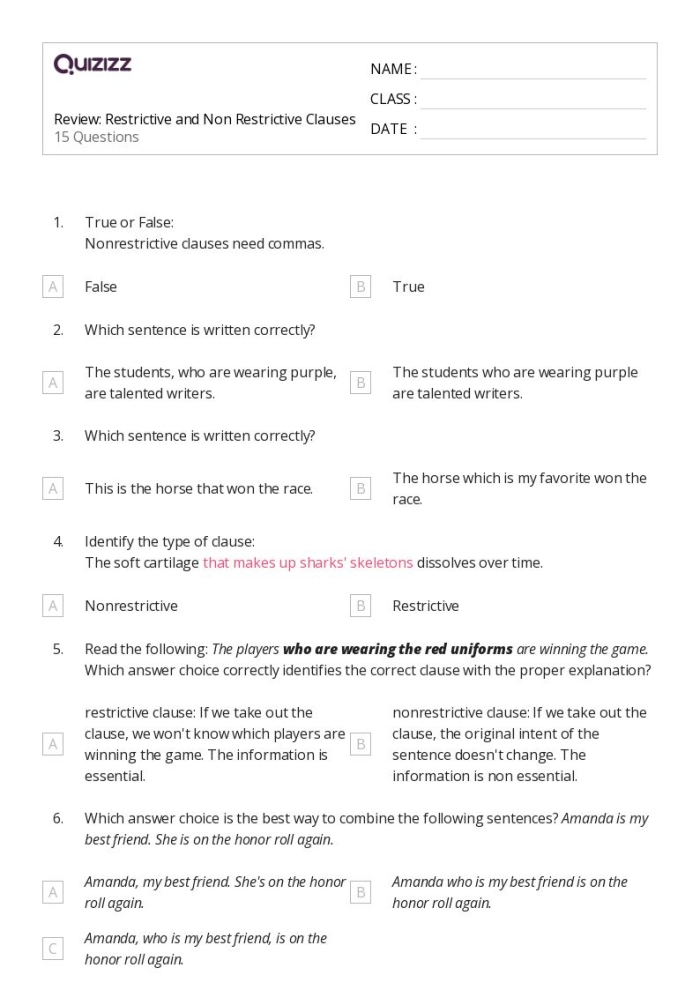
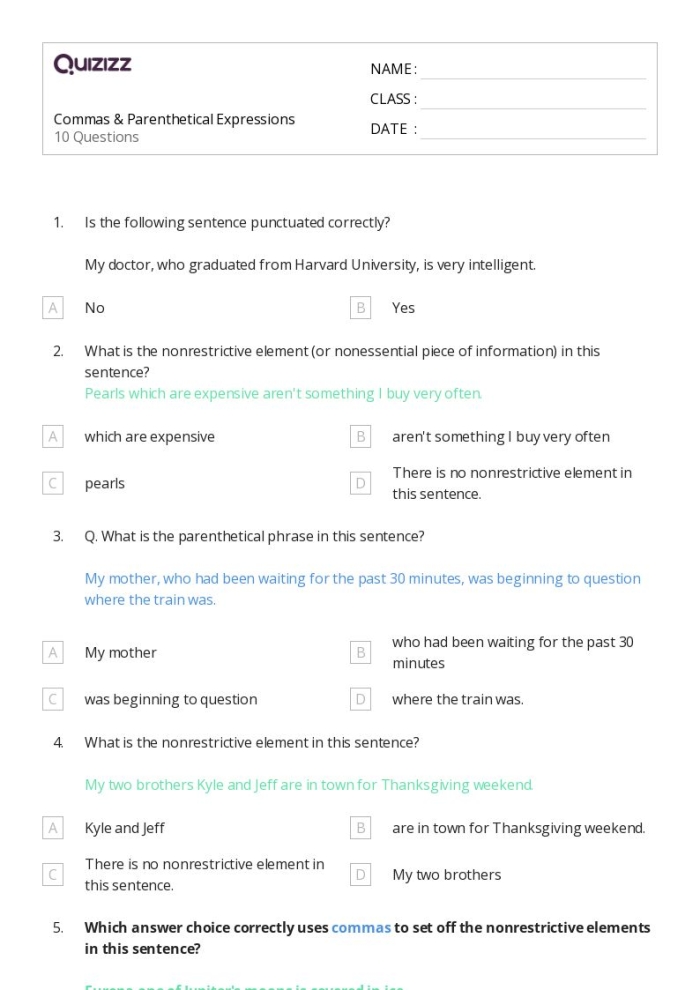
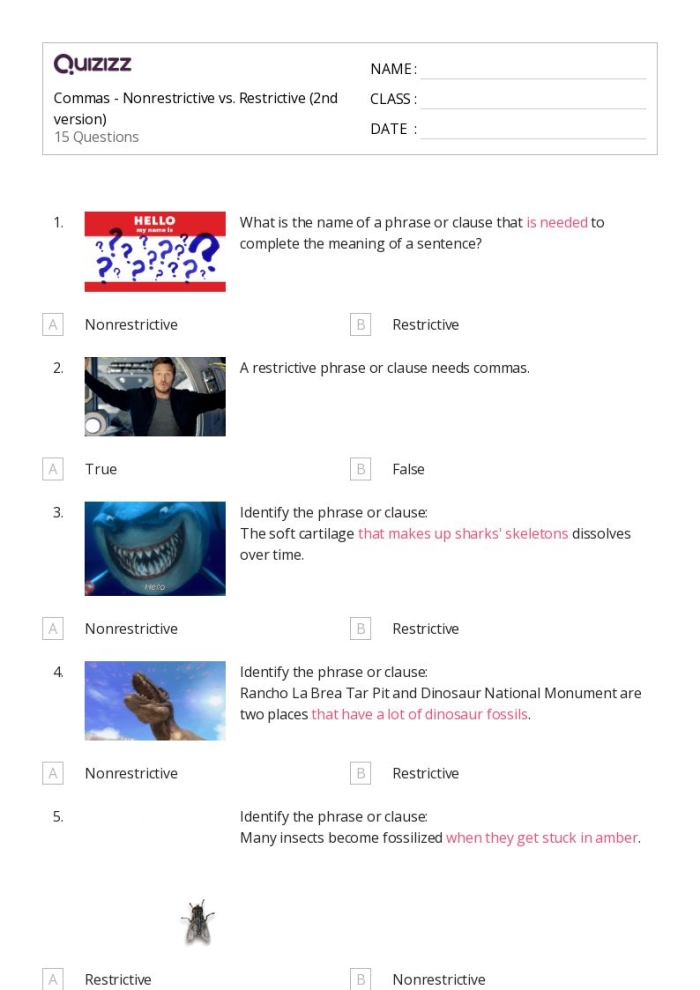
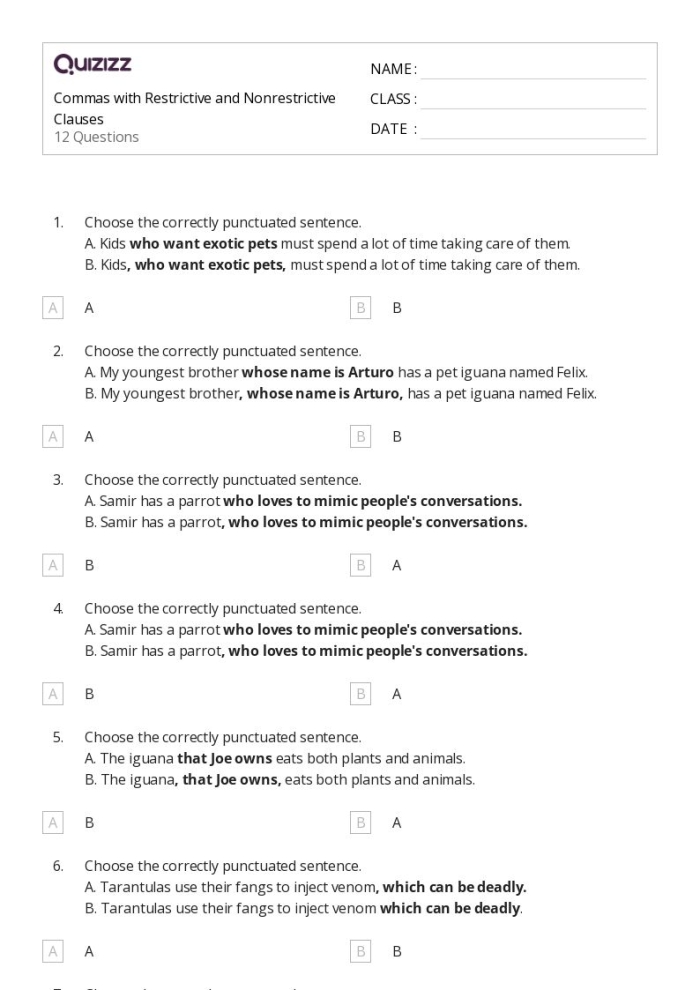
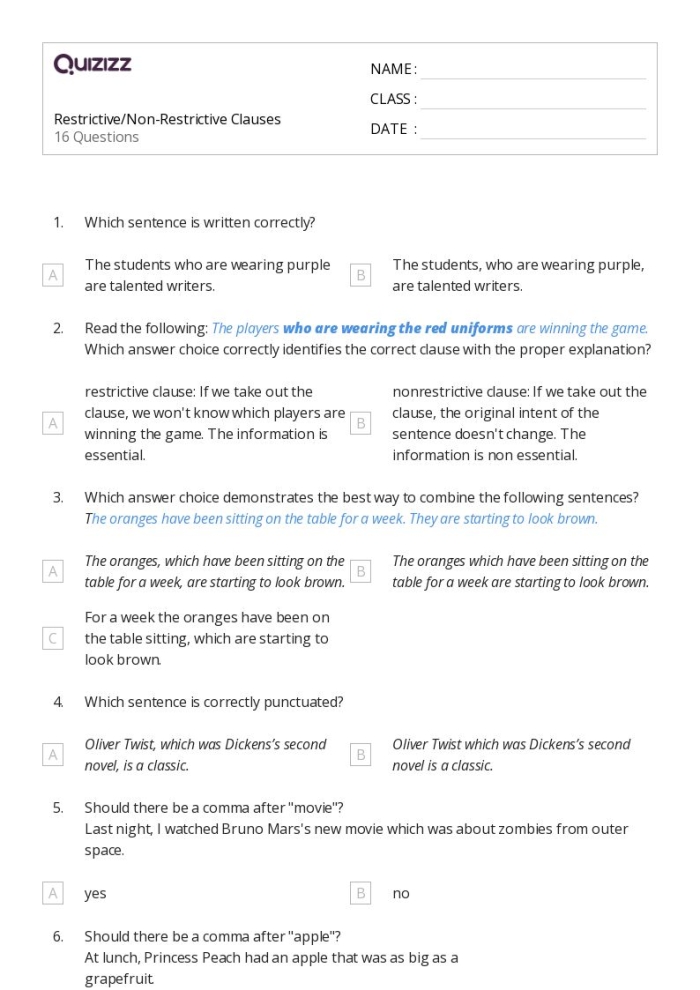
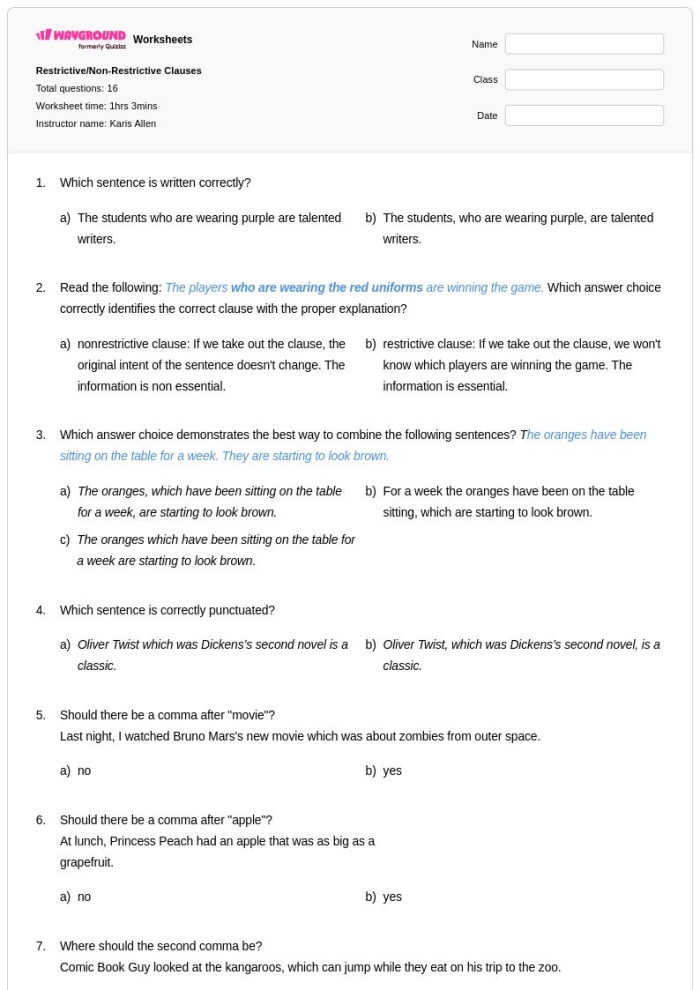
A restrictive element is essential to the meaning of a sentence. For example, in the sentence, “Students who study regularly achieve better grades,” the phrase “who study regularly” is restrictive because it specifies which students are being discussed. Omitting this phrase would change the meaning. In contrast, a nonrestrictive element adds extra information but is not essential to the sentence’s meaning. For instance, “My brother, who lives in Paris, is visiting.” Here, “who lives in Paris” provides additional context about the brother but can be removed without altering the main point of the sentence.
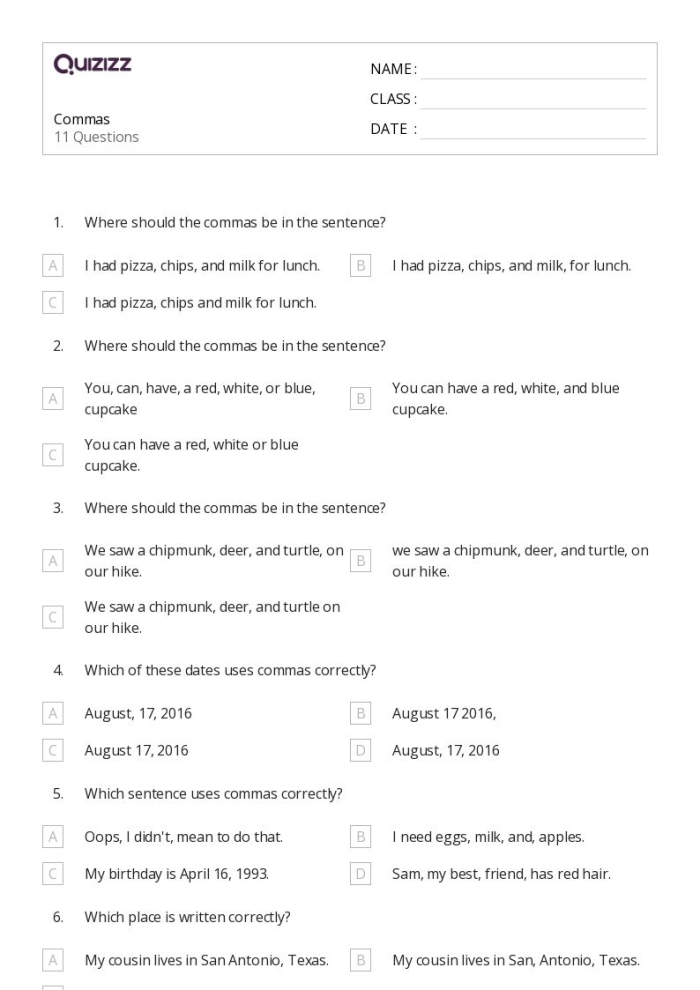
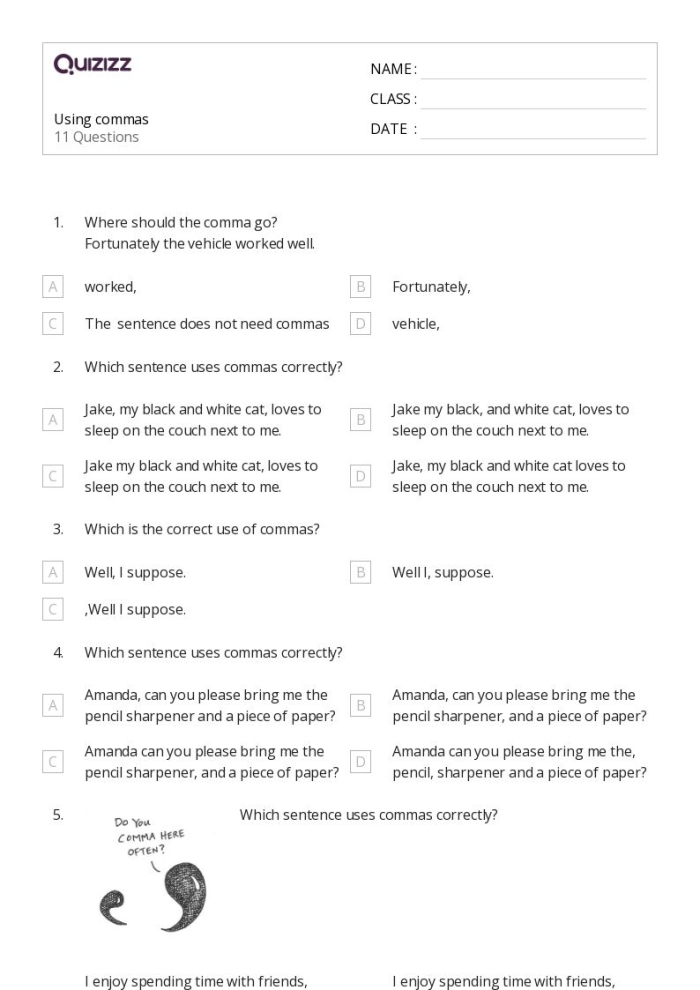
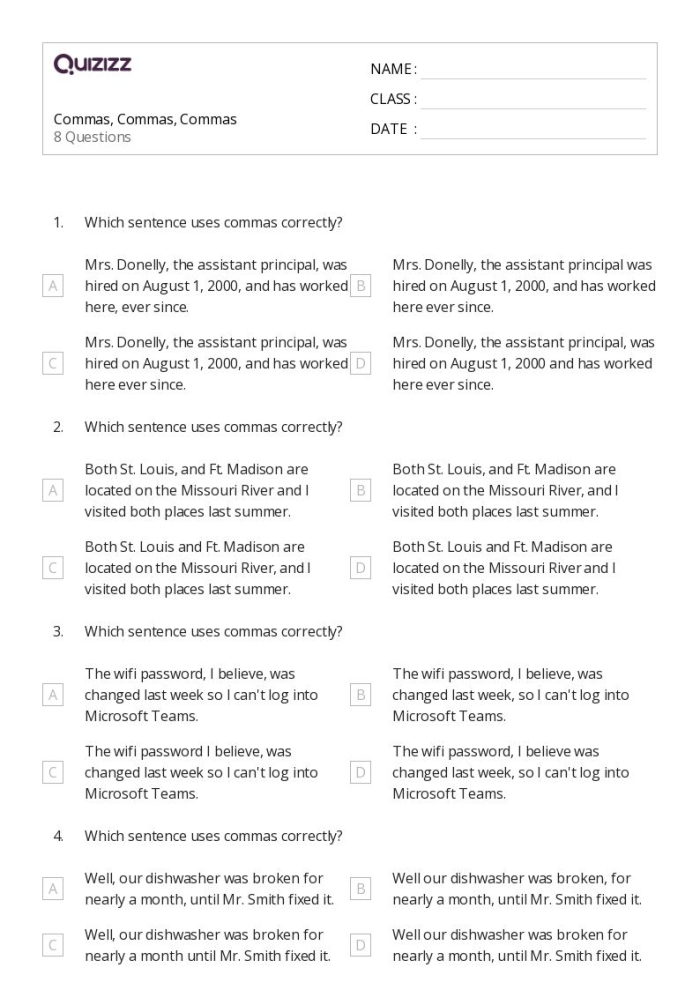
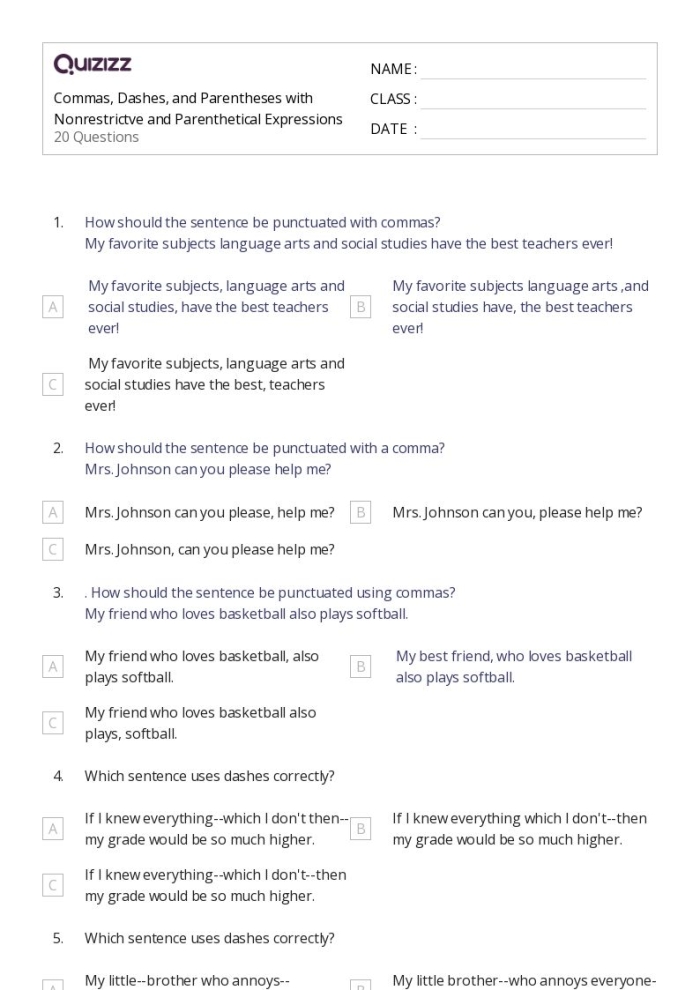
When writing, the placement of commas becomes essential. Nonrestrictive elements should be set off with commas to indicate that the information is supplementary. In our previous example, the correct usage is to include commas around “who lives in Paris.” This distinguishes the extra detail from the core message of the sentence.
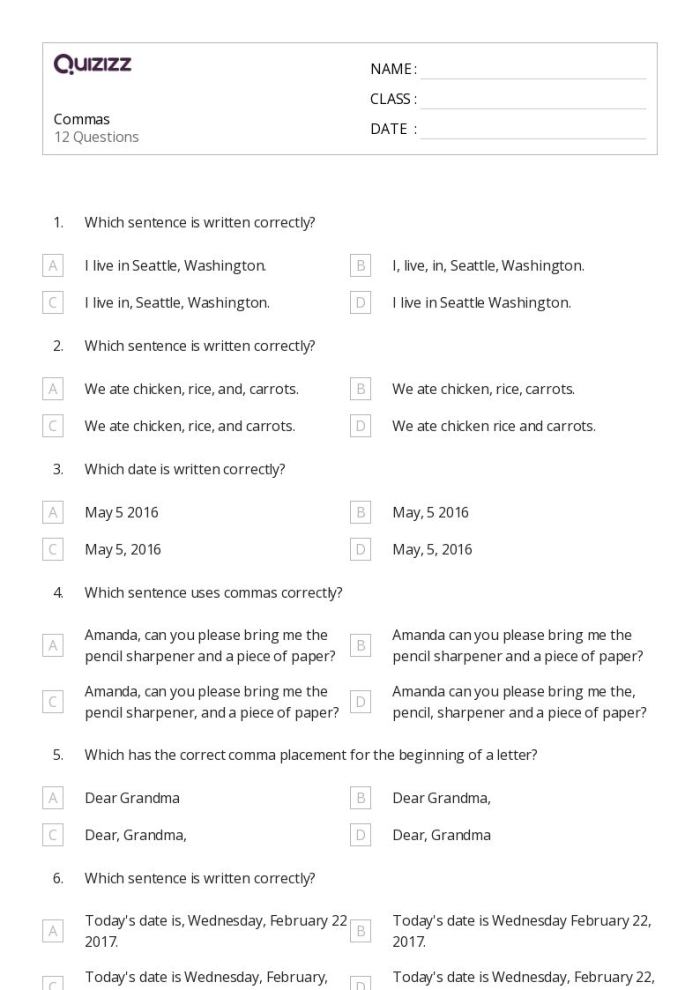
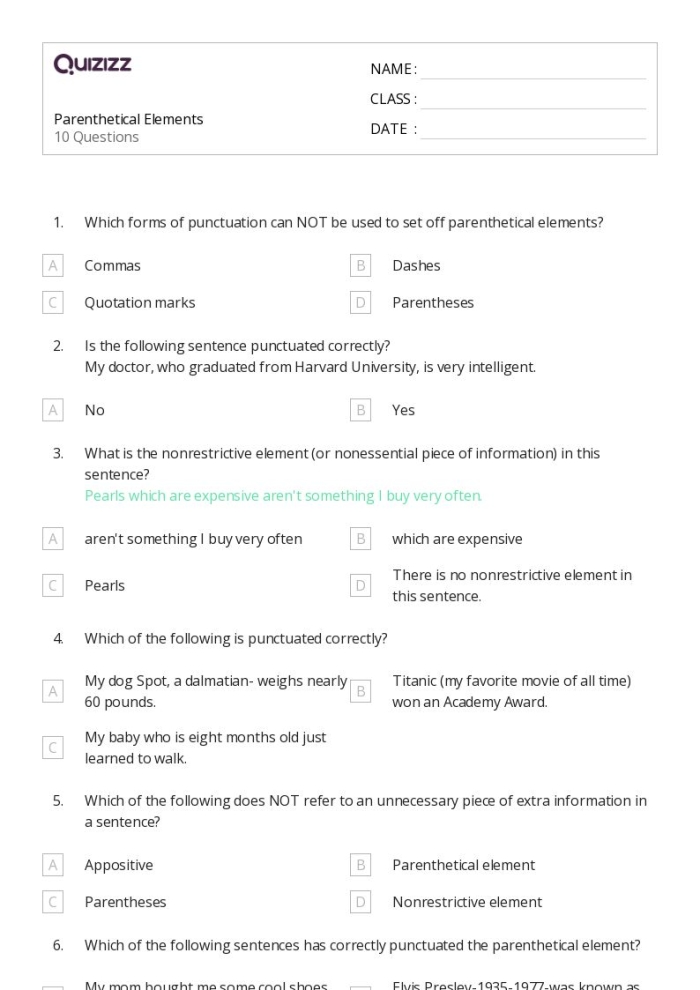
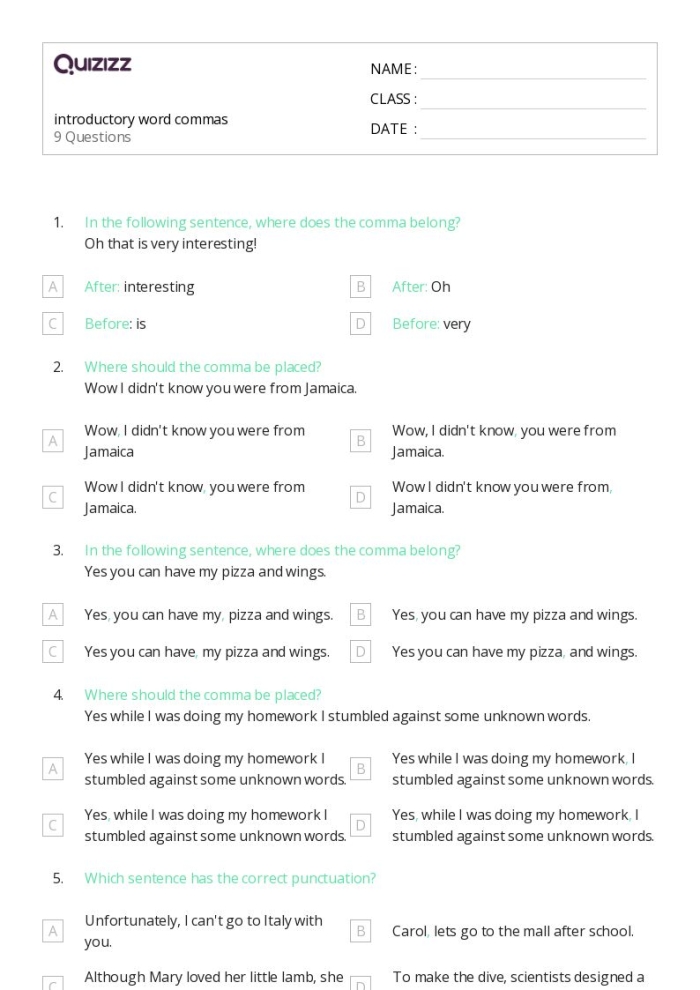
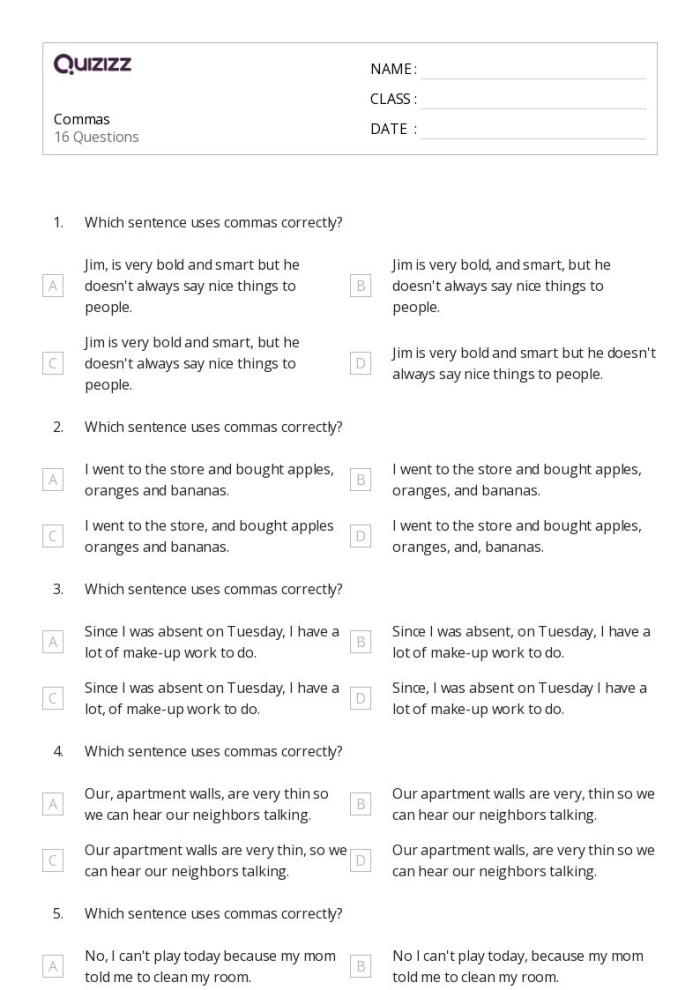
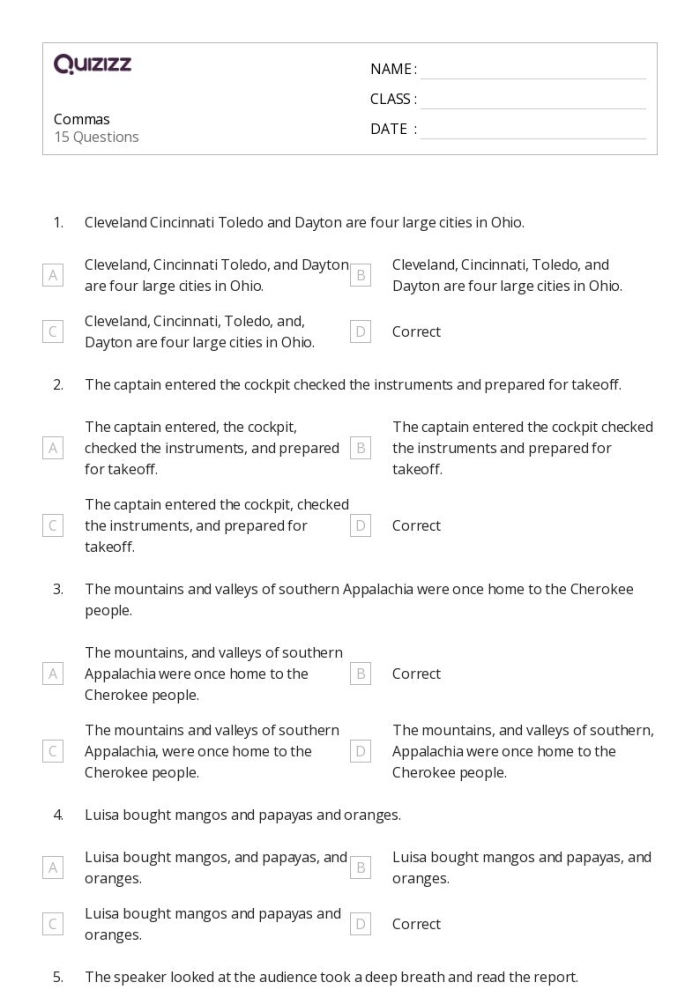
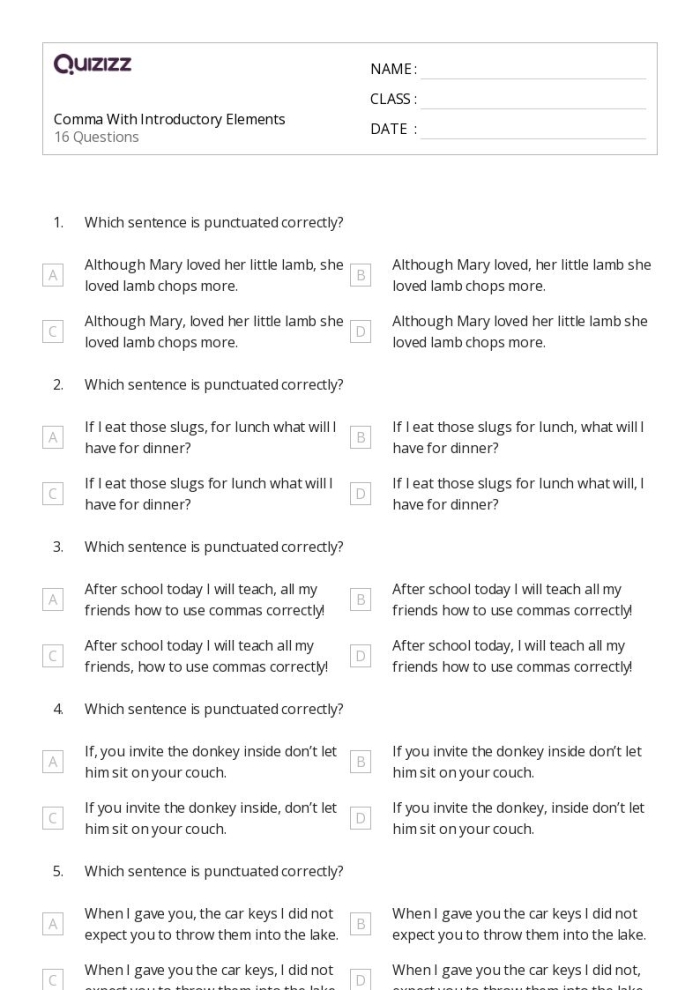
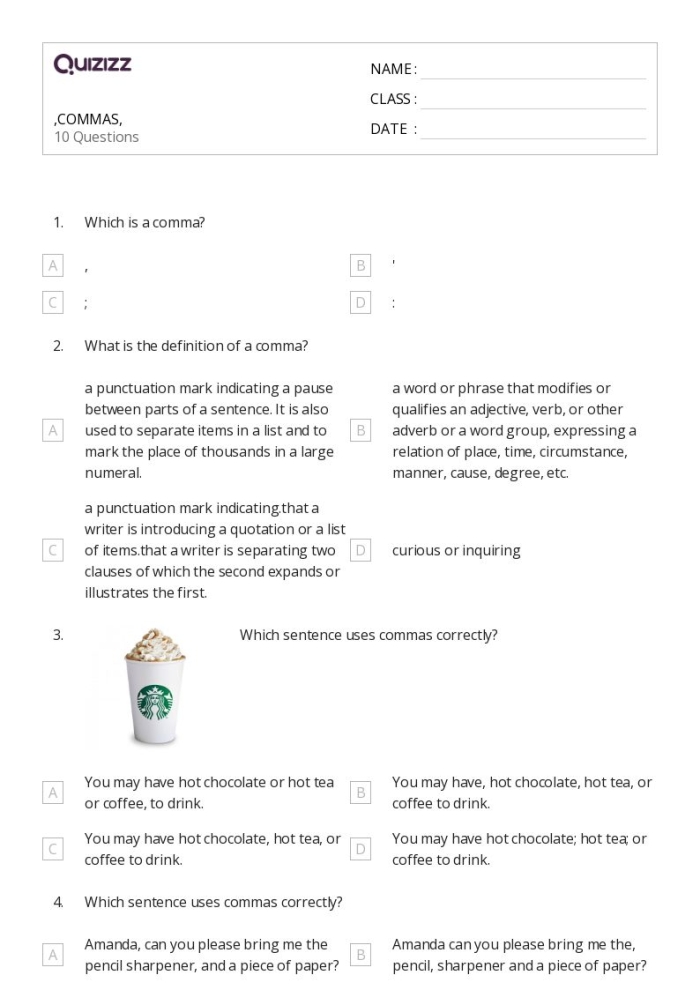
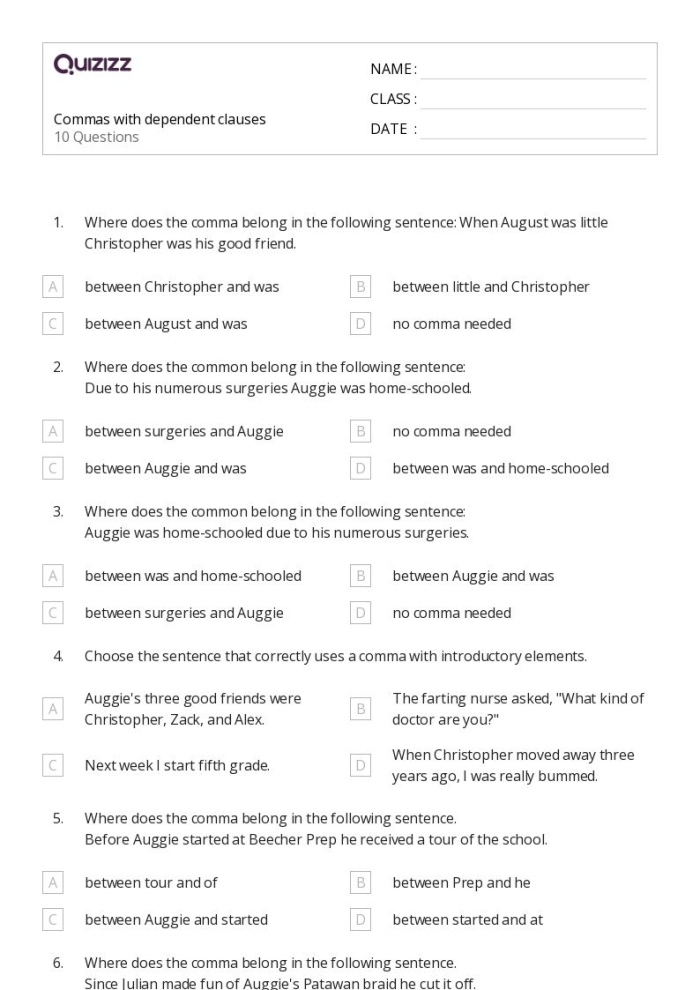
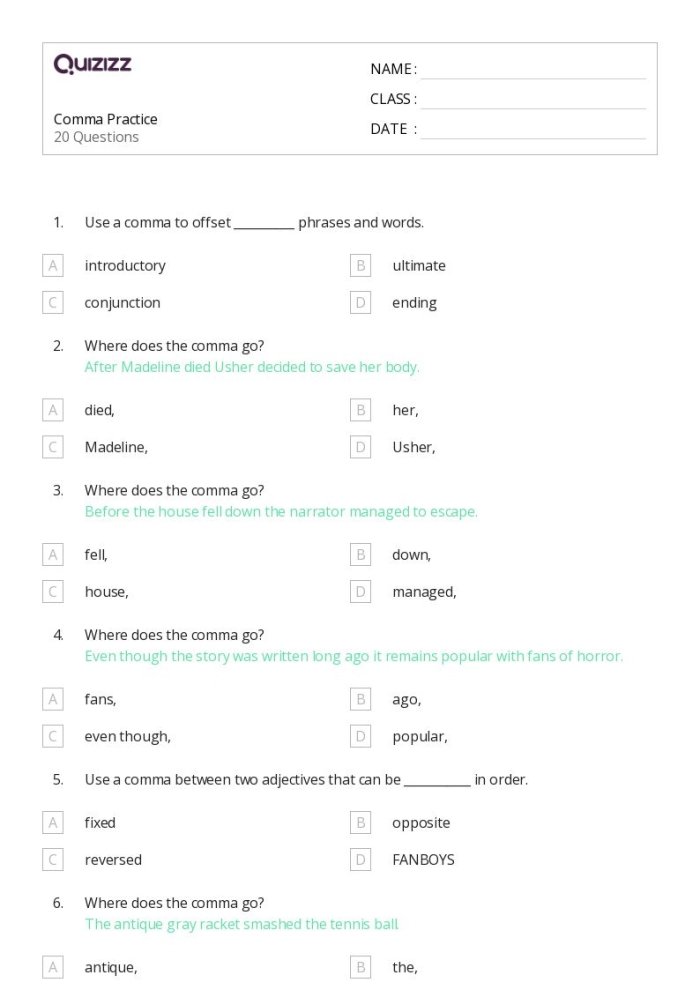
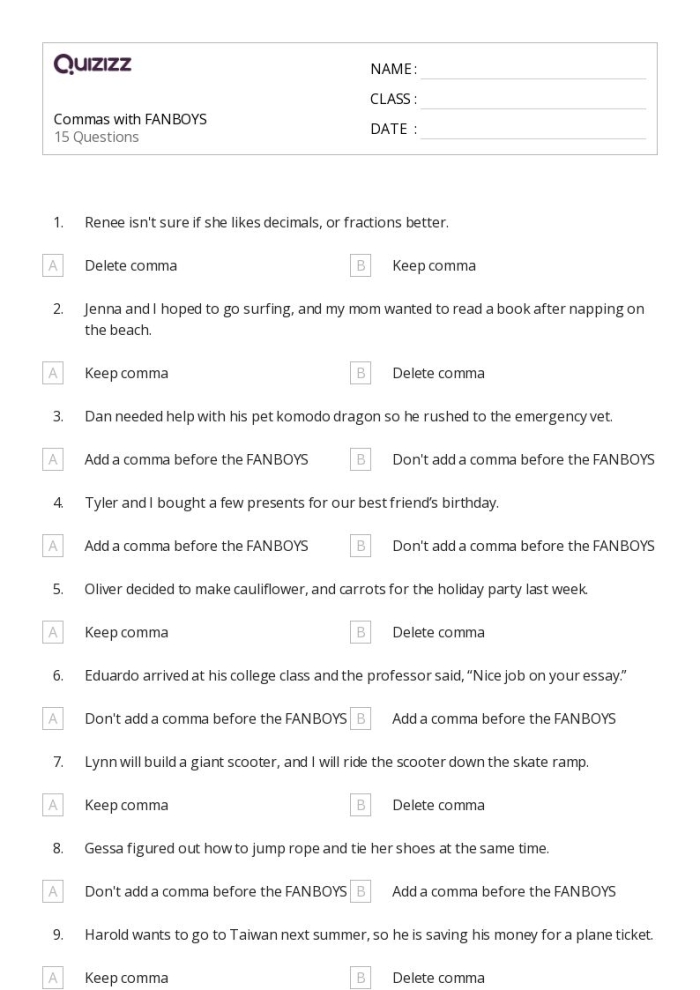
For sixth graders learning French, understanding these concepts is especially important as they translate and construct sentences in both languages. Utilizing the Printable Commas With Nonrestrictive Elements Worksheets can provide valuable practice in identifying these elements and applying proper punctuation. By practicing, students can enhance their writing clarity and ensure that their intended meanings are accurately conveyed.
In summary, recognizing and correctly punctuating restrictive and nonrestrictive elements is a fundamental skill for effective communication. With the right tools and practice, sixth graders can become proficient in using commas, making their writing clearer and more engaging.
Worksheet Practice Section