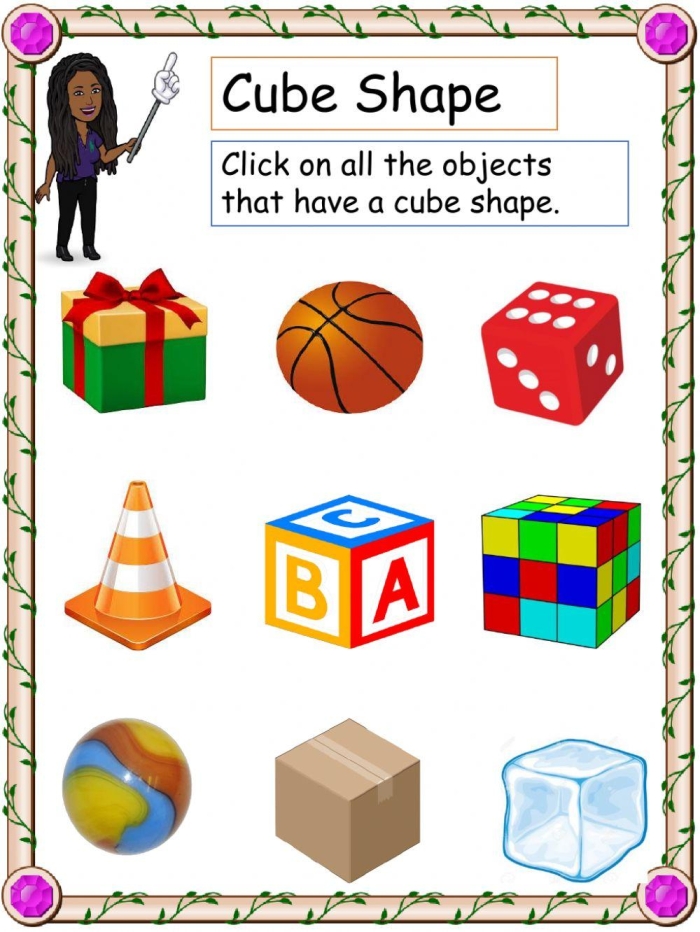
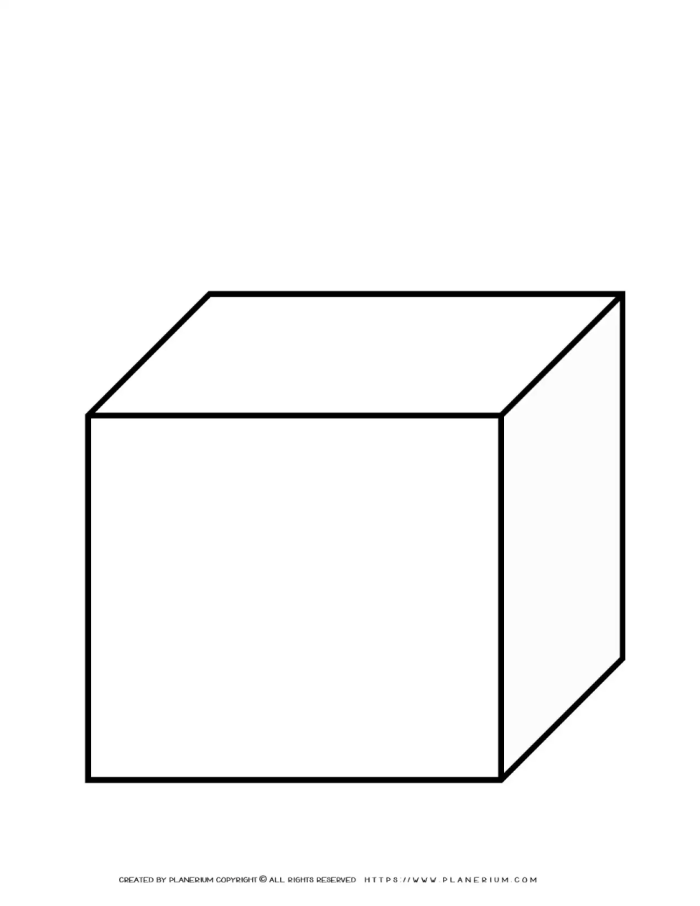
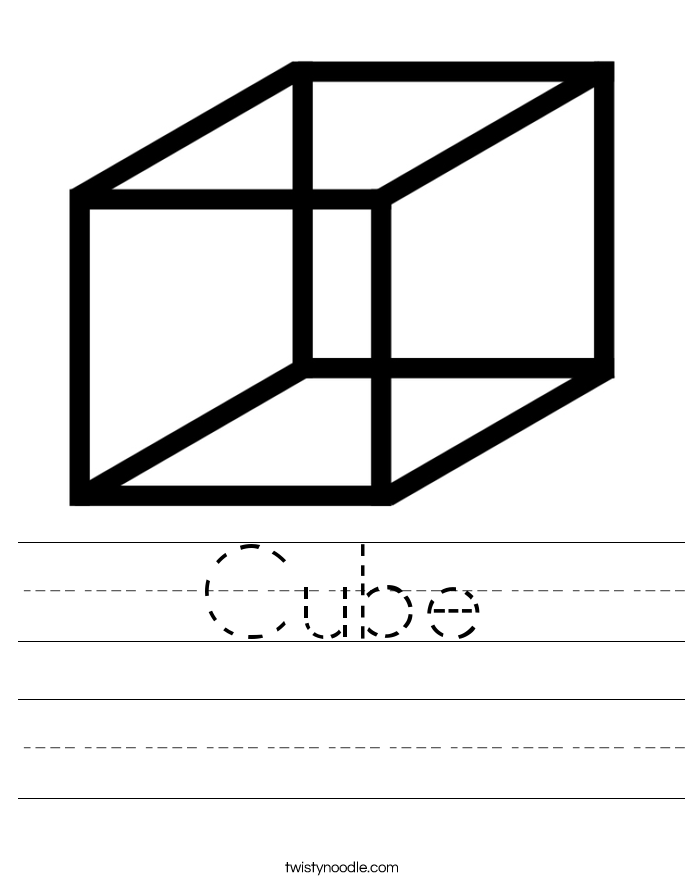
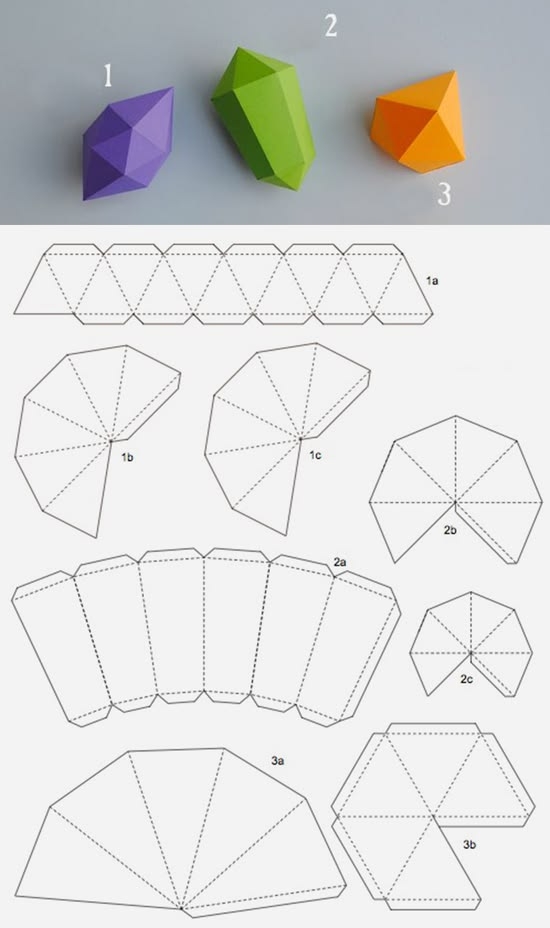
Creating a 3-D paper model is an engaging way for children to learn about shapes, and using a cube cut-out is a fantastic starting point. This hands-on activity not only reinforces the concept of three-dimensional geometry but also allows children to explore the different faces, edges, and vertices of this fundamental shape. When kids get to build their own cube, they can visualize and understand how flat surfaces come together to form a solid object.
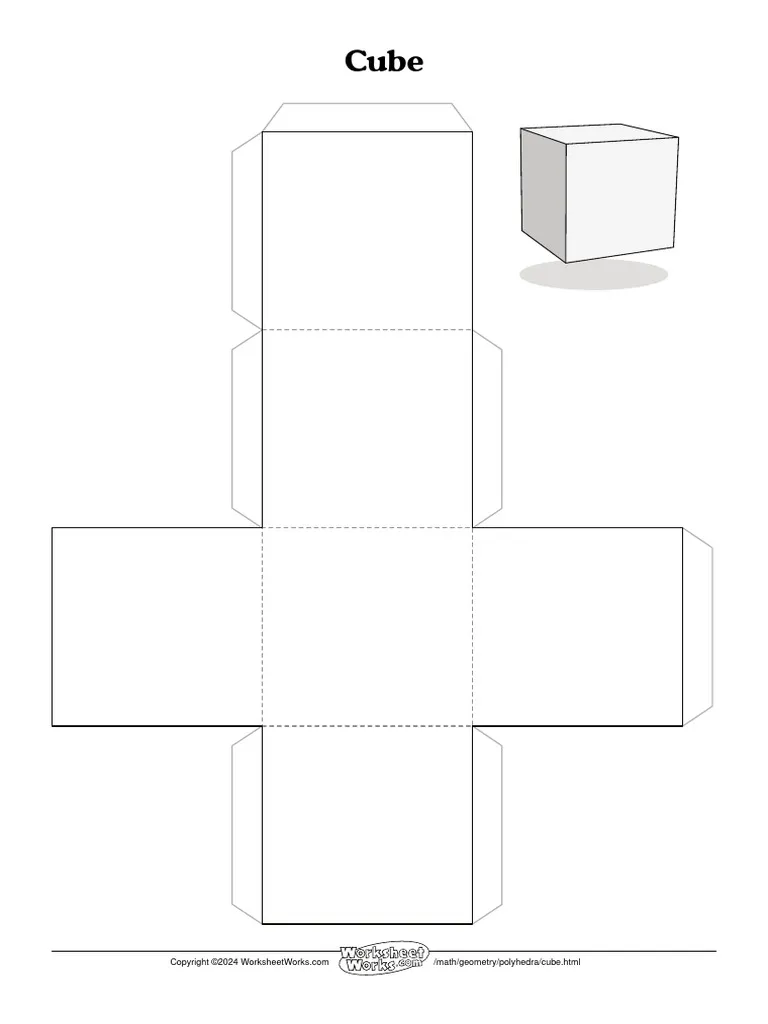
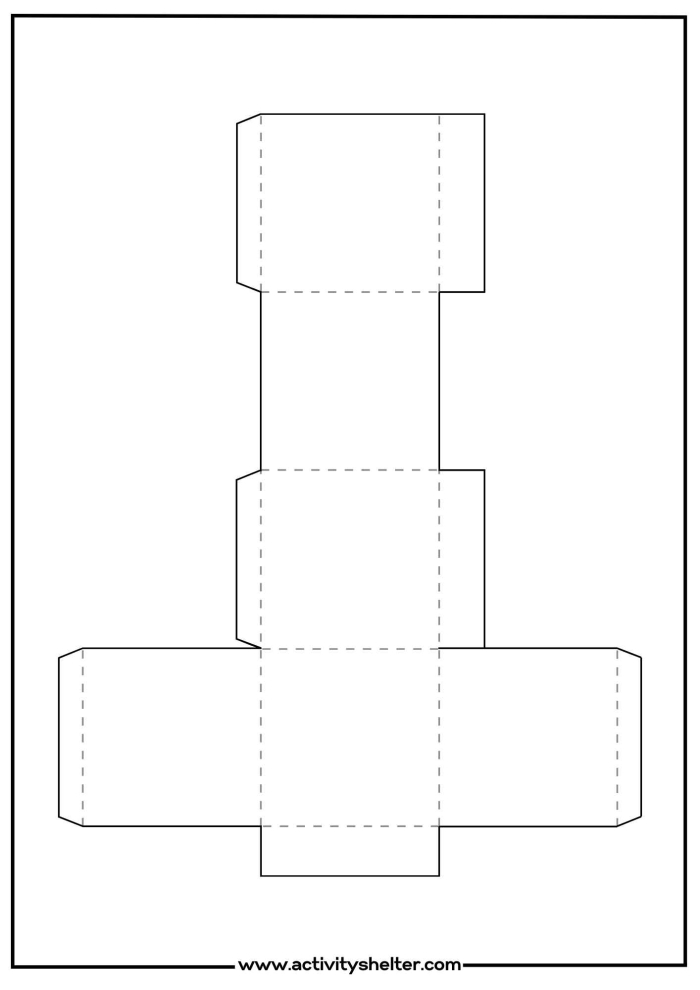
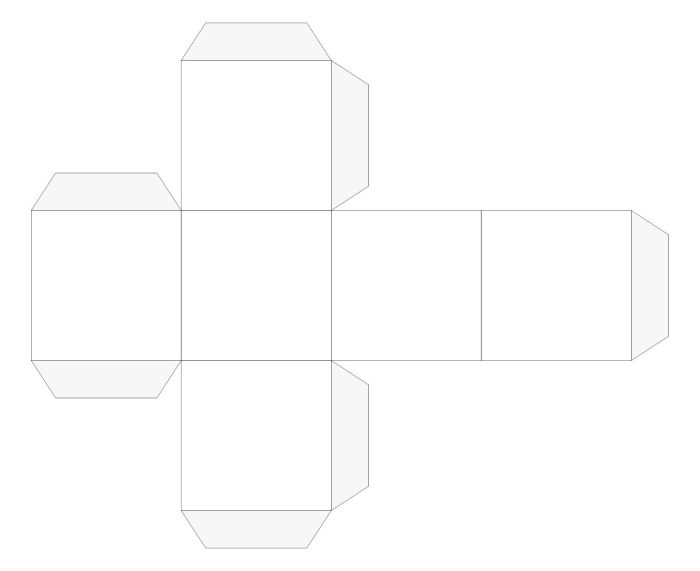
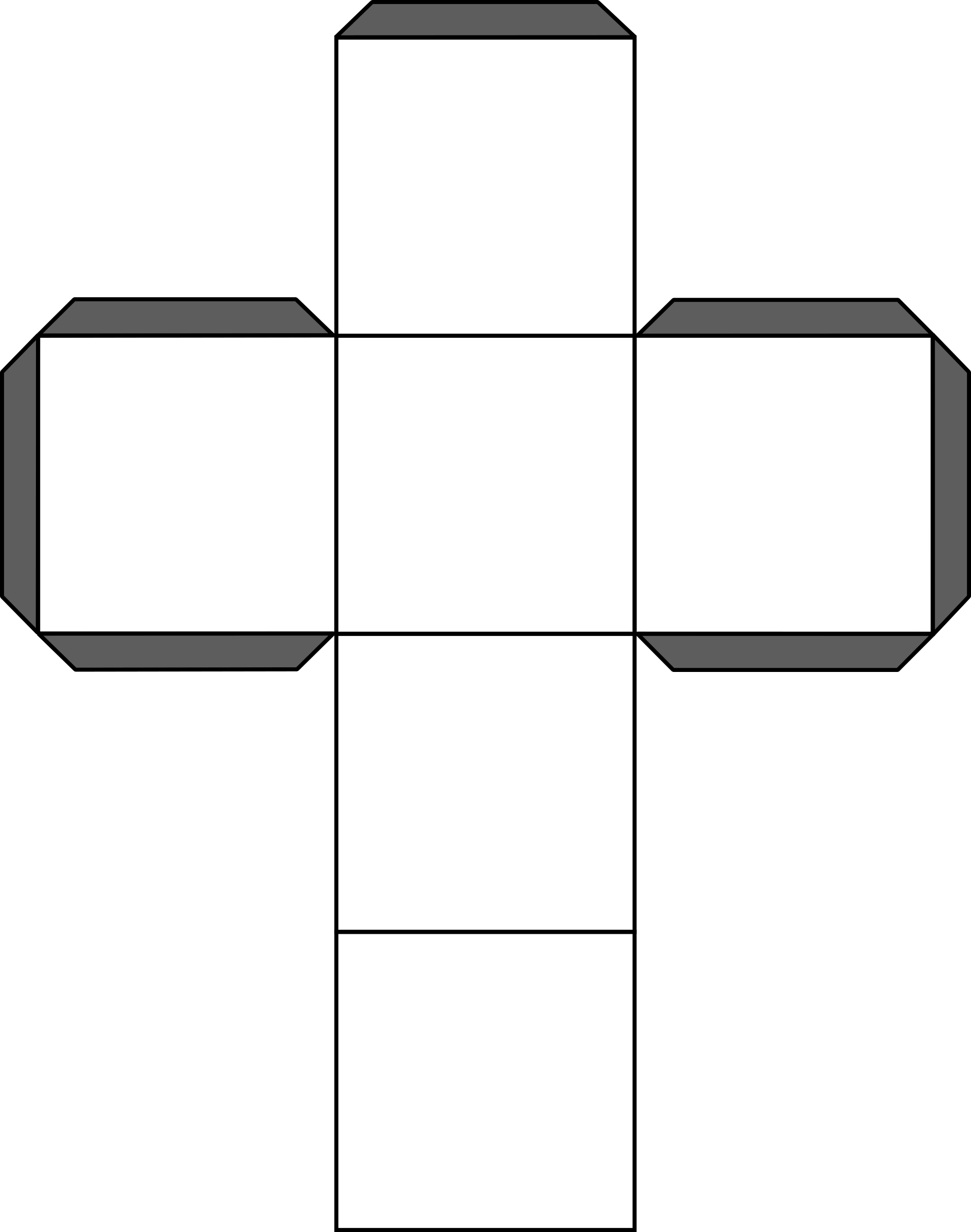
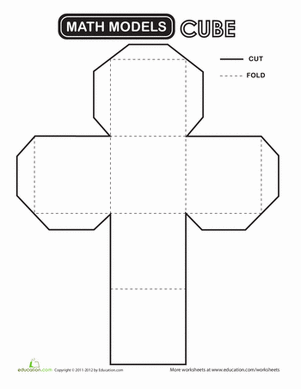
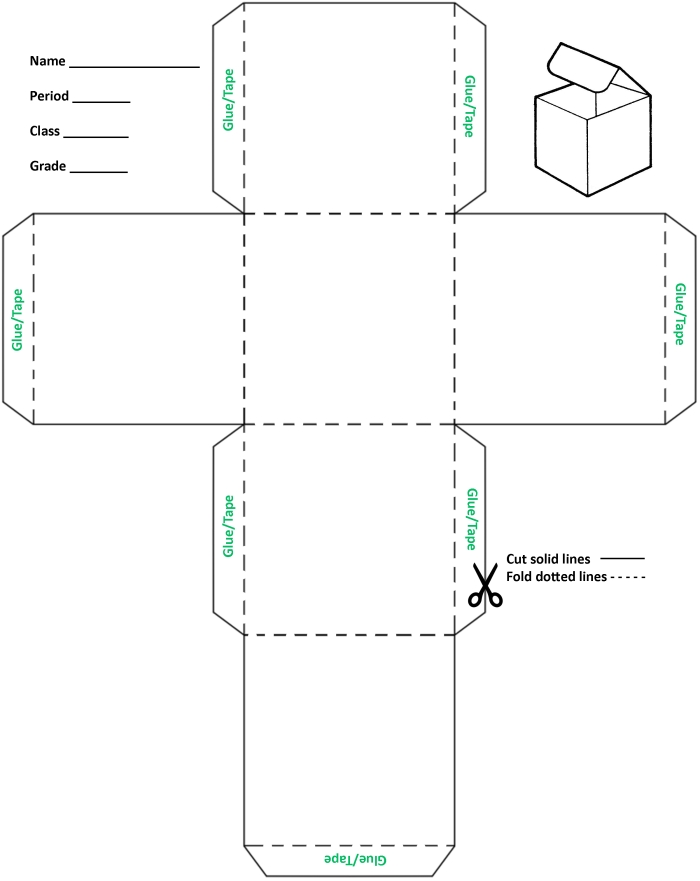
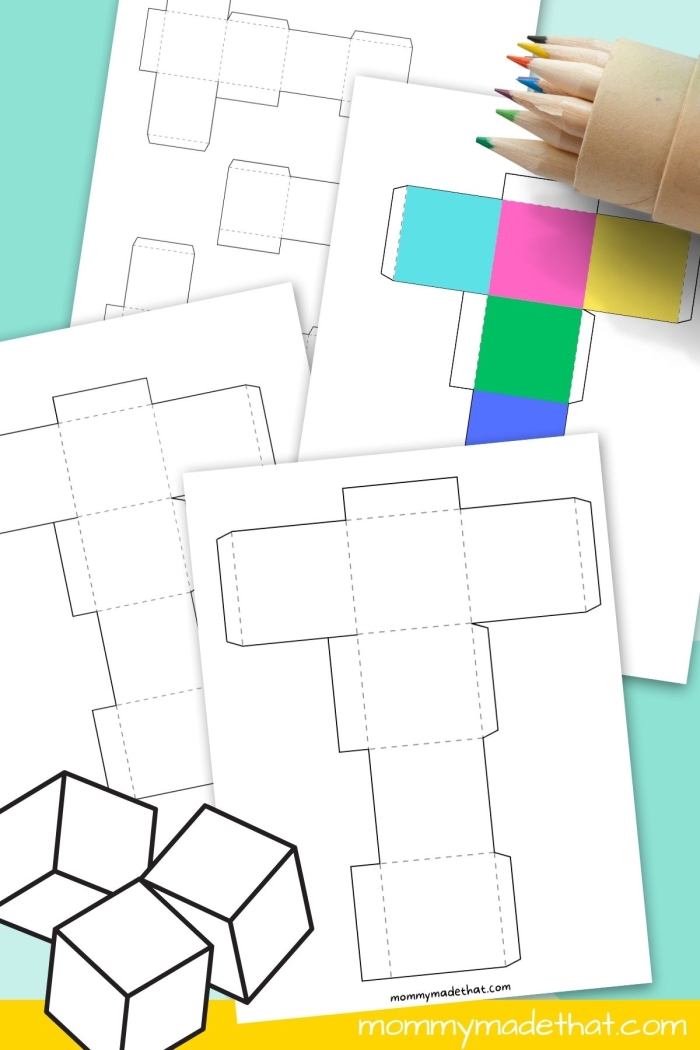
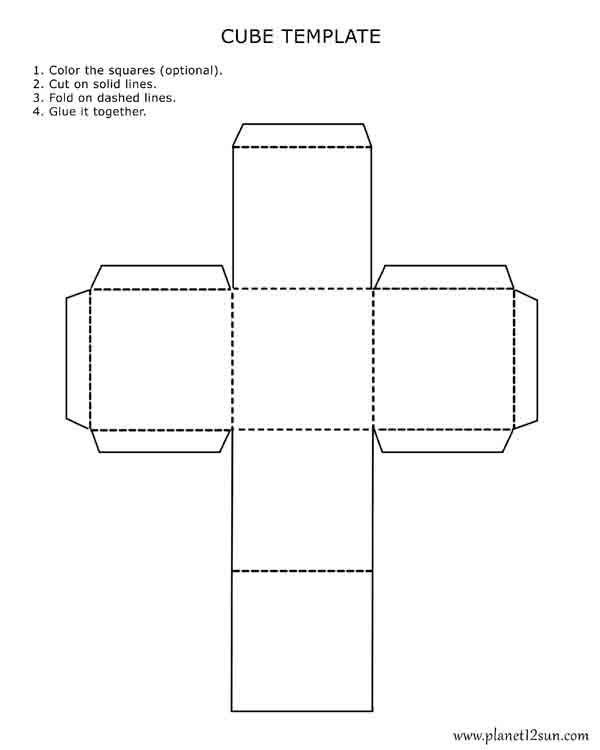
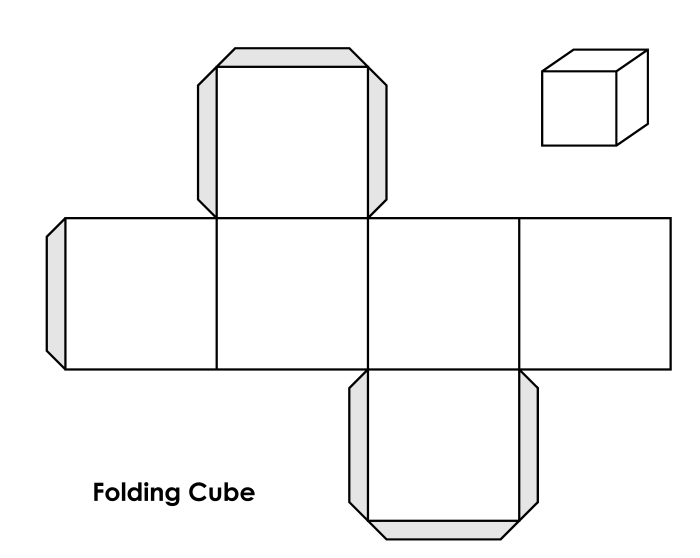
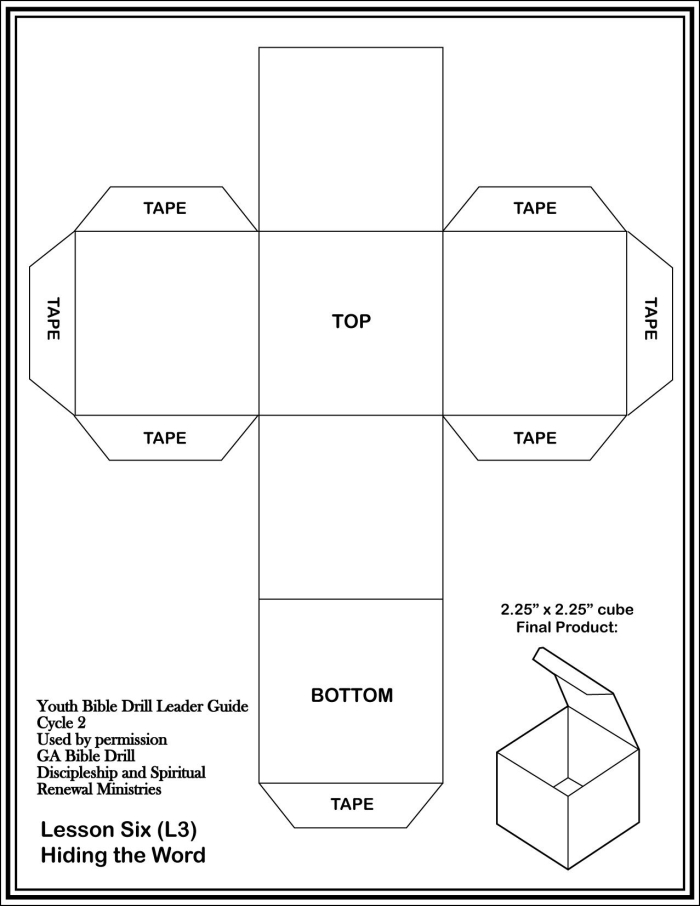
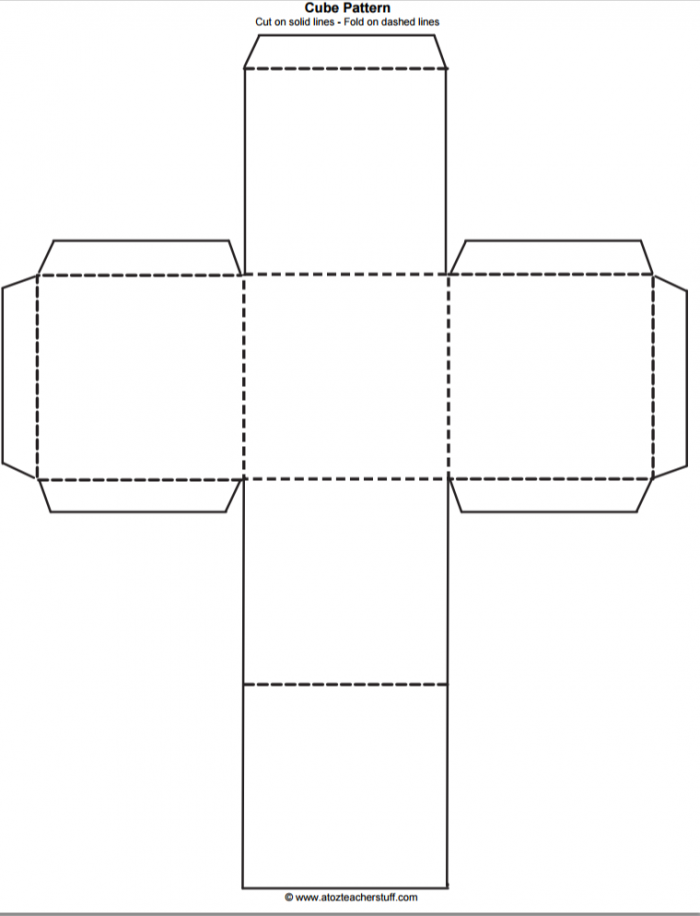
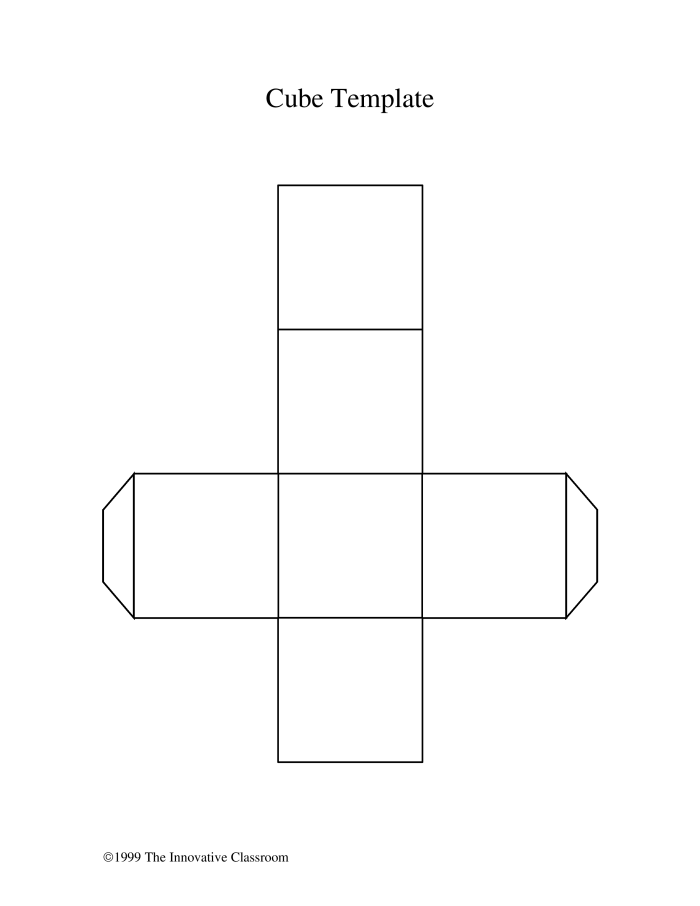
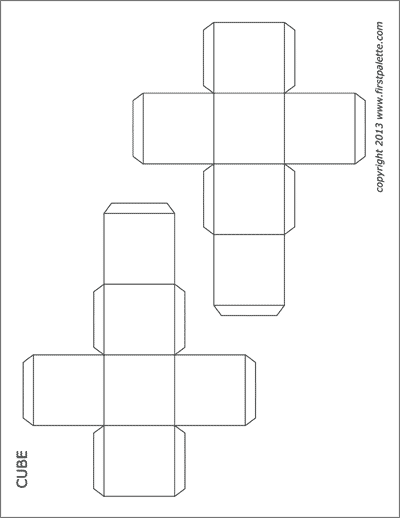
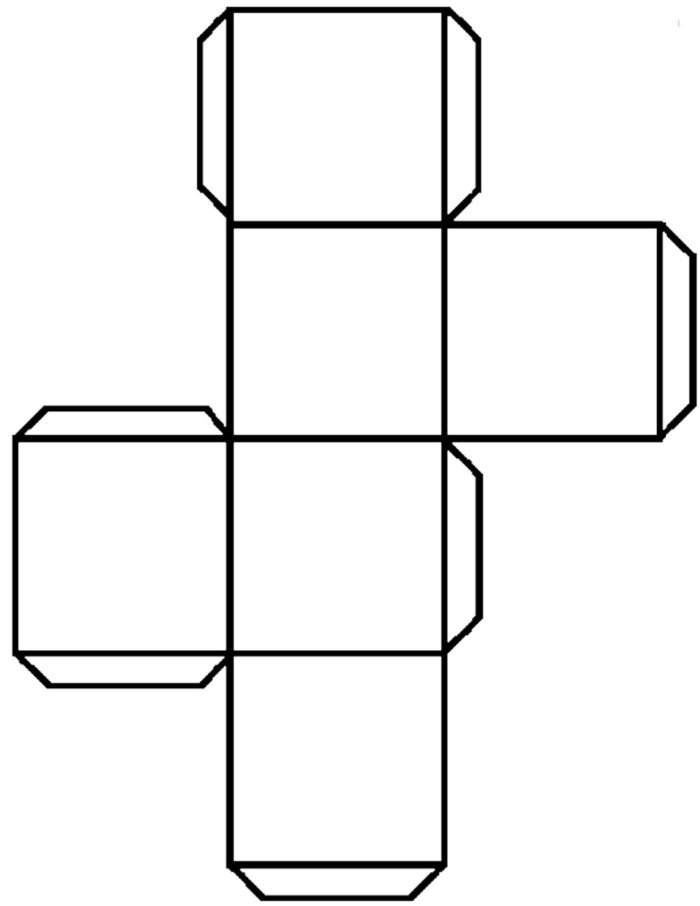
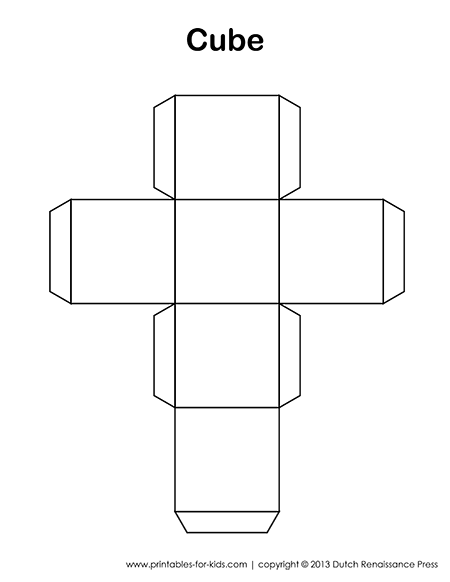
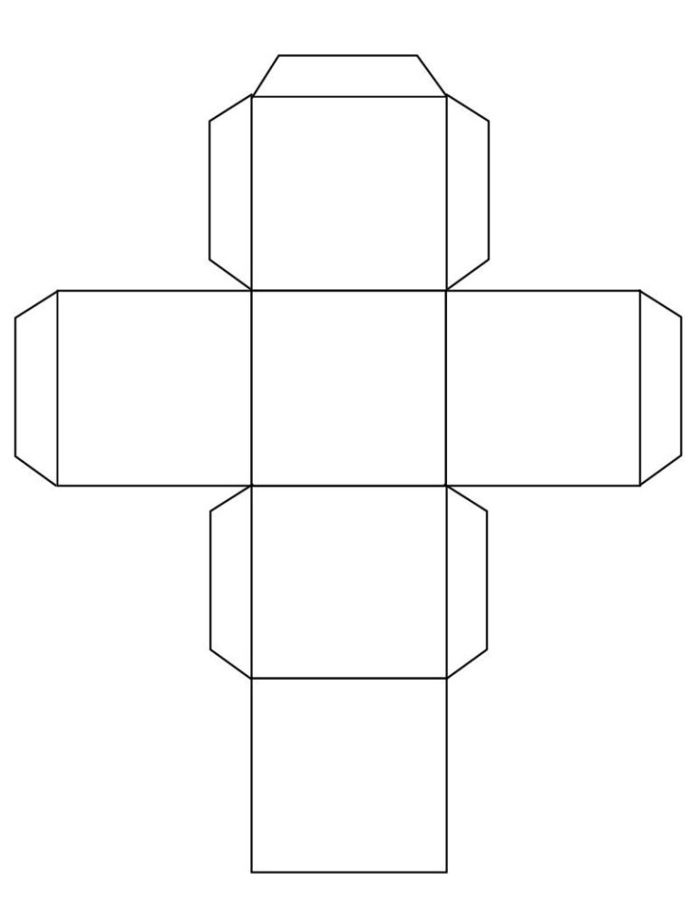
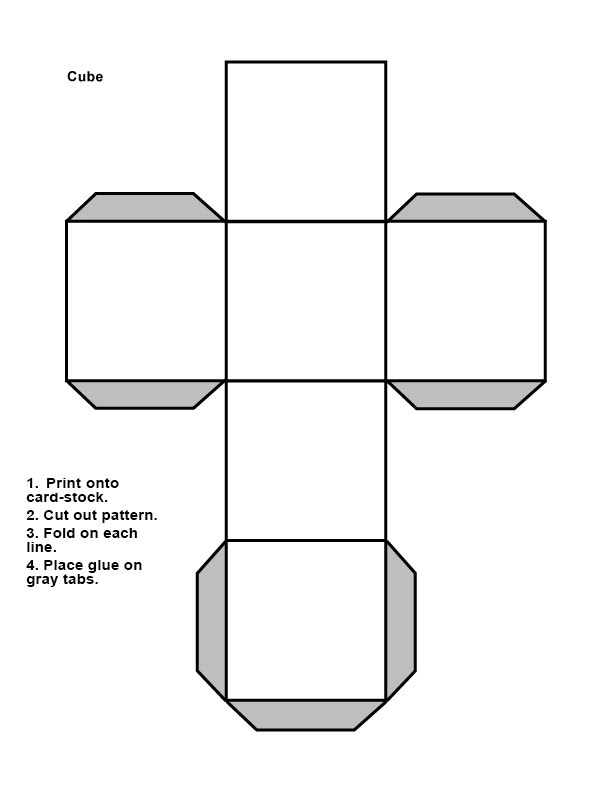
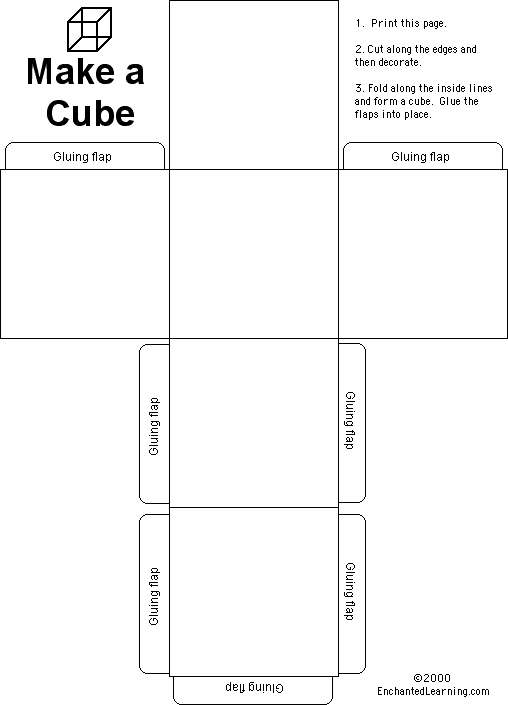
To begin, gather materials like cardstock, scissors, and glue. Printable cube cut-out worksheets are readily available online, providing a straightforward template. After printing, children can carefully cut out the shape, which typically consists of six squares connected by flaps. As they assemble the cube, they will see how each face connects to another, reinforcing their understanding of spatial relationships.
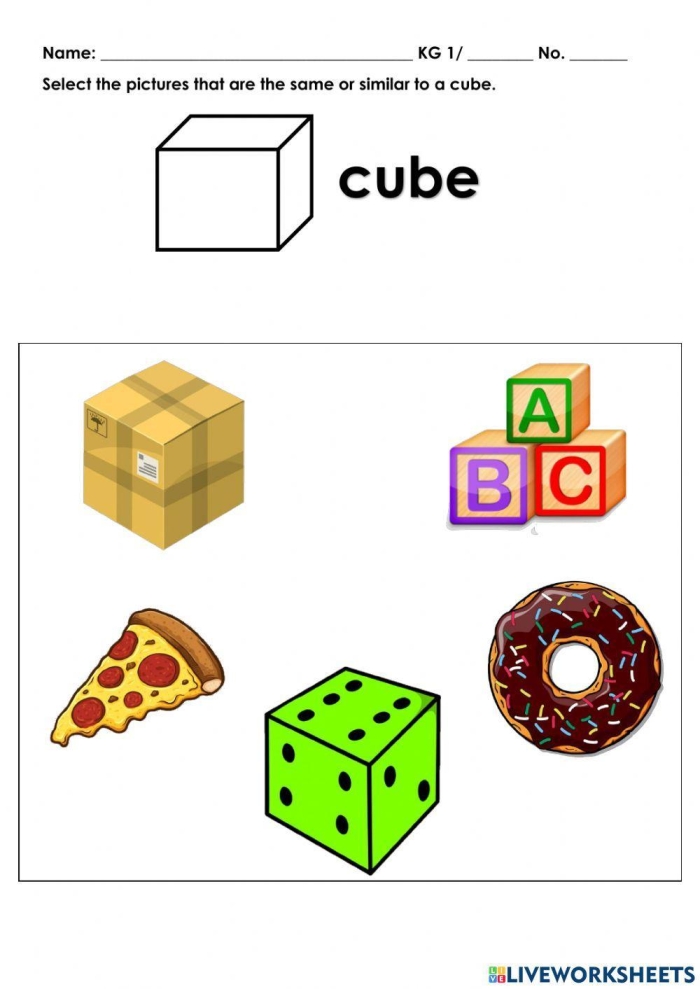
This activity isn’t just about following instructions; it encourages creativity. Once the cube is completed, kids can decorate it, perhaps transforming it into a gift box or a colorful dice for games. This not only makes learning about geometry fun but also practical. Children learn that geometry isn’t just abstract—it’s all around them, from the boxes they see in stores to the buildings they live in.
Moreover, exploring cubes can lead to discussions about other geometric concepts, such as volume and surface area, making it a versatile learning experience. As they play with cubes, children can compare them to other shapes, gaining a deeper appreciation for geometry as a whole. For additional activities, consider integrating concepts like edges and vertices with resources from Lumina Worksheets or explore fun word problems through carnival-themed math tasks.
Involving children in creating a cube cut-out not only enhances their understanding of shapes but also provides an opportunity for them to express their creativity, making geometry an enjoyable subject in the second grade.
Download These Worksheets for Practice