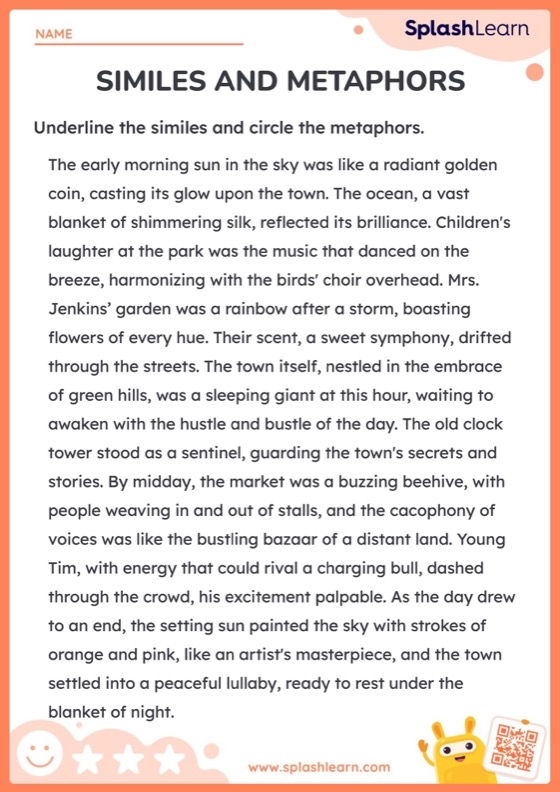
Figurative language transforms ordinary words into vibrant expressions, and fourth graders can truly experience this magic through engaging exercises focused on metaphors and similes. These figures of speech not only enhance their writing but also deepen their understanding of the world around them.
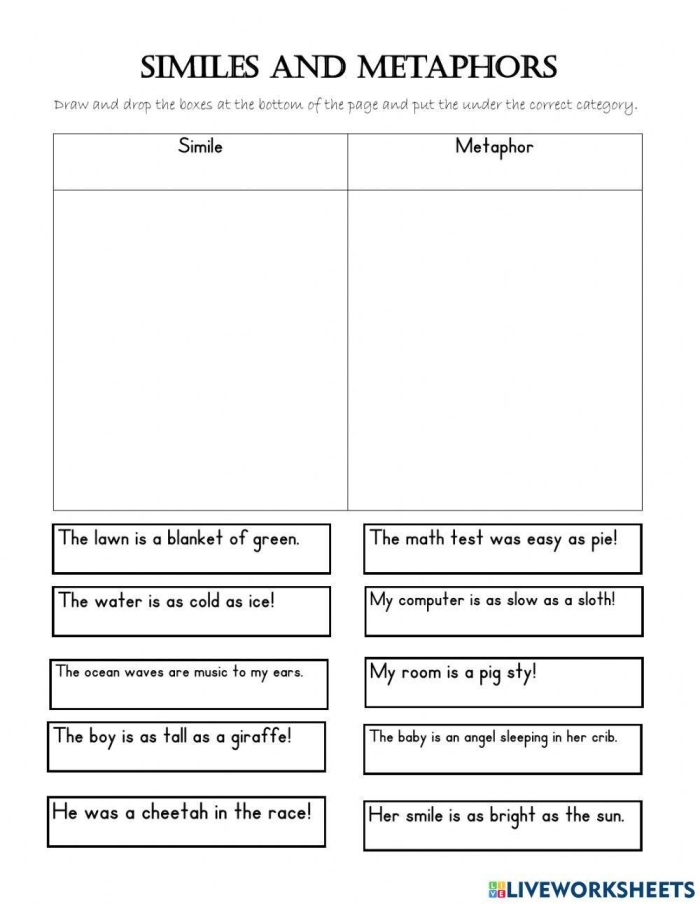
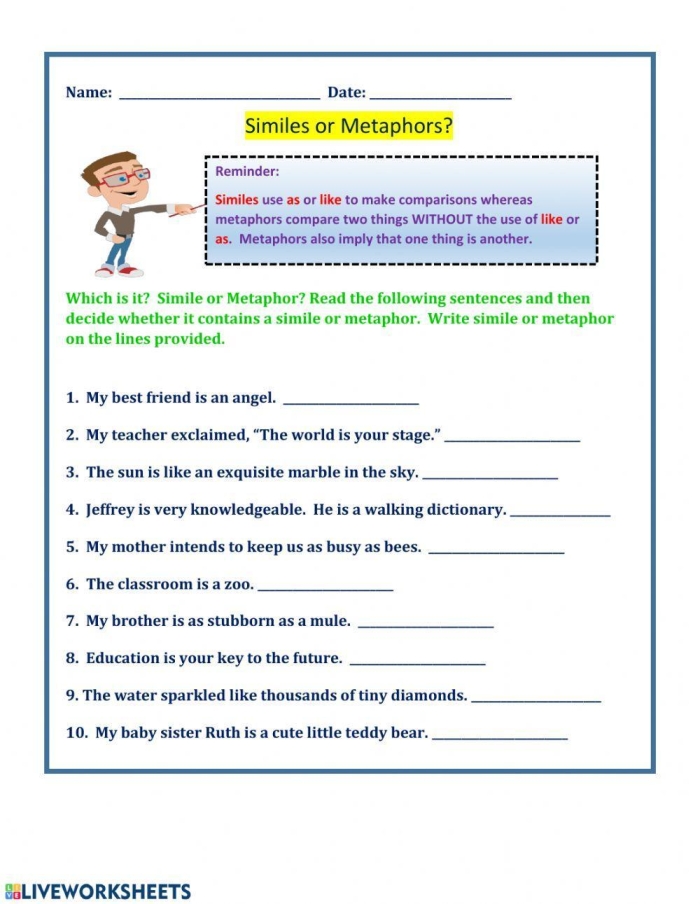
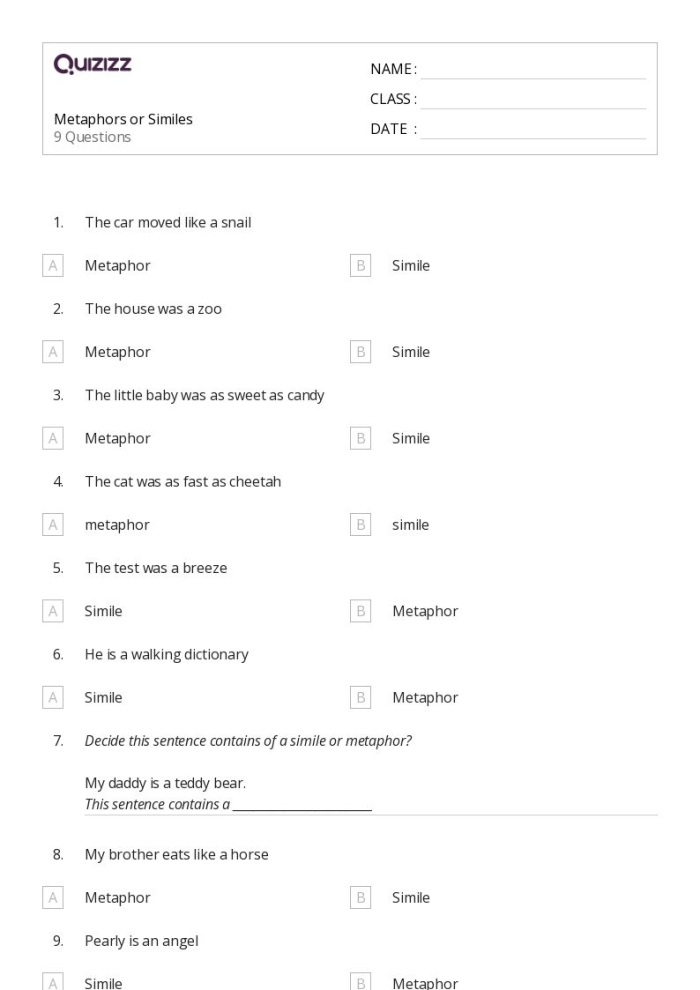
In a recent reading and writing exercise, learners explored how metaphors and similes create vivid imagery. For example, when a student writes, “The classroom was a zoo,” they evoke a bustling, chaotic environment using a metaphor. Similarly, a simile like “Her smile was as bright as the sun” paints a clear picture that resonates with readers. By recognizing and using these devices, students can elevate their writing from simple sentences to expressive narratives.
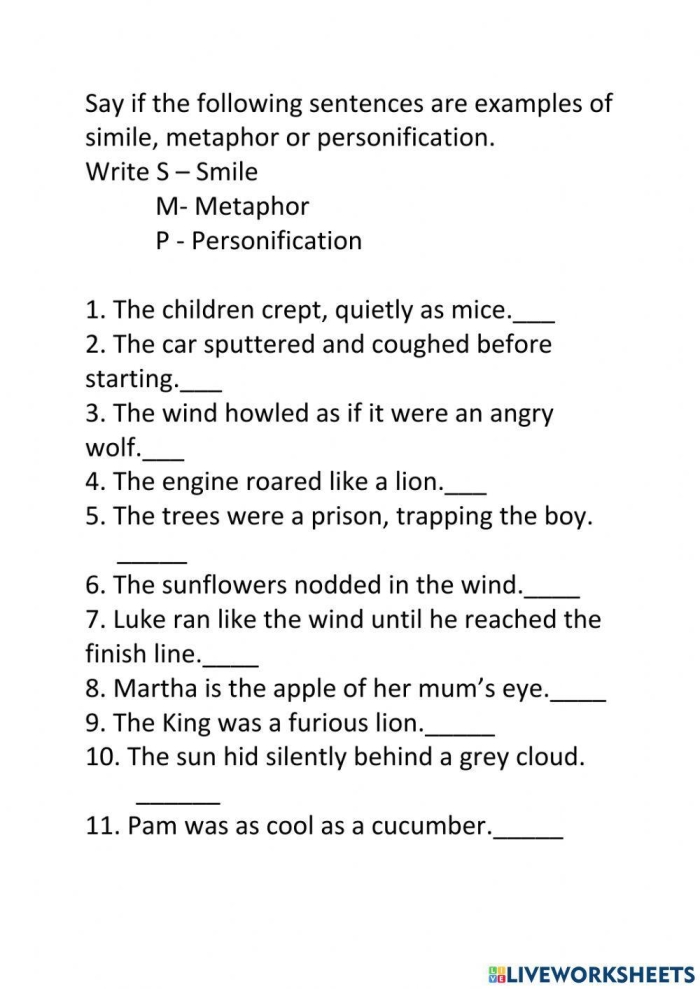
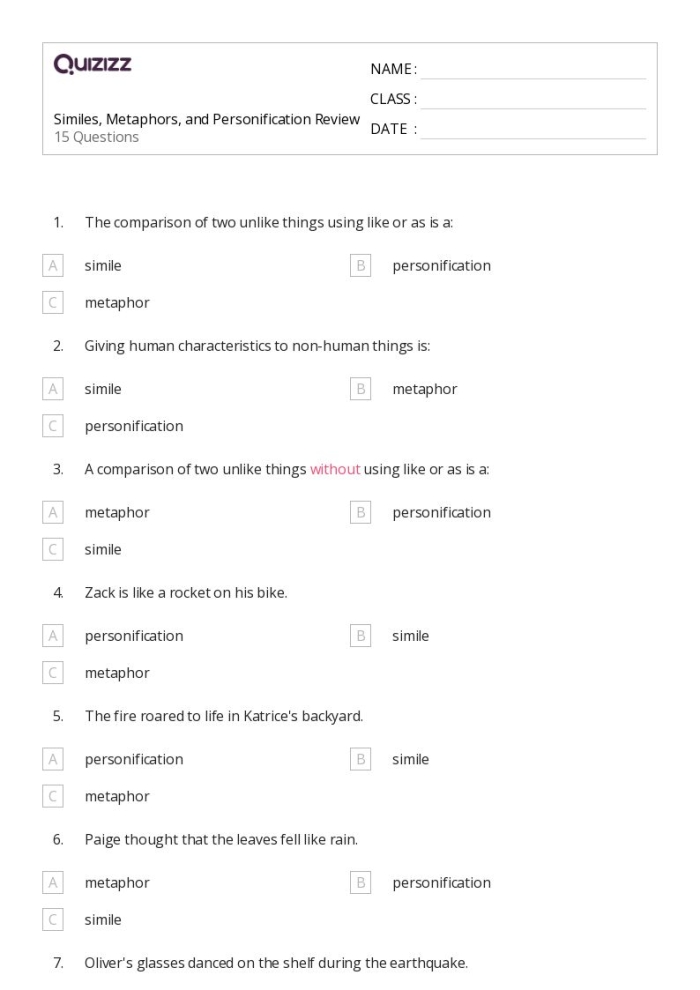
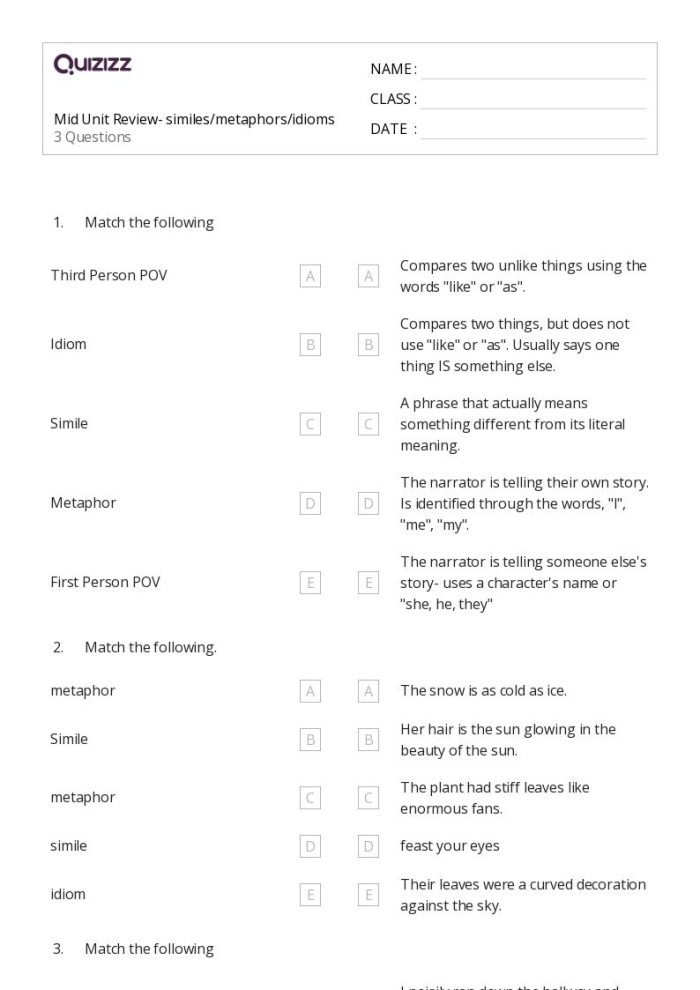
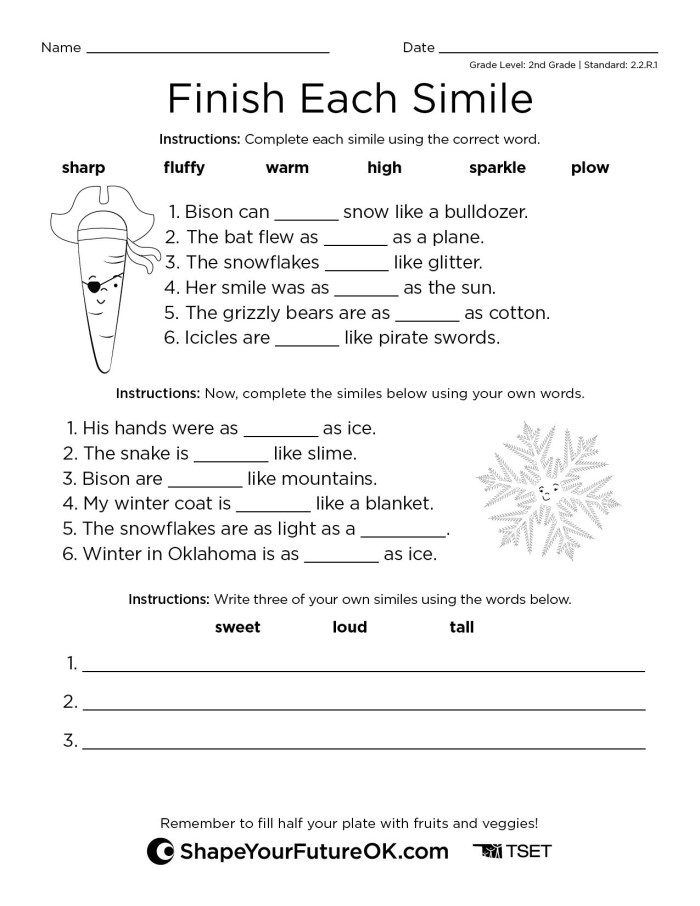
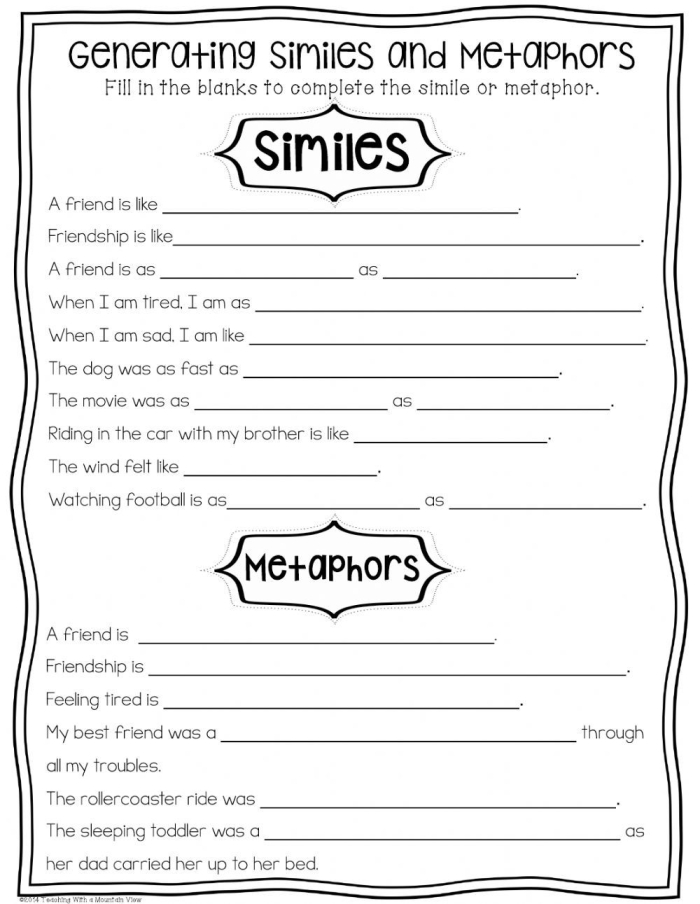
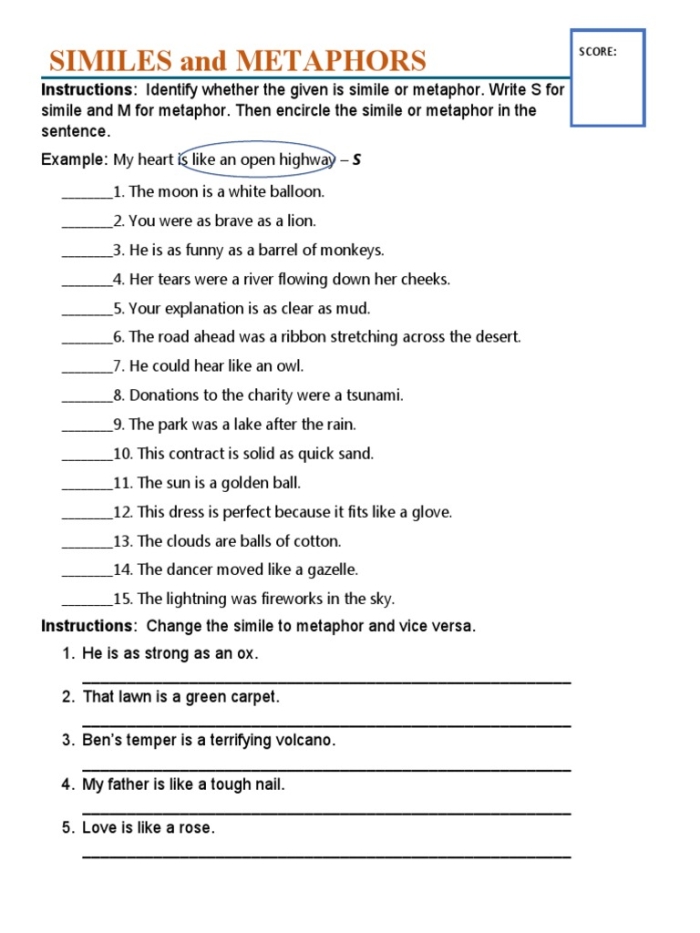
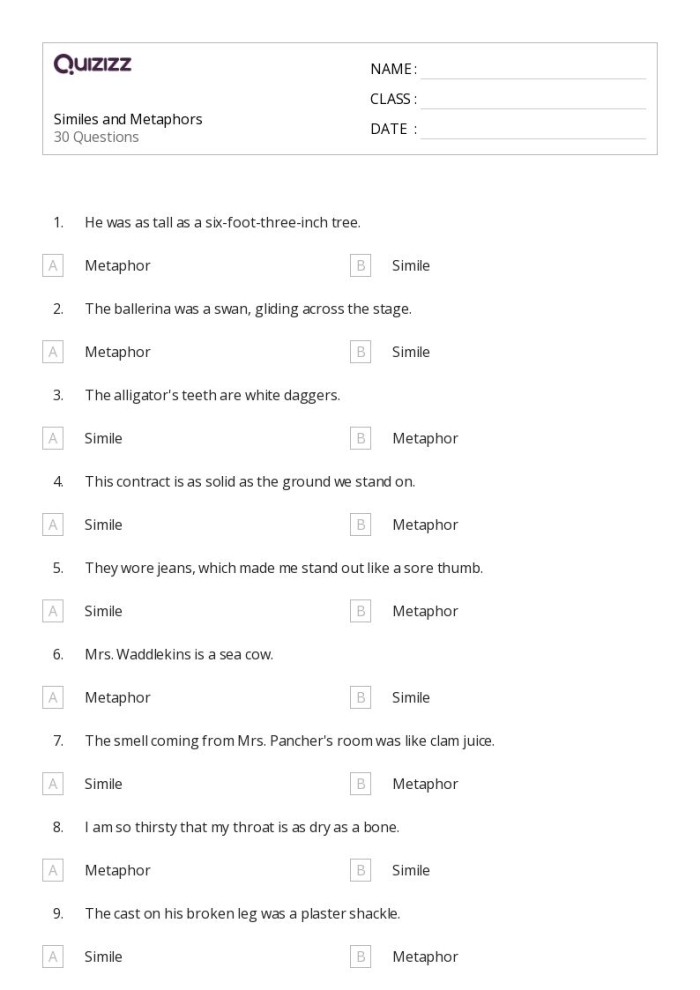
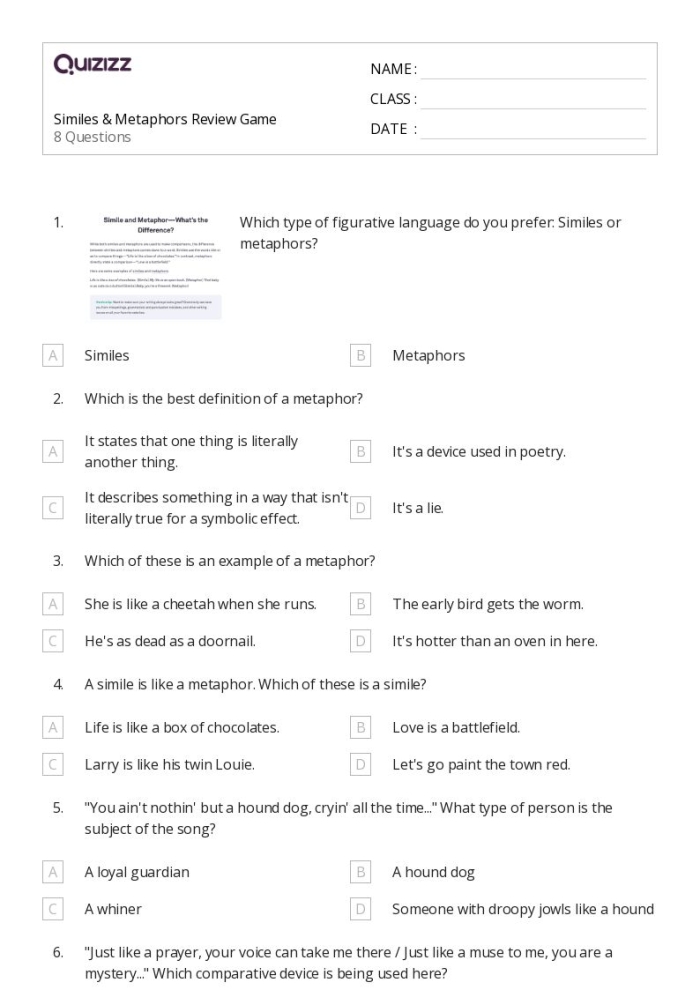
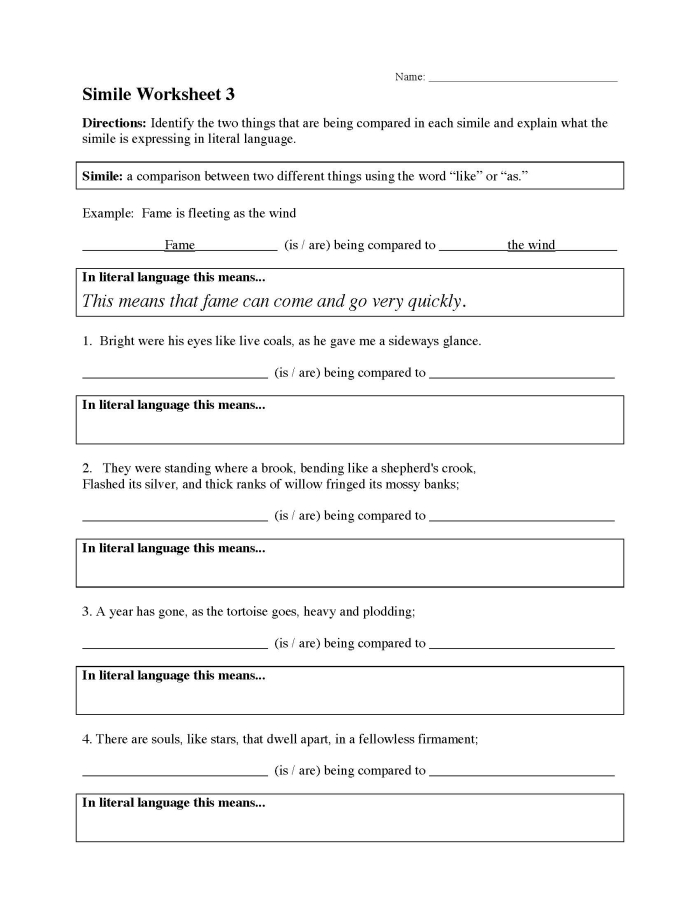
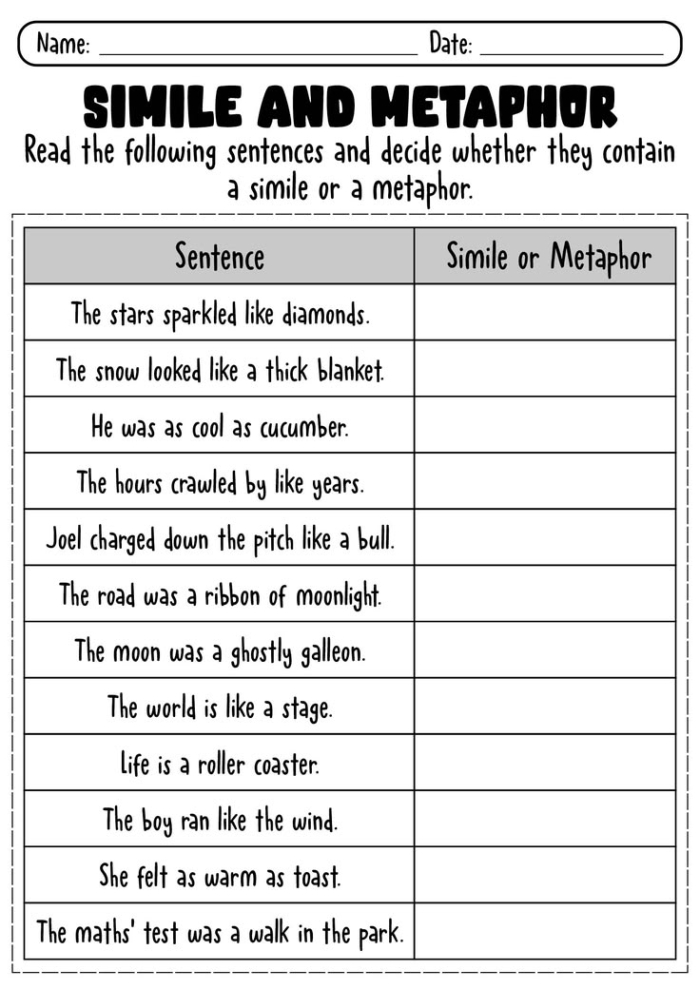
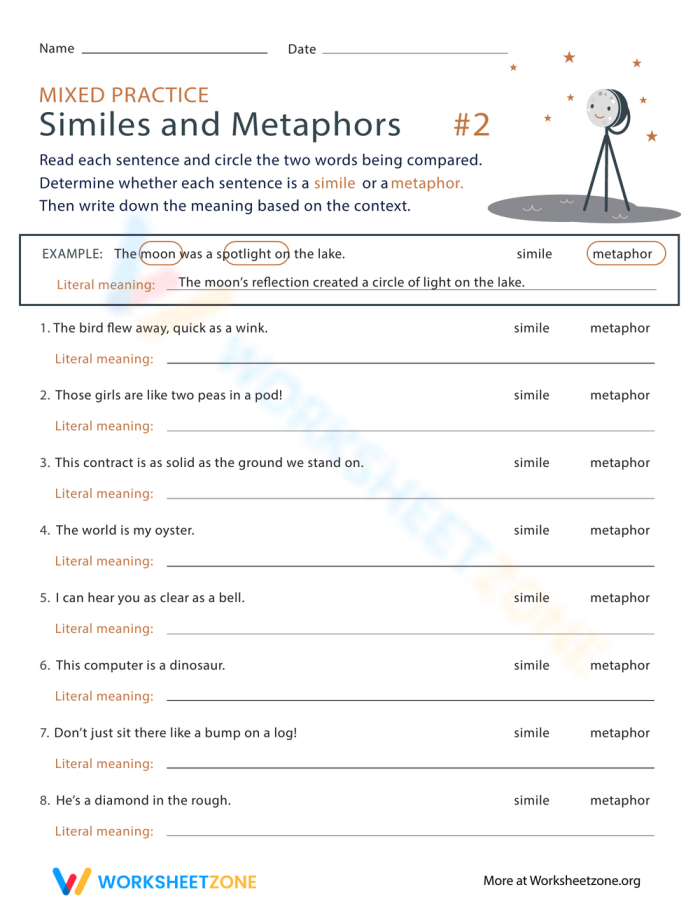
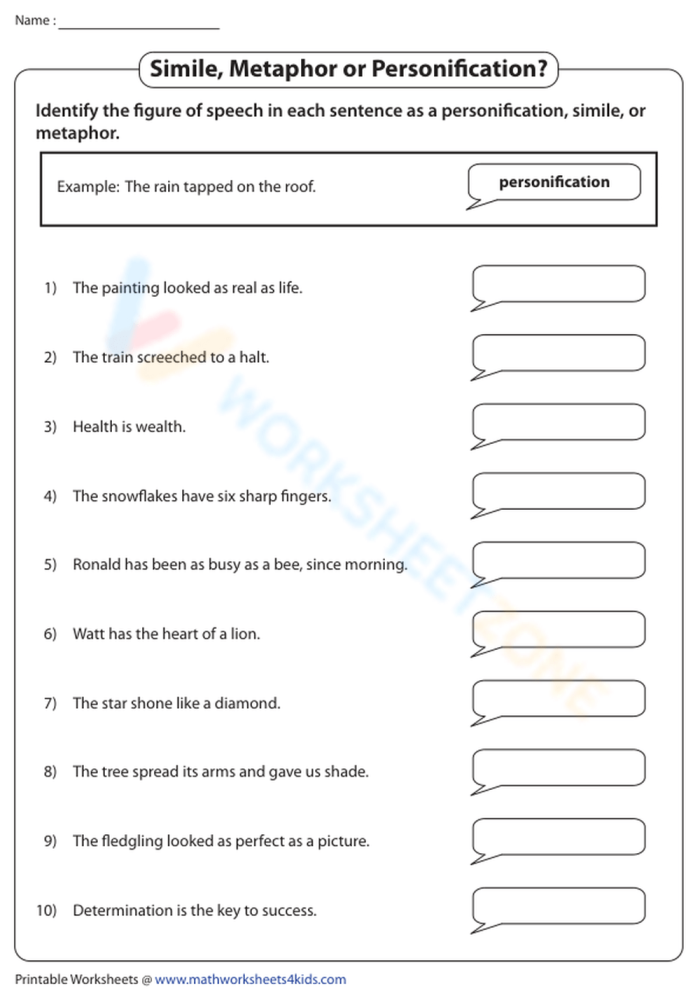
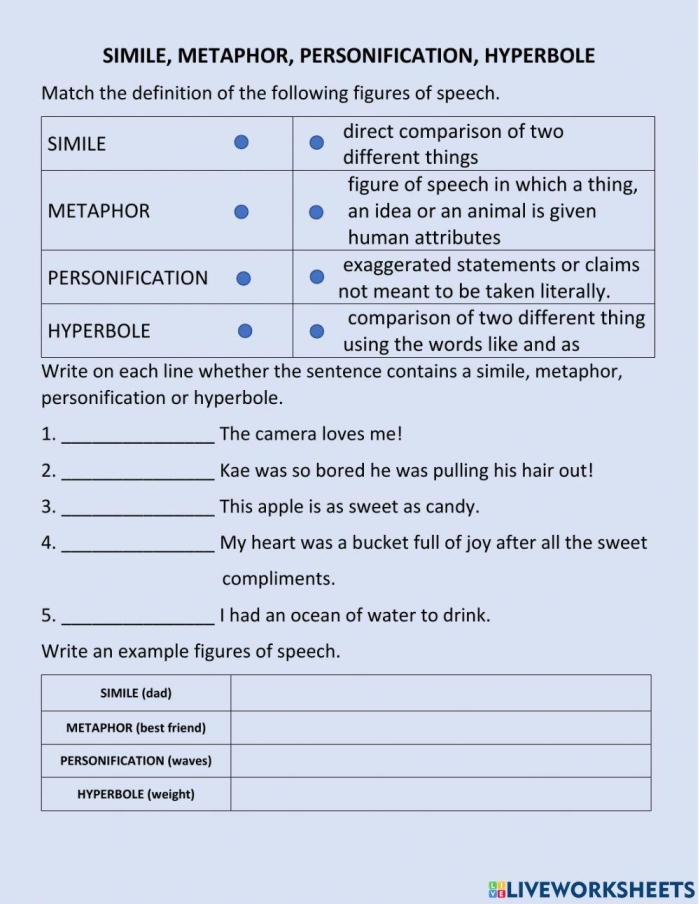
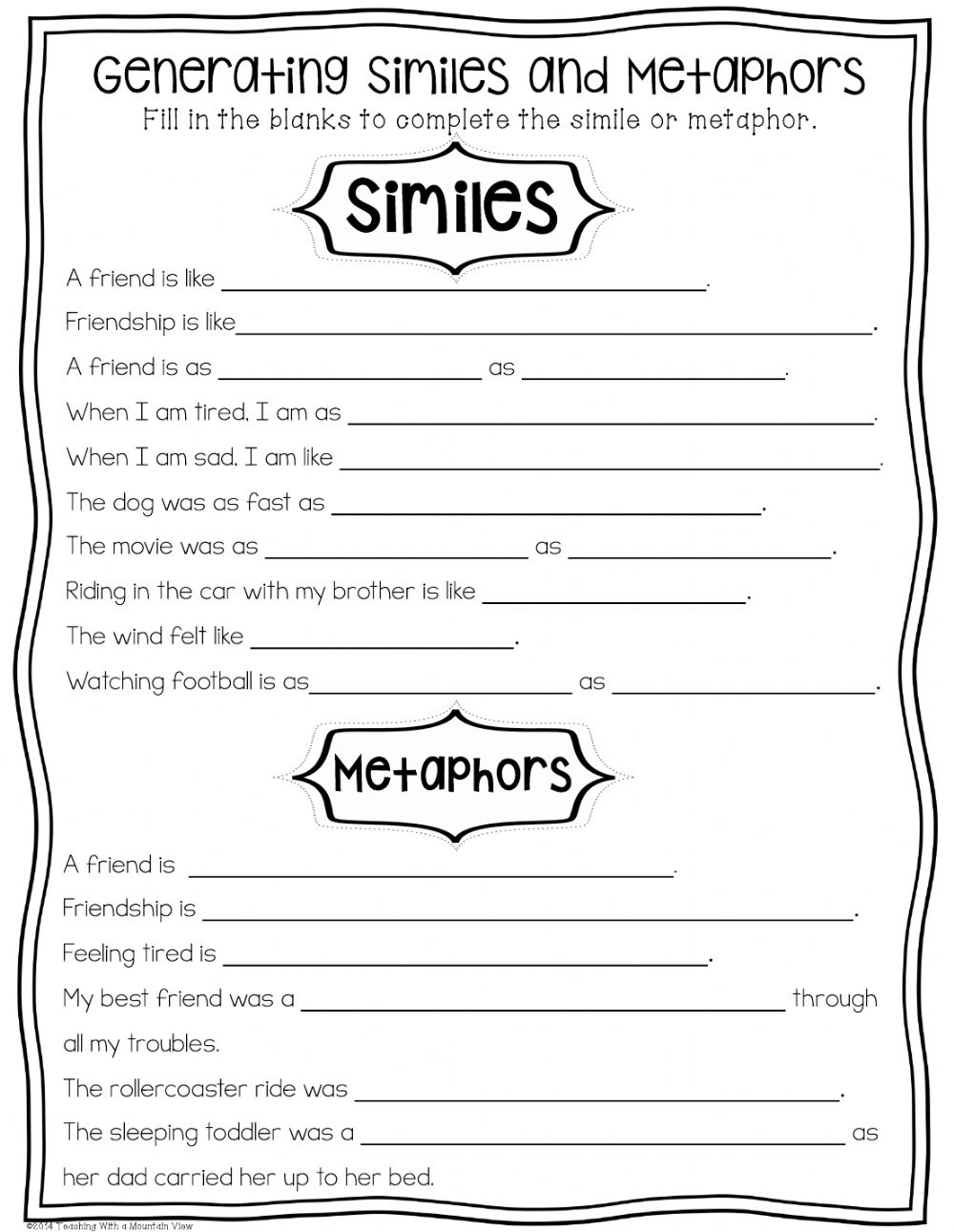
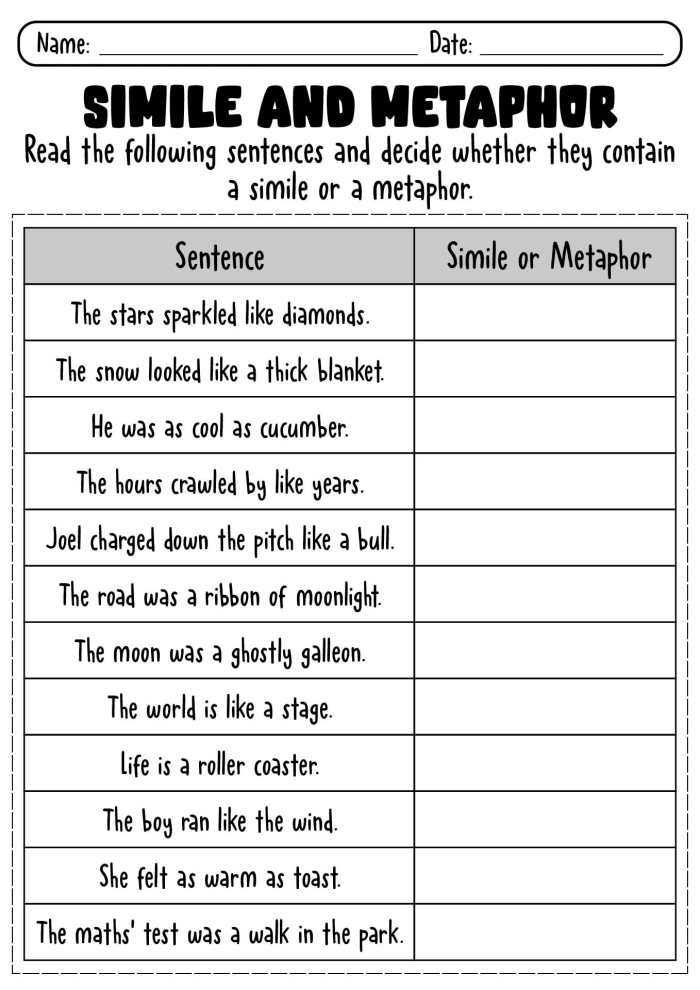
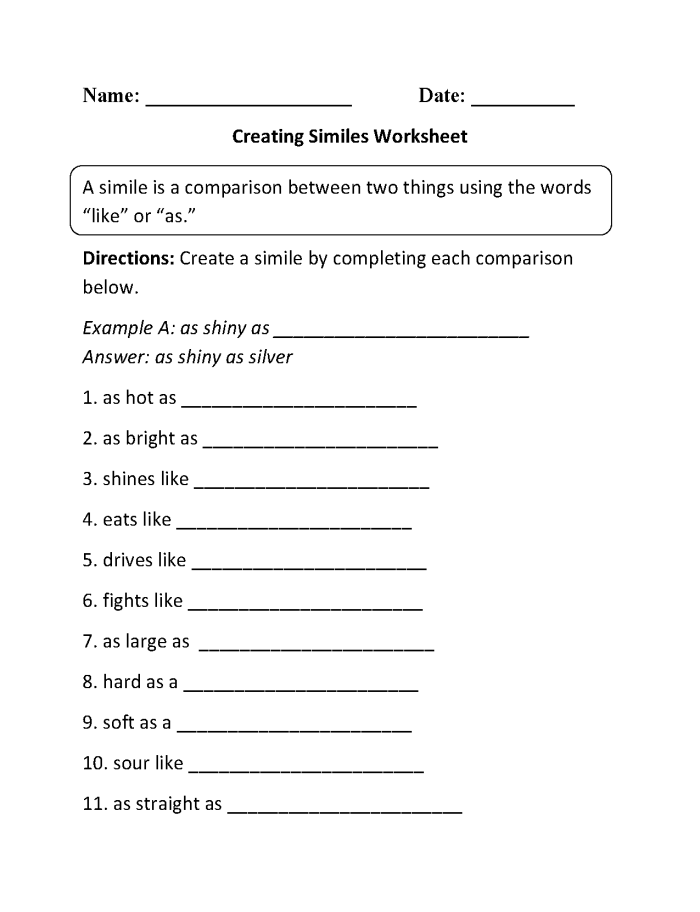
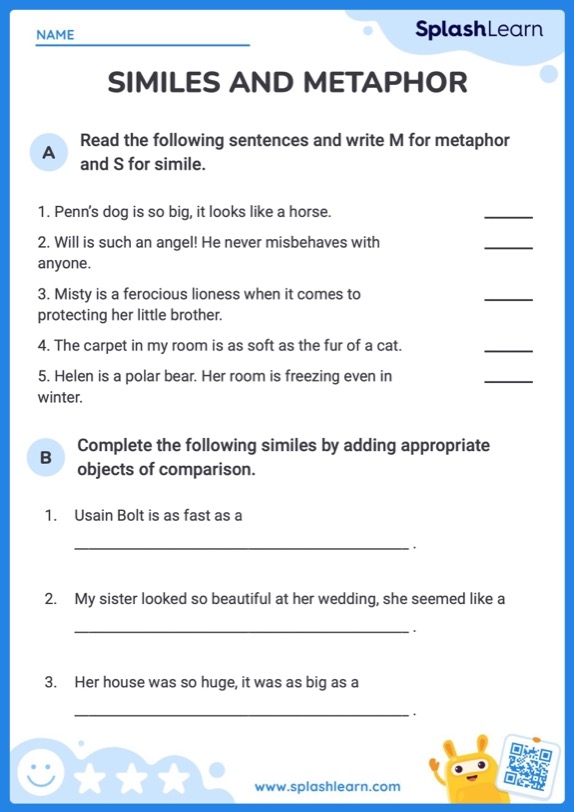
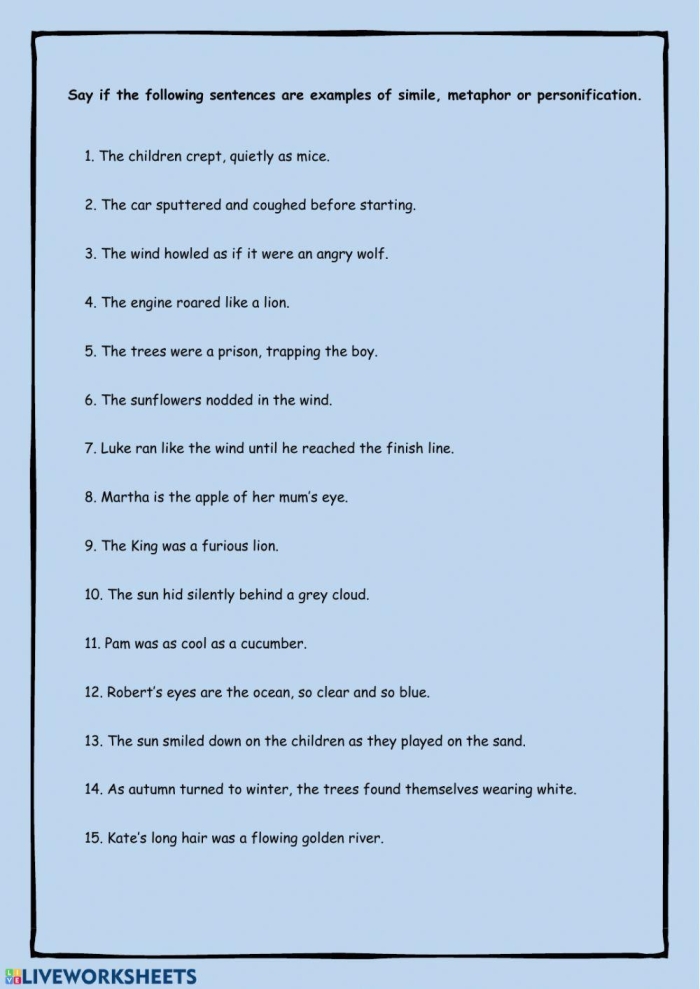
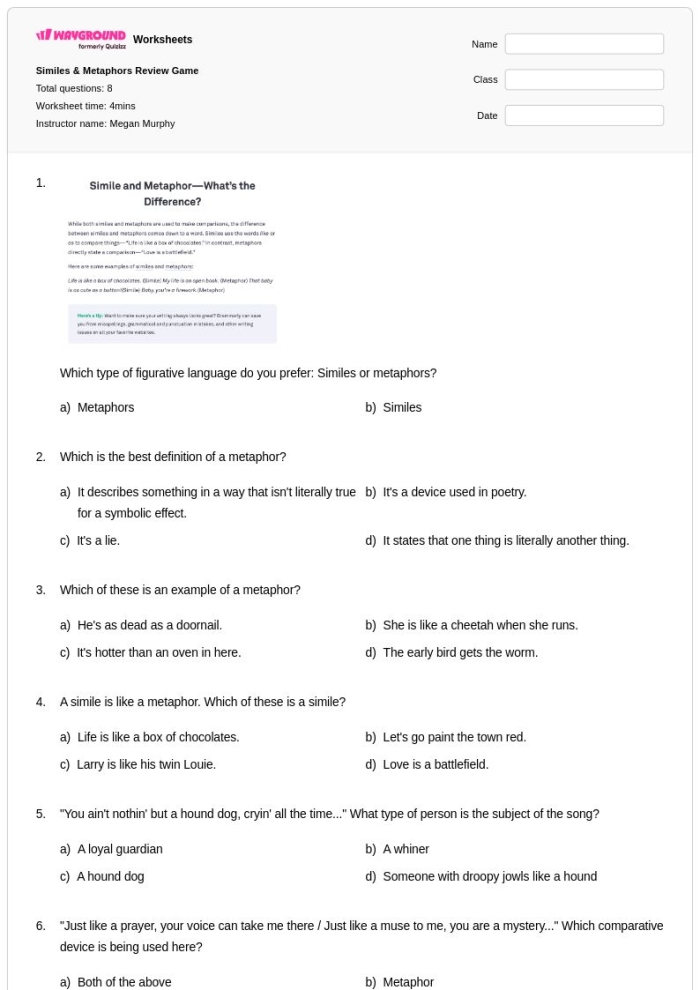
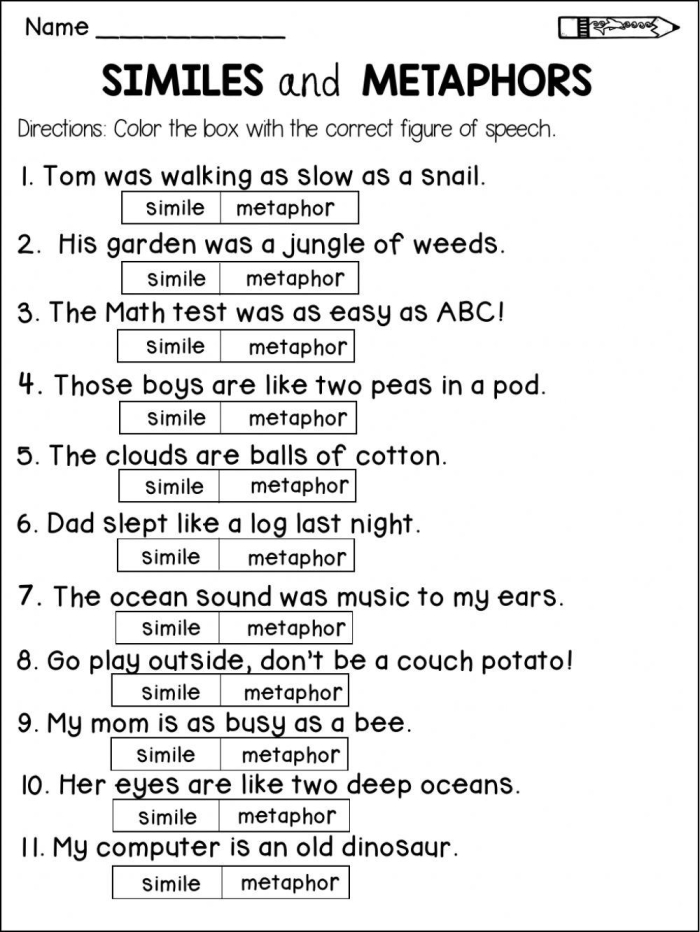
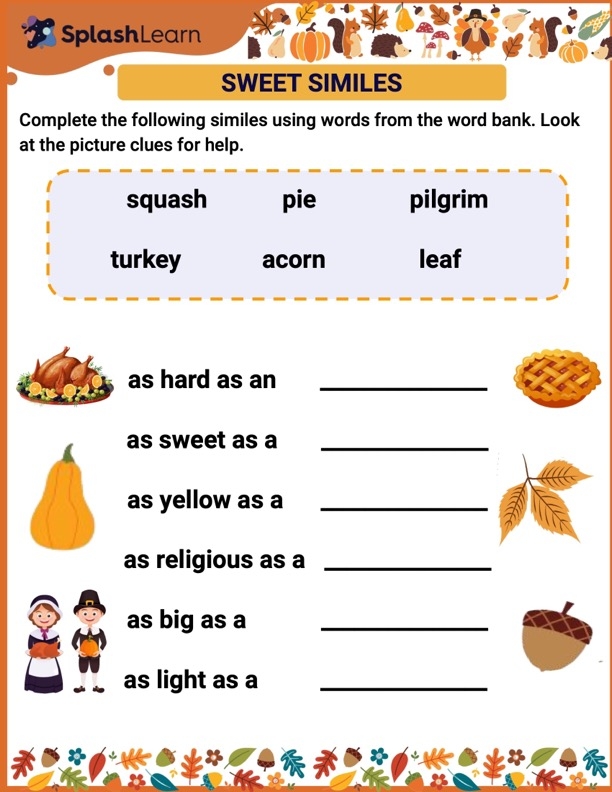
One practical way to facilitate this learning is through worksheets that challenge students to identify and create their own metaphors and similes. For instance, a worksheet might present sentences that students need to complete, such as “The wind whispered through the trees like ____.” This not only reinforces their understanding but also encourages creativity. Such exercises can be found in various resources, including those available at this helpful link.
The benefits of mastering figurative language extend beyond the classroom. Students who grasp these concepts often find they can express their thoughts and feelings more clearly. This skill is valuable not just in writing assignments but also in everyday communication, helping them articulate their ideas in more engaging ways.
As fourth graders discover the intricacies of figurative language, they unlock new dimensions in their writing. These lessons lay a foundation for future literary exploration, making reading and writing a more enjoyable and enriching experience. For more resources on fourth-grade reading exercises, check out the printable materials available for subjects like multiplication practice and historical narratives.
Worksheet Practice Section