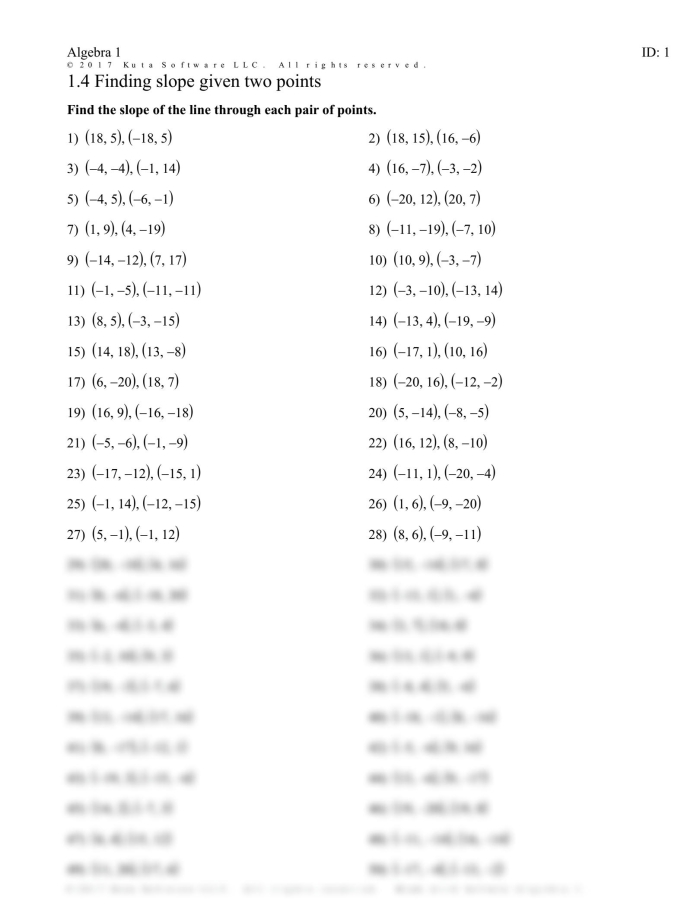
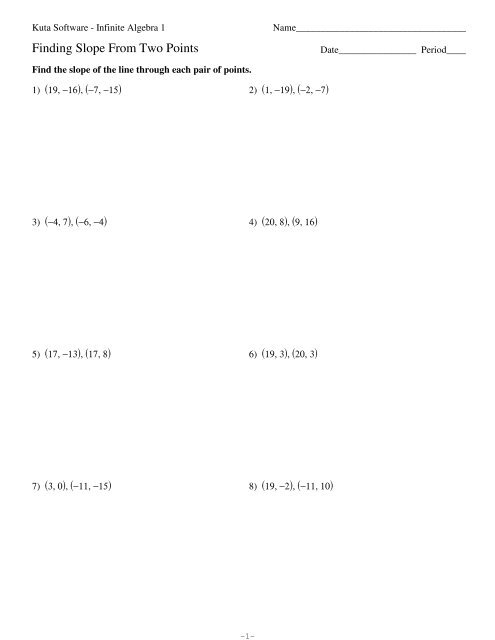
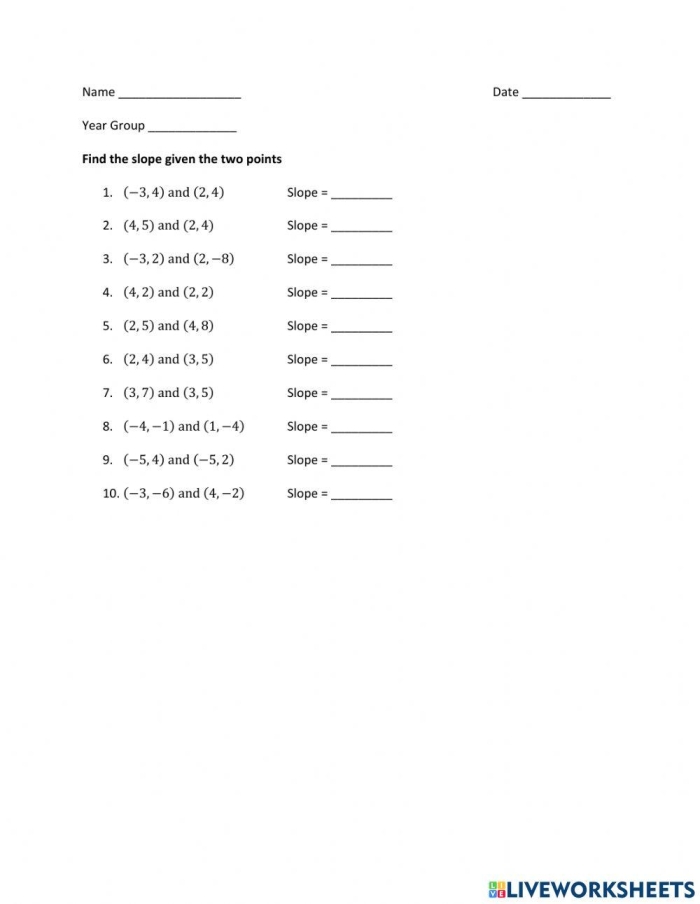
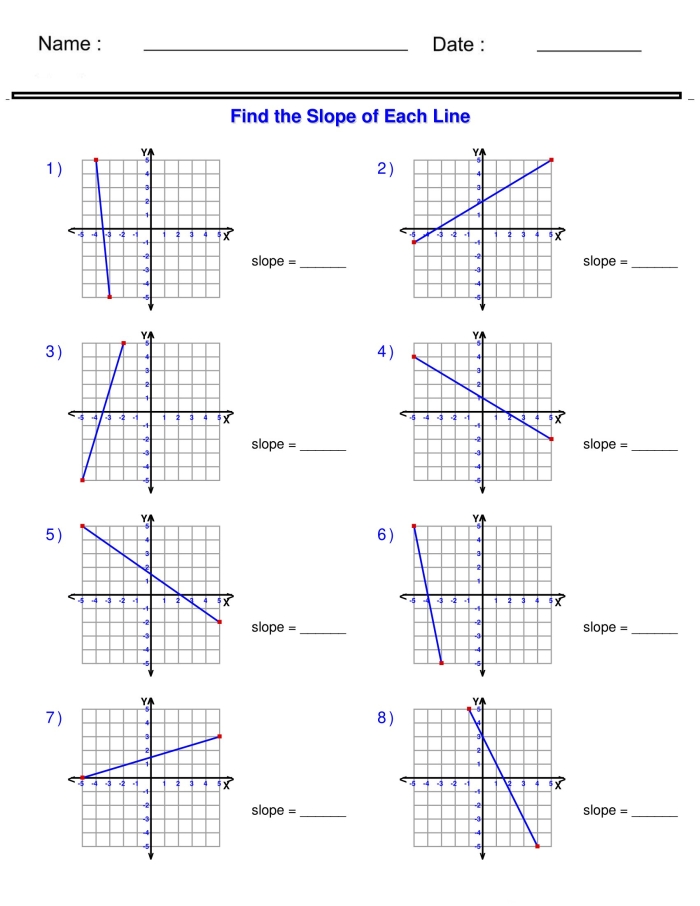
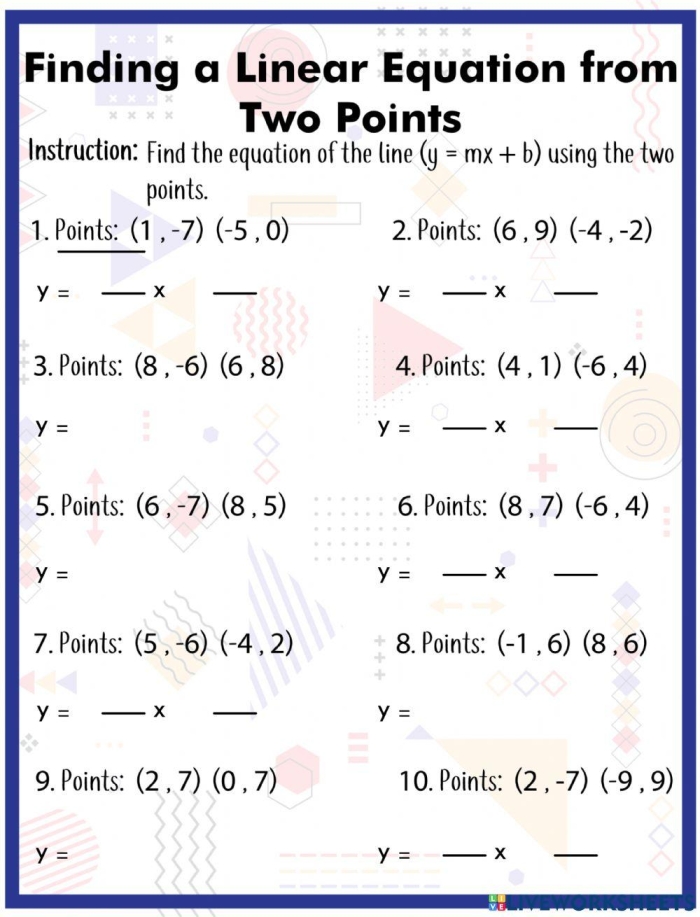
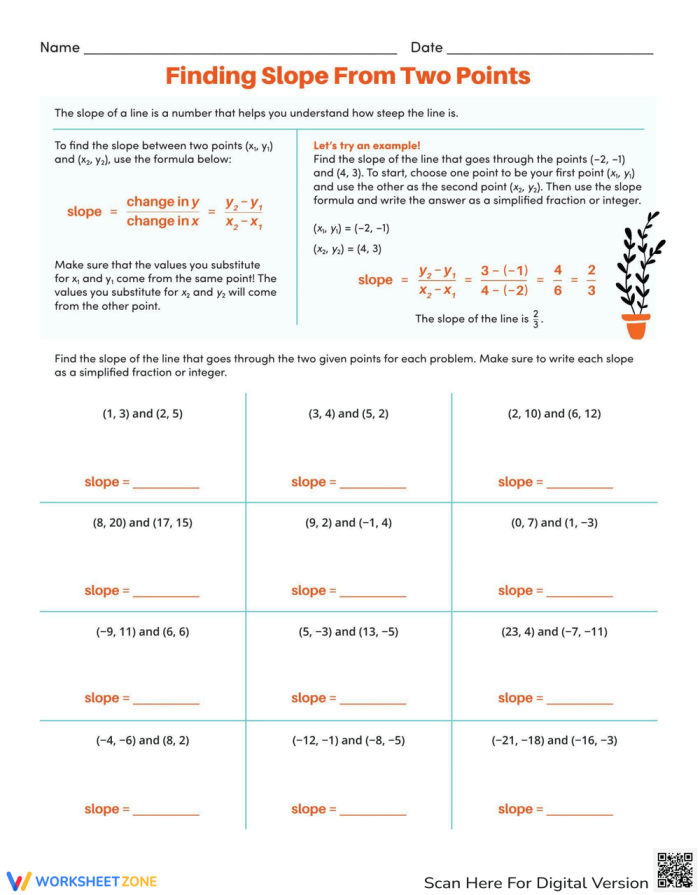
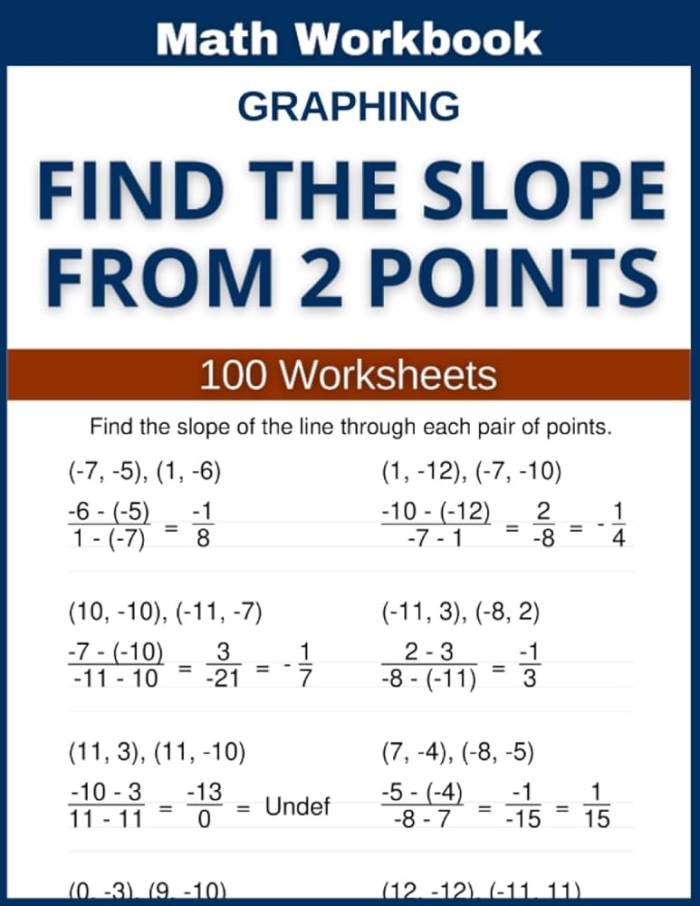
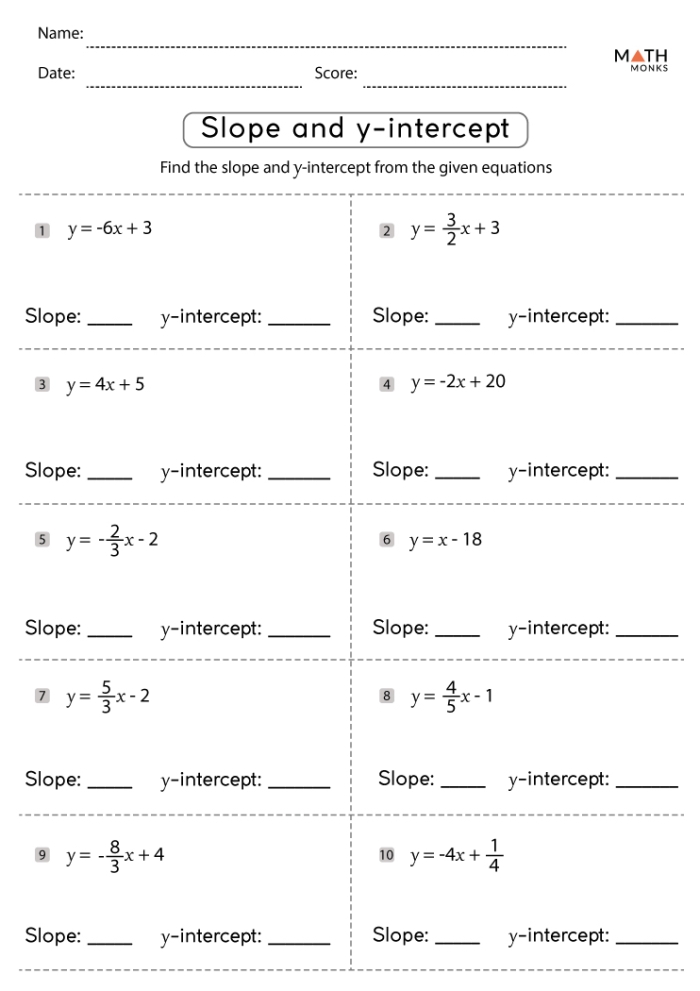
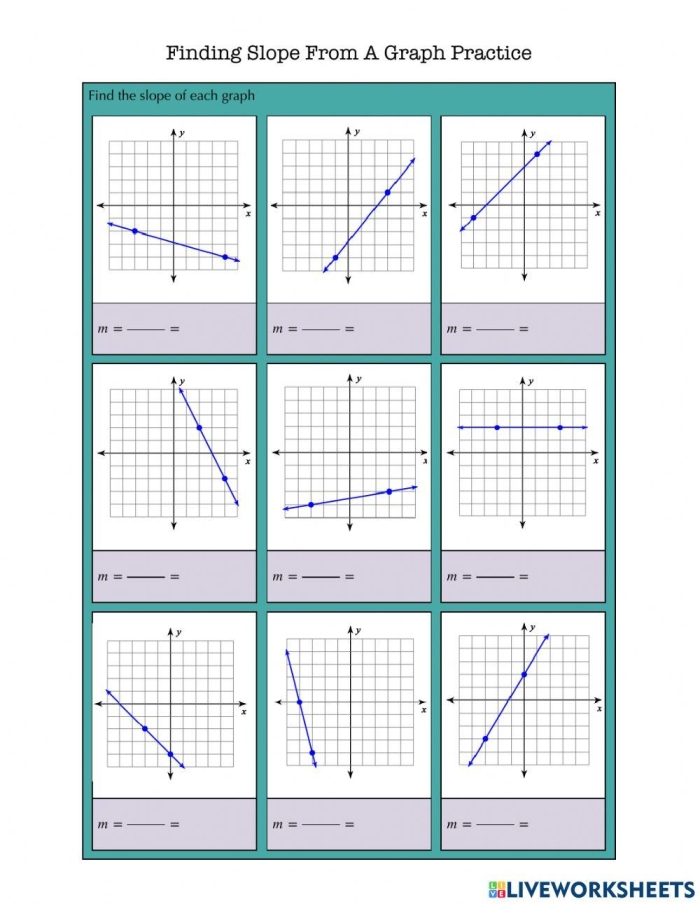
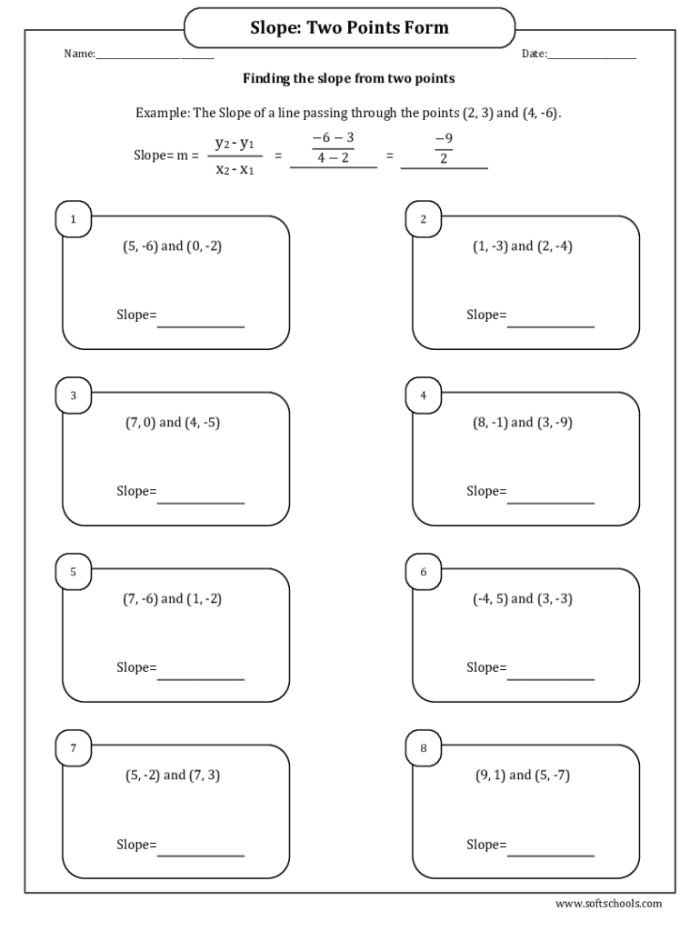
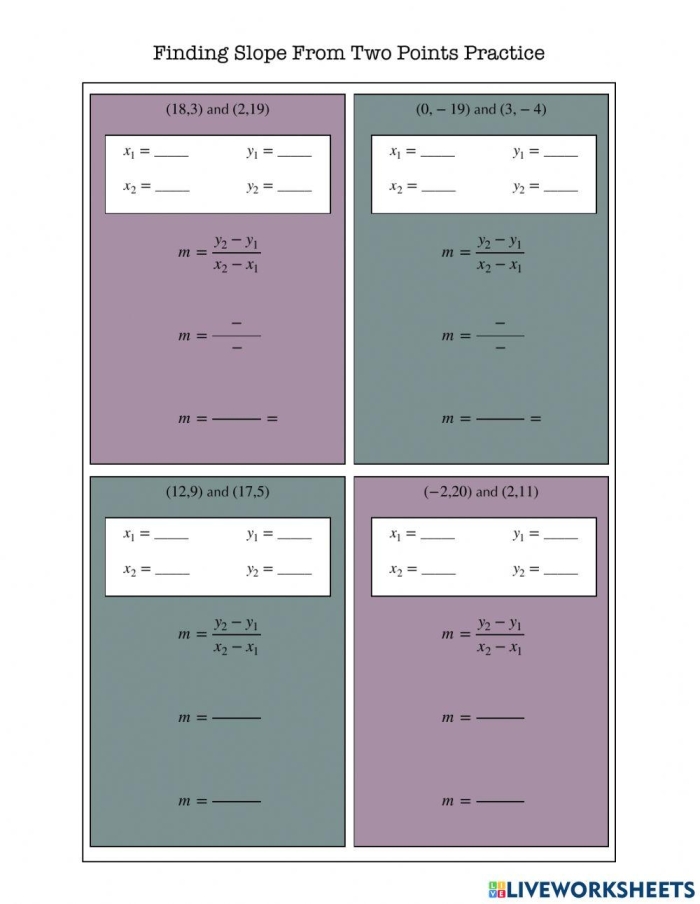
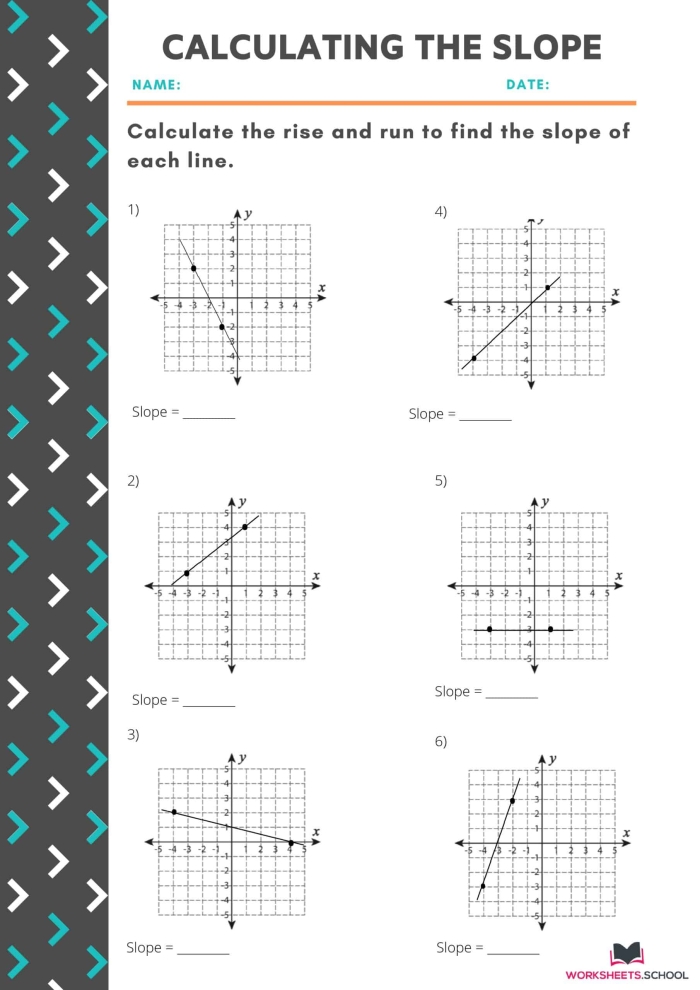
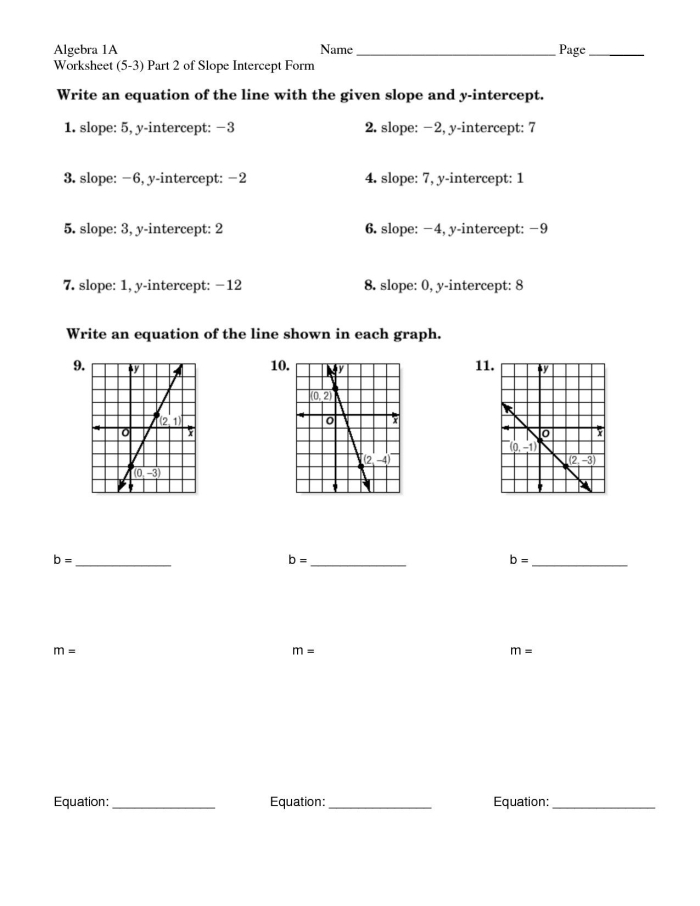
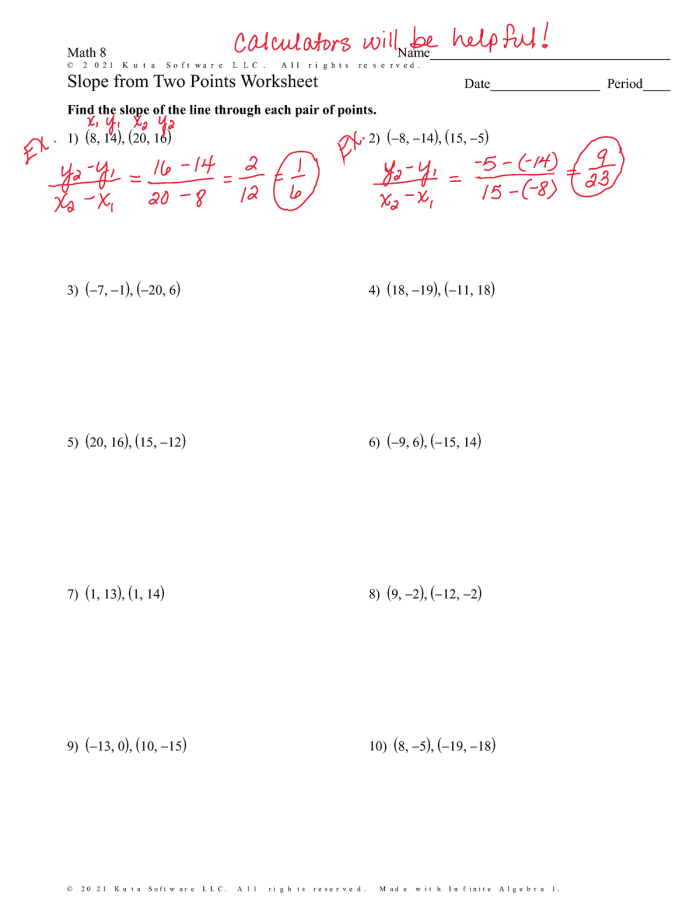
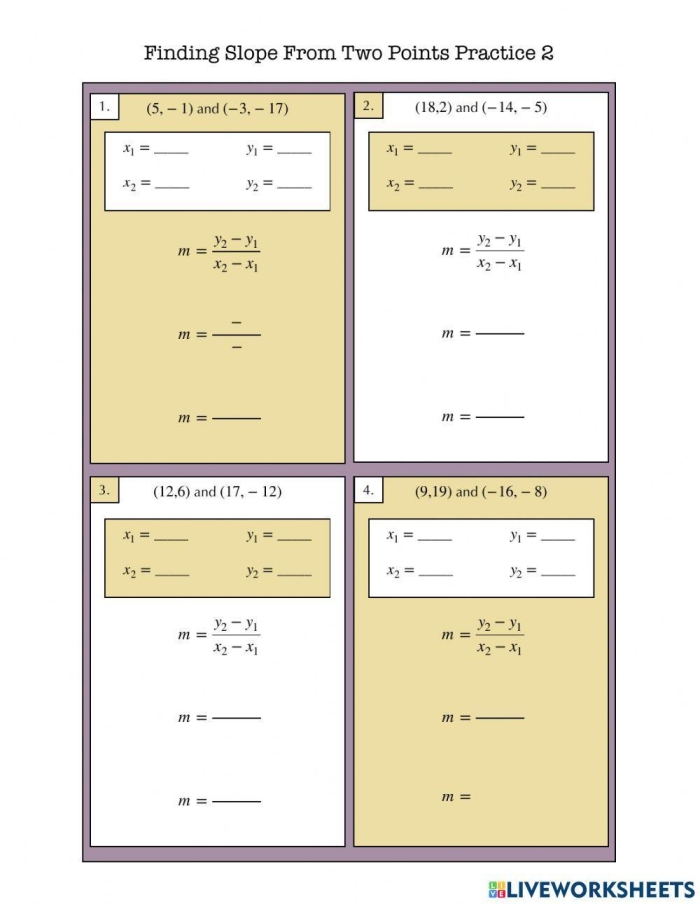
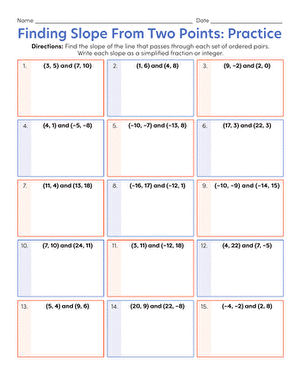
Finding the slope of a line from two points is one of those algebra skills that clicks once you understand the formula, but getting there requires solid practice. The slope tells you how steep a line is and in which direction it travels across a graph. For eighth grade students learning linear equations, mastering this concept opens doors to understanding more complex relationships between variables.
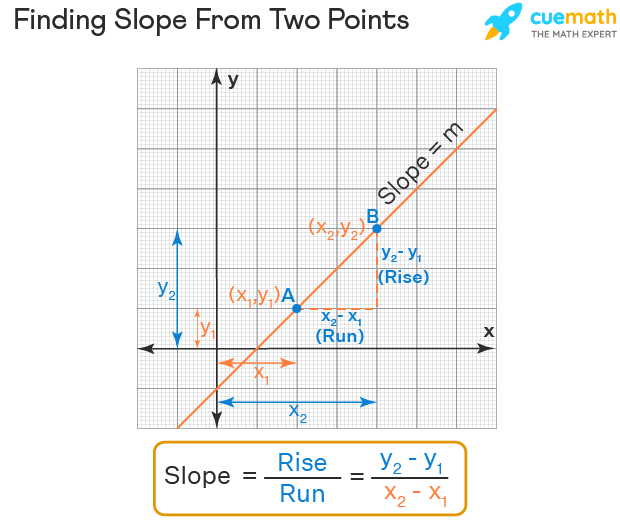
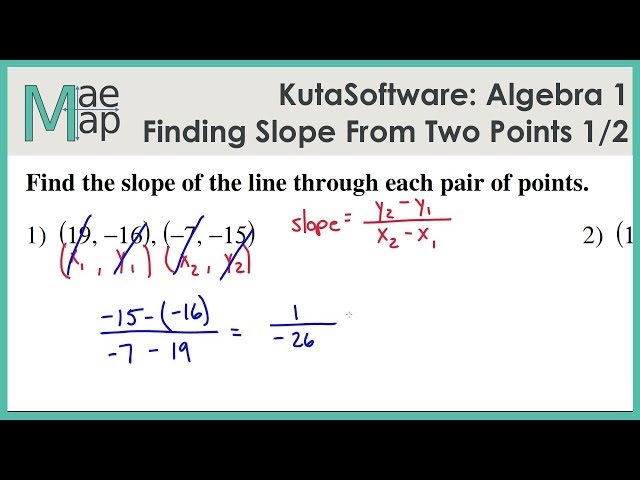
The slope formula is straightforward: take two points on a line, label them as (x₁, y₁) and (x₂, y₂), then calculate the rise over run using (y₂ – y₁) divided by (x₂ – x₁). What makes this tricky for many students isn’t the math itself, but keeping track of which coordinates go where and avoiding sign errors when subtracting negative numbers.
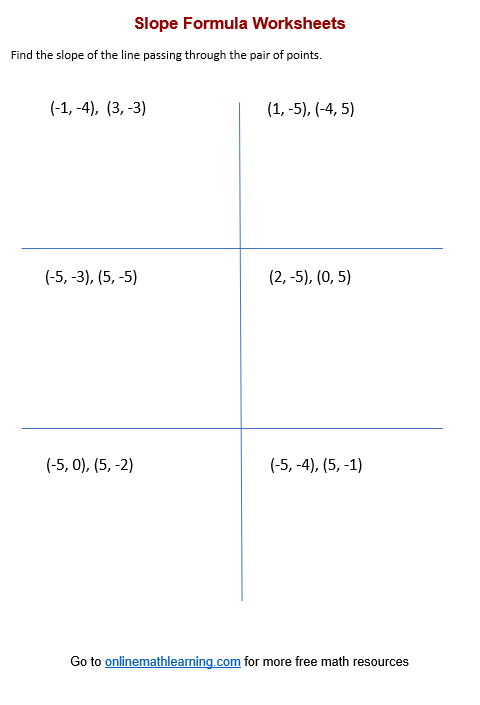
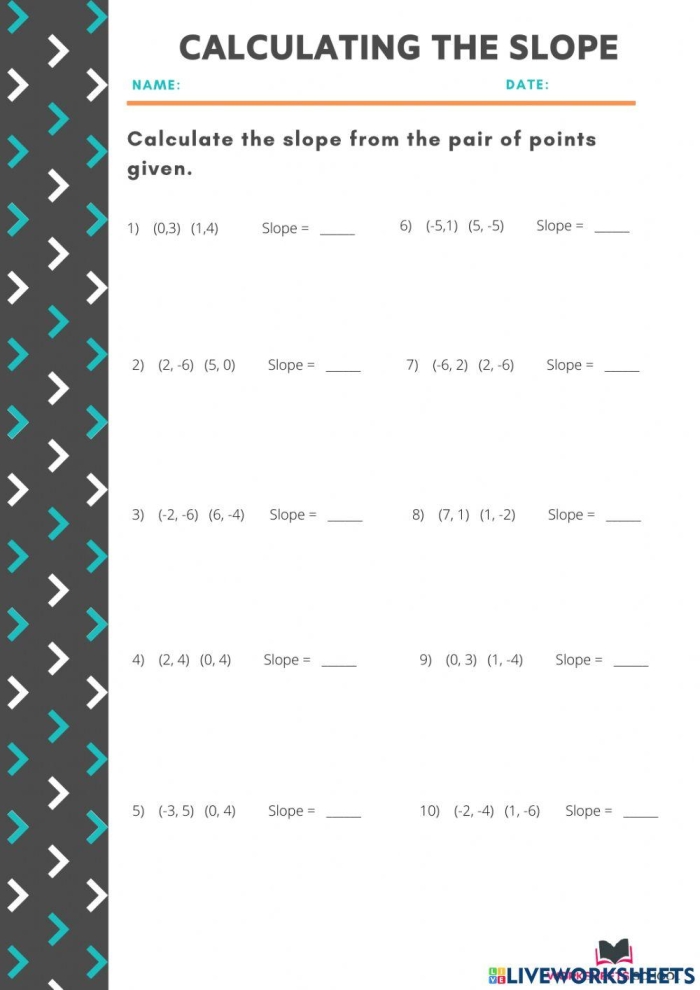
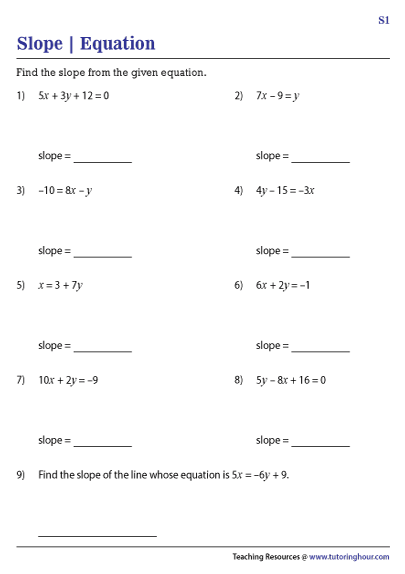
A well-designed worksheet gives you multiple problems to work through, starting with points that have positive coordinates and gradually introducing negative values and fractions. This progression matters because it builds confidence before hitting the harder cases. When you practice finding slope repeatedly, you develop the muscle memory needed to spot your own mistakes and self-correct.
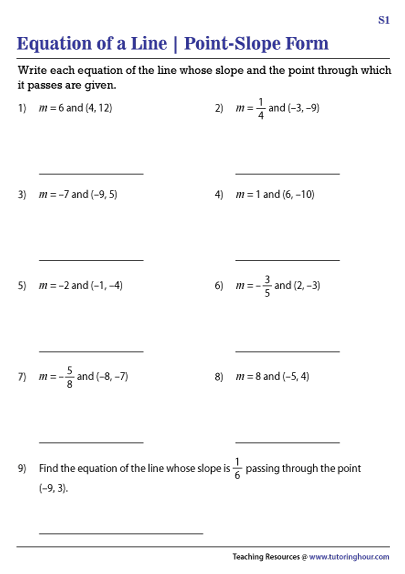
Beyond just calculating slope, understanding how it connects to other concepts strengthens your overall algebra foundation. Once you’re comfortable with slope, you can move forward to writing a linear equation from the slope and a point or explore how linear equations have one solution, no solution, or infinitely many solutions.
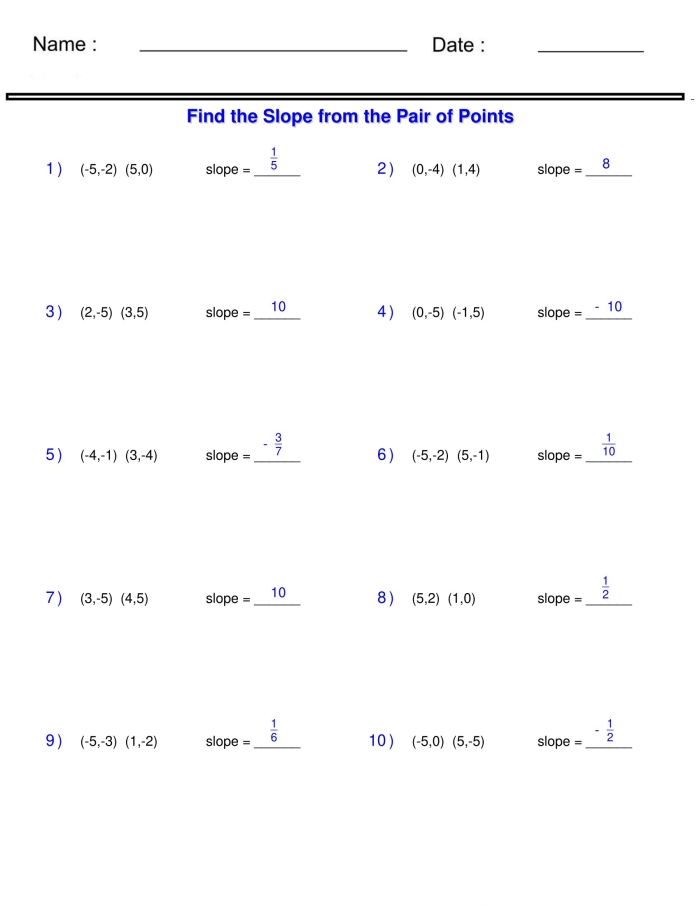
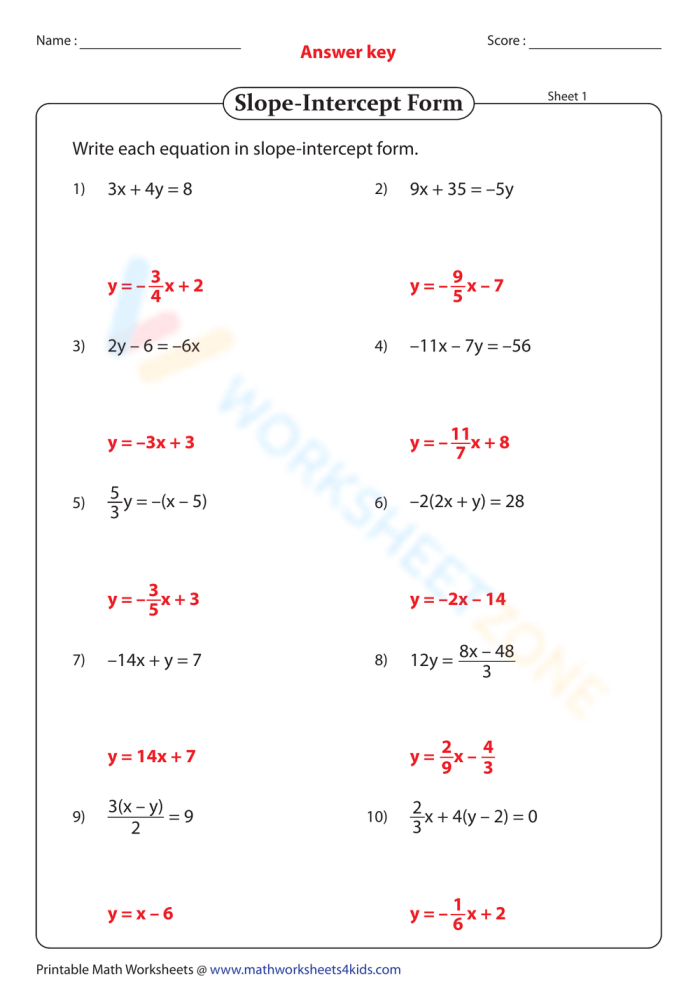
Eighth grade is the perfect time to invest effort into these fundamentals. Having worksheets with answer keys lets you check your work immediately and understand where your reasoning went wrong if needed. The repetition builds automaticity, which means you’ll eventually calculate slope without conscious effort, freeing your brain to tackle more advanced problems.
Use These Worksheets Today