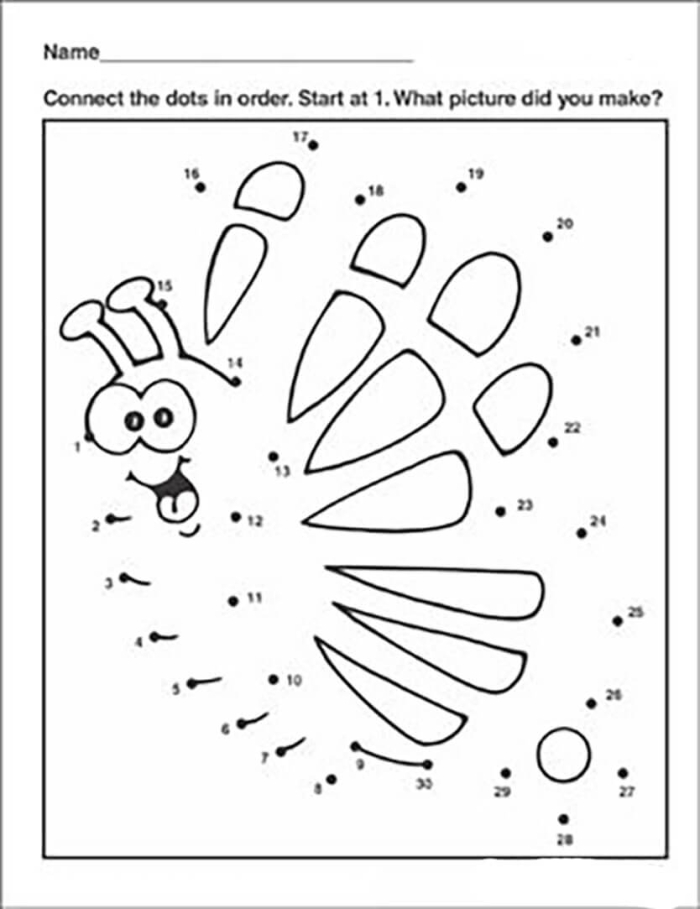
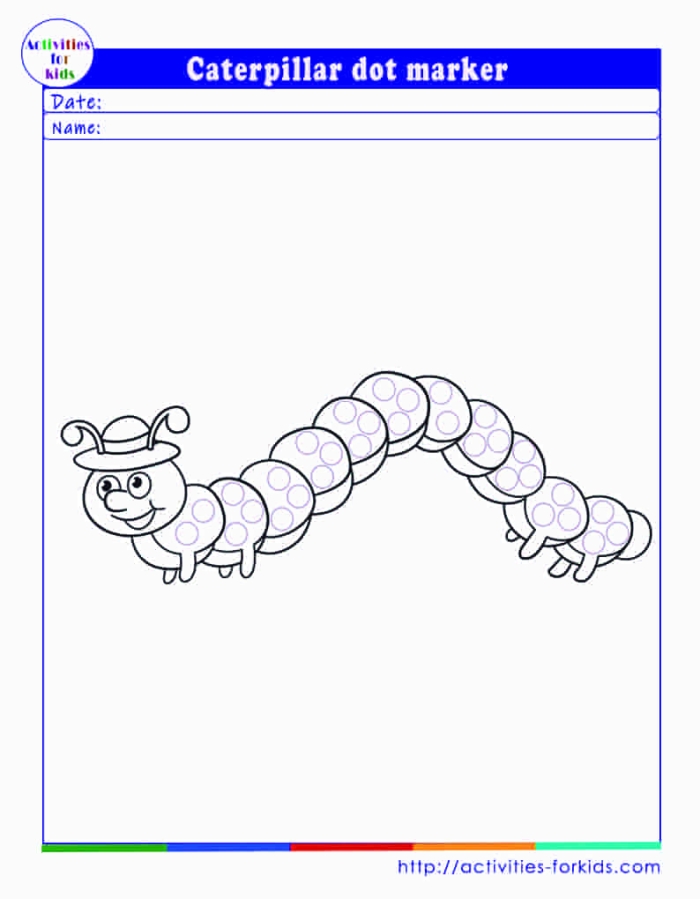
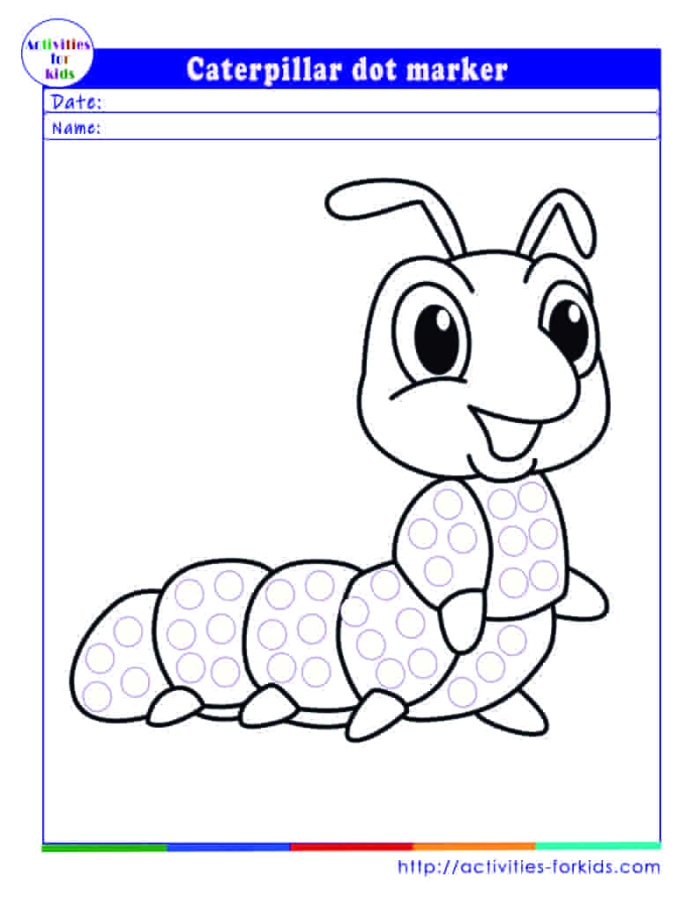
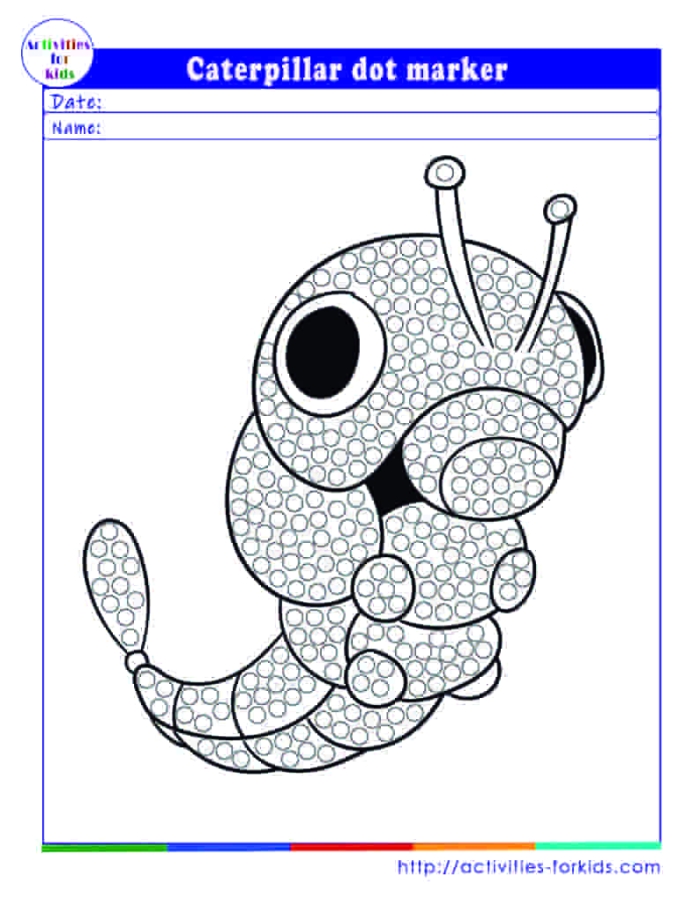
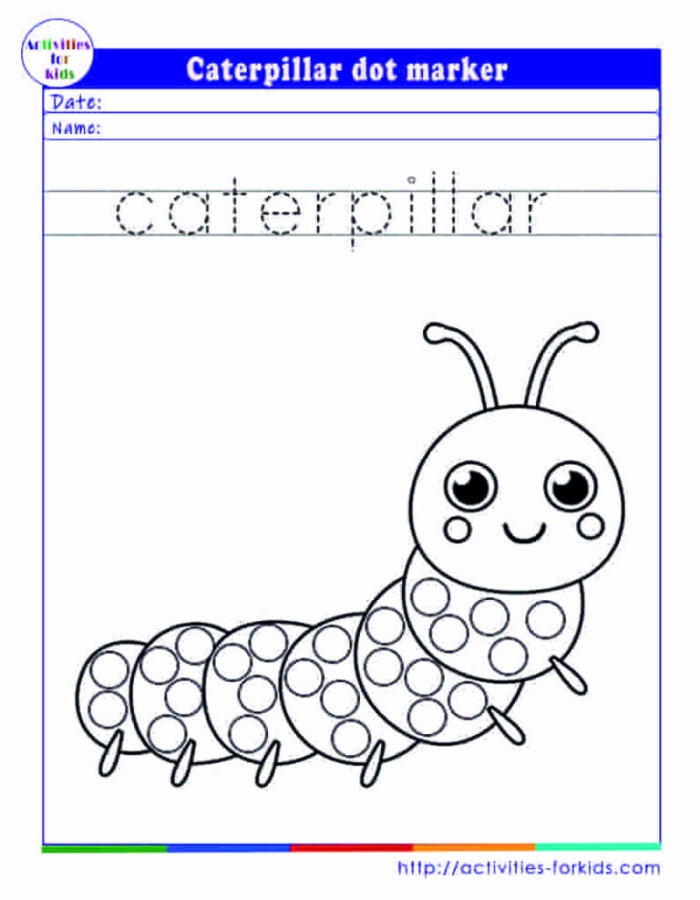
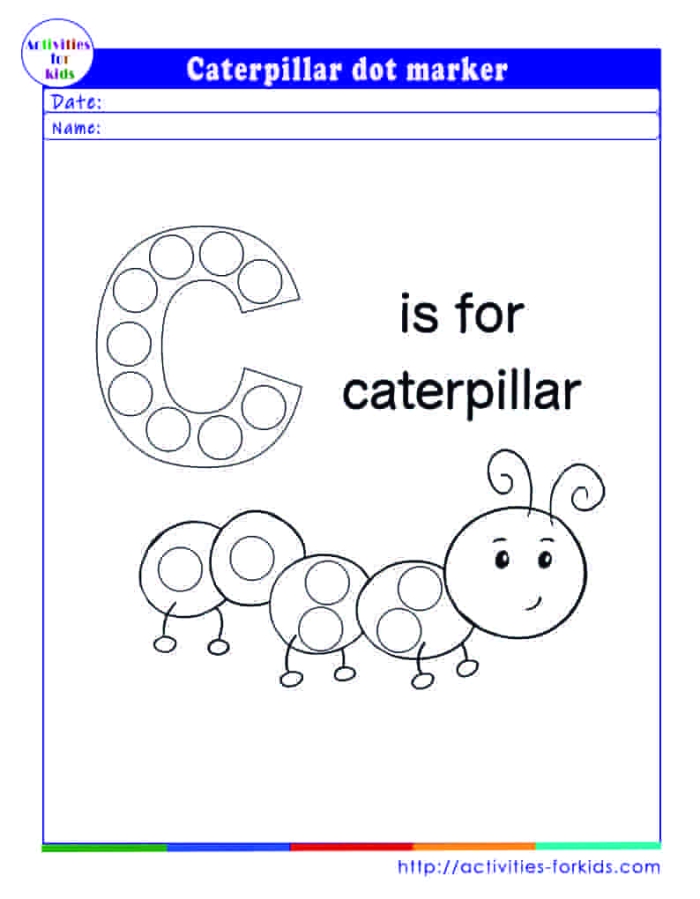
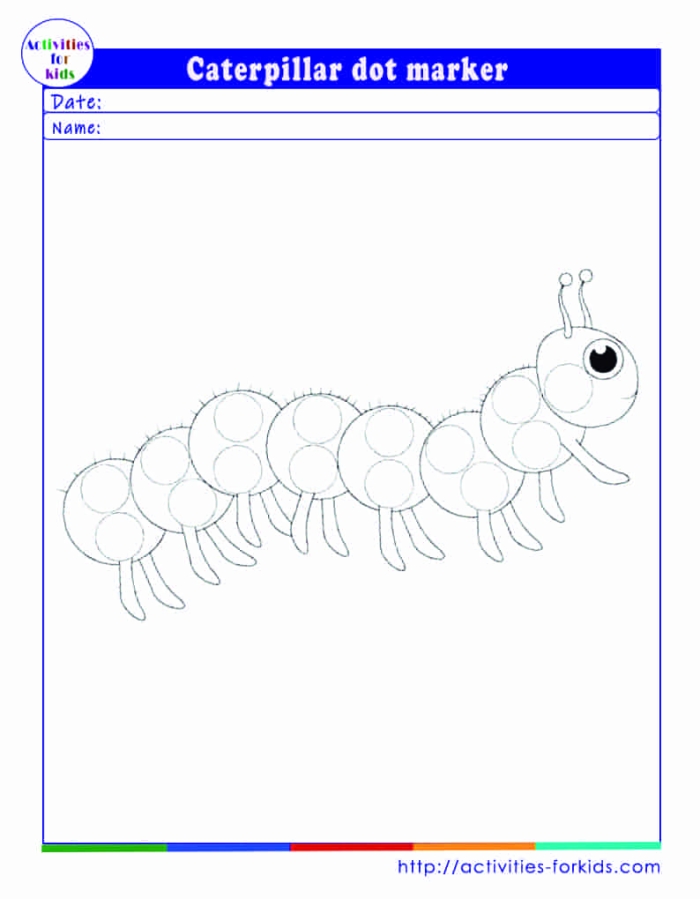
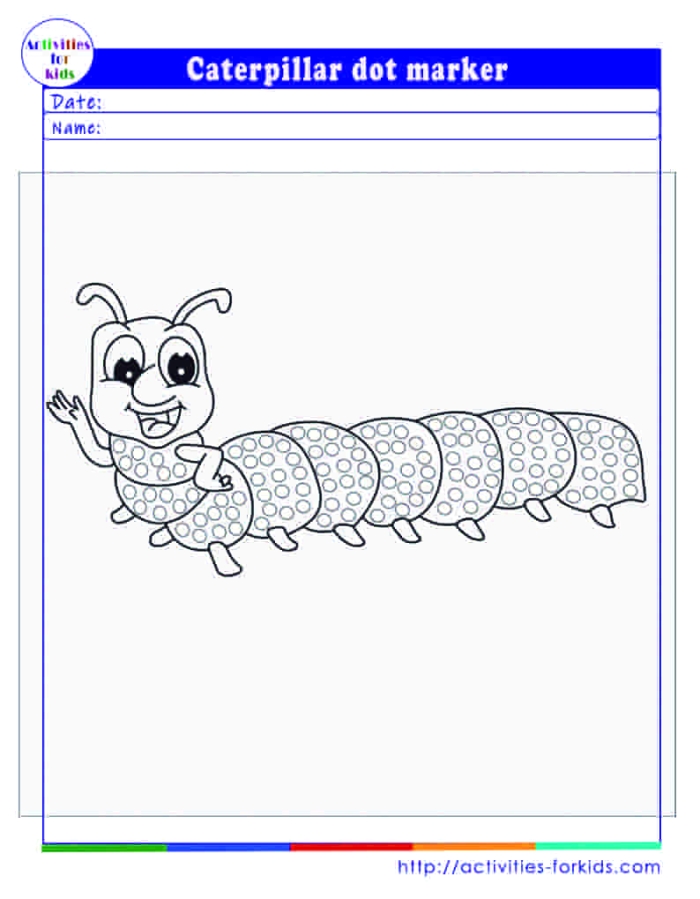
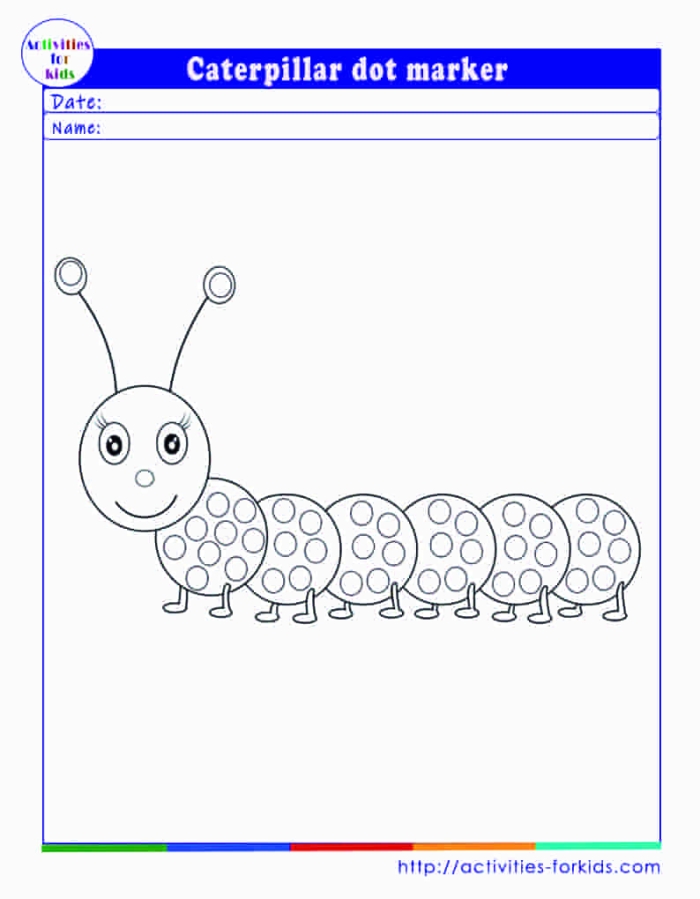
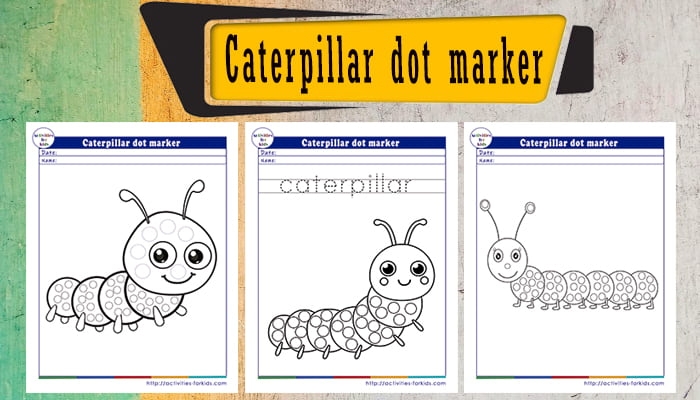
Connect the dots worksheets work because they disguise counting practice as drawing. A child sits down thinking they’re about to create something, not realizing their pencil is doing the math work for them. Each number they find and connect strengthens number recognition, sequencing, and fine motor control all at once.
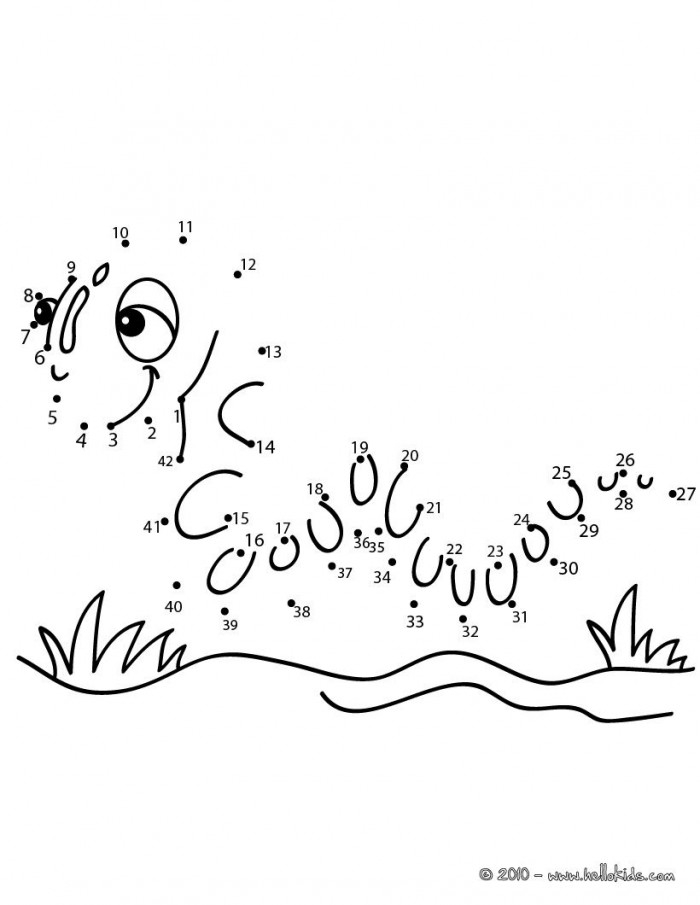
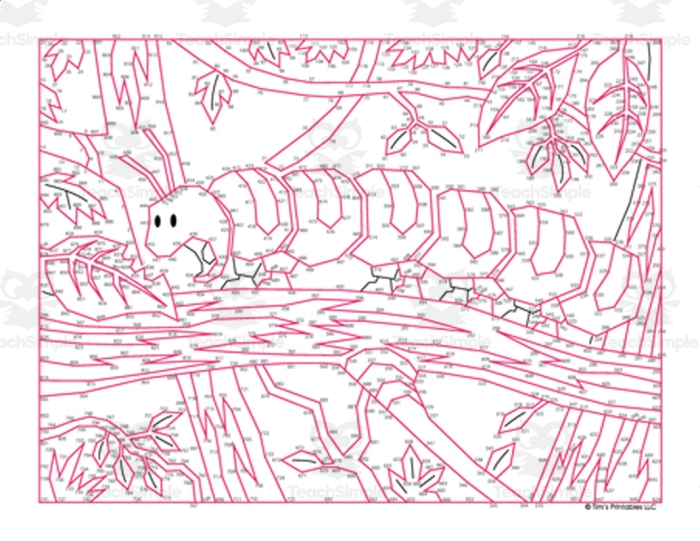
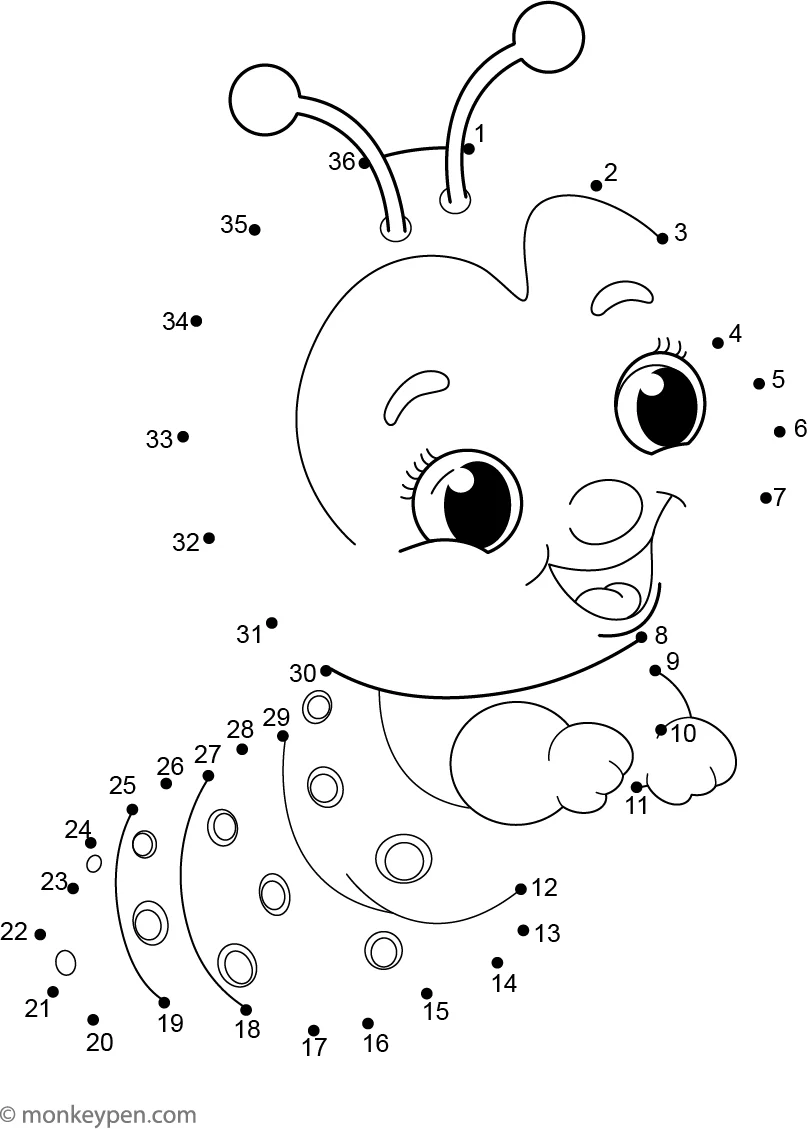
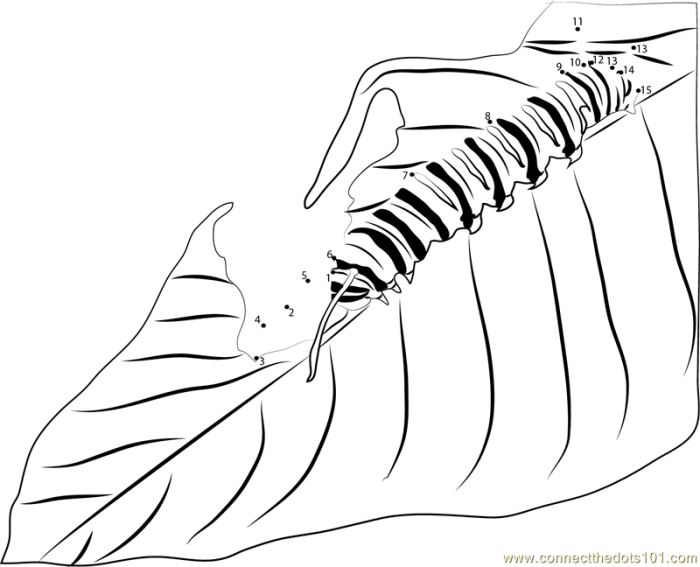
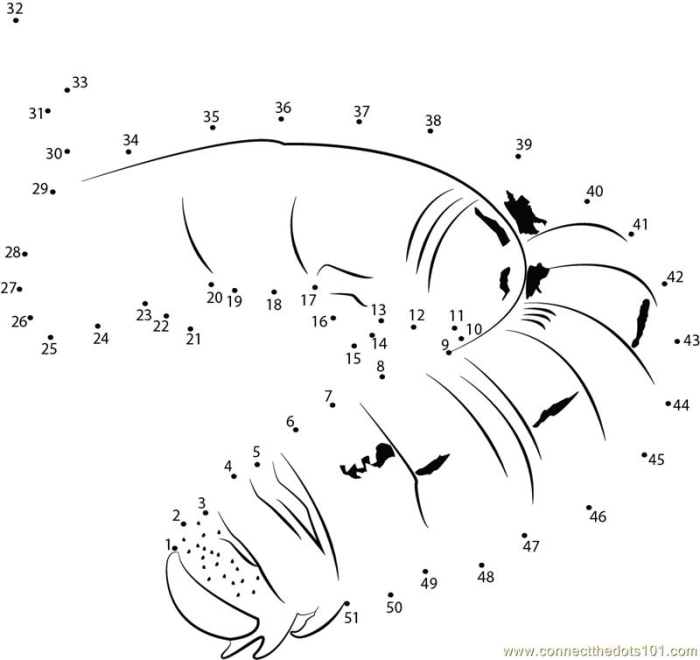
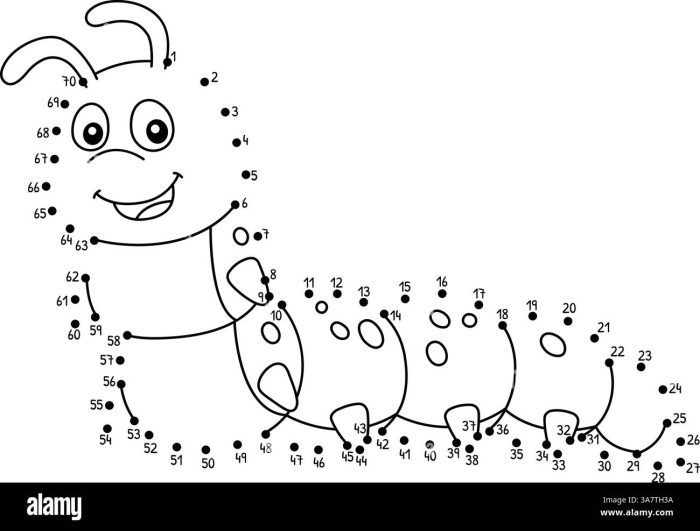
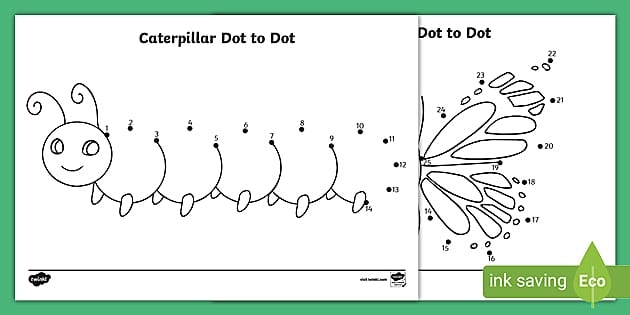
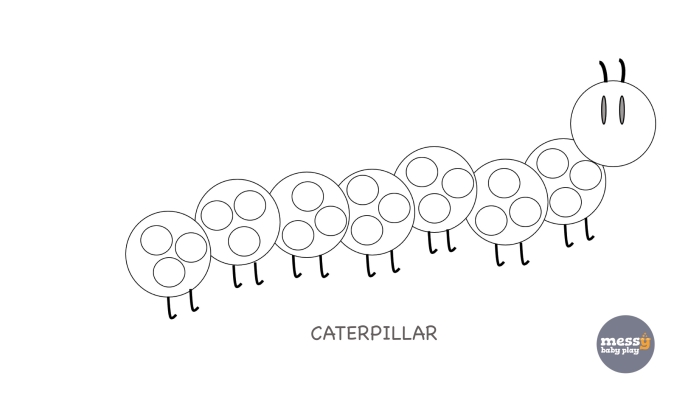
For kindergarten students, this approach matters. Young learners don’t naturally separate skills into neat categories. When a child connects dots to reveal a caterpillar or other shape, they’re not thinking about grammar and mechanics or numerical order in isolation. They’re focused on the emerging picture, which makes the learning stick without feeling like work.
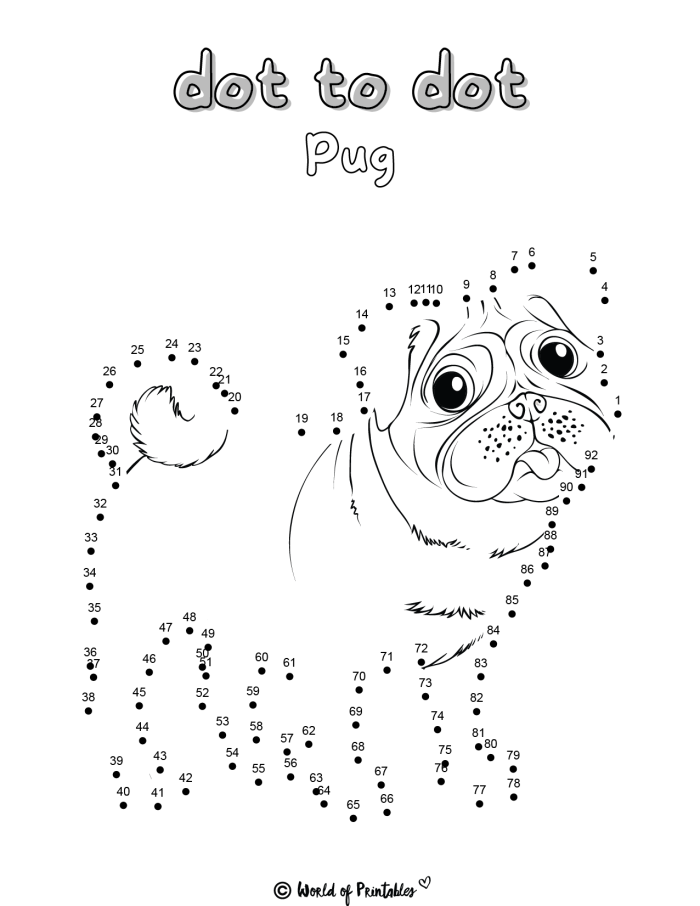
The mechanics of the worksheet are straightforward but effective. A child locates number one, draws a line to number two, continues the sequence, and gradually uncovers an image. This process trains the eye to scan, identify, and move with purpose. The repetition builds confidence because each dot found feels like a small win.
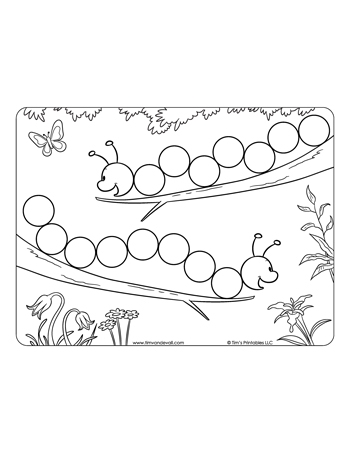
What makes these worksheets particularly useful is their flexibility. A printable caterpillar dot-to-dot works equally well as a warm-up activity, a transition between lessons, or independent practice. Teachers and parents appreciate that the activity keeps children engaged without requiring constant supervision or explanation.
The visual payoff also matters more than people expect. When a child completes the sequence and sees a recognizable image emerge, they experience genuine accomplishment. That satisfaction motivates them to tackle the next worksheet. You might pair this with other kindergarten activities like alphabet-based connect the dots or position word practice to reinforce different concepts across multiple sessions.
The beauty of connect the dots is that it works. Children learn because they’re drawing, not because they’re being taught.
Use These Worksheets Today