Young learners often surprise us with what they notice about the natural world around them. A child might point out different trees on a walk, yet struggle to name them or describe what makes each one unique. This gap between observation and knowledge is exactly where a hands-on activity becomes valuable.
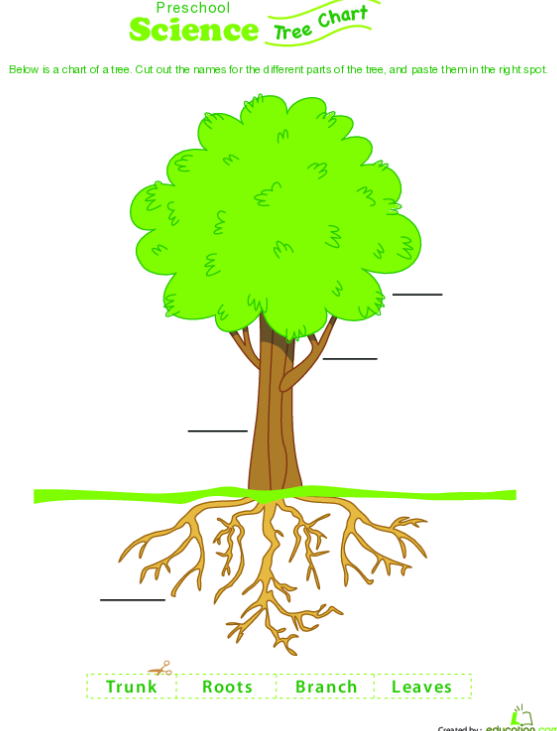
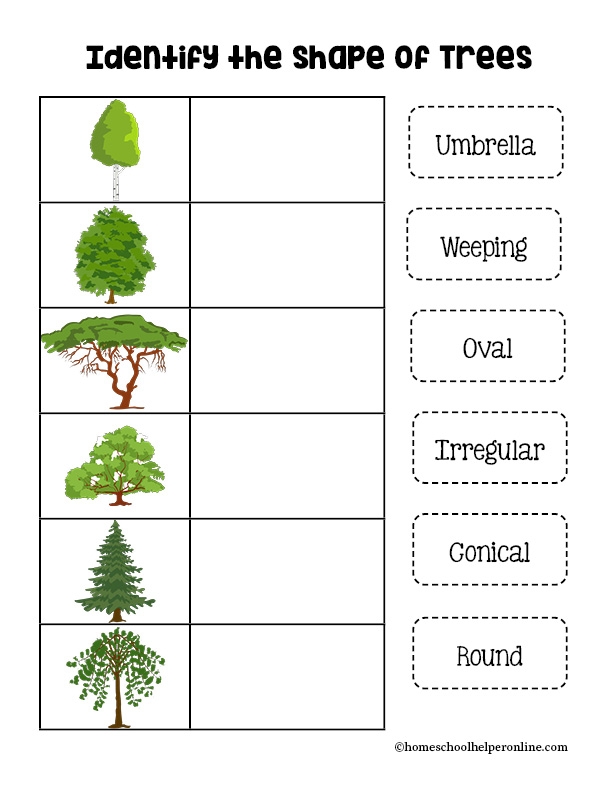
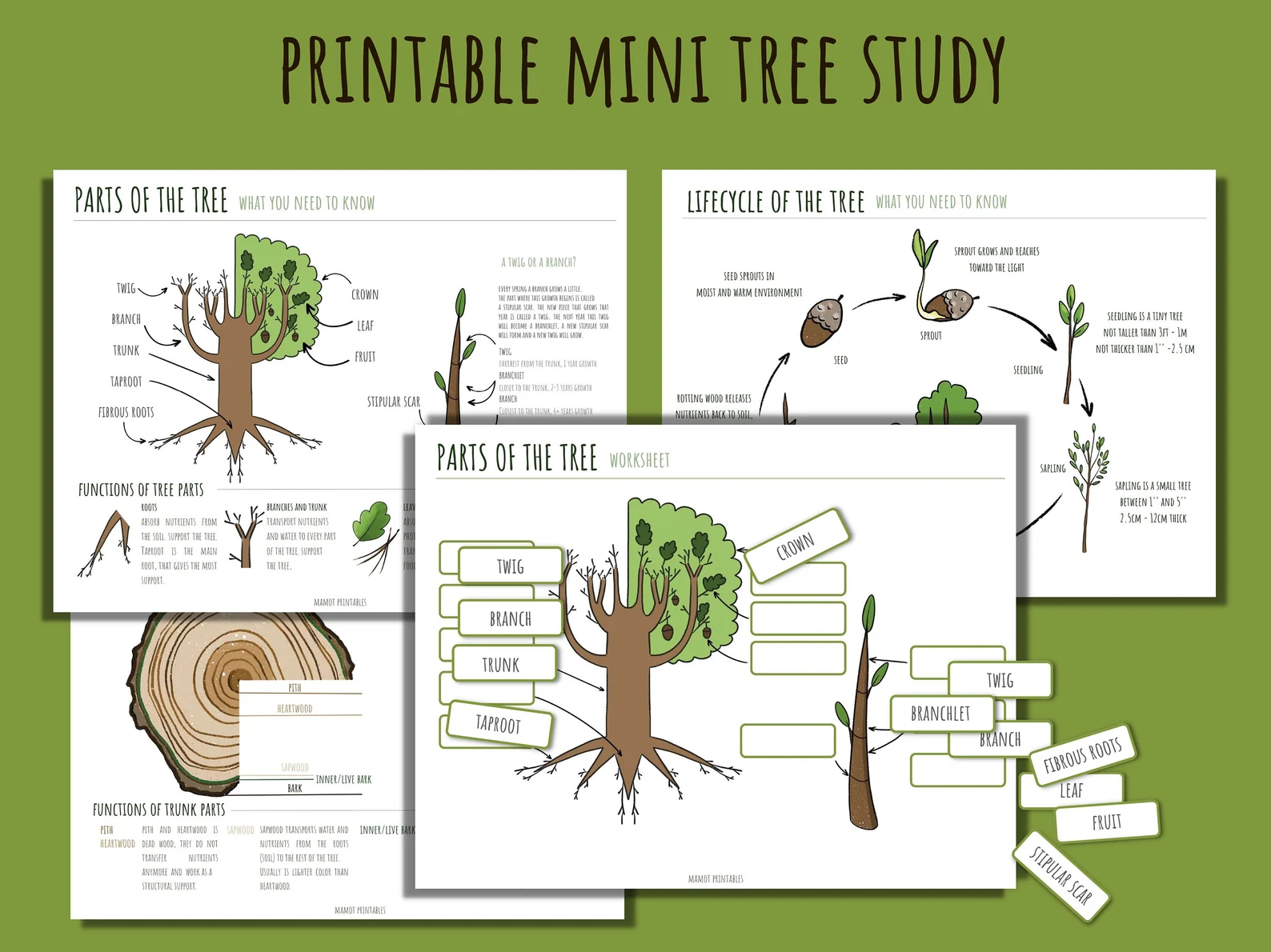
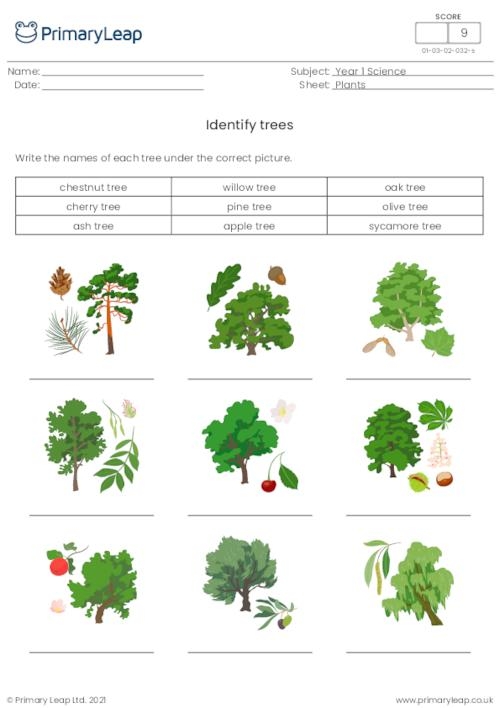
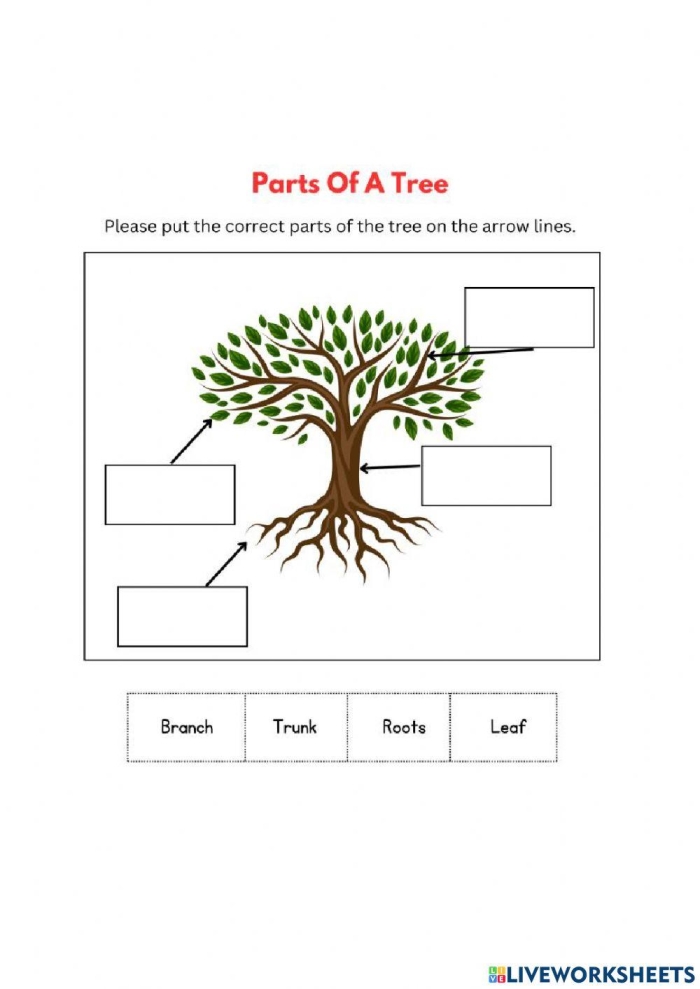
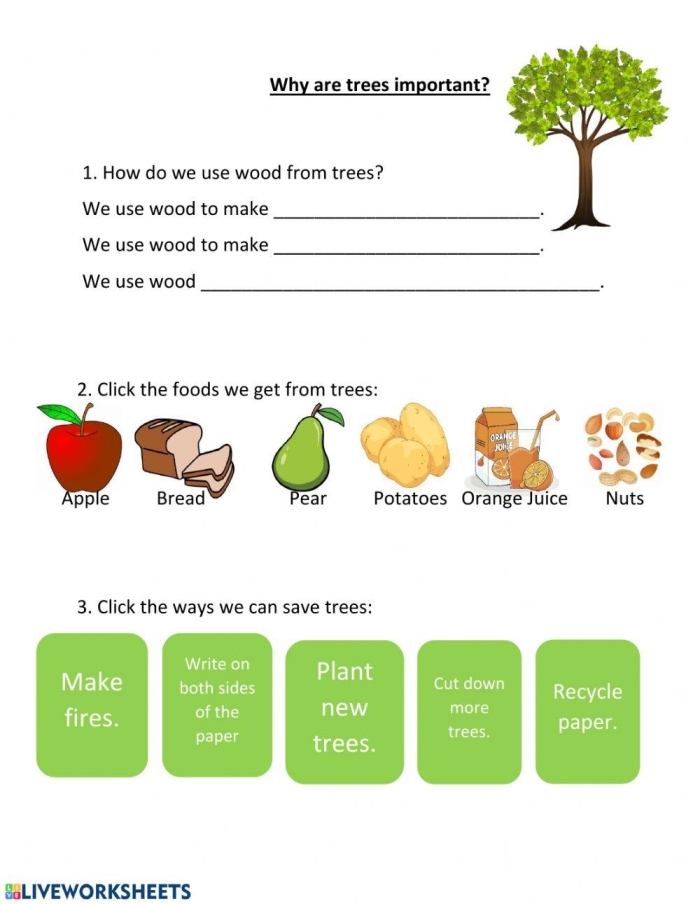
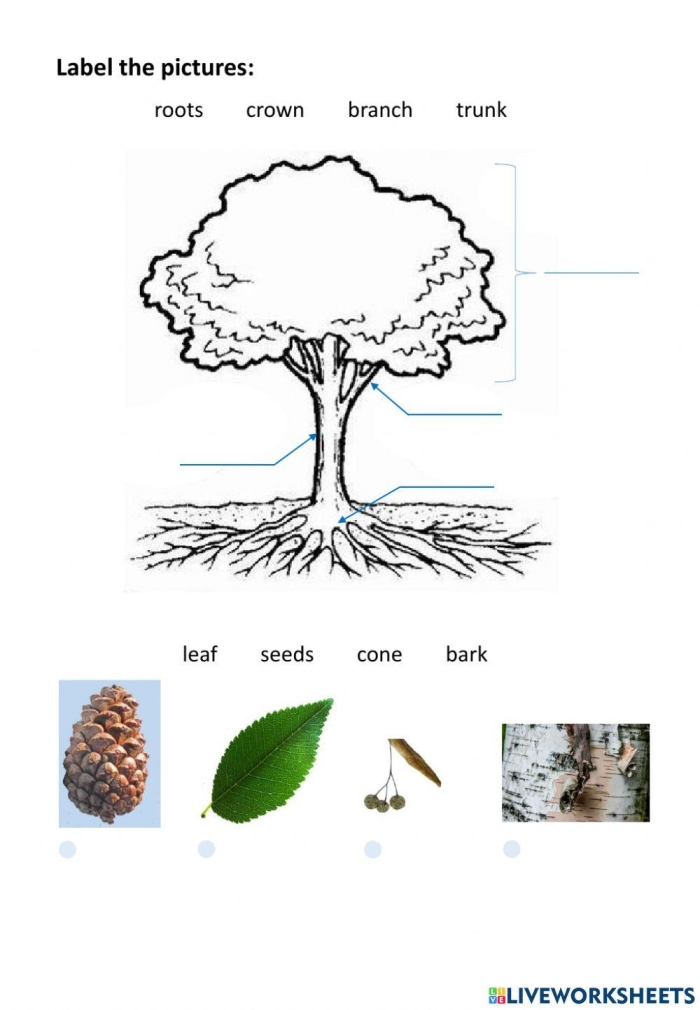
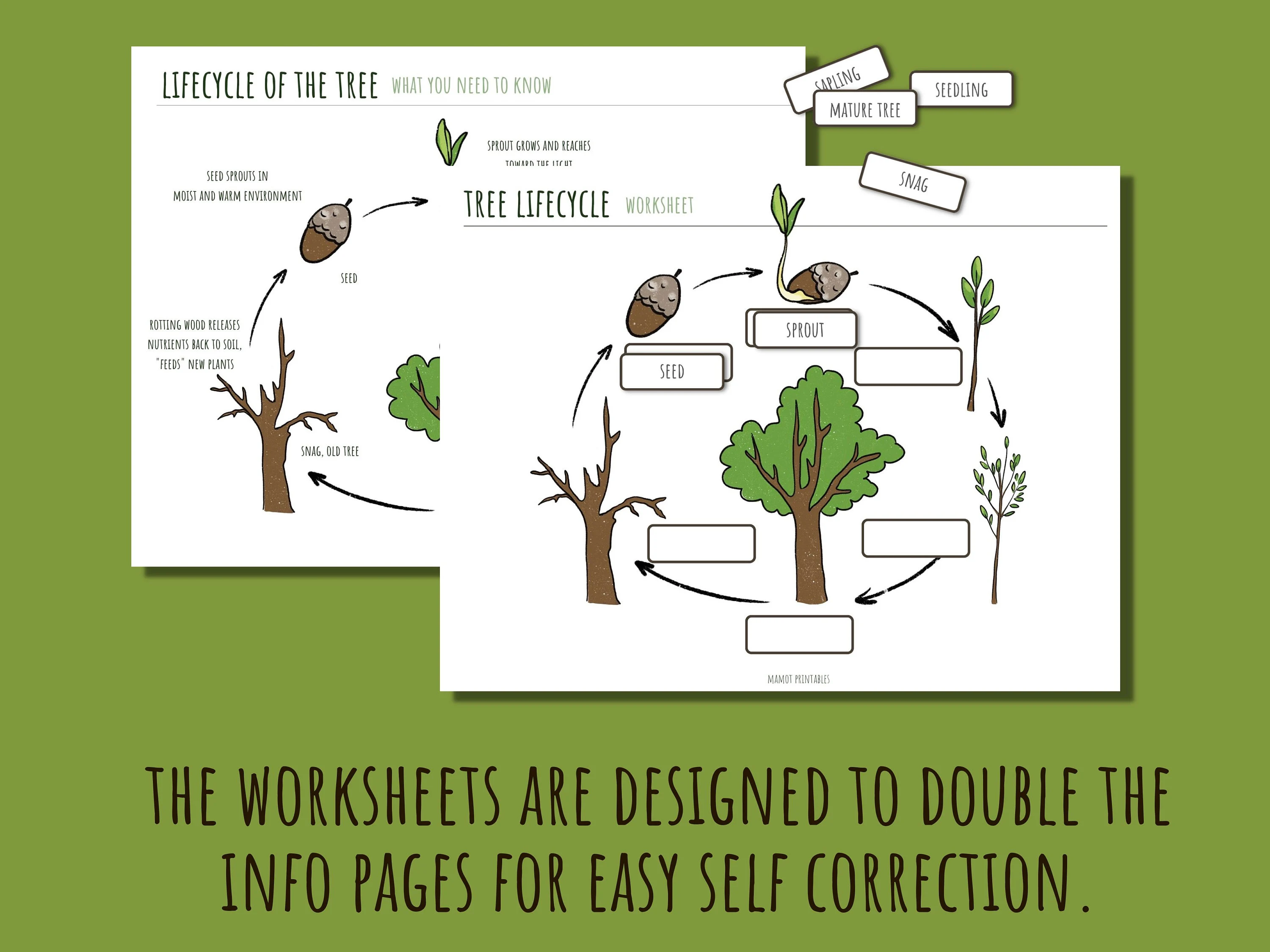
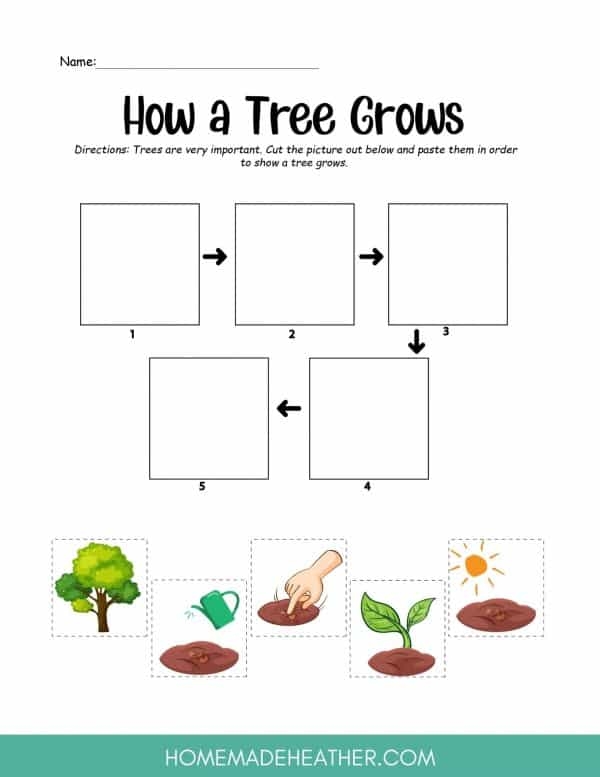
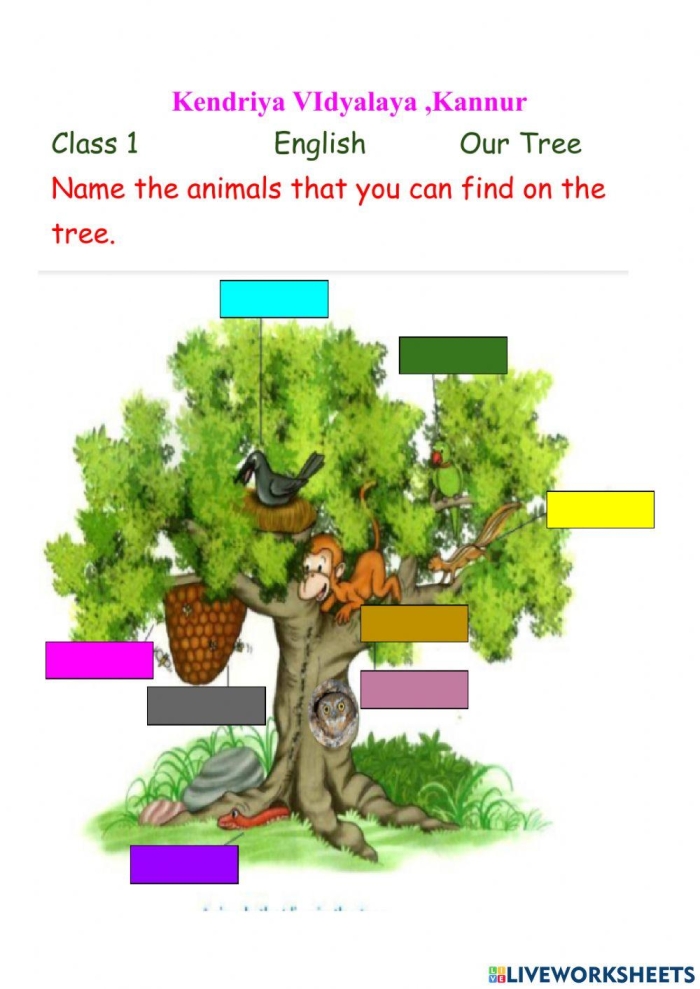
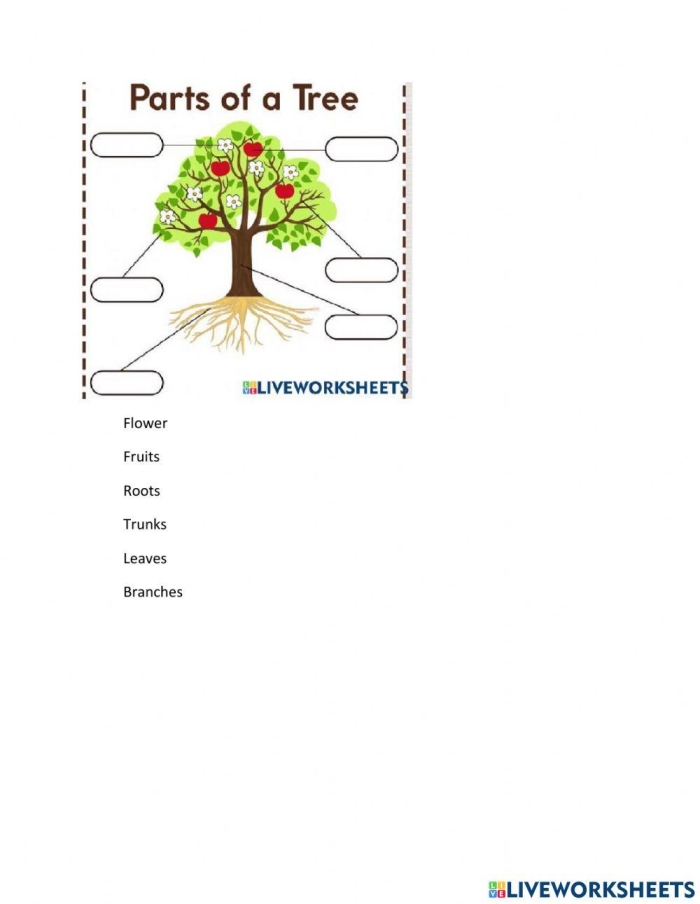
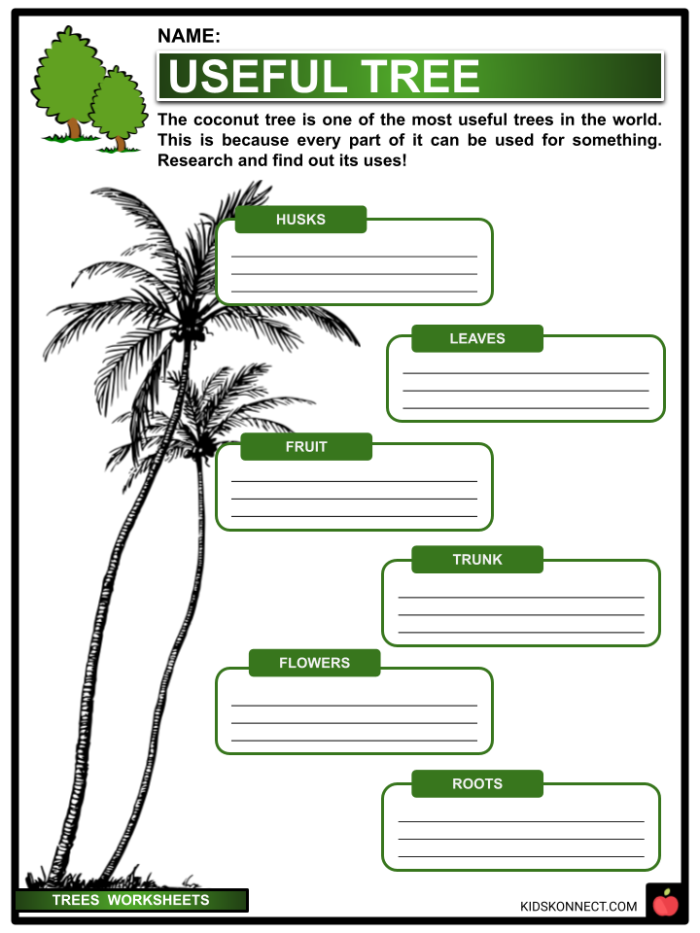
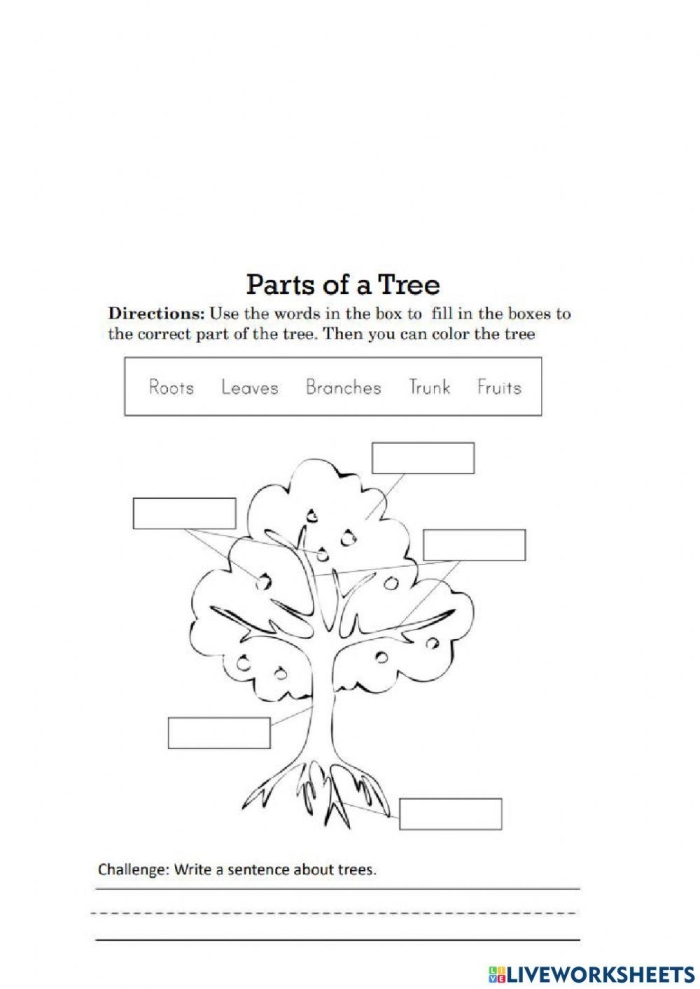
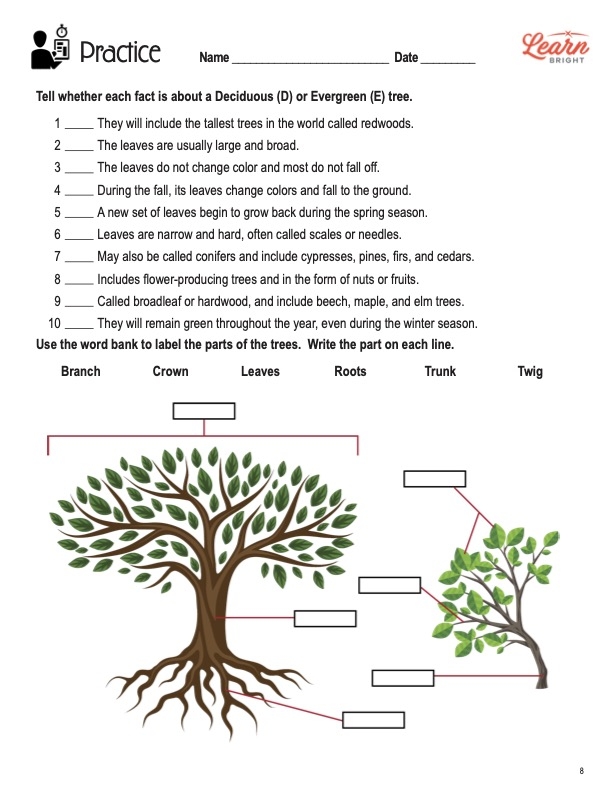
A colorful, cut-and-paste tree chart gives Pre-K students a concrete way to engage with plant life. Rather than simply looking at pictures, children physically cut out tree parts and assemble them, which activates multiple learning pathways at once. The cutting and pasting motions develop fine motor skills while the sorting and matching components introduce early measurement concepts, like comparing sizes and organizing objects by characteristics.
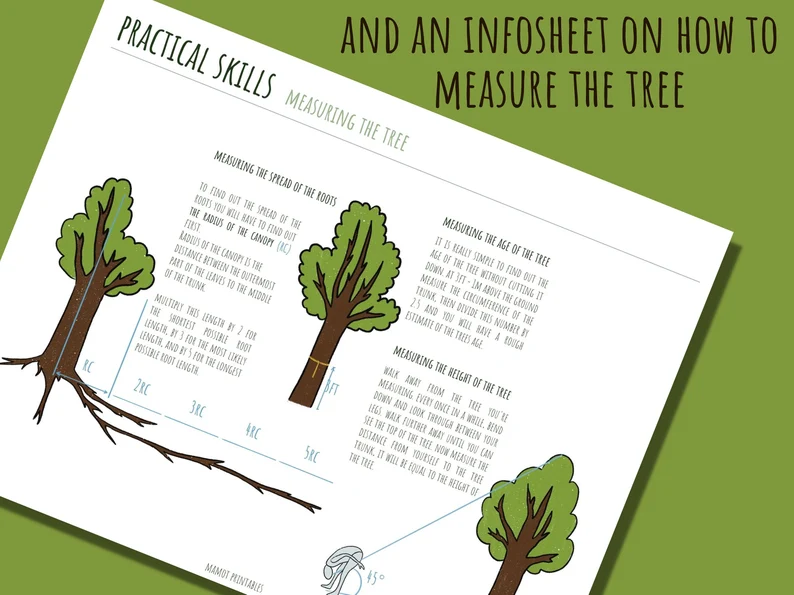
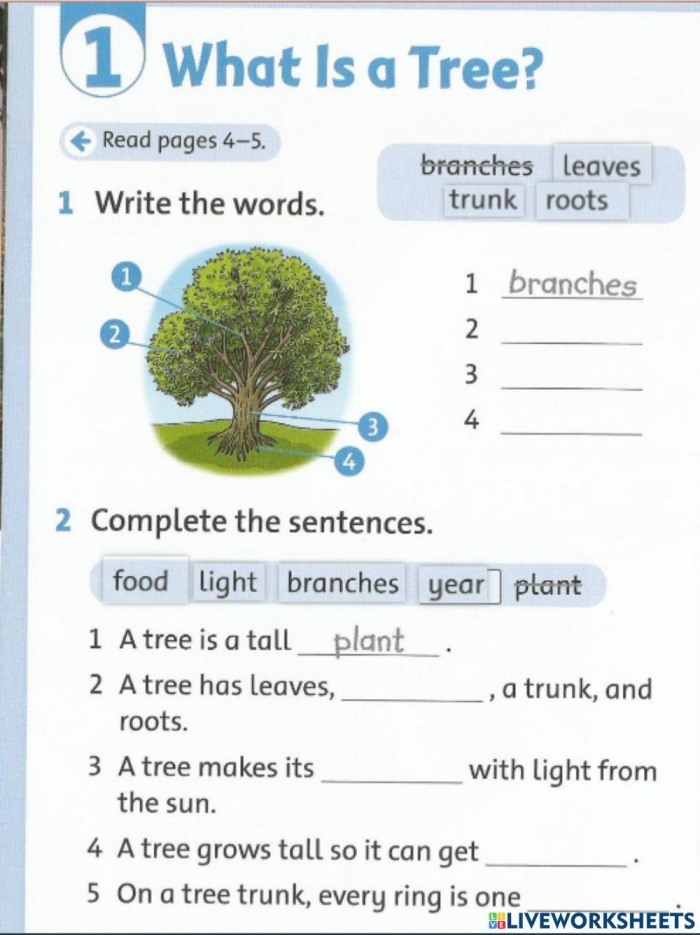
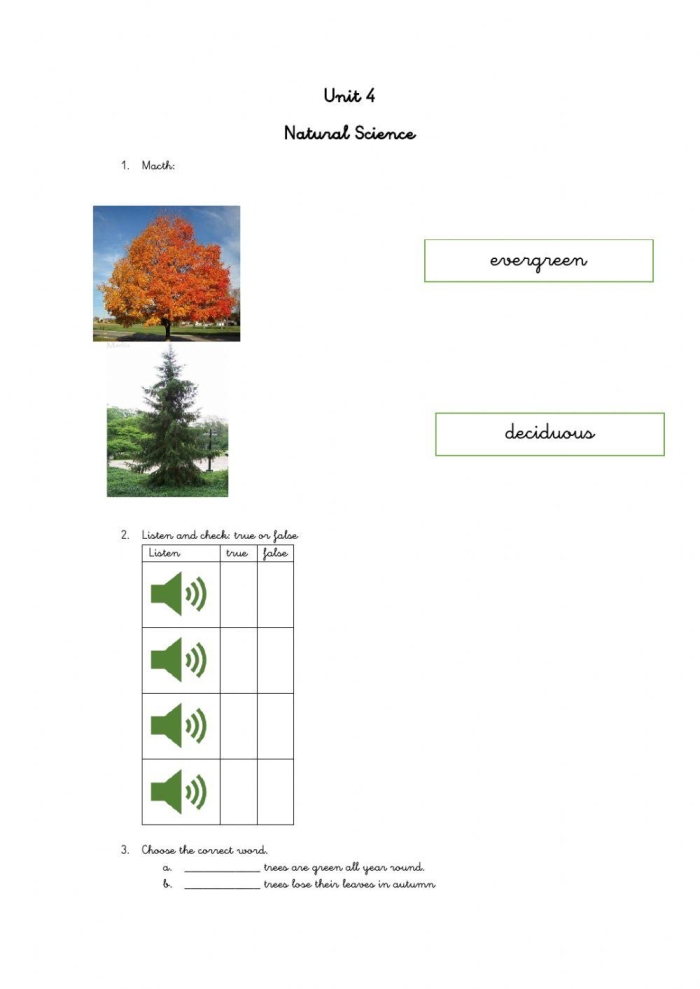
The activity works best when you present it as exploration rather than testing. Ask your child to identify which leaves belong to which trees, or notice which trunk is tallest. These observations naturally lead to questions: Why do some trees have needles instead of leaves? What do the roots do? You can expand the learning by taking a walk afterward and spotting the trees from the worksheet in your neighborhood.
If your child enjoys this type of hands-on learning, you might explore related activities that build on similar skills. Pattern recognition worksheets teach sorting and organization in different contexts. Alphabet practice activities combine fine motor work with letter recognition, while spelling activities let children label what they learn. For a different subject altogether, color-by-number activities offer similar cutting and pasting practice with a different theme.
The tree chart remains one of the most effective ways to build confidence in young learners because it feels like play, not work.
Download These Worksheets for Practice