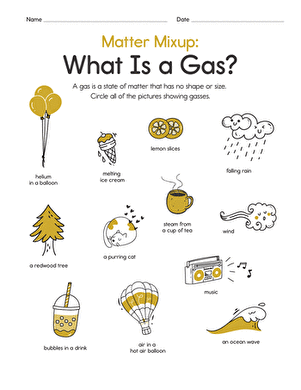
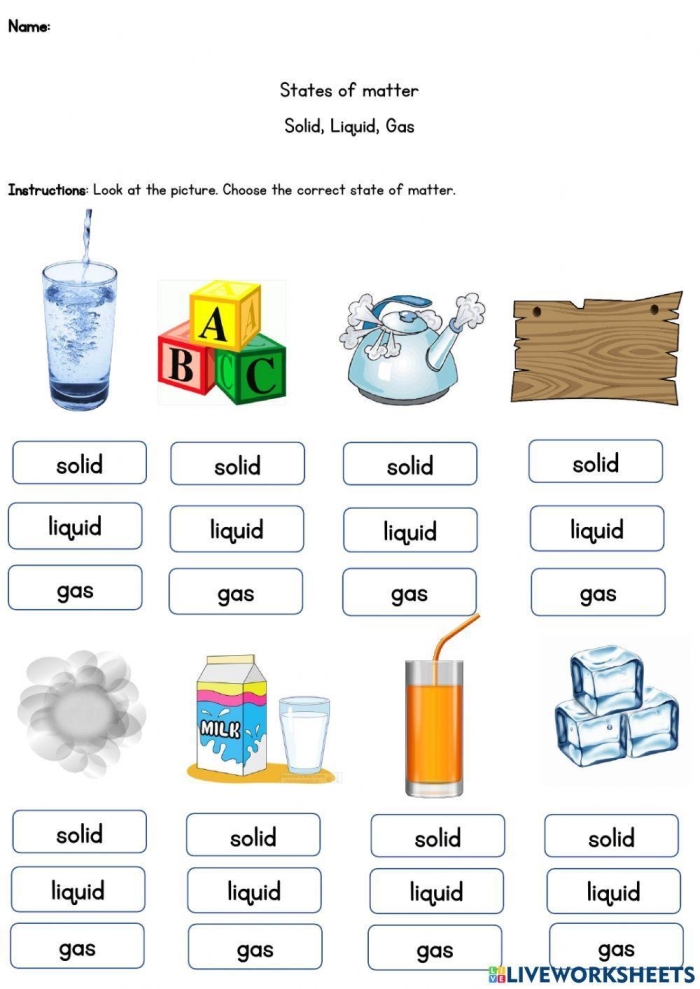
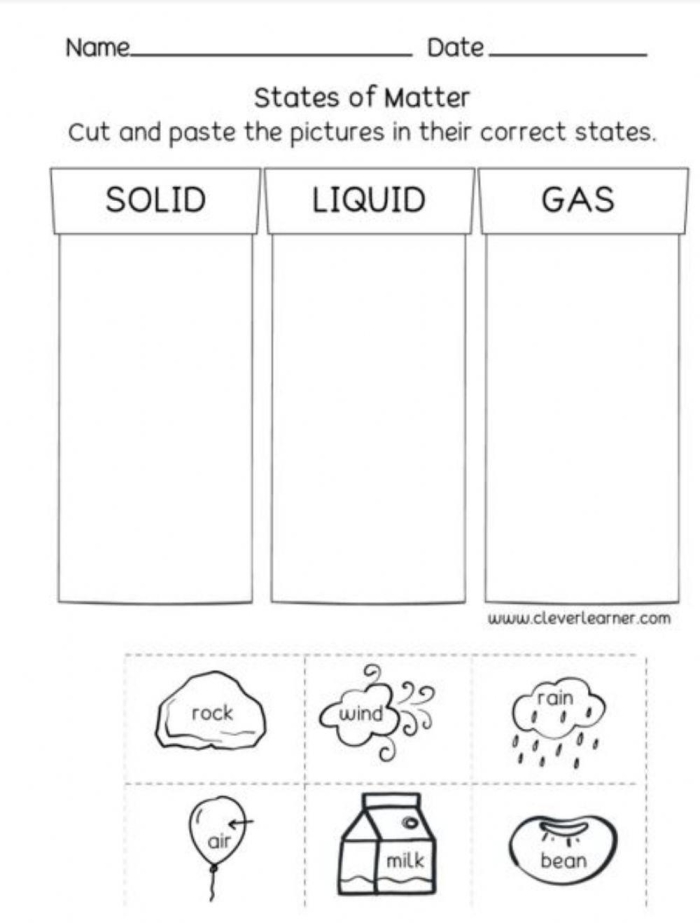
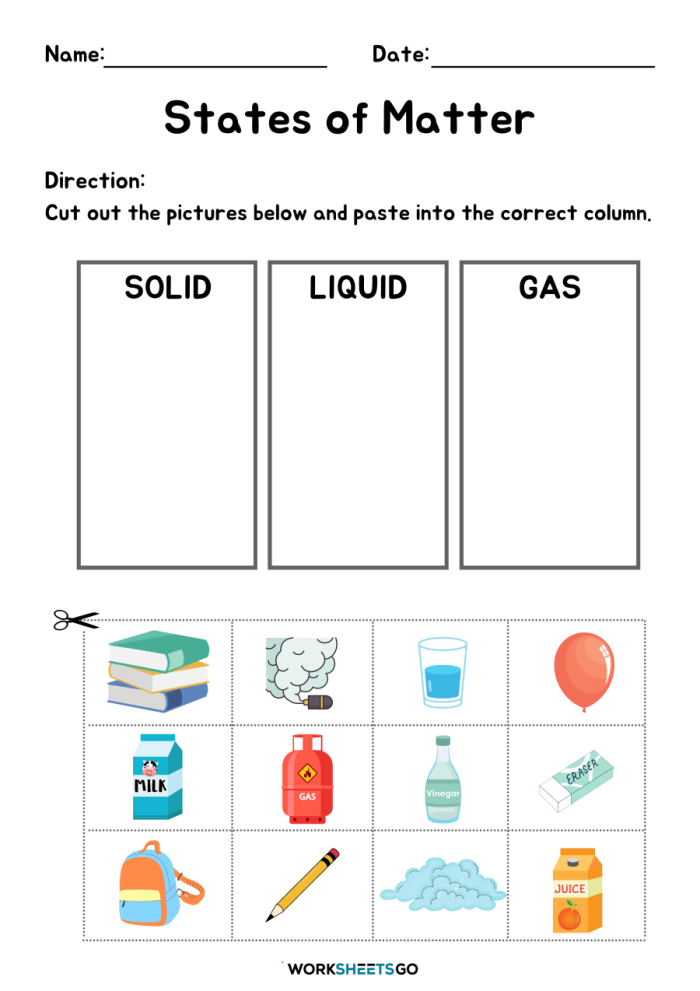
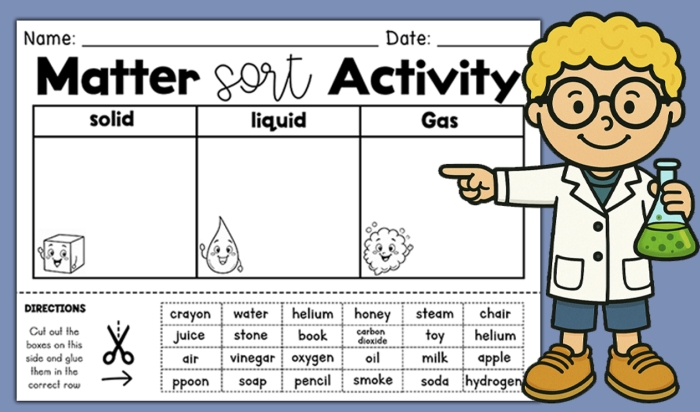
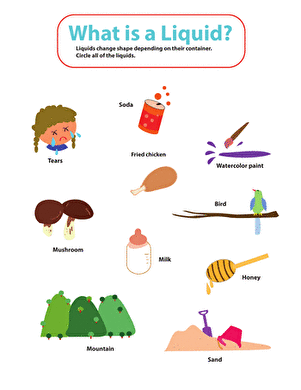
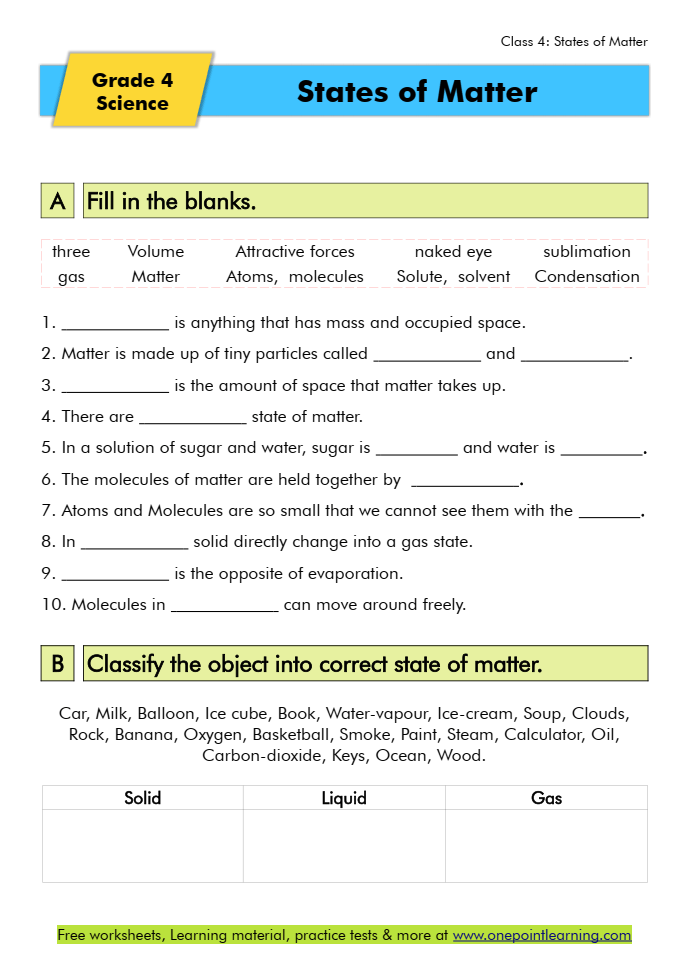
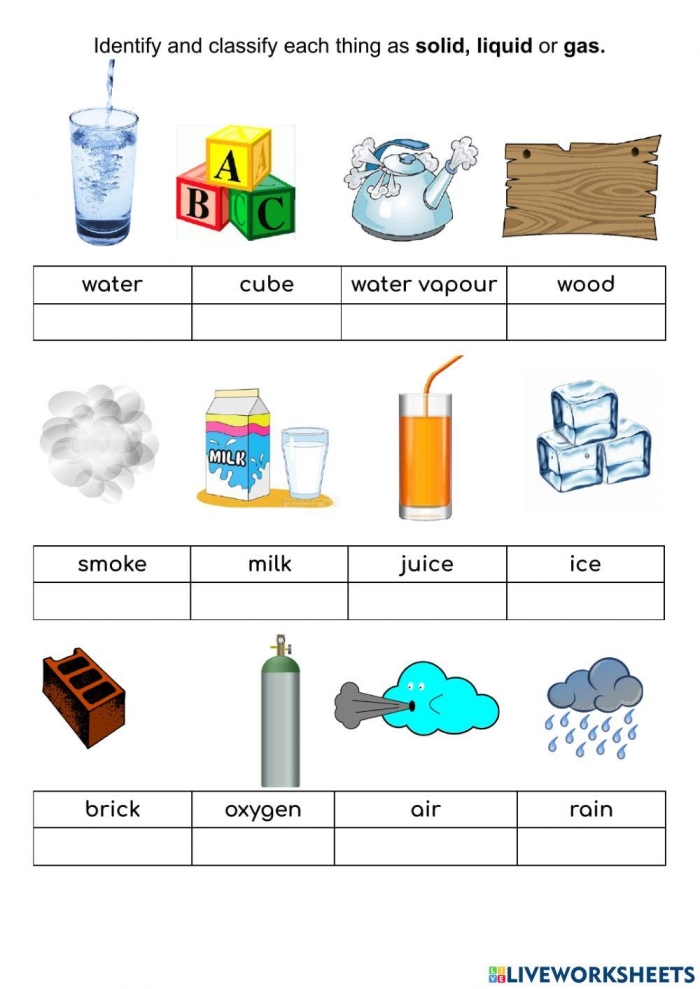
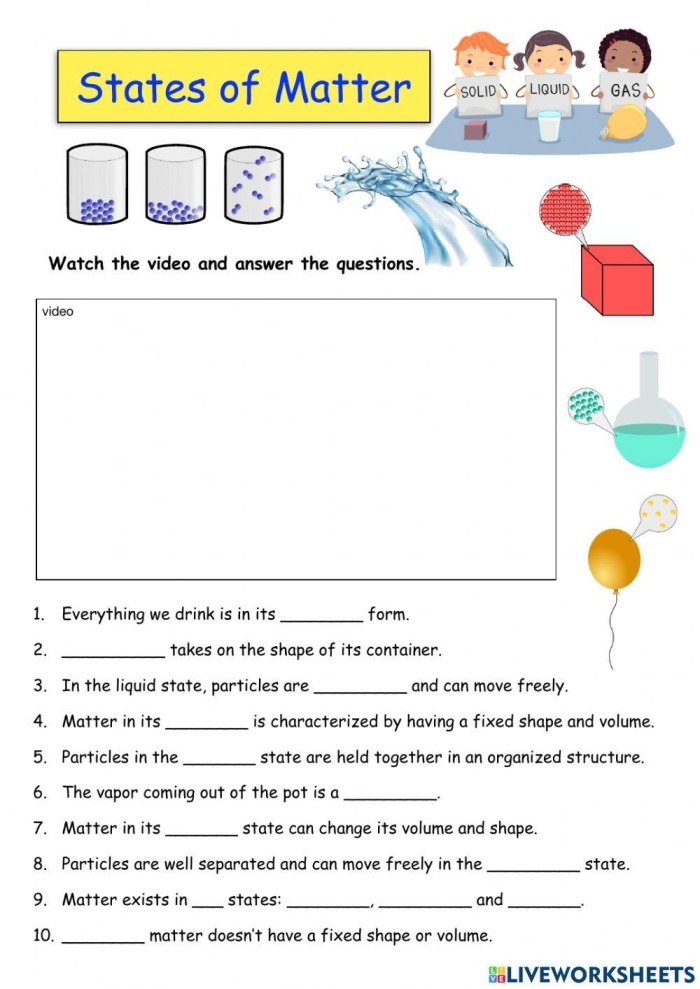
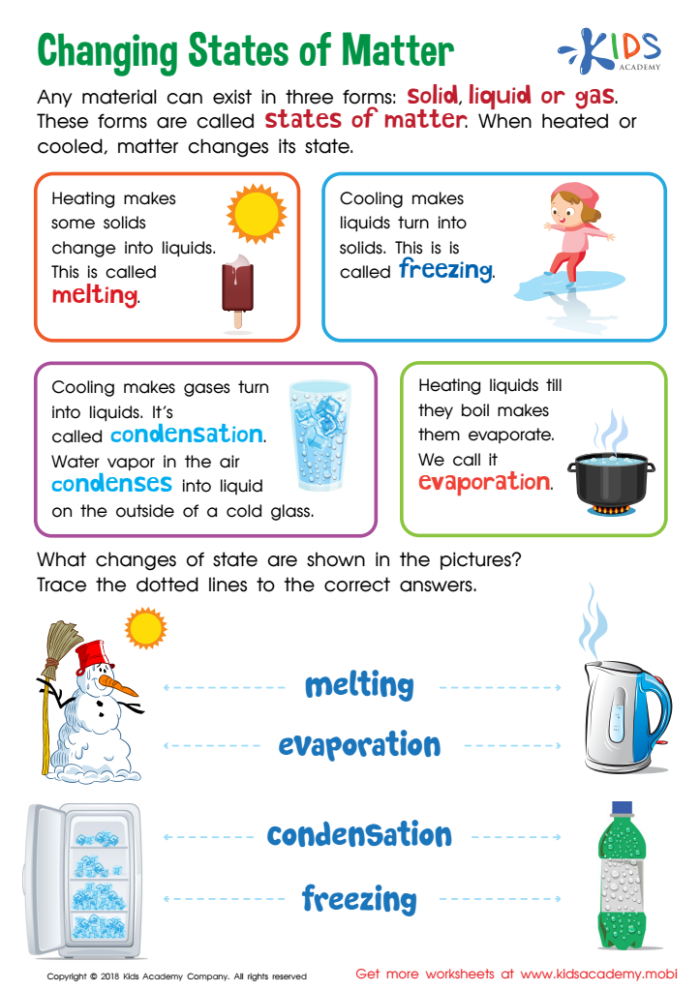
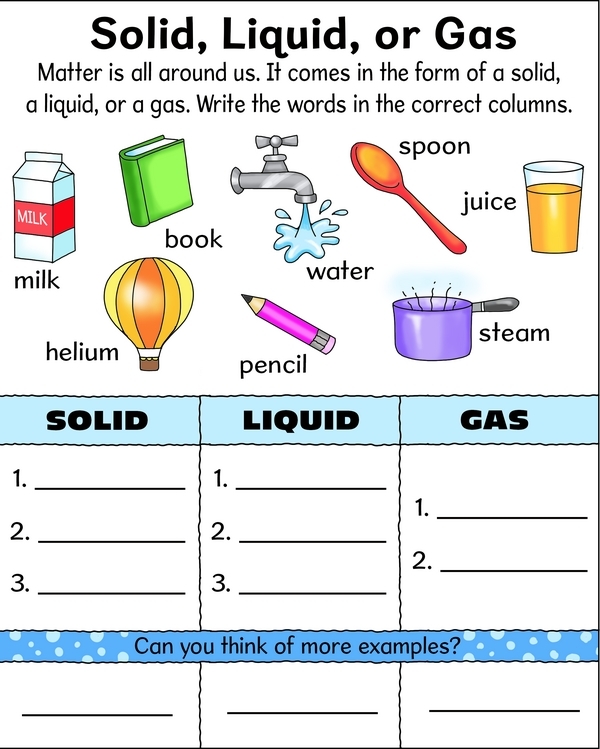
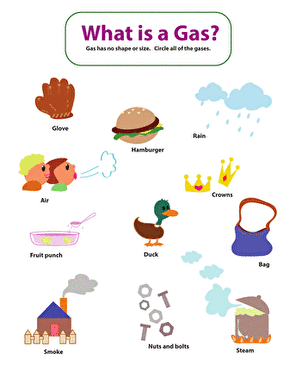
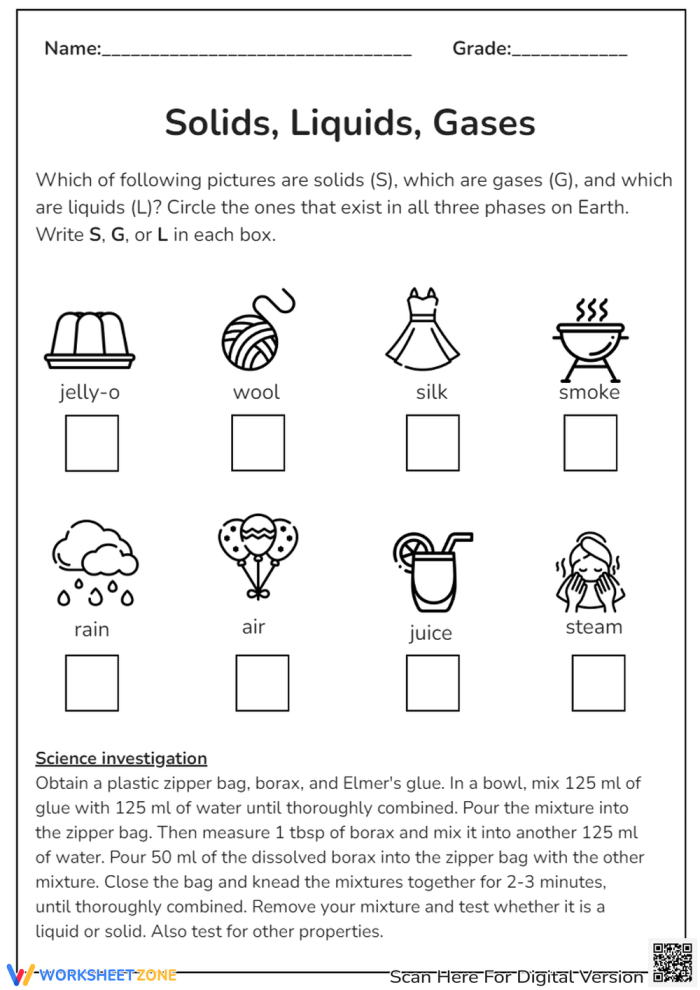
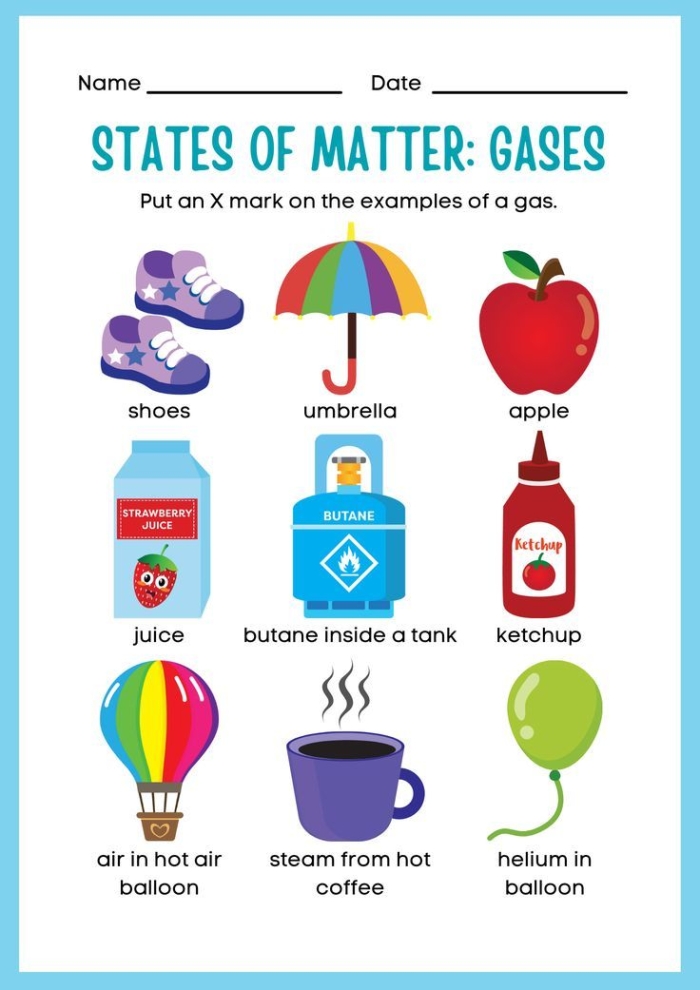
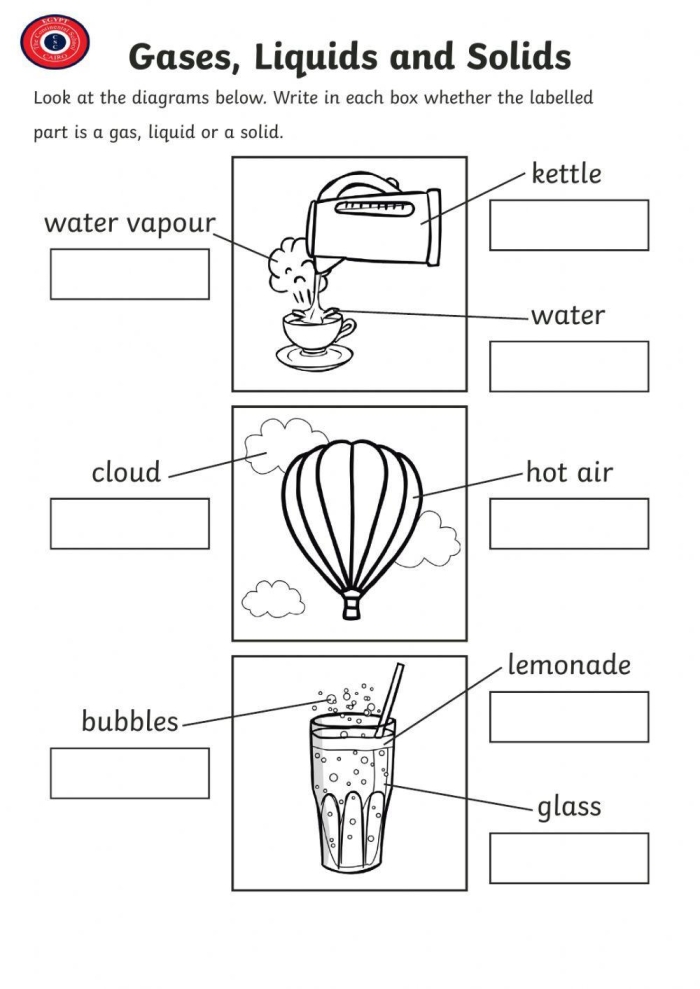
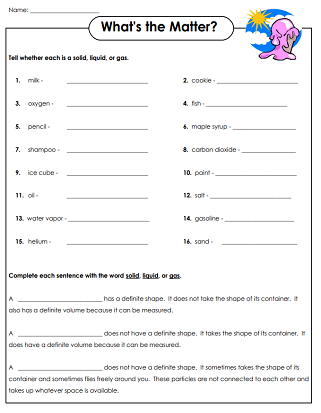
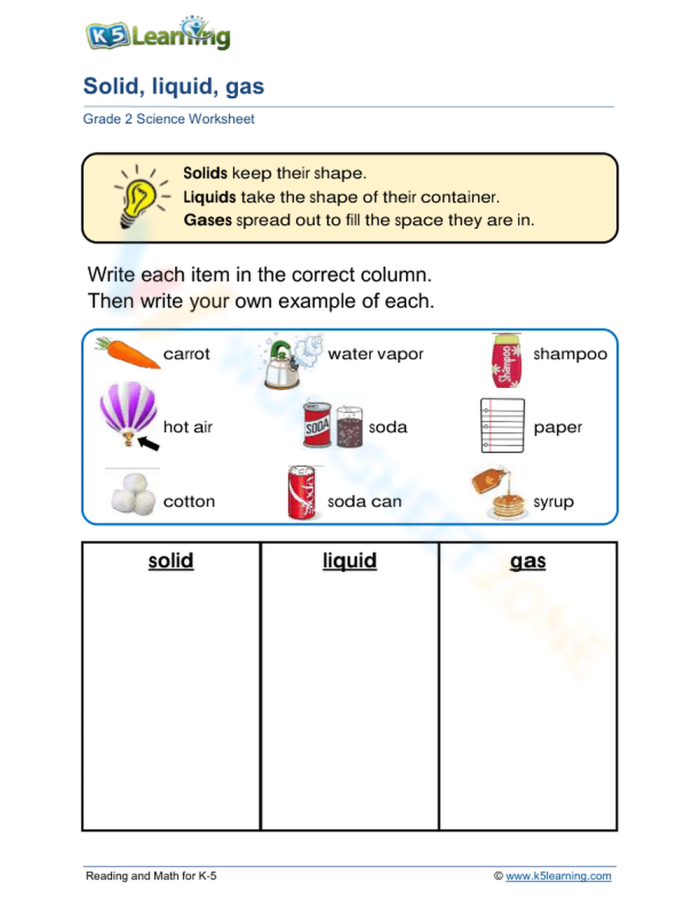
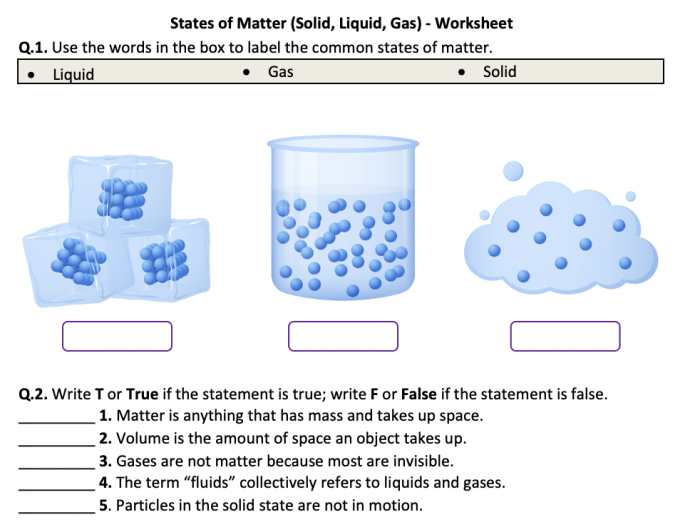
When second grade students learn about states of matter, gases often feel invisible and abstract. A practical way to make this concept stick is to have children identify gases in their everyday surroundings by circling pictures that show them. This activity transforms an invisible science concept into something tangible that students can recognize and name.
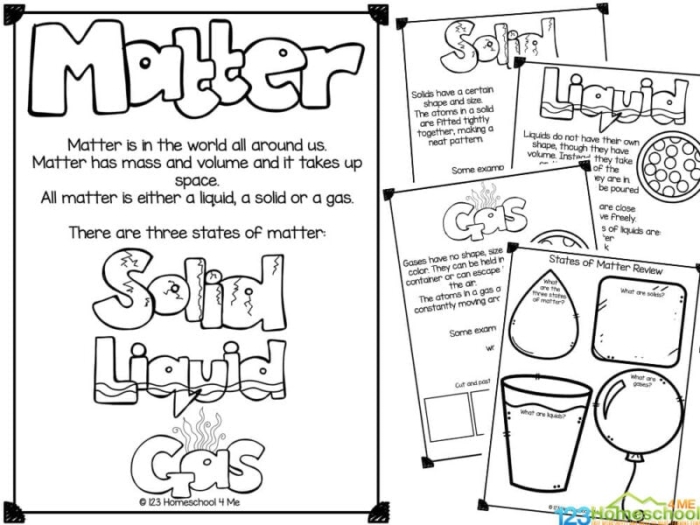
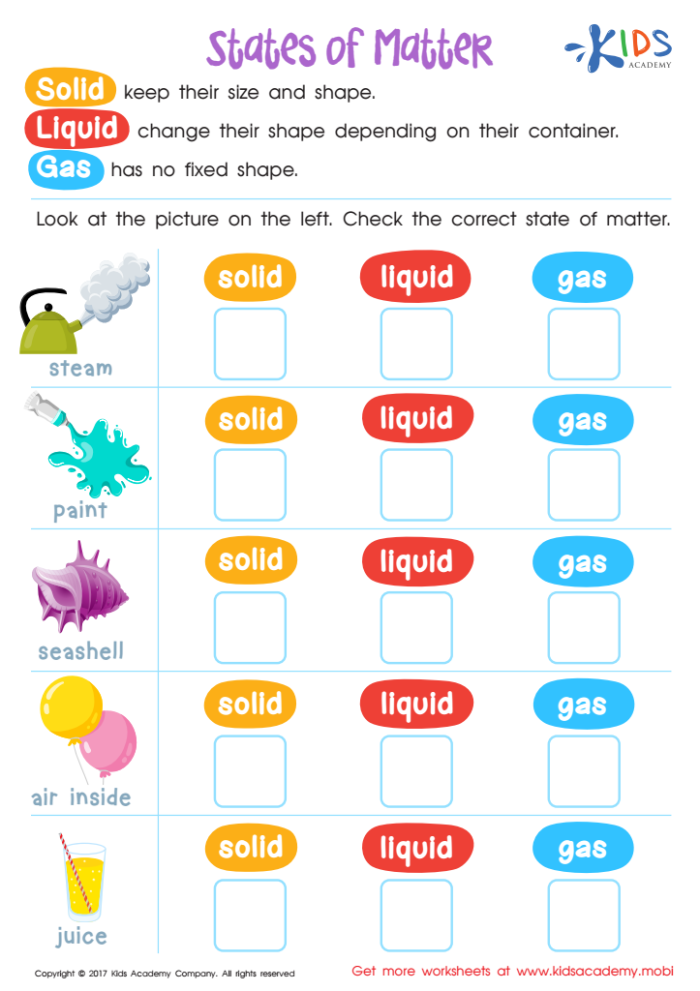
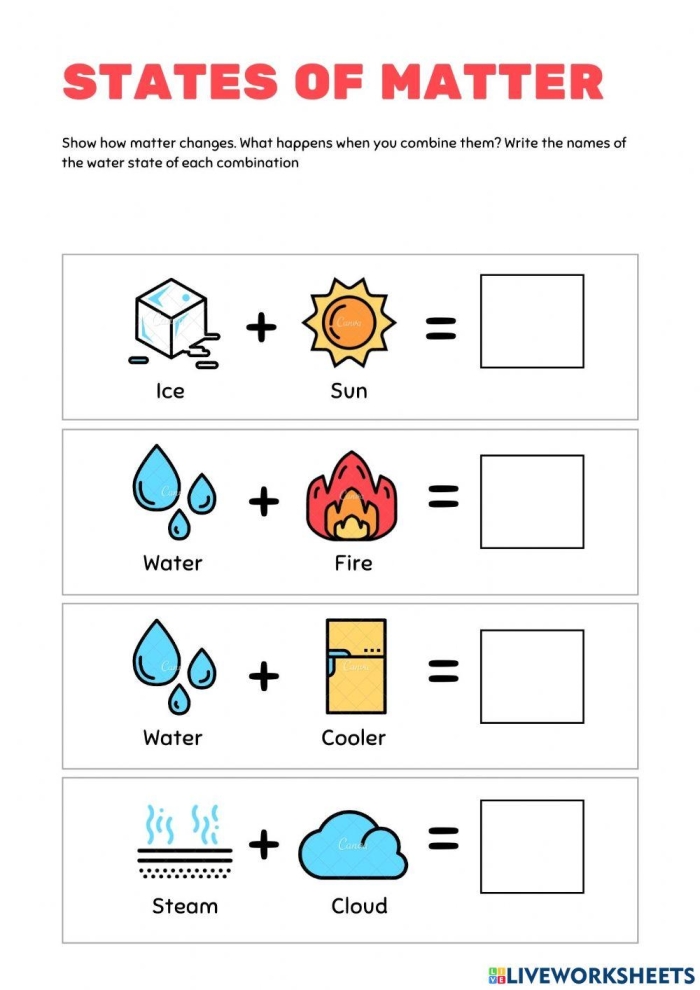
Gases surround us constantly, yet children rarely think about them as a distinct category of matter. Air filling a balloon, steam rising from hot water, and the bubbles in soda are all gases, but they look and behave differently from solids and liquids. When students work through a visual exercise where they circle pictures of gases, they begin organizing their observations into a meaningful pattern. They learn that gases take the shape of their container, spread out to fill available space, and often cannot be seen directly.
This type of activity works well in data and graphing lessons because students collect information by identifying and counting examples. After circling all the gas pictures on a worksheet, children can tally their findings and create a simple graph showing how many gas examples they found. This bridges science understanding with mathematical thinking, reinforcing both concepts simultaneously.
Real-world examples make the learning memorable. Students recognize that the air they breathe, the helium in party balloons, and the carbon dioxide in fizzy drinks are all gases. They see that some gases are colorless and odorless, while others like cooking gas have a distinctive smell added for safety. This hands-on recognition helps second graders build a foundation for more complex chemistry concepts later.
Pairing this activity with other second grade learning strengthens overall comprehension. Students who practice explaining what happened next in a sequence can describe the process of identifying gases. Those working on measurement and time concepts might track how long different gases stay in a container. When children connect gases to real objects through circling and counting, abstract science becomes concrete and memorable.
Try These Printable Worksheets