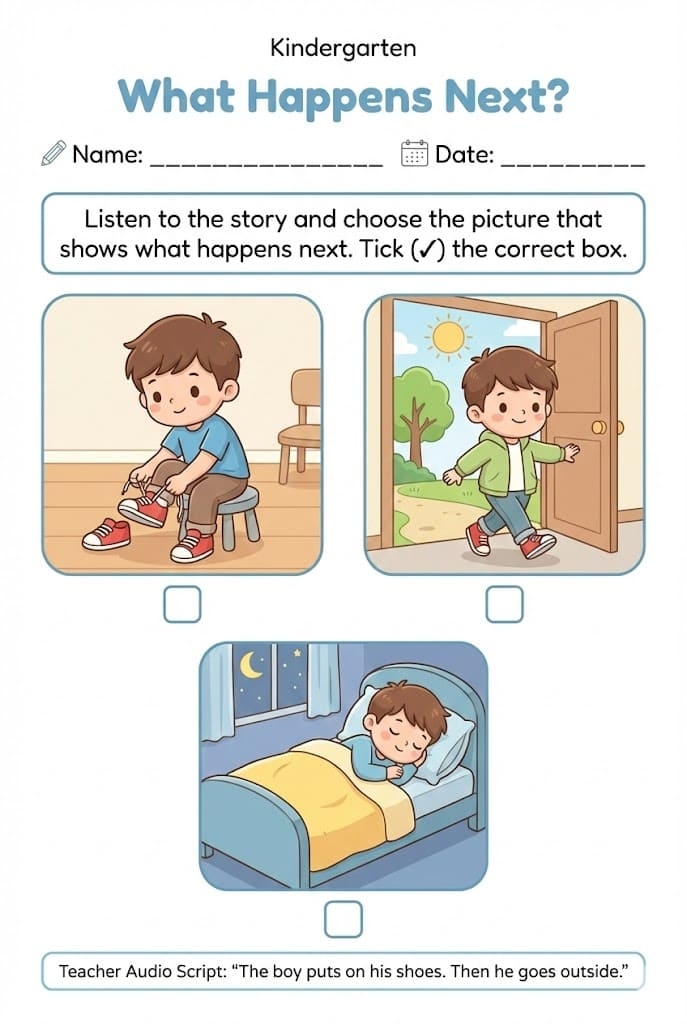
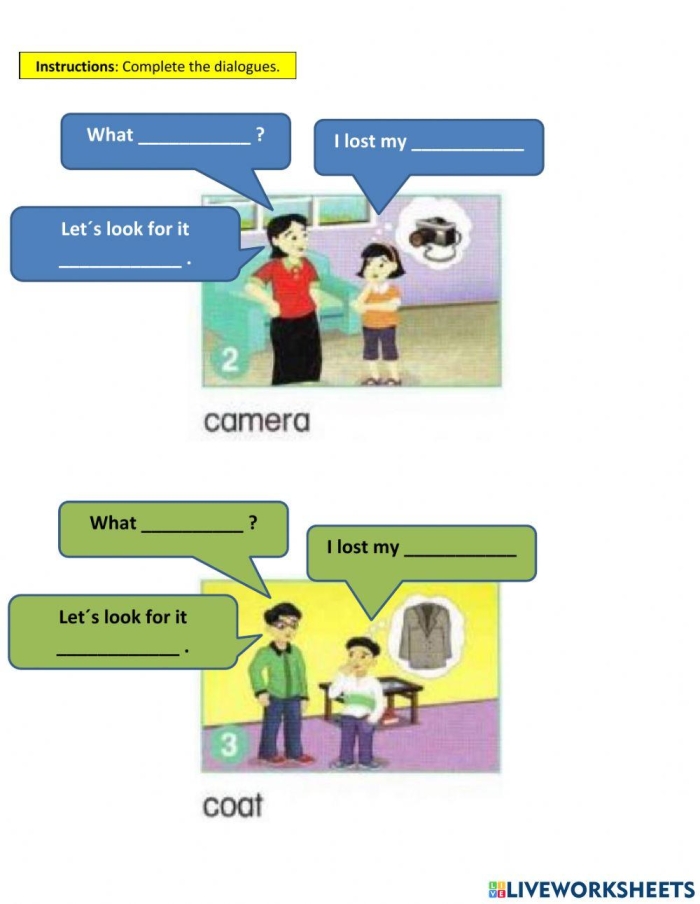
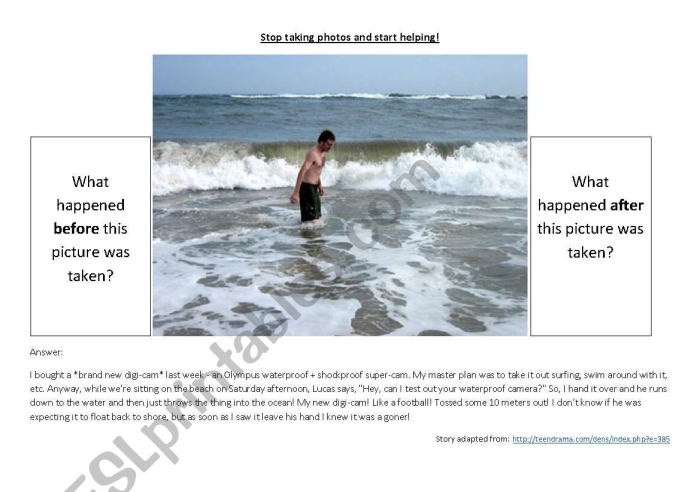
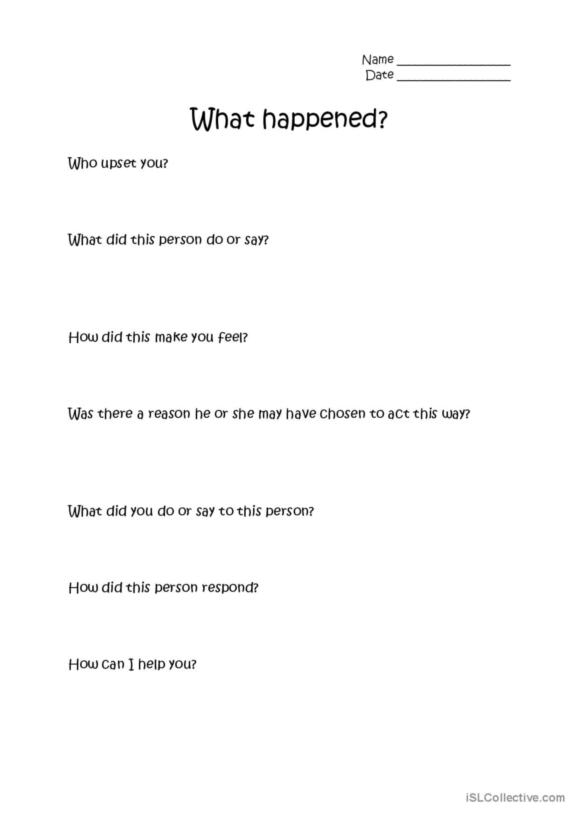
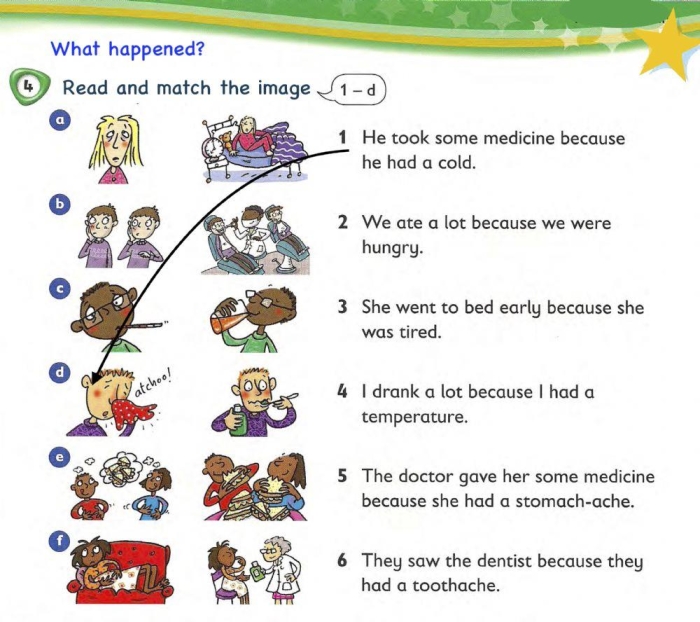
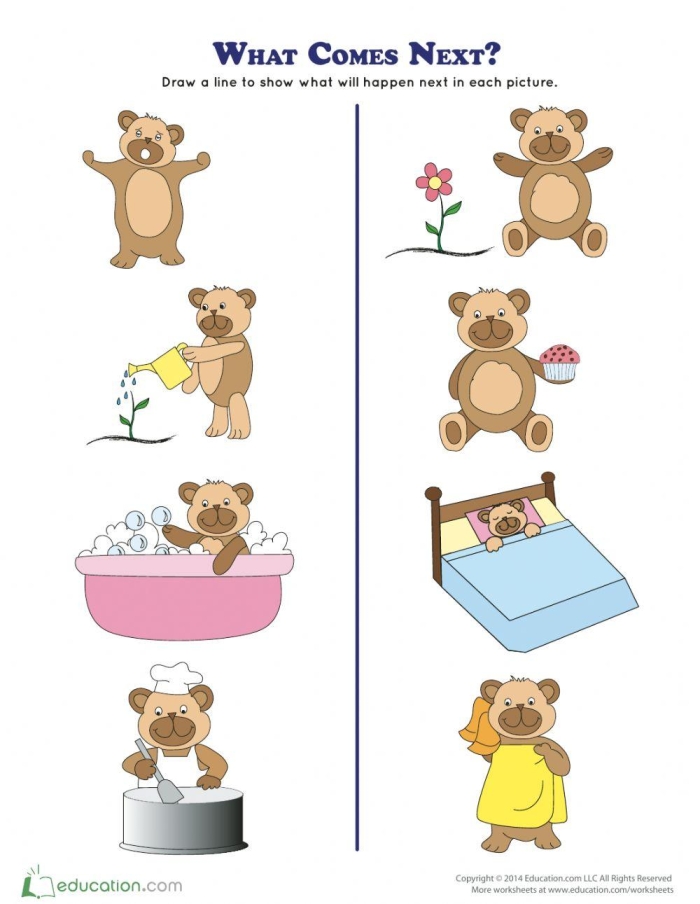
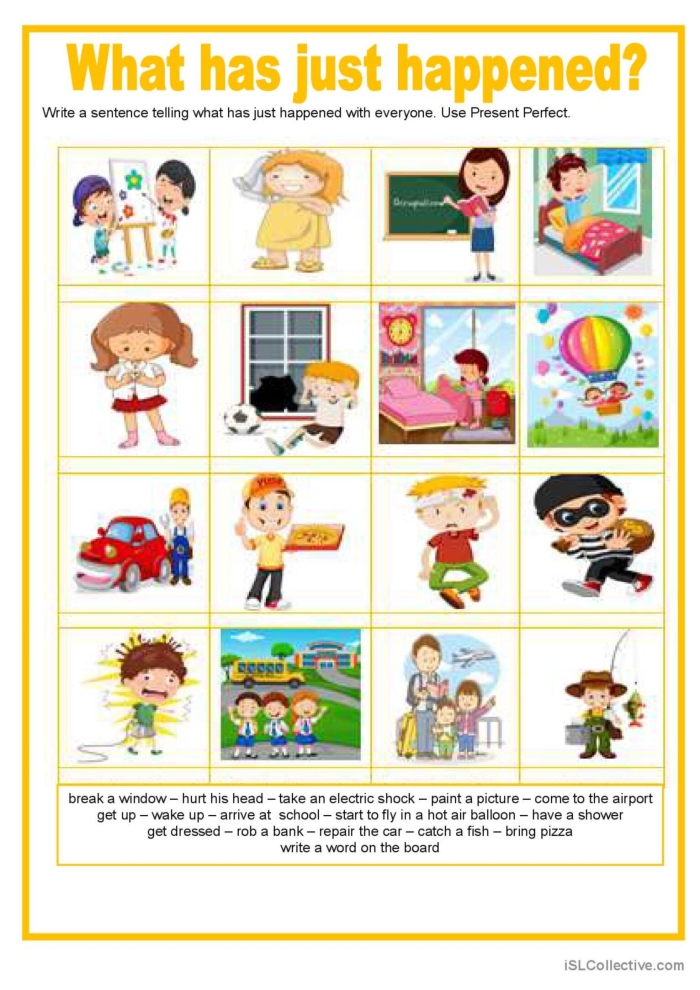
Getting children to think beyond the words on a page is one of the most valuable skills you can teach them. When second grade students encounter a story, they often focus on what’s explicitly written, but the real magic happens when they start asking themselves: what happened next? This is where inference comes in, and it’s exactly what makes reading feel like detective work rather than a chore.
Inference is the ability to draw conclusions based on clues scattered throughout a text. A child reads that “Sarah put on her raincoat and grabbed her umbrella,” and they infer that it’s probably raining or about to rain. They don’t need the author to spell it out. This skill transforms passive readers into active thinkers who engage deeply with stories and understand layers of meaning that aren’t directly stated.
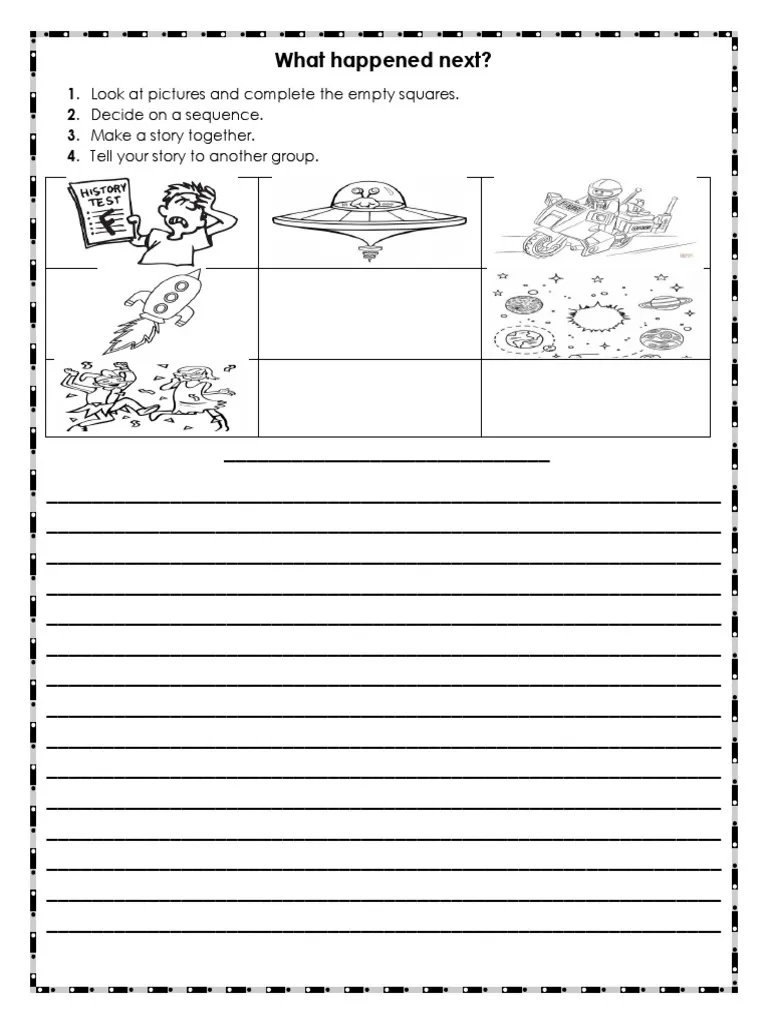
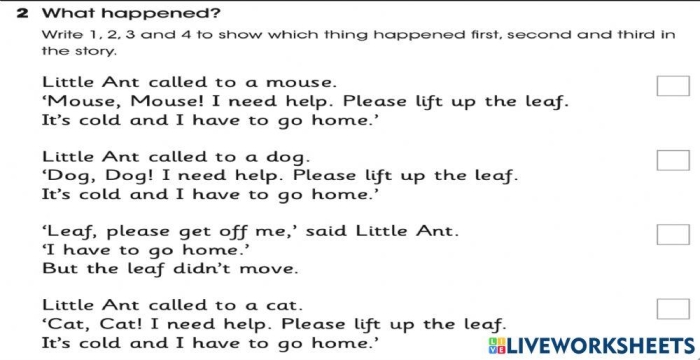
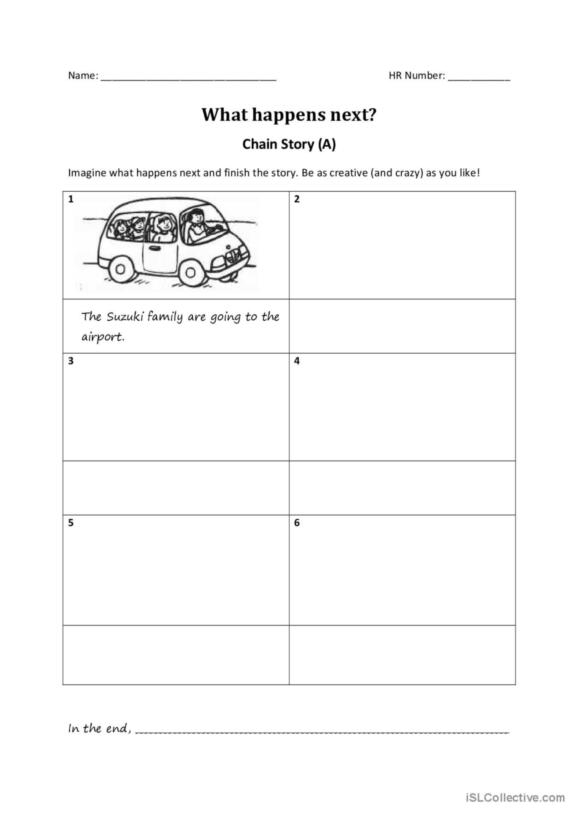
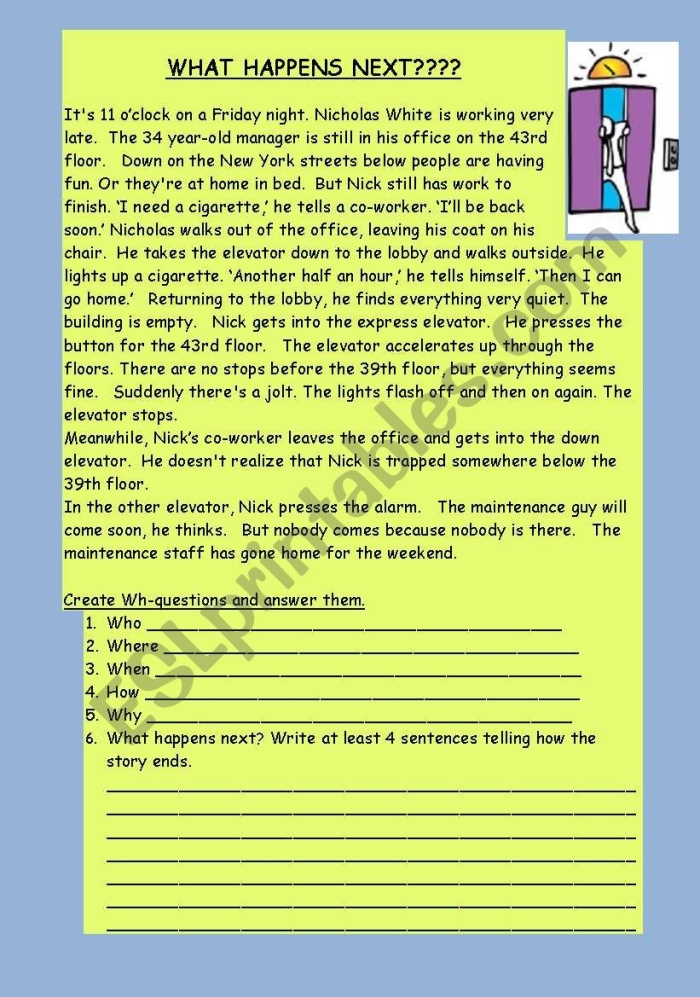
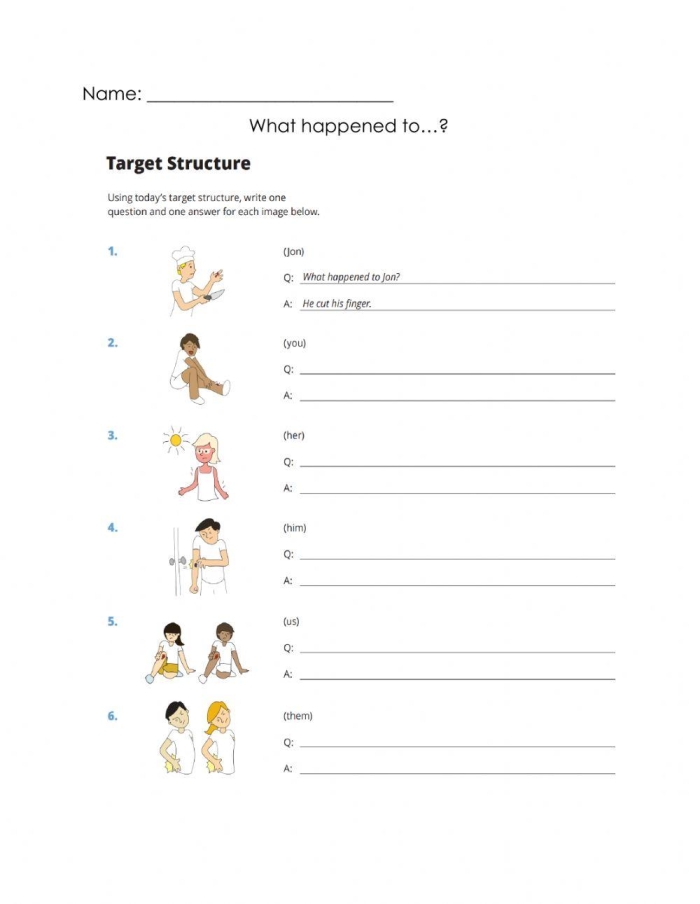
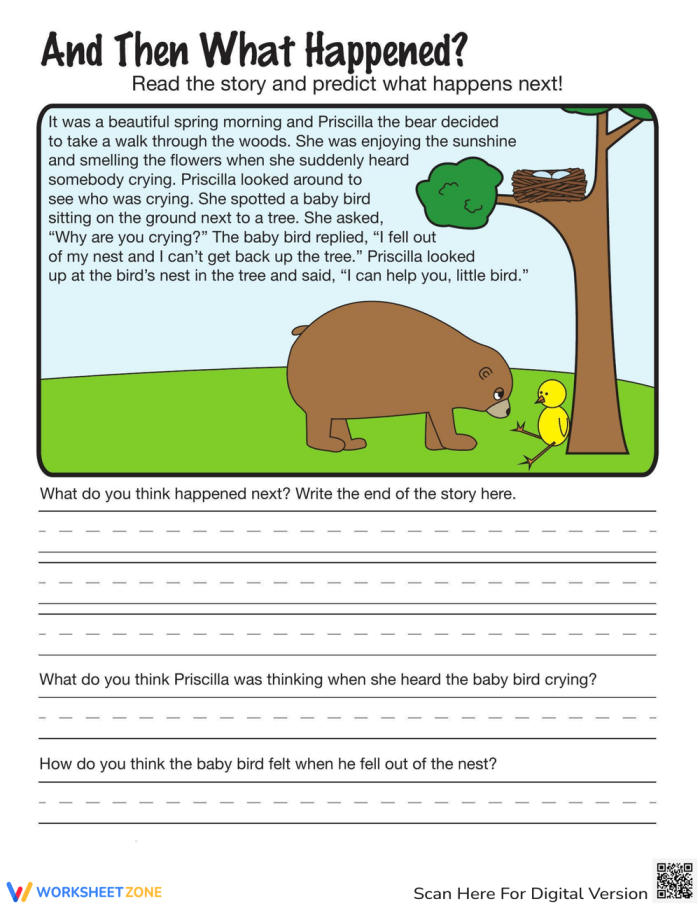
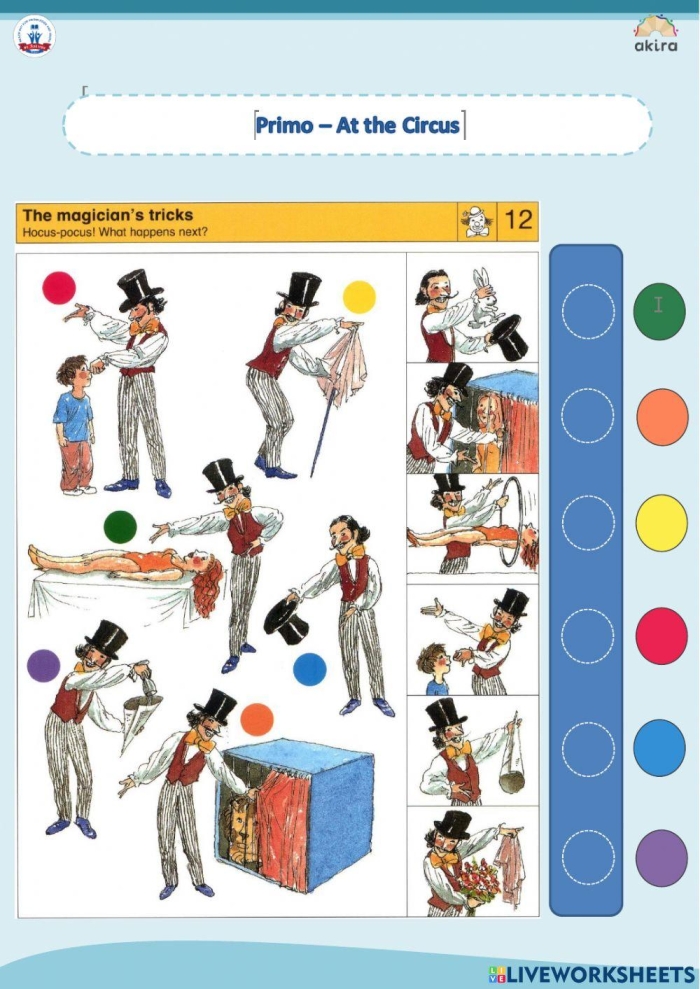
For second grade writing exercises, creative prompts that ask “what happens next?” push children to use inference in reverse. They’ve read a scenario, understood the context and character emotions, and now they must predict logical outcomes. This bridges reading comprehension and creative writing in a natural way. When kids write their own continuations, they’re practicing both skills simultaneously.
The best part about this approach is that it builds confidence. Children realize they can understand stories without every detail being handed to them. They become more independent readers who trust their own interpretations. Worksheets focused on making your own inferences give structured practice with this exact skill, while other resources like biography timeline writing activities help children understand how events connect over time.
Try giving your child a short story excerpt and asking them to predict what comes next, then explain their reasoning. You’ll quickly see how naturally inference develops when children have permission to think like authors themselves.
Worksheet Practice Section