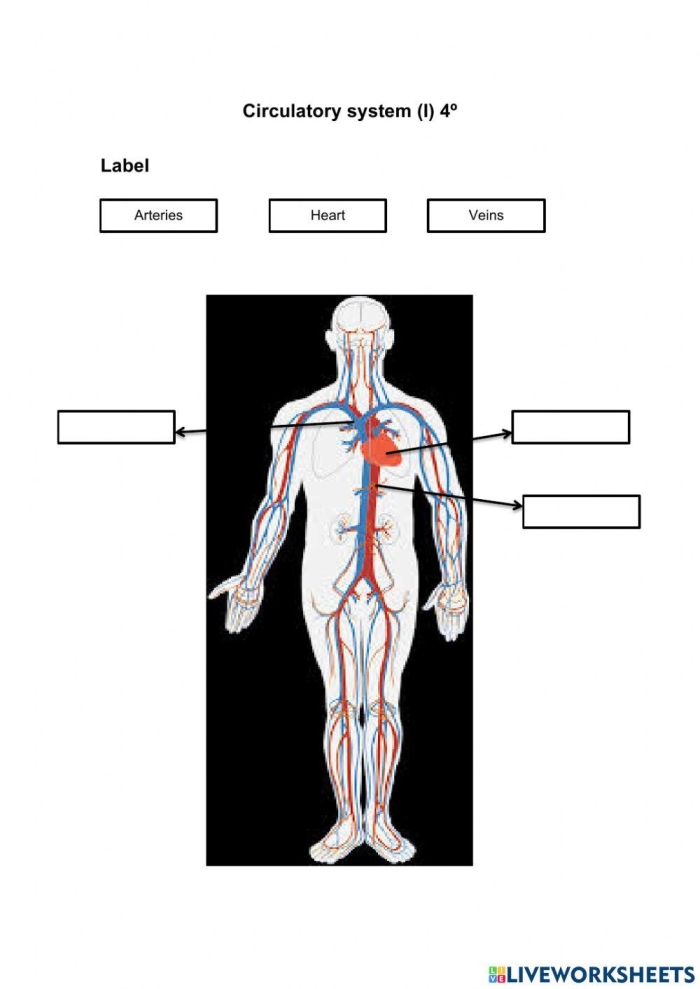
Your circulatory system moves about 5 liters of blood through your body every single minute, delivering oxygen to your cells and carrying away waste. Understanding what blood actually contains helps you see why this liquid is so essential to staying alive.
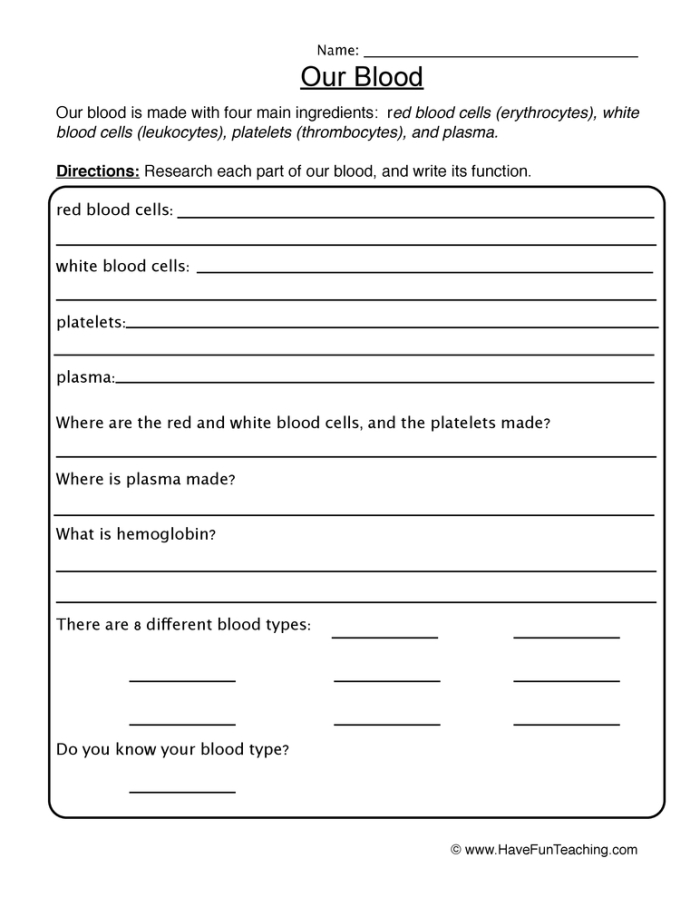
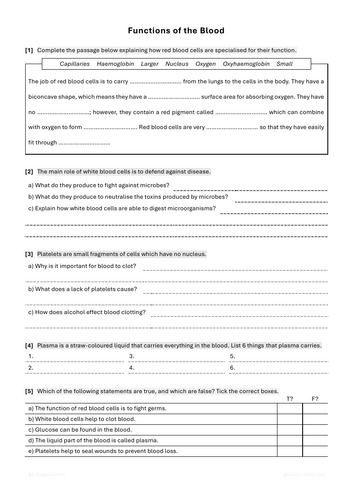
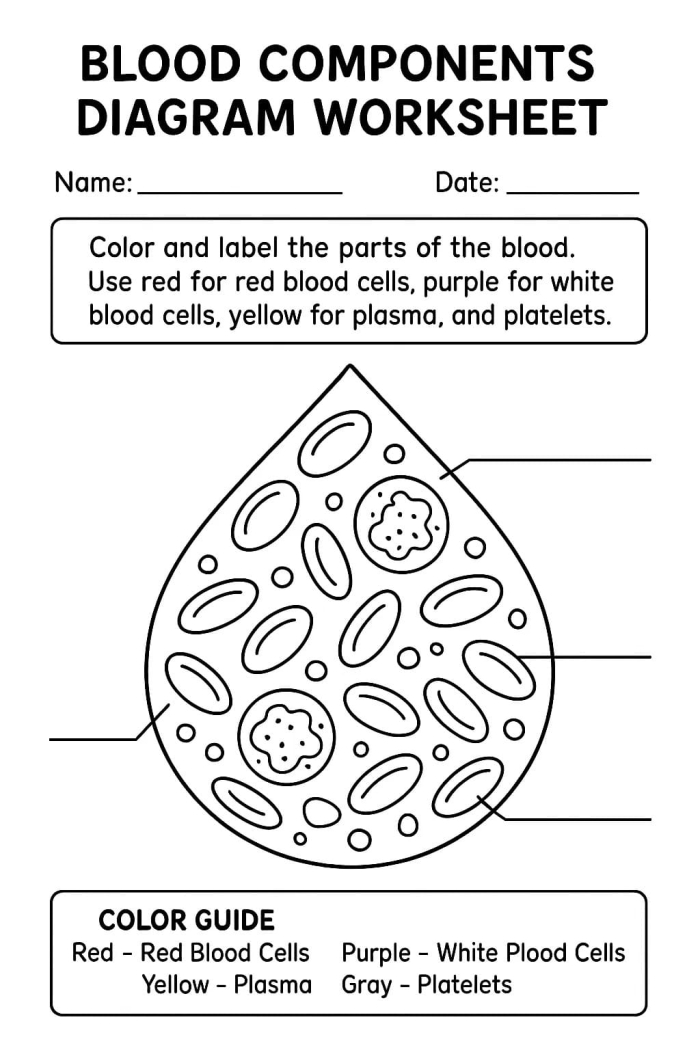
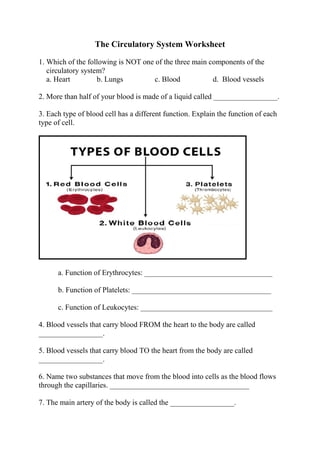
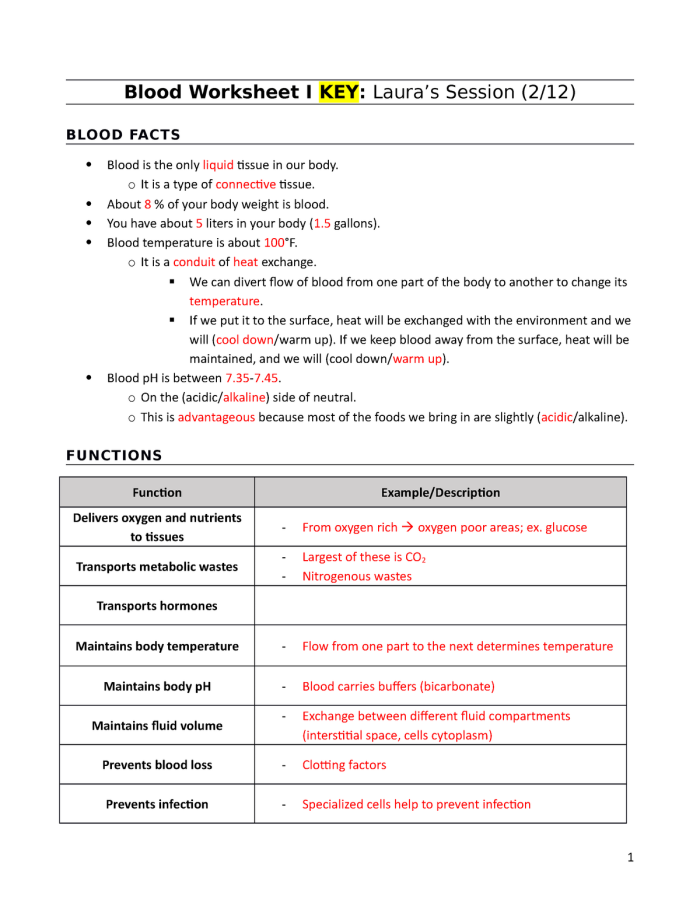
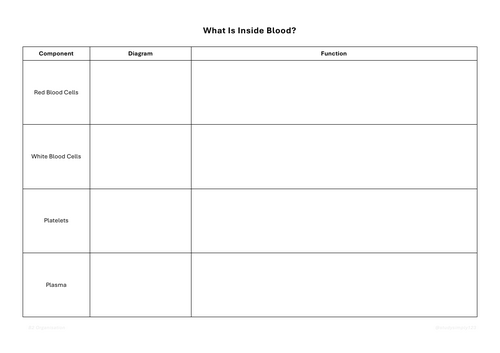
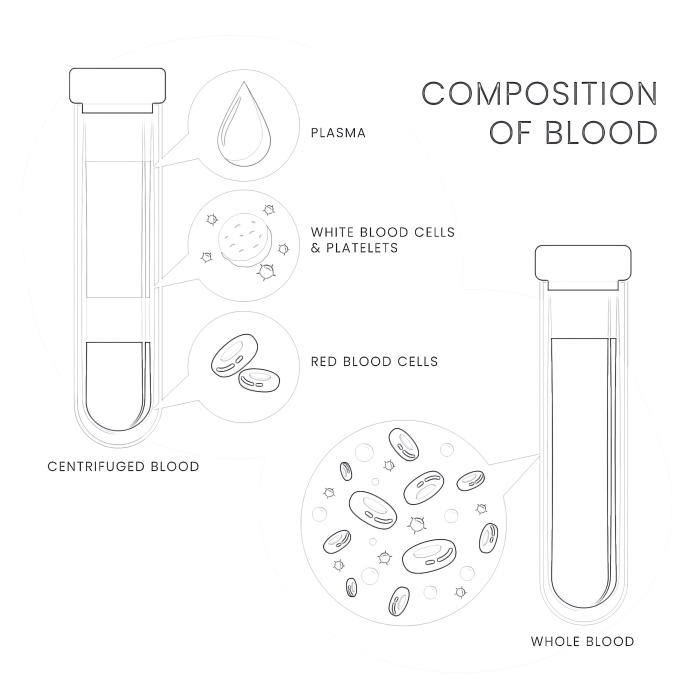
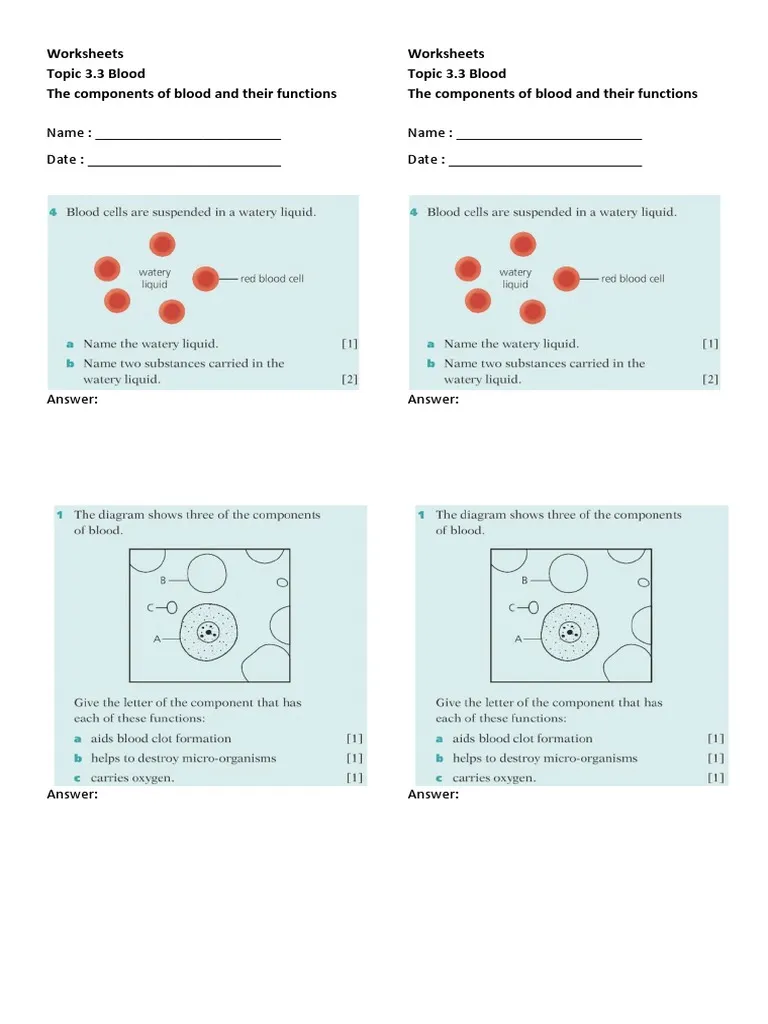
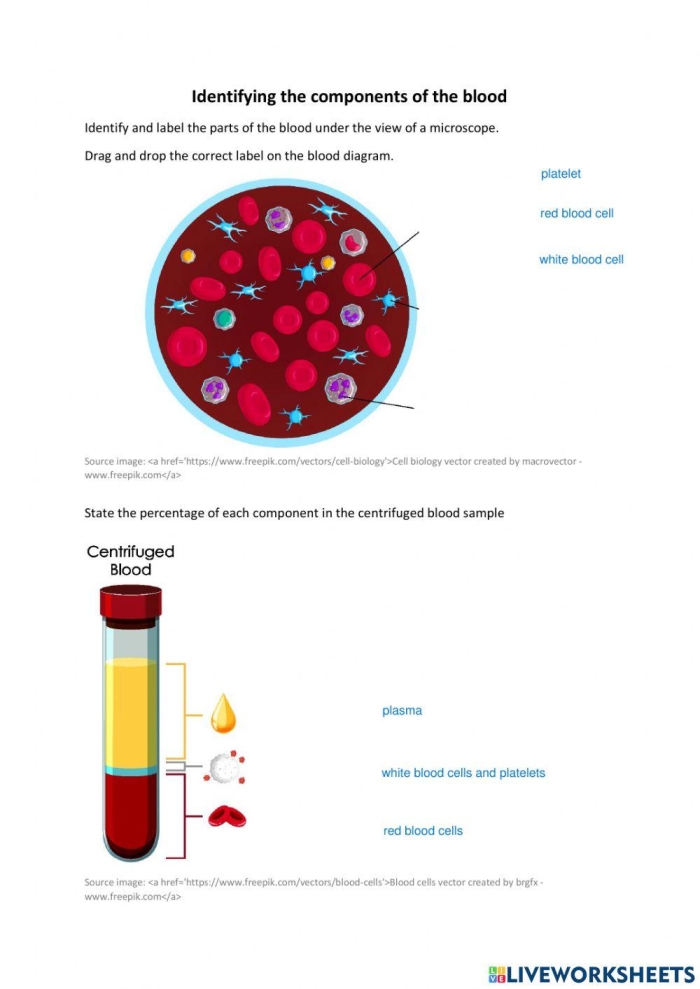
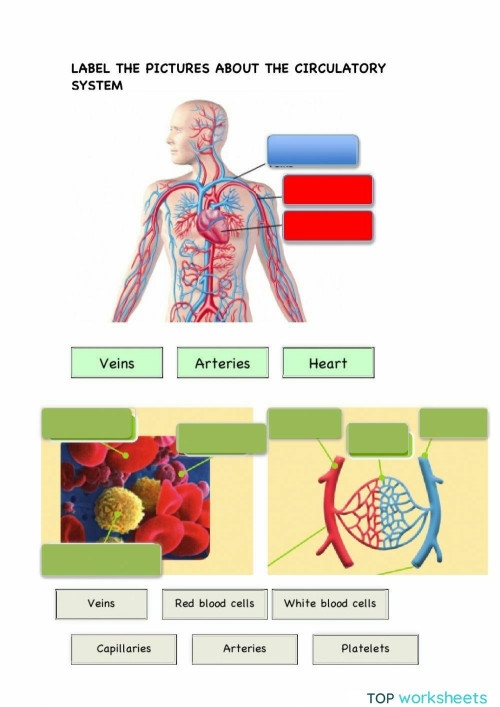
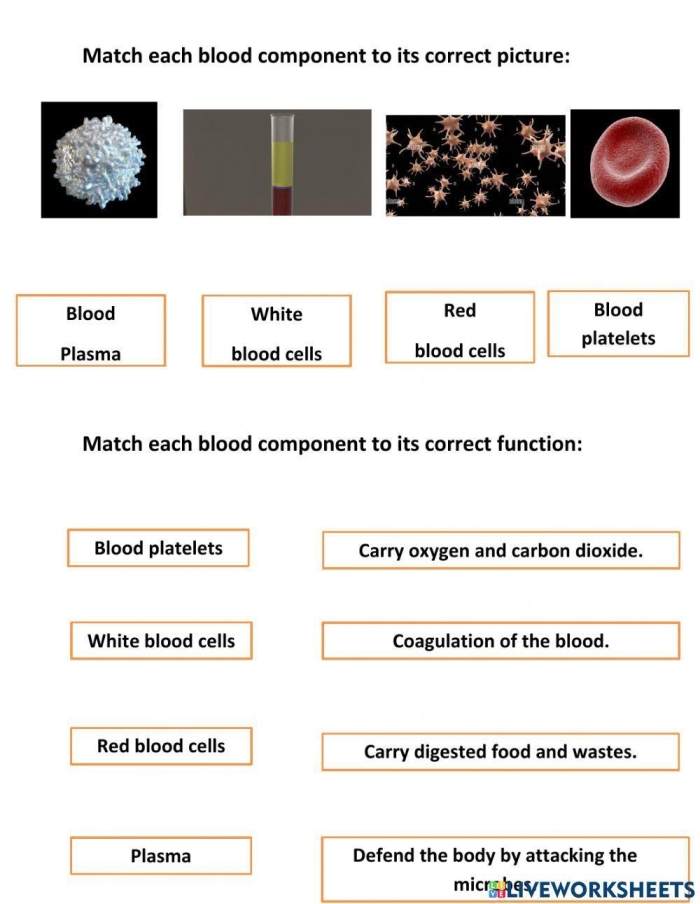
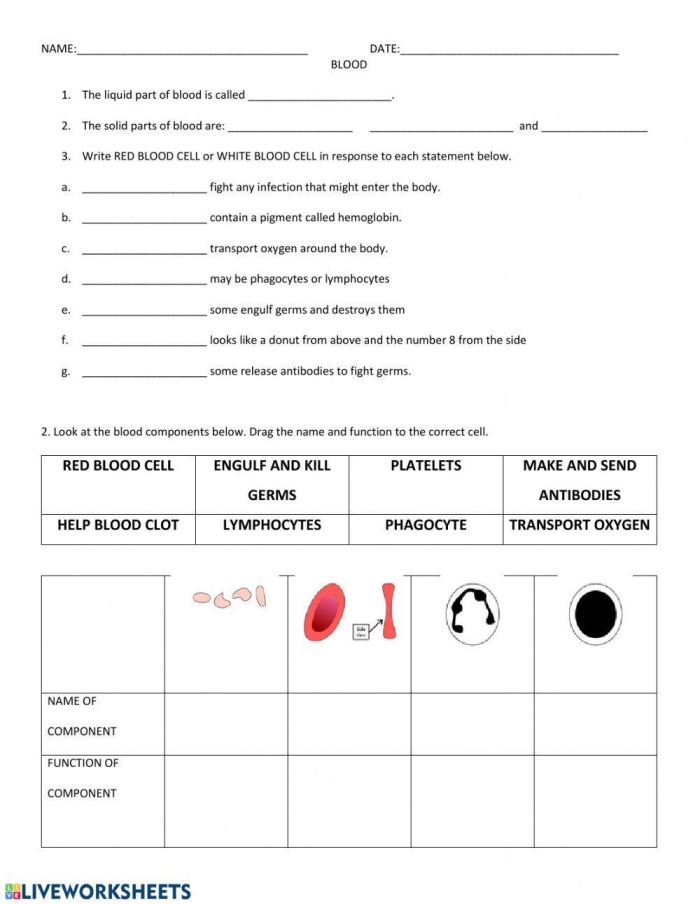
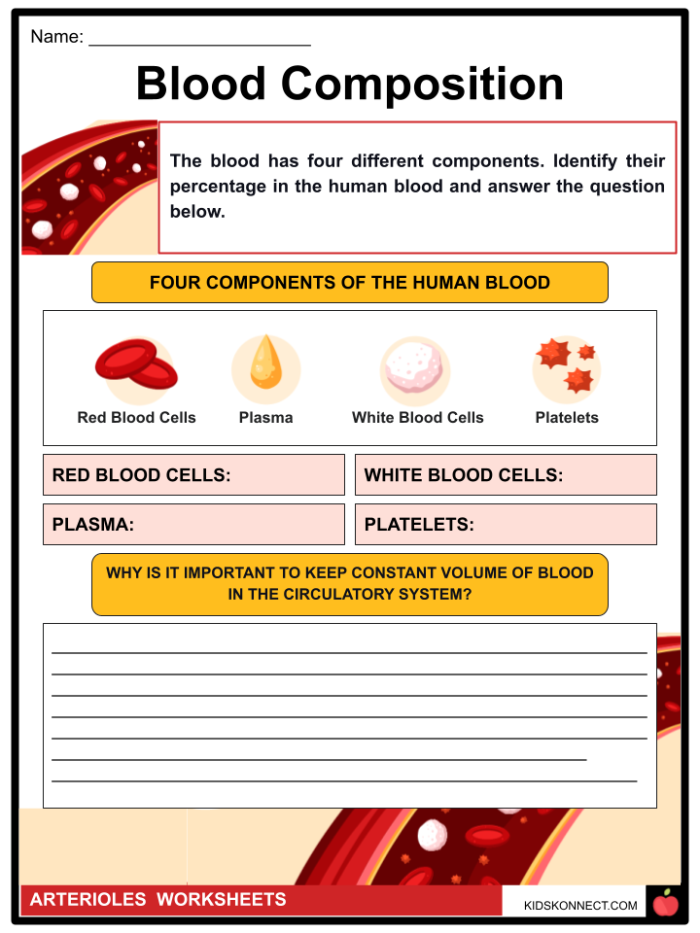
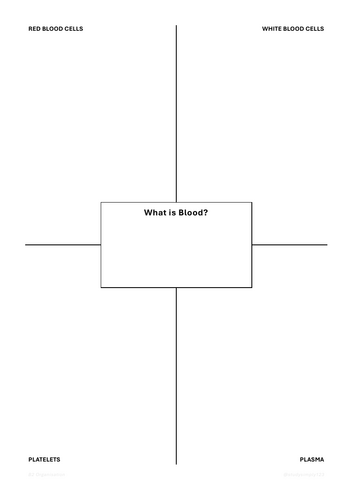
Blood isn’t just one substance. It’s made up of four main components working together. Red blood cells carry oxygen from your lungs to every part of your body, which is why they’re the most abundant cells in your blood. White blood cells act as your body’s defense team, fighting off infections and harmful invaders. Platelets are tiny fragments that help your blood clot when you get a cut, stopping the bleeding. All of these cells float in a yellowish liquid called plasma, which carries nutrients, hormones, and waste products throughout your body.
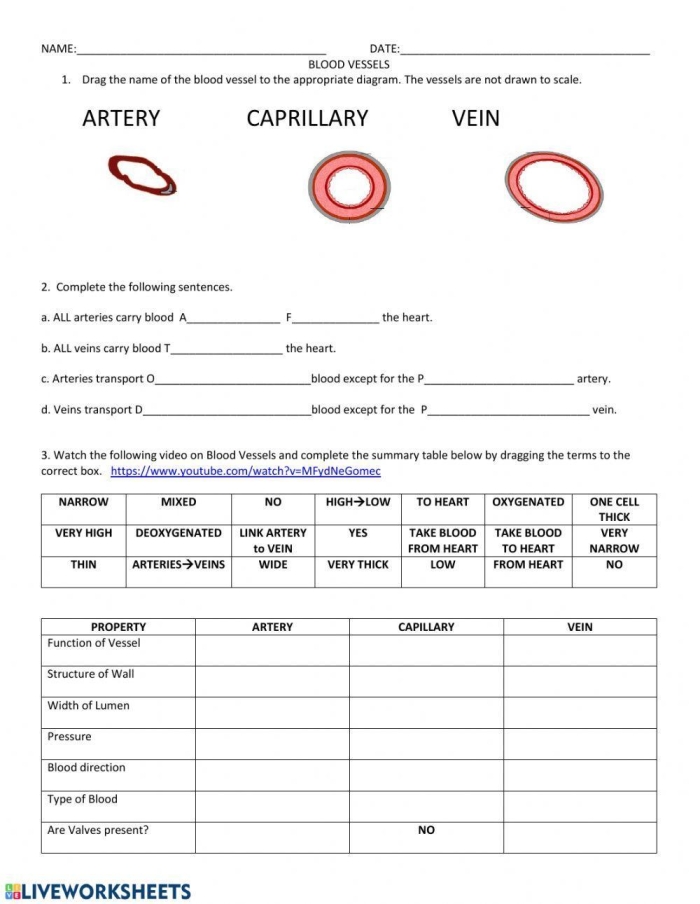
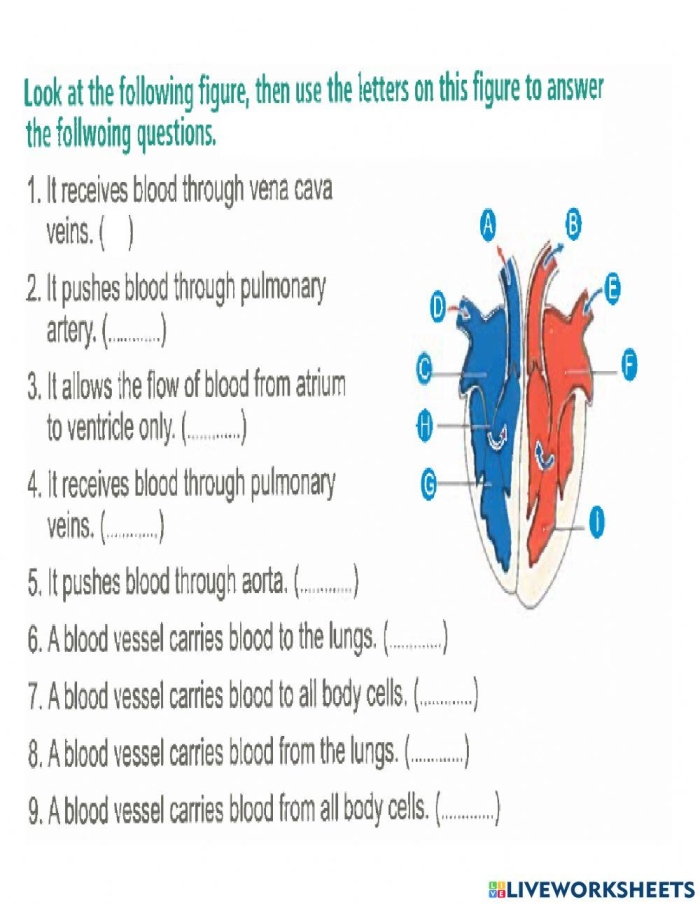
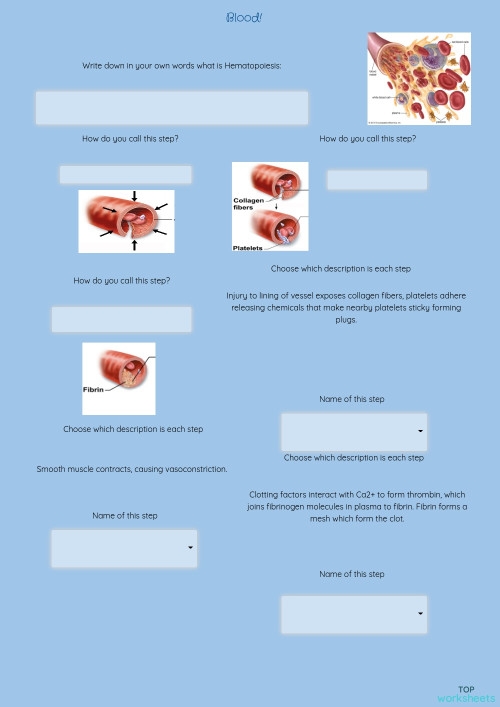
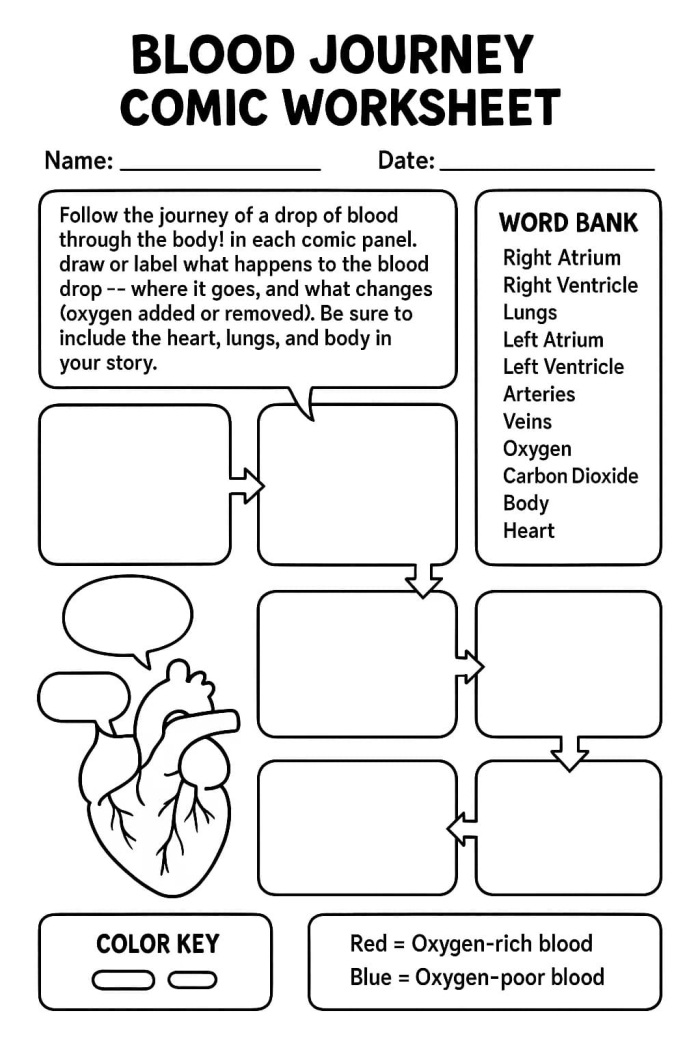
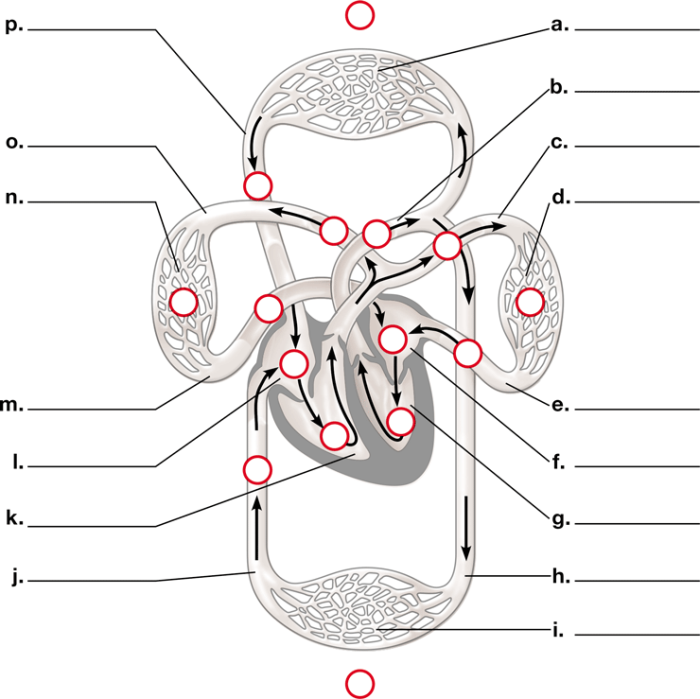
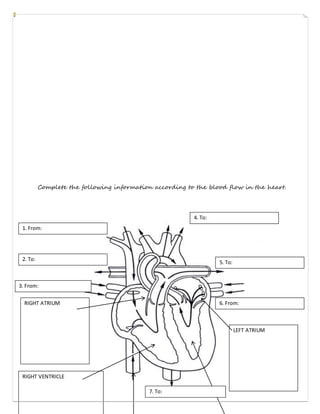
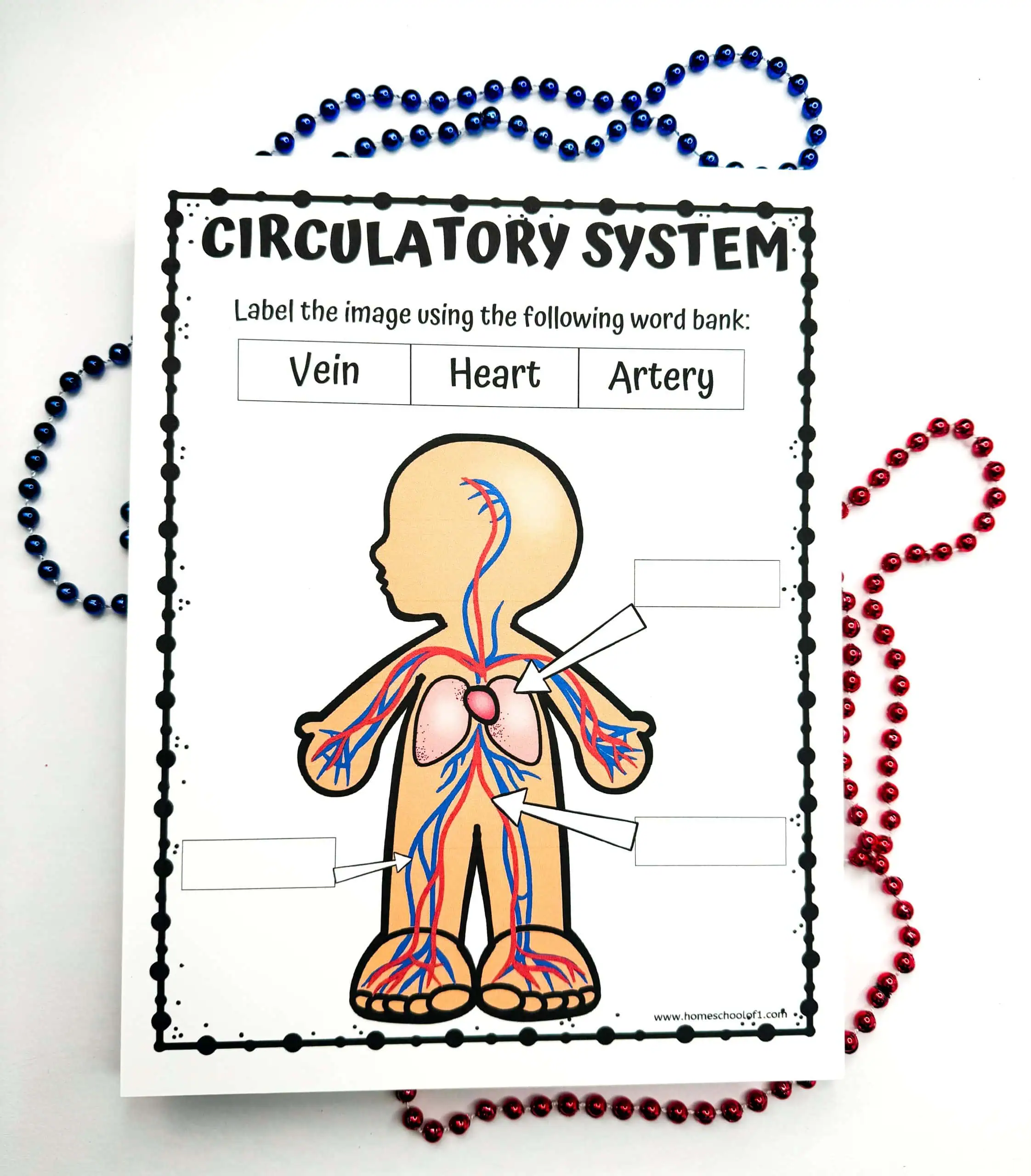
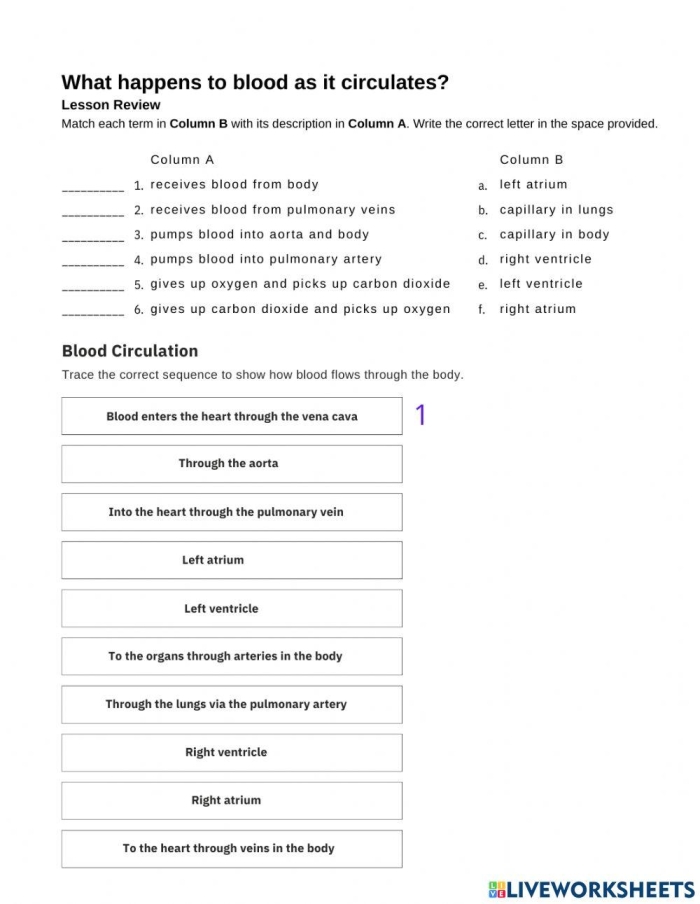
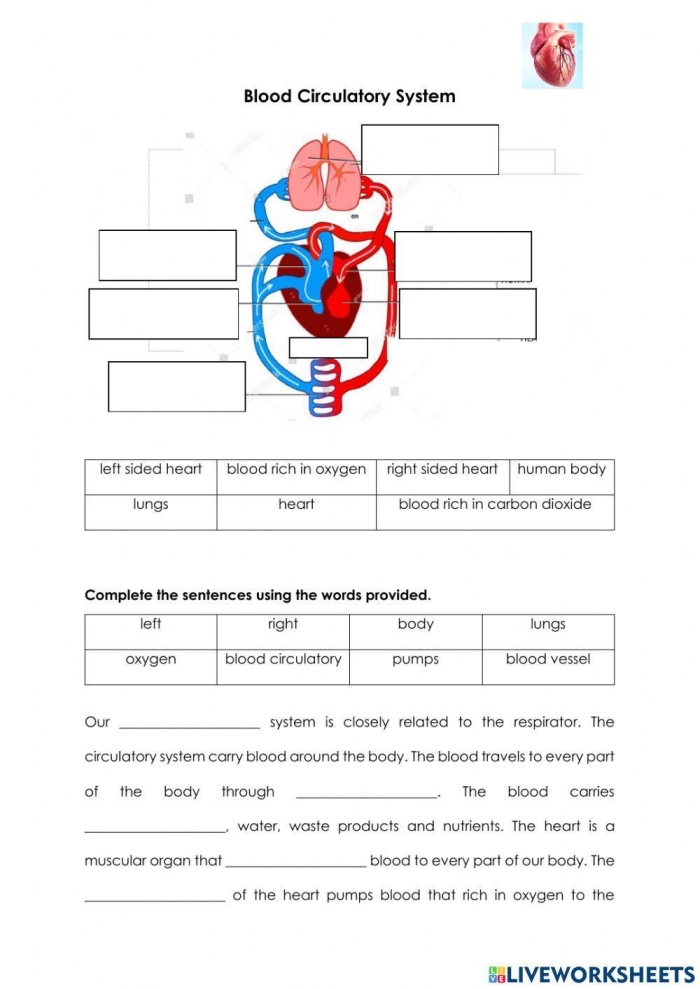
When you’re learning about the circulatory system in fourth grade life science, seeing how these components work together makes the concept stick. A printable blood worksheet gives you the chance to label diagrams, answer questions about blood composition, and trace how blood flows through your heart and vessels. This hands-on approach helps you remember what each part does.
The reason blood appears red is because of the iron in hemoglobin, a protein inside red blood cells. This protein grabs oxygen molecules and holds onto them until your cells need the oxygen. Without hemoglobin, your blood couldn’t deliver oxygen efficiently, and your body would struggle to function.
Working through a worksheet on blood composition reinforces how interconnected your body systems are. Your heart pumps, your lungs oxygenate, and your blood delivers. When you understand what’s in your blood and why each component matters, the entire circulatory system makes sense. Many fourth grade life science resources pair these worksheets with diagrams and activities that help you visualize the journey blood takes through your body.
Worksheet Practice Section