Population Growth Factors Worksheets for 6th Grade

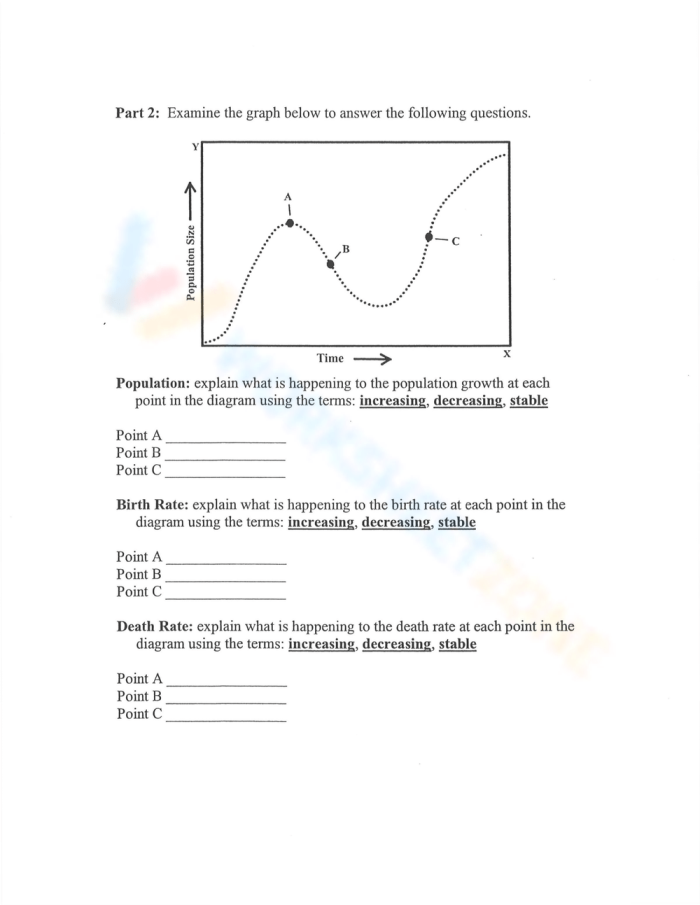
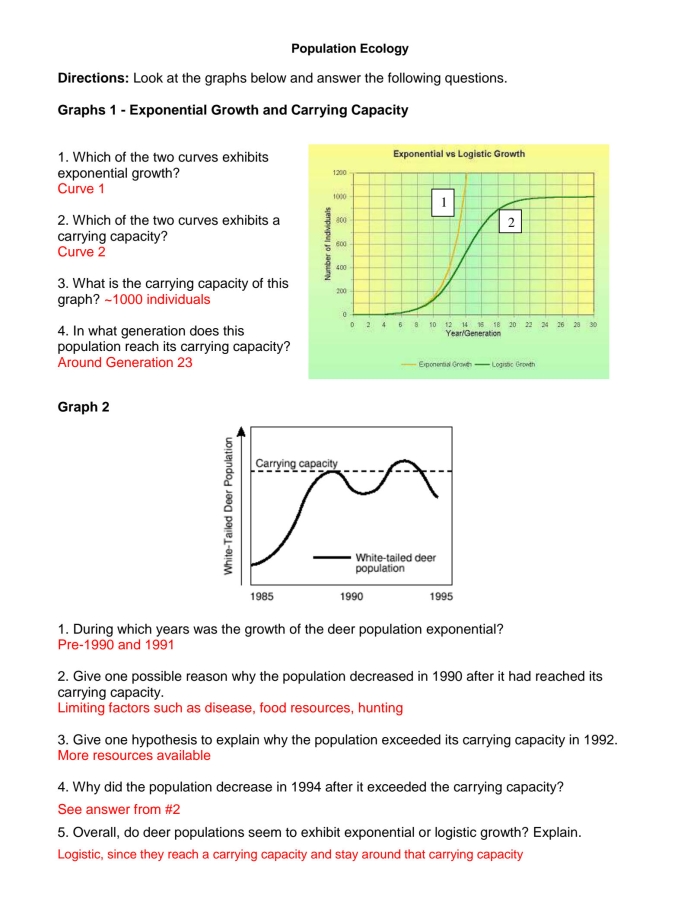
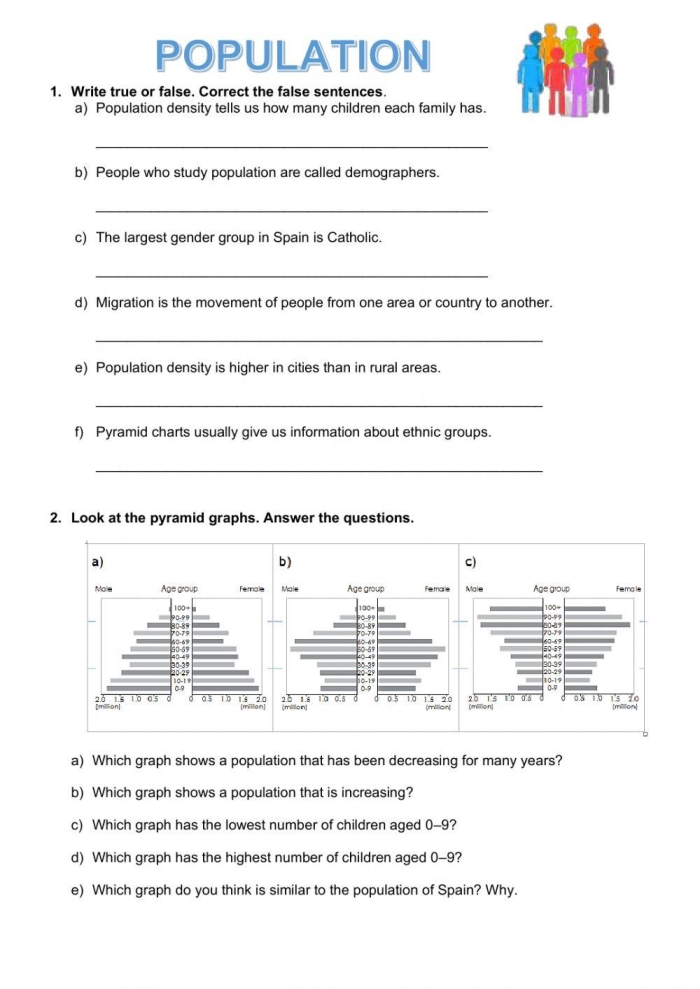
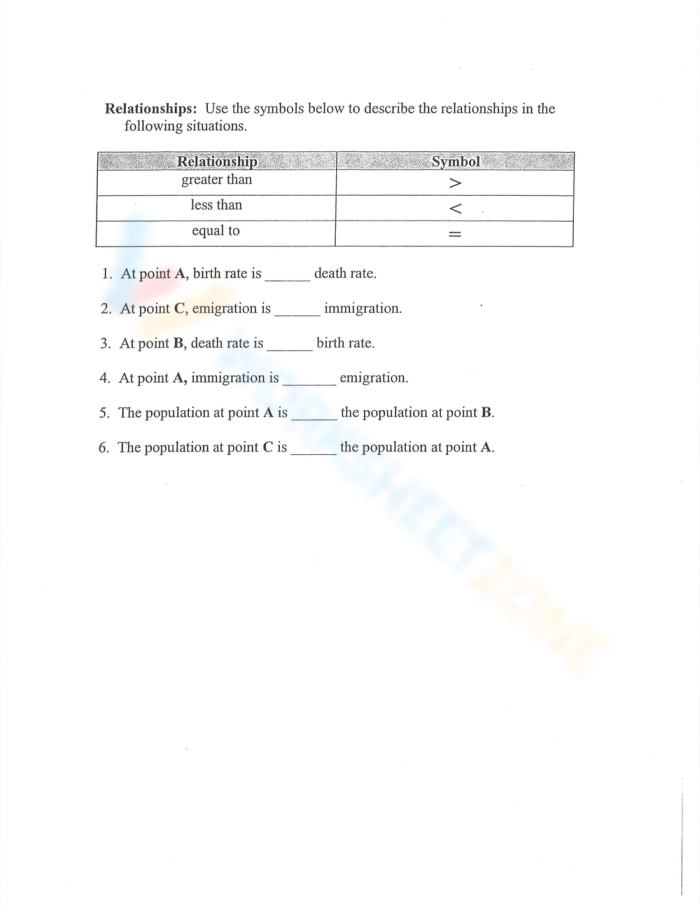
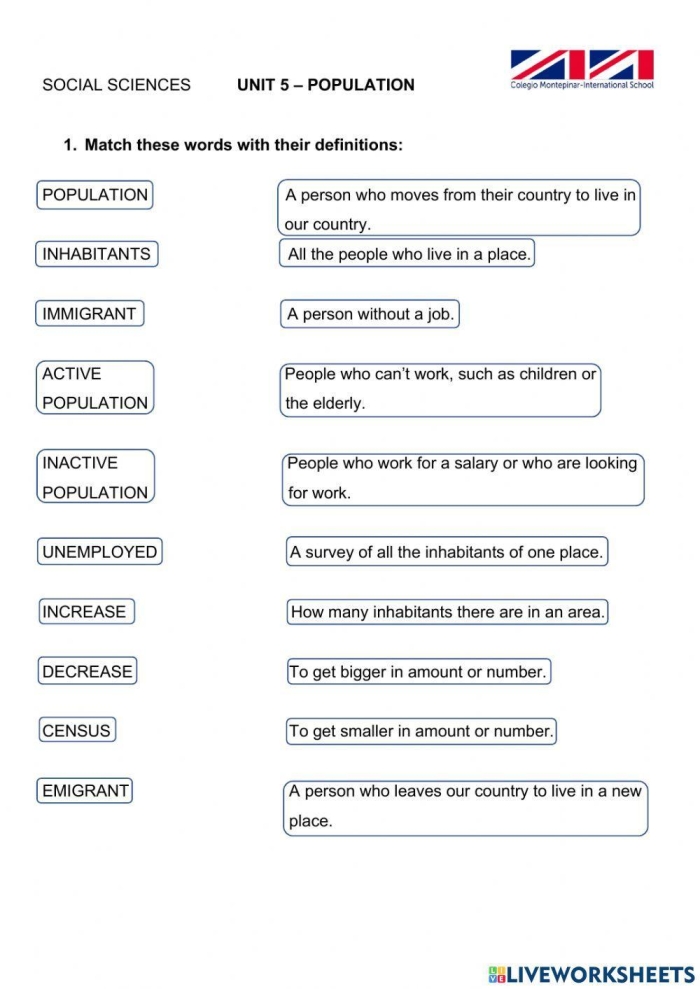
Worksheet illustrating population growth factors in a forest ecosystem with foxes and rabbits
Population Growth Factors Worksheet for Sixth Grade Algebra Students
Category: Algebra | Grade: Sixth Grade

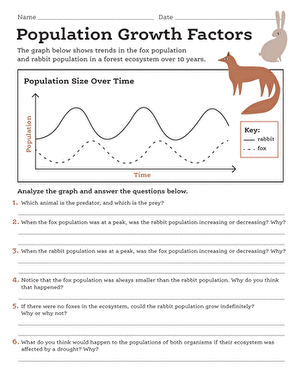
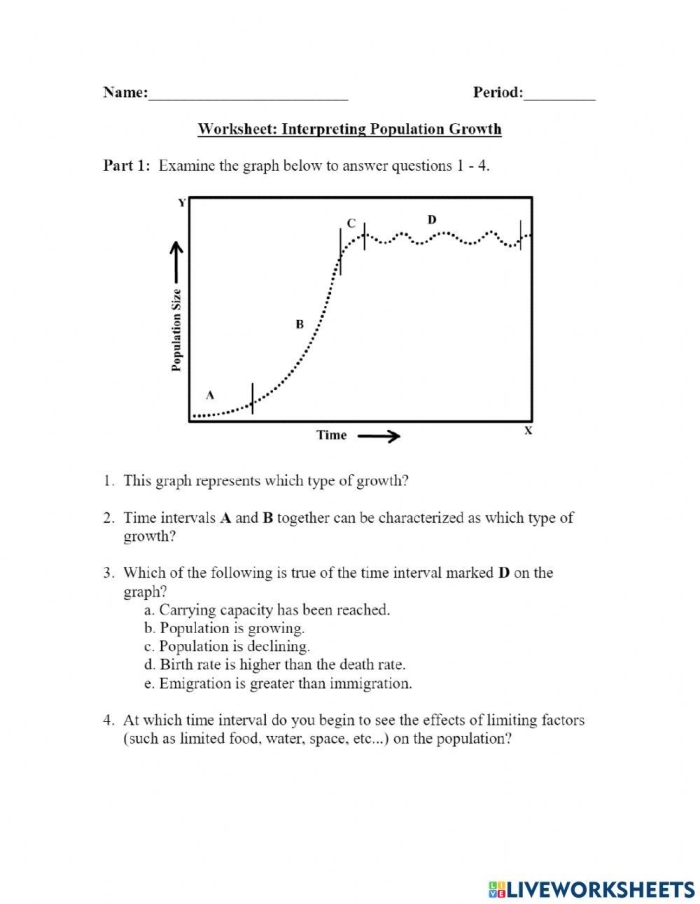
When sixth grade students first encounter population dynamics, the fox and rabbit scenario makes the concept click in ways that abstract numbers never could. This classic ecological model shows how two species influence each other’s numbers in a continuous cycle, and it reveals why populations don’t simply grow forever.

Here’s how the relationship works: rabbits multiply quickly when foxes are scarce, giving them abundant food. As the rabbit population explodes, foxes have plenty to eat, so their numbers increase too. Eventually, there are so many foxes that they hunt rabbits faster than new rabbits are born. The rabbit population crashes, and soon after, foxes starve because their food source disappeared. With fewer predators around, rabbits begin reproducing again, and the cycle repeats.

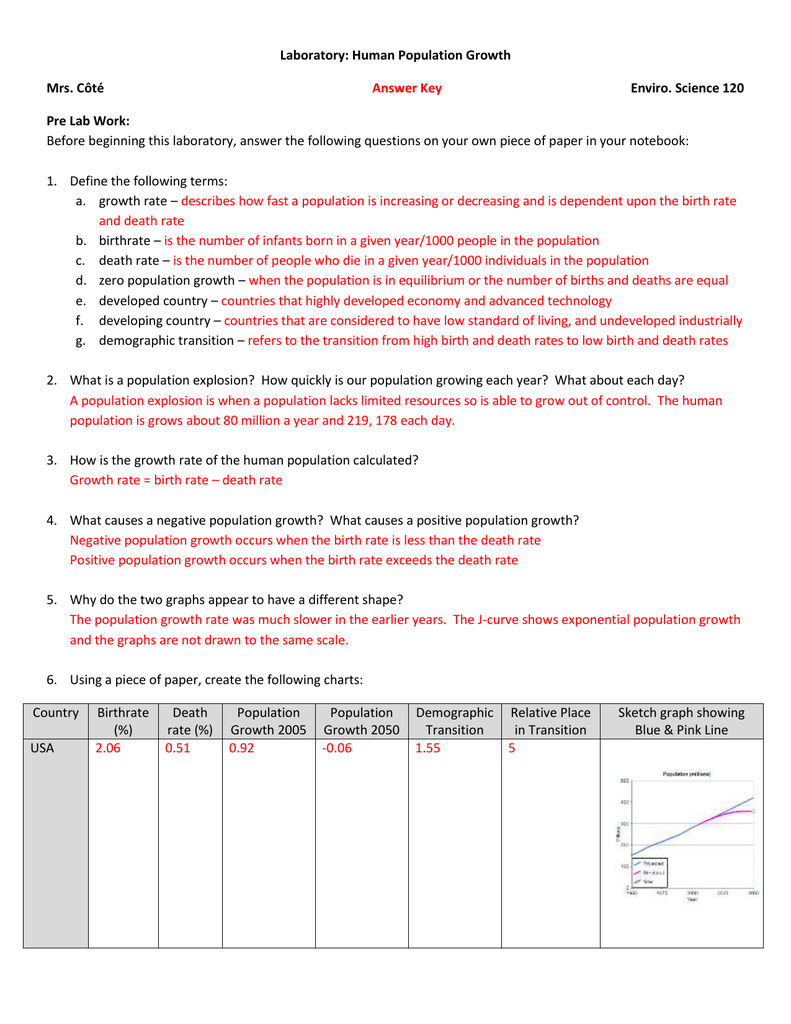
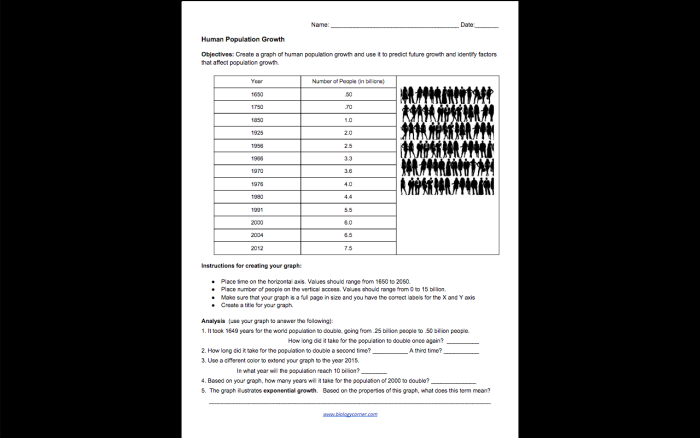
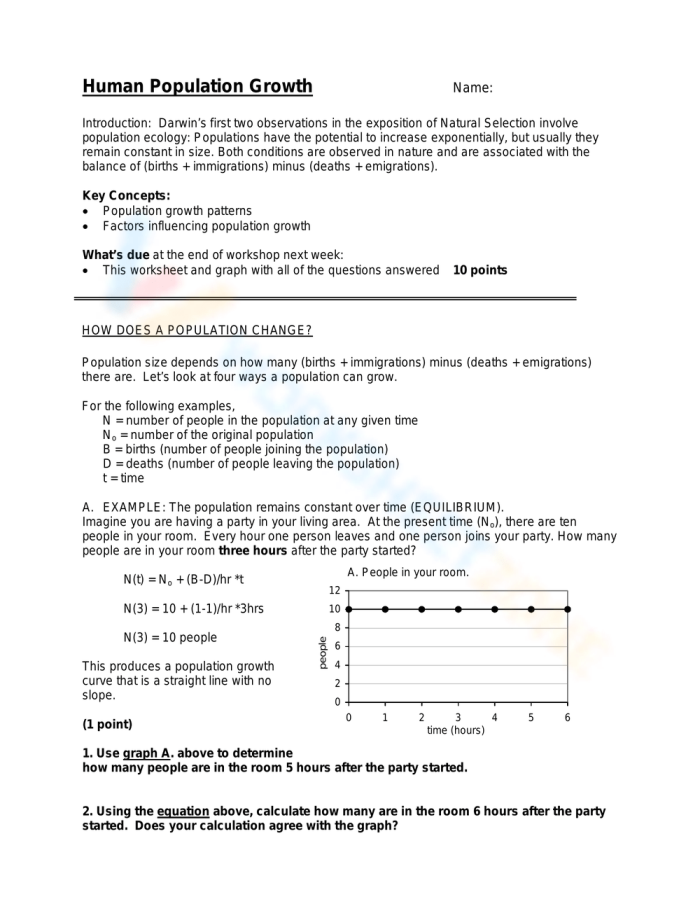
This predator-prey dynamic teaches students why populations naturally rise and fall rather than remain stable. In algebra coursework, students use this pattern to write equations that predict future population sizes based on current conditions. They might calculate how many rabbits exist after three seasons, or determine when the fox population peaks relative to the rabbit population.

The forest ecosystem context makes the math tangible. Rather than solving generic word problems, students see that their equations describe real relationships happening in nature right now. They understand that a population growth factor depends on available resources, not just time passing.

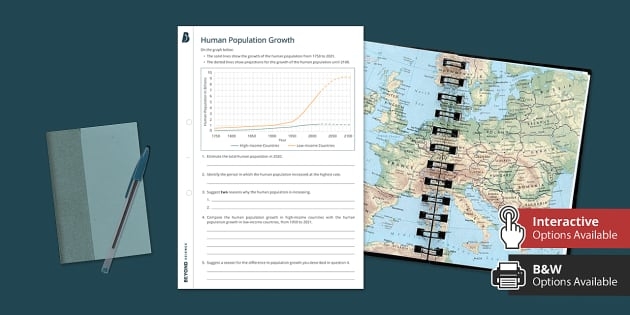
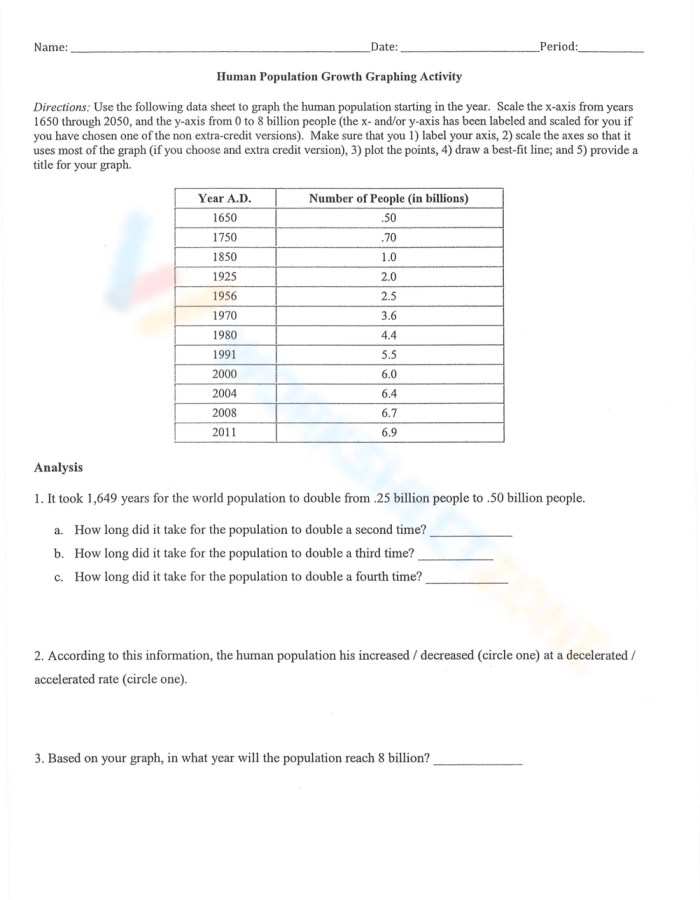
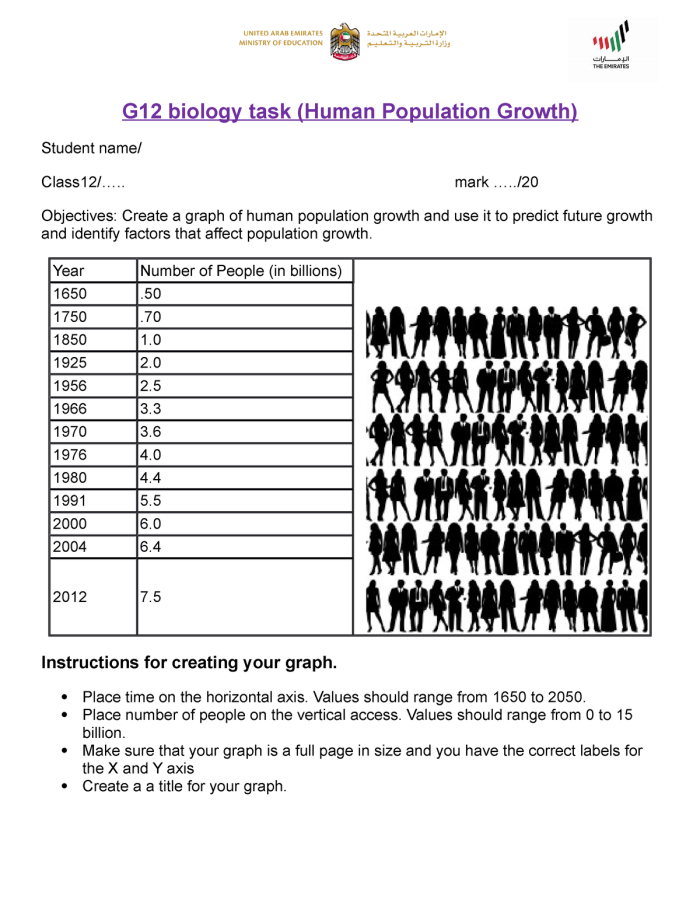
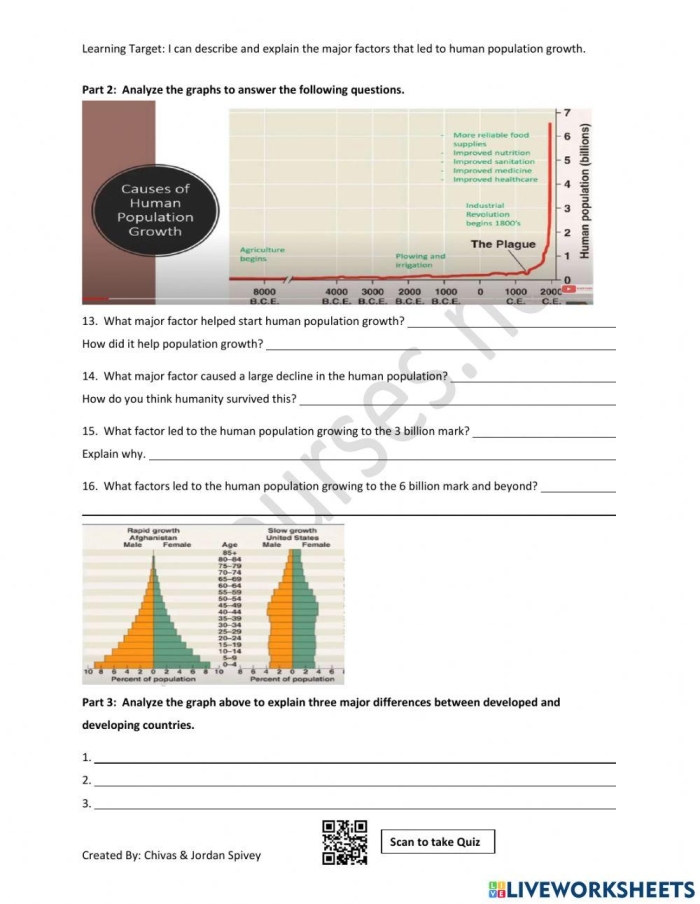
Teachers often pair this lesson with activities that let students graph the populations over time, watching the wave-like pattern emerge. Some classrooms use simulations where students physically move around as foxes and rabbits, experiencing how quickly dynamics shift when conditions change.

For reinforcement, students benefit from structured practice. Writing about ecological relationships helps solidify understanding, while practicing numerical operations builds the computational skills needed for population equations. This combination of real-world context and mathematical practice creates lasting comprehension of how ecosystems actually function.


Printable Worksheets for Practice
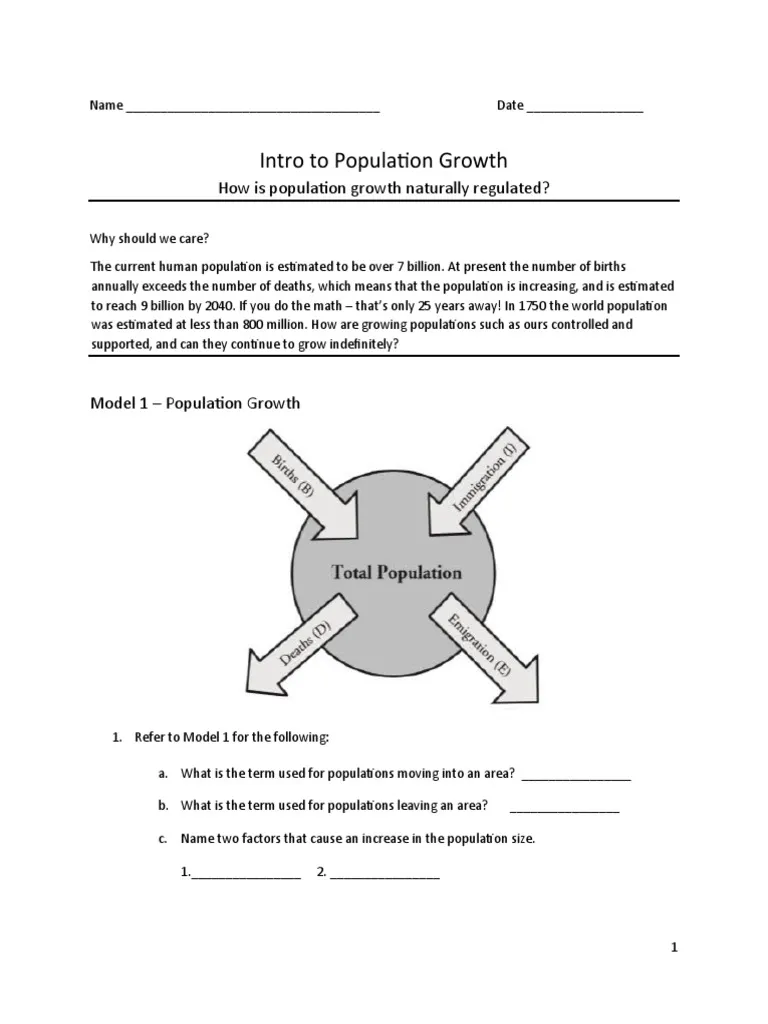
Worksheet illustrating population growth factors in a forest ecosystem with foxes and rabbits
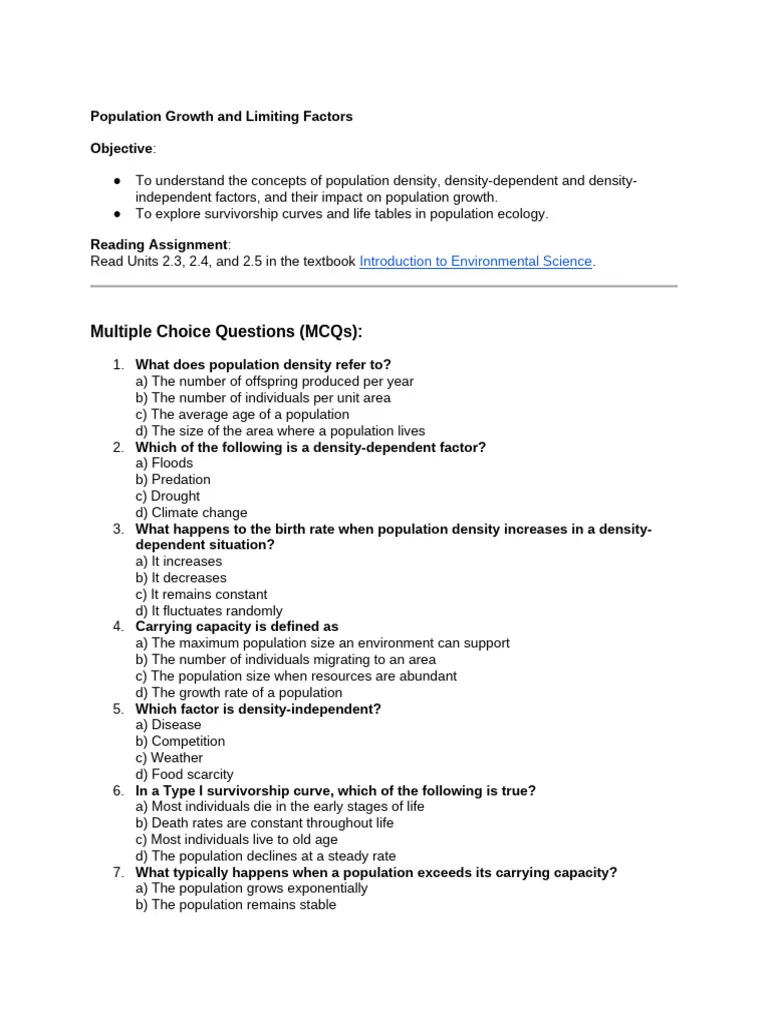
Sixth grade students analyzing fox and rabbit population trends on a math worksheet
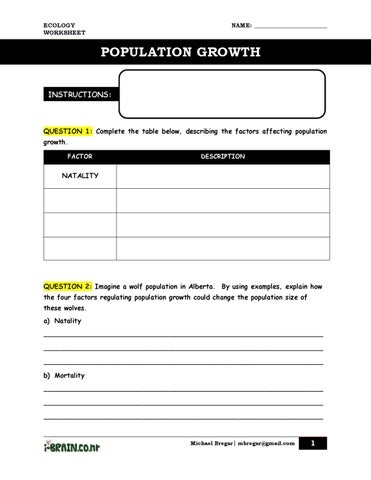
Worksheet illustrating population growth factors in a forest ecosystem featuring fox and rabbit dynamics
Sixth grade algebra worksheet showing a graph of rabbit and fox population dynamics in a forest
Students analyze fox and rabbit populations in a forest ecosystem for the Population Growth Factors worksheet. Engaging worksheet image illustrating population dynamics for sixth graders.
Worksheet illustrating population growth factors in a forest ecosystem focusing on fox and rabbit dynamics
Sixth grade math worksheet depicting fox and rabbit population trends in a forest ecosystem
Students analyze the population growth of foxes and rabbits in a forest ecosystem. Population Growth Factors worksheet for sixth-grade algebra students.
Illustration depicting a worksheet on factors affecting population growth of foxes and rabbits in a forest ecosystem
Worksheet illustrating population growth factors using fox and rabbit dynamics in a forest ecosystem
Worksheet illustrating population growth factors in a forest ecosystem with fox and rabbit examples
Sixth grade algebra worksheet showing fox and rabbit population trends in a forest ecosystem
Sixth grade math worksheet depicting fox and rabbit population trends in a forest ecosystem
Sixth grade algebra worksheet showing rabbit and fox population growth trends in a forest
Sixth grade students analyzing forest fox and rabbit population trends in an algebra worksheet
Worksheet illustrating population growth factors using fox and rabbit dynamics in a forest ecosystem
Sixth grade algebra worksheet showing fox and rabbit population trends in a forest ecosystem
Worksheet illustrating population growth factors for fox and rabbit species in a forest ecosystem
Worksheet illustrating population growth factors using fox and rabbit dynamics in a forest ecosystem
Sixth grade students analyze forest ecosystem data to calculate fox and rabbit population growth factors in this algebra worksheet
Sixth grade math worksheet featuring a word problem about fox and rabbit population trends
Worksheet illustrating the impact of population growth factors on fox and rabbit ecosystems
Sixth grade math worksheet explaining fox and rabbit population growth factors in a forest
Sixth grade math worksheet showing a fox and rabbit forest population growth graph
Worksheet illustrating population growth factors in a forest ecosystem with fox and rabbit dynamics

Leave a Reply

Your email address will not be published. Required fields are marked *