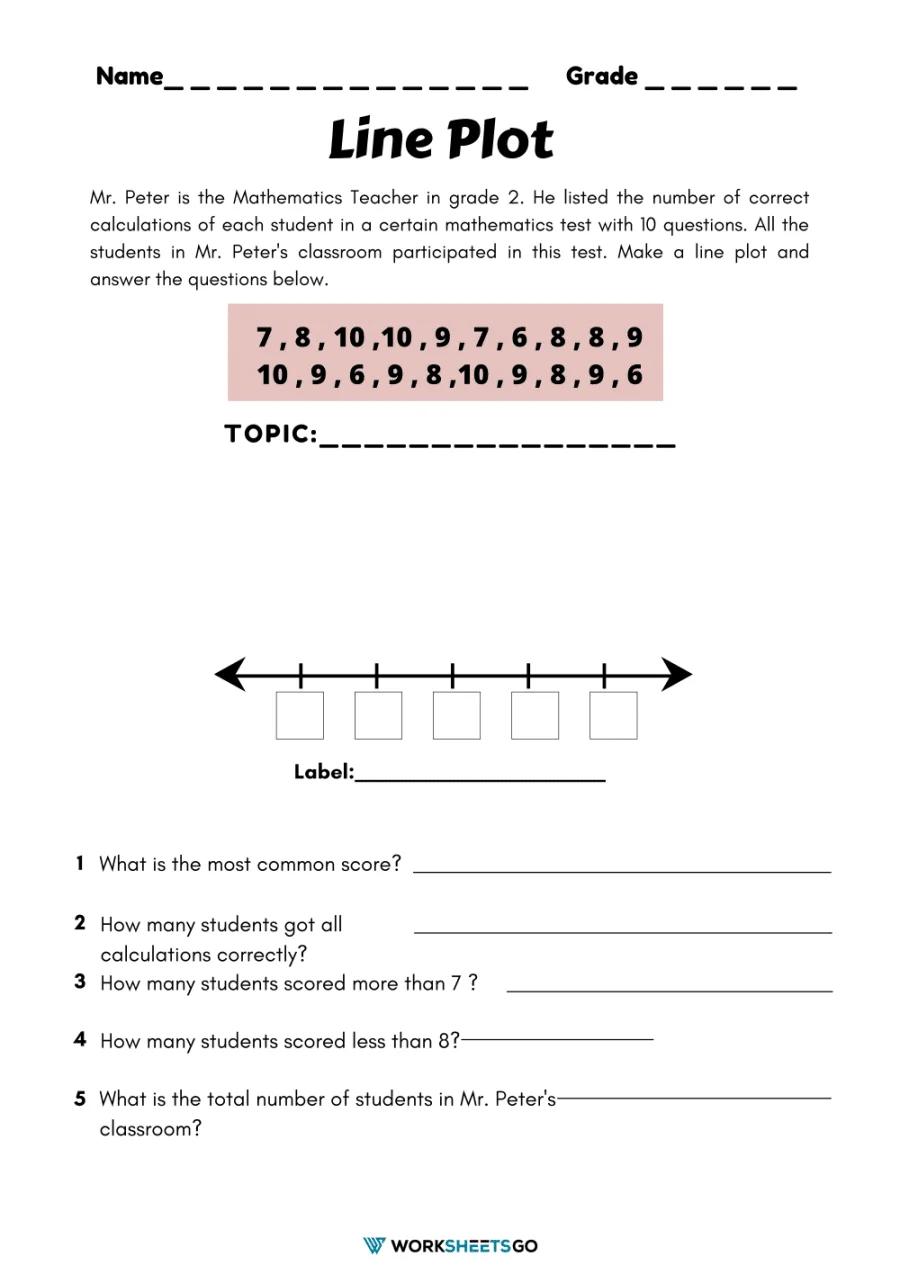
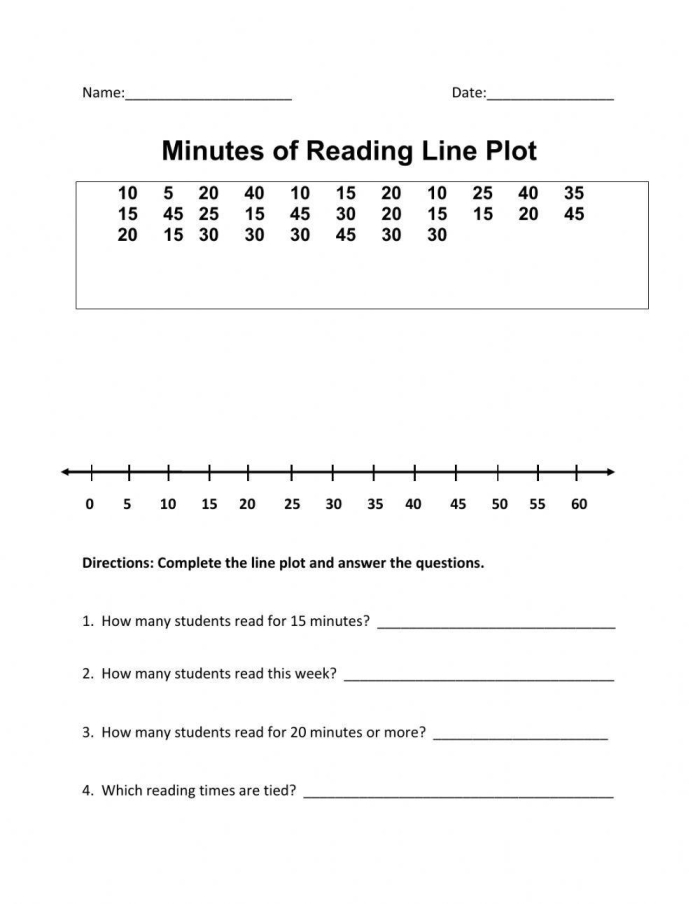
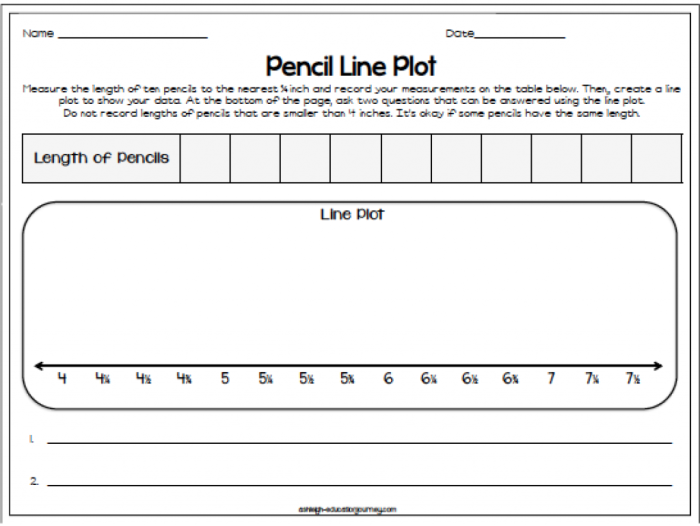
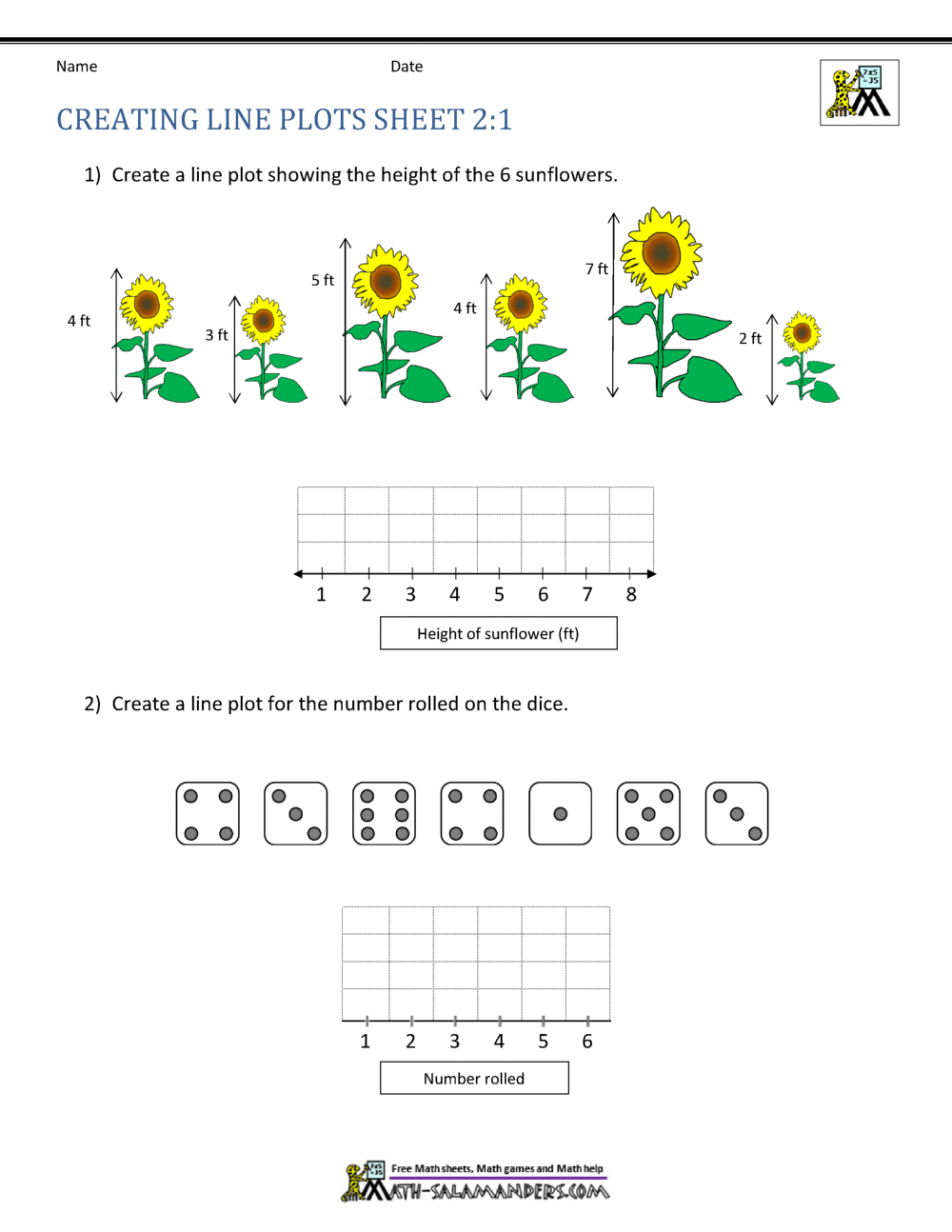
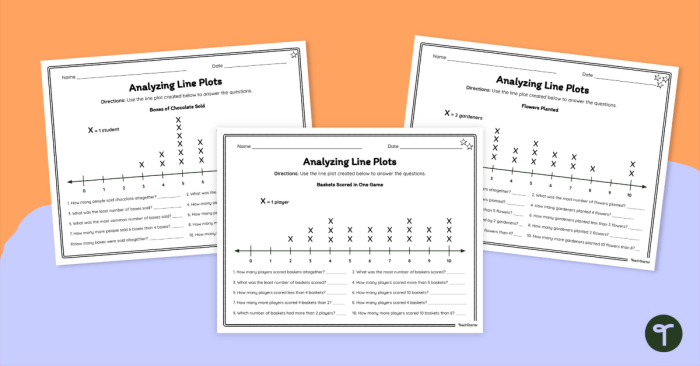
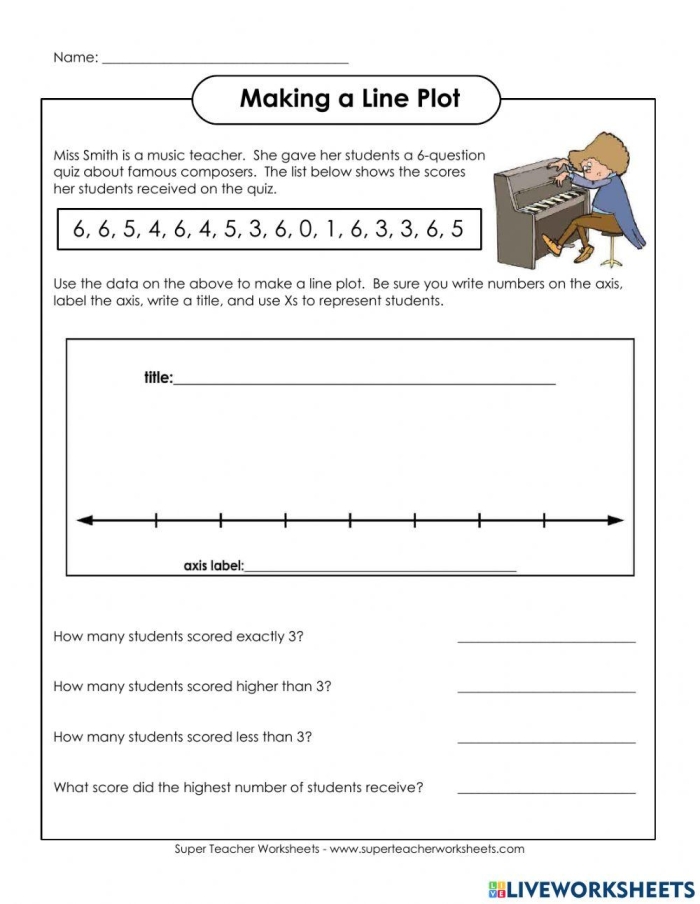
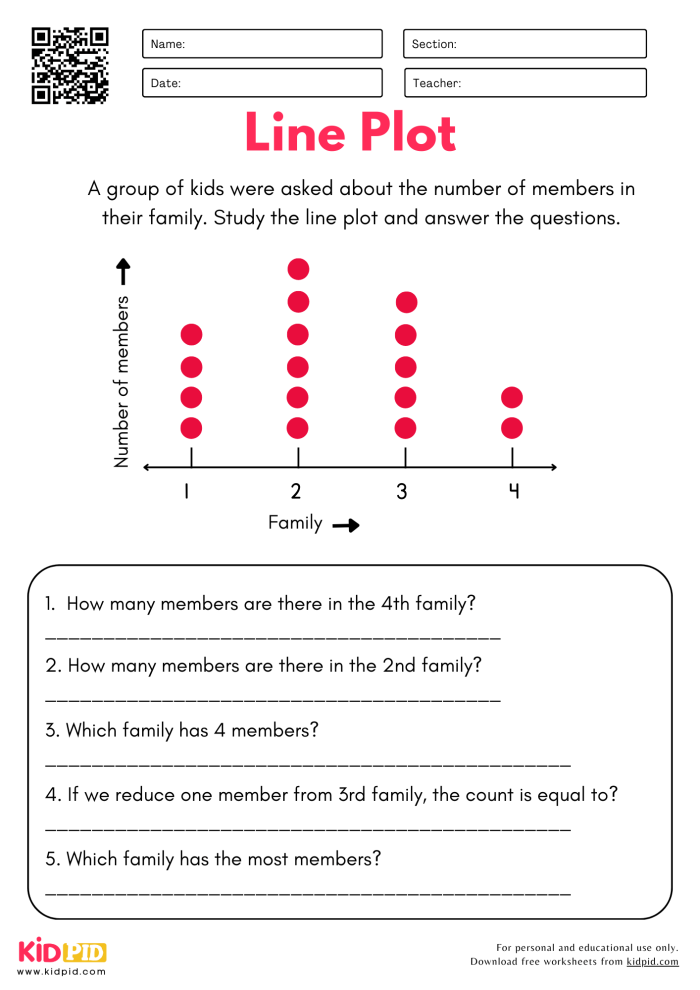
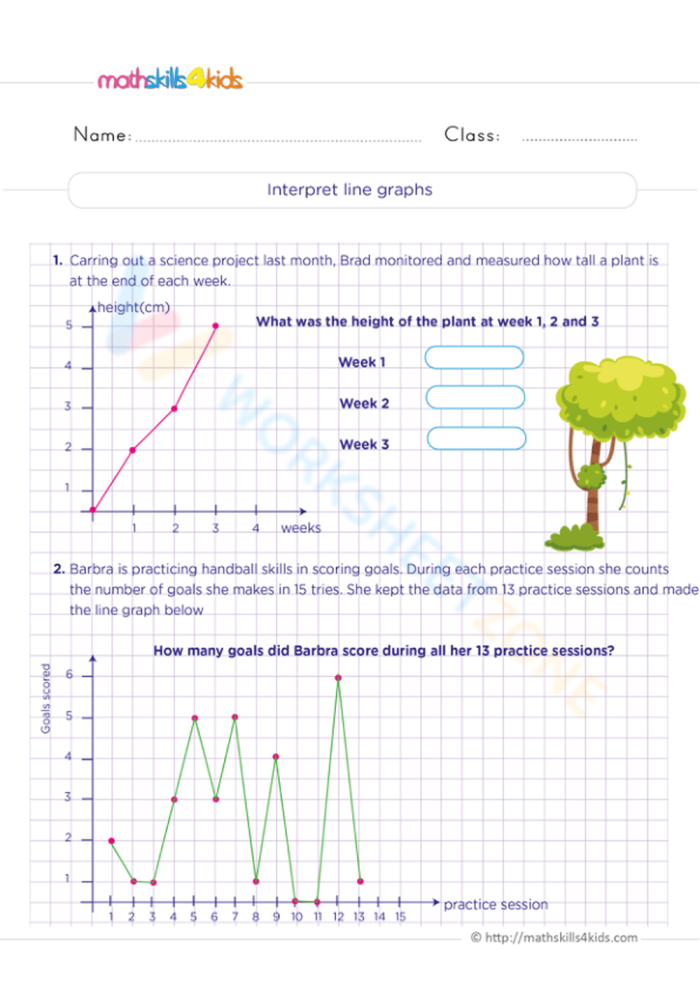
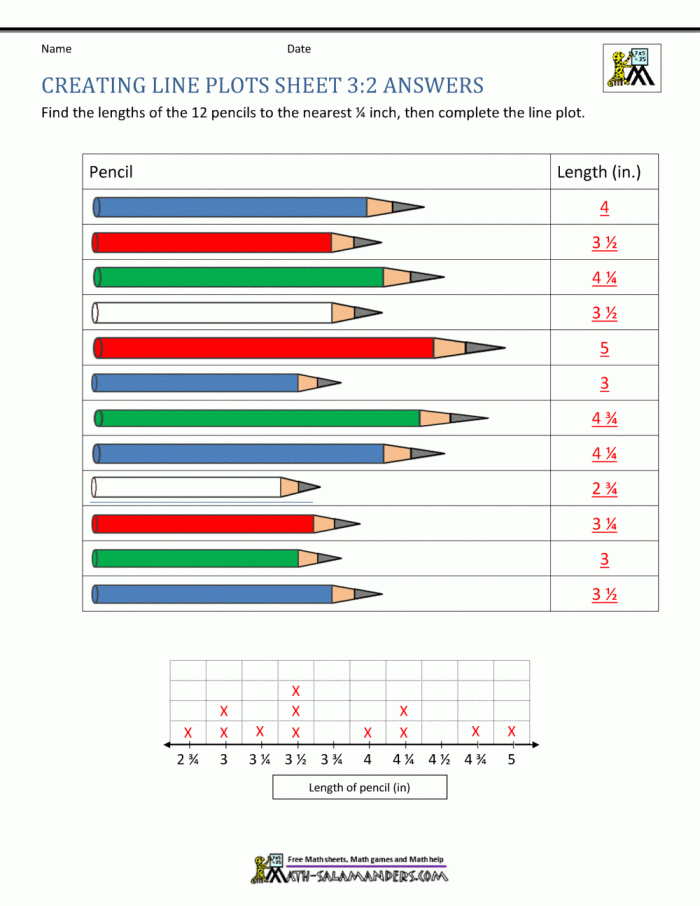
Line plots might seem simple at first glance, but they teach second grade students a fundamental skill: reading and interpreting data in its most basic visual form. When students work through a graphing and data worksheet focused on line plots, they’re building the foundation for more complex data analysis later on.
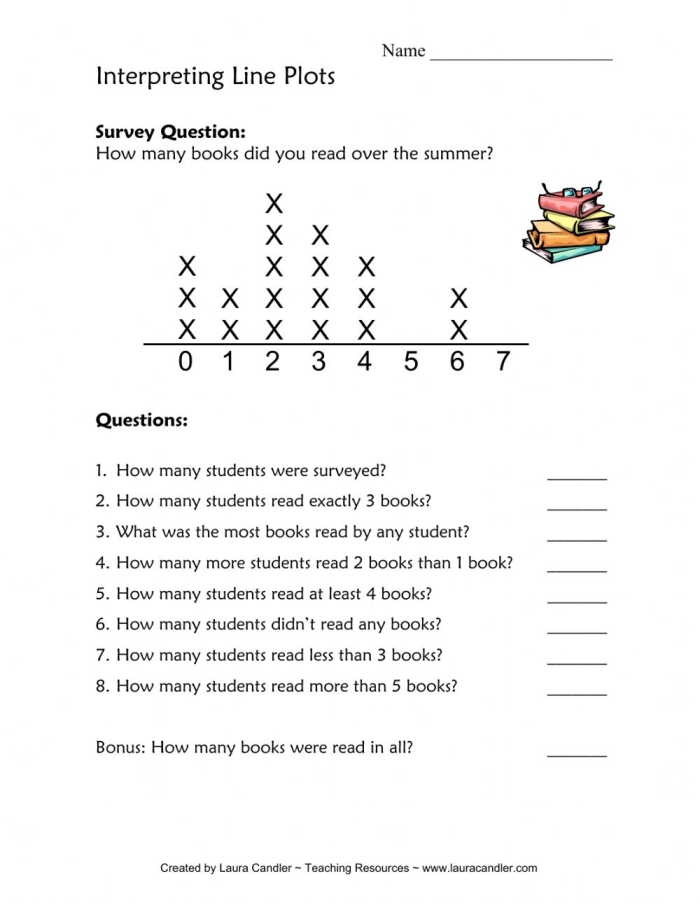
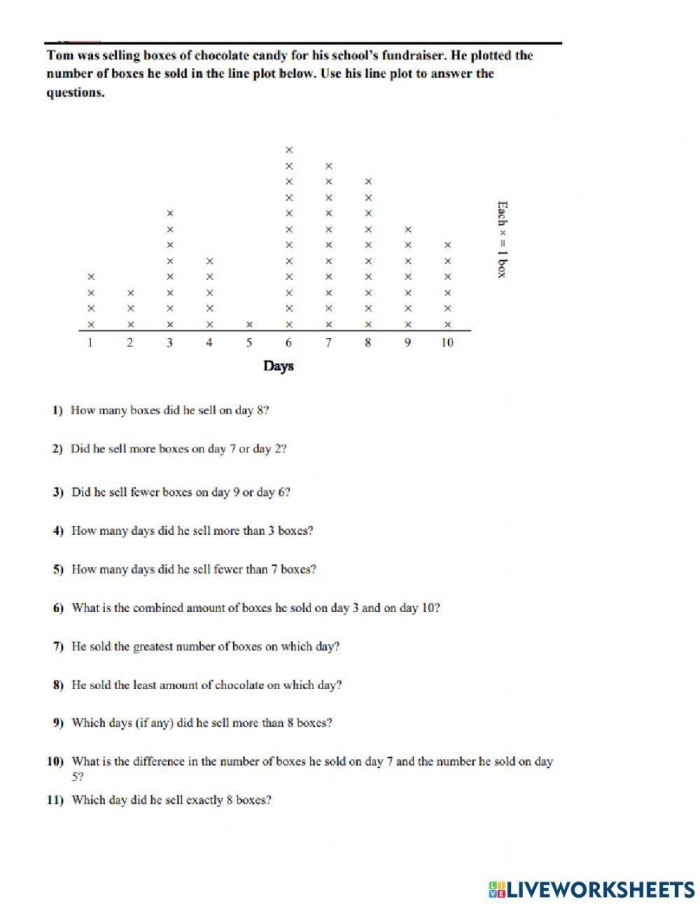
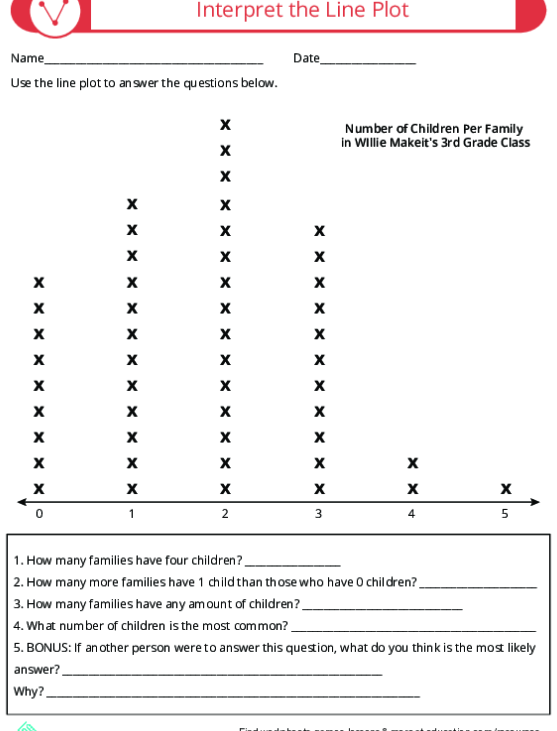
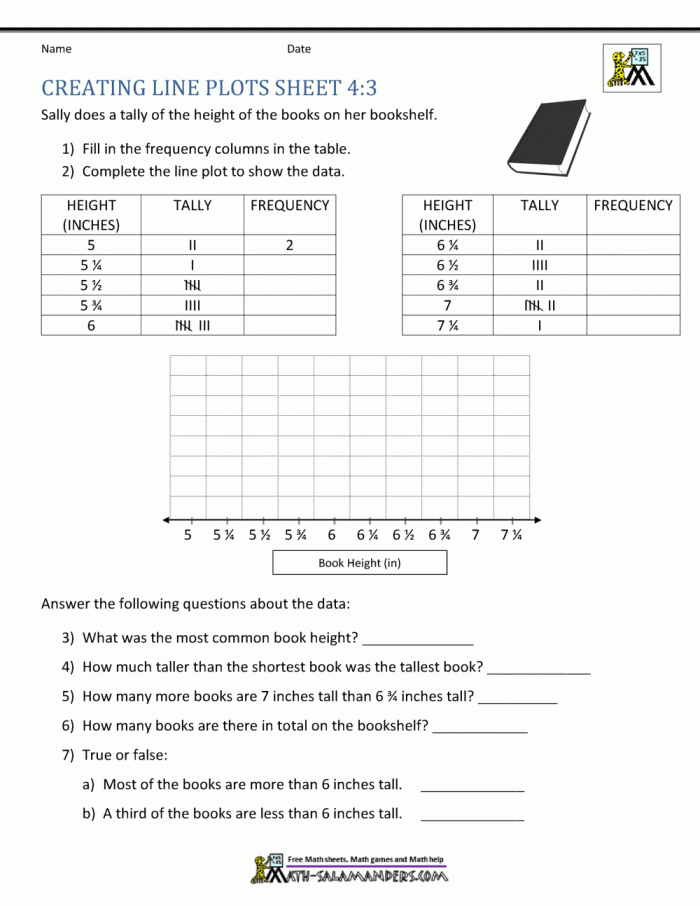
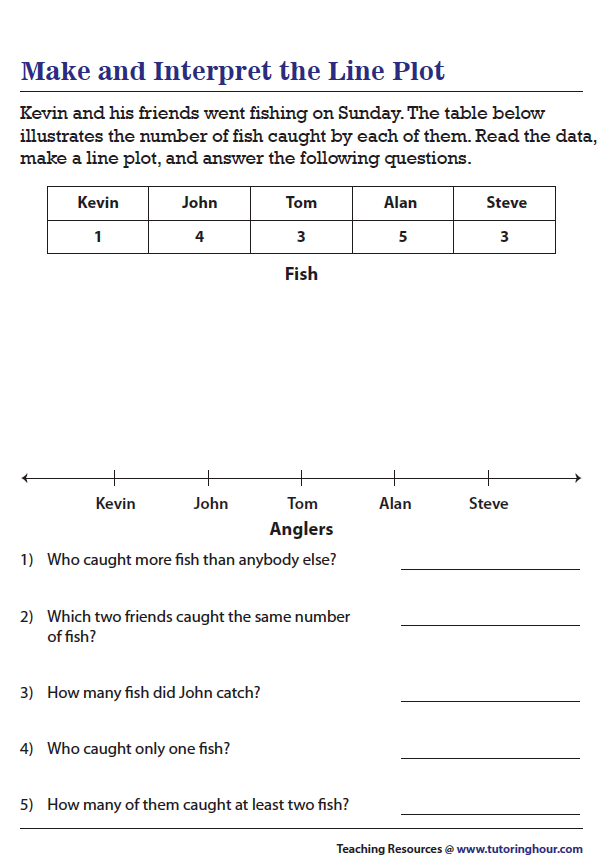
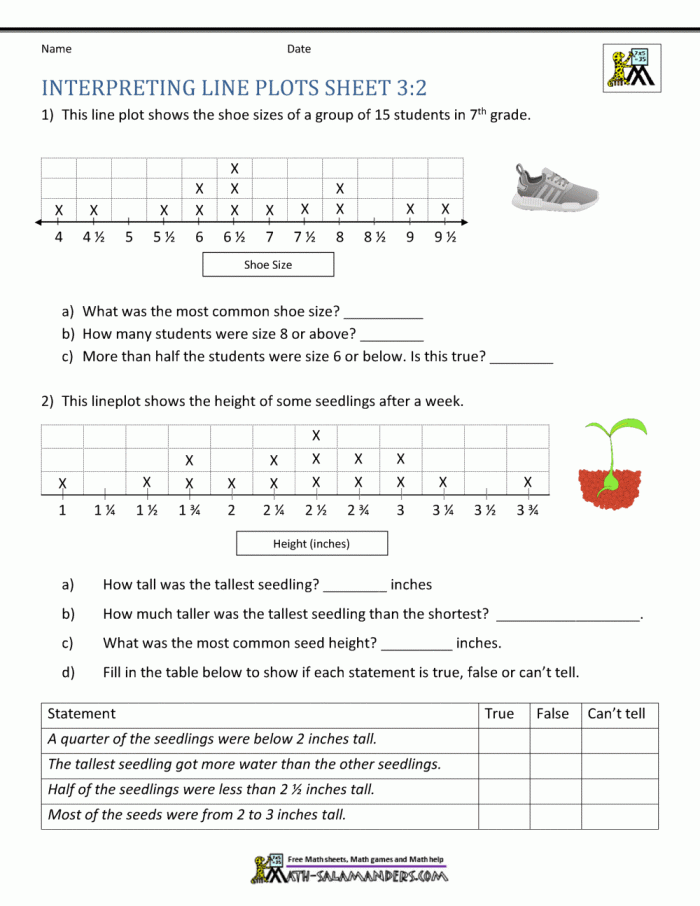
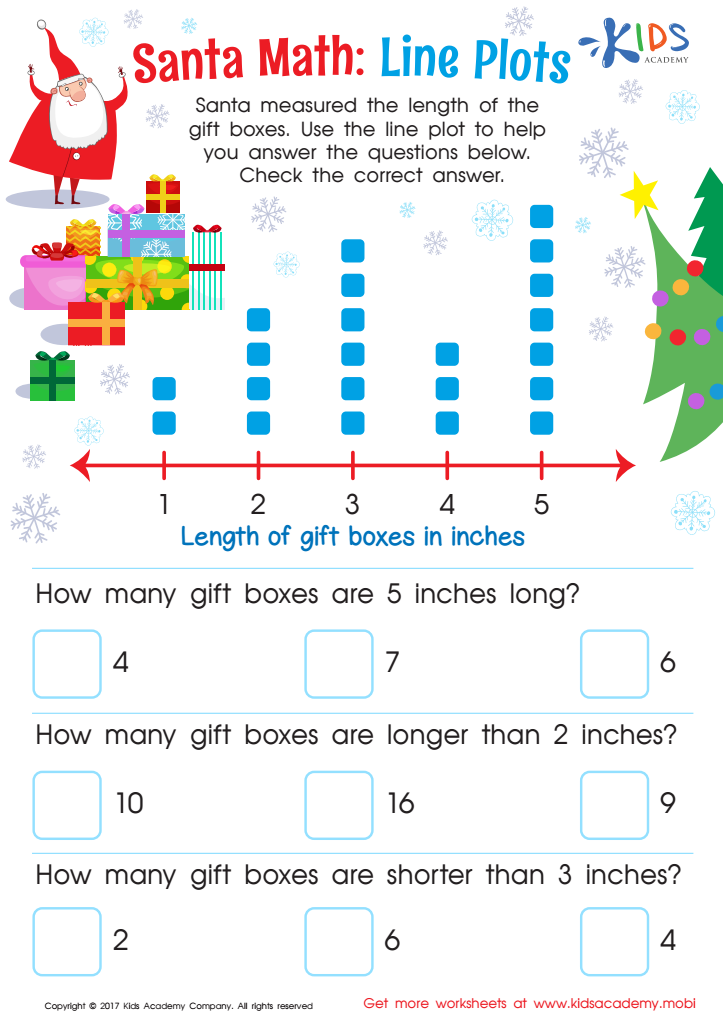
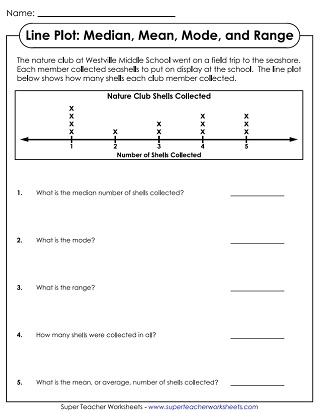
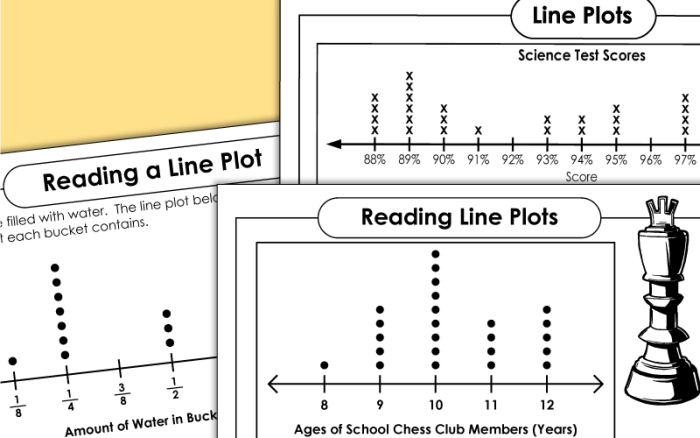
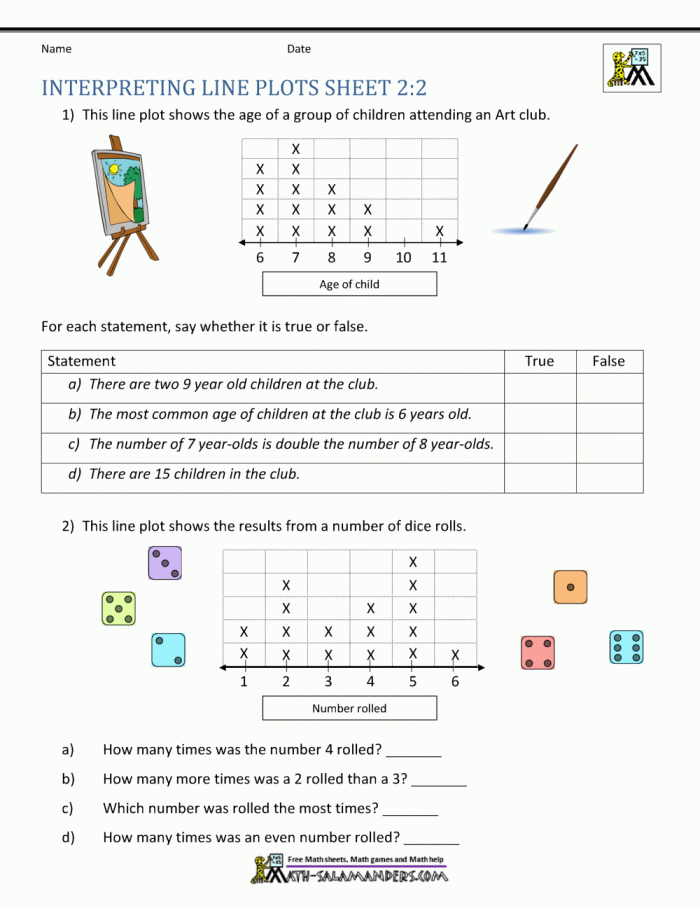
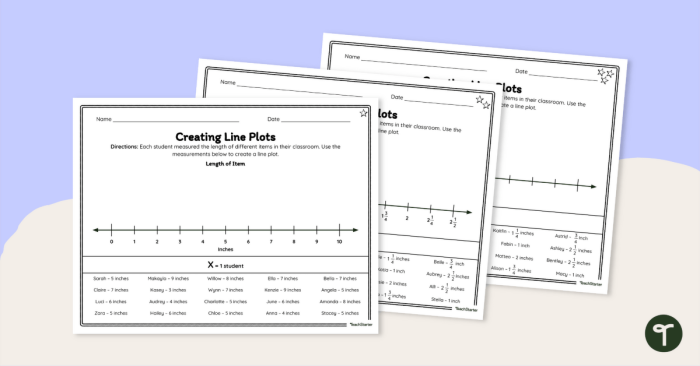
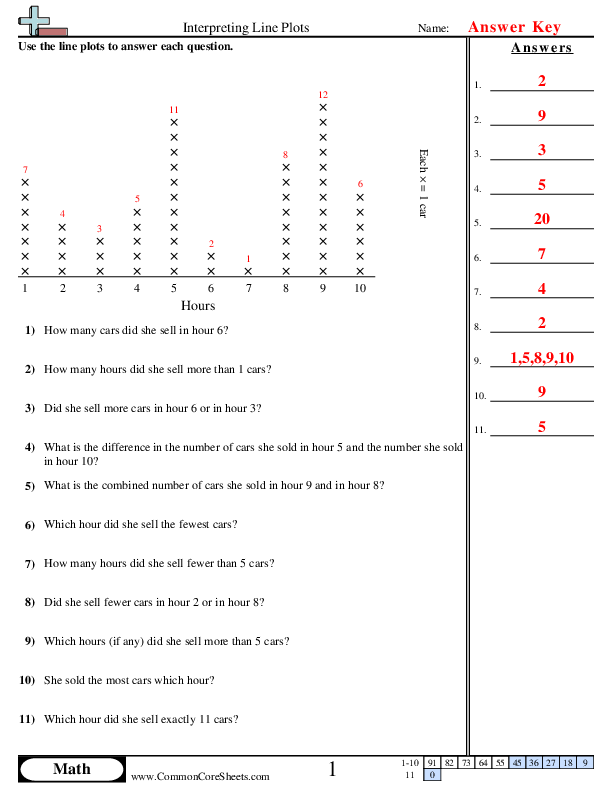
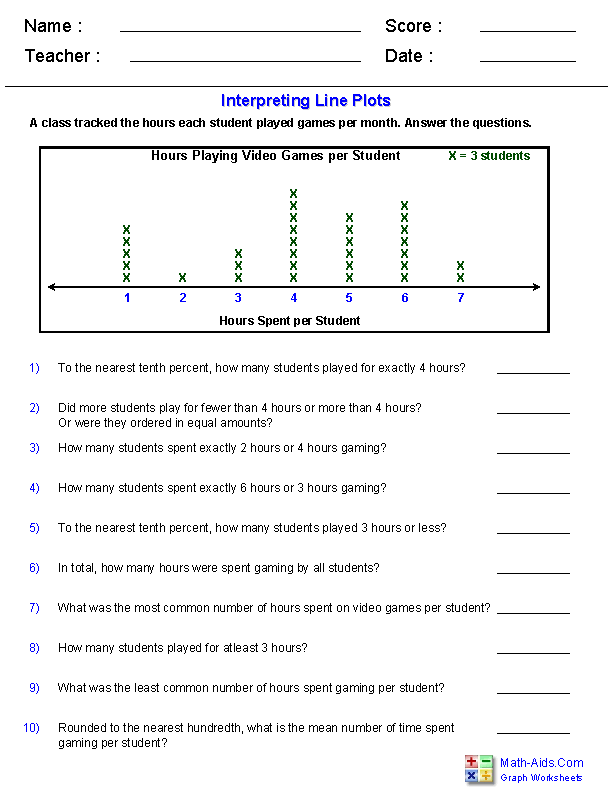
A line plot displays data points along a number line, making patterns and frequencies visible at a glance. For second grade learners, this visual representation transforms abstract numbers into something concrete. Instead of just hearing “five students chose apples,” they see five X marks stacked above the apple category. This hands-on recognition of data patterns helps young students develop mathematical thinking early.
The practice these worksheets provide goes beyond simple counting. Students learn to ask questions about their data: Which item appears most often? Are there any items nobody chose? How many more students picked one option over another? These questions push them toward genuine analytical thinking rather than rote memorization.
Life science topics work particularly well with line plot activities. Imagine a worksheet where second graders collect data about favorite animals, plant heights, or insect observations. The connection between real-world observation and data representation makes the learning stick. When students plot their own classroom observations, the numbers become meaningful rather than arbitrary.
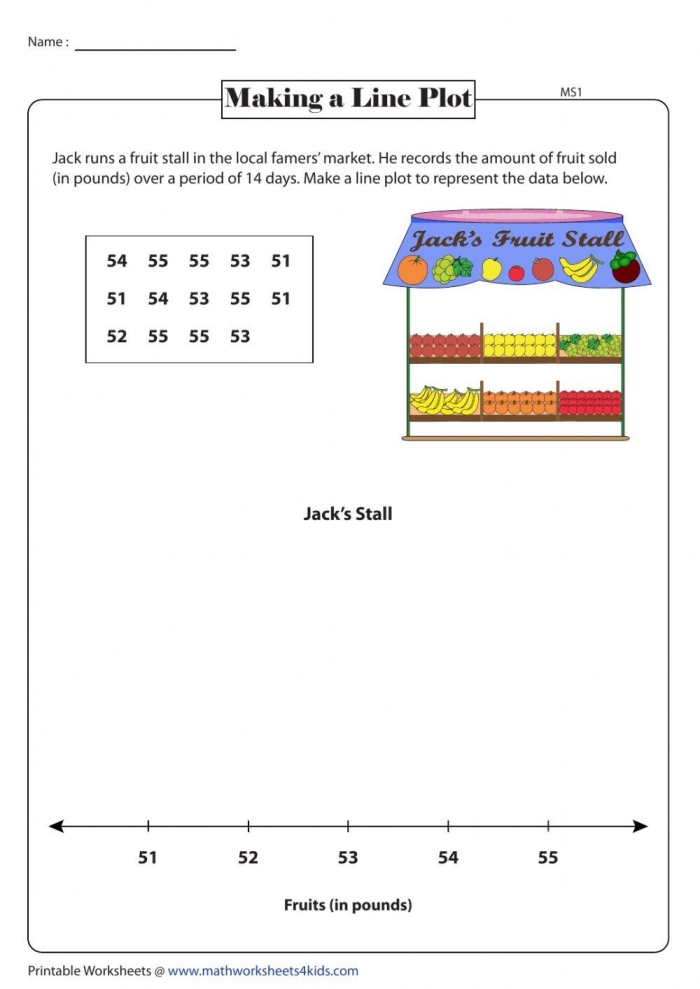
Printable interpret the line plot worksheets offer flexibility for both classroom and home learning. Teachers can adjust difficulty levels, change the data sets, or tie them to current science units. Some worksheets pair data activities with complementary skills, like when students work on identifying the main idea of a story alongside data interpretation, or strengthen their foundational skills through activities like circling adverbs that describe data collection methods.
Regular practice with line plots during second grade sets students up for success with more sophisticated graphs and statistics in later years. The earlier they become comfortable reading and creating visual data representations, the more confident they’ll be tackling quantitative subjects ahead.
Worksheet Practice Section