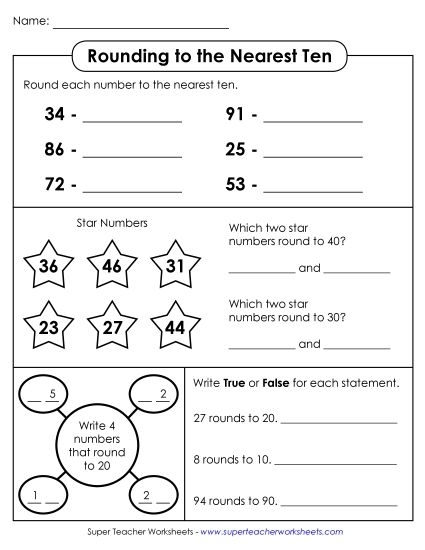
Rounding is one of those skills that looks simple on the surface but actually requires kids to understand place value deeply. When third graders work through rounding problems, they’re learning to think about numbers in chunks rather than as individual digits, which builds a foundation for mental math and estimation later on.
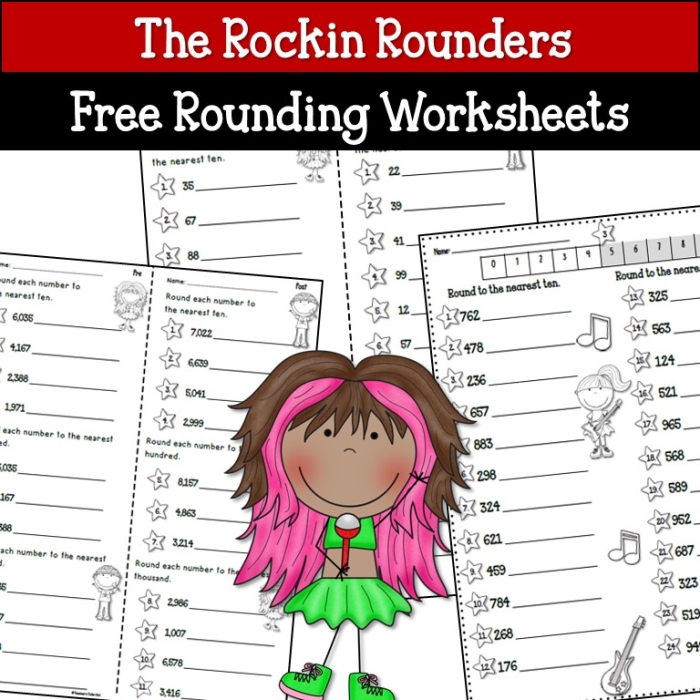
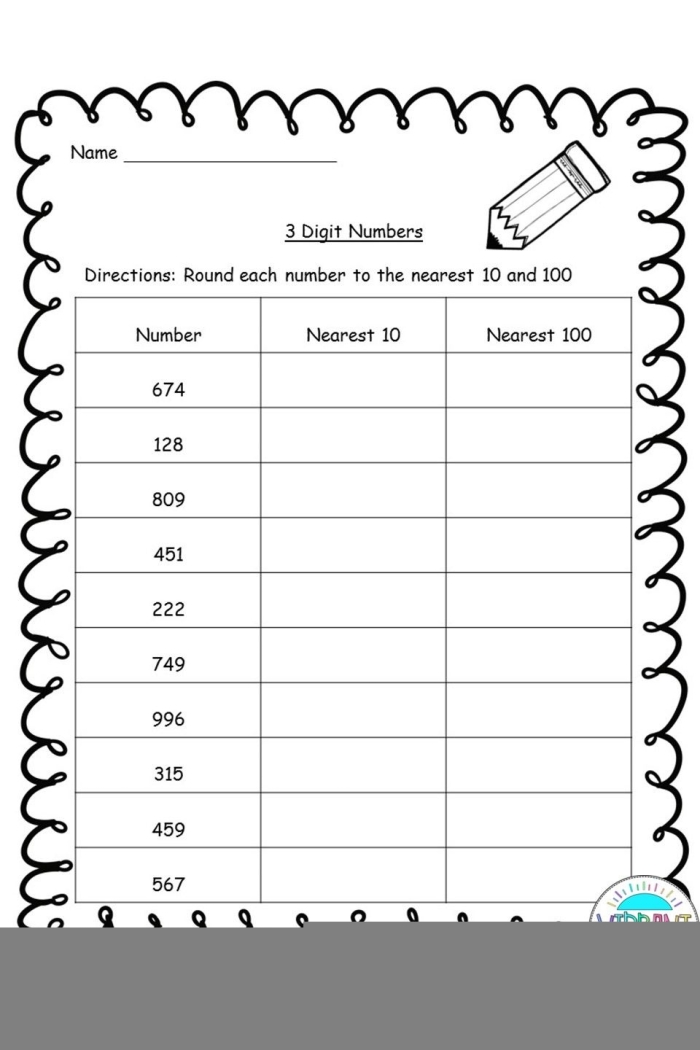
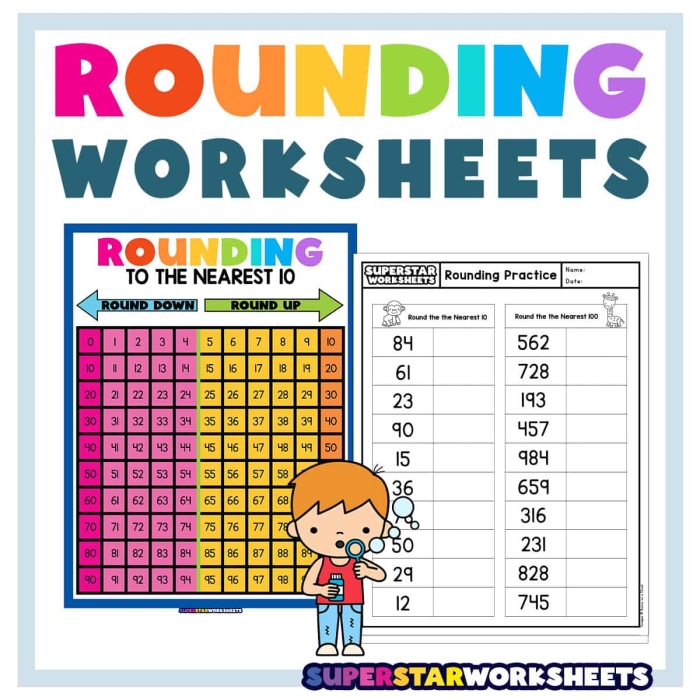
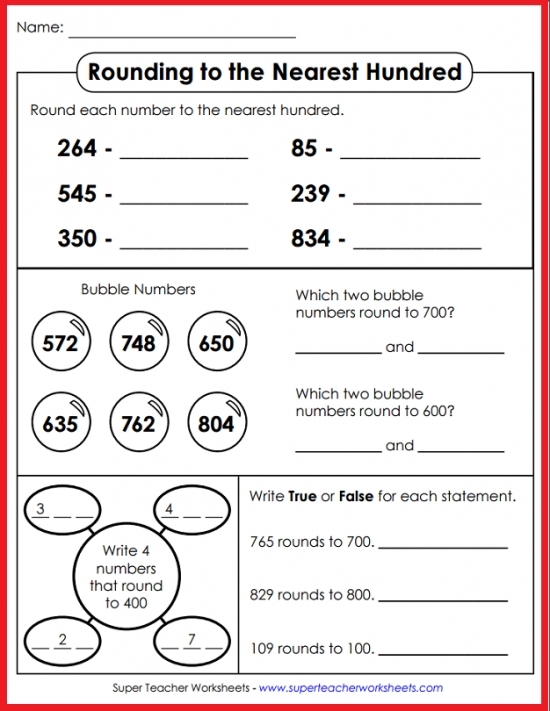
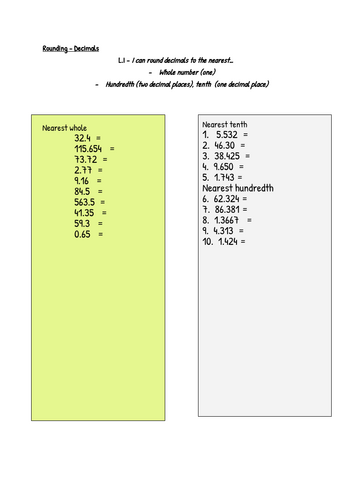
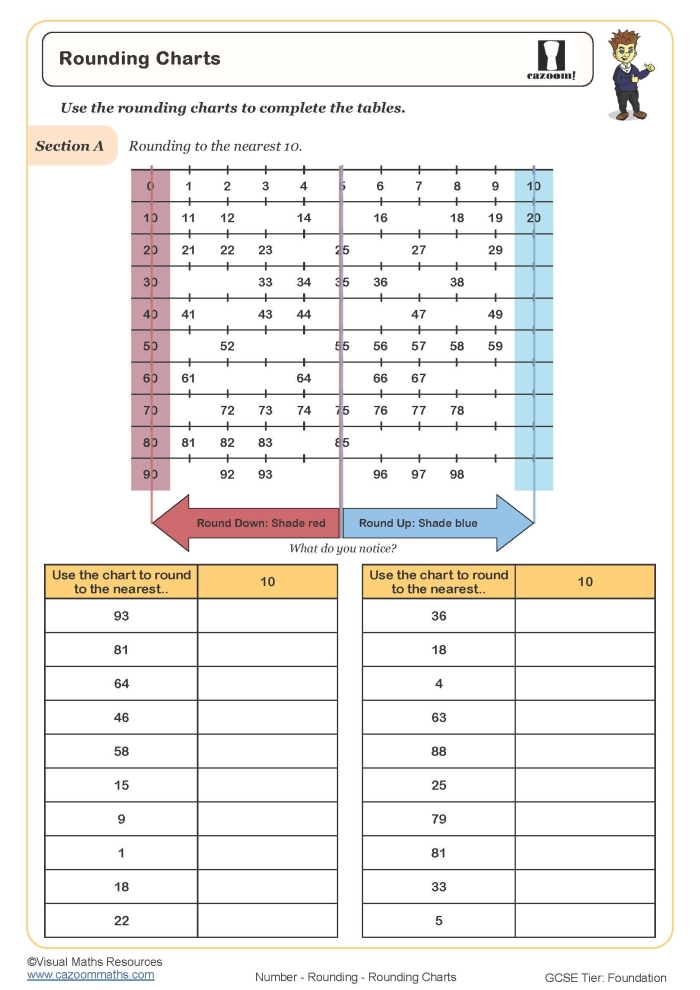
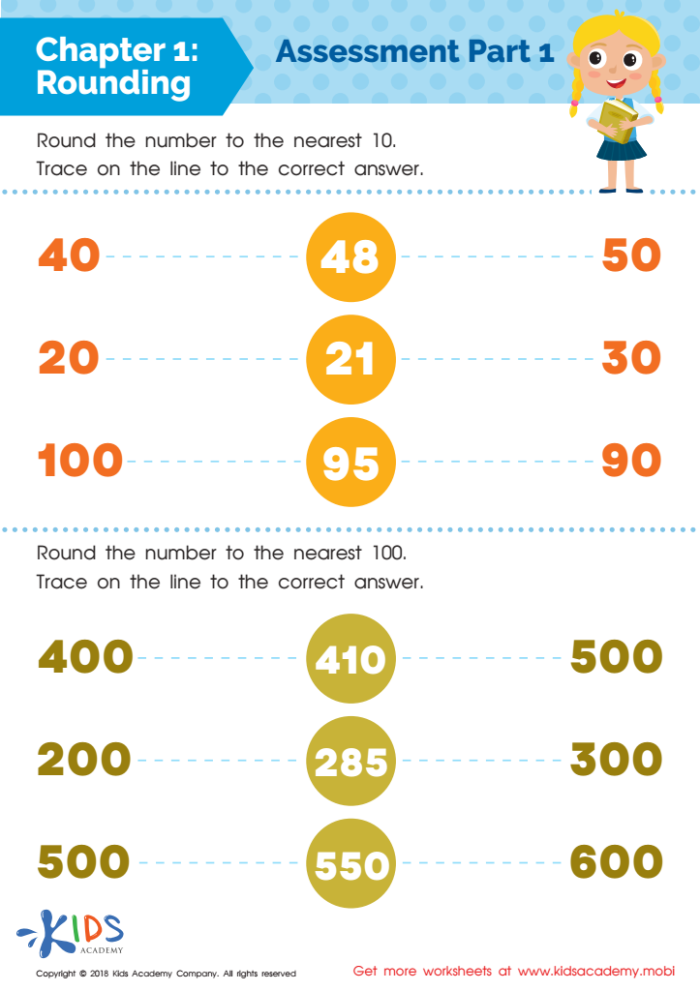
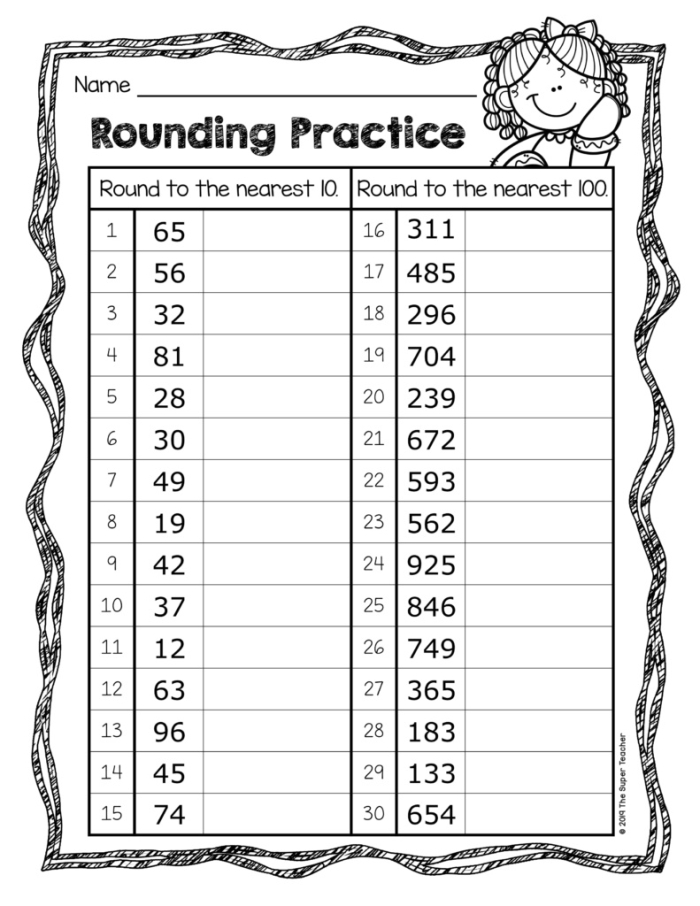
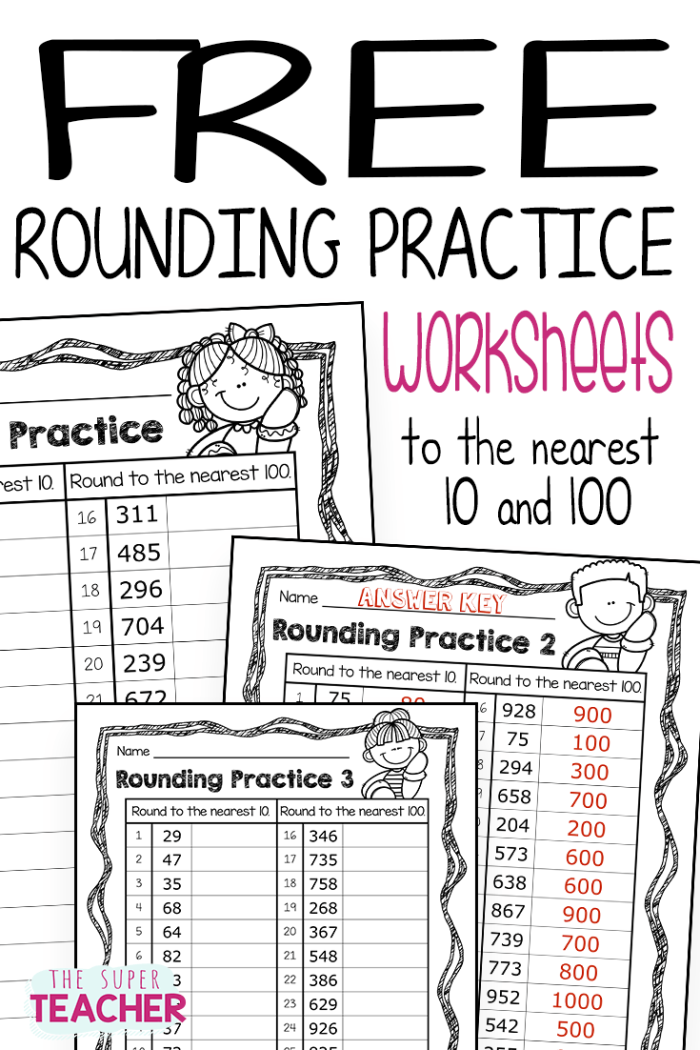
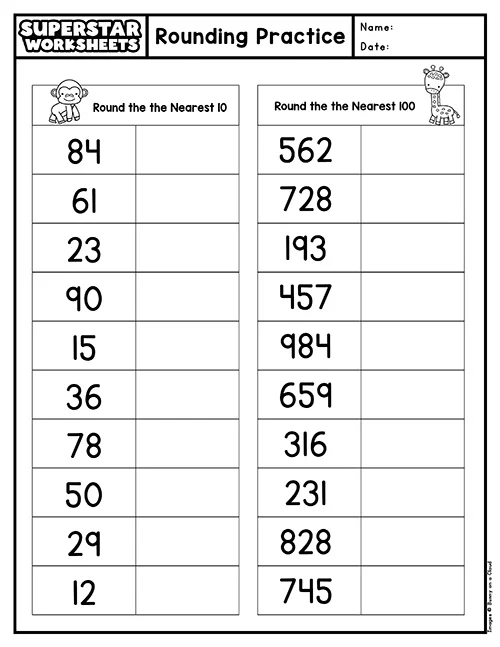
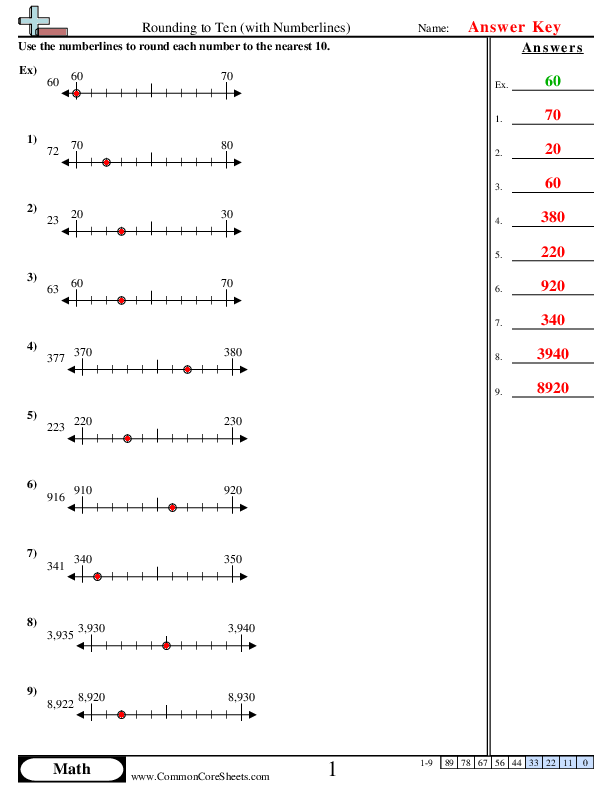
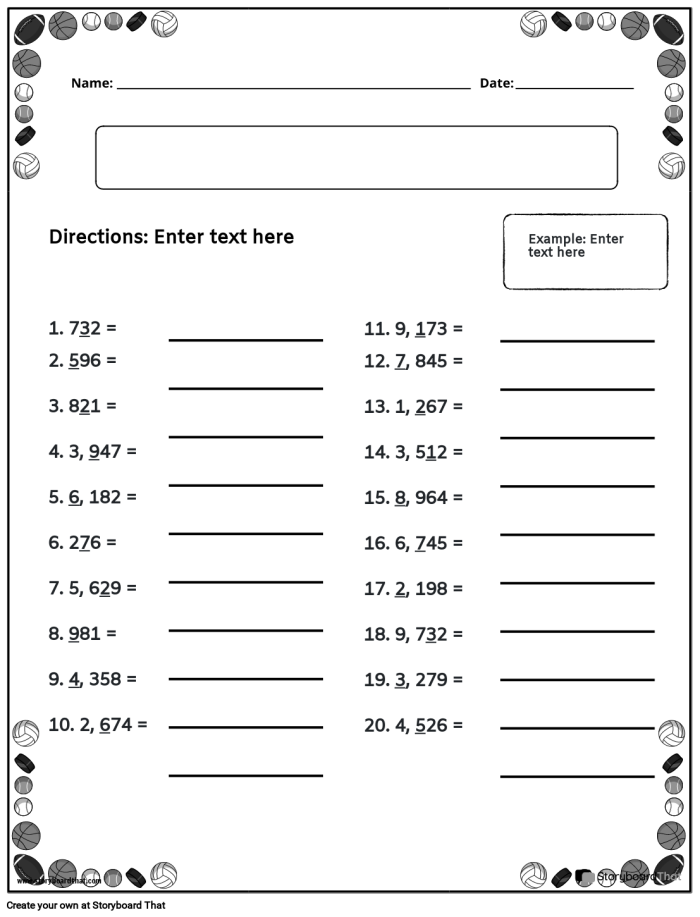
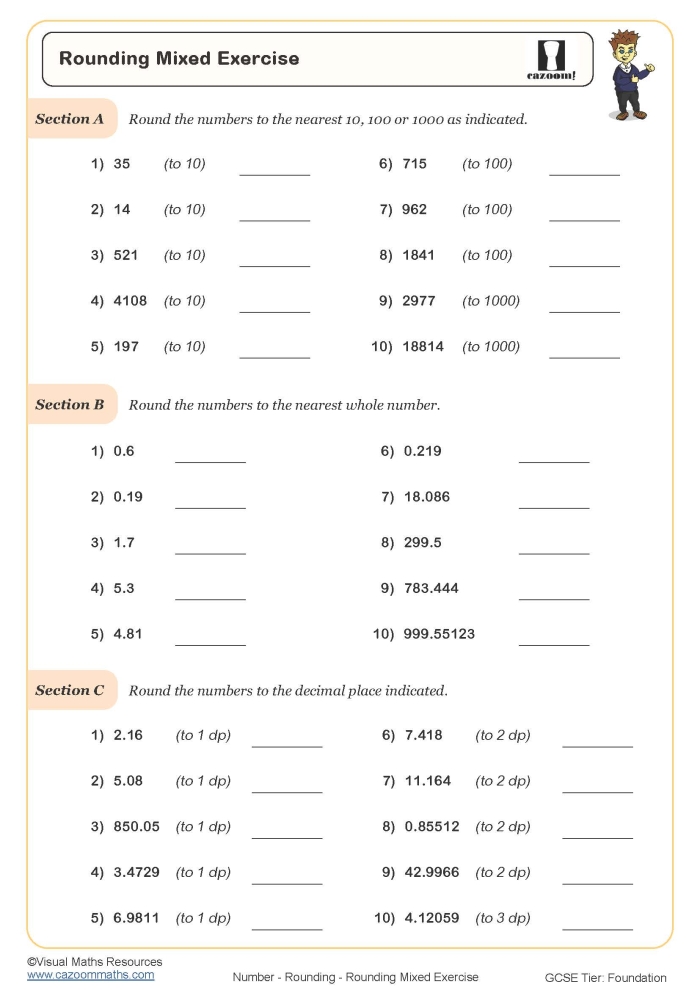
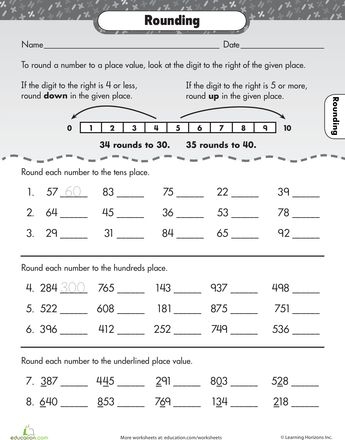
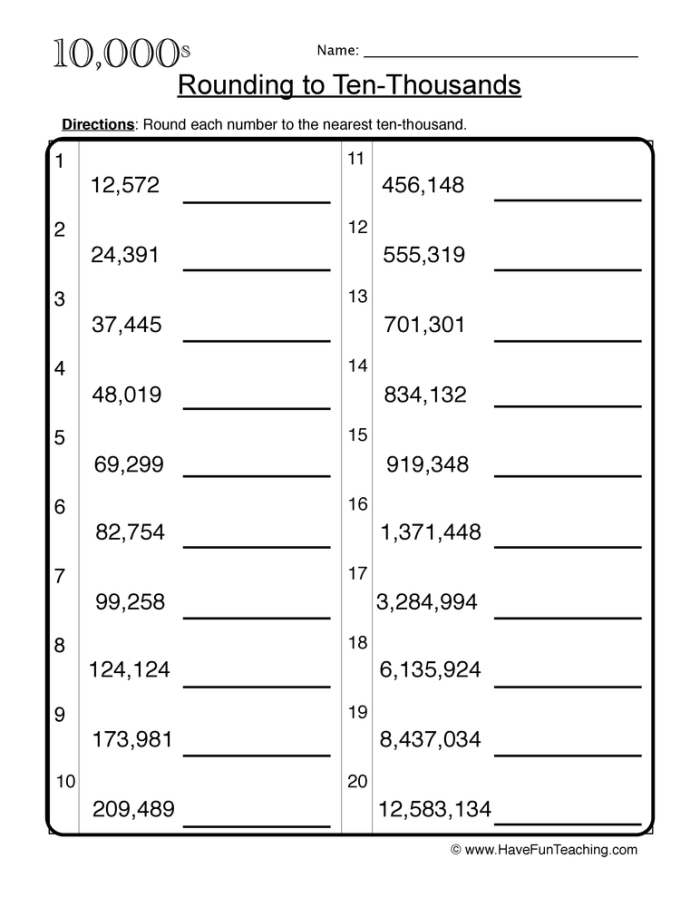
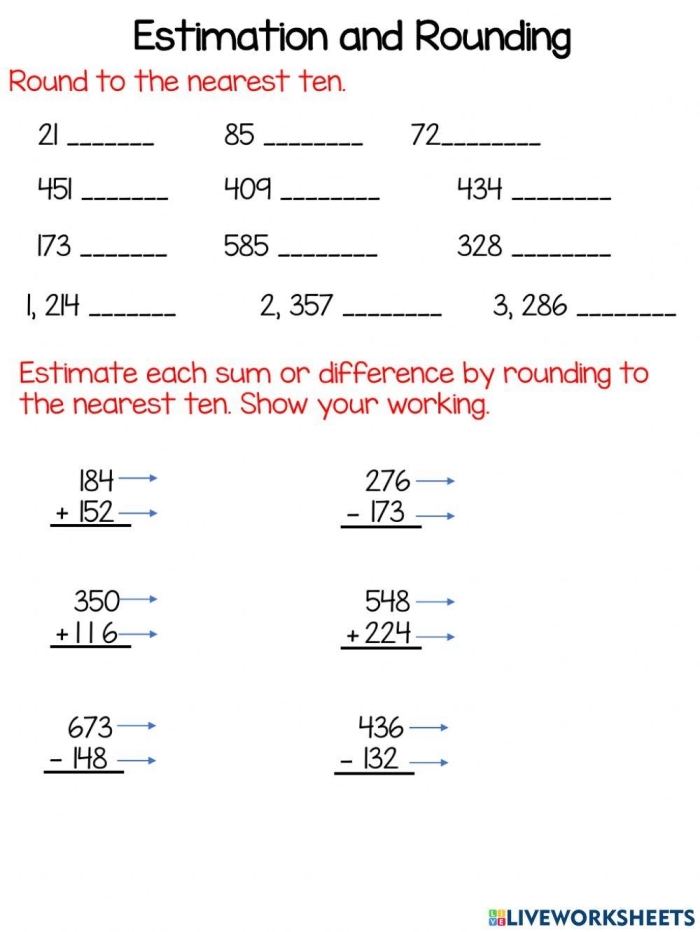
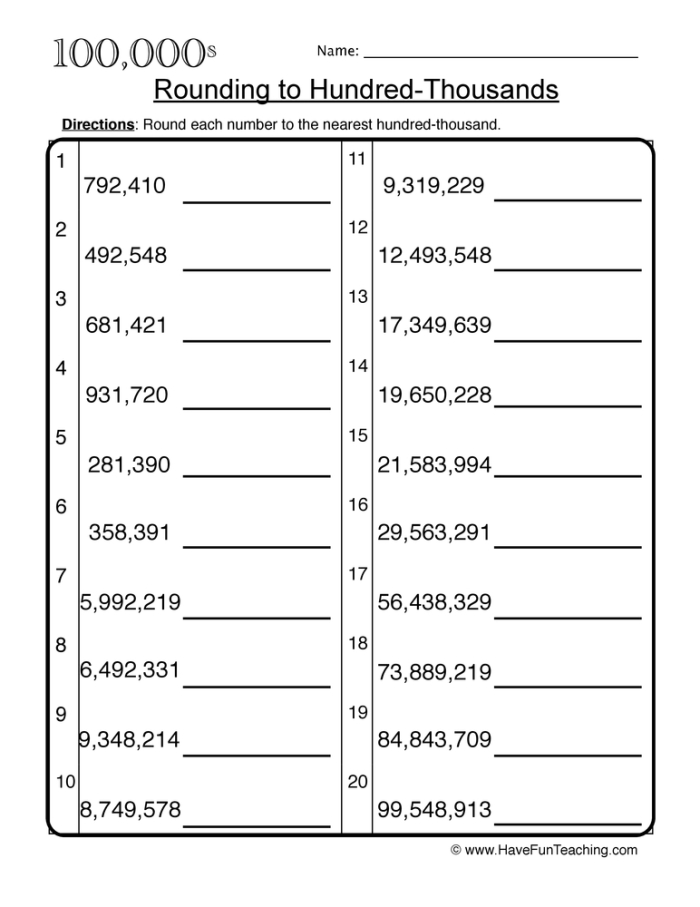
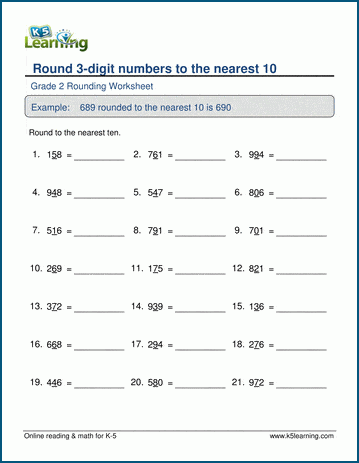
A well-designed rounding worksheet gives students three different challenges in one practice session. First, they round numbers to the nearest ten, which means identifying whether a number is closer to the lower or higher ten. Then they tackle rounding to the nearest hundred, which requires the same logic but at a bigger scale. The third component, rounding to a specific underlined place value, forces kids to pay attention and apply the rule flexibly rather than just memorizing a single approach.
What makes this type of practice effective is that it moves beyond simple repetition. When a place value is underlined on the worksheet, students have to read carefully and decide which digit matters for their rounding decision. A number like 347 rounds differently depending on whether the tens place or the hundreds place is underlined. This attention to detail transfers to other math skills, including work with arrays and addition problems where precision matters.
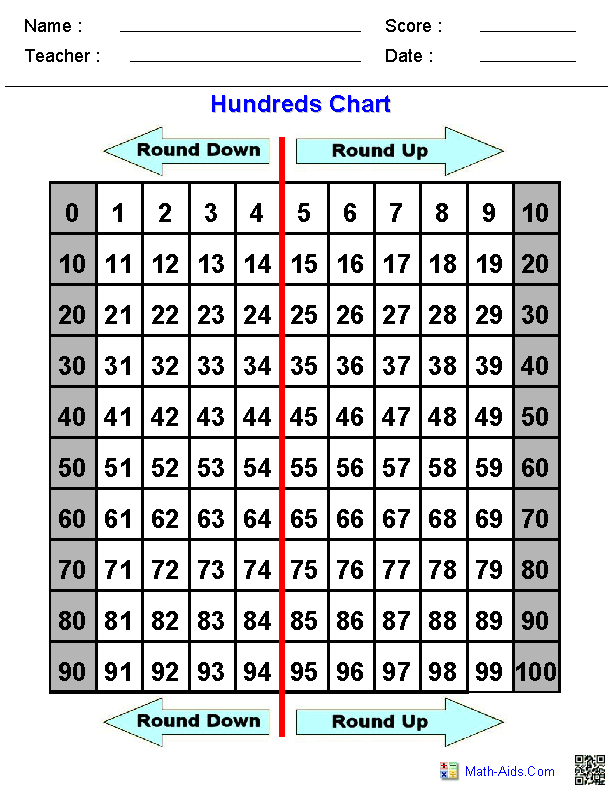
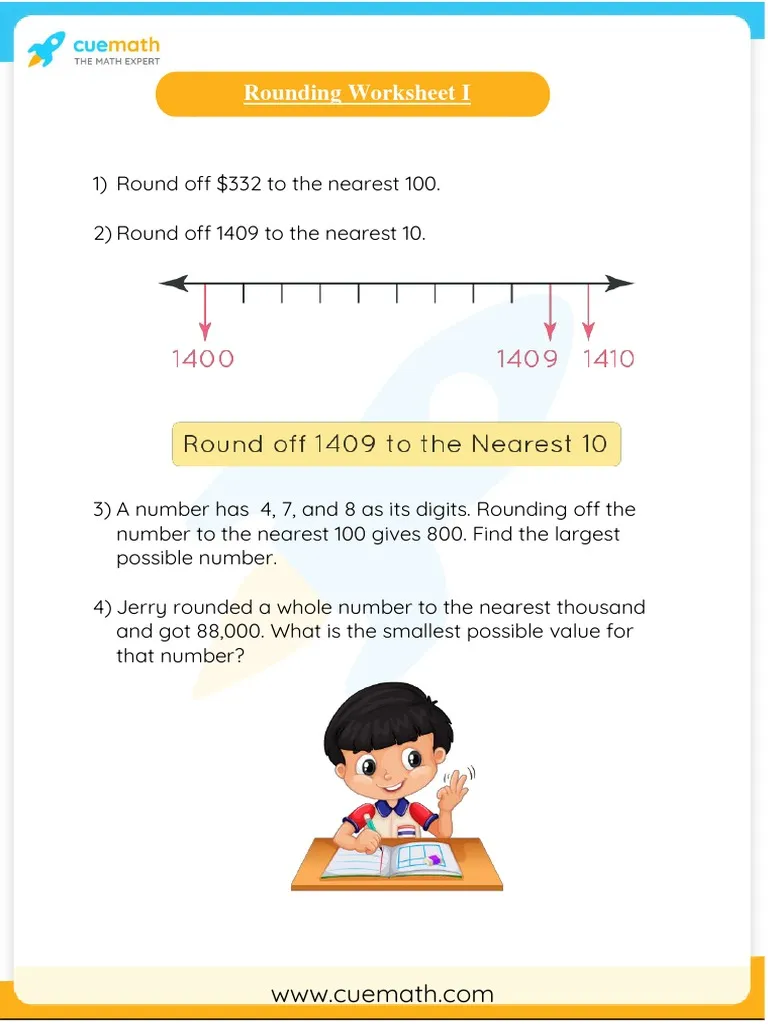
Third grade is the right time for this skill because students have already spent time building number sense. They understand that 45 is closer to 40 than to 50, and they can visualize where numbers sit on a number line. Rounding worksheets that include practice with different formats help reinforce these concepts across multiple contexts.
Teachers and parents often notice that once kids grasp rounding, they become more confident estimating answers and checking their work. It’s a skill that connects to real-world thinking about quantities and measurements, making math feel less abstract and more practical.
Worksheet Practice Section