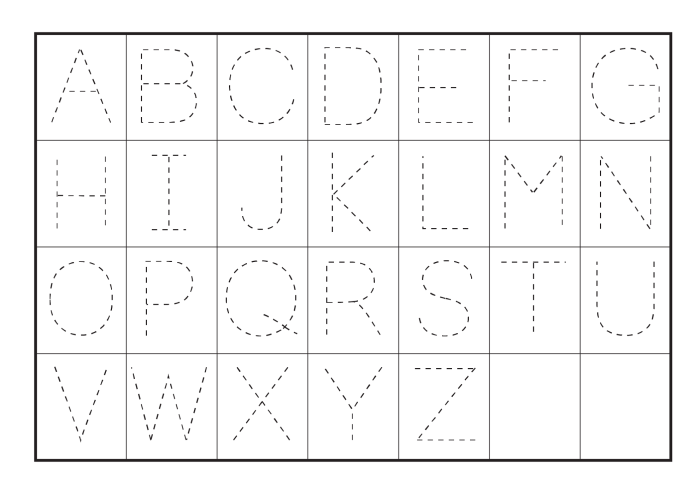
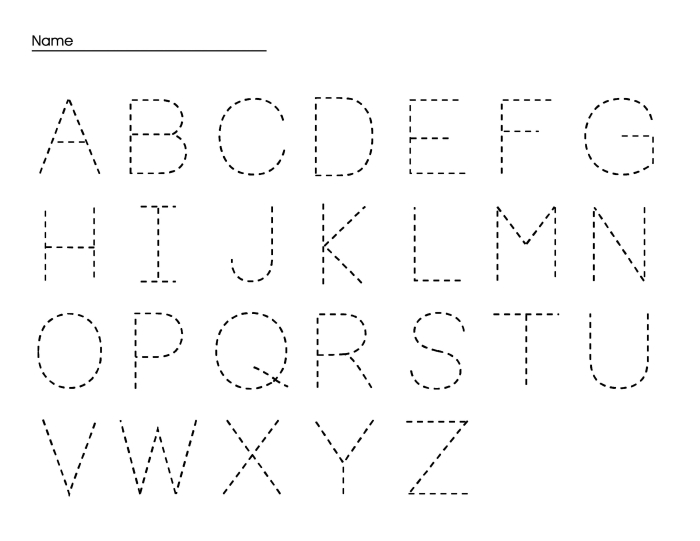
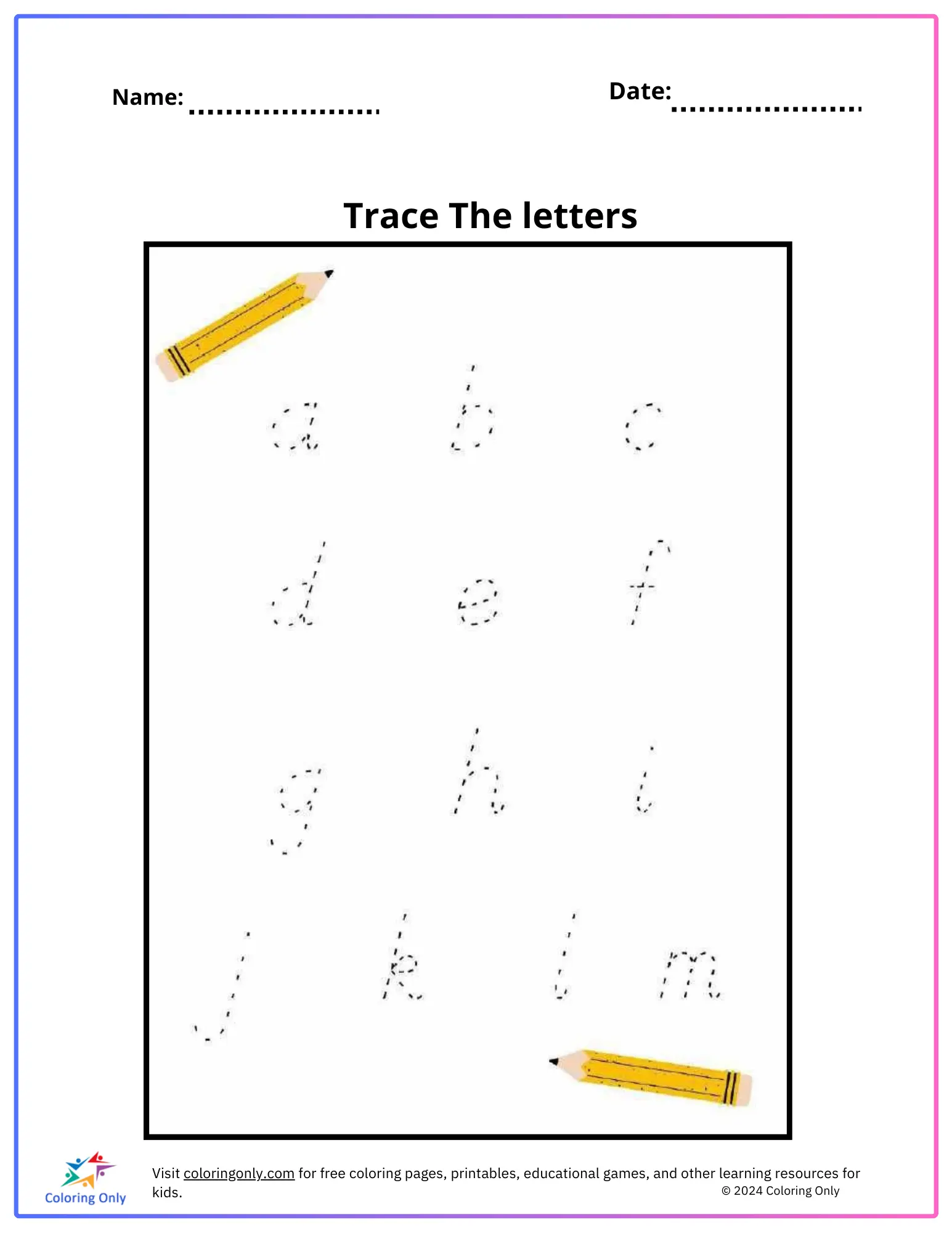
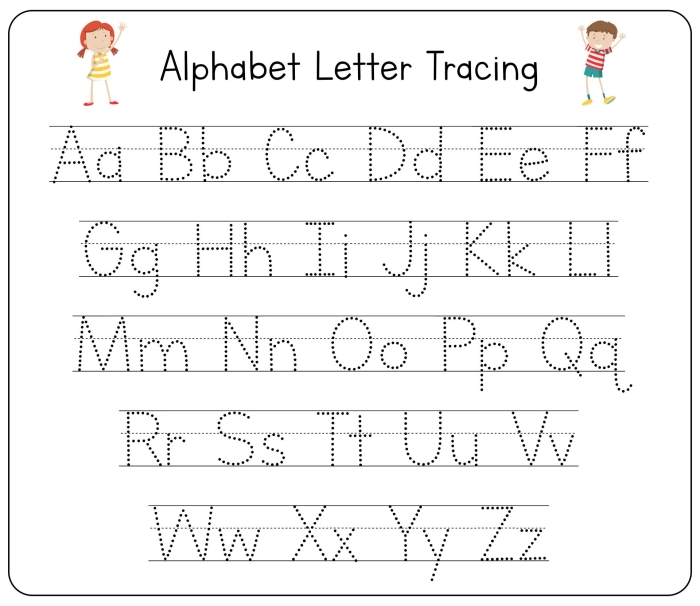
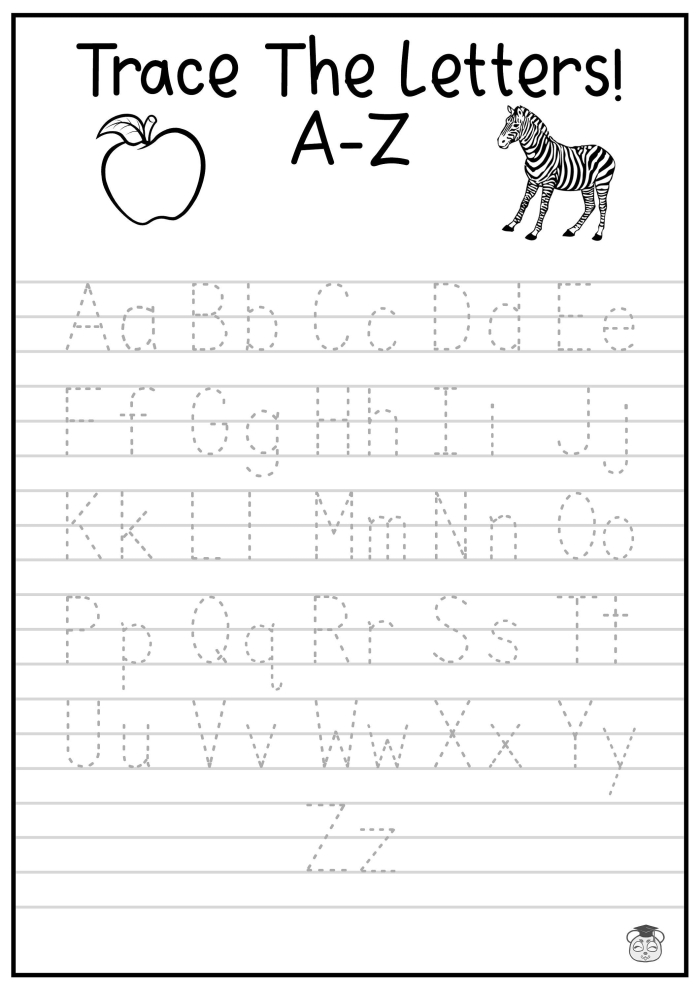
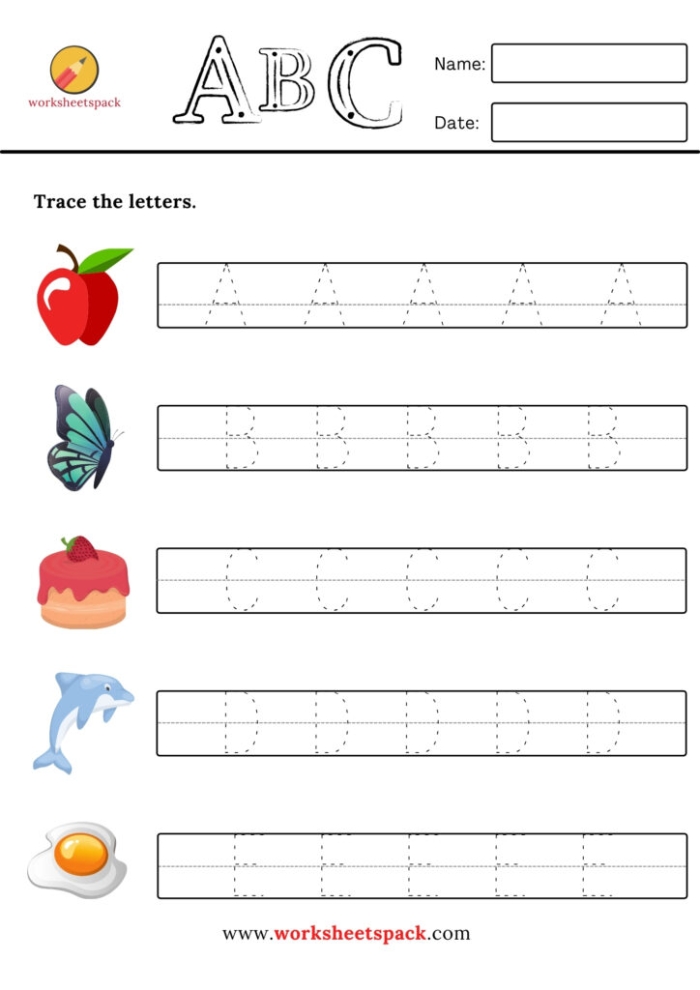
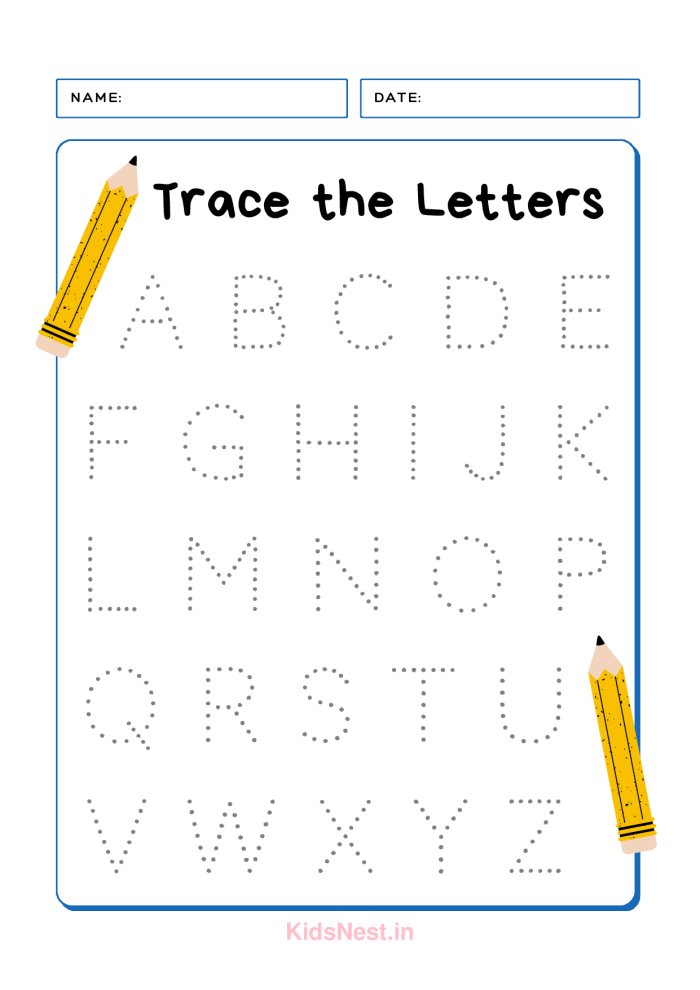
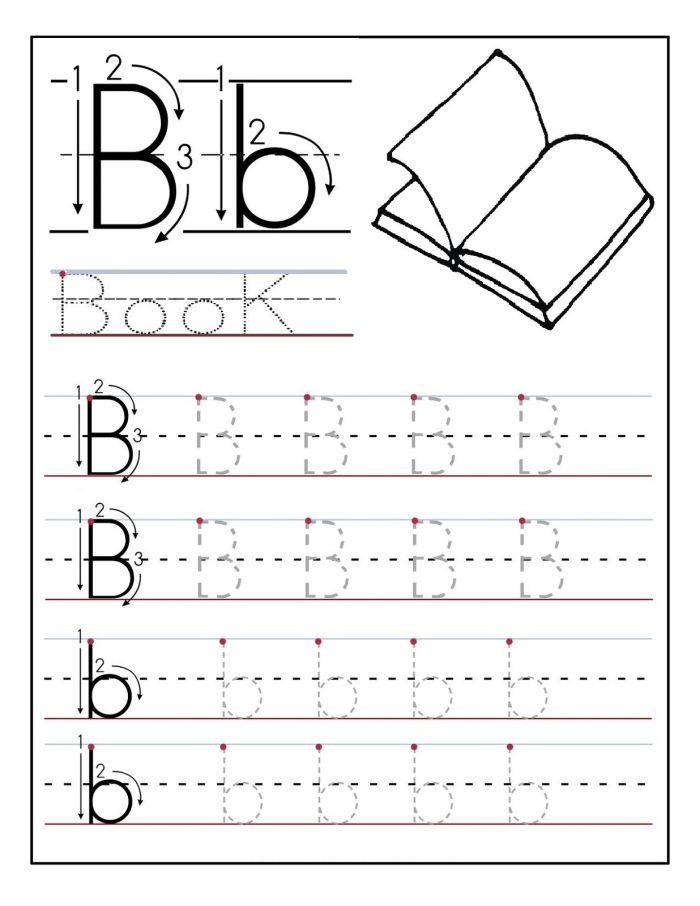
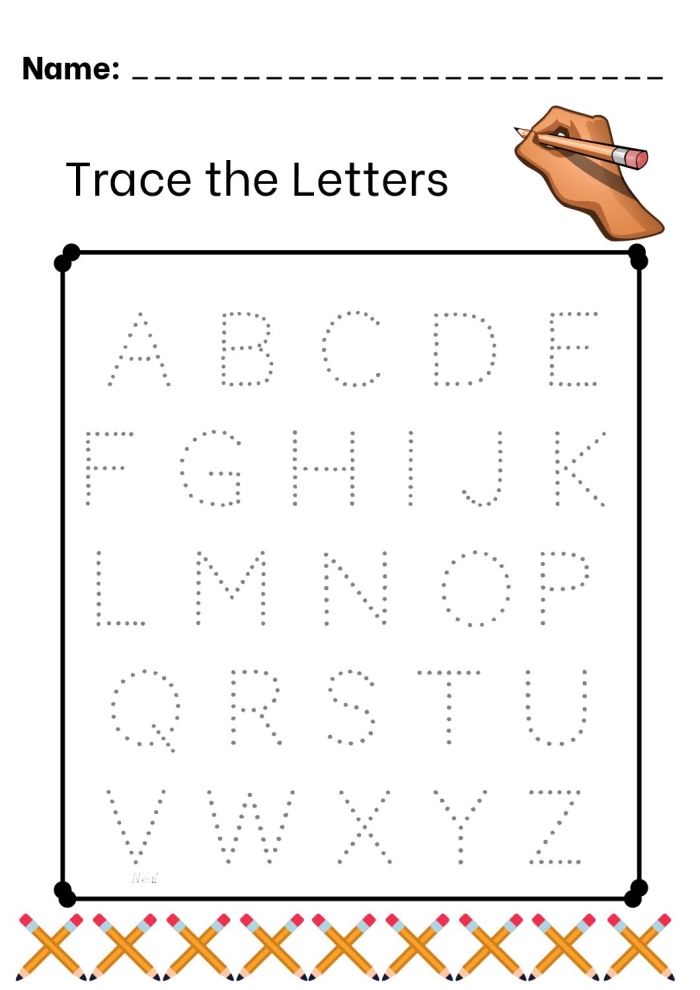
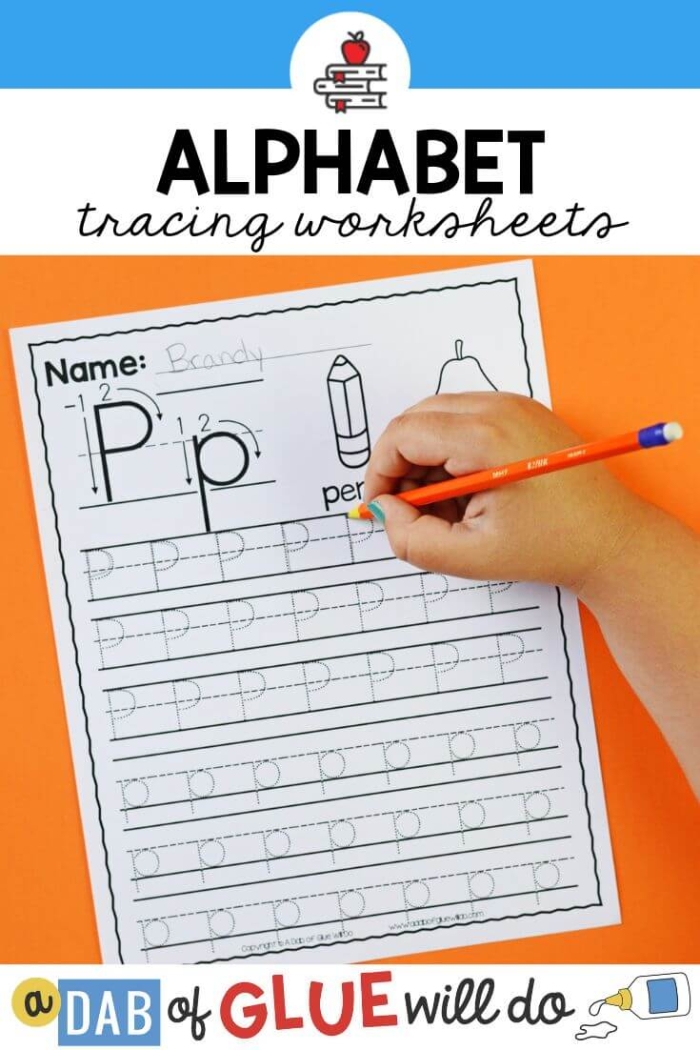
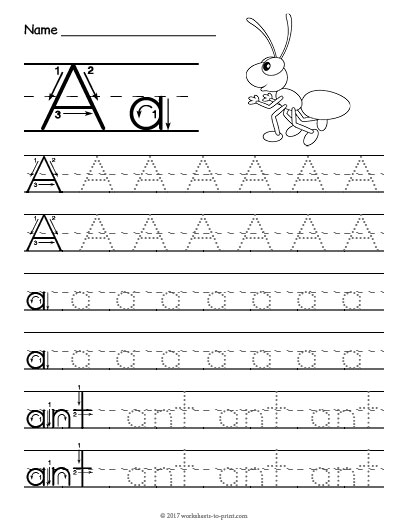
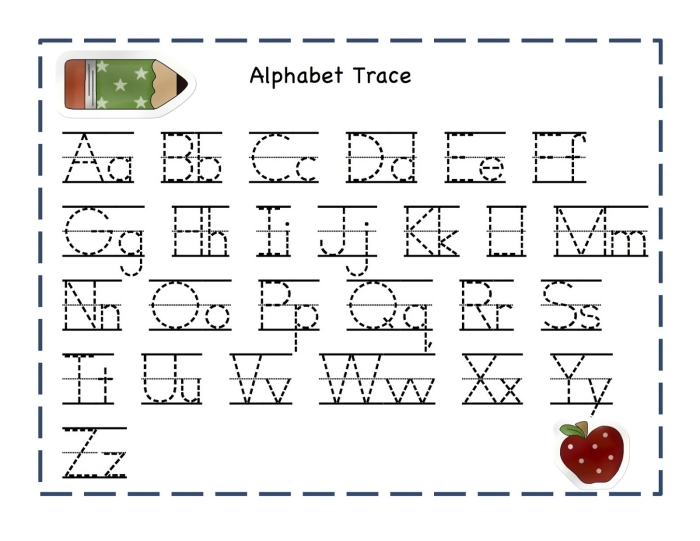
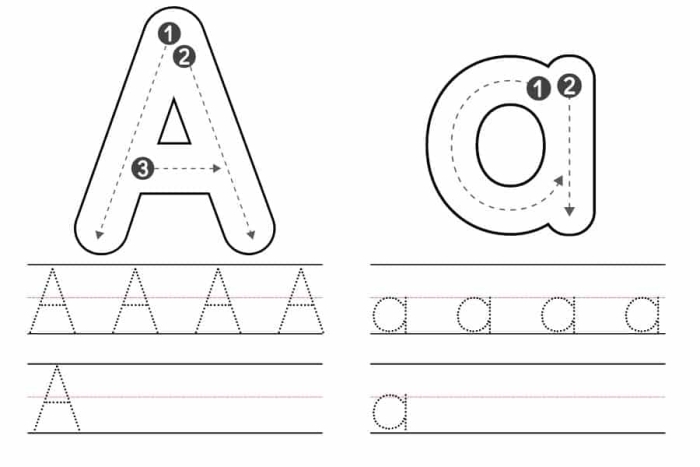
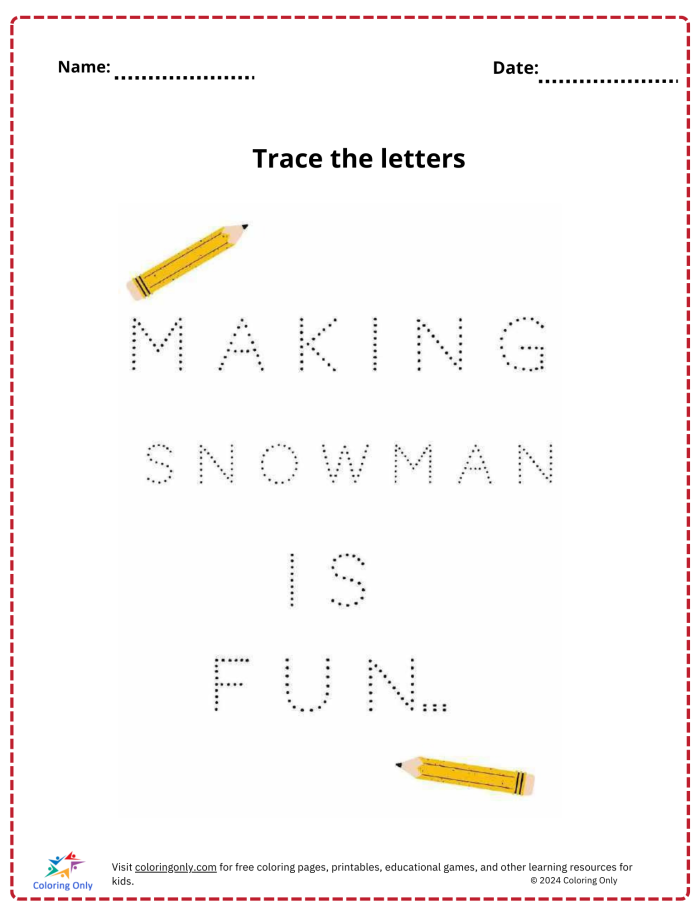
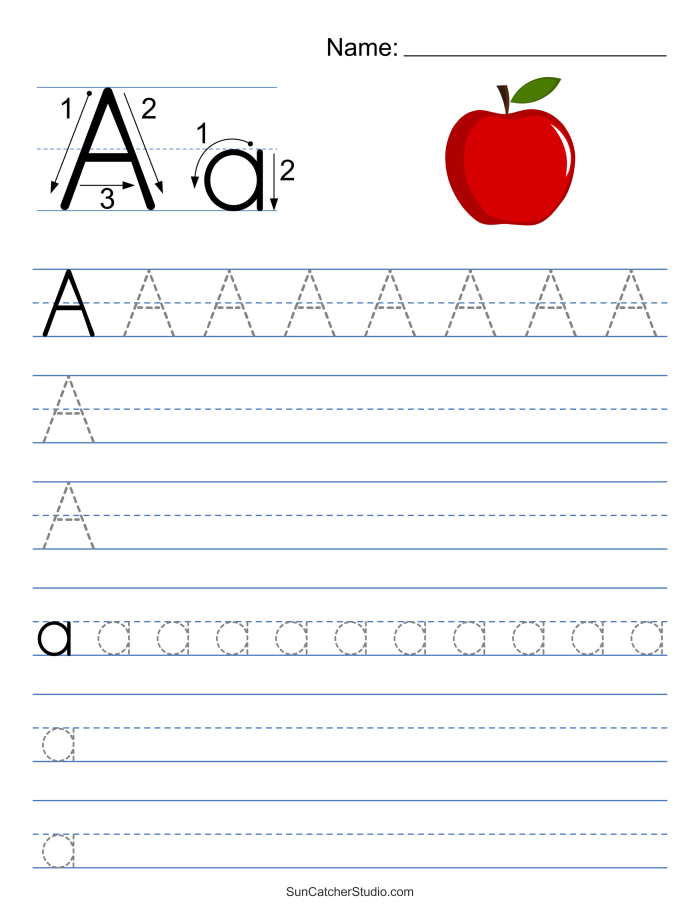
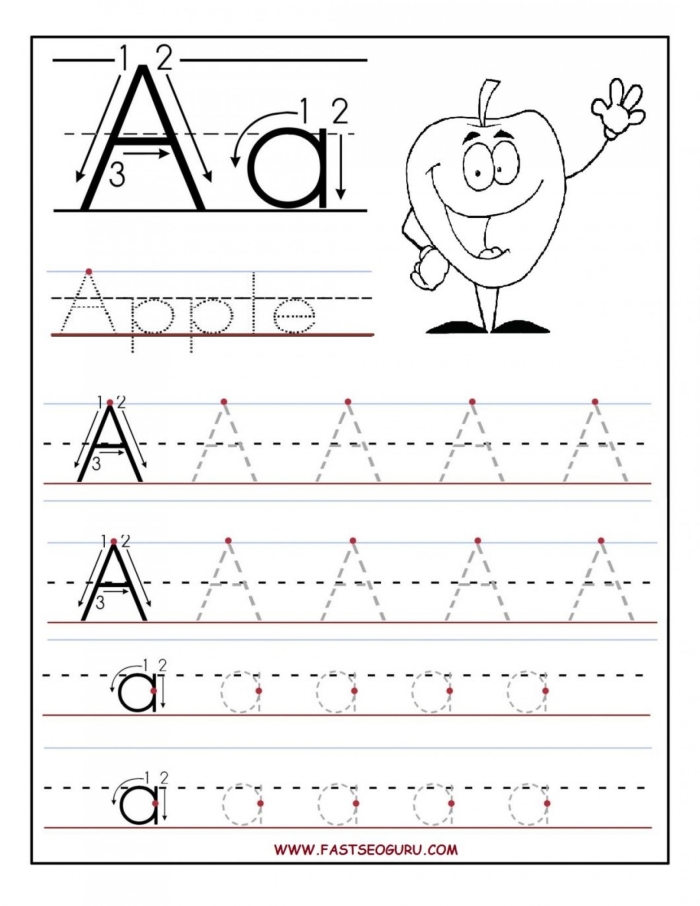
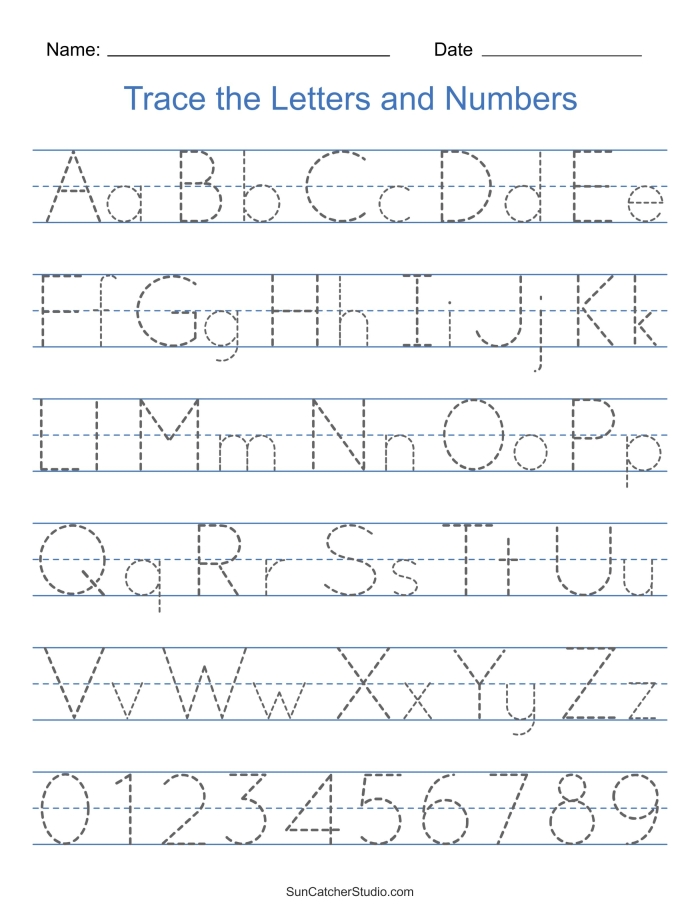
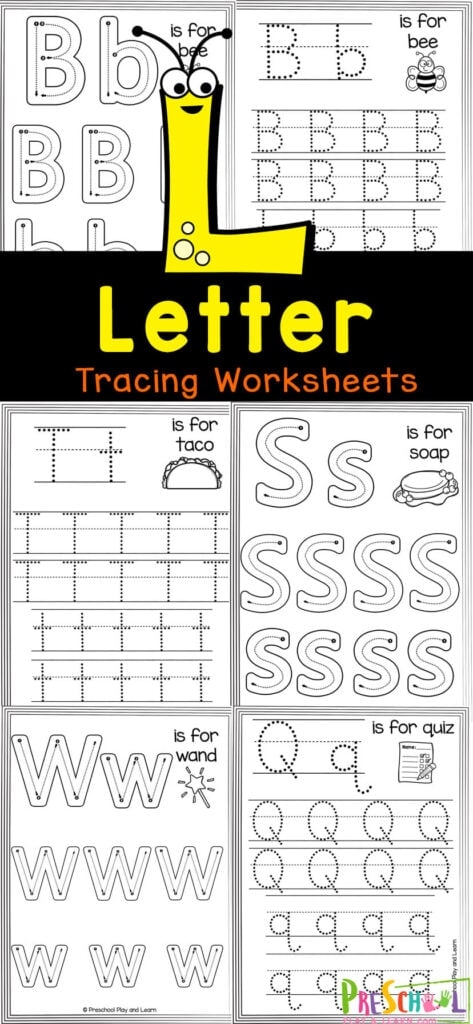
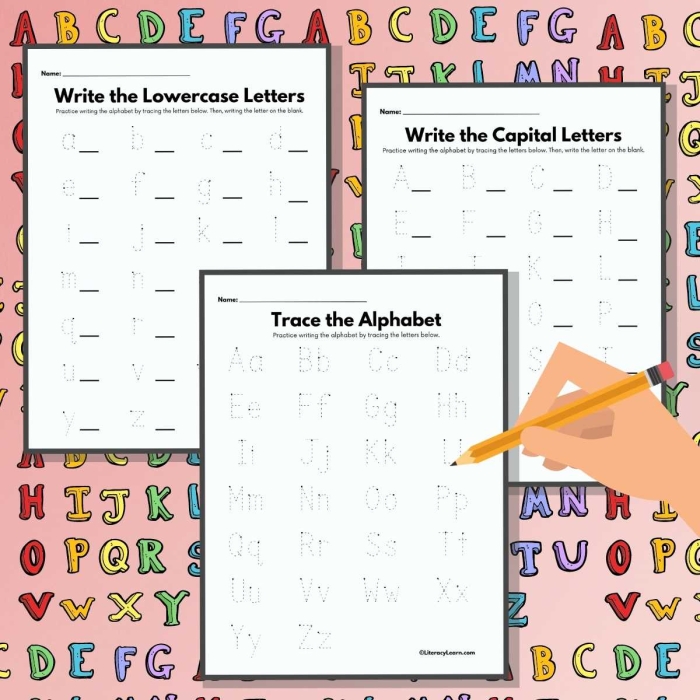
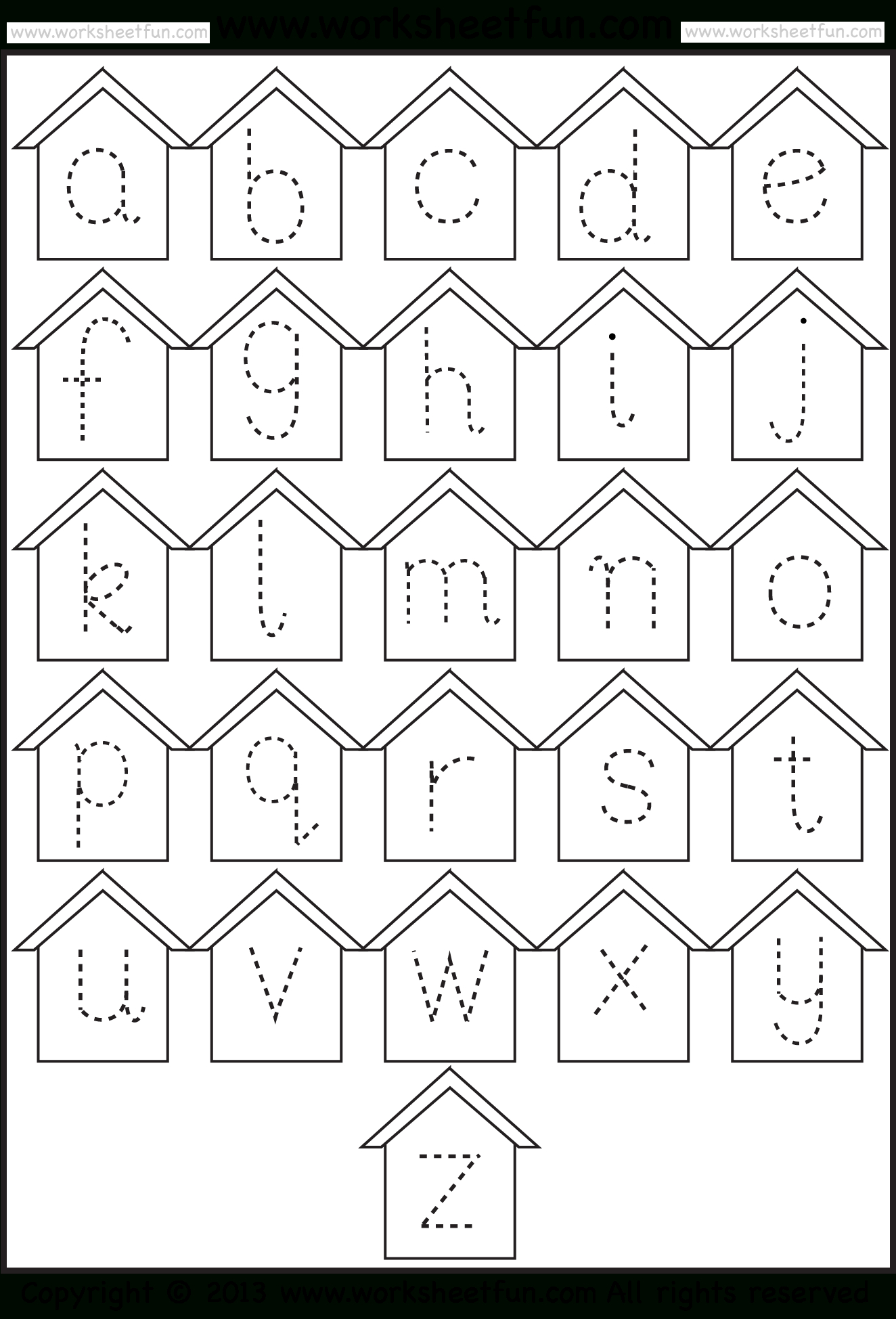
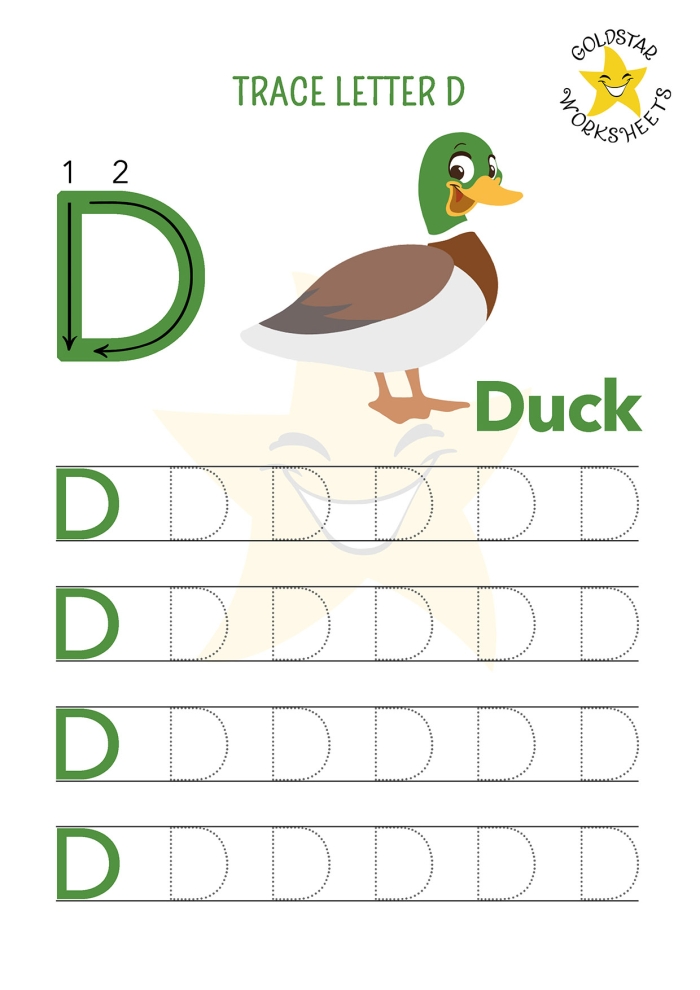
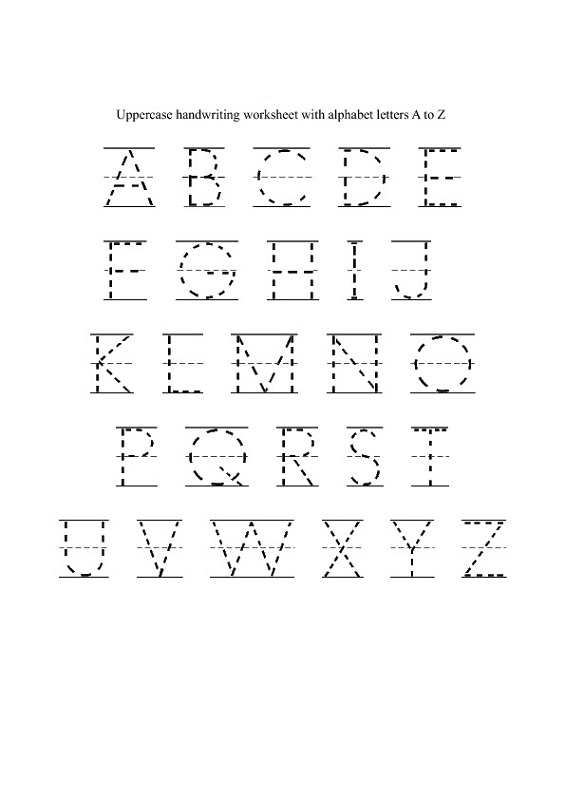
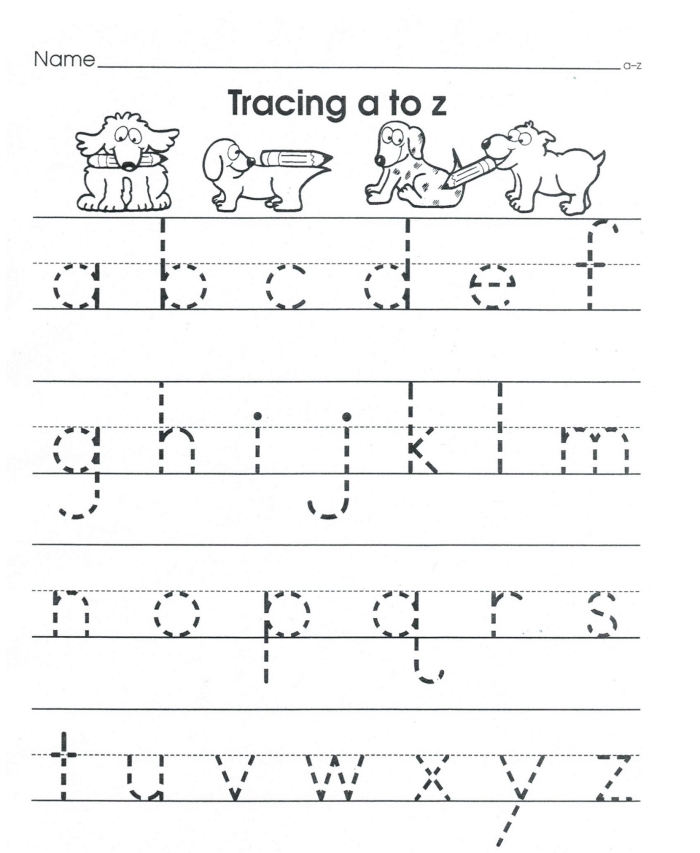
Watch a Pre-K child grip a pencil for the first time, and you’ll understand why writing feels overwhelming. Their hands are still developing the tiny muscles needed to control a writing instrument with precision. This is where tracing worksheets become invaluable, offering focused practice that builds the hand strength and coordination children need before they can write independently.
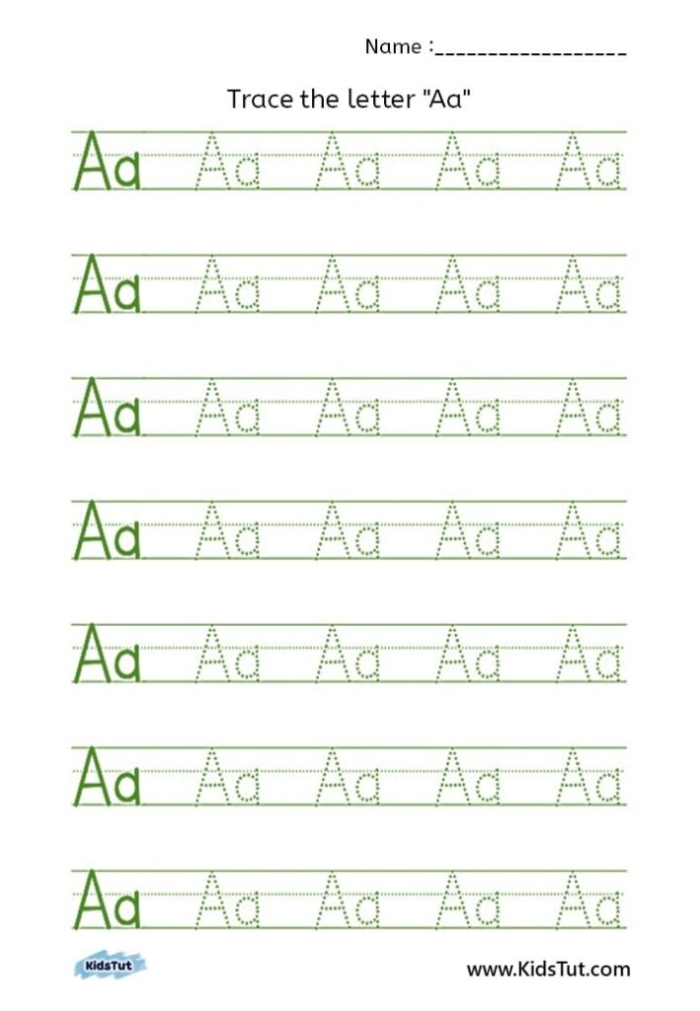
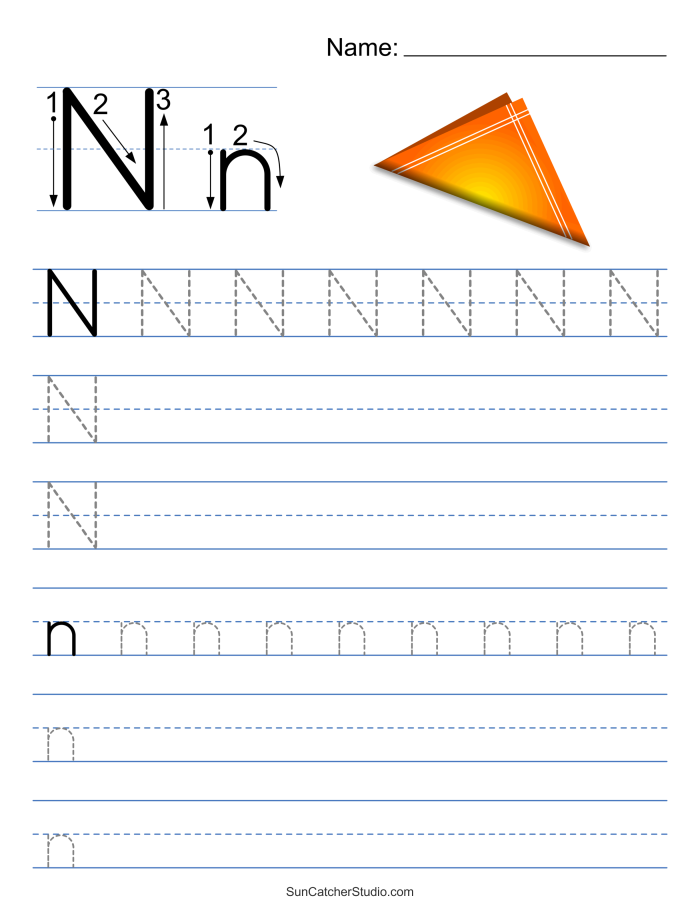
Fine motor skills develop gradually during the Pre-K years, and tracing activities sit right at the sweet spot between play and learning. When children trace letters, they’re not just copying shapes. They’re training their fingers to work together, learning how letters are formed, and building muscle memory that will eventually allow them to write on their own. The repetition matters, but it works best when it feels like a natural part of their day rather than a chore.
A good tracing worksheet guides a child’s hand along a path without being so rigid that it feels punishing. The lines should be clear enough to follow, and the letters should be large enough that small hands don’t feel cramped. Pre-K worksheets work best when they connect to topics children find engaging, whether that’s animals, seasons, or everyday objects that capture their attention.
The beauty of tracing practice is that it doubles as a life science learning opportunity. When you pair letter tracing with content about nature and living things, children absorb information while strengthening their writing foundation. For instance, tracing activities can incorporate seasonal themes like fall activities and nature exploration, or connect to alphabet activities tied to real-world topics.
The key is consistency and patience. Some children take weeks to feel comfortable with a pencil, while others move faster. Either way, regular tracing practice builds the foundation for writing success.
Boost Skills with These Worksheets