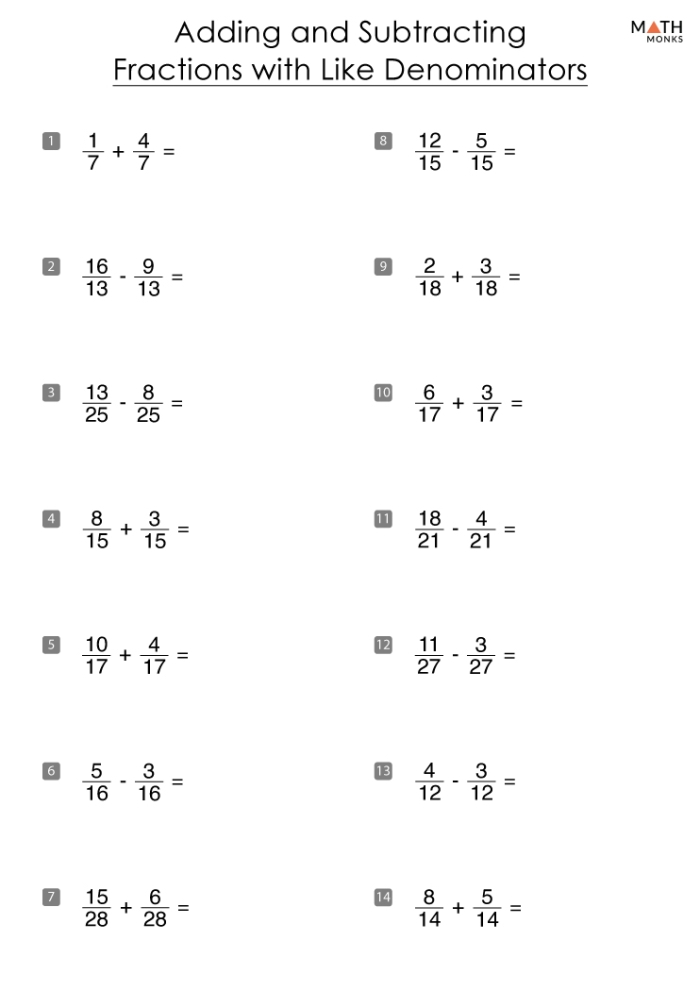
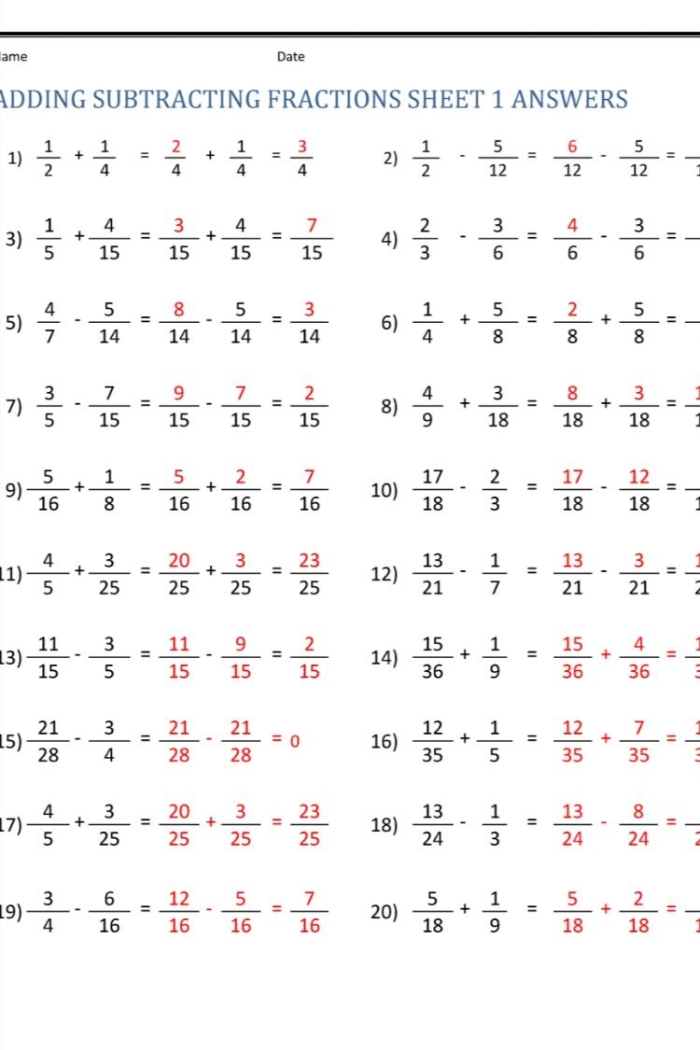
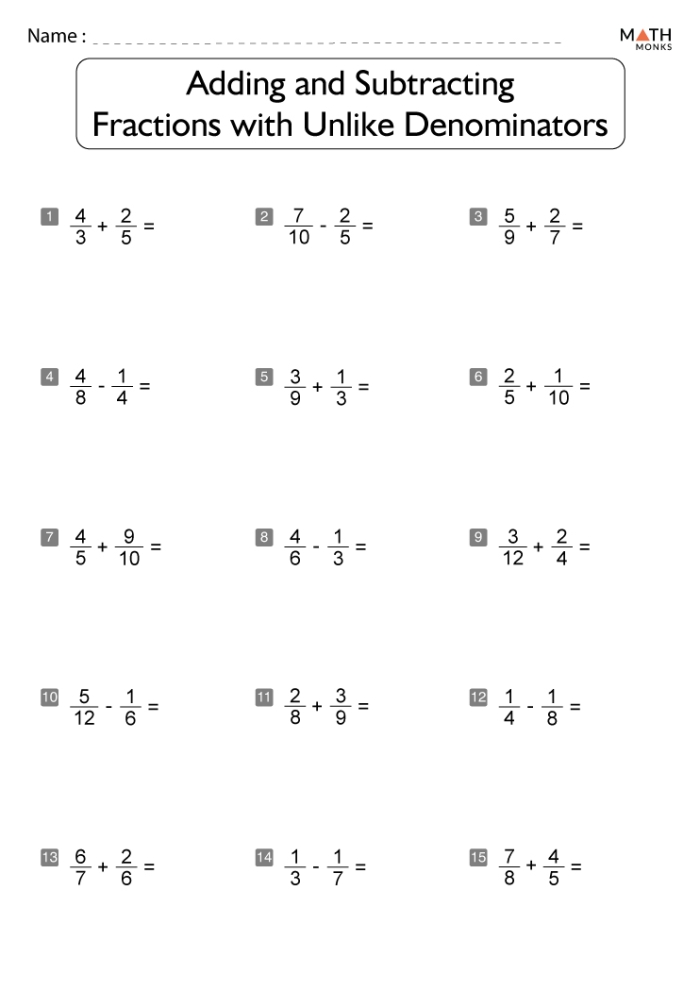
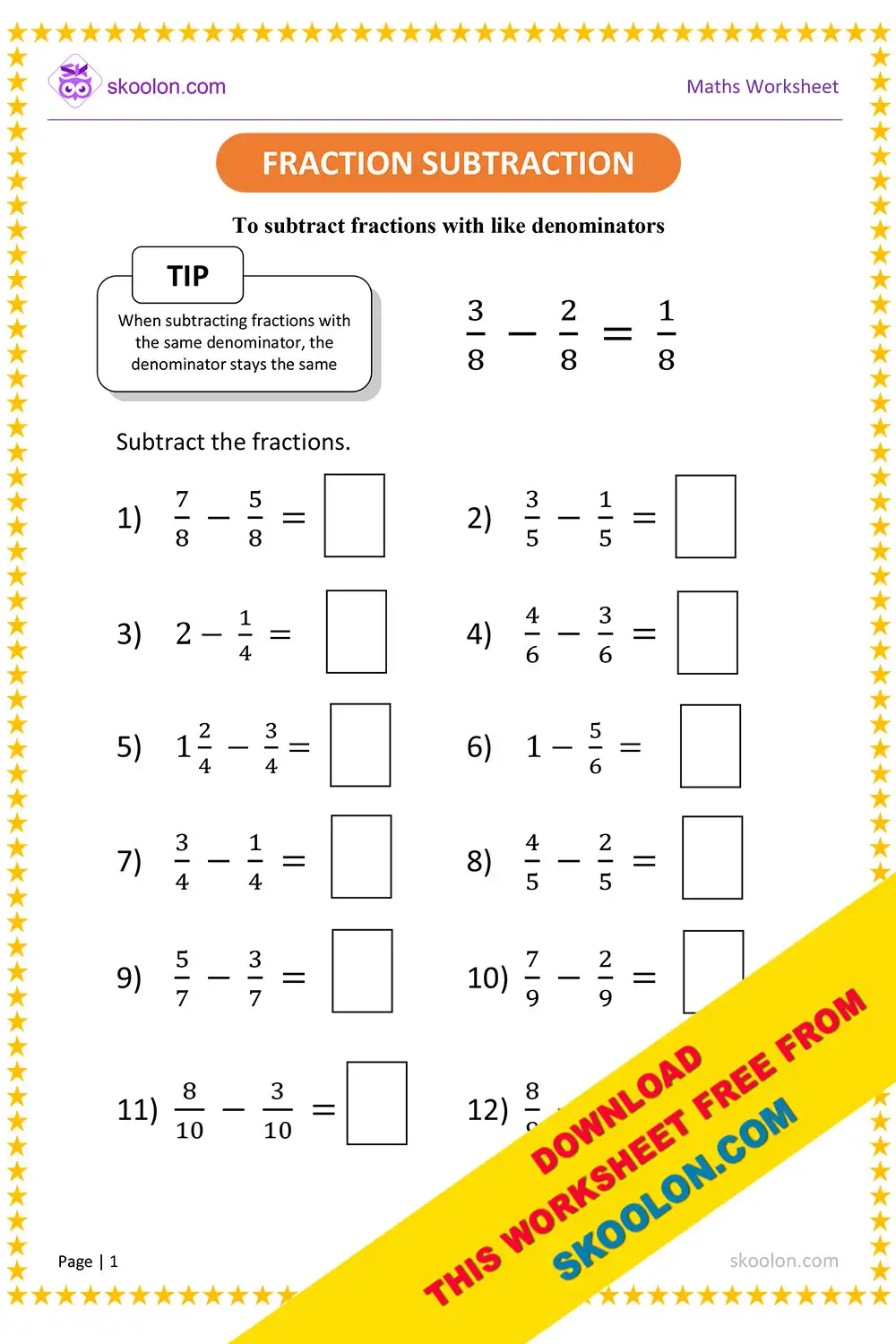
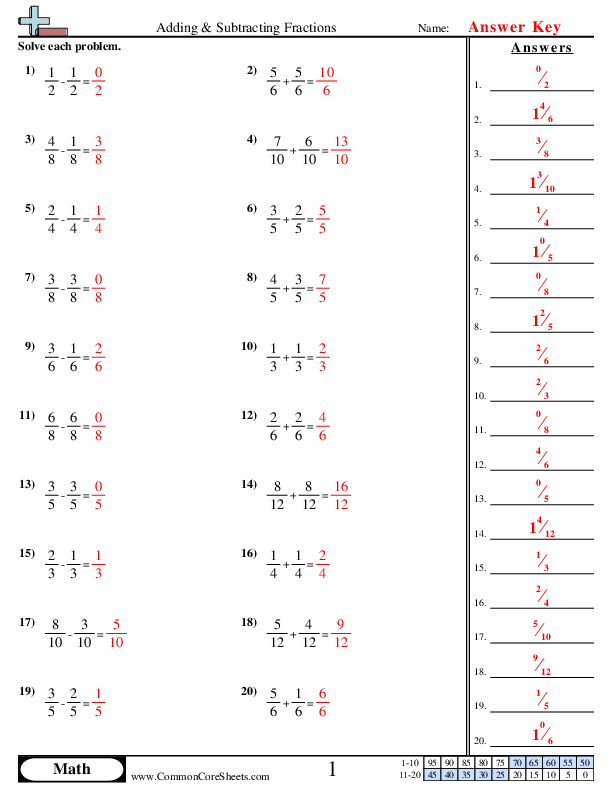
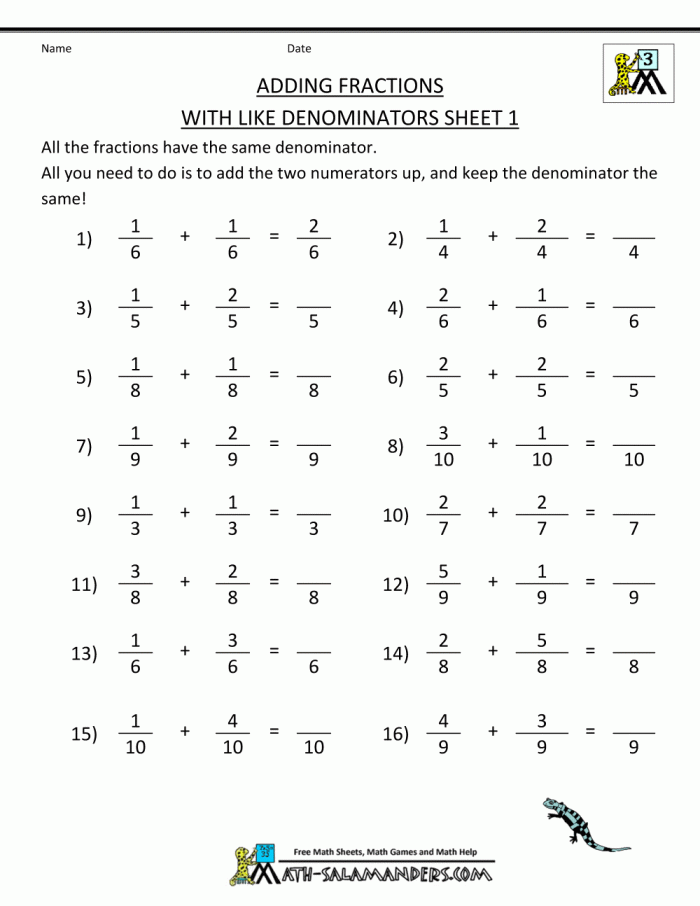
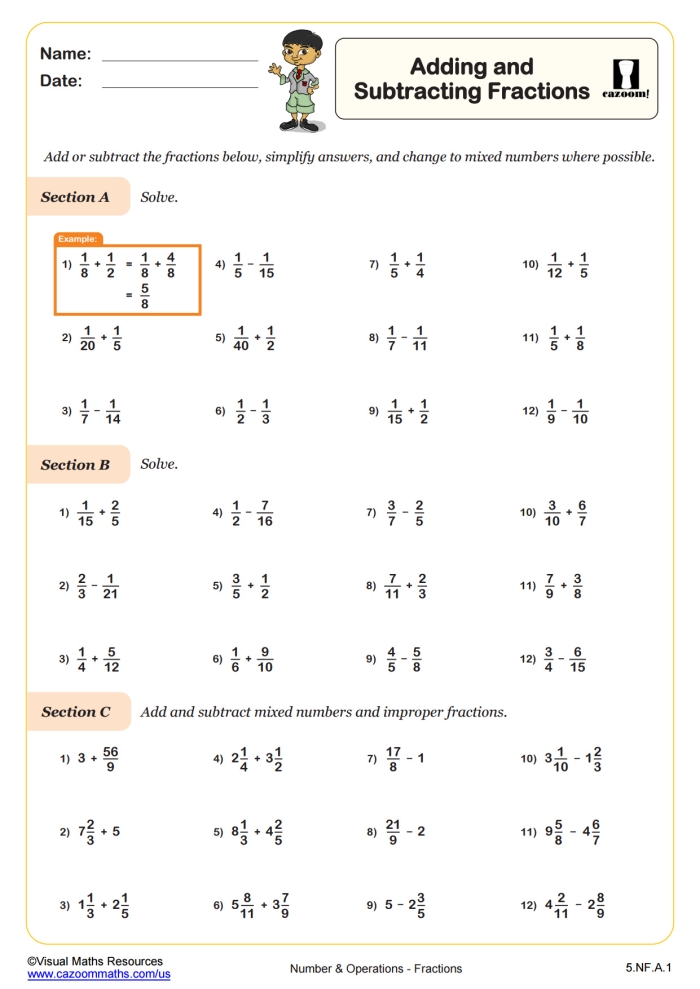
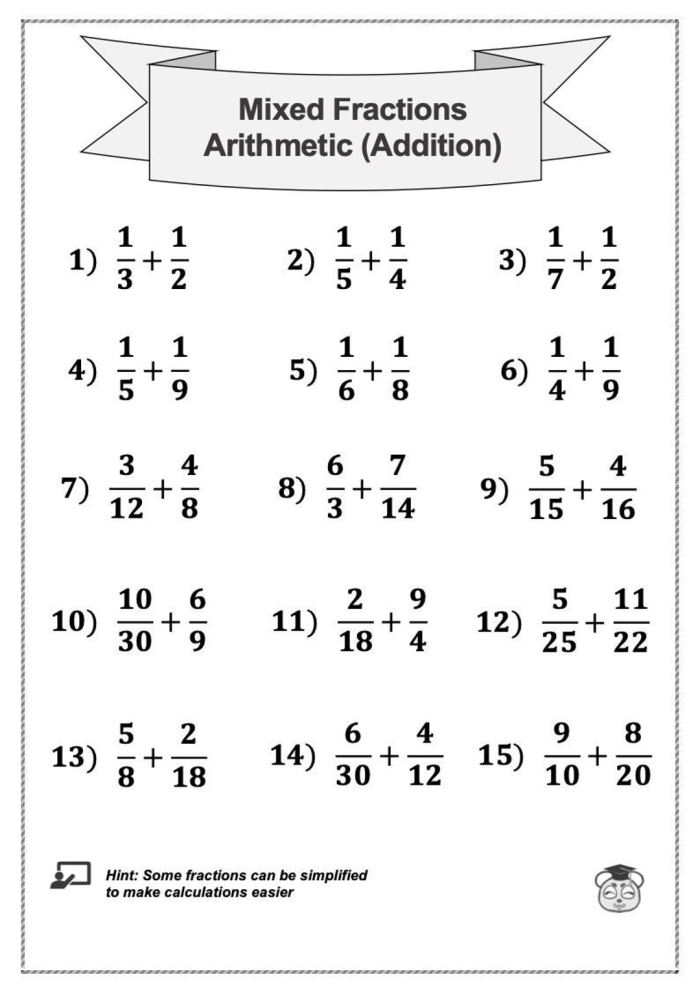
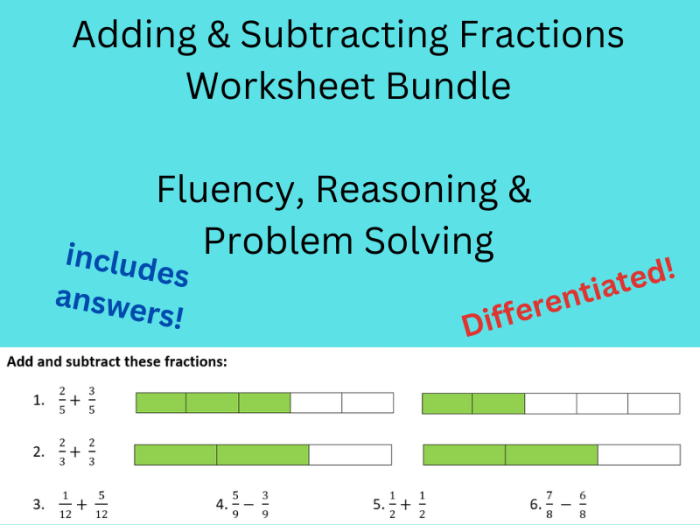
Fourth graders often hit a wall when fractions first appear in their math curriculum, and that’s completely normal. The jump from whole numbers to parts of a whole requires a shift in how kids think about quantity. Adding and subtracting simple fractions, though, becomes much less intimidating when you break it down into manageable steps and practice regularly.
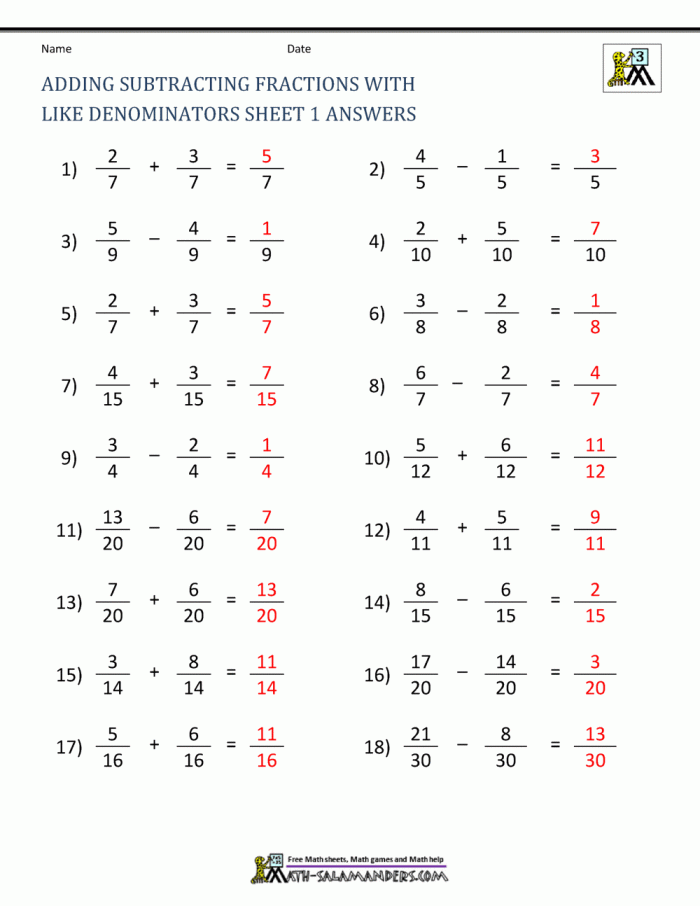
The key to building fraction confidence is understanding that fractions only combine when they share the same denominator, or bottom number. When your child works with fractions like 1/4 plus 2/4, they’re really just counting quarters: one quarter plus two quarters equals three quarters. This concrete thinking helps the concept stick far better than memorizing rules.
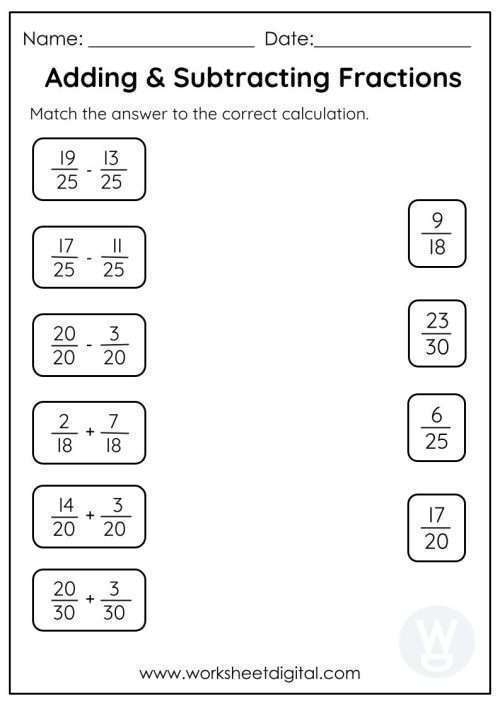
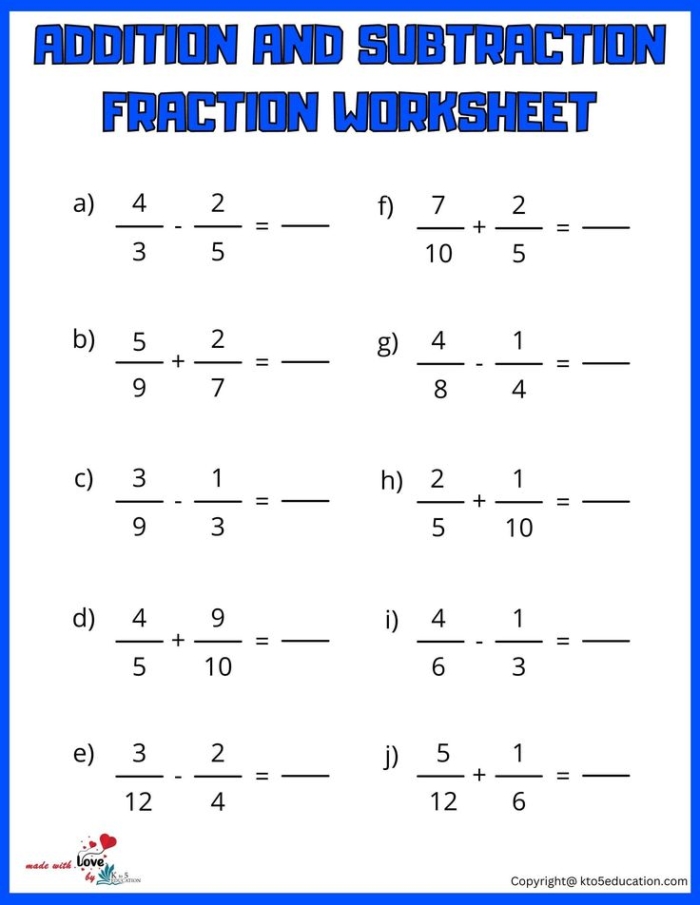
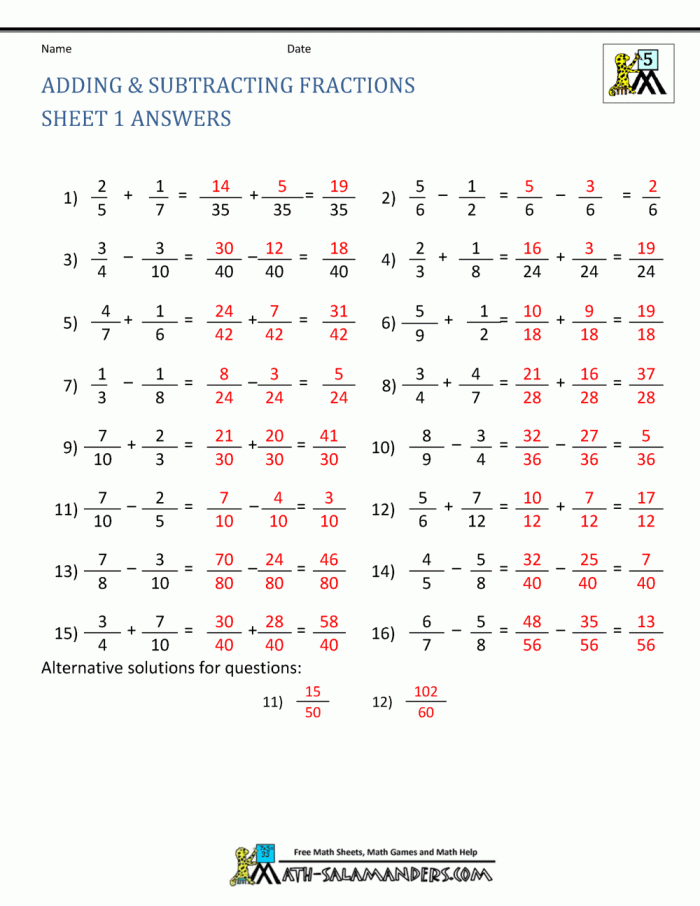
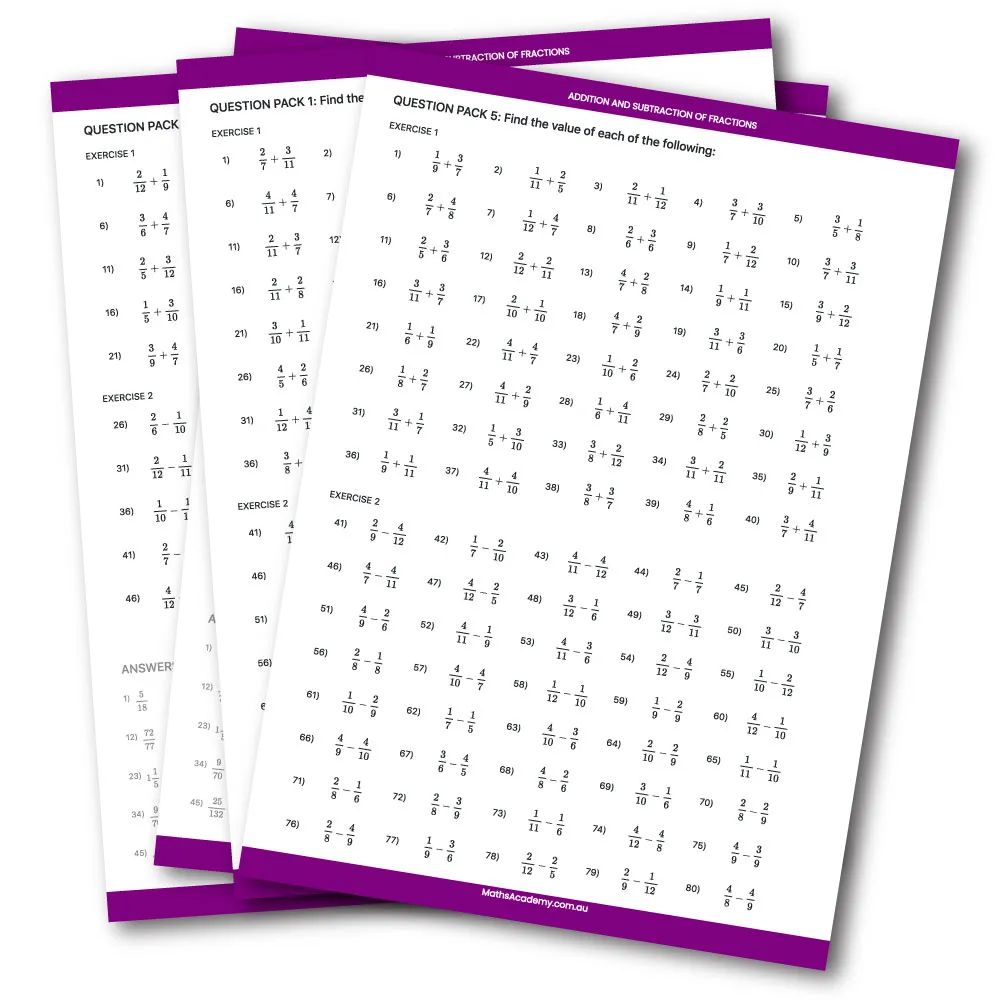
Start with visual models. Draw circles divided into equal parts, use fraction bars, or even cut actual pizza slices from paper. Let your fourth grader see that 1/3 plus 1/3 creates 2/3. Once they understand the “why” behind the math, the mechanics become secondary. Many students benefit from supplementary practice materials that reinforce these foundations through varied exercises and real-world contexts.
When introducing subtraction, follow the same visual approach. Show how 3/5 minus 1/5 means removing one part from three parts, leaving two parts. The denominator stays constant because you’re still working with the same-sized pieces.
Consistent, short practice sessions work better than occasional cramming. Fifteen minutes three times a week beats an hour on Saturday morning. Mix in word problems that connect fractions to everyday situations: sharing snacks, measuring ingredients, or dividing time. These contexts make the math feel relevant rather than abstract.
Your patience matters as much as the practice itself. Celebrate small wins, acknowledge confusion as a normal part of learning, and remember that mastering fractions in fourth grade sets the stage for all the mathematics that follows.
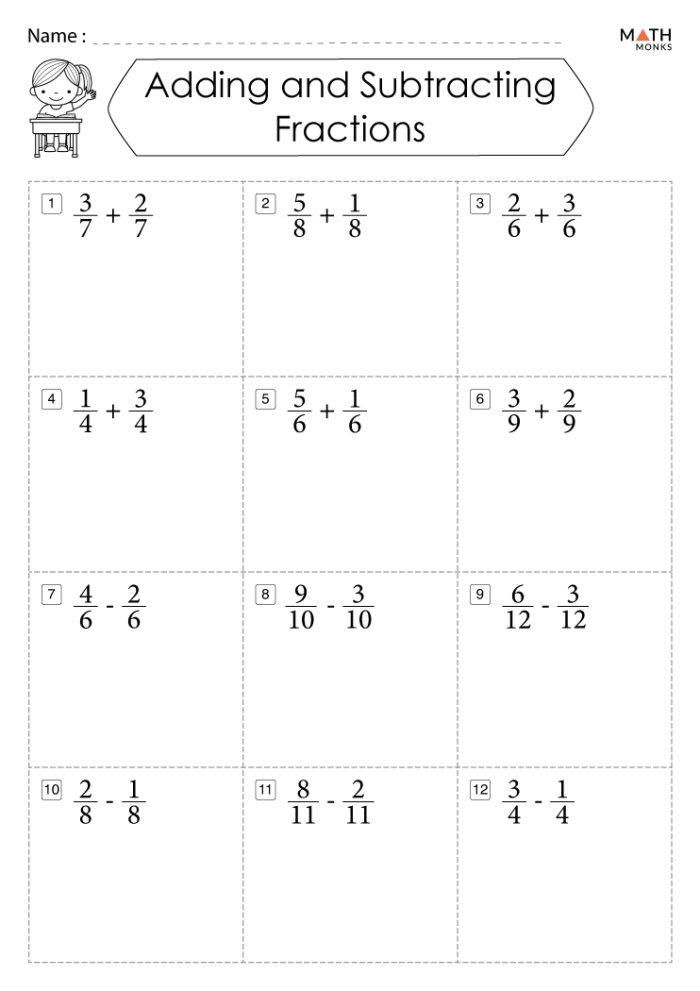
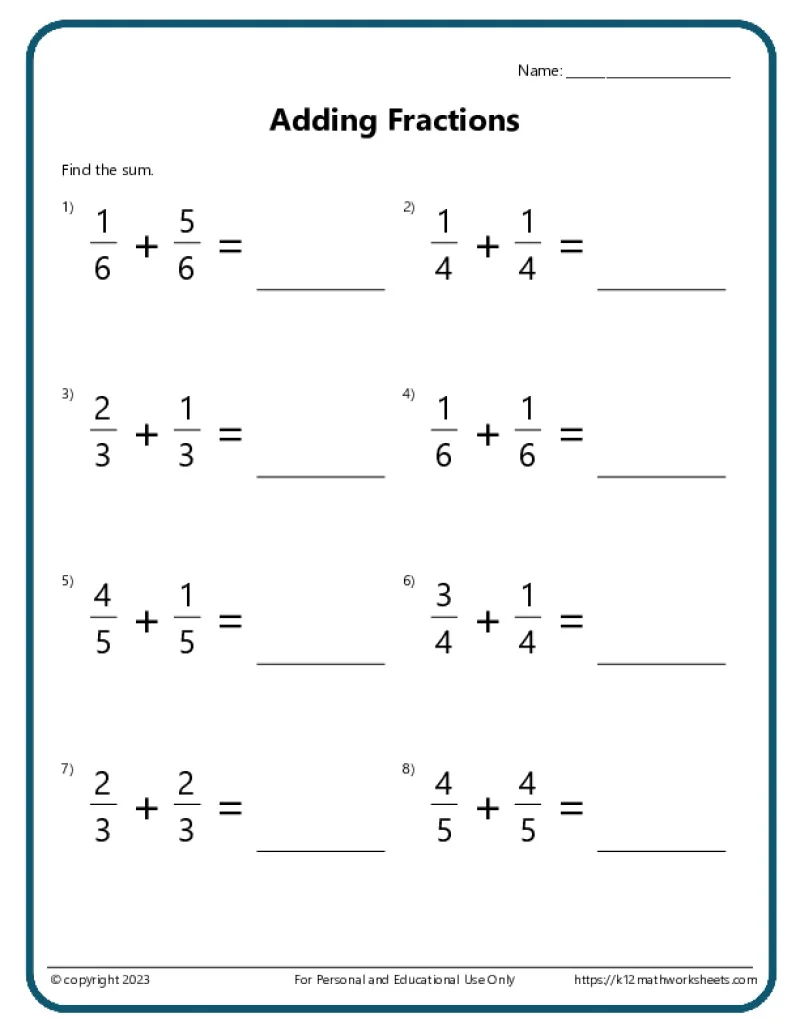
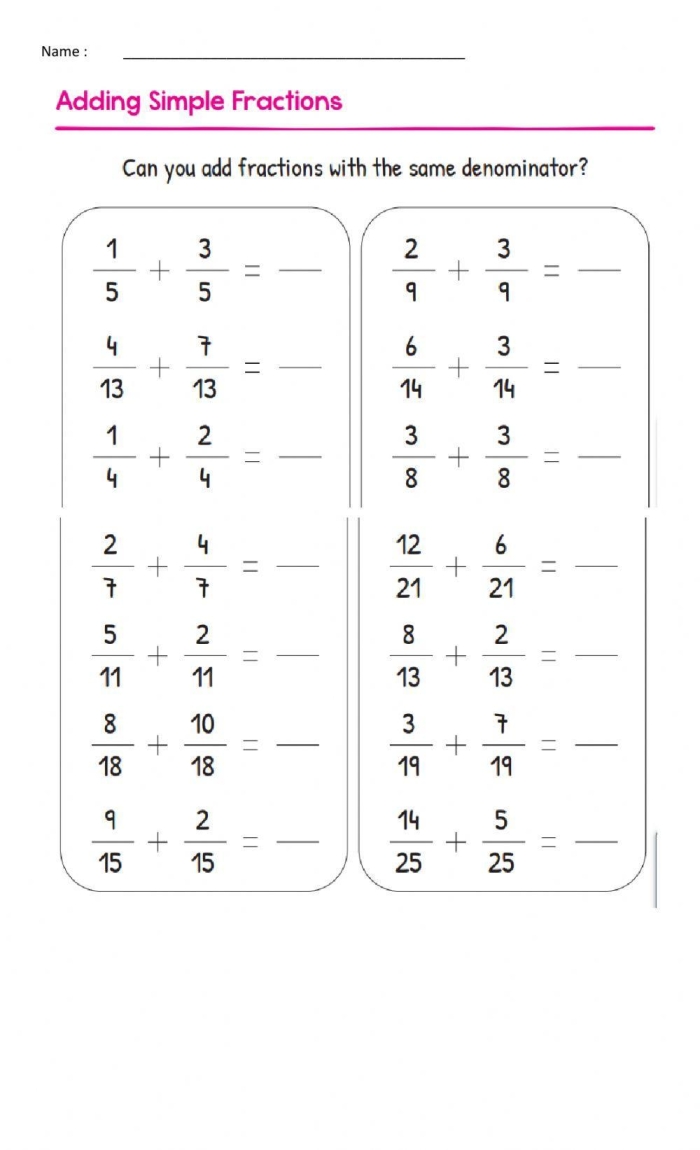
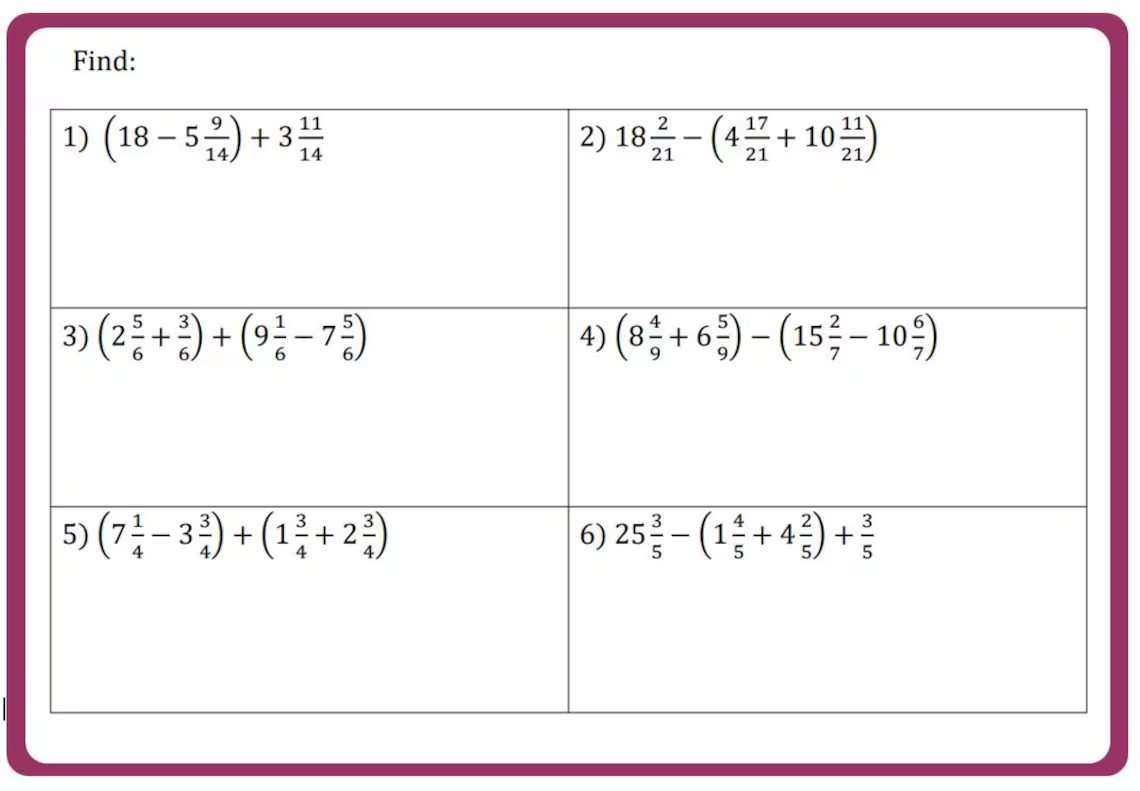
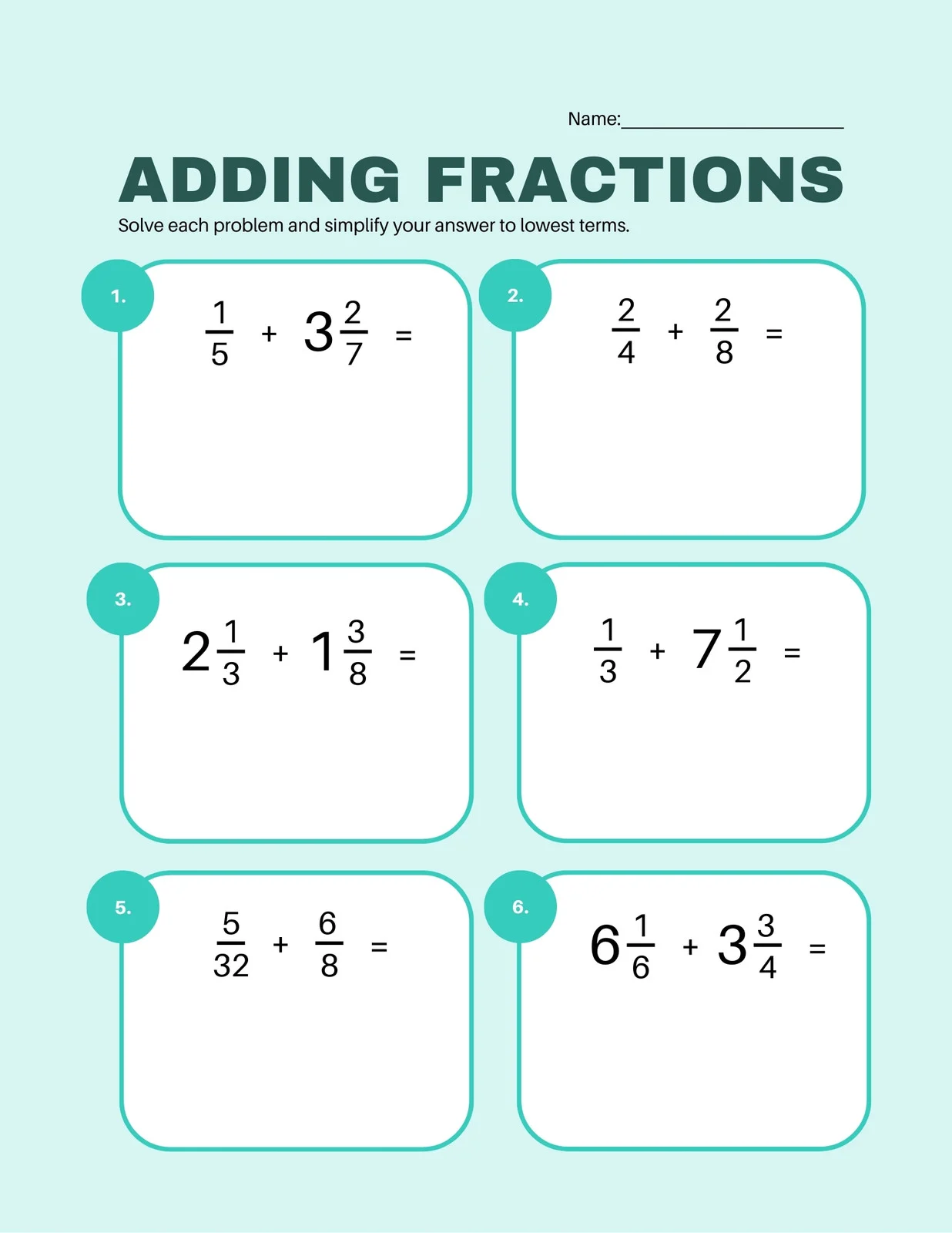
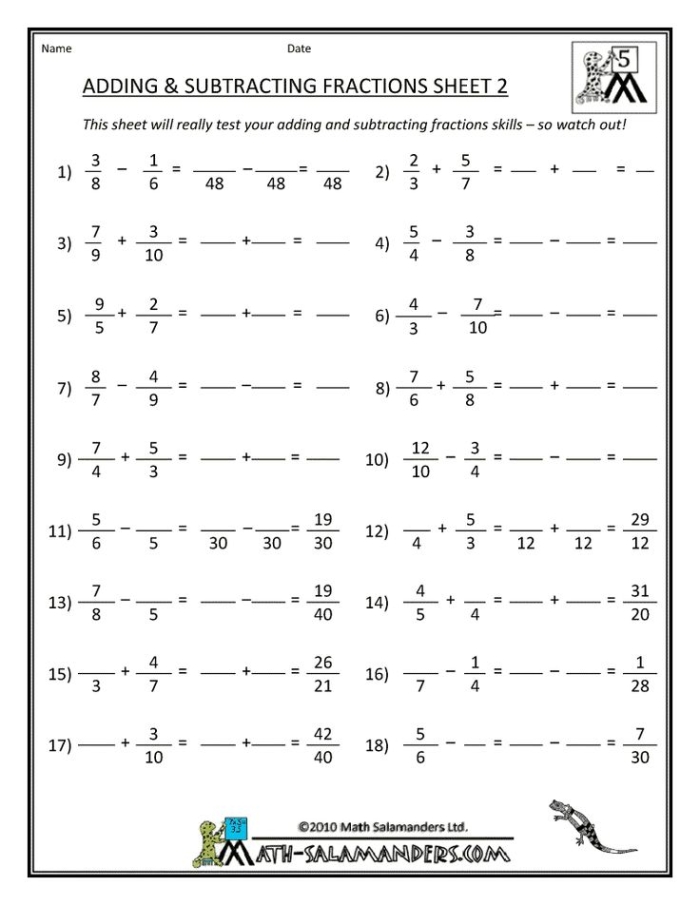
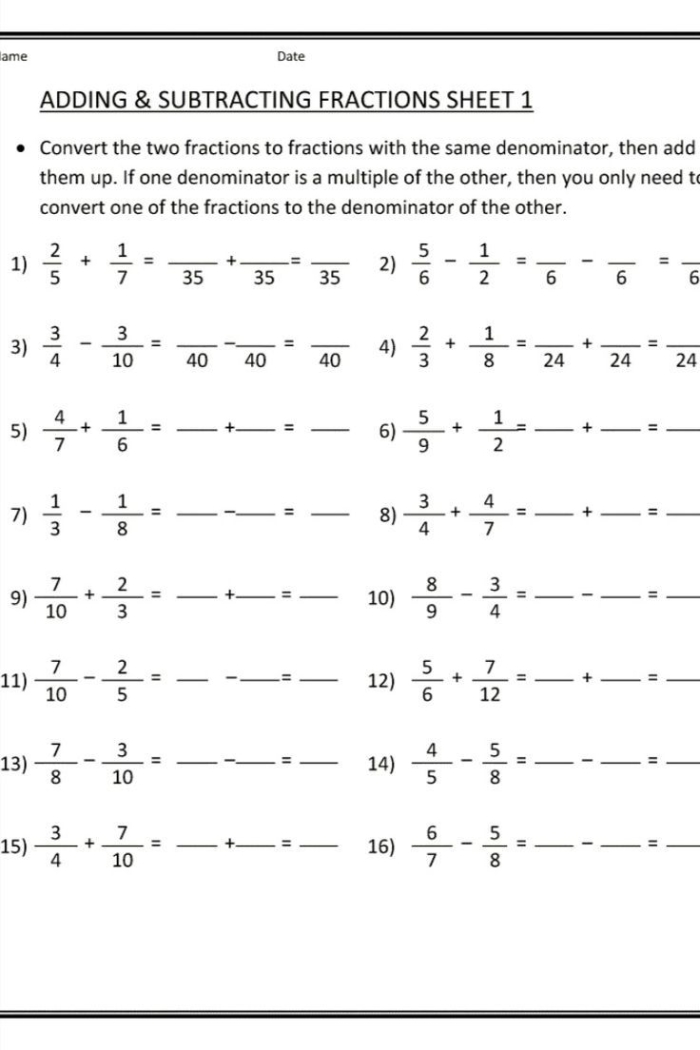
Practice with These Worksheets