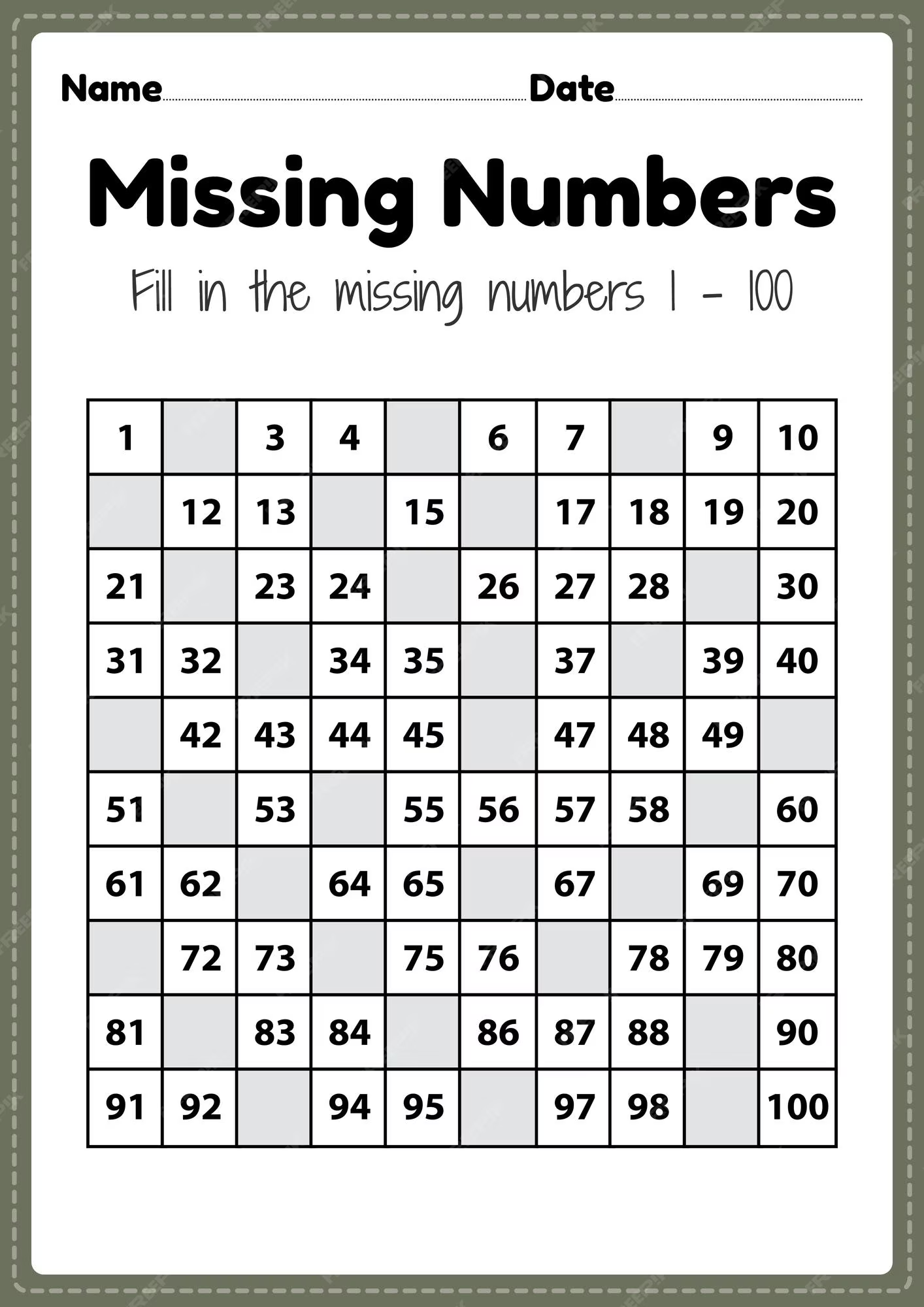
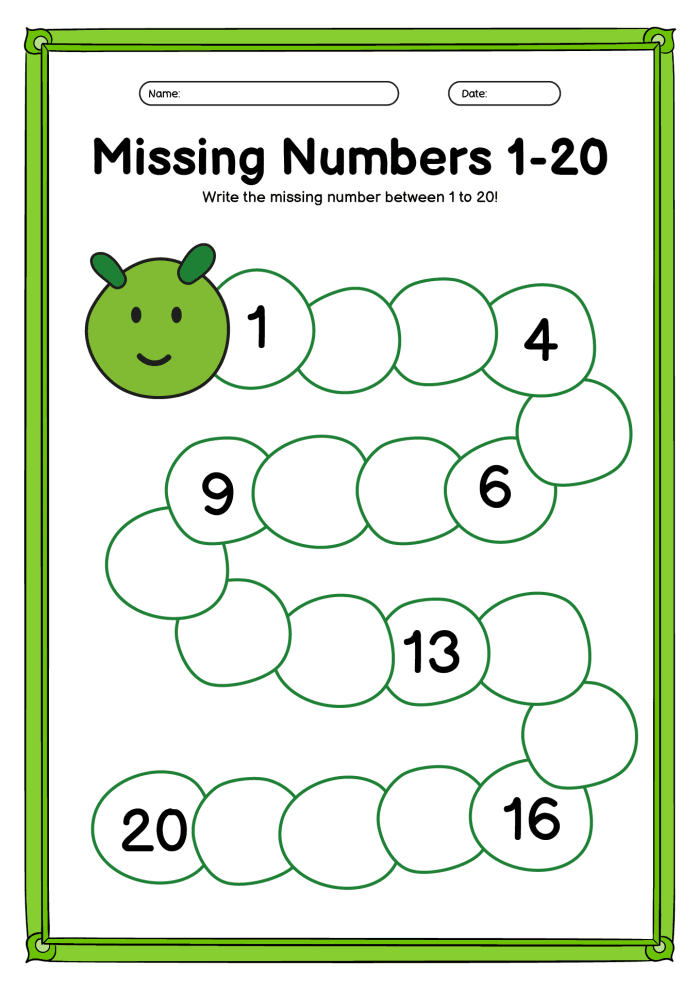
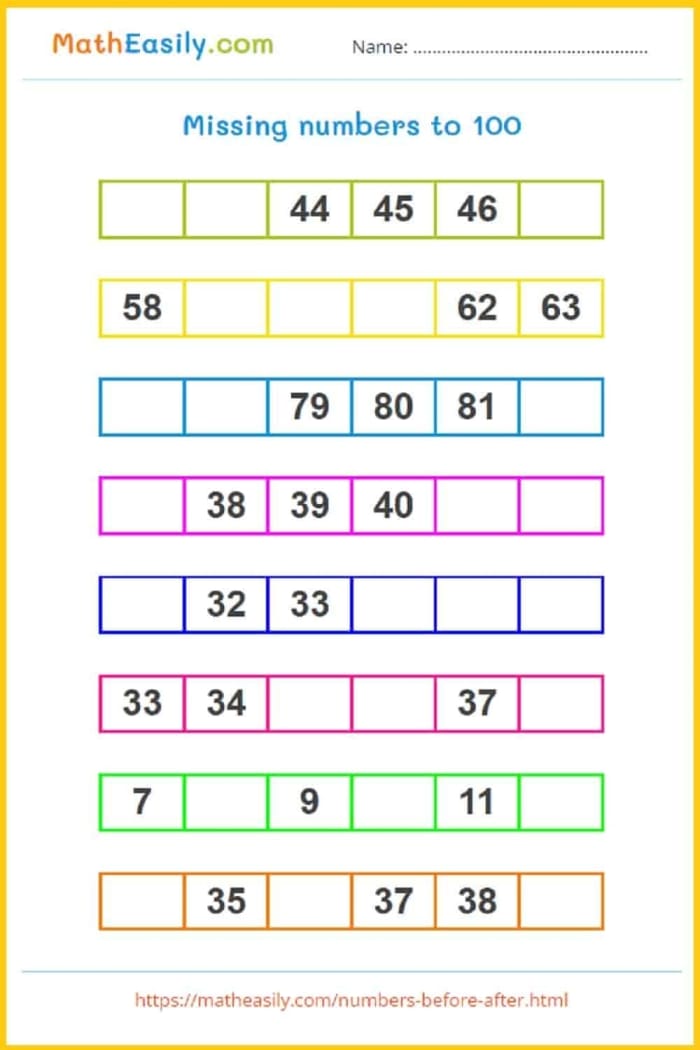
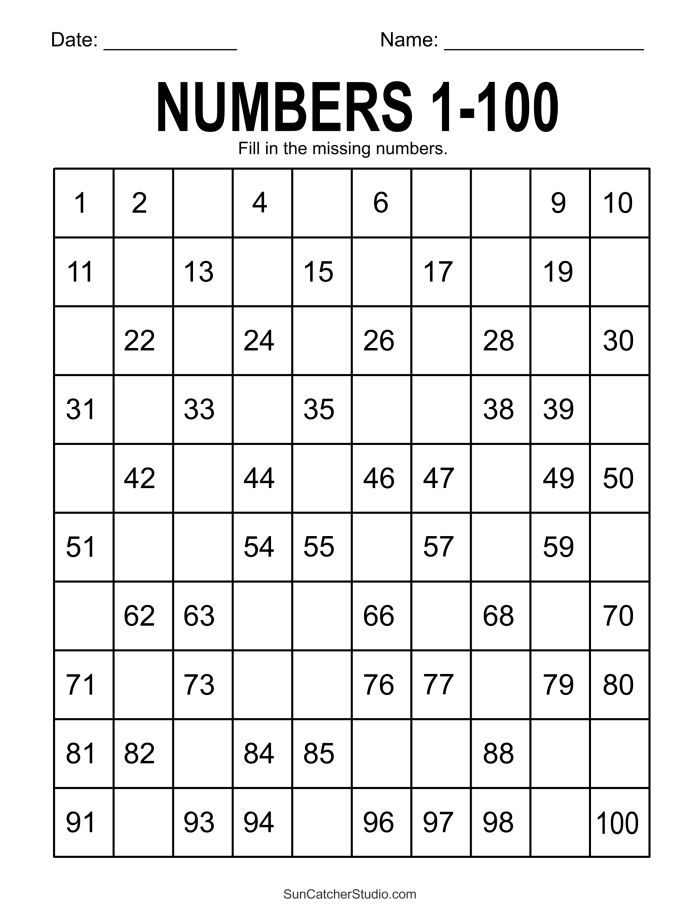
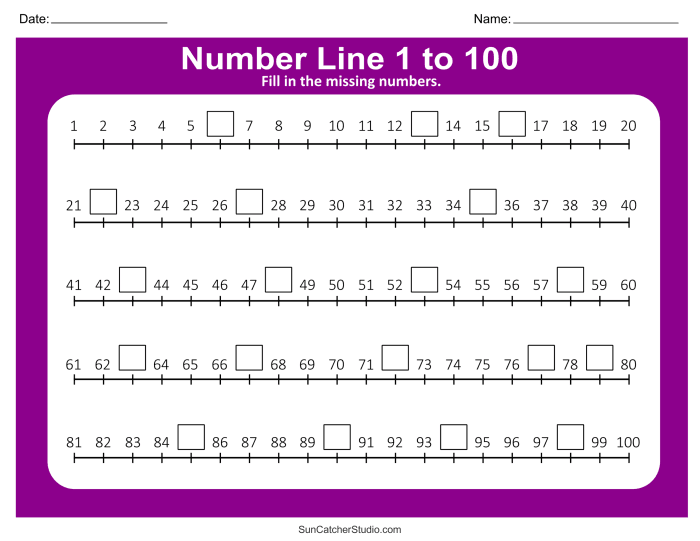
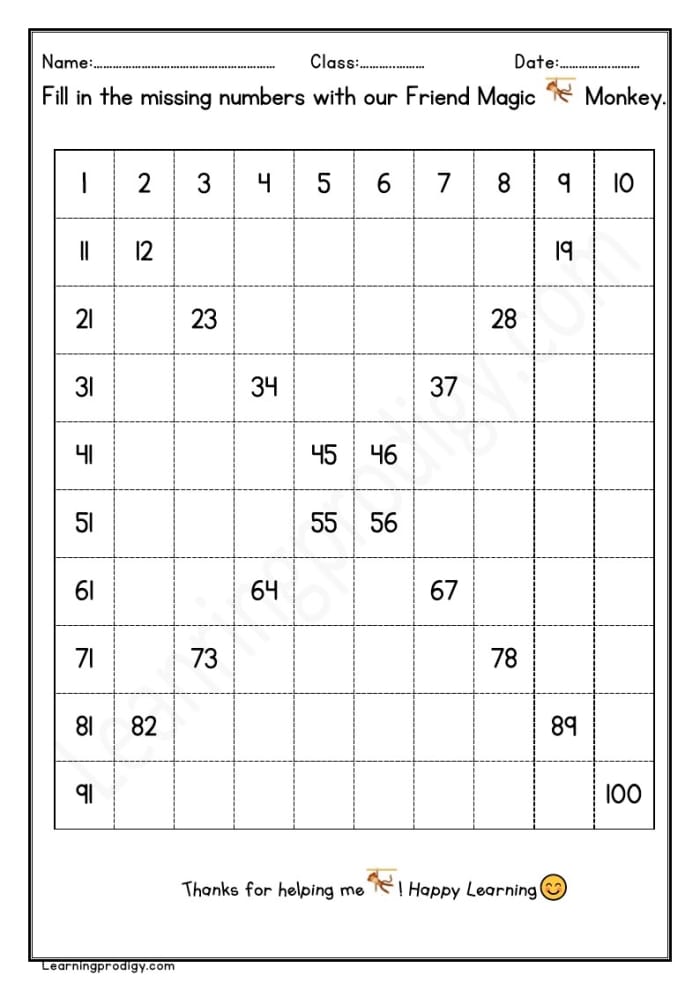
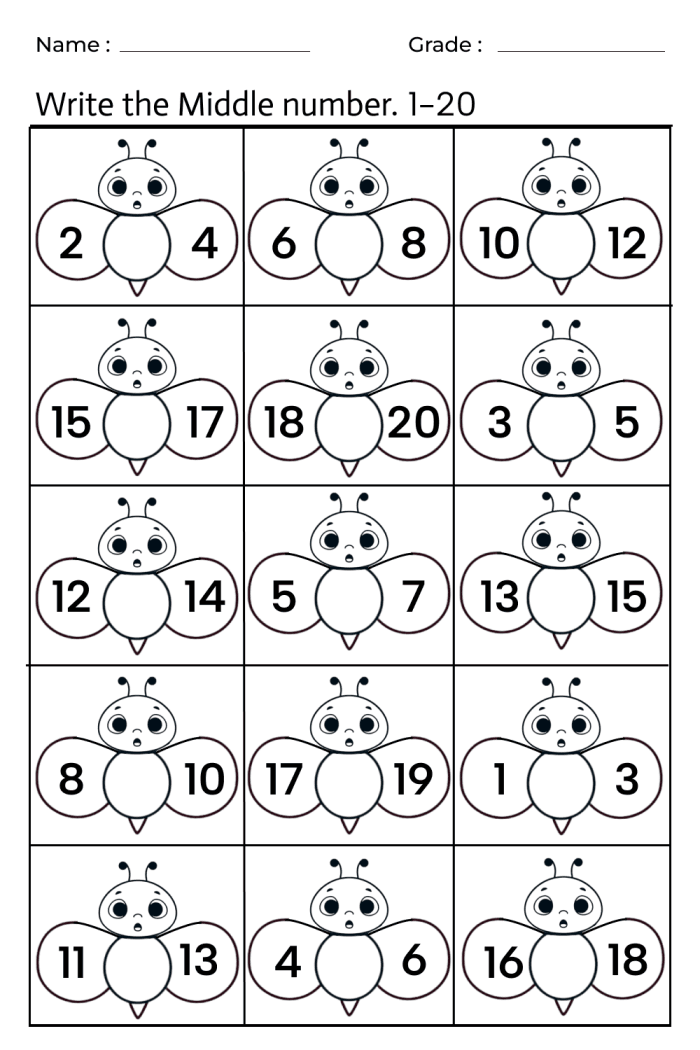
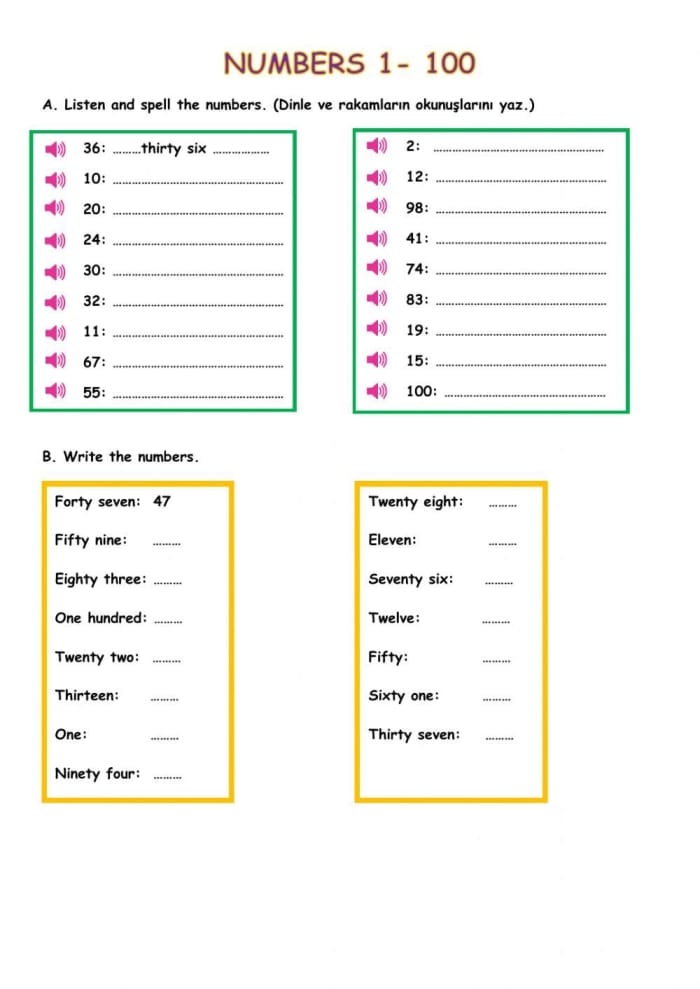
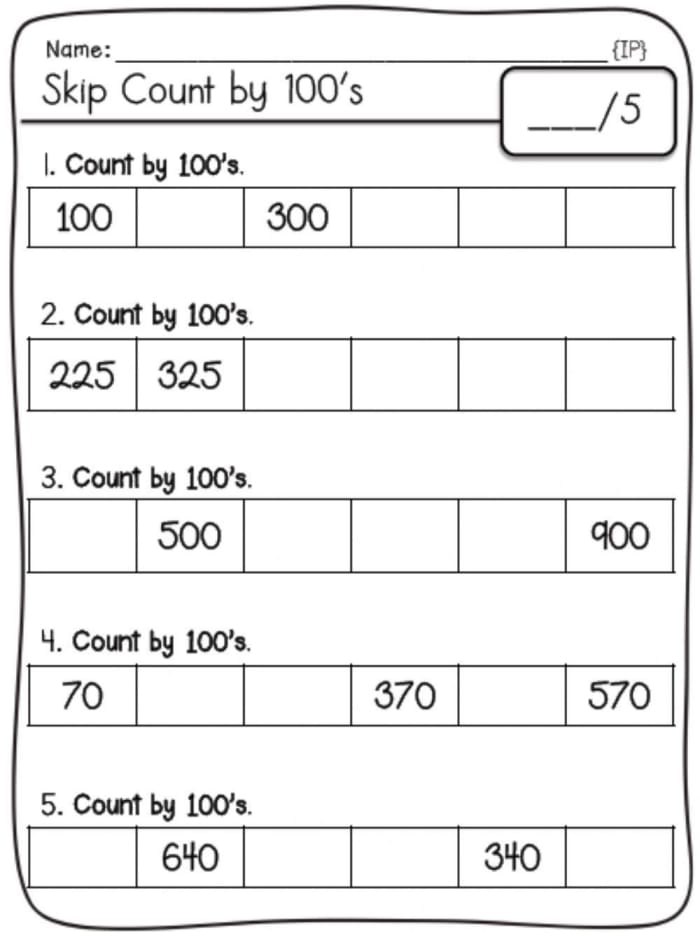
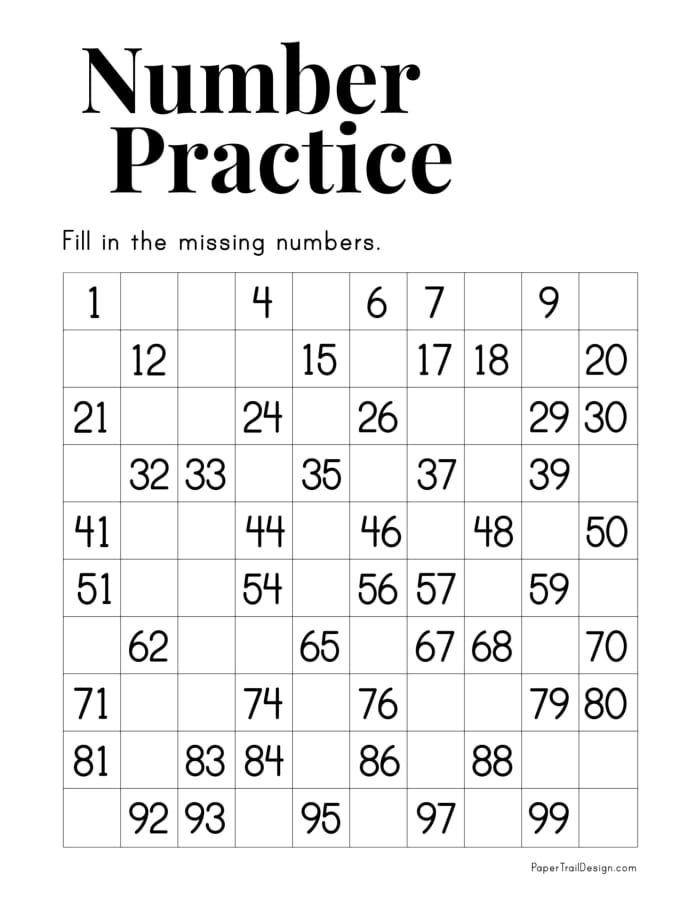
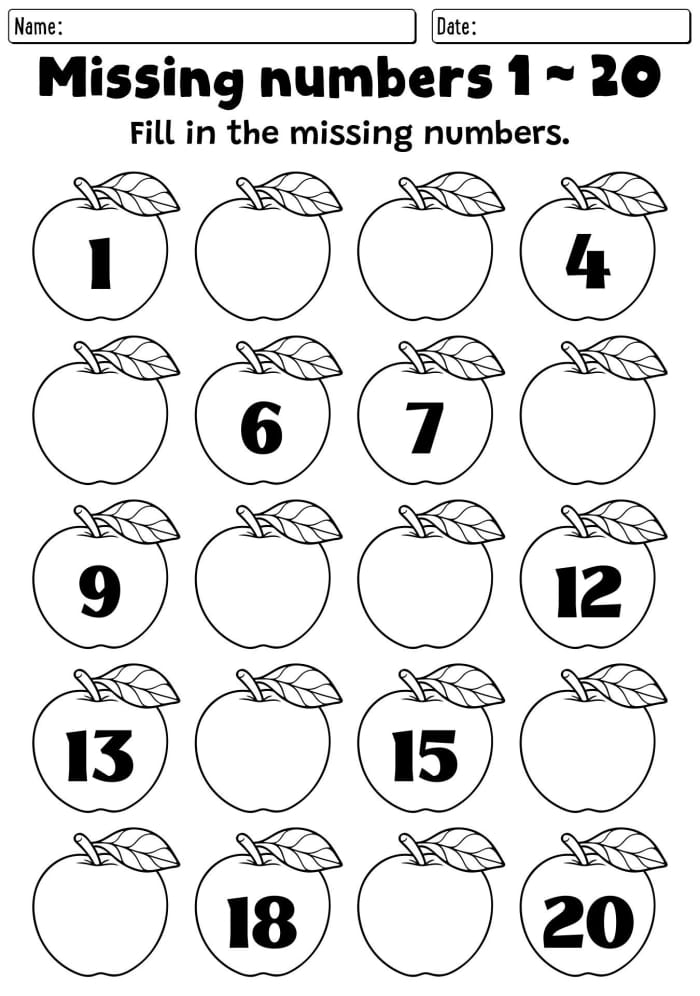
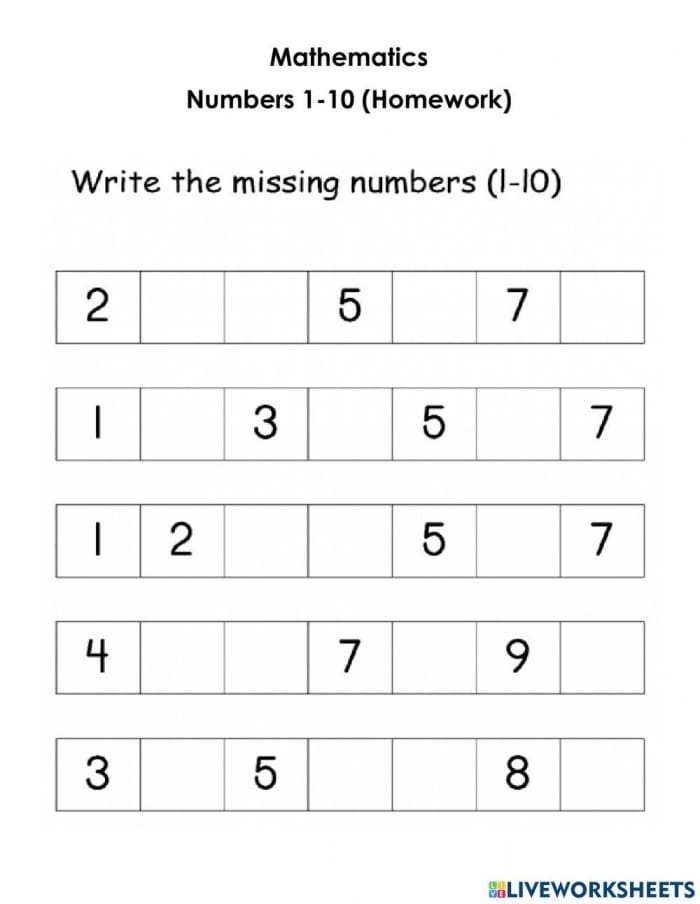
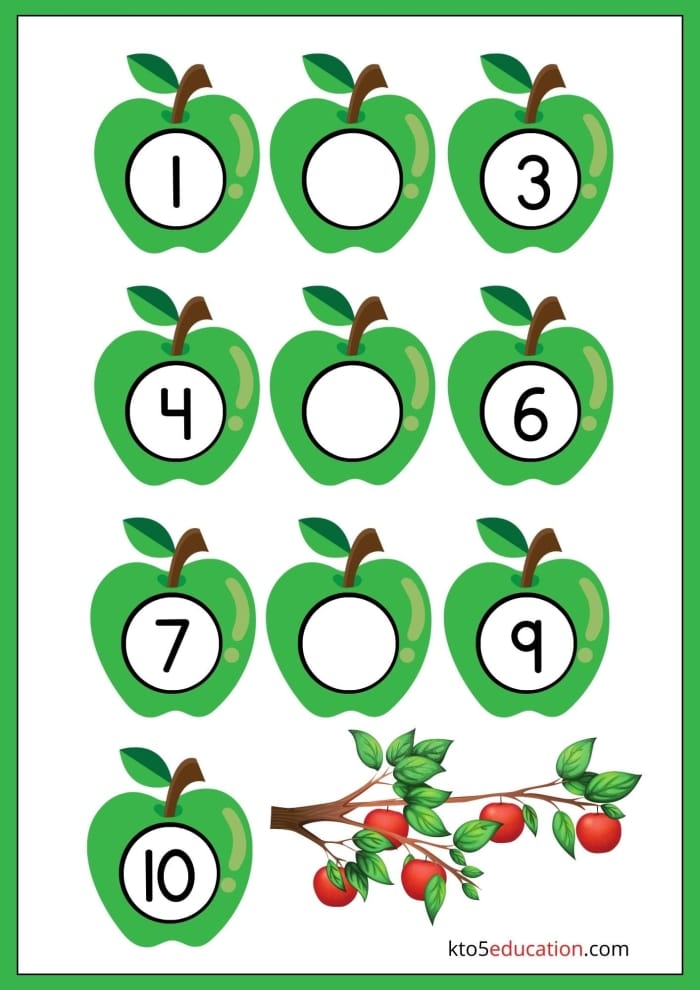
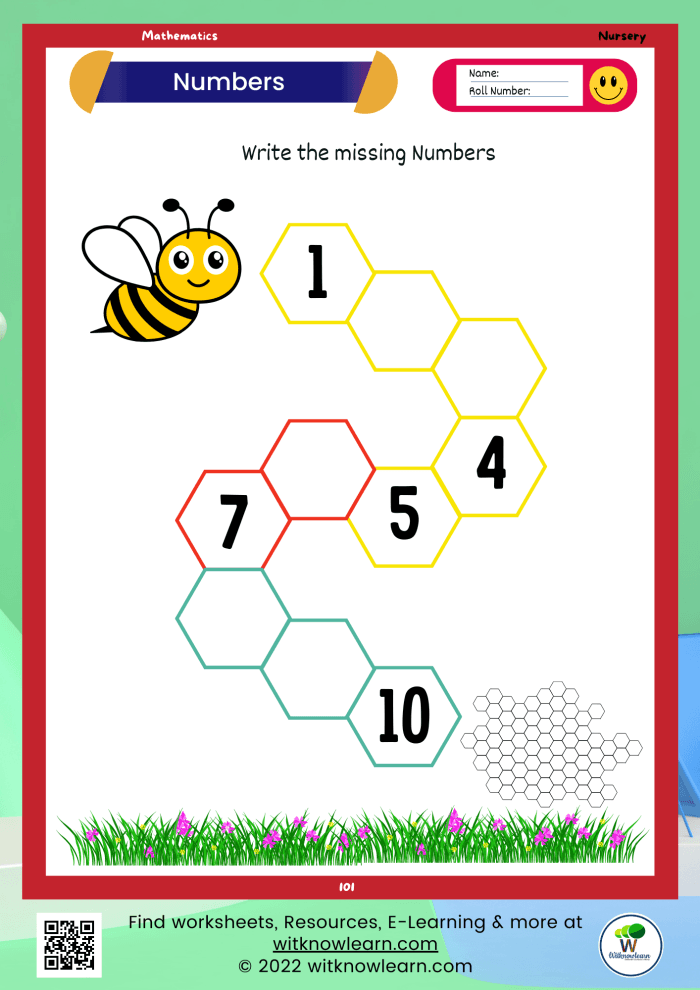
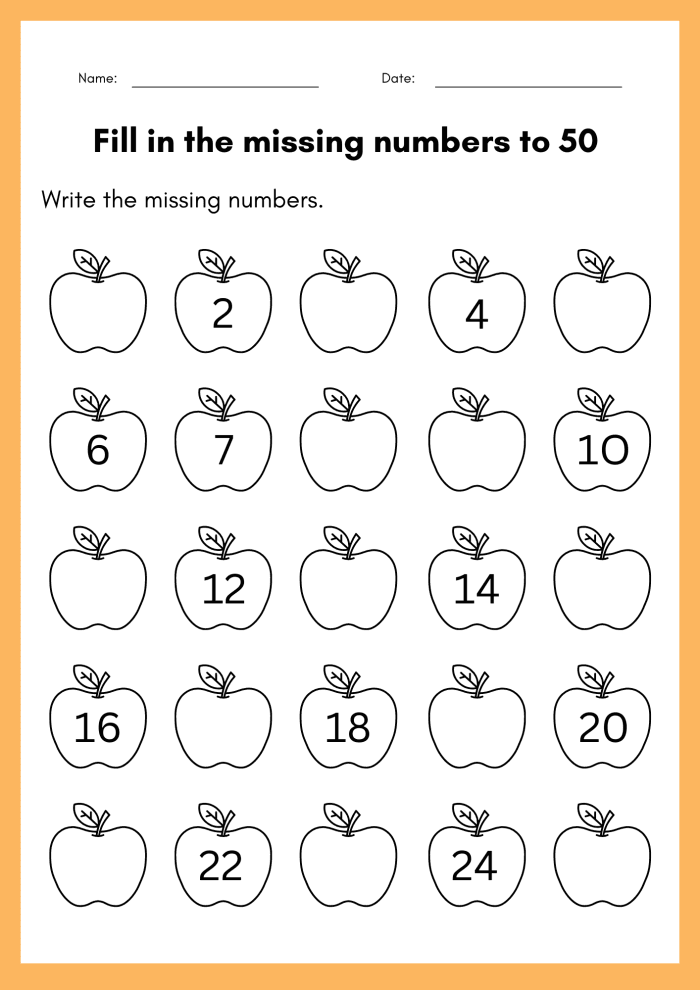
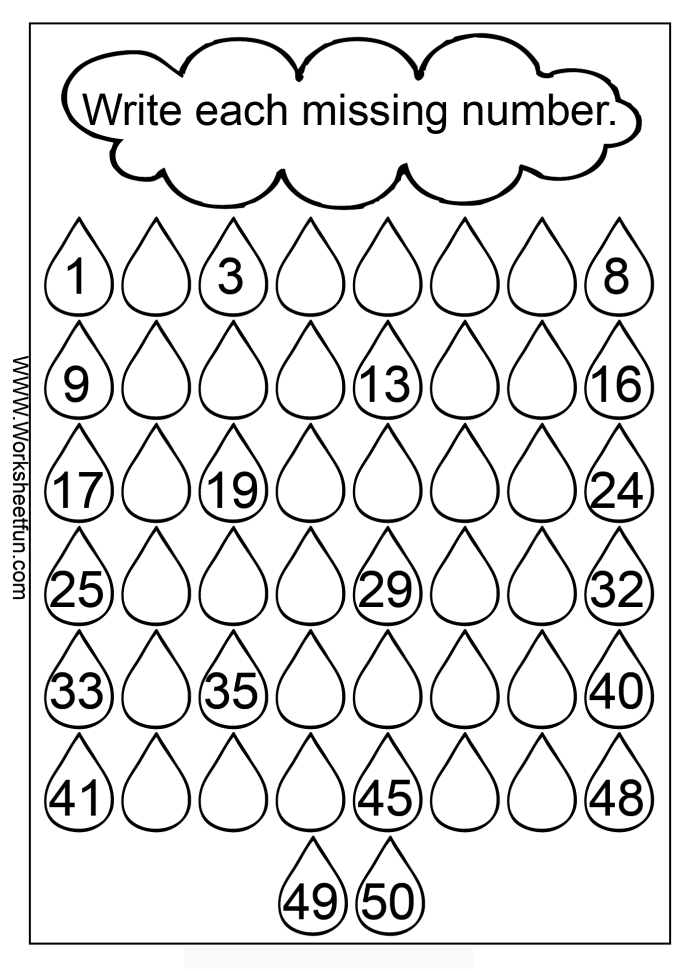
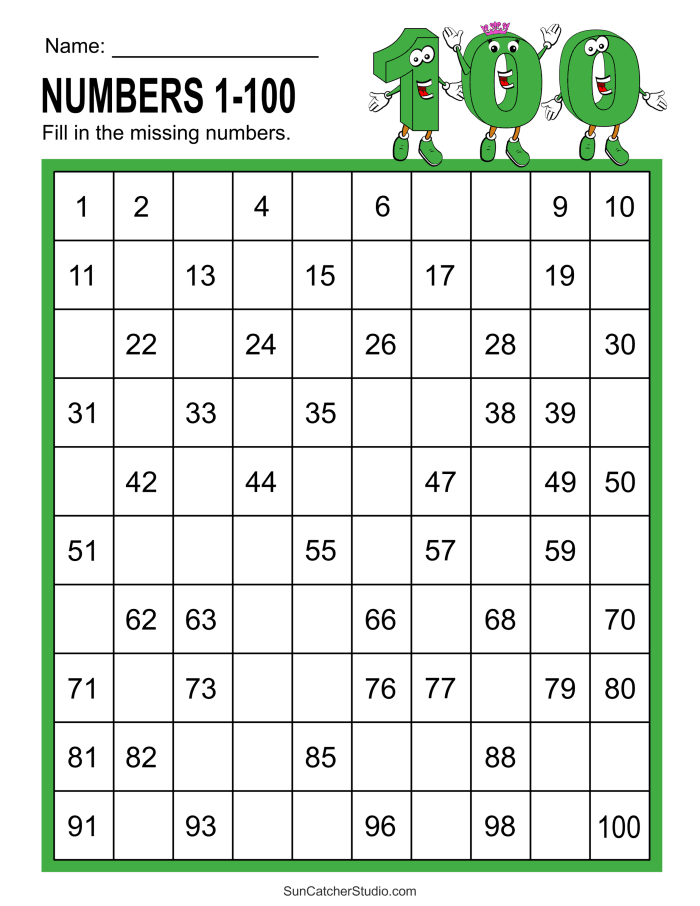
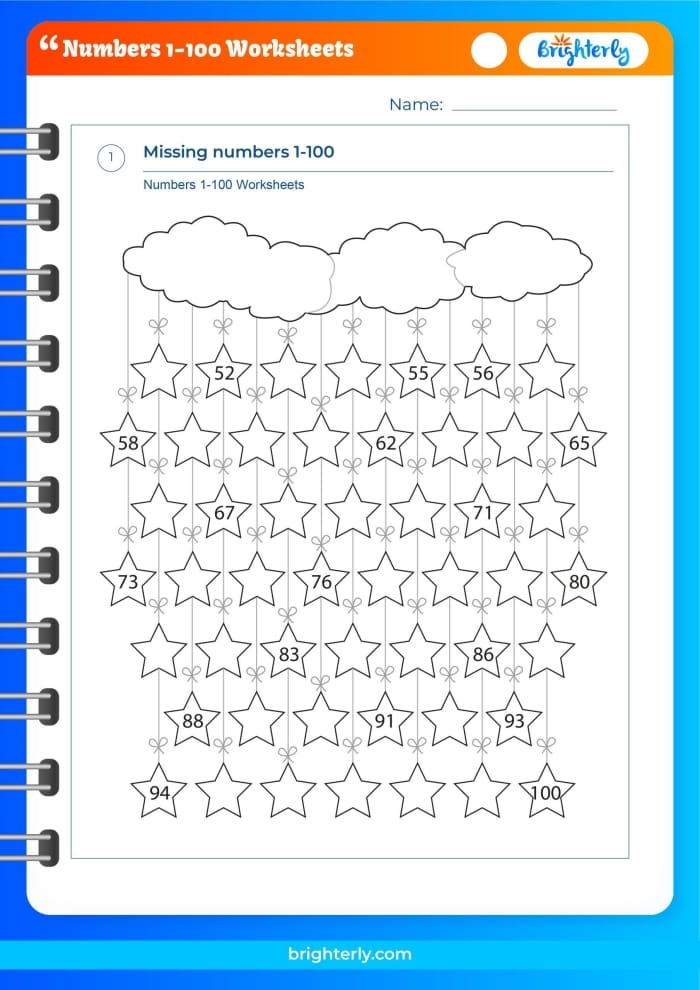
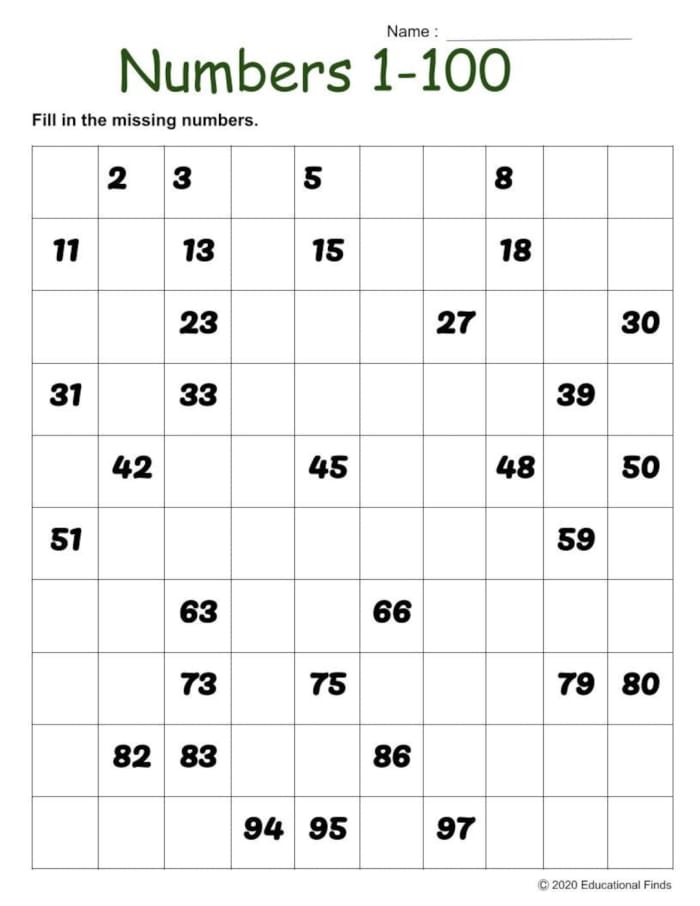
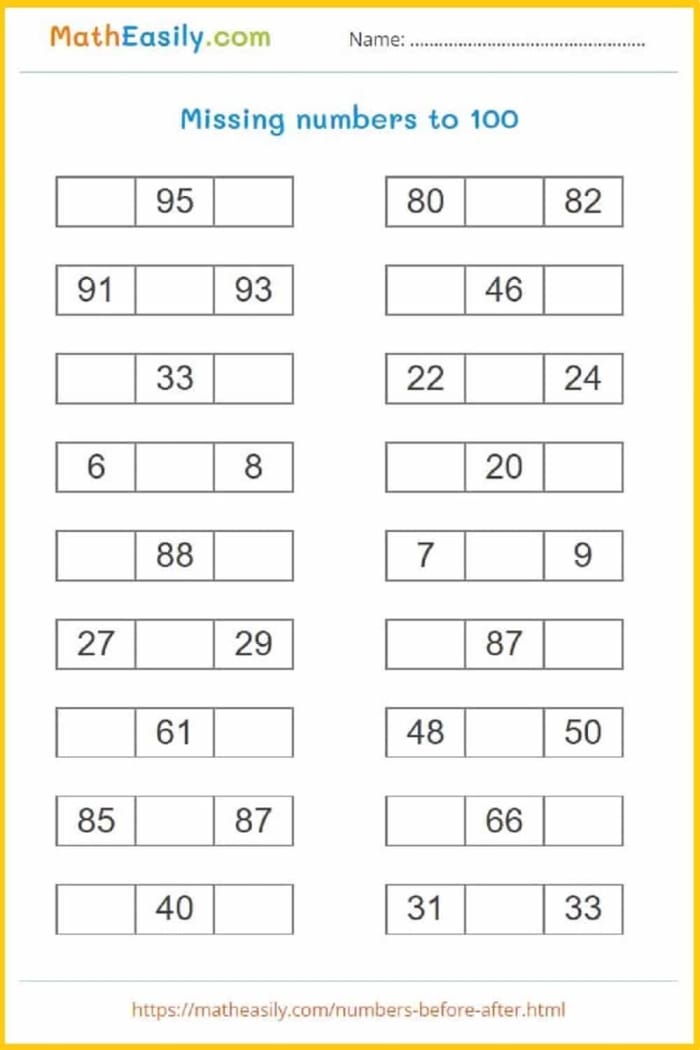
A hundred chart with missing numbers is one of the most straightforward tools for building counting fluency in young learners. When kindergarteners and first graders fill in the blanks, they’re not just memorizing sequences, they’re internalizing the structure of our number system and developing number sense that will support all future math learning.
The beauty of this activity lies in its simplicity. A hundred chart displays numbers from 1 to 100 in ten rows of ten, and removing certain numbers creates natural opportunities for children to think about what comes next. When a child encounters a gap, they must recall the sequence, count backward or forward from nearby numbers, and make a prediction. This active problem-solving beats passive number recitation every time.
In kindergarten classrooms, these worksheets work best when you start with smaller ranges. You might begin by removing just a few numbers in the first two rows, then gradually increase the difficulty as students gain confidence. Some children benefit from keeping the full hundred chart visible as a reference while they work on their missing numbers worksheet.
The practice extends naturally into other counting activities. Students who master the hundred chart often find success with related exercises like counting and coloring activities for numbers 11-20, which reinforce the same sequencing skills in a different format. You can also pair this work with dot-to-dot number activities to keep engagement high while building the same foundational competencies.
The hundred chart remains relevant throughout first grade and beyond. As students become more fluent, you can challenge them by removing numbers in random positions rather than consecutive gaps, or by asking them to identify patterns they notice while completing the chart. This simple worksheet becomes a bridge between rote counting and genuine number understanding.
Download These Worksheets for Practice