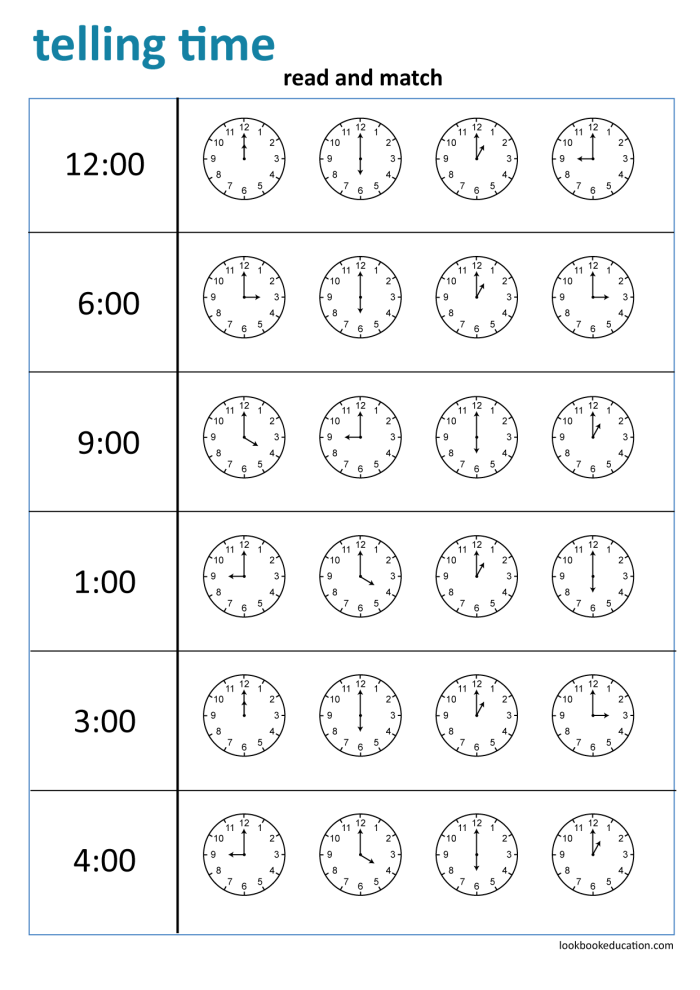
Many second-grade students become quite adept at reading time to the hour and half hour. However, as they progress, they often face challenges with more complex times, such as 9:10 or 1:35. This is where a focused approach can help solidify their understanding and boost their confidence.
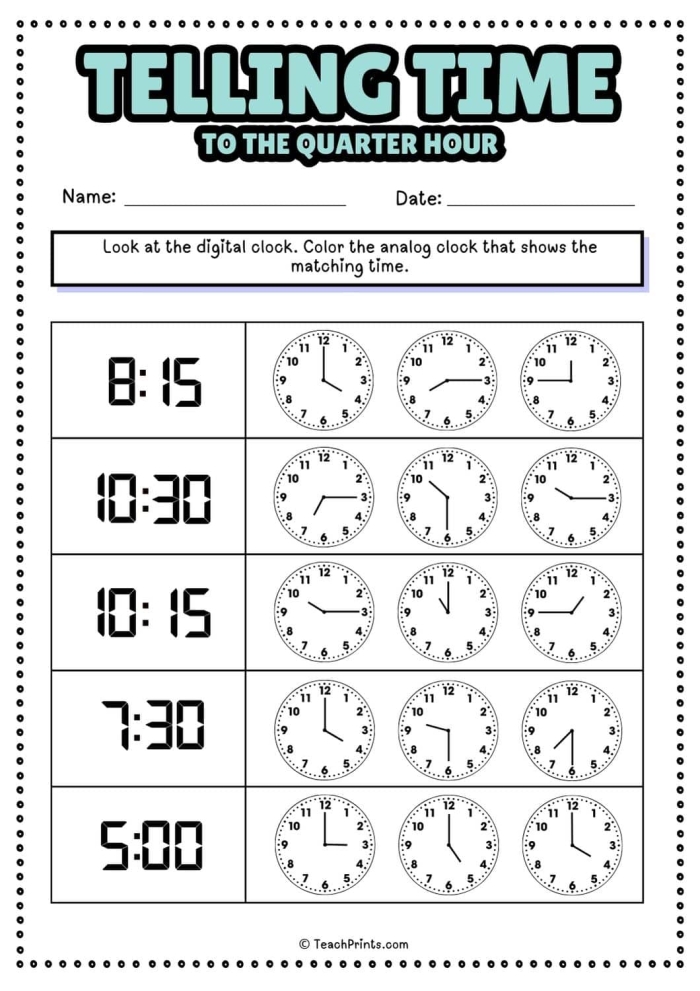
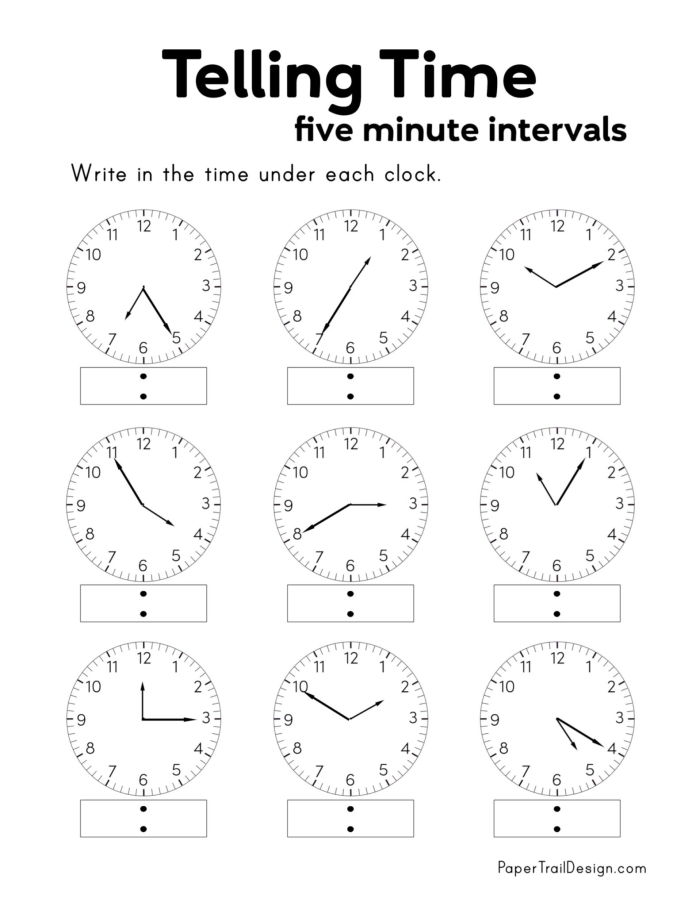
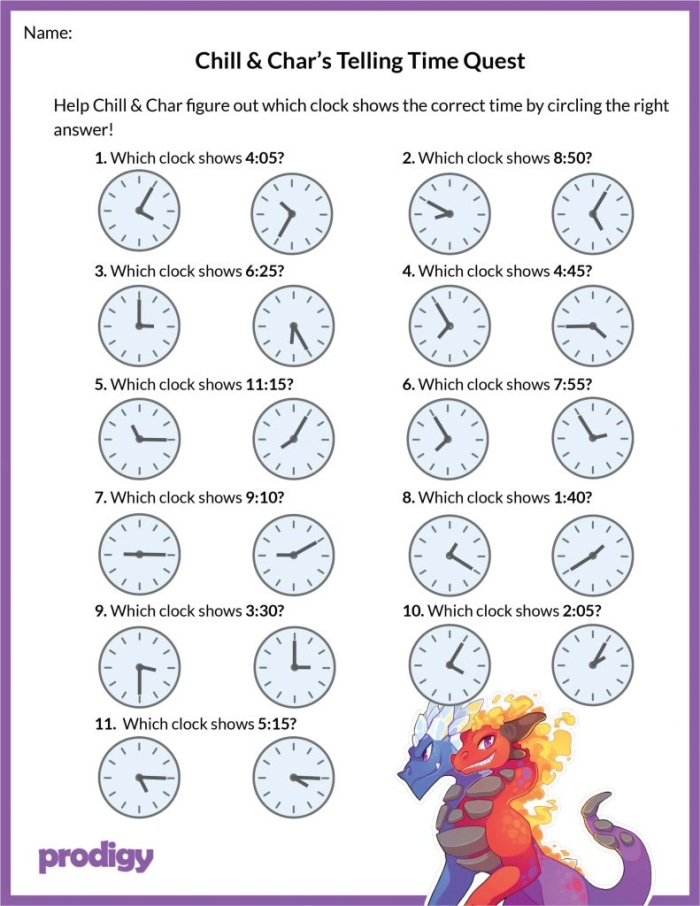
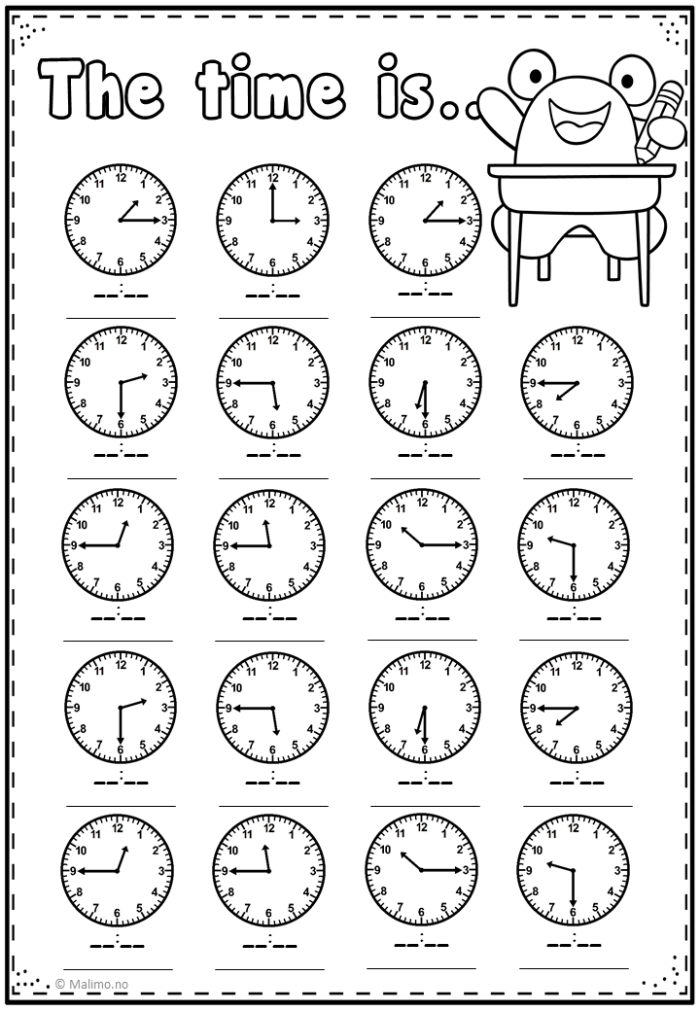
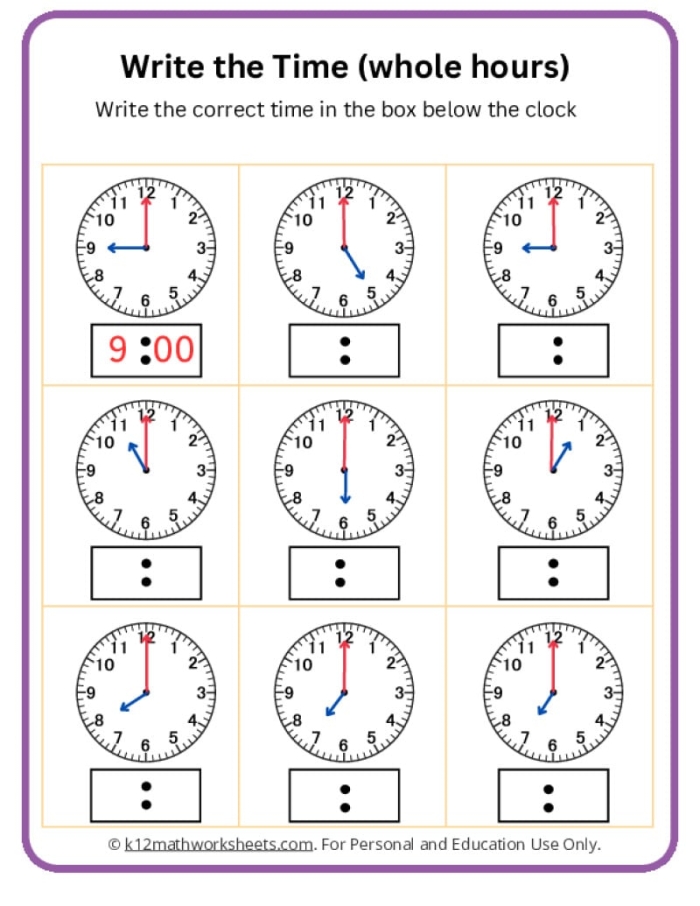
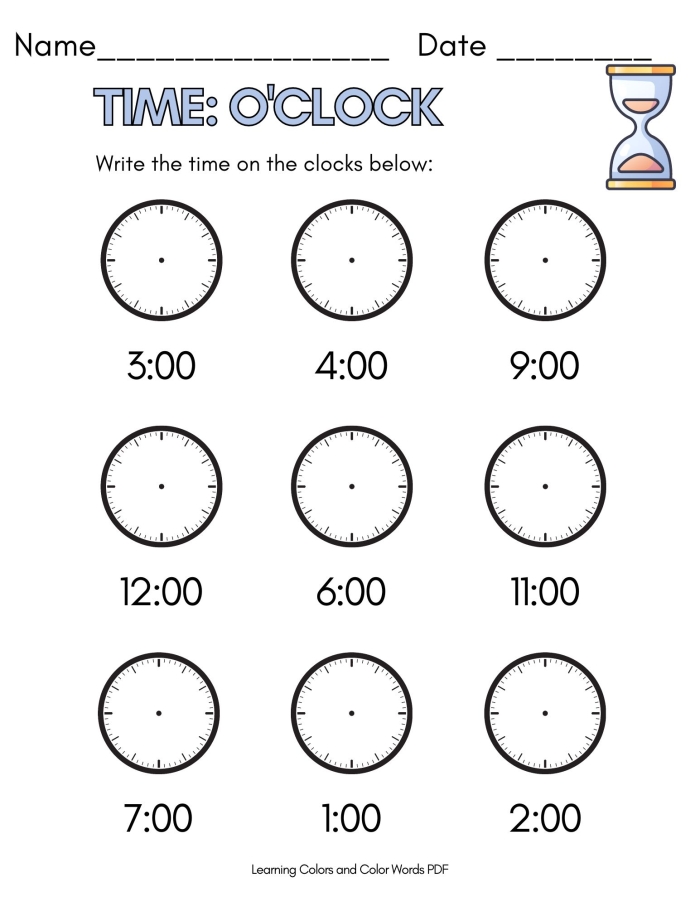
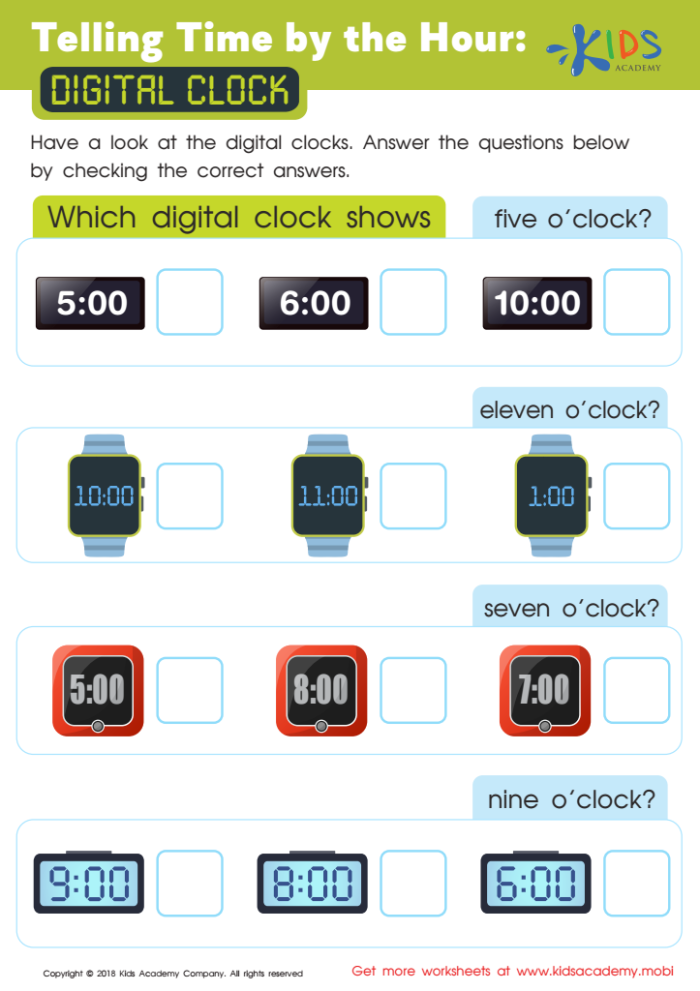
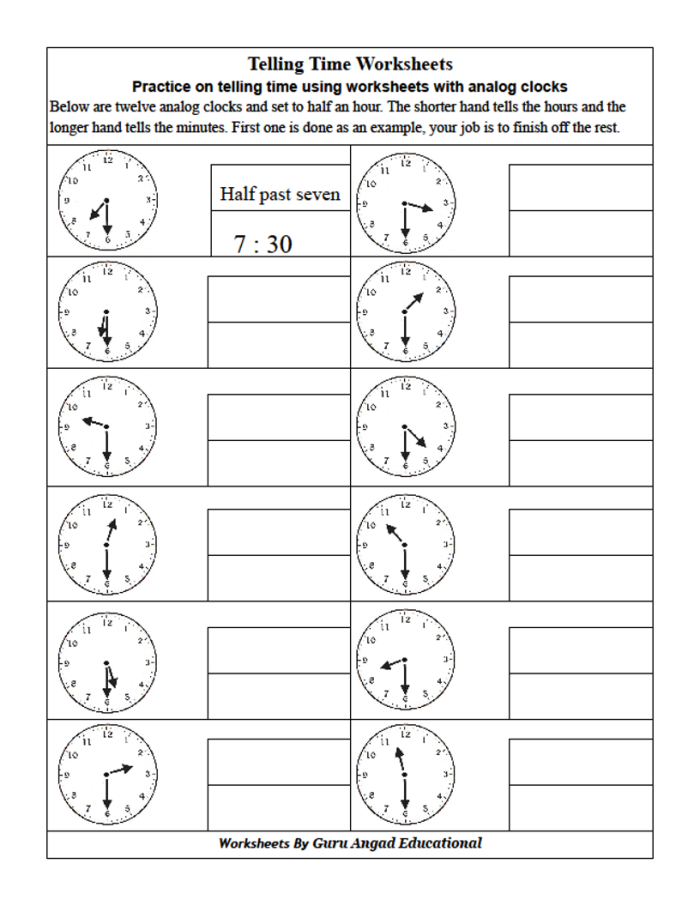
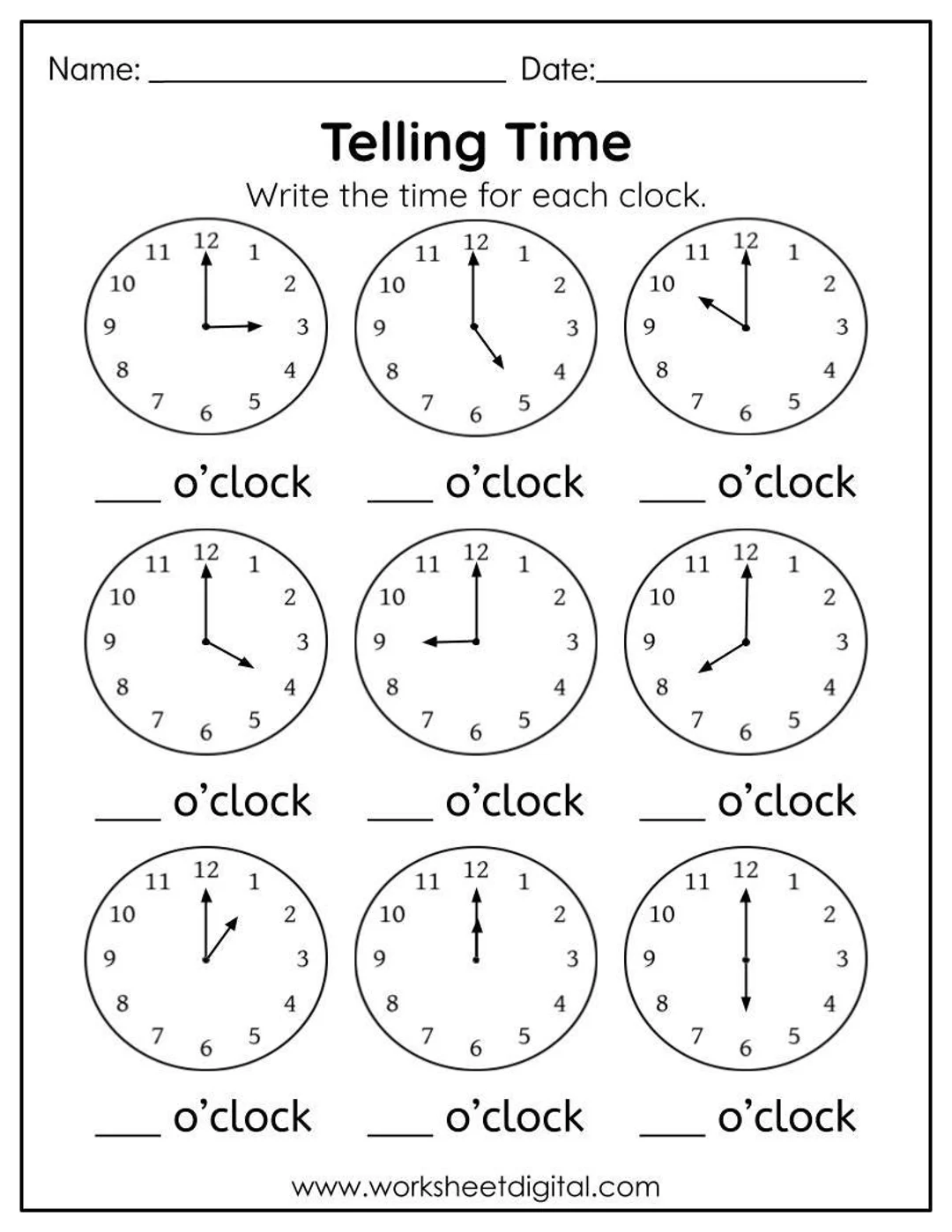
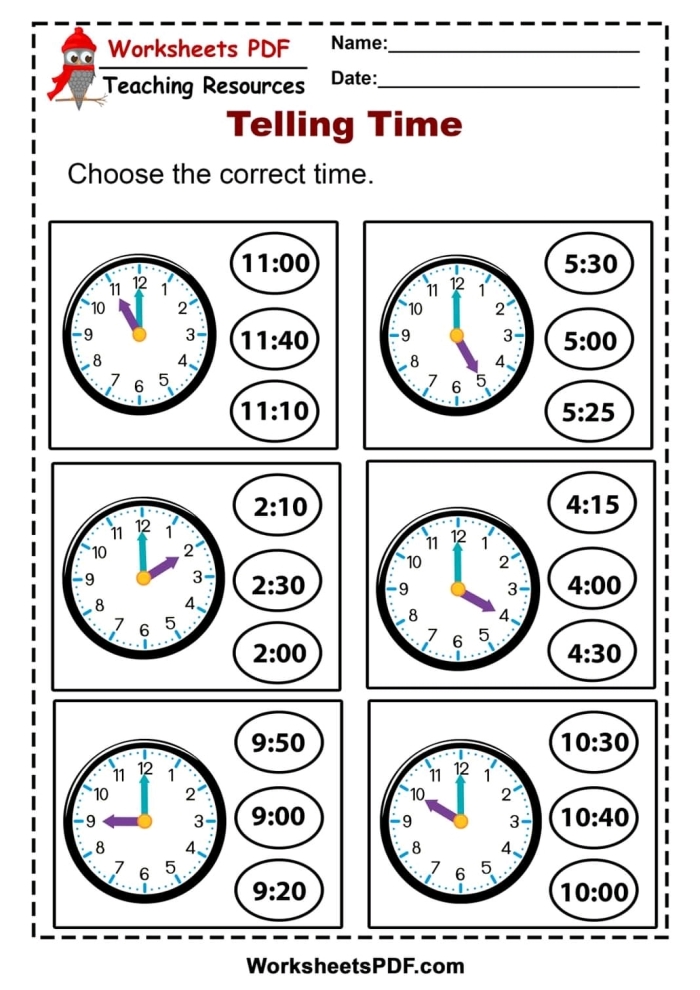
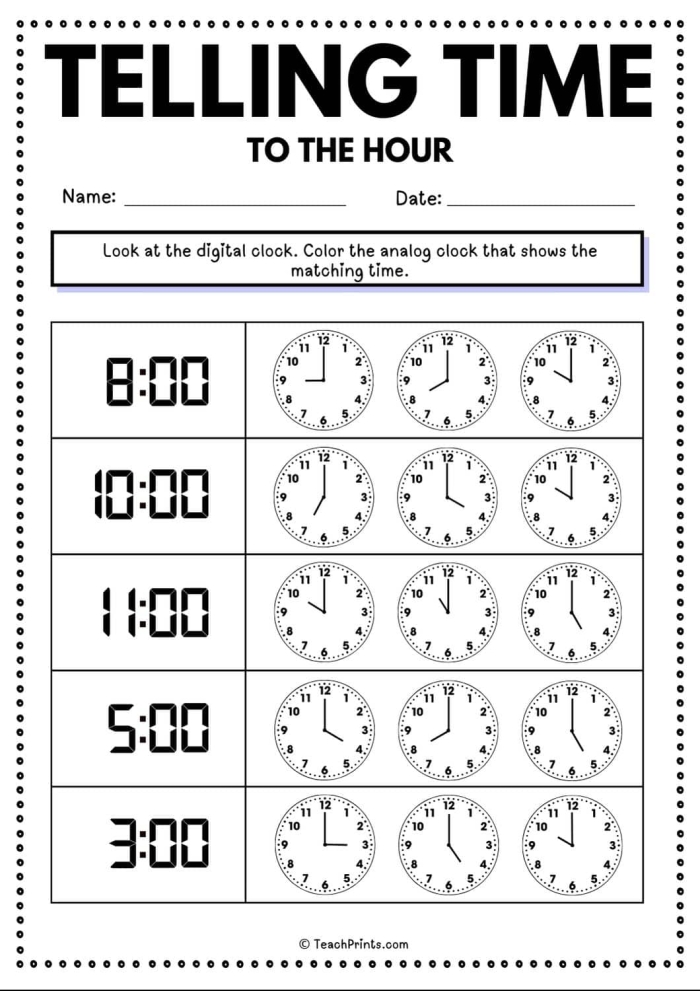
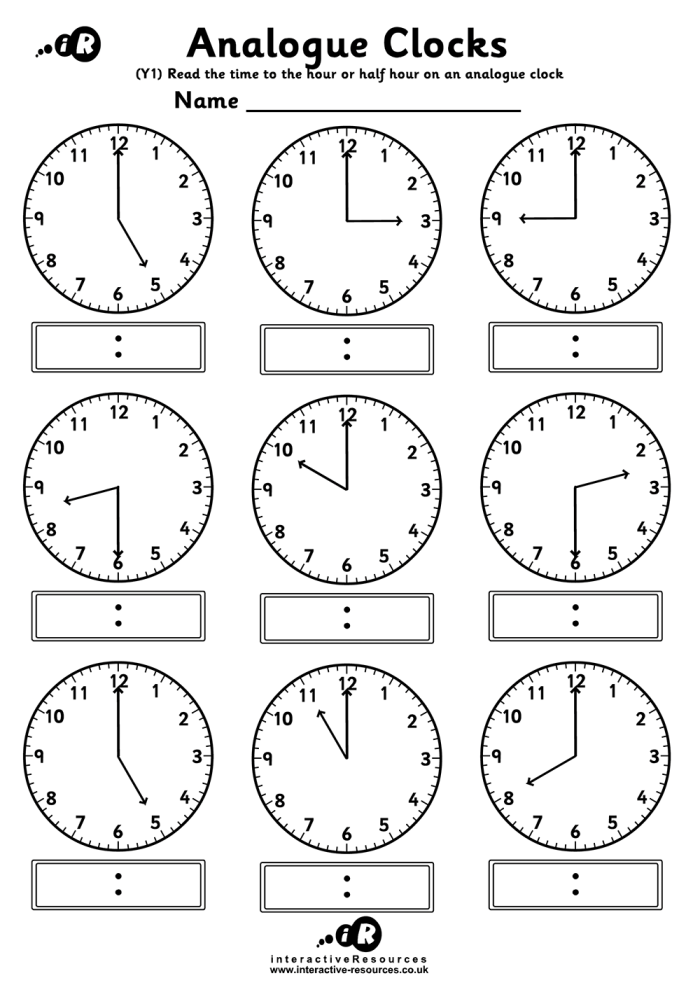
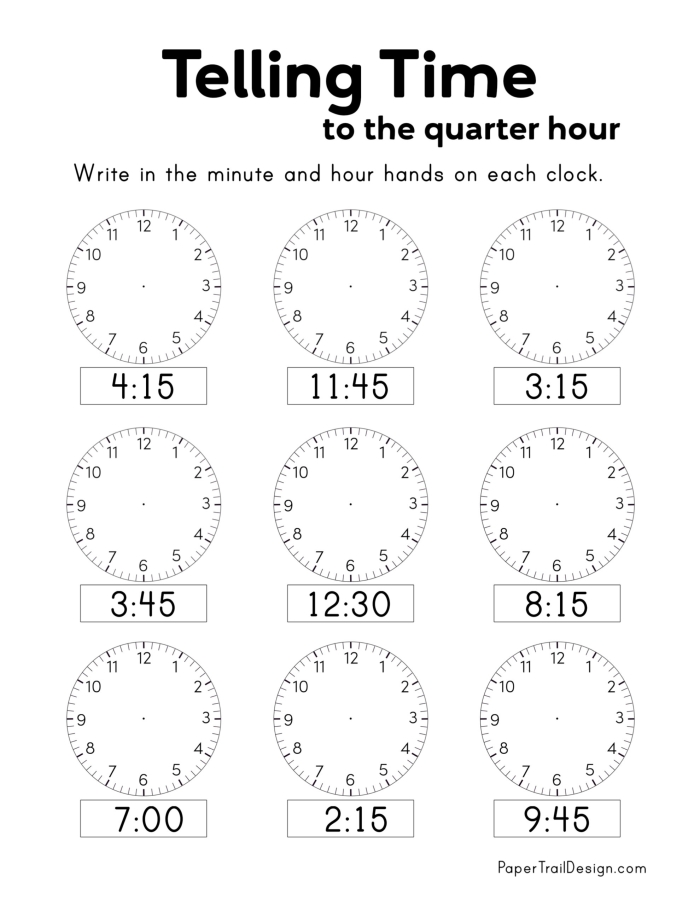
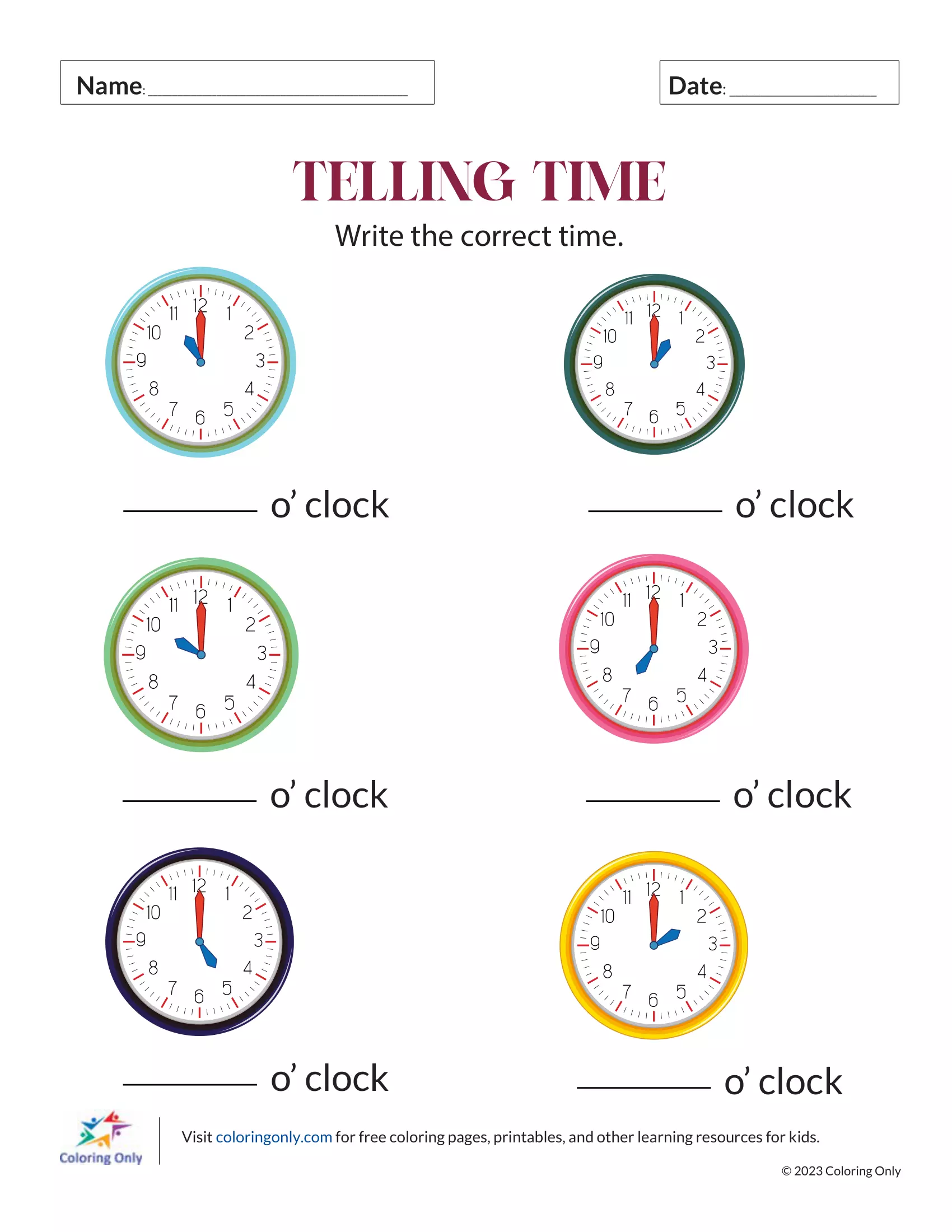
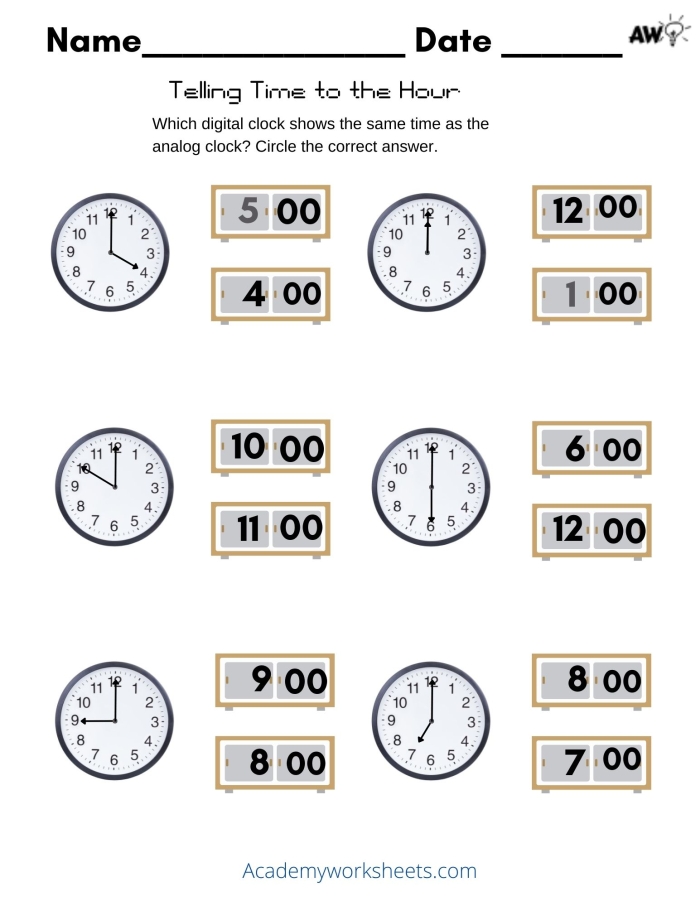
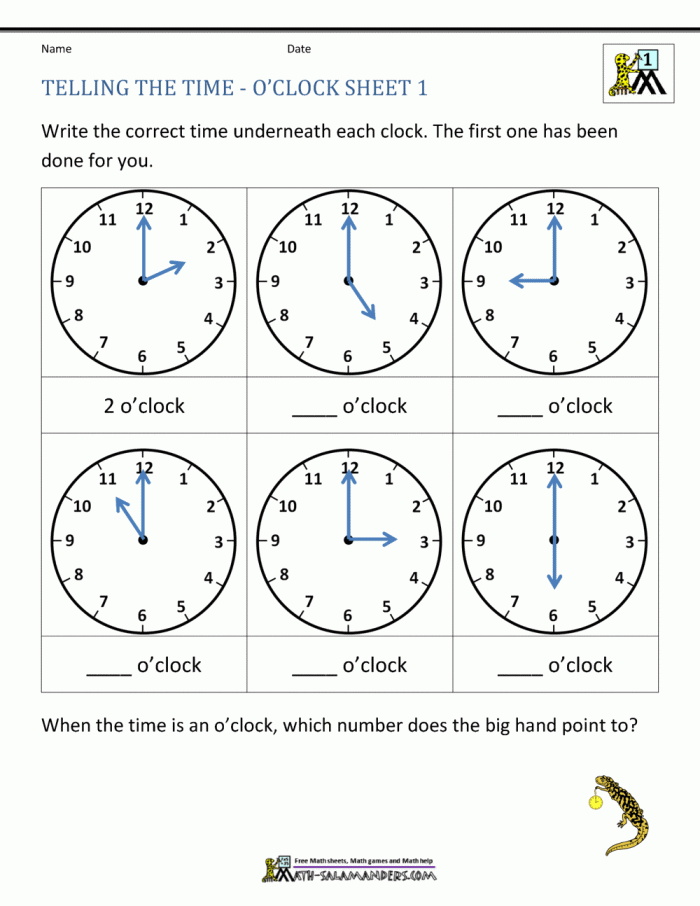
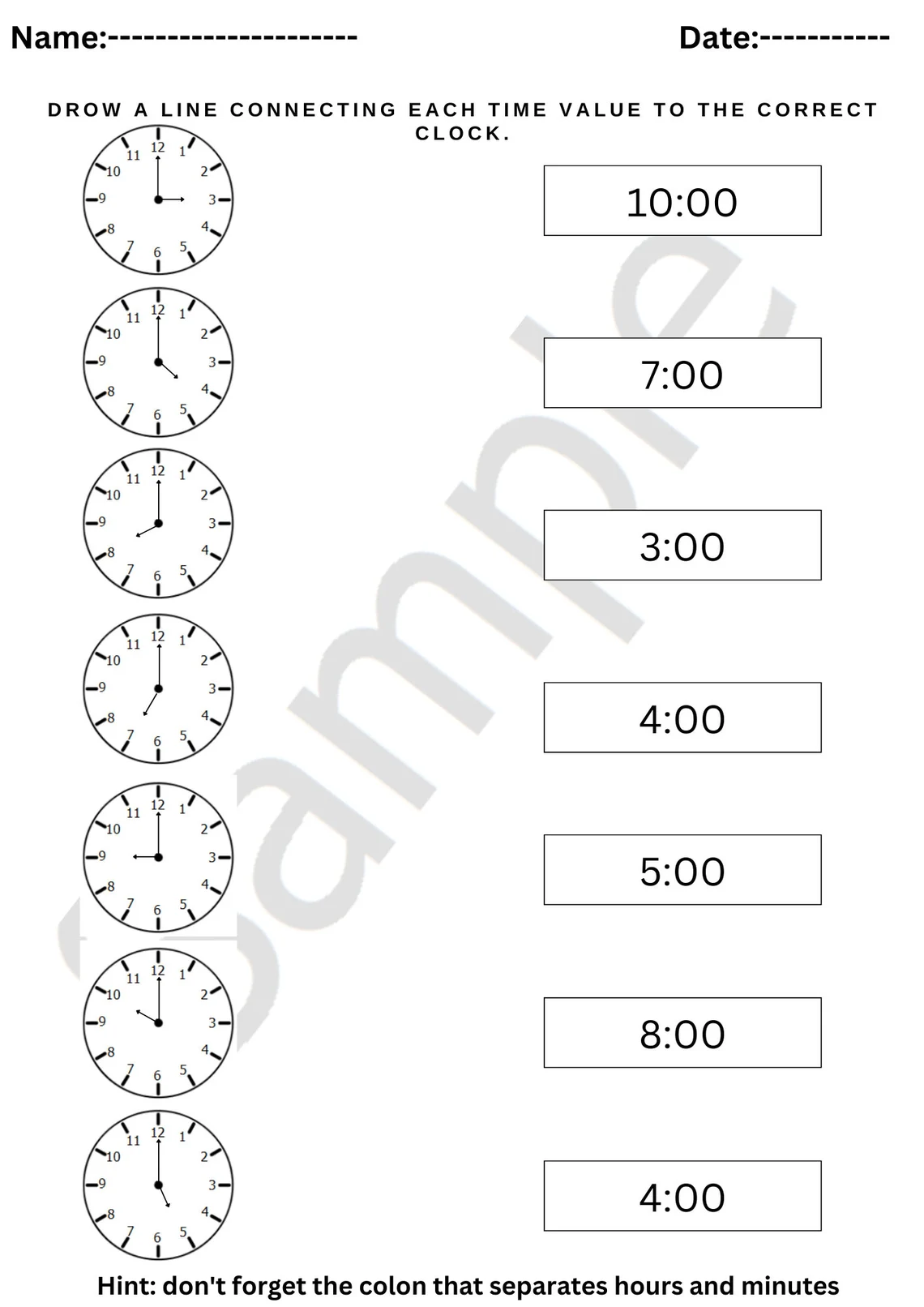
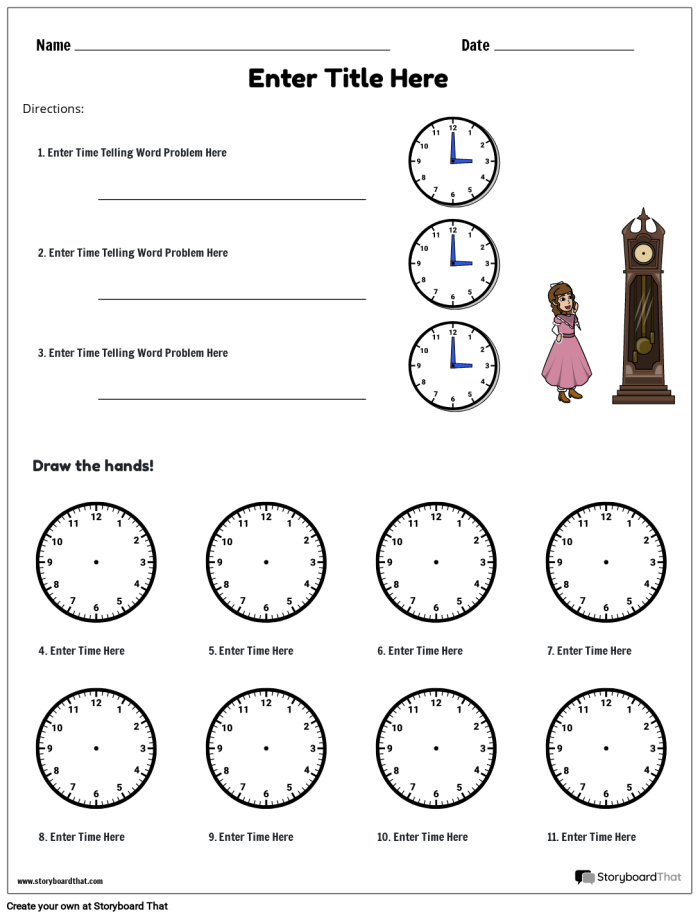
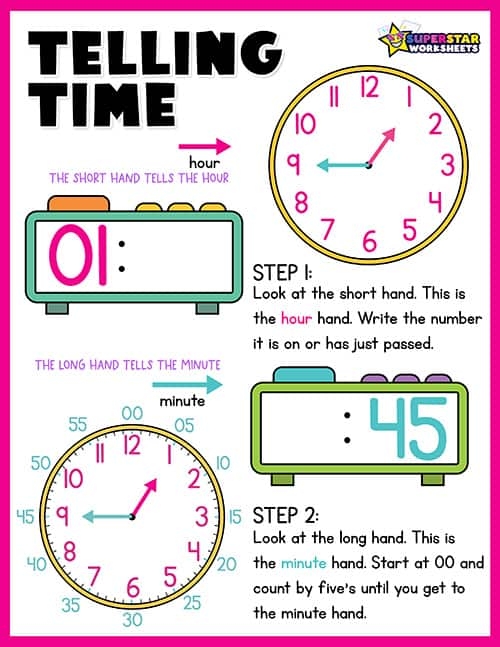
Assessing students’ abilities to tell analog time to the nearest five minutes is crucial in ensuring they grasp this fundamental skill. Using a targeted worksheet, educators can identify areas where students excel and where they may need additional support. For instance, a worksheet that features various clock faces showing different times can provide a hands-on way for students to practice reading the minute hand and the hour hand accurately.
Incorporating activities that encourage students to express time in words alongside reading it on a clock can enhance their learning. For example, when students see a clock showing 1:35, they can practice saying, “It is thirty-five minutes past one.” This not only reinforces their ability to read the time but also helps them with sentence structure and language skills.
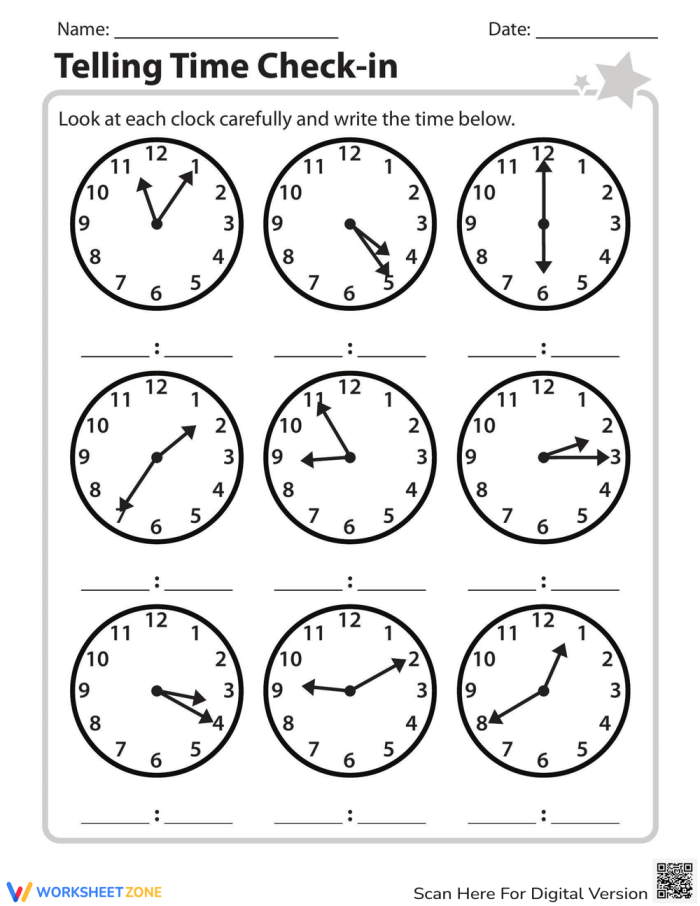
Additionally, integrating these worksheets into a broader curriculum can make learning engaging. A worksheet like the Telling Time Check-in offers students a chance to practice their skills in a structured manner. Pairing telling time with multiplication exercises can also reinforce their mathematical abilities, creating a more rounded educational experience.
As teachers observe their students working through these worksheets, they can gain insights into each child’s comfort level with time-telling. This assessment not only guides further instruction but also encourages students to take ownership of their learning journey. By focusing on challenging times, educators can ensure that their students are well-prepared for future mathematical concepts.
Hands-On Worksheet Activities