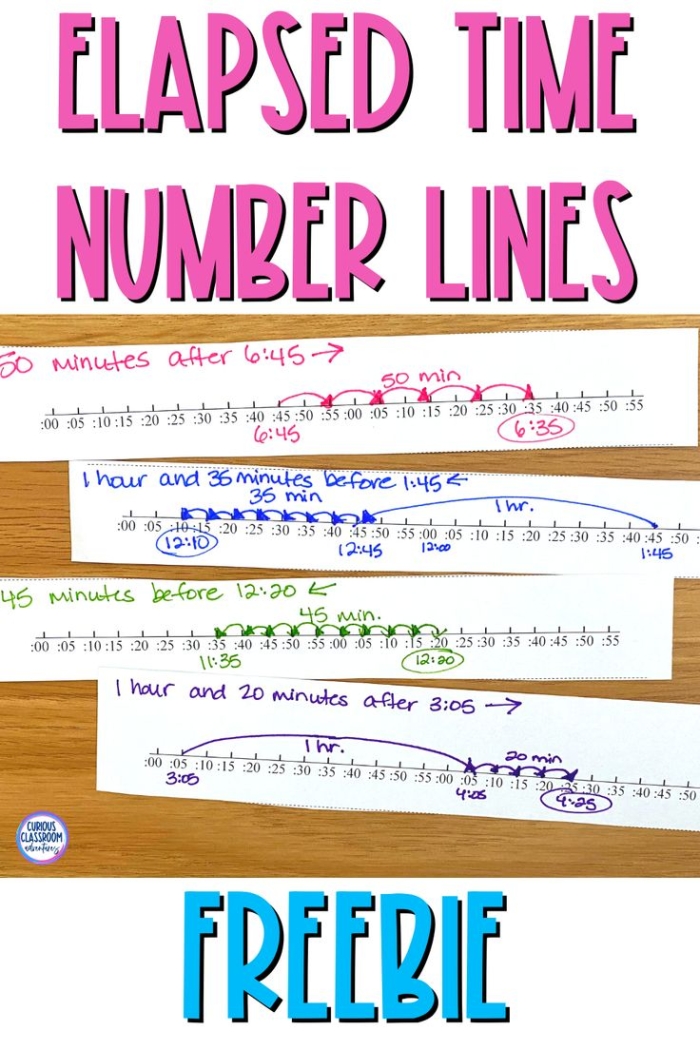
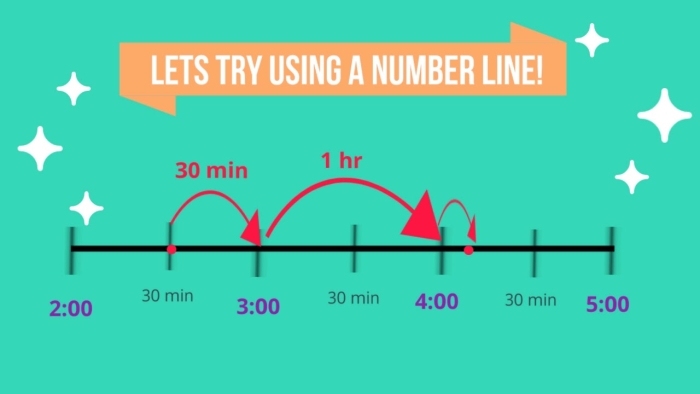
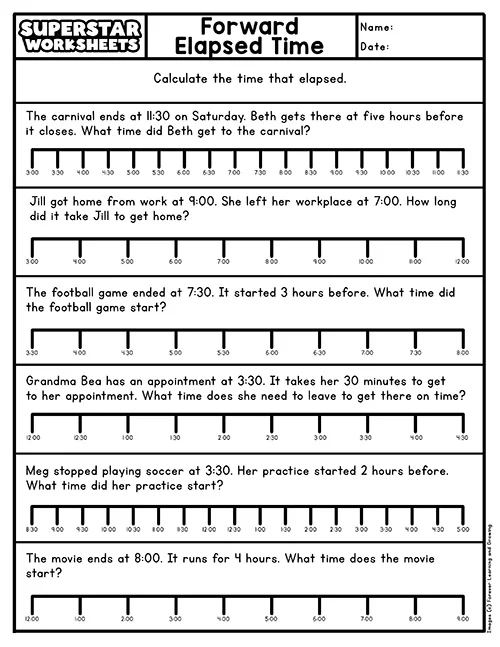
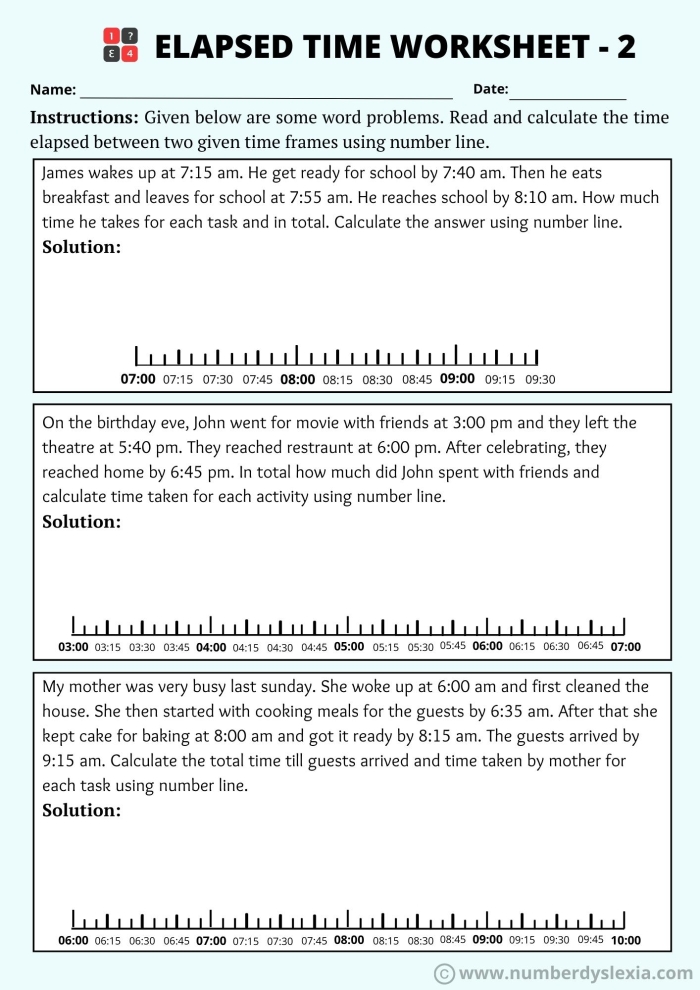
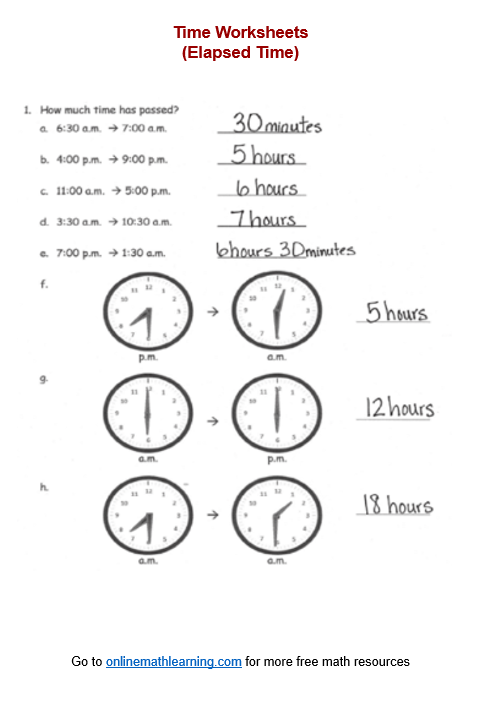
Teaching third graders to find elapsed time can be both enjoyable and rewarding. One effective method to help them grasp this concept is by using a number line. This visual tool not only simplifies the process but also engages students in active learning. By practicing with a number line, students can better understand how to calculate time differences in a clear and structured way.
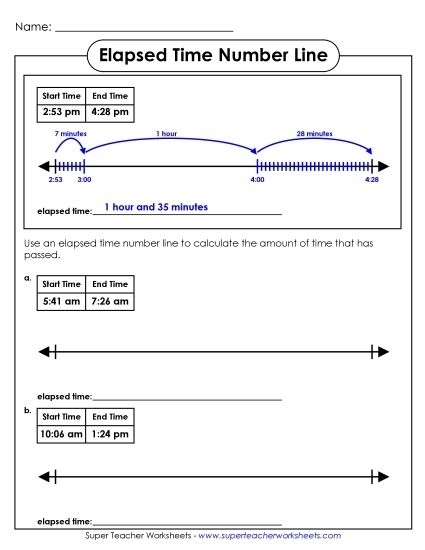
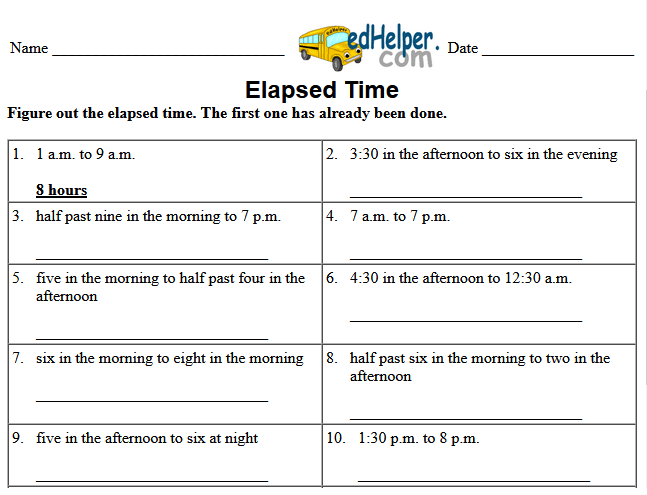
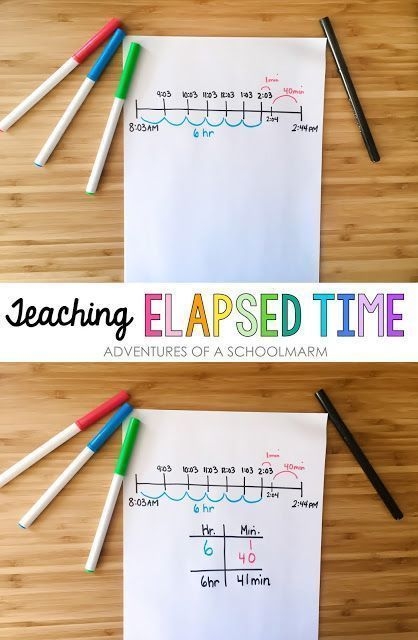
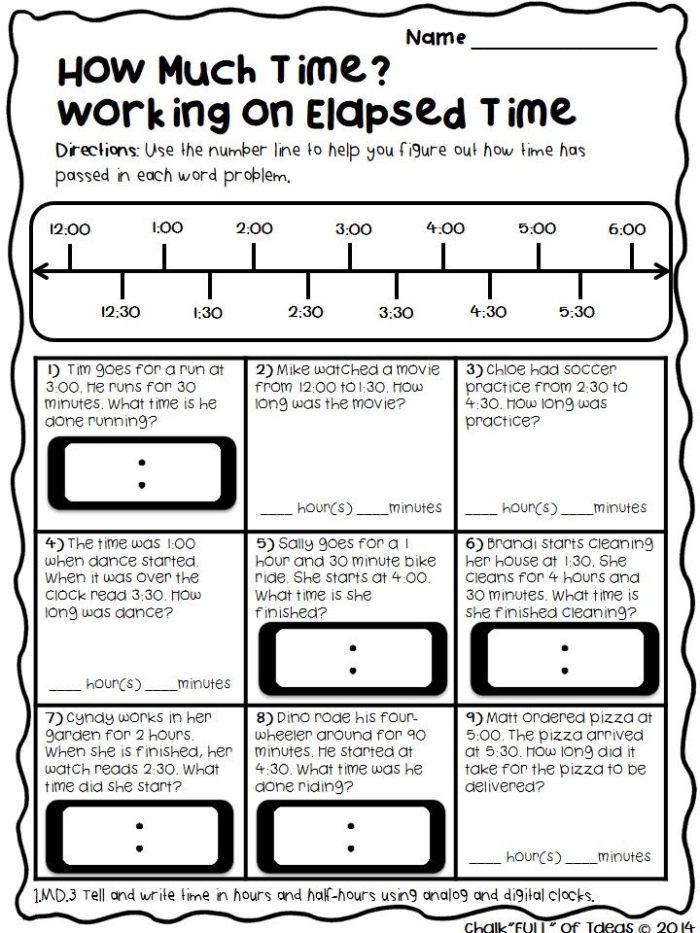
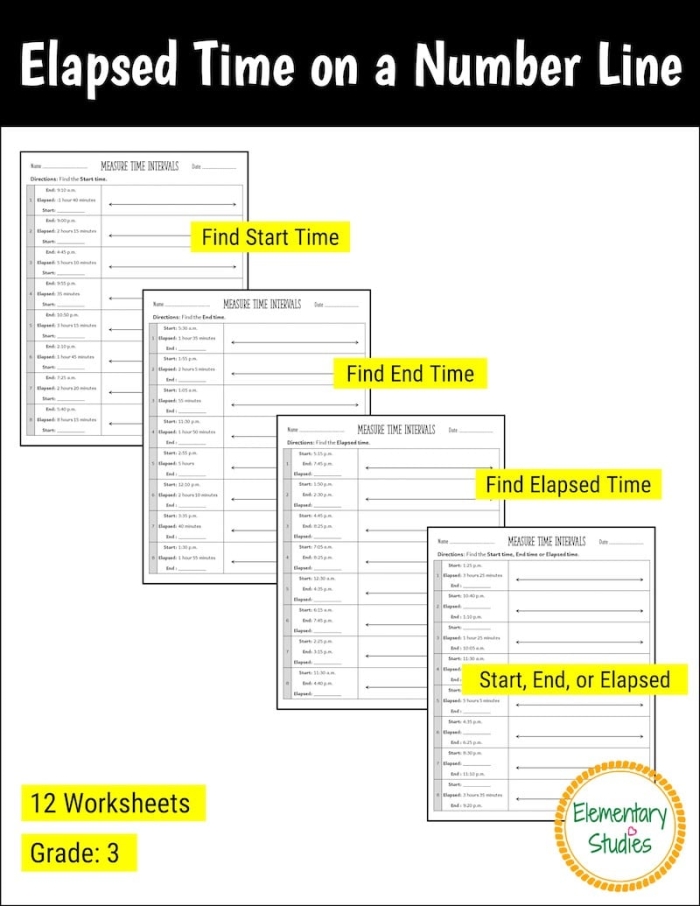
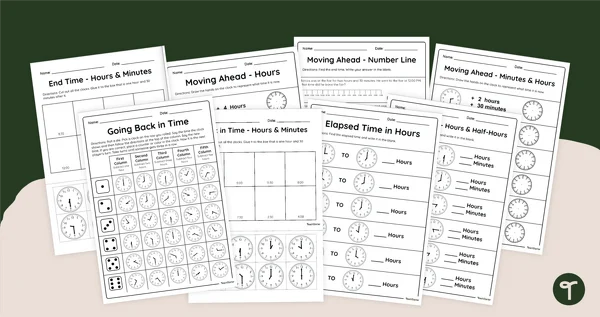
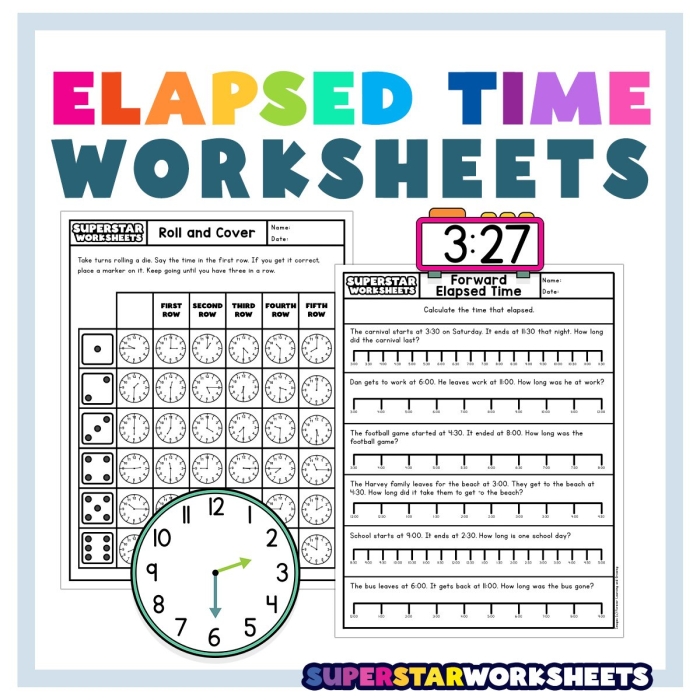
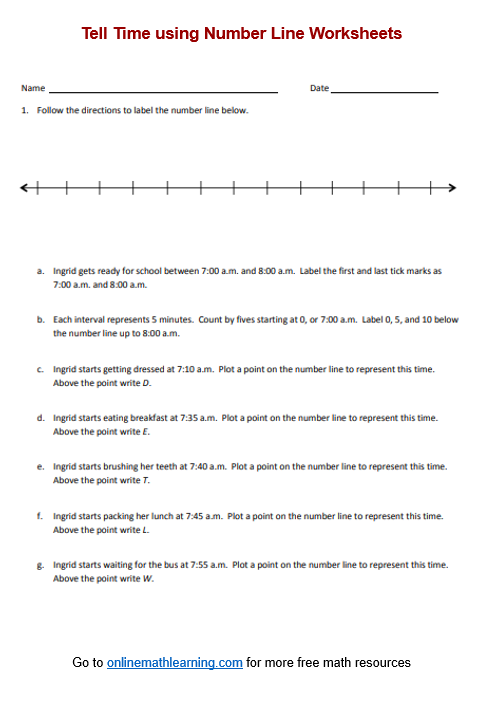
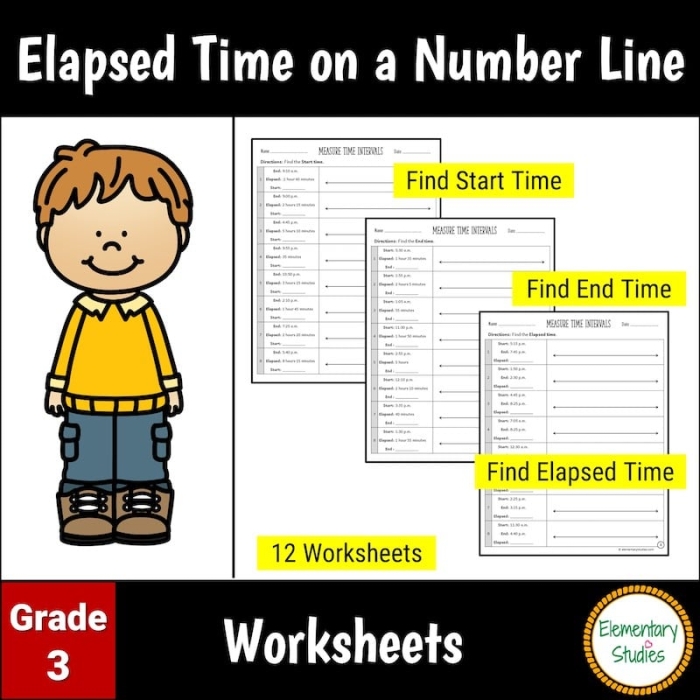
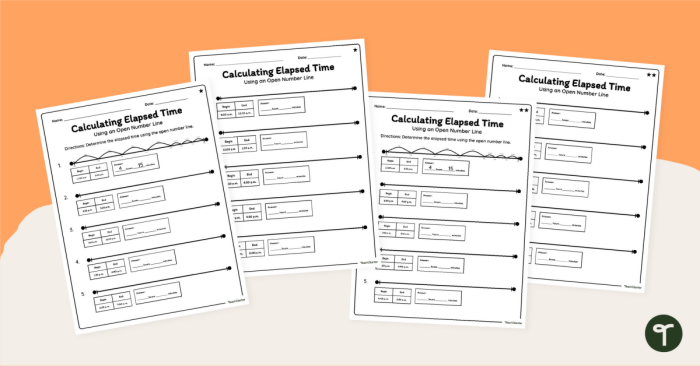
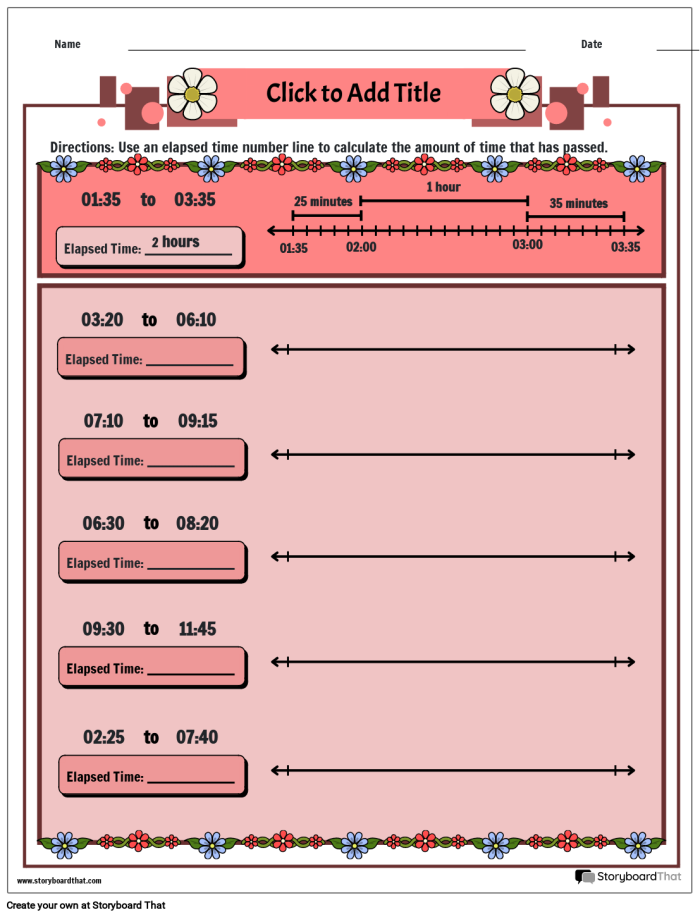
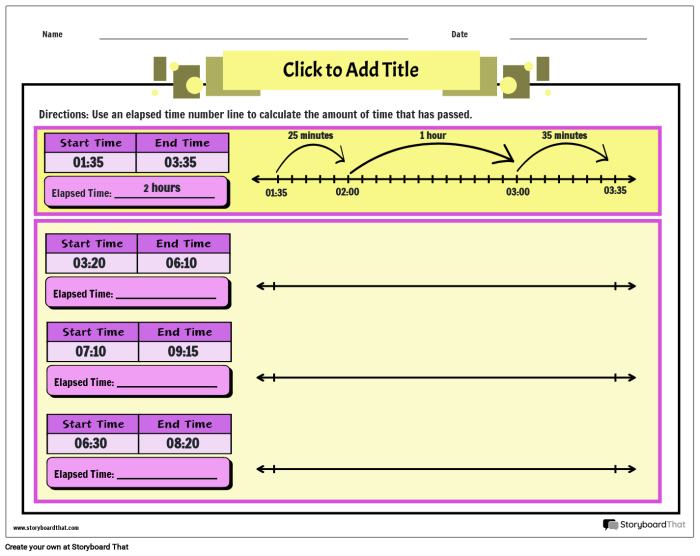
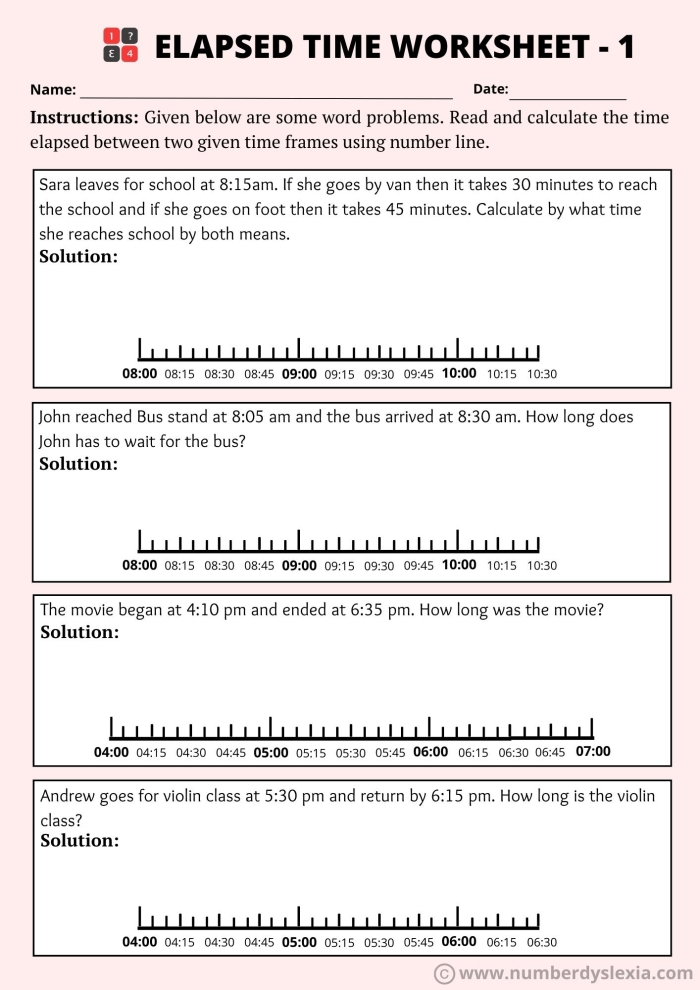
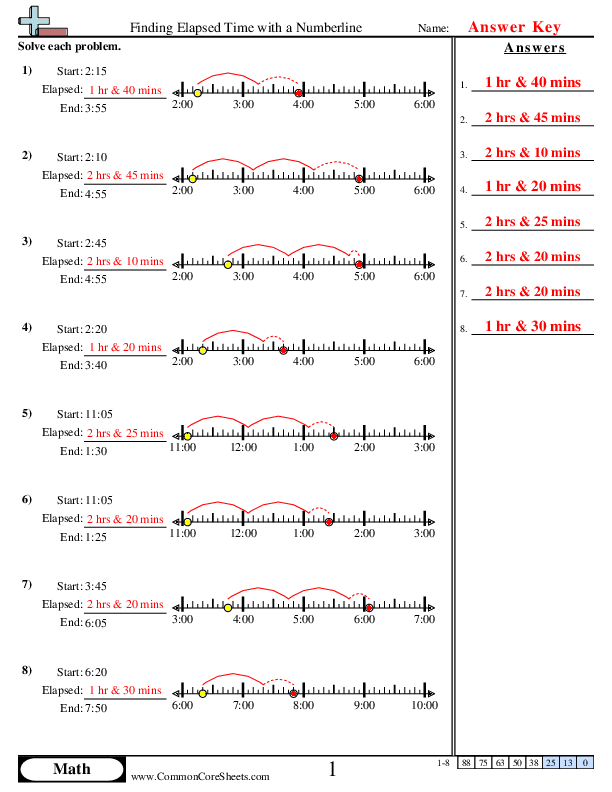
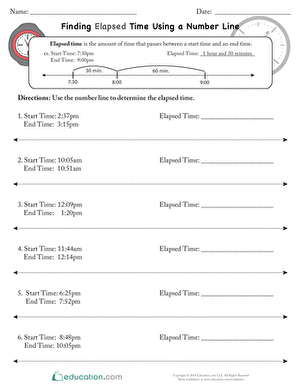
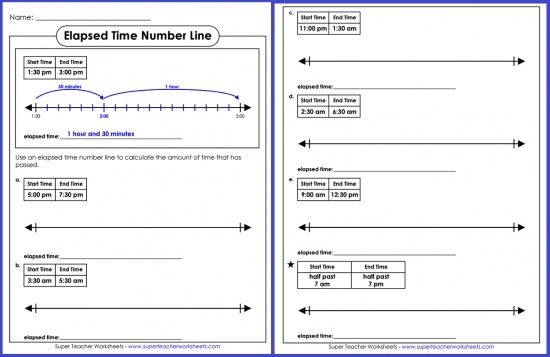
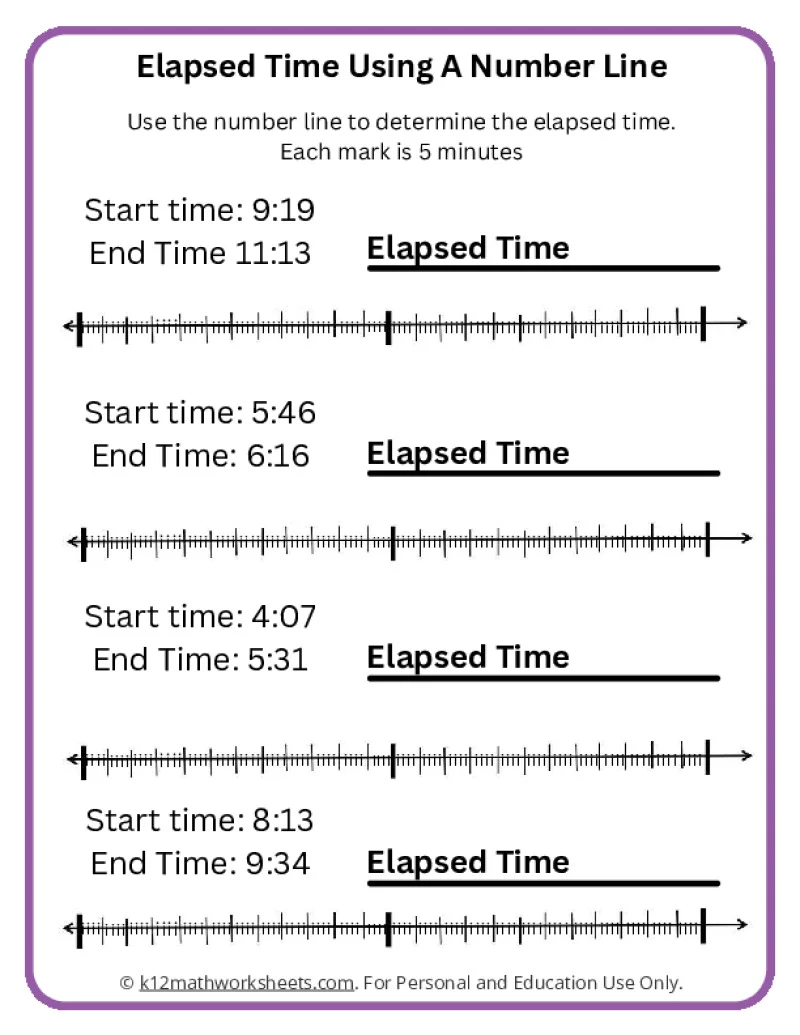
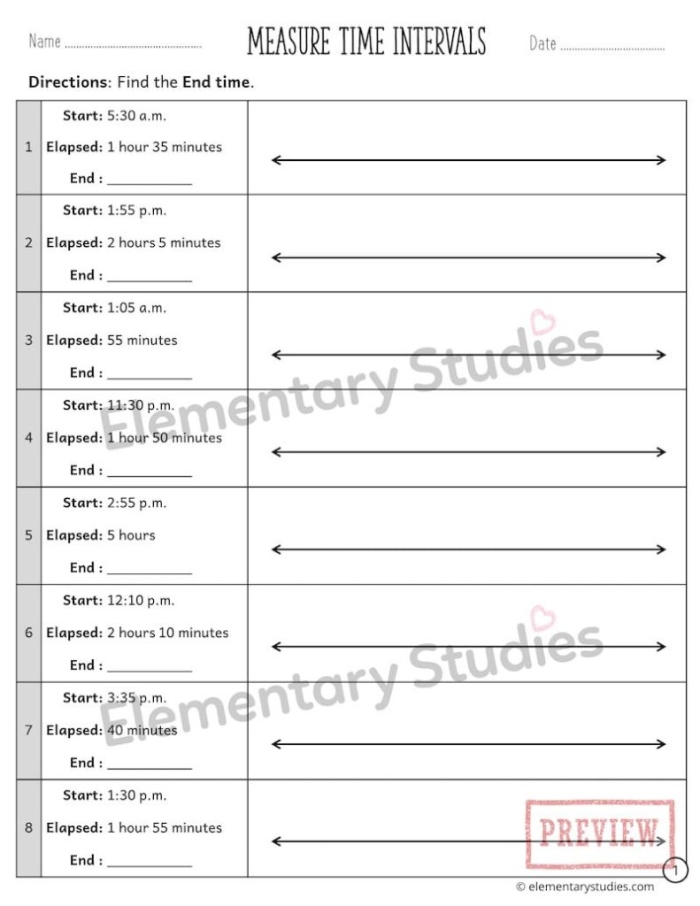
To start, provide a number line marked with hours, such as from 0 to 12. For instance, if a student wants to find out how long it is from 2:00 PM to 5:00 PM, they can locate 2 on the number line and count forward to 5. This method reinforces the idea that time is continuous and allows students to visualize the passage of time easily. Incorporating Printable Finding Elapsed Time Using a Number Line Worksheets into your lessons can provide students with ample practice opportunities, helping them solidify their understanding.
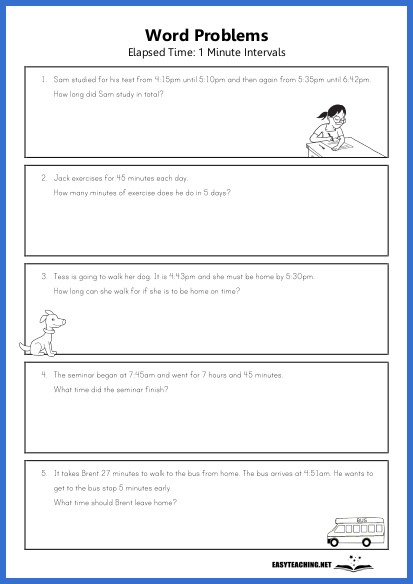
Another engaging activity is to create real-life scenarios for your students. Ask them questions like, “If you start reading at 3:15 PM and read for 45 minutes, what time will it be when you finish?” Students can use the number line to map out the time spent reading, reinforcing both their subtraction skills and their understanding of time management.
Additionally, it’s important to address the concept of time in a way that feels relevant to students. By relating elapsed time to their daily activities, such as how long they spend on homework or playing outside, you create a context that makes learning more relatable. Using resources like 2-Minute Subtraction Worksheets can further enhance their subtraction skills, which are essential for finding elapsed time.
Incorporating a number line into your lessons on elapsed time not only aids understanding but also makes learning enjoyable. This approach can lead to a deeper comprehension of time and subtraction, helping third graders build a solid foundation for future mathematical concepts.
Hands-On Worksheet Activities