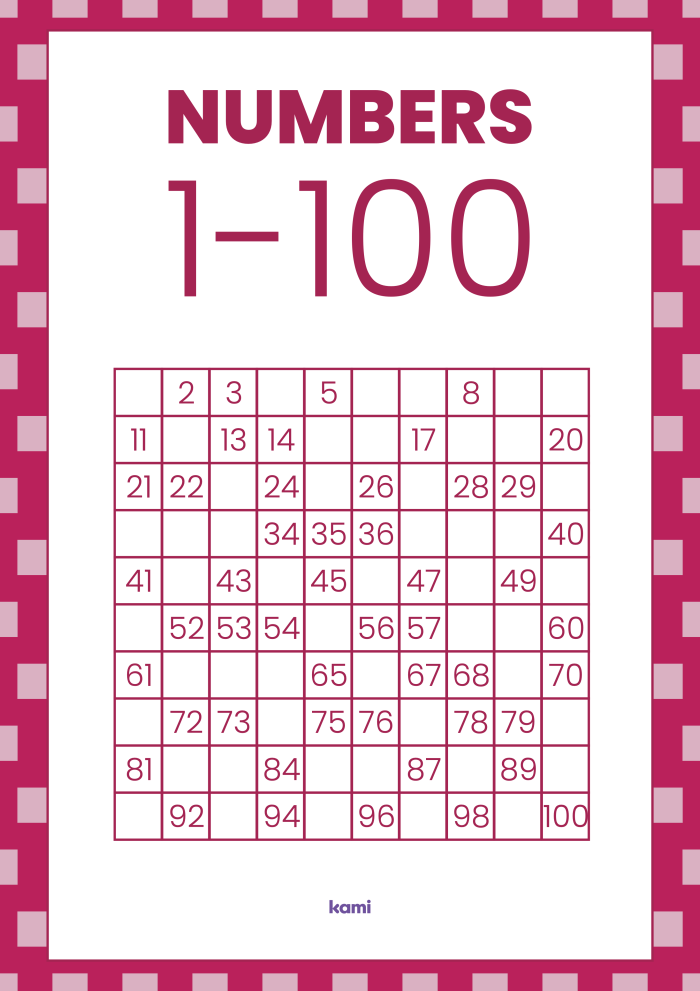
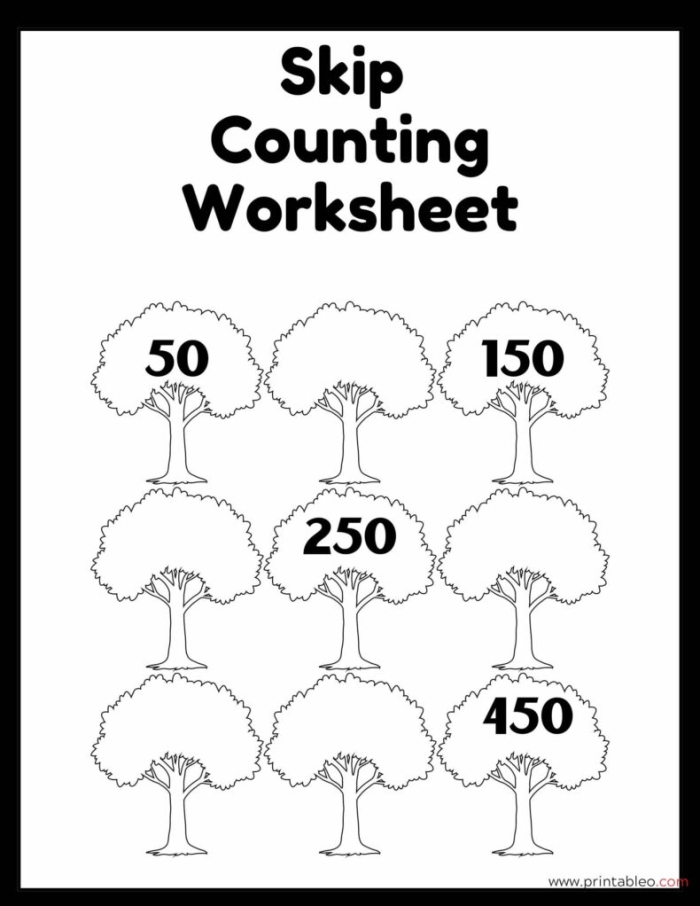
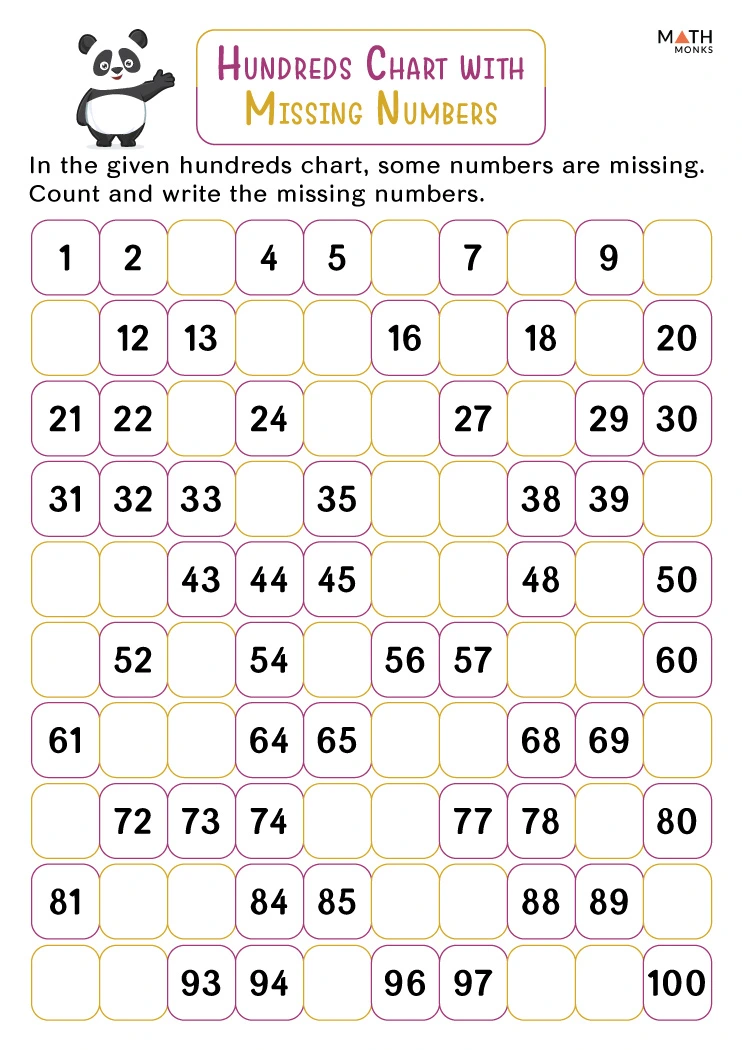
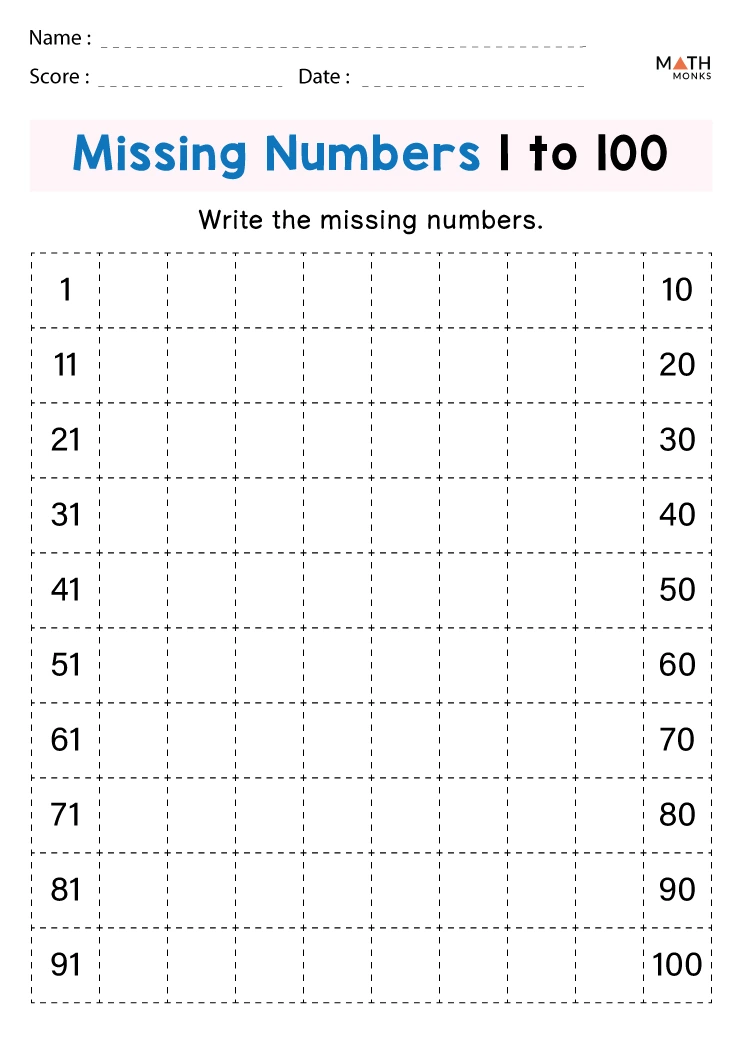
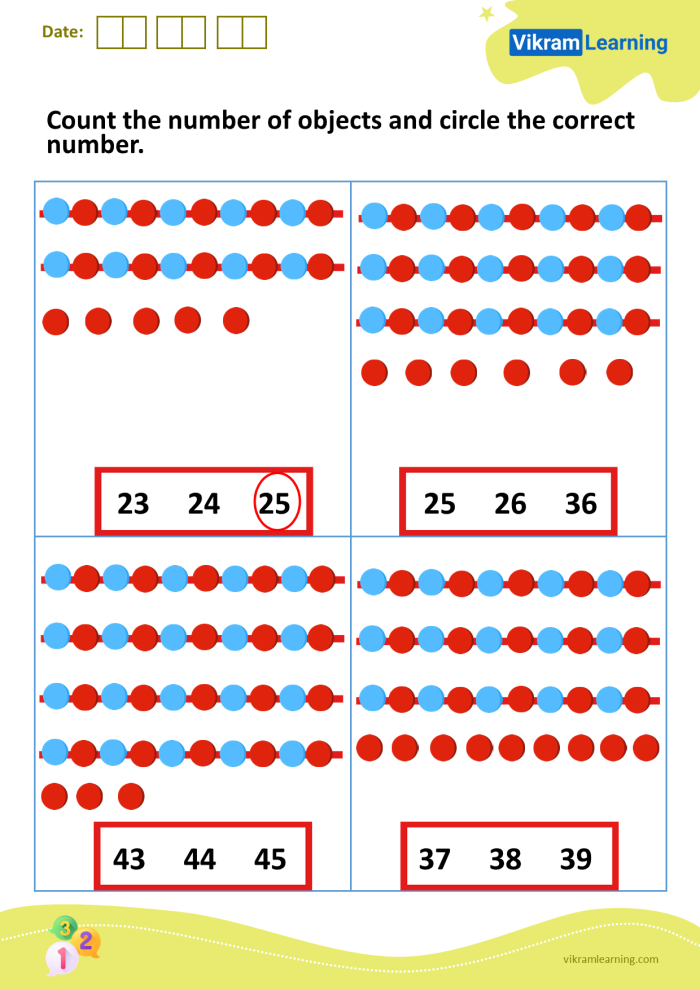
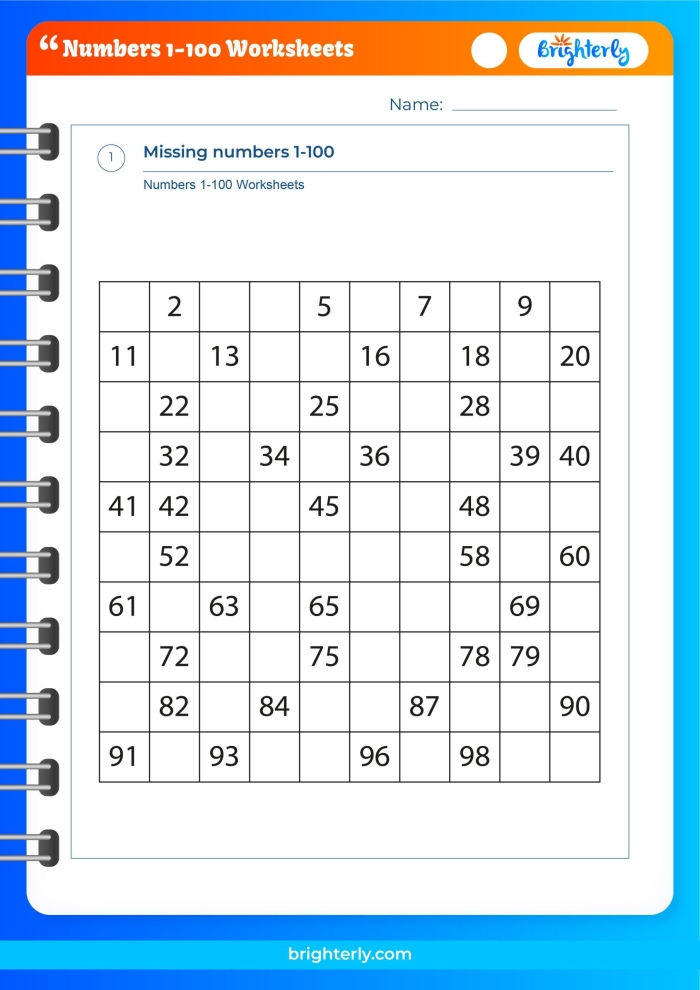
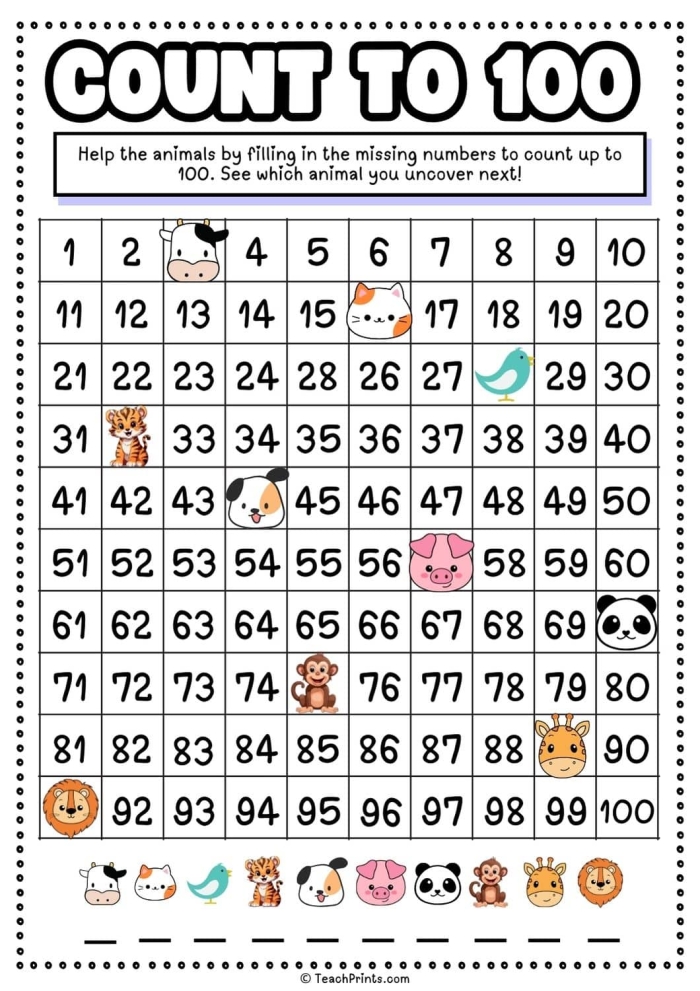
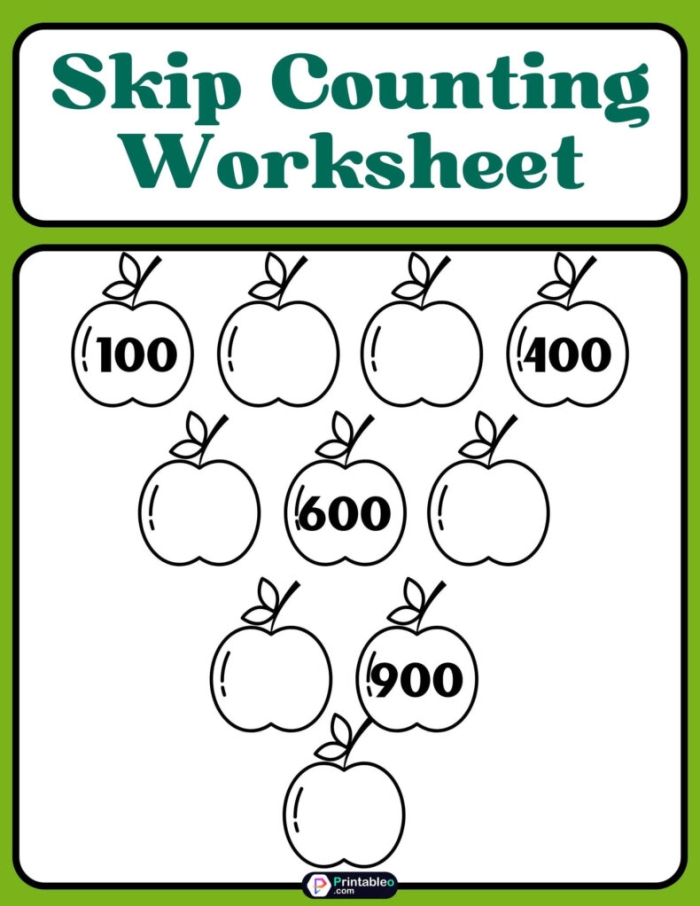
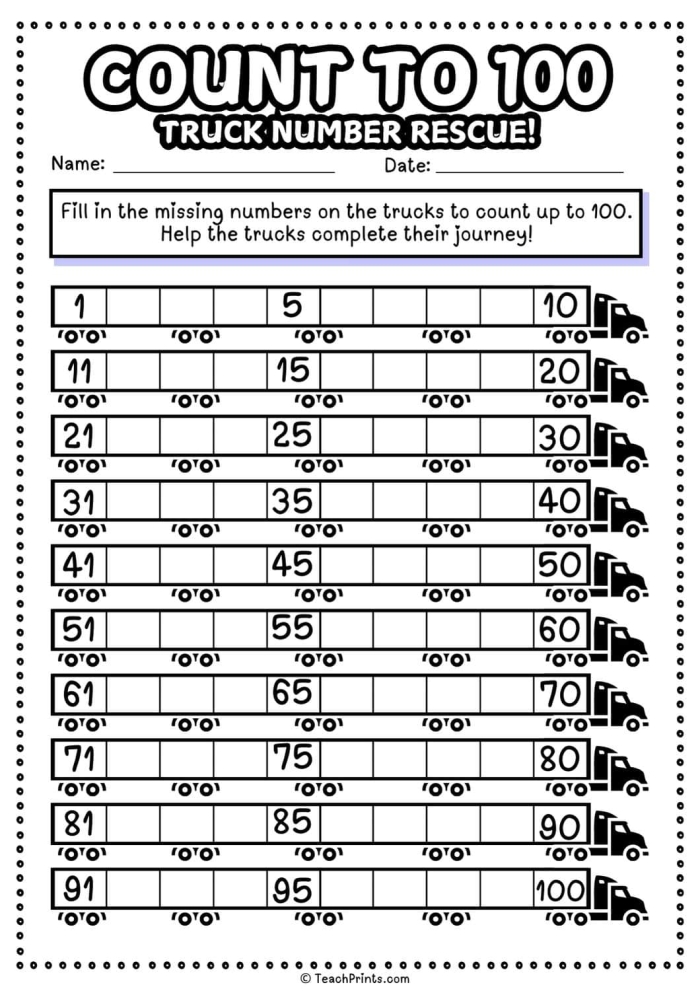
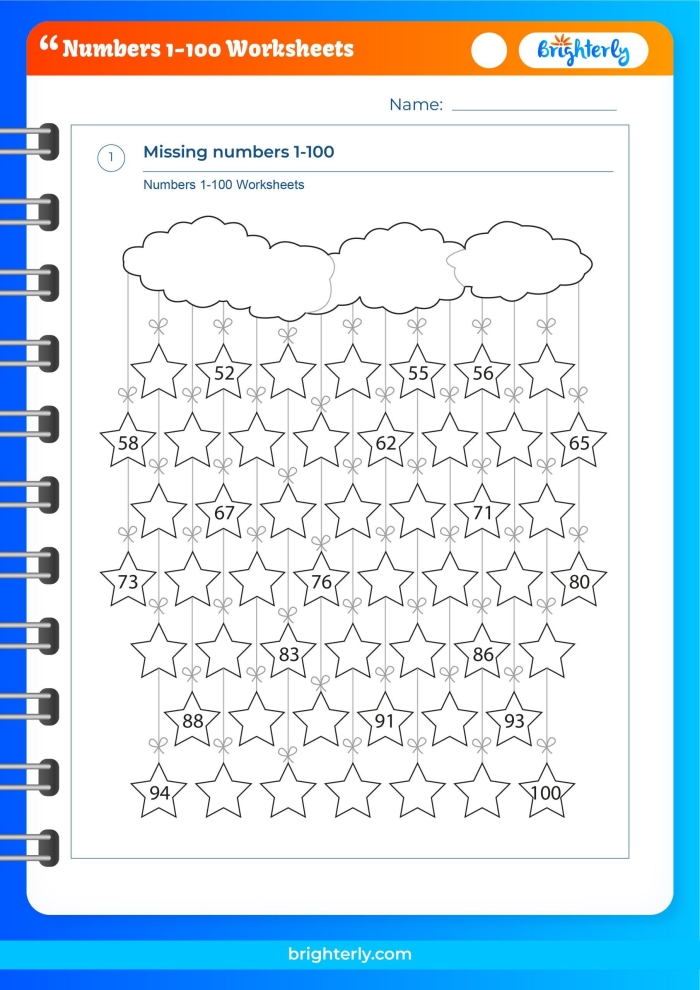
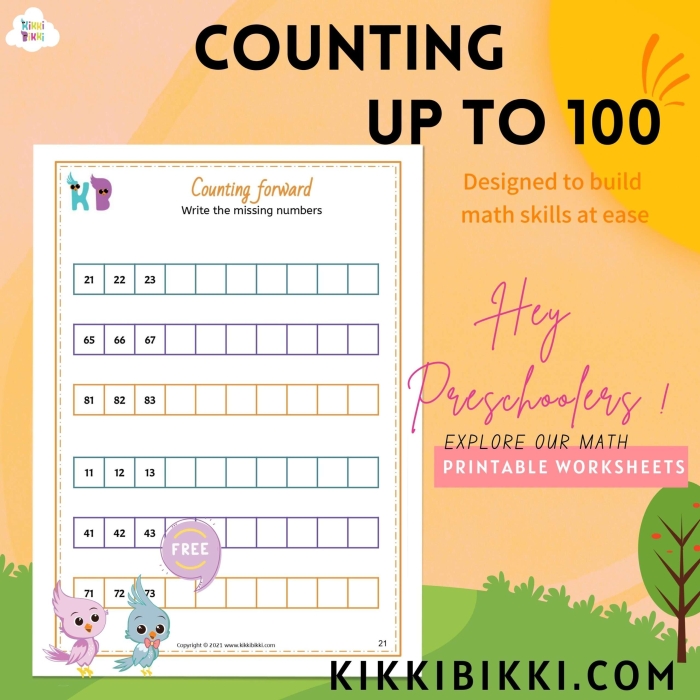
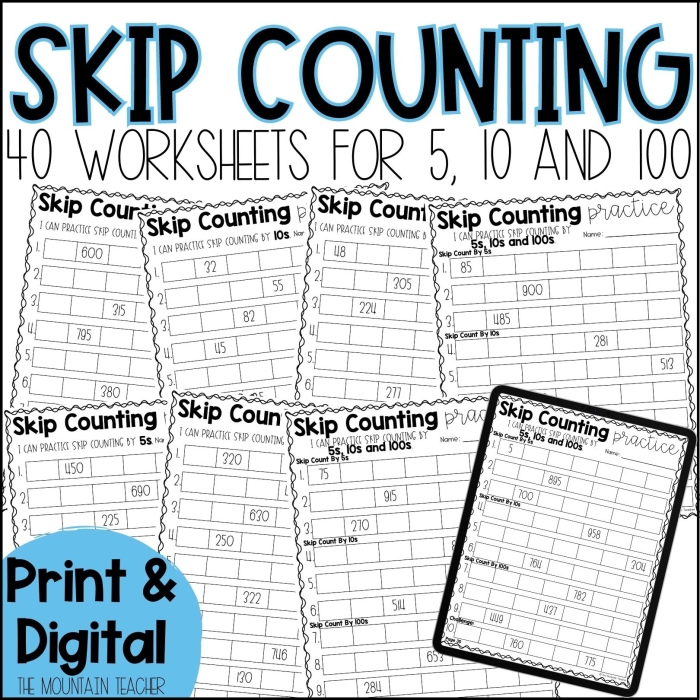
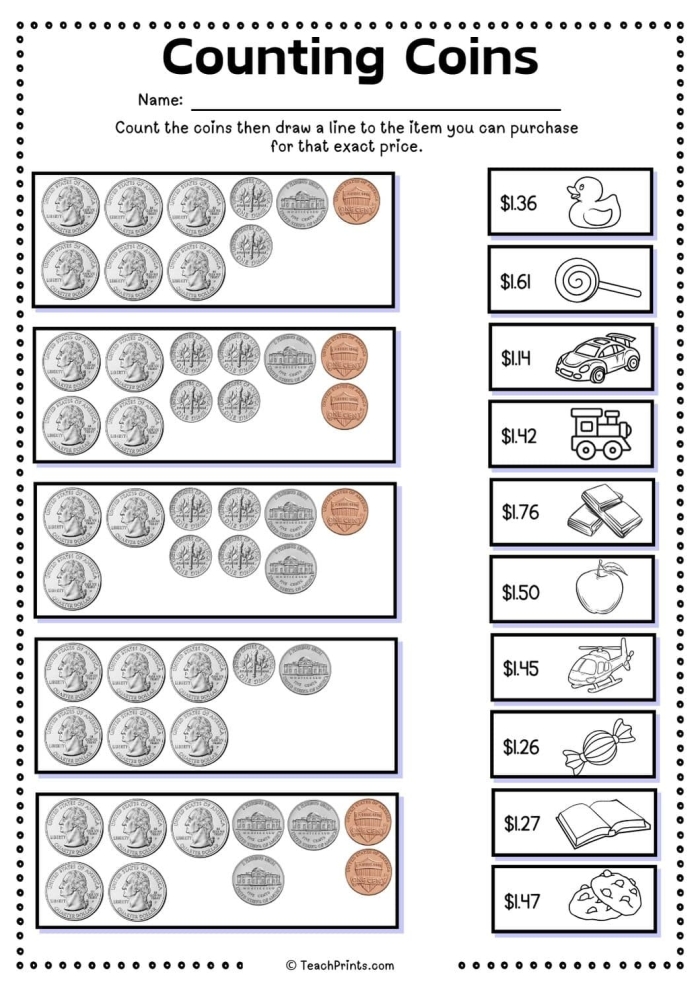
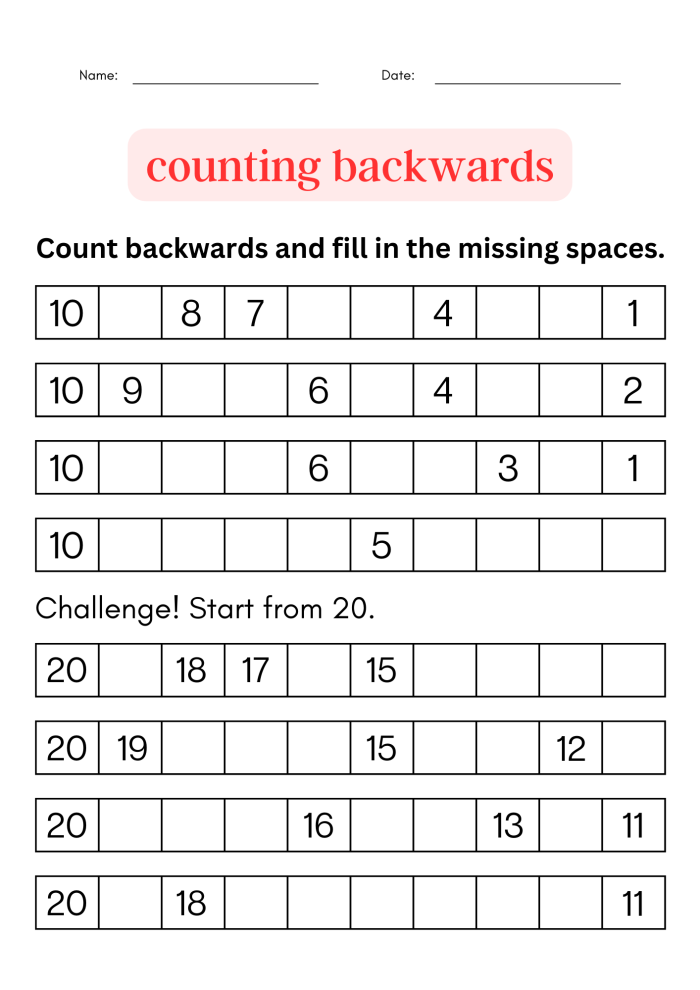
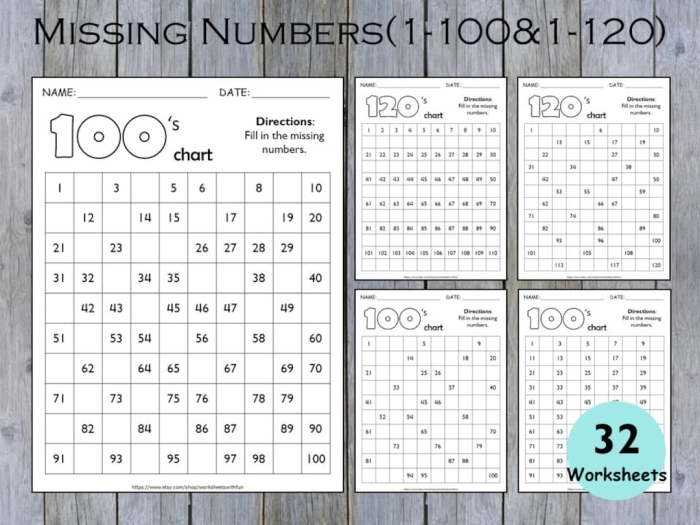
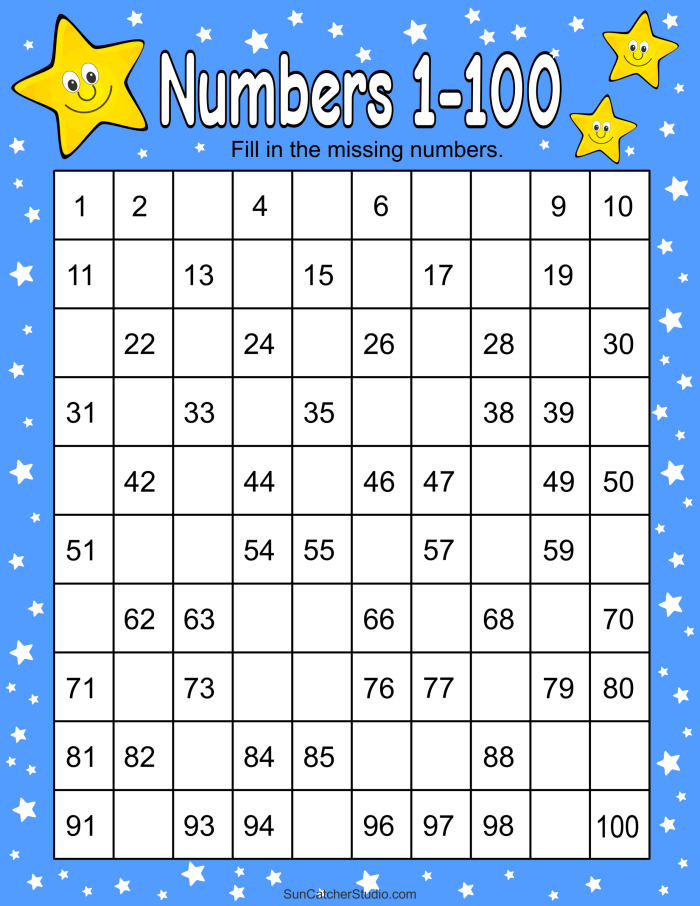
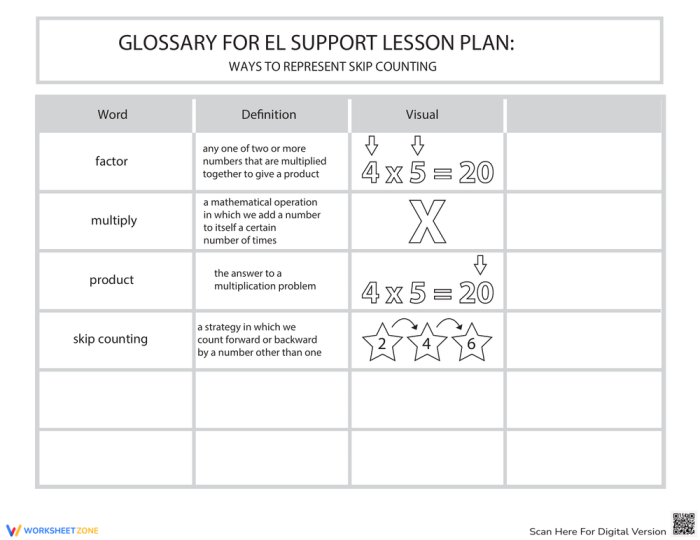
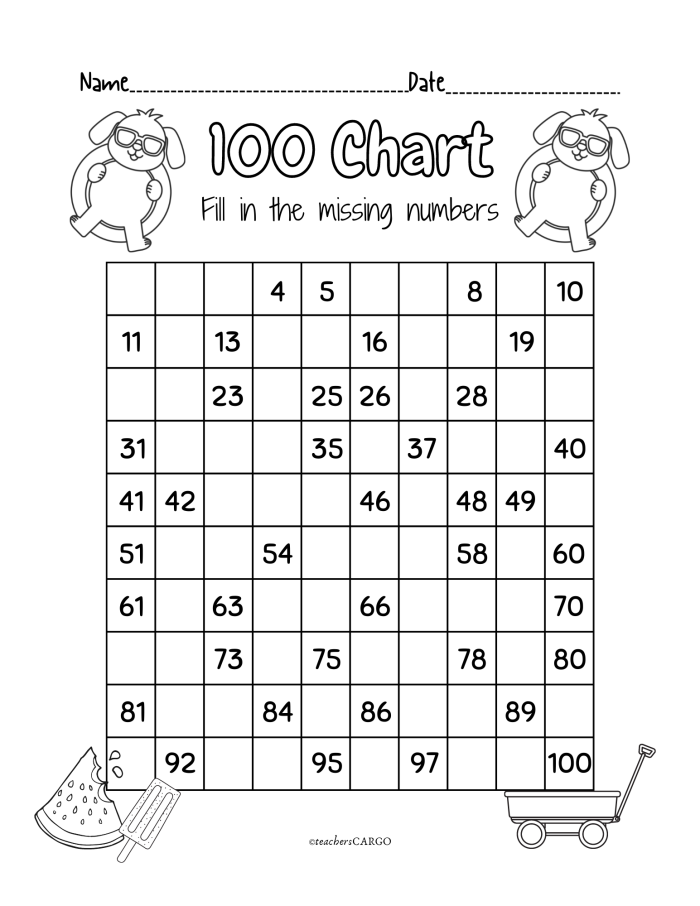
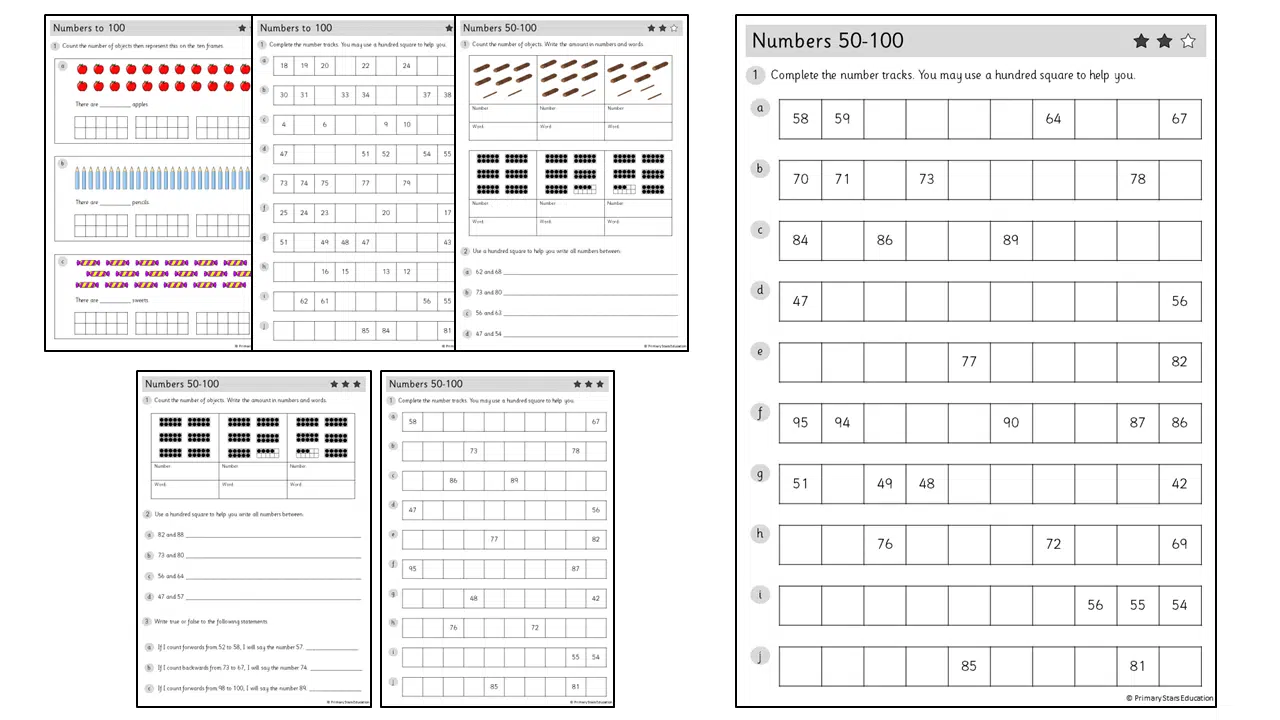
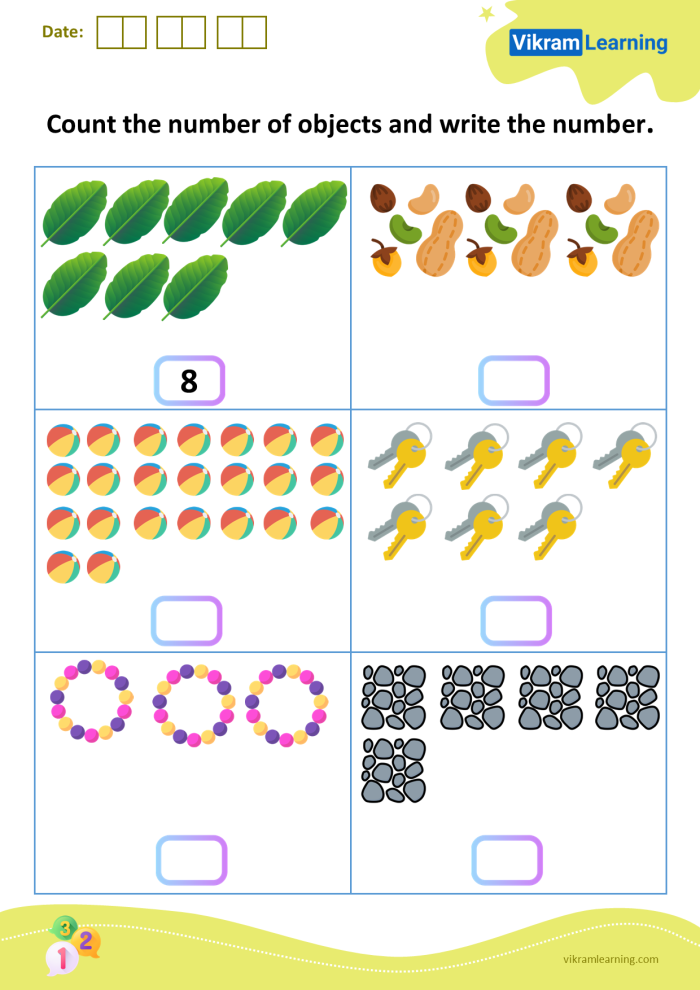
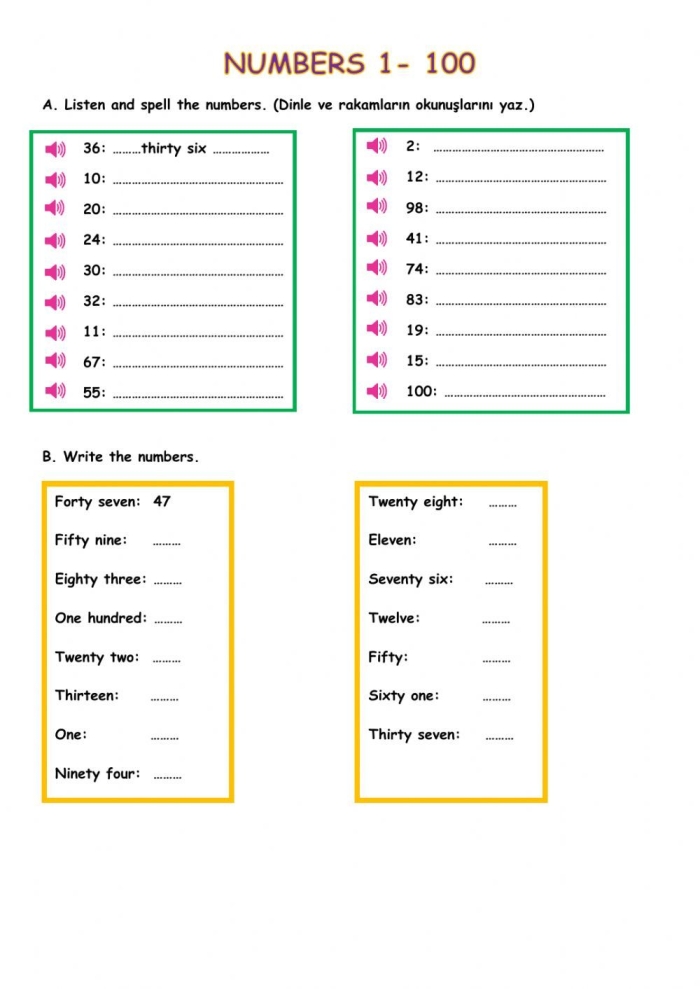
A glossary paired with counting lessons transforms how kindergarten students learn numbers. When you use this glossary with the EL Support Lesson: All the Ways to Count to 100, you give English learners a concrete reference tool that bridges language gaps and builds confidence with numerical vocabulary.
Young learners benefit from seeing words repeatedly across different contexts. A glossary does exactly this by isolating key terms and presenting them clearly, which helps sight words stick in memory. For kindergarten classrooms with mixed language backgrounds, having visual definitions and simple explanations removes confusion and allows students to work more independently during counting activities.
The counting-to-100 lesson naturally introduces number words, ordinal terms like “first” and “tenth,” and quantity descriptors such as “more” and “fewer.” A glossary captures these terms in one place, making it easy for students to reference them without interrupting instruction. Teachers often find that students flip back to the glossary unprompted once they understand its purpose, which builds self-directed learning habits early.
Building strong foundational vocabulary in kindergarten sets the stage for later math success. When students can name and recognize numbers with confidence, they approach addition and subtraction with less anxiety. Pairing a glossary with counting lessons also supports students who benefit from visual learning, as most glossaries include pictures or number representations alongside words.
To strengthen your counting curriculum further, consider supplementing with resources like vocabulary cards for foundational sight words and activities that explore word families in kindergarten. These materials work together to build a comprehensive language foundation. For specific counting practice, vocabulary cards focused on counting strategies offer hands-on reinforcement that keeps lessons engaging and interactive.
Printable Worksheets for Practice