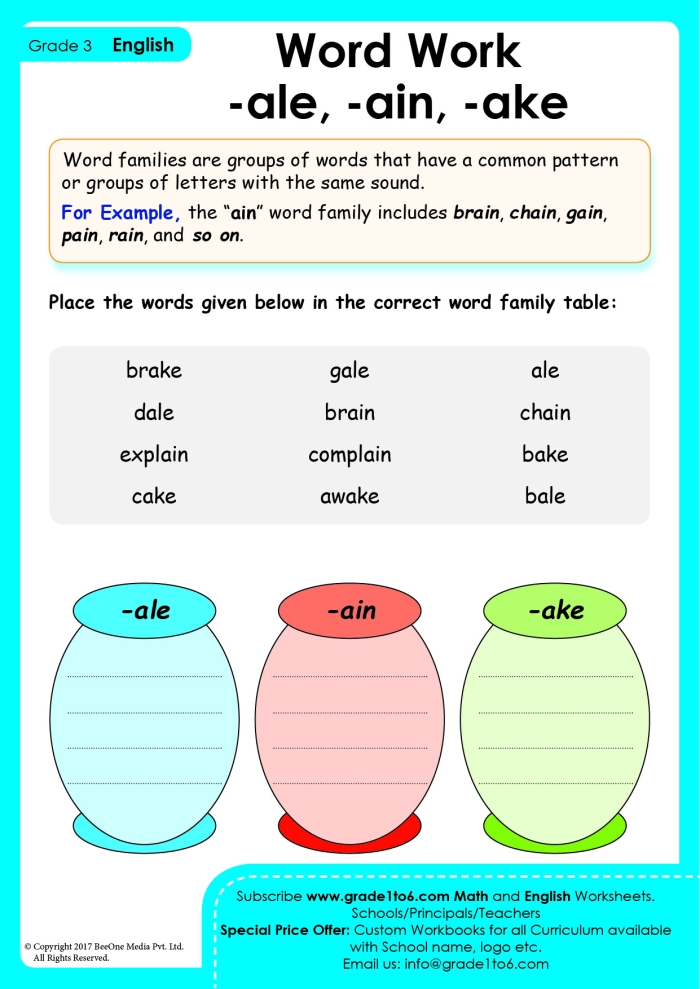
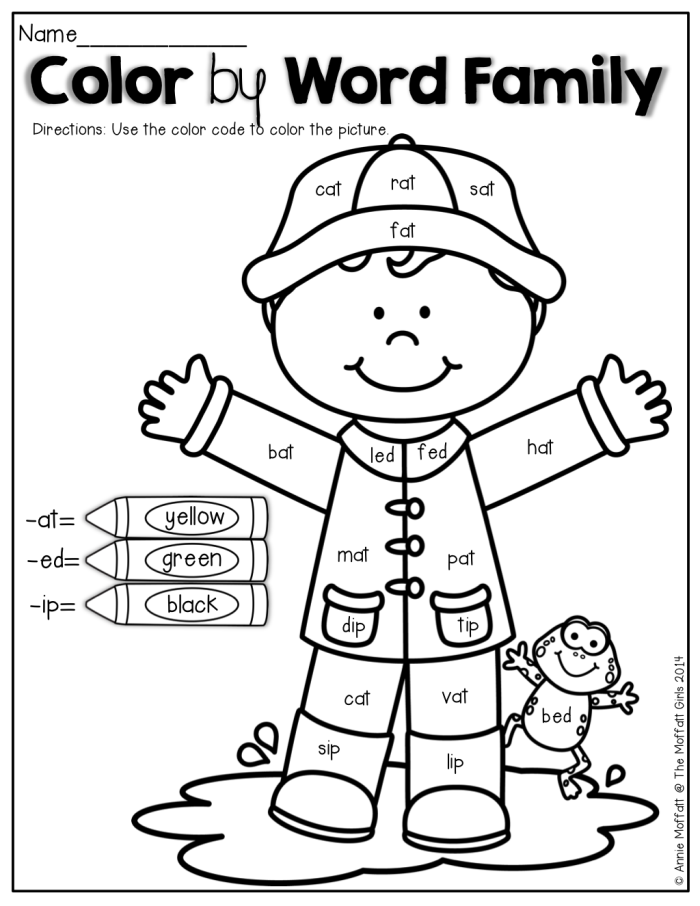
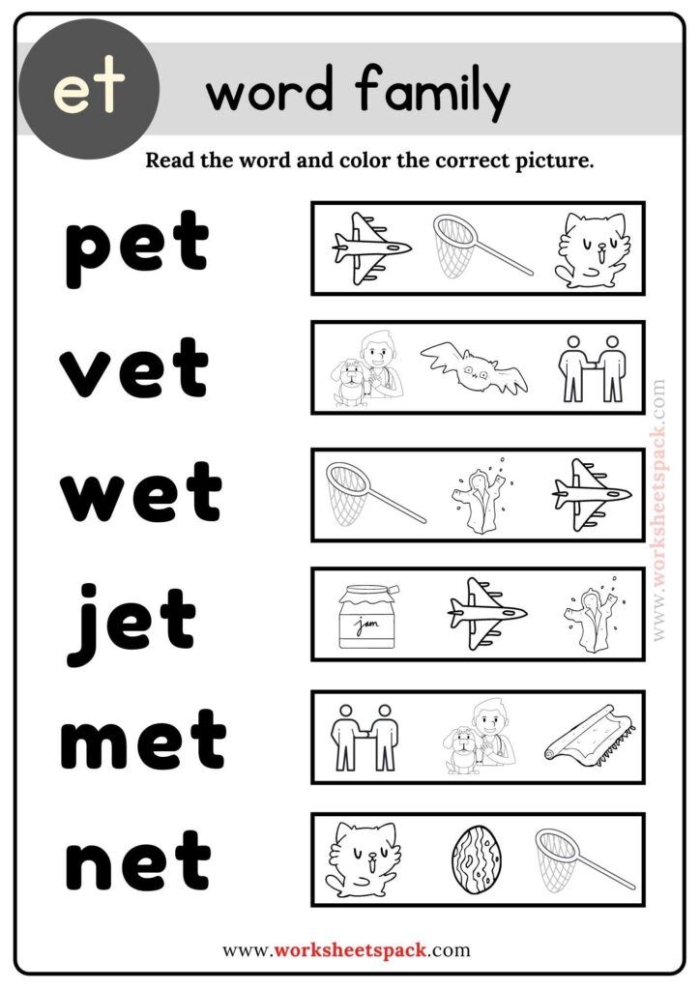
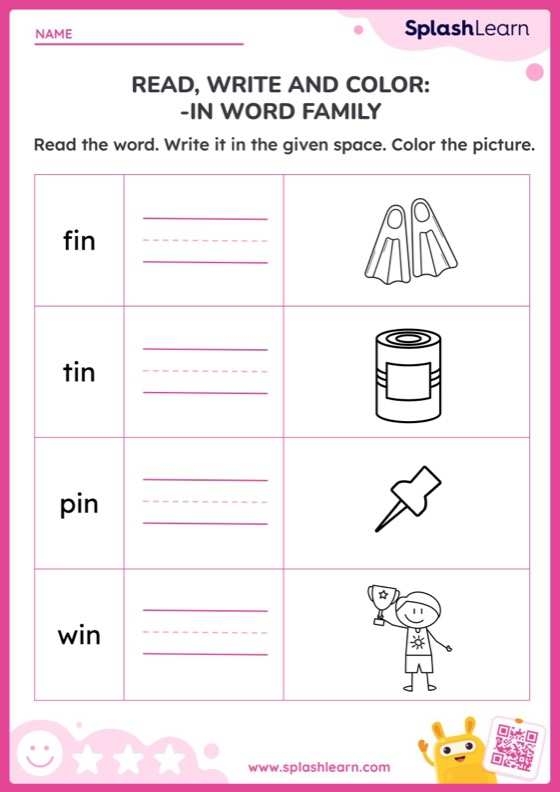
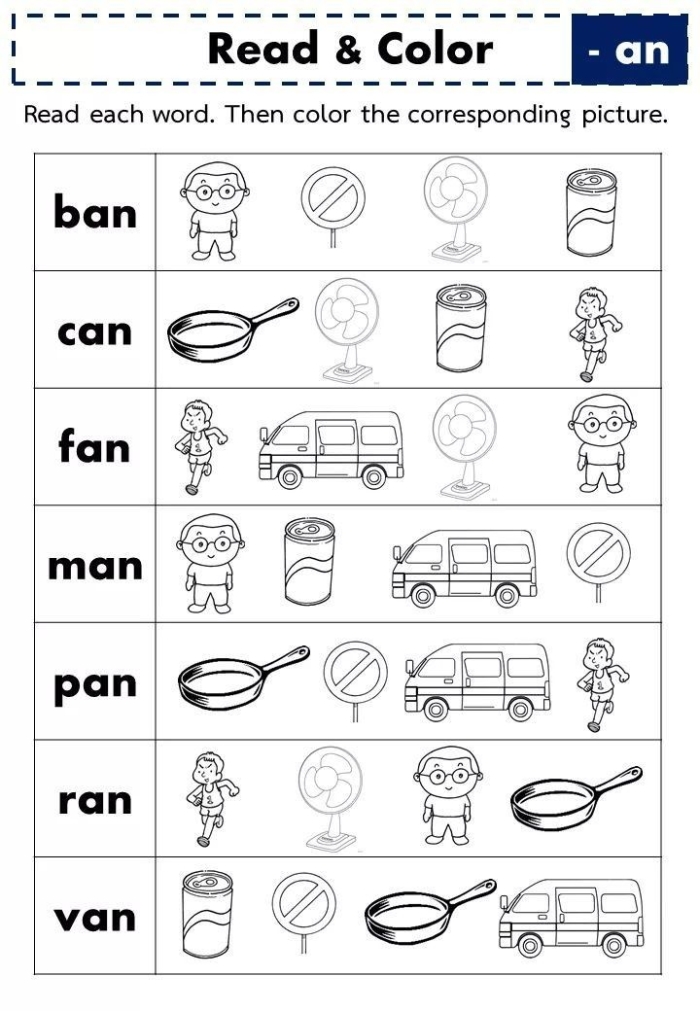
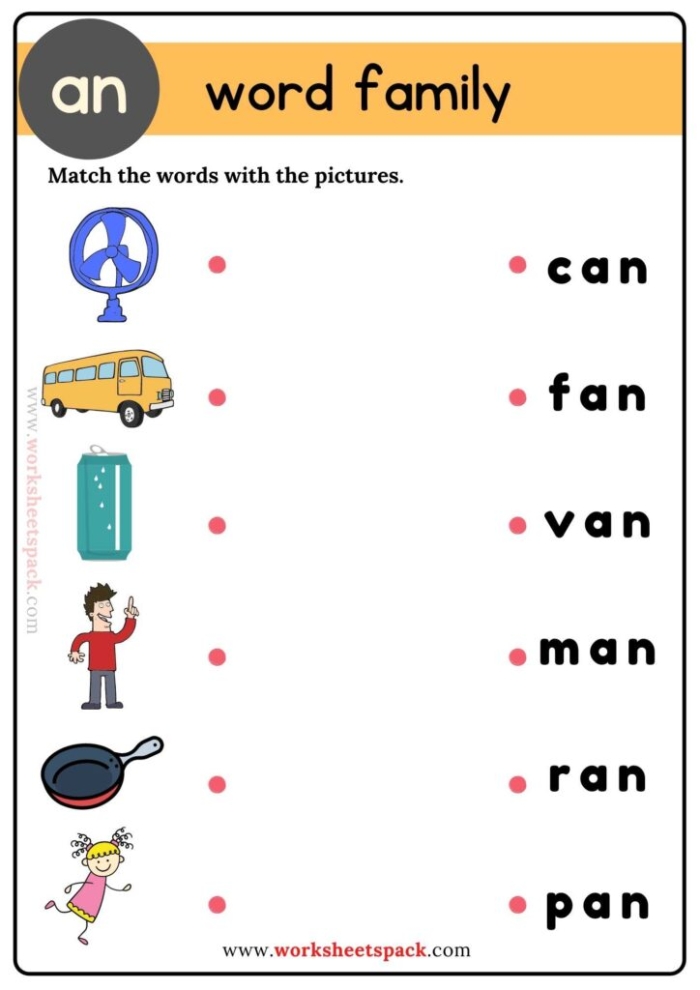
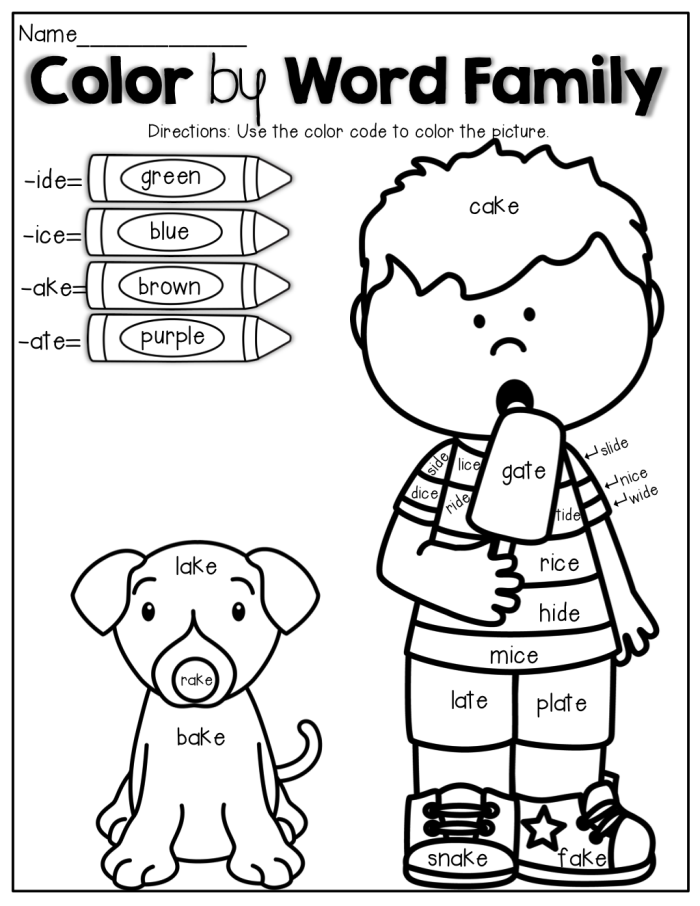
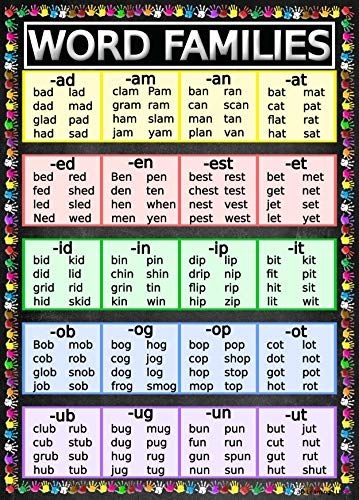
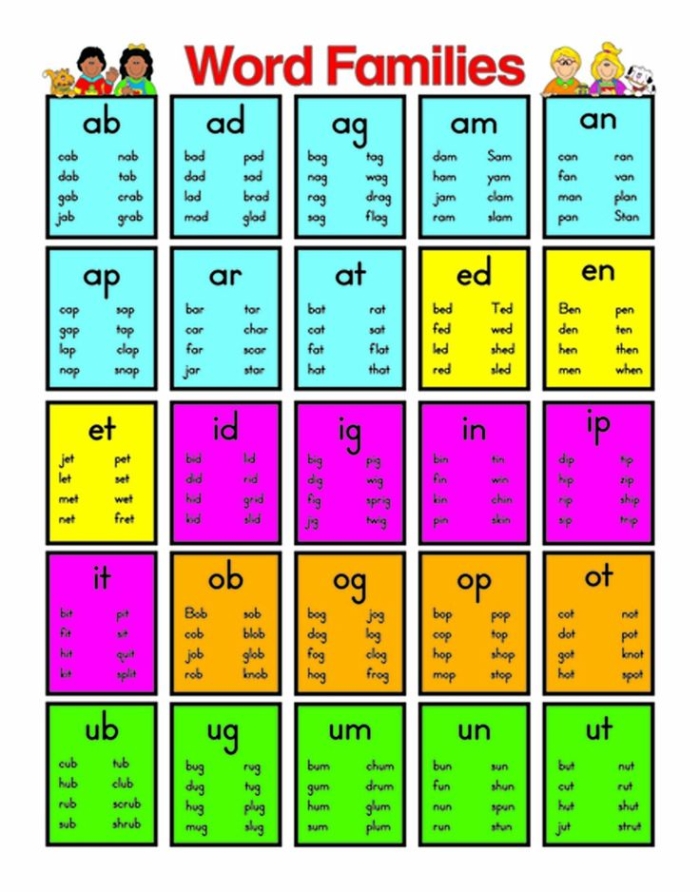
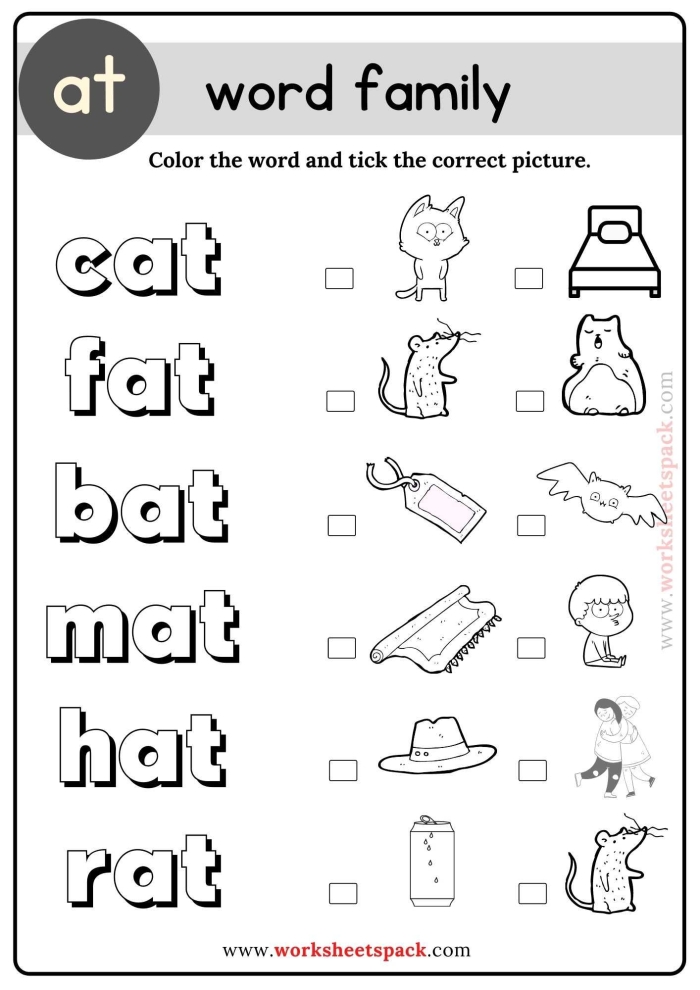
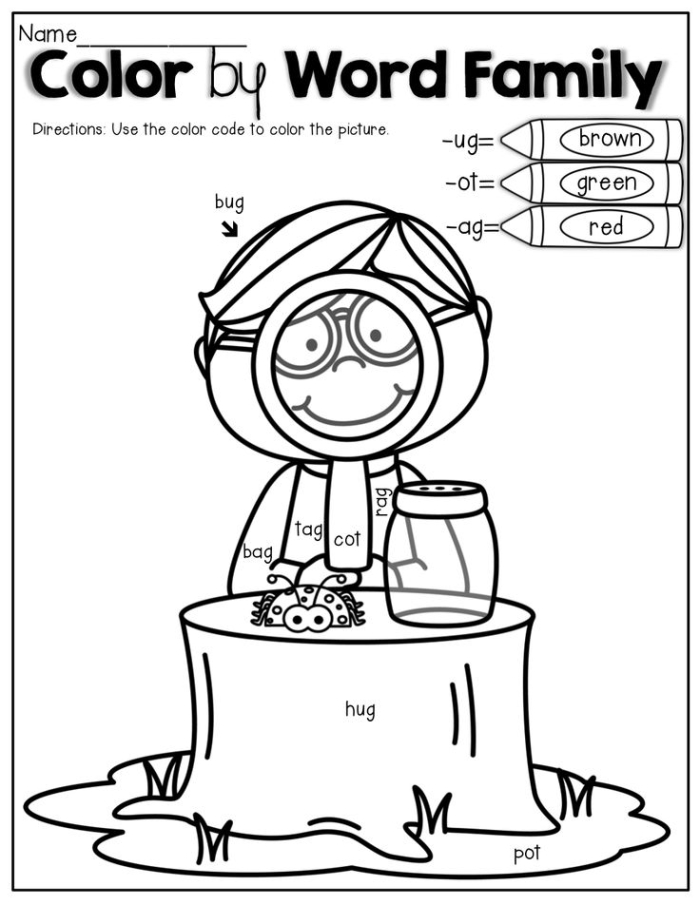
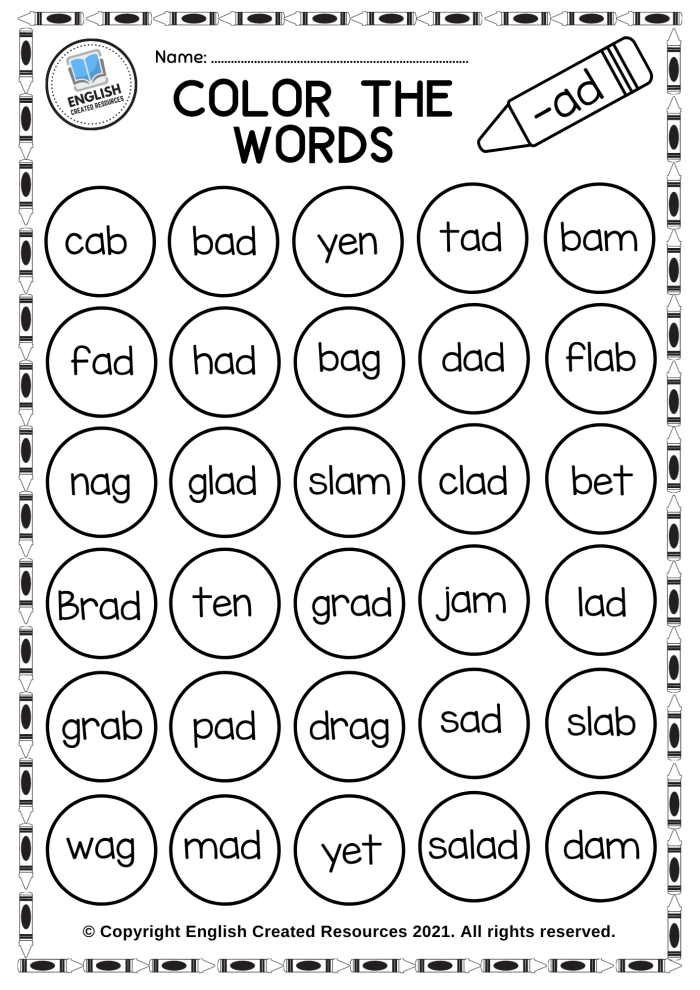
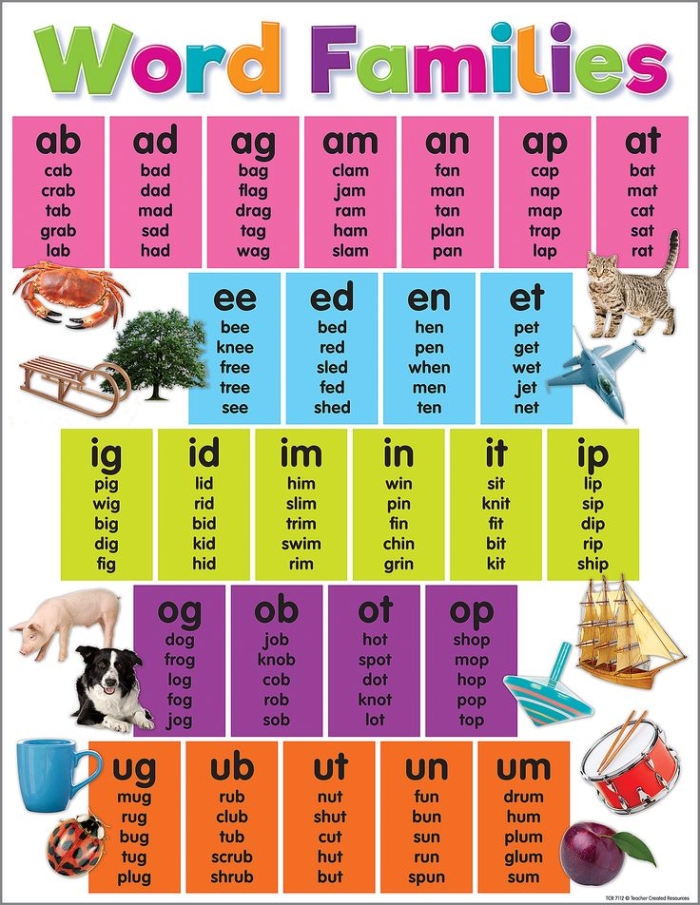
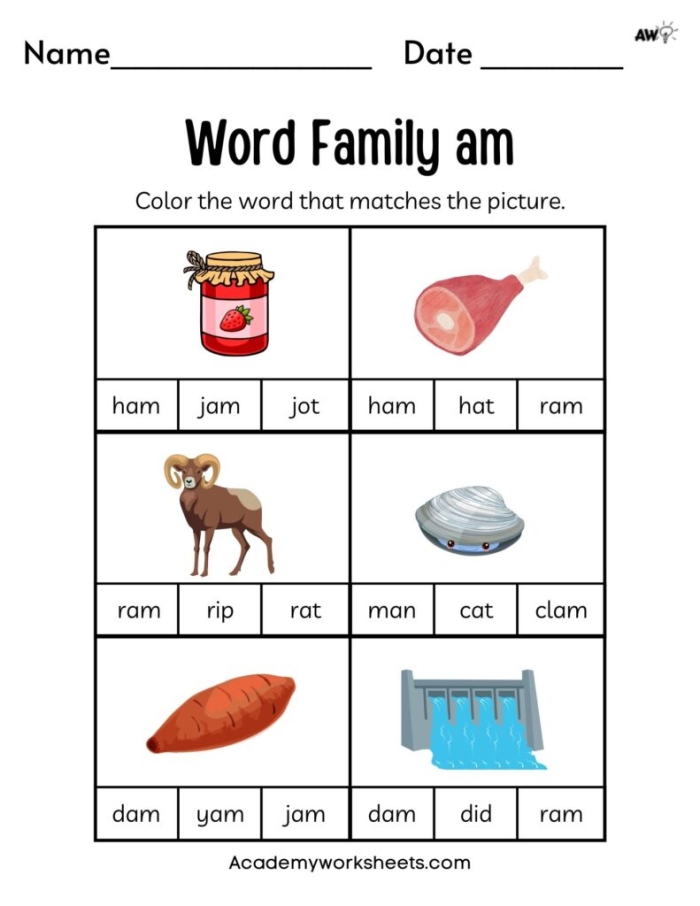
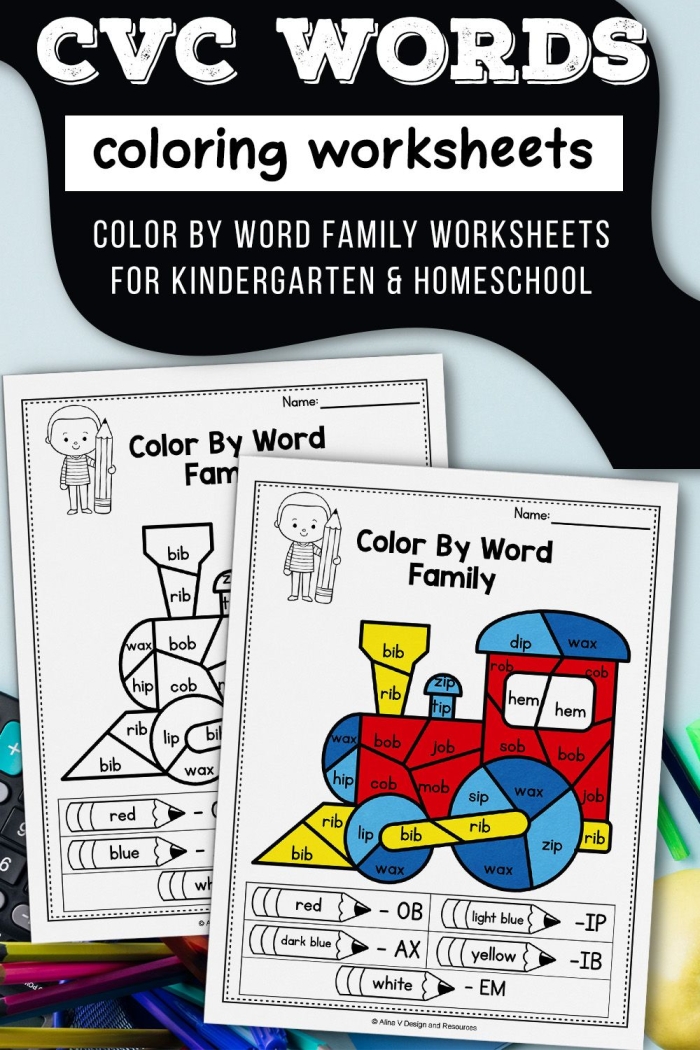
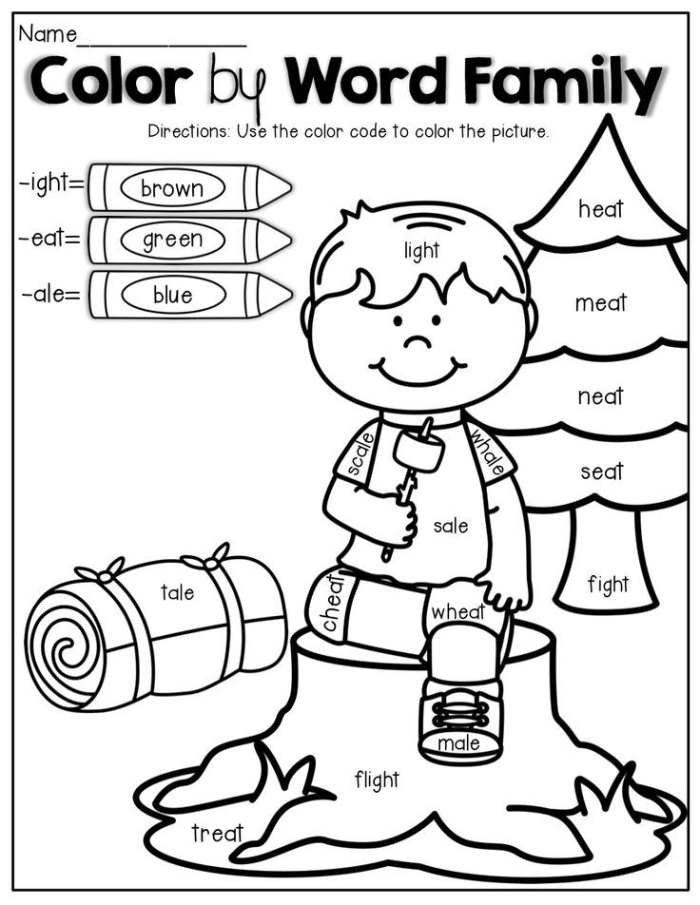
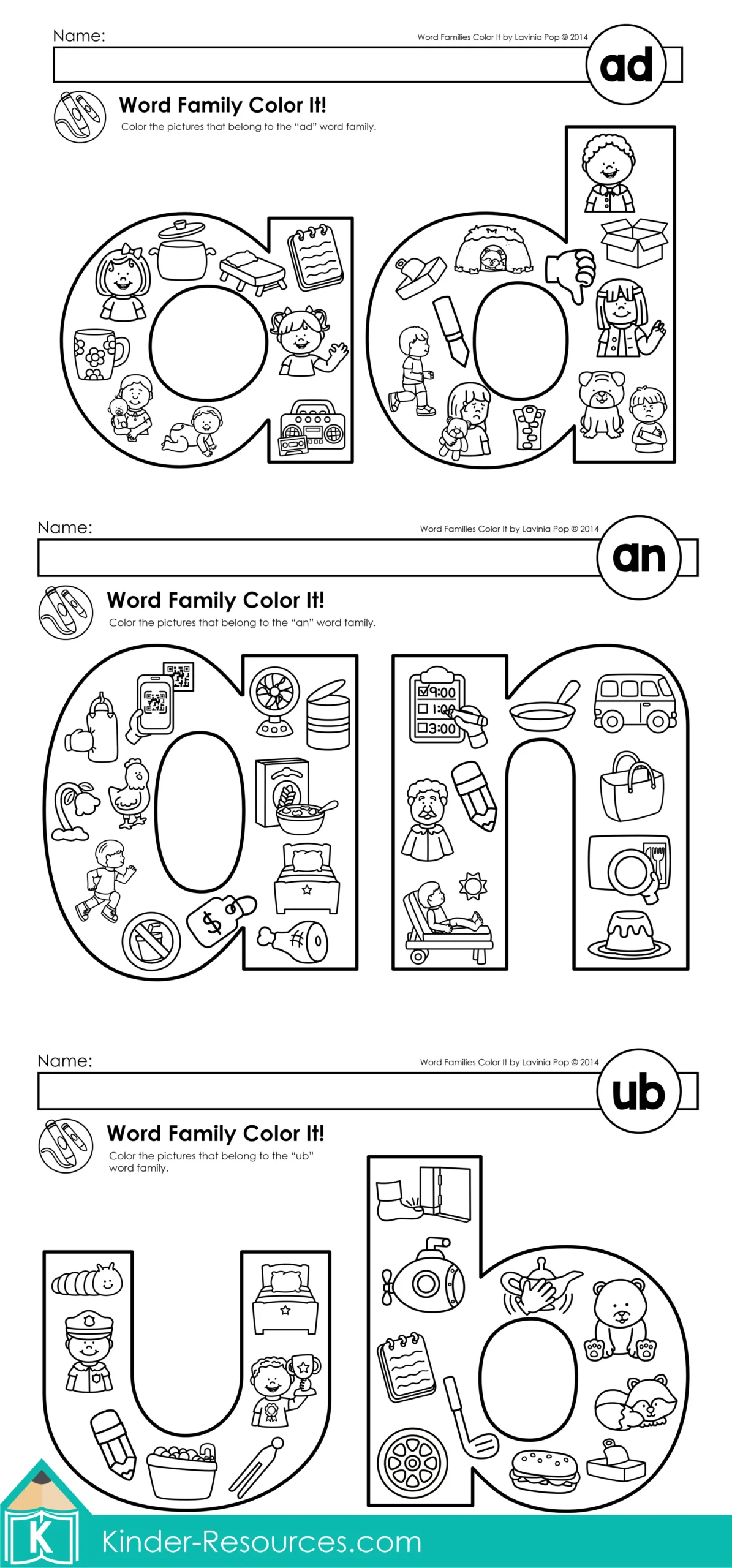
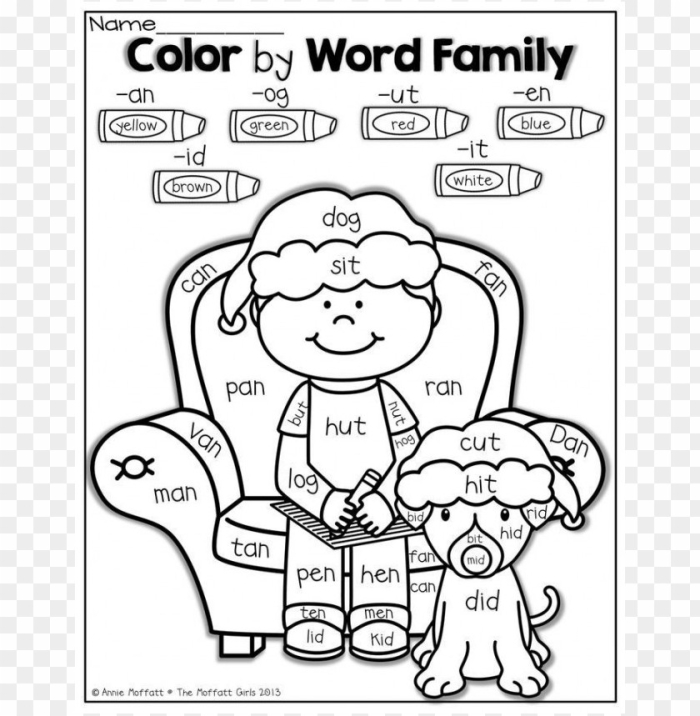
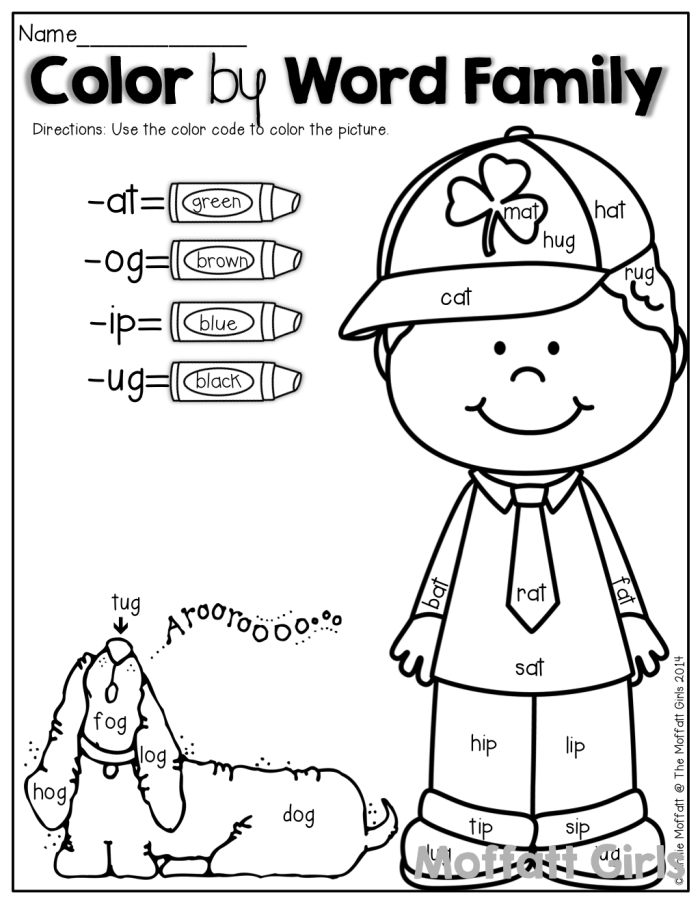
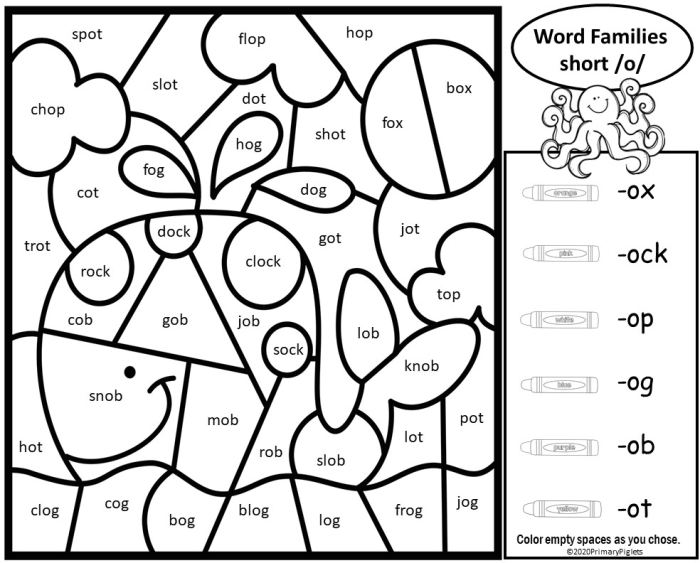
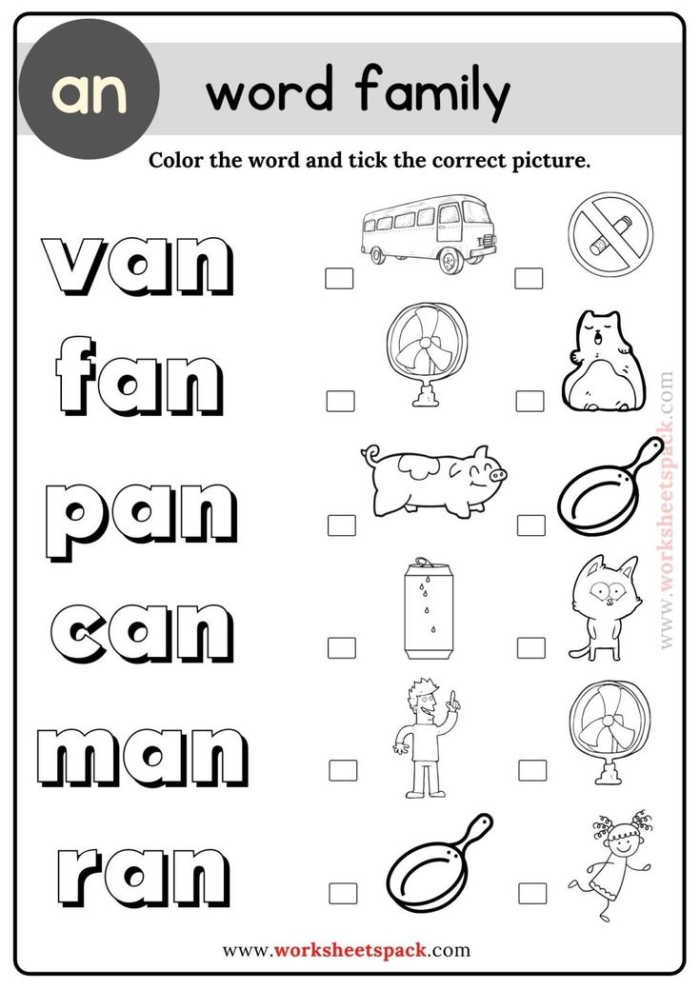
Word families are one of the most efficient tools for teaching kindergarten sight words, and focusing on specific patterns like “op,” “an,” and “at” gives students a clear framework for decoding and building new words. When children learn that “cat,” “bat,” and “mat” share the same ending pattern, they suddenly understand how to read dozens of words without memorizing each one individually.
The matching activity works because it forces students to look closely at word structure. Rather than passively reading a list, they actively sort words into categories based on their ending sounds and letter patterns. This hands-on approach helps the phonetic patterns stick in memory far better than traditional worksheets. A kindergarten student who can match “hop,” “pop,” and “top” to the “op” family has learned a decoding strategy they can apply to unfamiliar words they encounter later.
What makes word family activities particularly powerful is that they build confidence. Kindergarteners often feel overwhelmed by the sheer number of words they need to learn. When you show them that many words follow predictable patterns, reading suddenly feels manageable. They become expert pattern-spotters, which is exactly what fluent readers do naturally.
To support this learning, pairing the matching activity with vocabulary cards for constructing words gives students additional practice building and recognizing these families. You can also reinforce the patterns through word family activities that ask what’s missing, which challenges students to think more deeply about letter sequences.
Once students master the core families, their reading speed and accuracy improve noticeably. They move from sounding out every letter to recognizing word chunks, which is a critical milestone in early literacy development.
Printable Worksheets for Practice