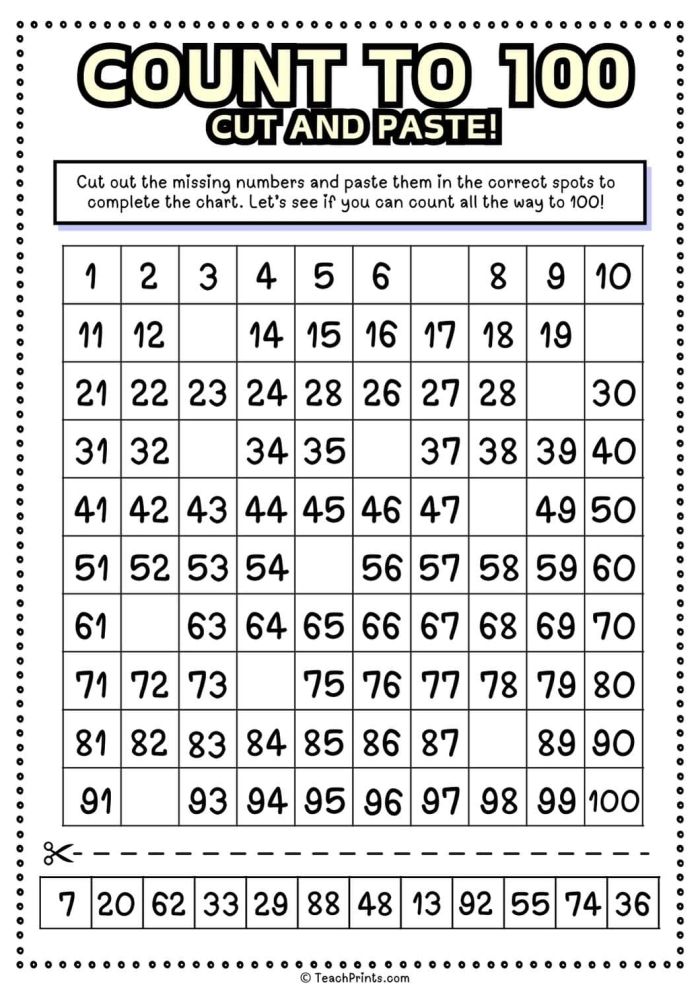
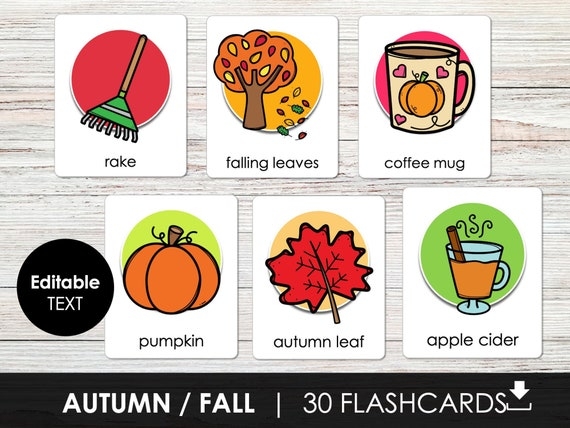
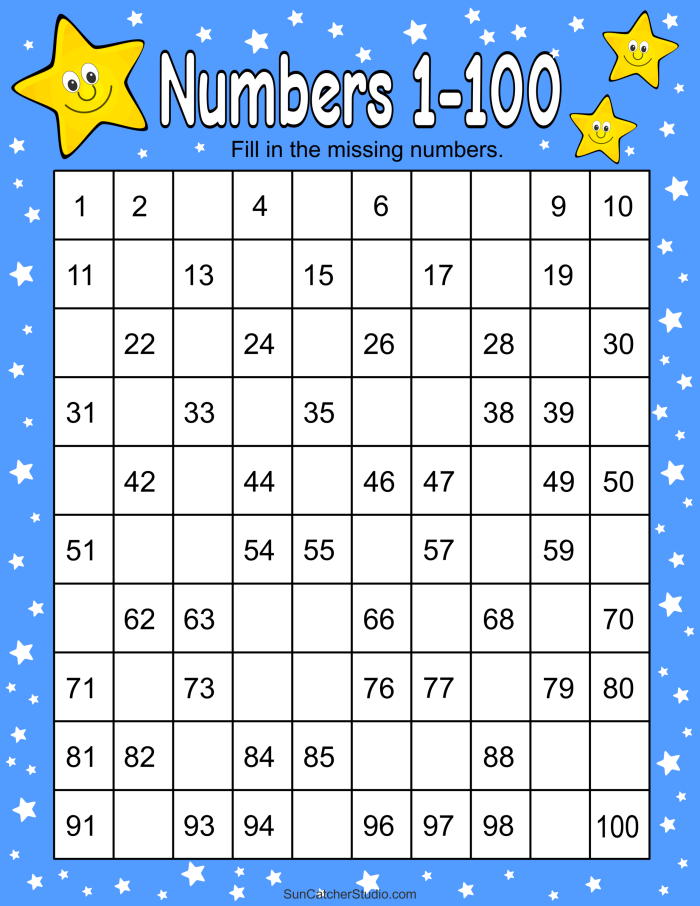
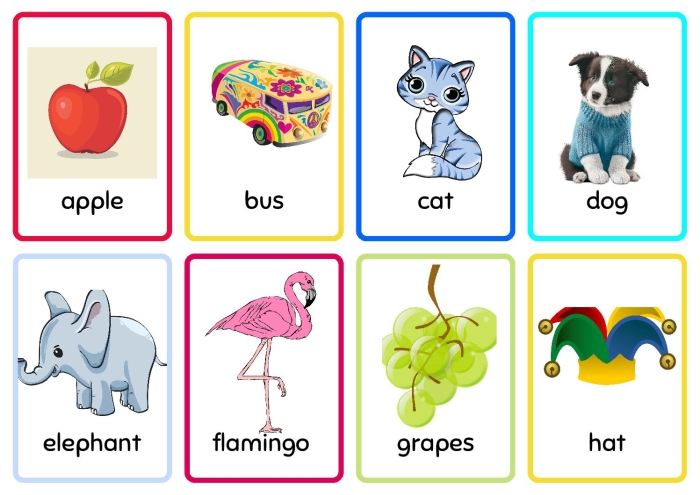
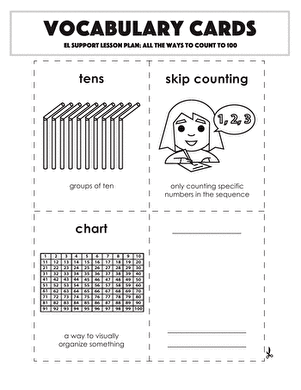
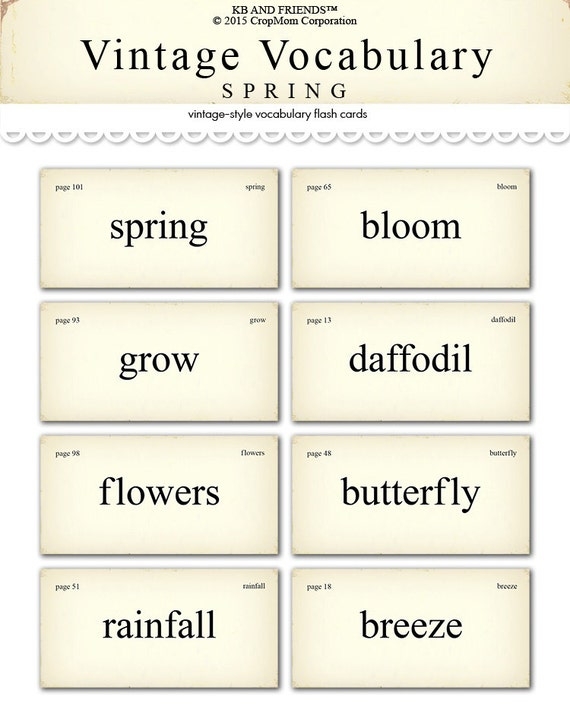
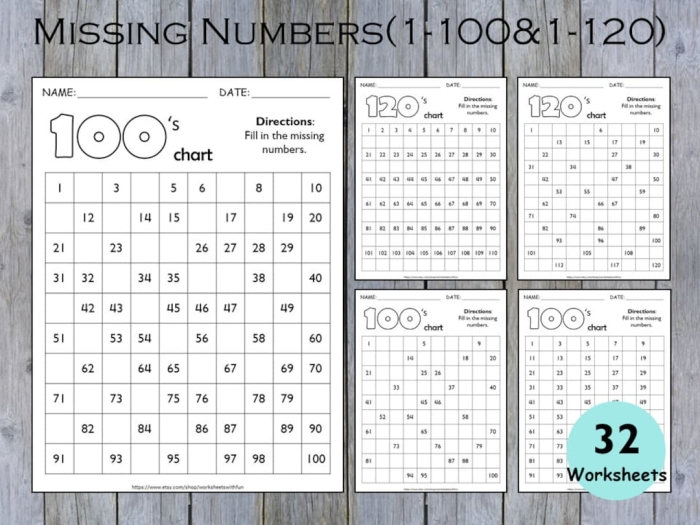
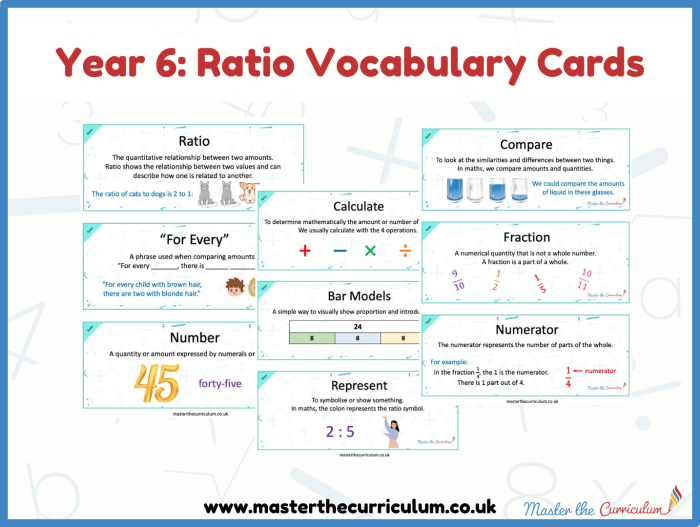
Vocabulary cards designed for counting activities give kindergarten students a concrete way to connect words with numbers. When you pair these cards with an EL Support Lesson focused on all the ways to count to 100, you create a scaffolded learning experience that works particularly well for English learners who benefit from visual reinforcement alongside verbal instruction.
The strength of this approach lies in how it addresses multiple learning needs at once. Young learners see the numeral, hear the word spoken aloud, and often touch or manipulate the card itself, creating a multi-sensory experience. This matters because kindergarten students are still developing number sense, and vocabulary cards serve as anchors for abstract concepts. When a child holds a card labeled “25” and counts out 25 objects, the connection between the symbol and the quantity becomes real rather than theoretical.
For English learners specifically, these cards reduce cognitive load. Instead of processing new counting vocabulary while simultaneously learning number concepts, students can focus on one element at a time. You might introduce the card first, let students repeat the word several times, then move into counting activities. This separation of tasks helps prevent overwhelm.
The practical implementation works best when you rotate through different counting strategies. Some days, students might count by ones. Other days, they count by fives or tens. The vocabulary cards remain consistent, but the counting method changes. This repetition with variation helps cement both the sight words and the flexible thinking needed for number sense.
You can extend this work by incorporating finger counting strategies alongside your cards, or follow up with addition practice within 20. These connected activities build confidence and competence across related skills rather than treating counting as isolated from other math work.
Printable Worksheets for Practice