Number recognition forms one of the earliest literacy skills children develop in kindergarten, and mastering individual numbers opens doors to counting, basic math, and eventually reading numerical information. The number eight holds particular importance because it sits right in the middle of the 1-10 range, making it a natural checkpoint in early learning sequences.
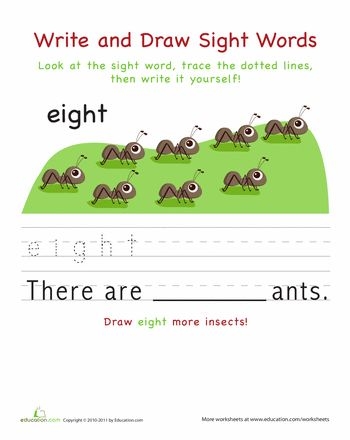
When children learn to read and write the word “eight,” they’re doing more than memorizing a label. They’re building phonetic awareness, connecting spoken language to written symbols, and developing fine motor control through the physical act of writing. This dual engagement makes sight word practice especially effective for young learners.
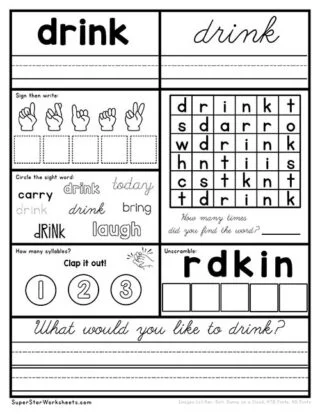
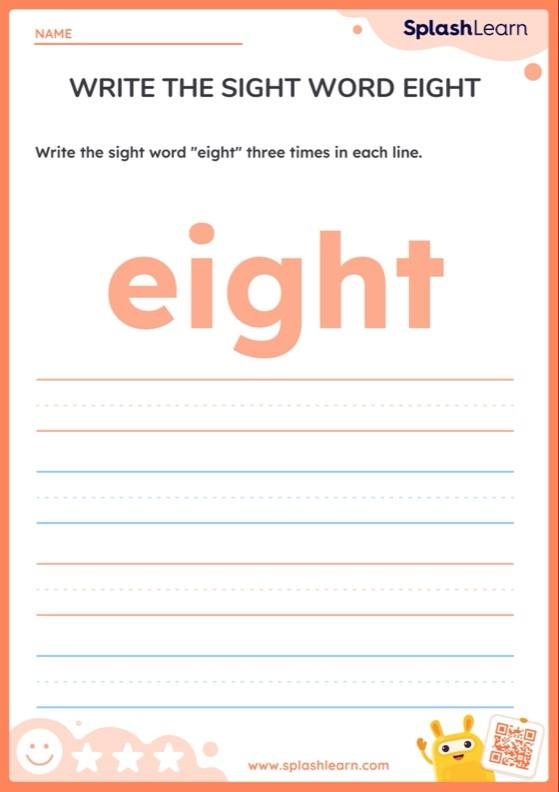
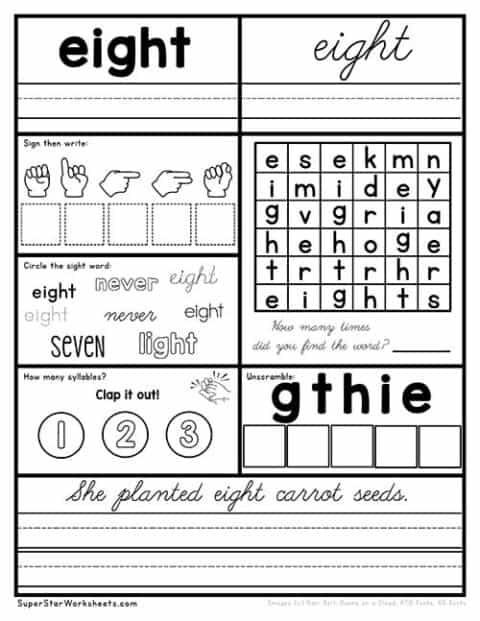
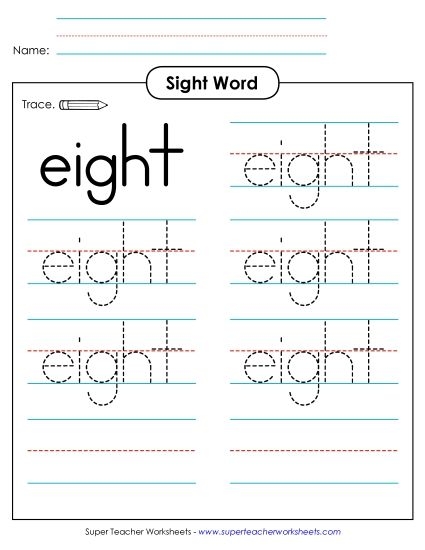
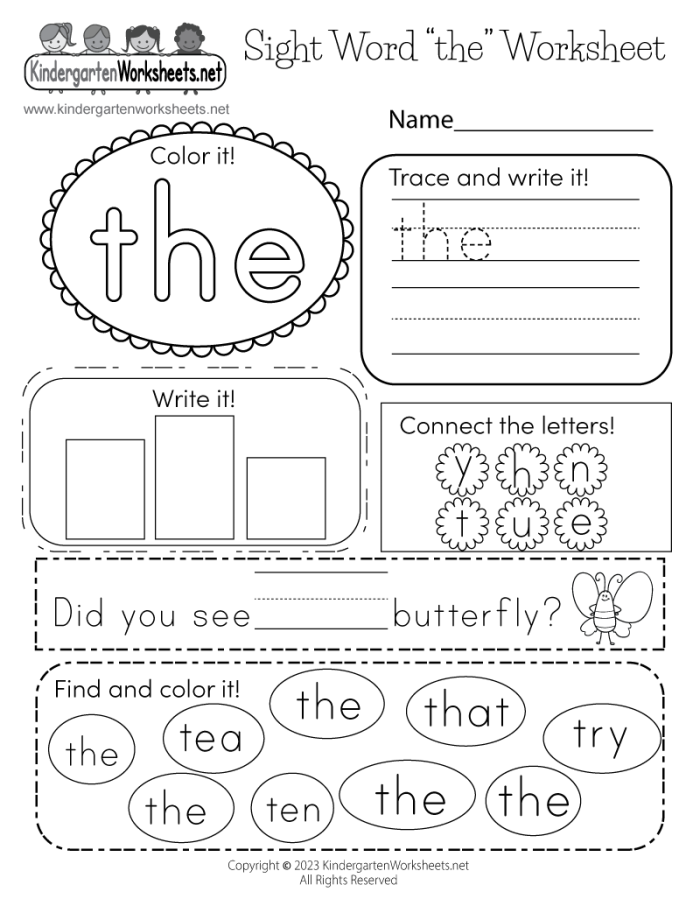
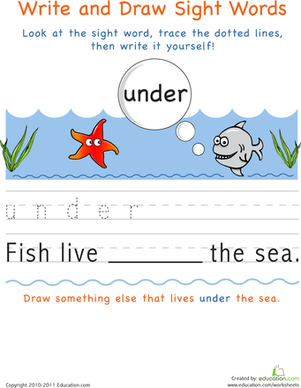
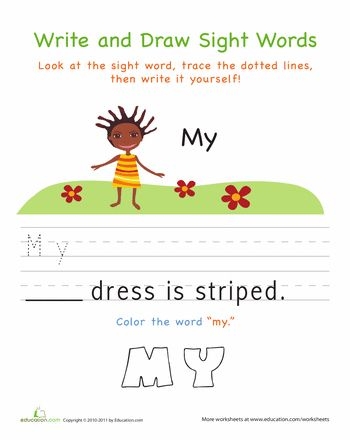
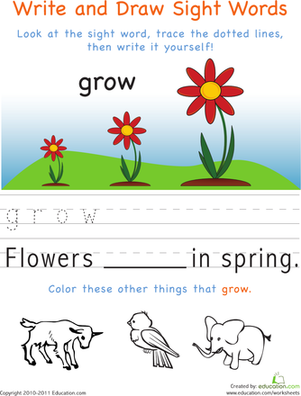
A focused worksheet on the word “eight” gives kindergarteners repeated exposure to the same word in different contexts. They might trace the letters, identify “eight” among other number words, or match it to the numeral 8. This repetition is how young brains solidify new information. Research on early literacy shows that children need to encounter a word multiple times before it becomes automatic.
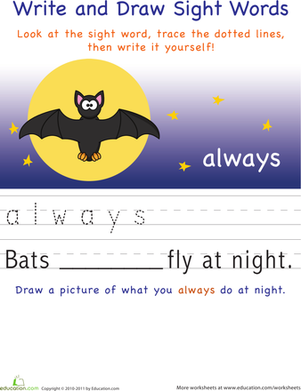
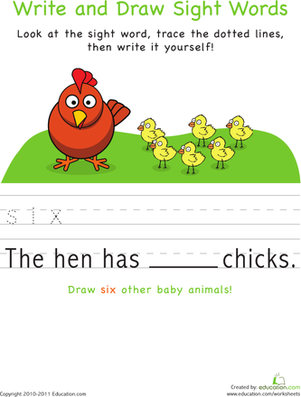
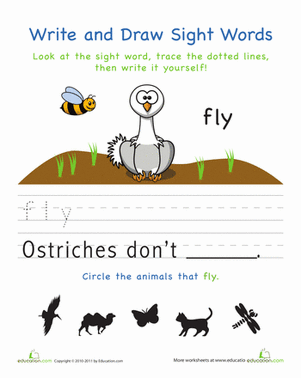
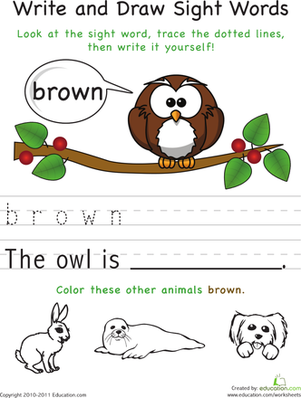
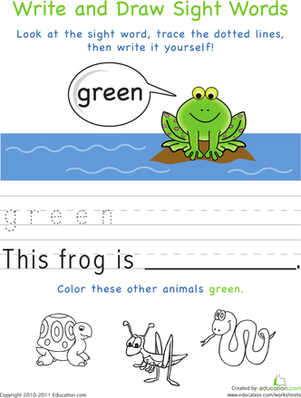
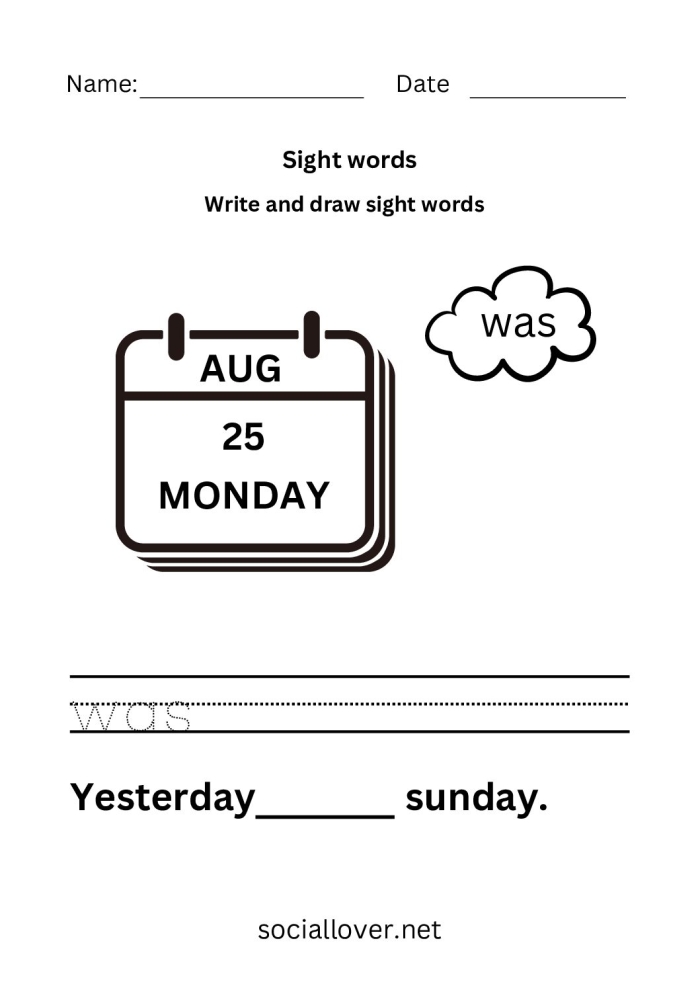
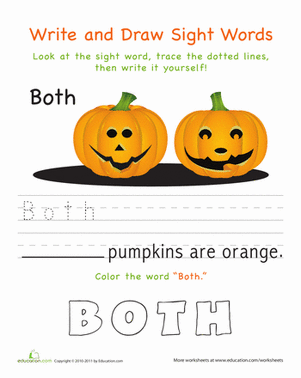
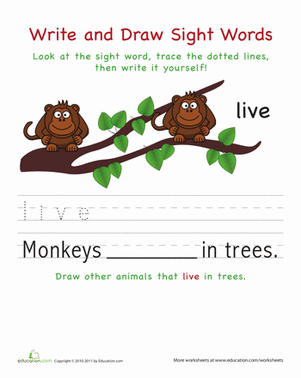
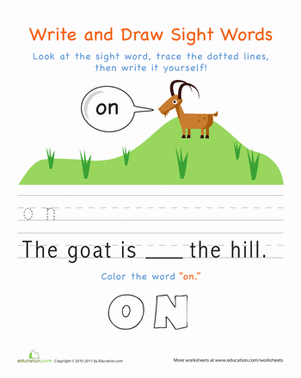
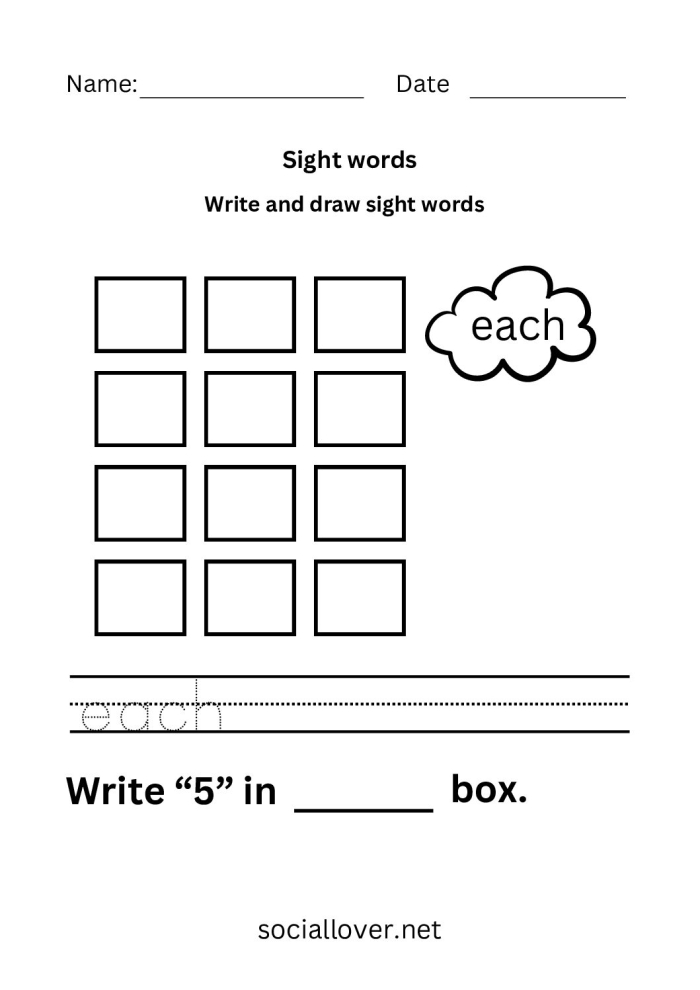
The “write and draw” format adds a creative dimension that keeps engagement high. When children draw eight objects or illustrations alongside writing the word, they reinforce the connection between the abstract word and its concrete meaning. This approach works especially well because it taps into how kindergarteners naturally learn through play and visual representation.
Pairing number word practice with other foundational skills strengthens overall literacy development. Activities like finding rhyming words or exploring silent e patterns complement number recognition work. As children progress, they benefit from varied practice formats, whether that’s writing numbers 1-10 or engaging with seasonal concepts through activities like a four seasons activity placemat.
For parents and teachers working with kindergarteners, a dedicated worksheet on “eight” provides structured practice that fits naturally into daily learning routines. The focused approach prevents overwhelm while building confidence in a specific, measurable skill.
Printable Worksheets for Practice