Fractions trip up plenty of fifth grade students, but the confusion usually stems from weak fundamentals rather than the topic itself. Once you nail the core skills, everything else clicks into place. The three building blocks that matter most are understanding improper fractions, converting them to mixed numbers, and adding or subtracting fractions when the denominators match.
Start with improper fractions. These are simply fractions where the numerator (top number) is larger than or equal to the denominator (bottom number). A fraction like 7/4 looks wrong at first, but it represents a real quantity: one whole plus three-fourths. Converting an improper fraction to a mixed number requires basic division. Divide the numerator by the denominator, and the quotient becomes your whole number while the remainder stays as the numerator of the fraction part. So 7 divided by 4 equals 1 with a remainder of 3, giving you 1 3/4. This skill connects directly to measurement work in fifth grade, where students often encounter quantities larger than one unit.
Adding and subtracting fractions with like denominators is straightforward once students accept one rule: only add or subtract the numerators, never touch the denominator. If you’re solving 3/5 plus 1/5, you get 4/5. The denominator stays put. This simplicity makes it an ideal entry point before tackling the complexity of unlike denominators.
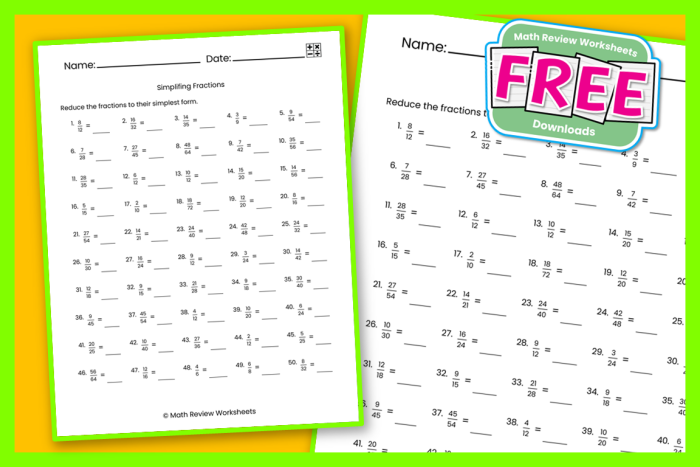
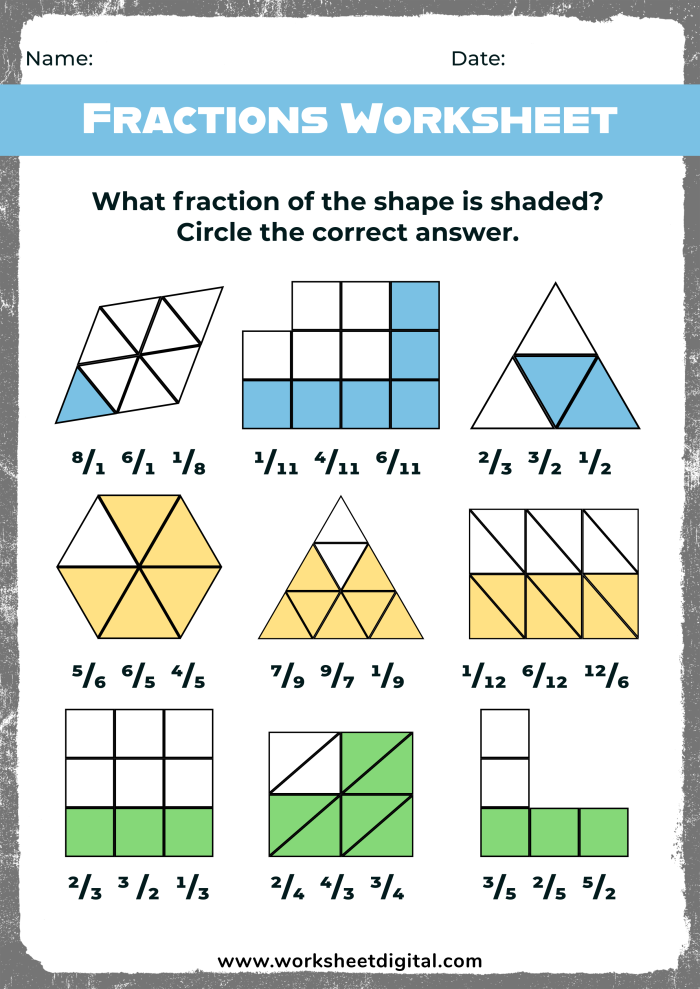
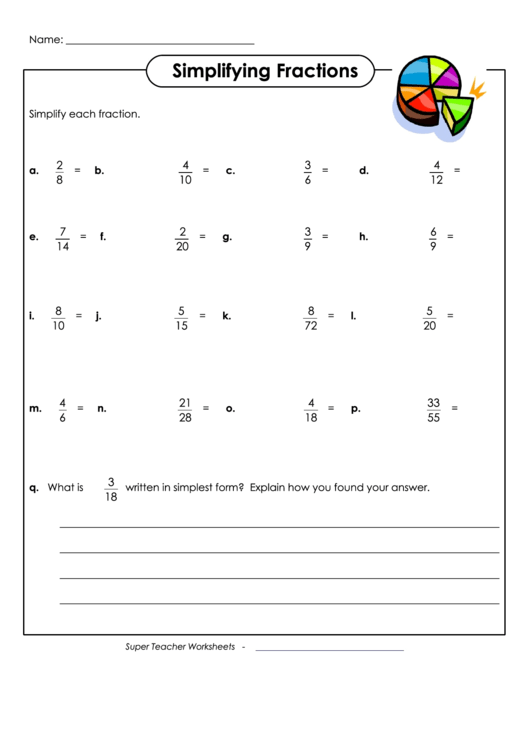
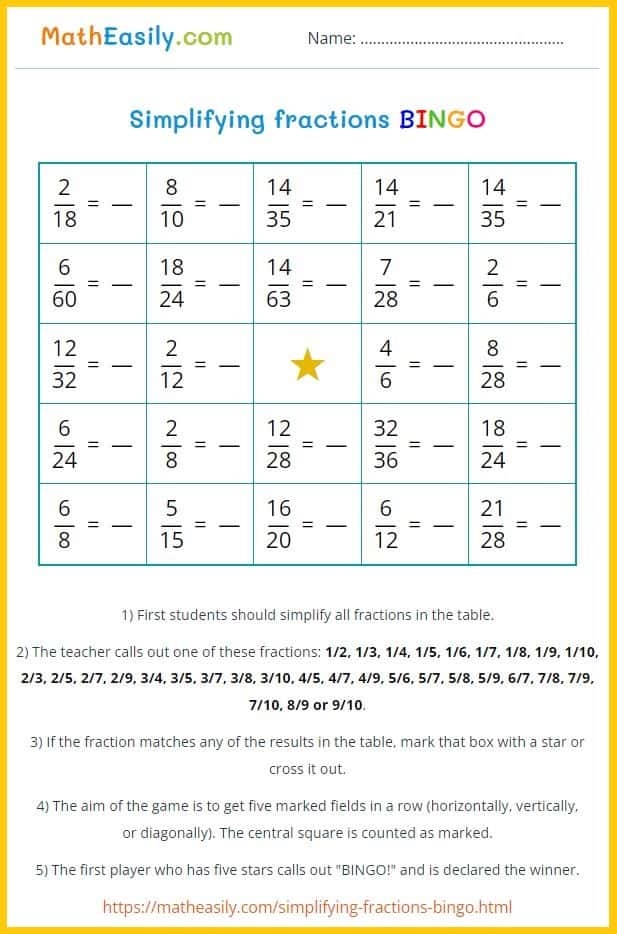
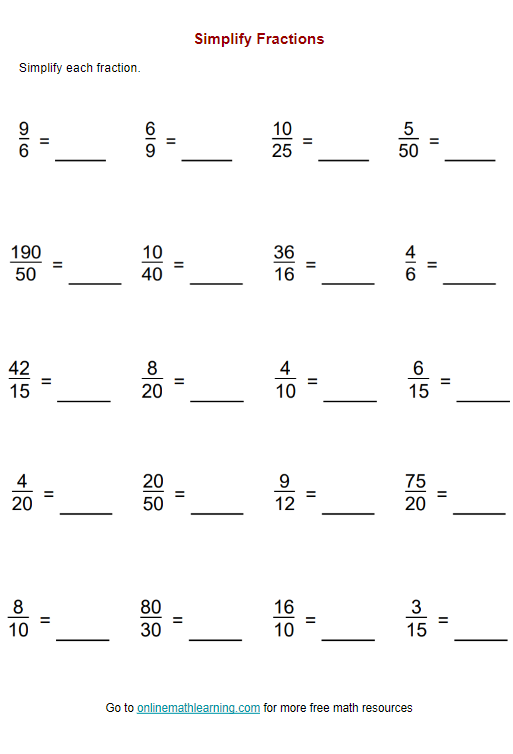
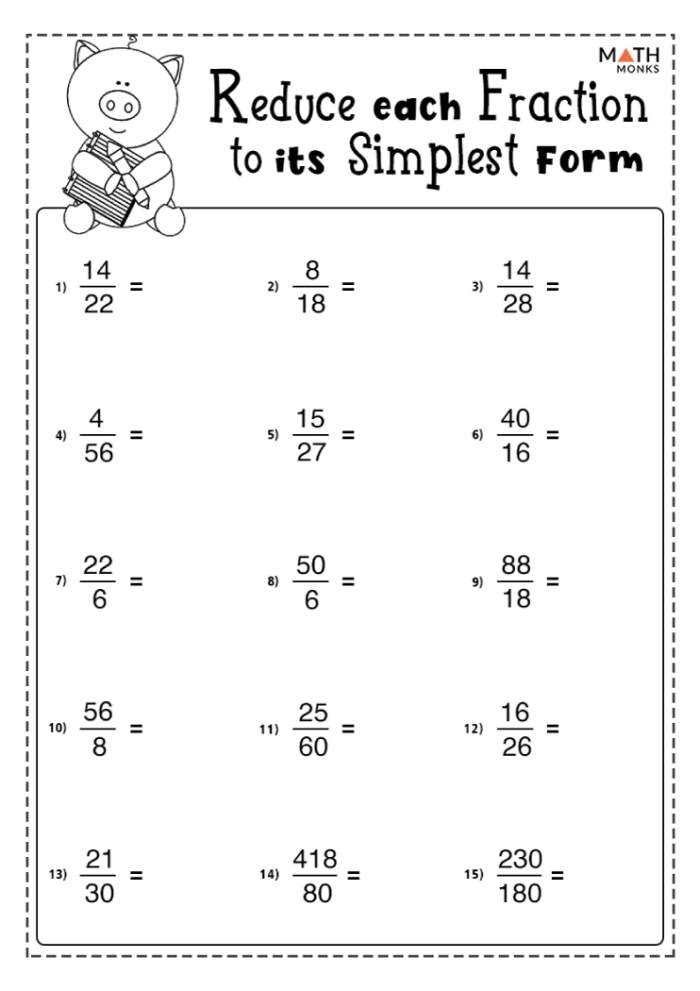
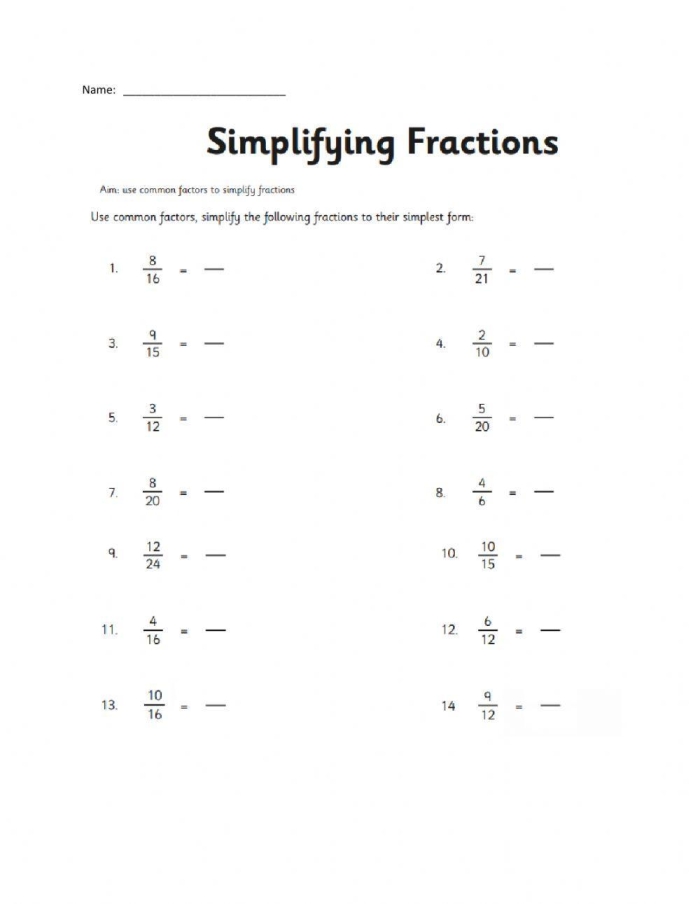
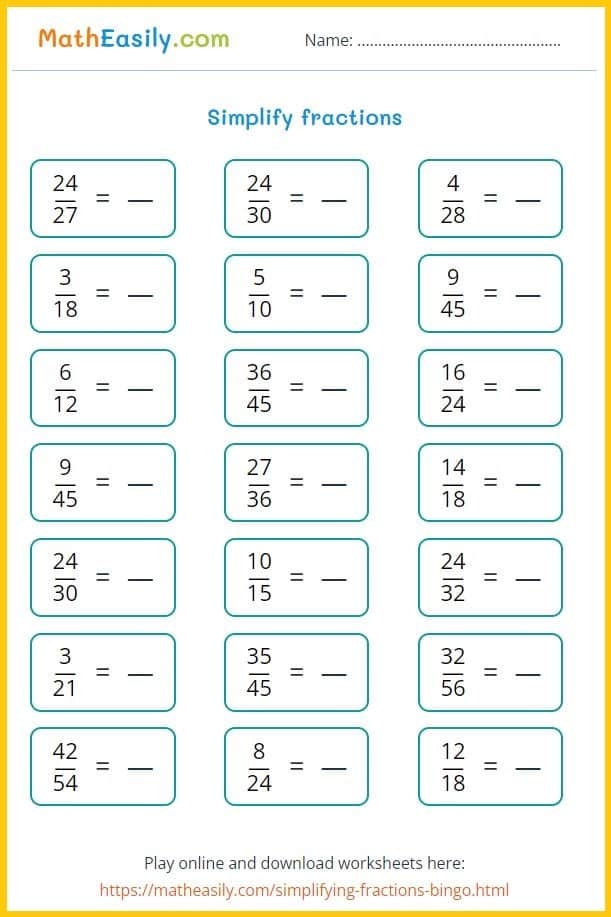
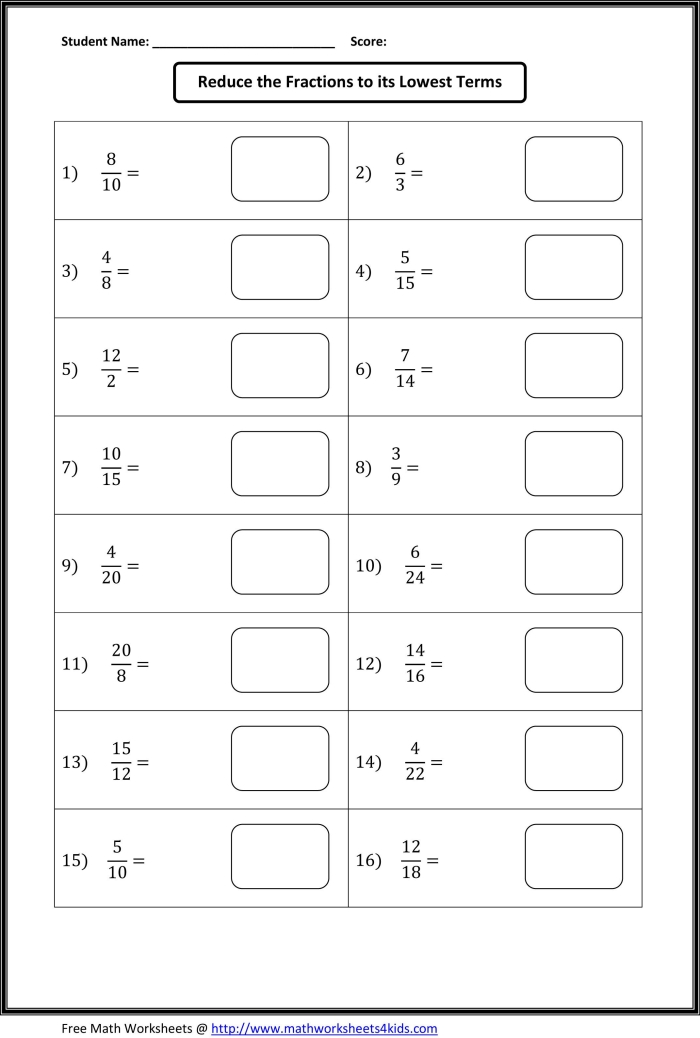
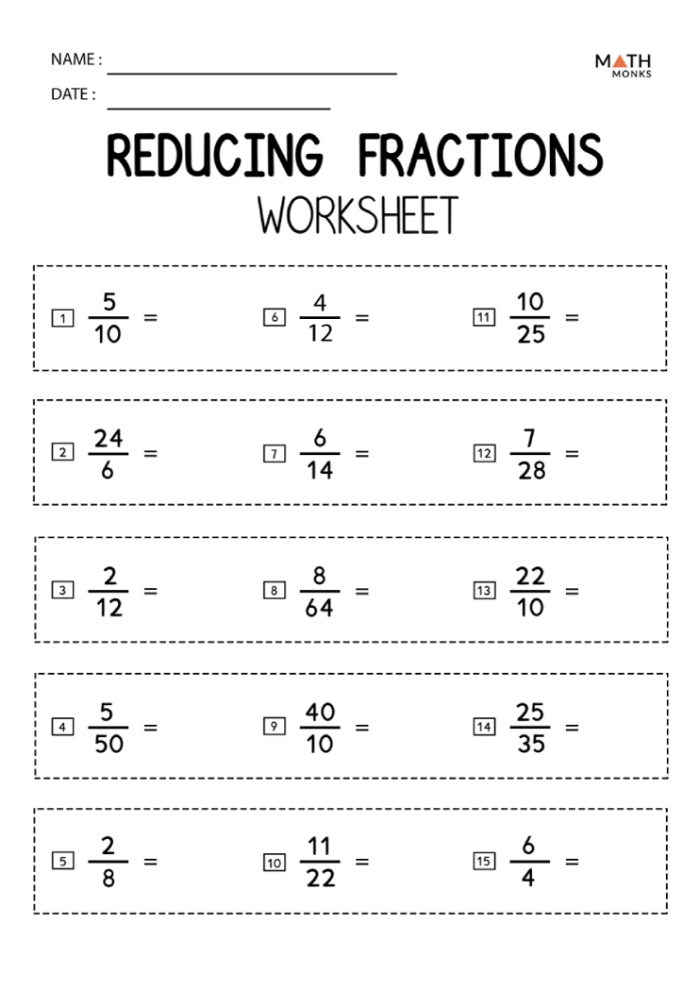
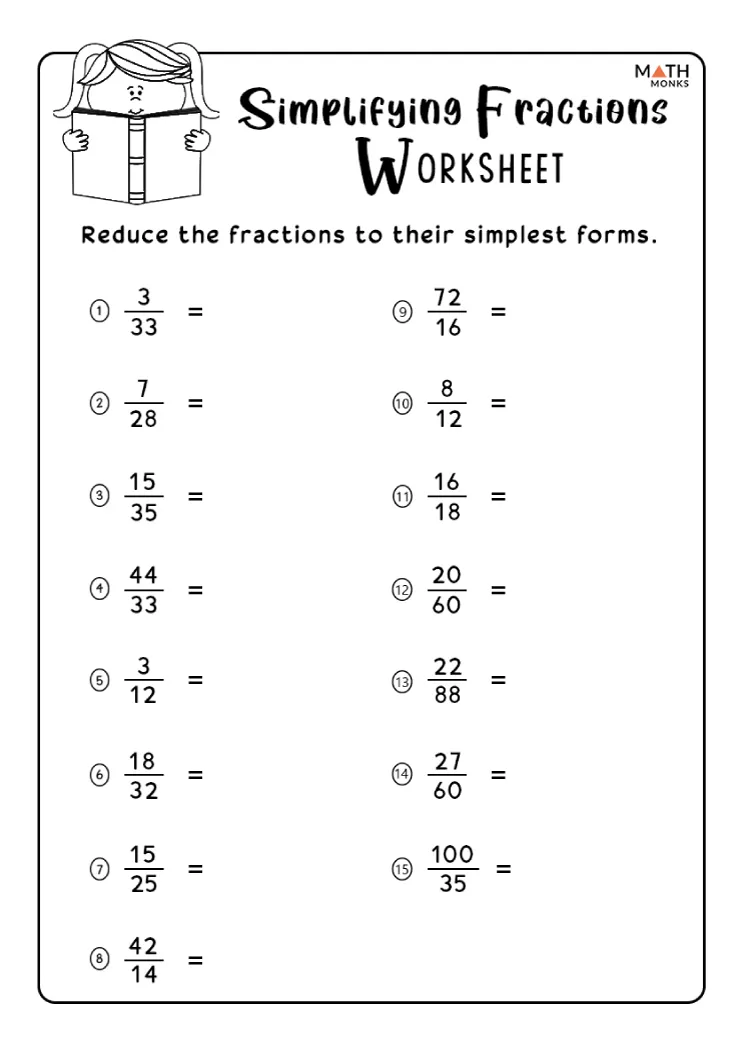
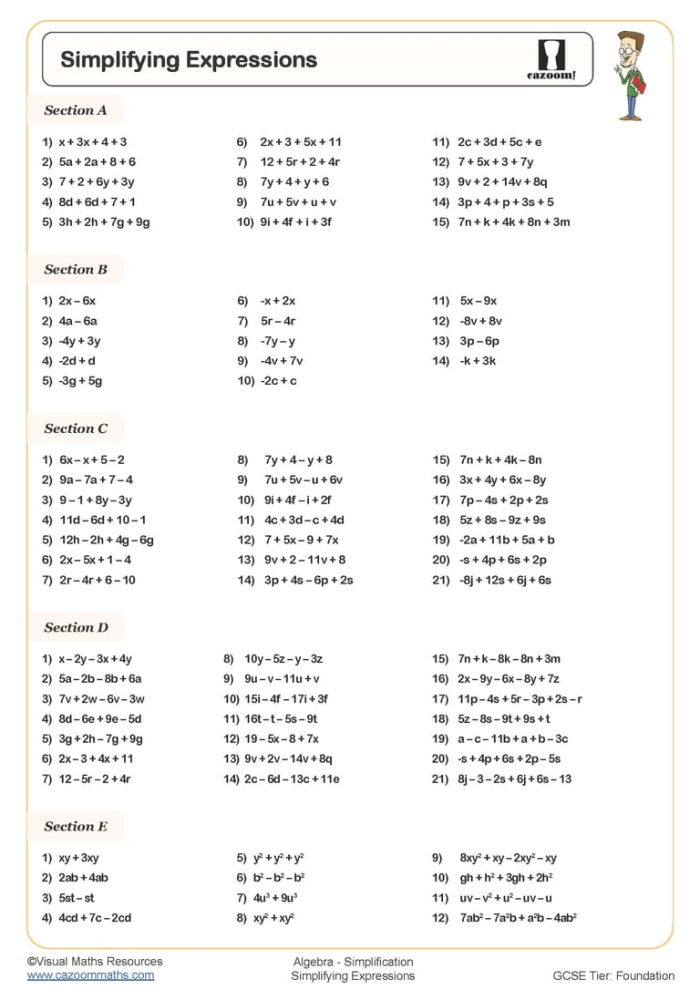
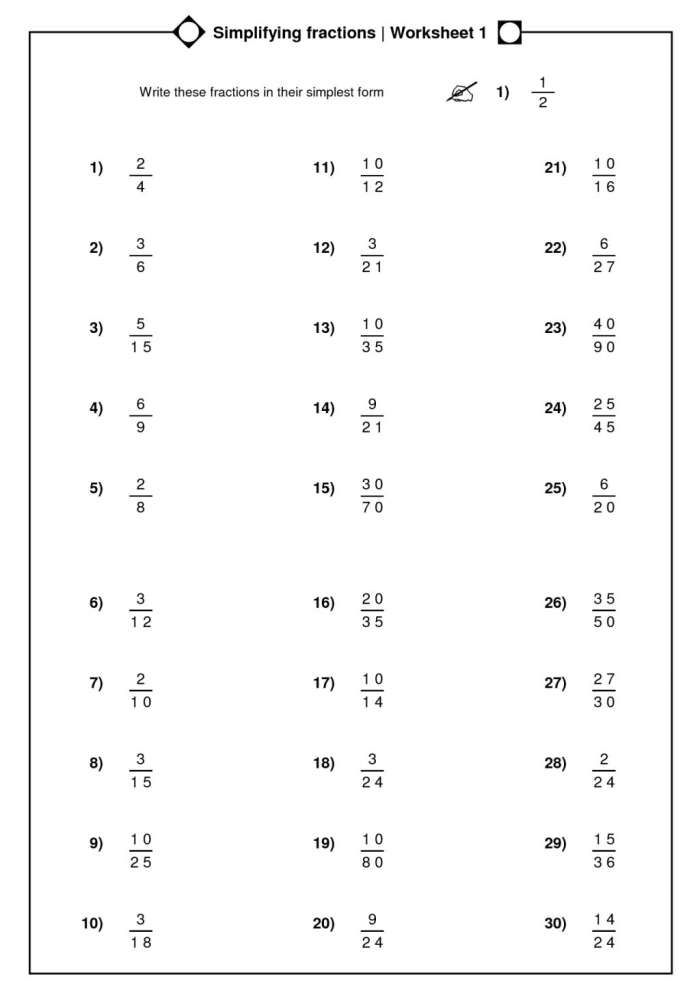
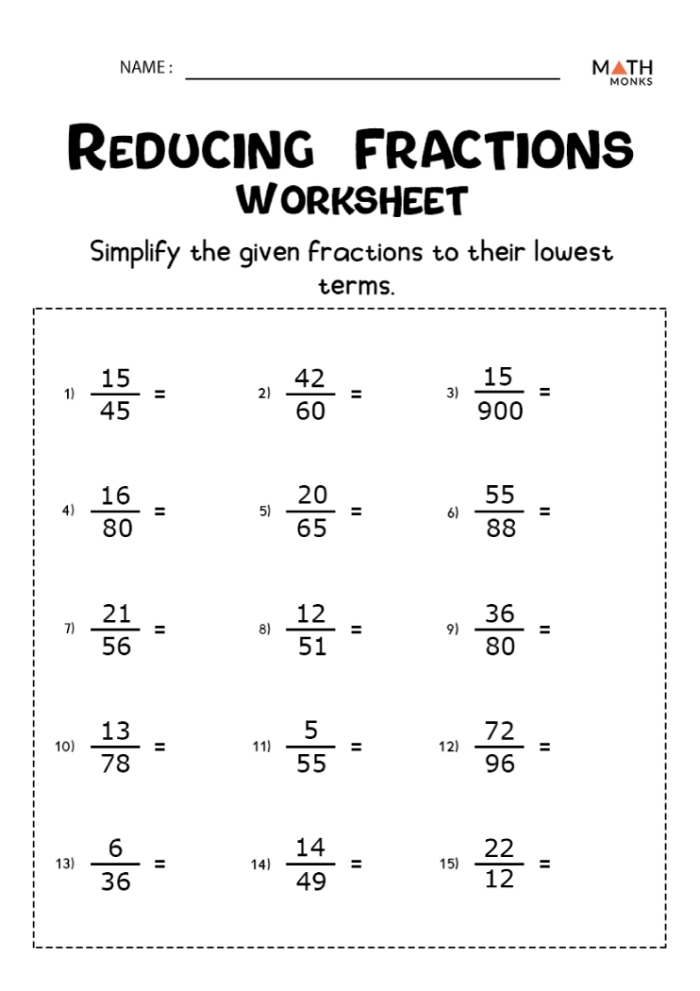
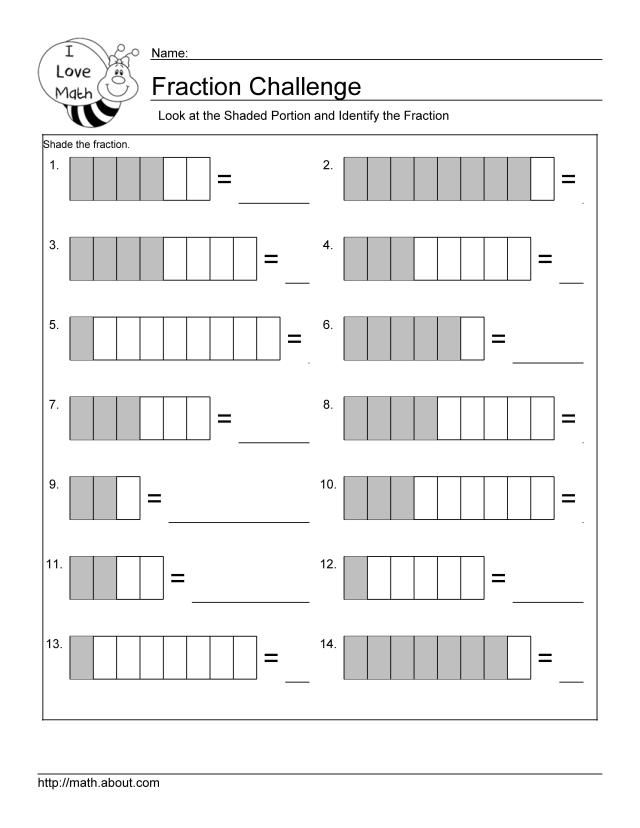
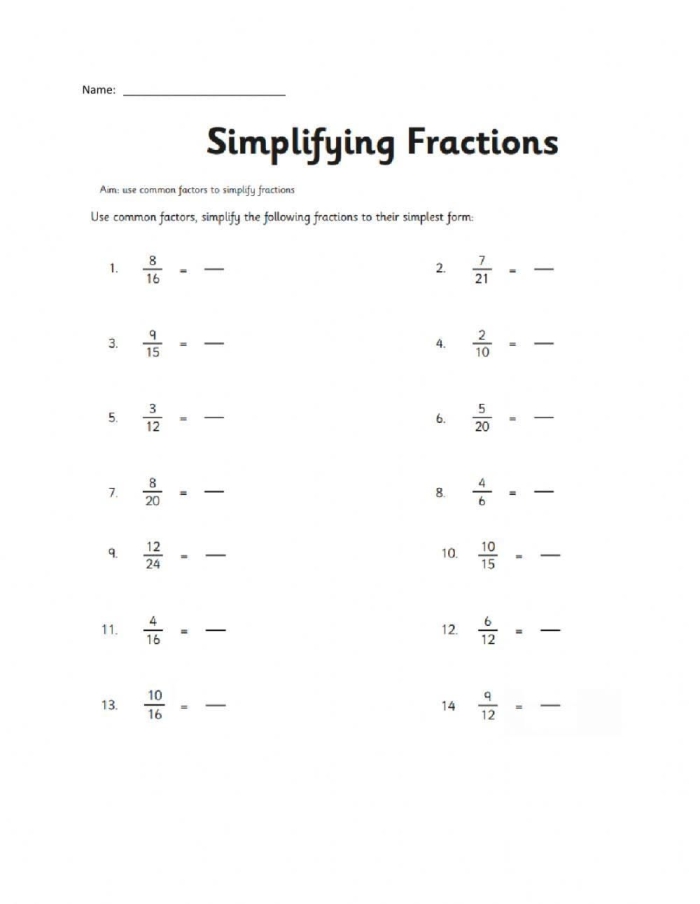
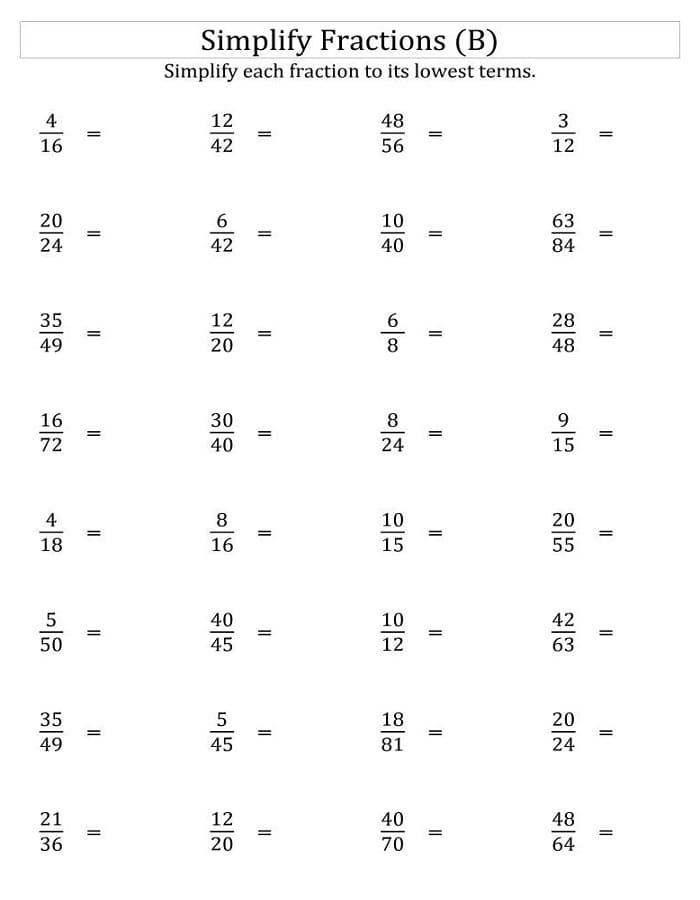
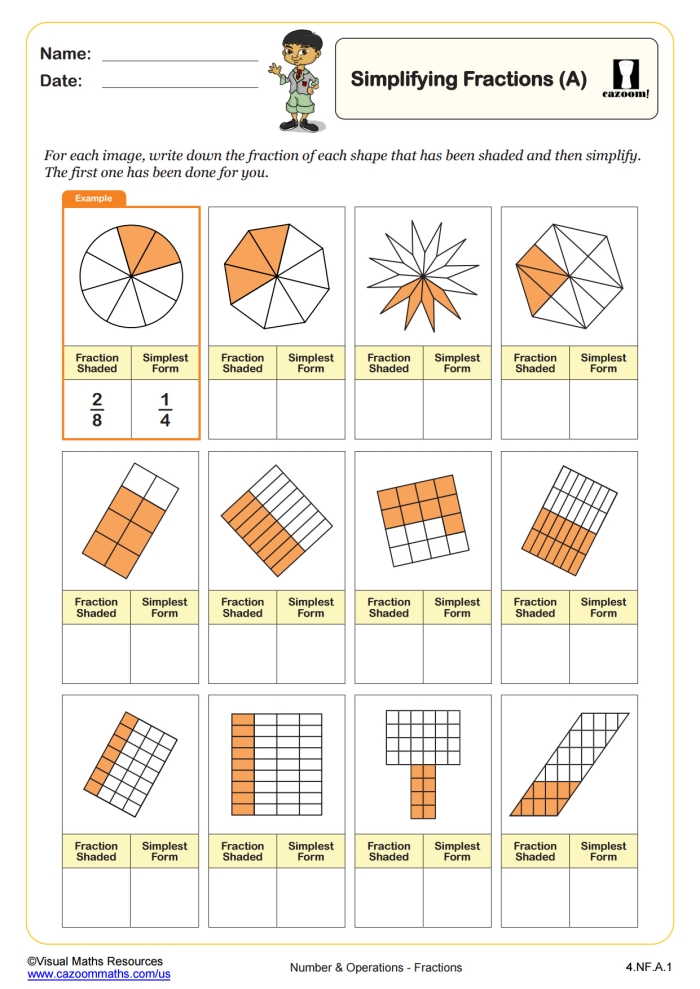
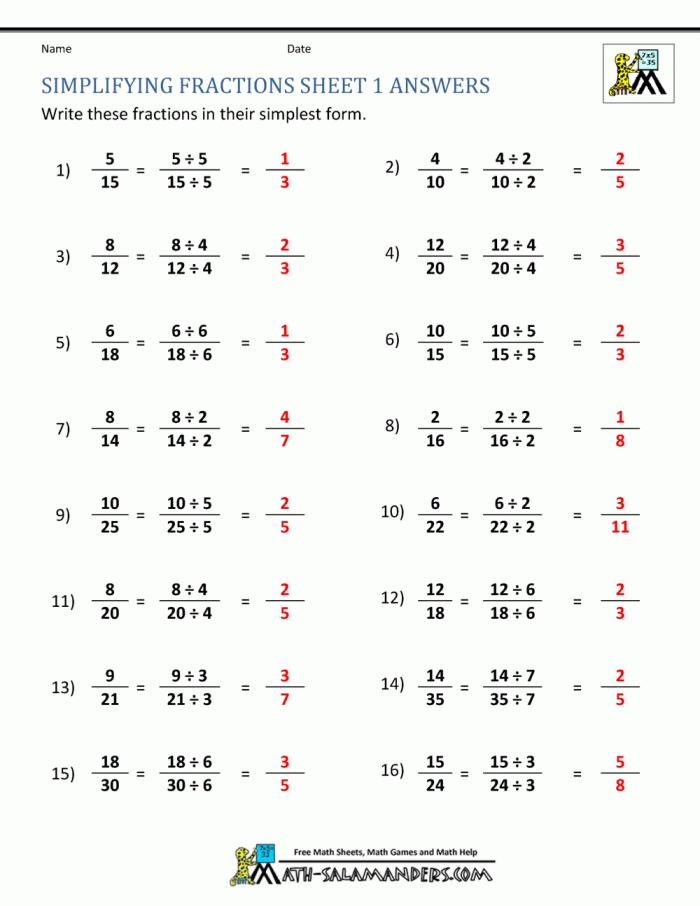
Practice these skills with consistent repetition. Worksheets targeting each concept separately help students build confidence before combining them. Many students benefit from visual representations like fraction bars or pie charts alongside numerical problems.
When your fifth grader masters these foundations, they’re ready for more advanced measurement and mathematical reasoning. Consider pairing fraction review with related practice materials like scaling practice to reinforce how fractions apply to real-world problems.
Hands-On Worksheet Activities